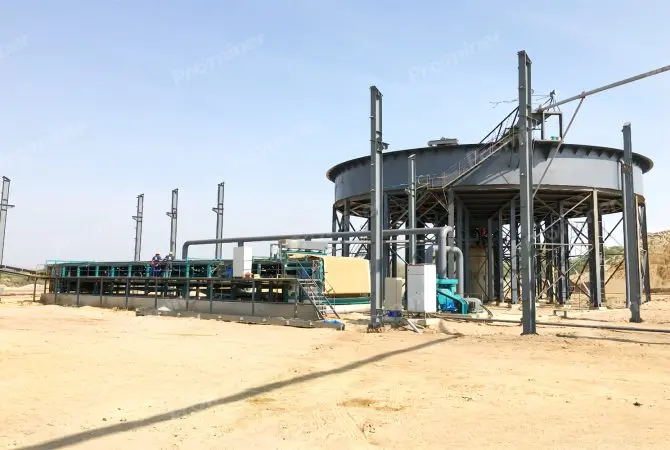

We can provide direct lithium extraction (DLE) solution to recover the lithium from salt lake brine


Mixed iron ores—composed of magnetite, hematite, limonite, siderite, or other iron-bearing minerals—present unique processing challenges due to their varied mineralogical composition, complex textures, and differing physical and chemical properties. Efficient processing requires a carefully designed beneficiation strategy tailored to the specific ore characteristics. Below is a comprehensive guide to effectively processing mixed iron ores.
Before selecting a processing method, a detailed mineralogical analysis is essential. Mixed iron ores often contain:
Advanced analytical methods such as X-ray diffraction (XRD), scanning electron microscopy (SEM), and chemical assays help determine:
This information forms the foundation for designing an efficient beneficiation process.
Mixed iron ores often require staged crushing and grinding to achieve proper mineral liberation.
The goal is to liberate iron minerals from gangue without over-grinding, which can create excessive fines and increase processing costs.
Magnetic separation is highly effective when magnetite is present.
In mixed ores, staged magnetic separation can recover magnetite first, followed by recovery of weakly magnetic minerals in subsequent steps.
Gravity separation works well when there is a significant density difference between iron minerals and gangue.
Common gravity equipment includes:
This method is particularly effective for coarse hematite or limonite particles and can reduce the load on flotation circuits.
For finely disseminated iron minerals, flotation is often necessary.
Reverse flotation is commonly used in mixed iron ores to remove silica impurities and improve concentrate grade.
Reagent selection (collectors, depressants, frothers) must be optimized according to ore characteristics.
Carbonate and hydrated iron ores such as siderite and limonite may require thermal treatment.
This method improves recovery but increases energy consumption, so it must be economically justified.
Because mixed iron ores contain multiple mineral types, a single method is rarely sufficient. Common combined flowsheets include:
The optimal process depends on ore complexity, desired concentrate grade, and economic considerations.
Effective processing also involves responsible tailings management:
Sustainable practices reduce environmental impact and improve operational efficiency.
Modern iron ore beneficiation plants increasingly rely on:
These technologies enhance recovery rates, reduce energy consumption, and improve overall plant performance.
Processing mixed iron ores effectively requires a tailored approach that integrates mineralogical analysis, staged crushing and grinding, magnetic separation, gravity concentration, flotation, and sometimes roasting. By combining appropriate technologies and optimizing process parameters, operators can maximize iron recovery, improve concentrate quality, and maintain cost-effective operations. A well-designed flowsheet backed by continuous monitoring and process optimization is the key to success in treating complex mixed iron ores.
A: Absolutely. Mineral characteristics vary significantly by region. All our beneficiation machinery—from crushers and ball mills to flotation cells and magnetic separators—can be customized in terms of capacity, lining materials, and technical configurations based on your raw ore’s mineralogy and required output.
A: The most reliable way is through a professional mineral laboratory test. We highly recommend sending a representative ore sample ($20\text{–}50\text{ kg}$) to our engineers. We will conduct free or subsidized crushing, grinding, and separation tests to design an optimized, high-recovery flowchart backed by real data.
A: To give you the most cost-effective and precise solution, please share:The primary mineral type (e.g., copper sulfide, magnetite, oxide gold ore).Your expected processing capacity (e.g., Tons Per Hour or Tons Per Day).The feeding particle size and your target concentrate grade ($Fe\%$, $Cu\%$, etc.).
A: Yes, we provide comprehensive global support. Our experienced technical team offers layout planning, foundation drawing designs, and on-site or remote video guidance for equipment installation, commissioning, and local operator training to ensure your plant runs smoothly.
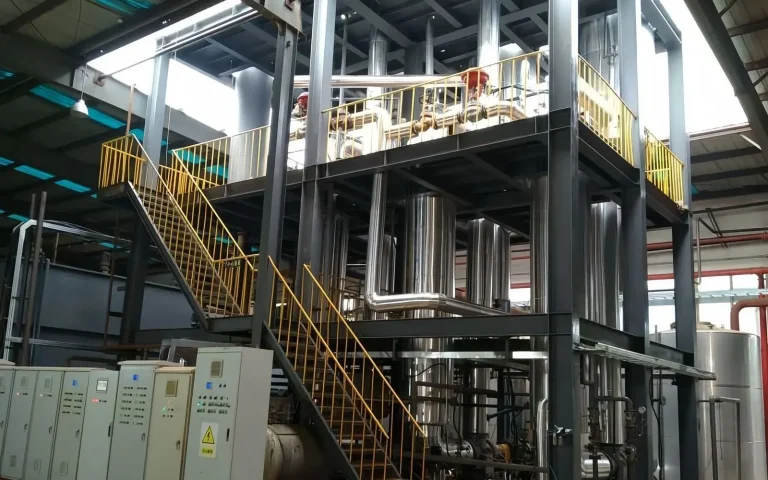
We can provide direct lithium extraction (DLE) solution to recover the lithium from salt lake brine
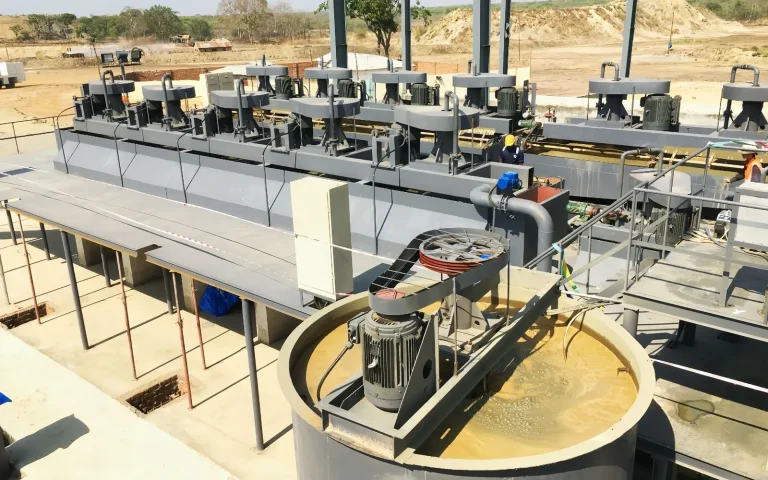
There are two types natural graphite ore include crystalline graphite and amorphous graphite
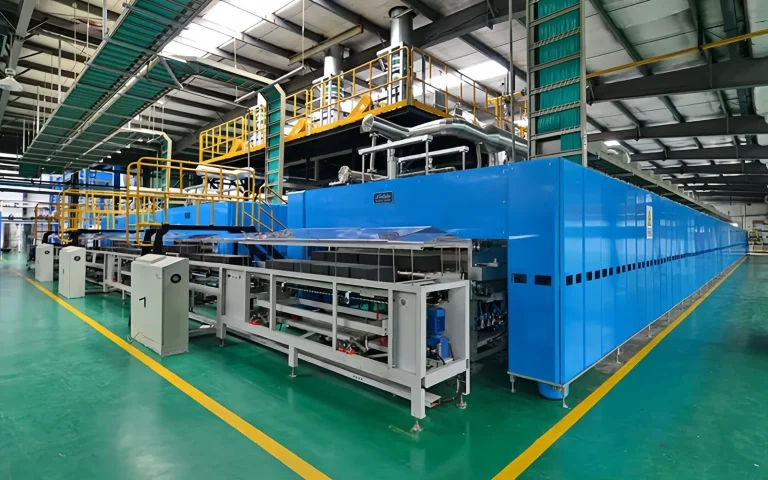
Artificial graphite anode material are mainly made from high quality low sulphur content petroleum coke

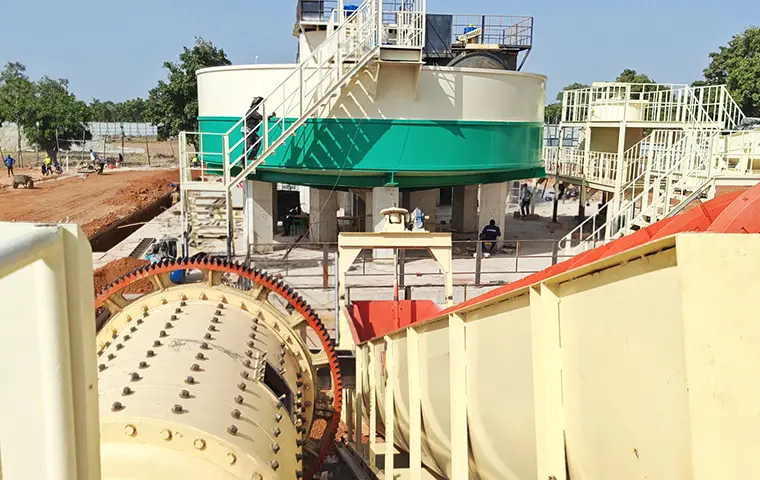
Raw Ore: Oxide and Sulfide Type Gold Ore Gold Grade: 2.5 g/t Final Product: Gold Bullion
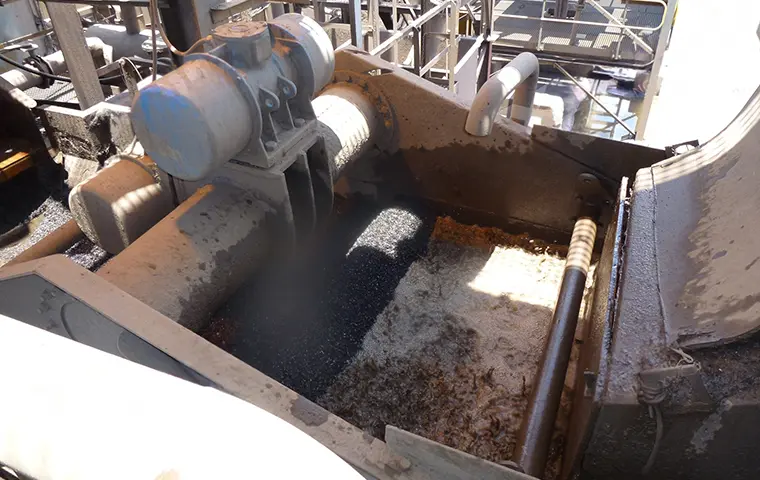
Raw Material: Weathered Granite Type Gold Ore & Associated Granitic Saprolite
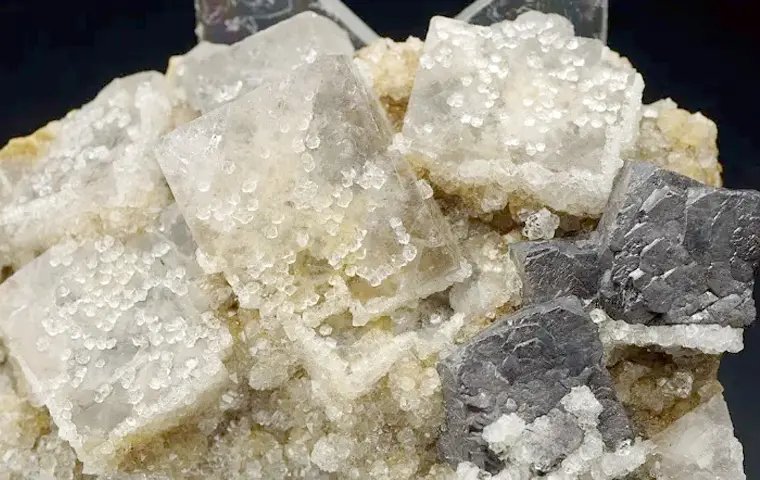
Raw Material: Polymetallic Ore Containing Galena (PbS) and Fluorite (CaF₂) Lead Grade: 3.5% Fluorite Grade: 35%
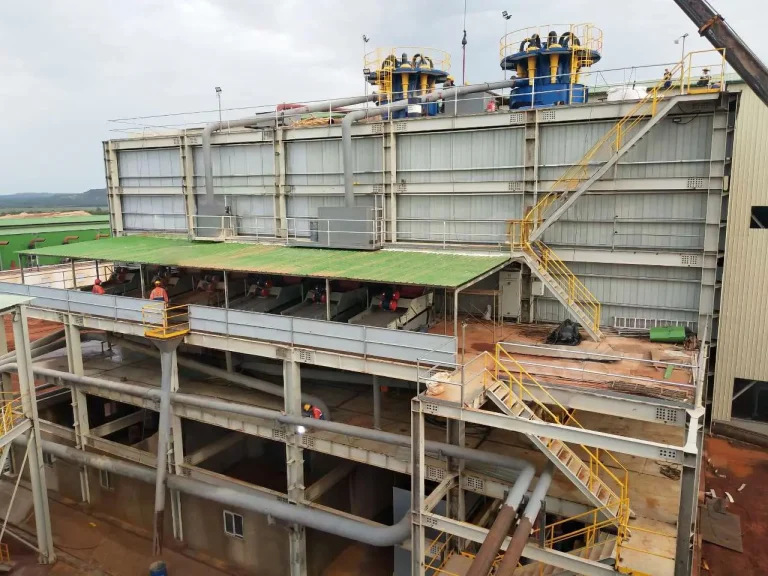
Raw Ore: Alluvial Gold Ore from River Deposits Gold Grade: 0.7 g/t (average) Recovery Rate: 90%
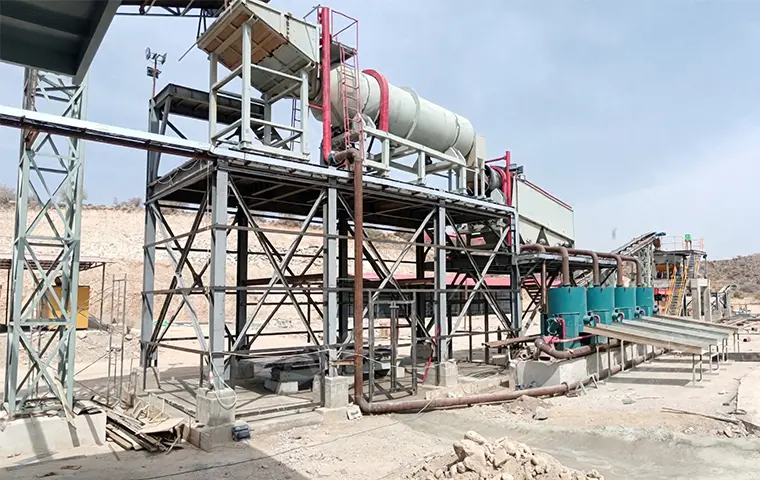
Raw Ore: Alluvial gold ore from dry river bed (Wadi) Gold Grade: 1.2 g/t Gold Recovery Rate: >92%
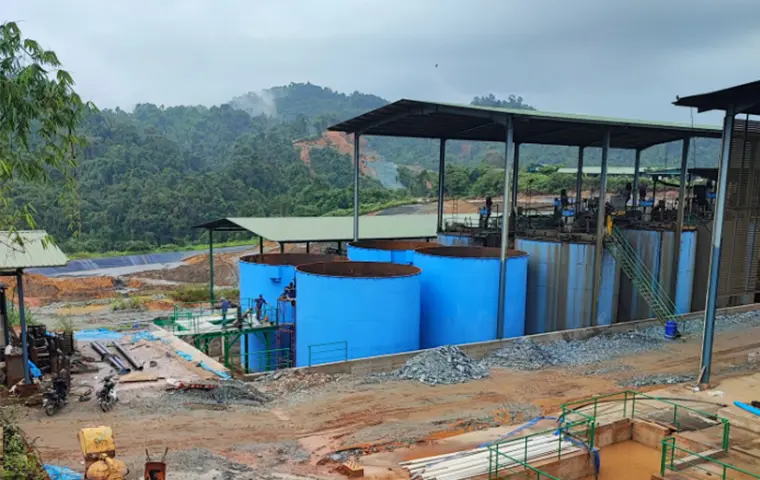
Raw Ore: Refractory and Semi-Refractory Sulfide Gold Ore Gold Grade: 2.65 g/t Gold Ingot Purity: ≥95.5%
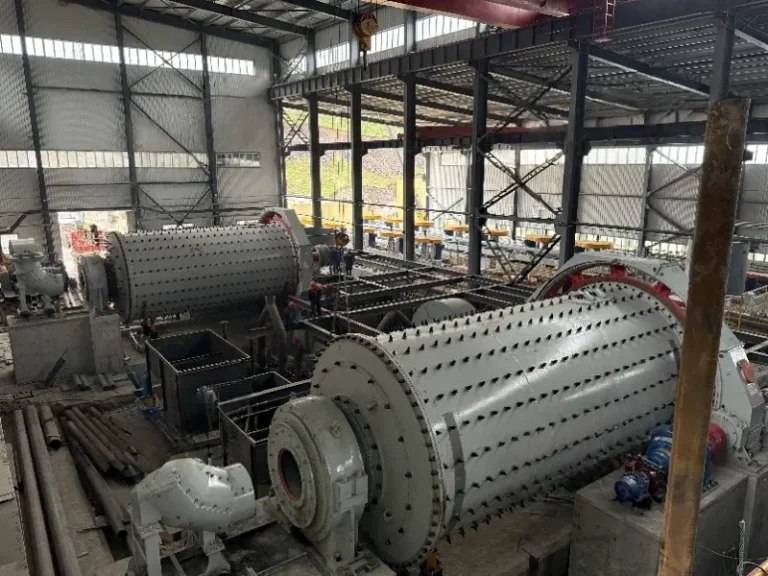
Raw Ore: Limonite Type Laterite Nickel Ore Ni Grade: 1.2% Co Grade: 0.12%
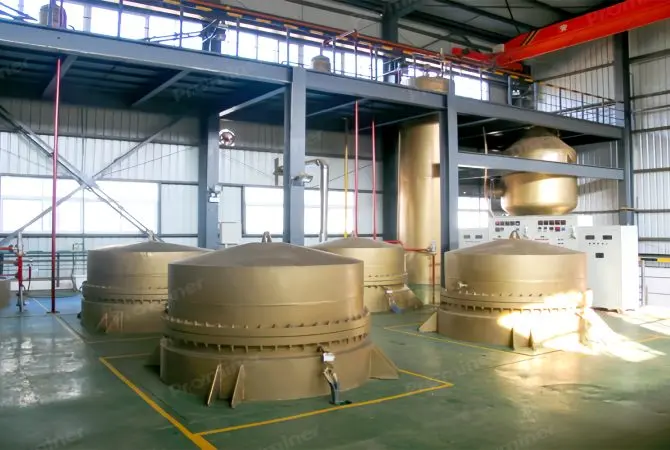
Prominer can design and provide the complete refinery and smelting system for gold CIL project
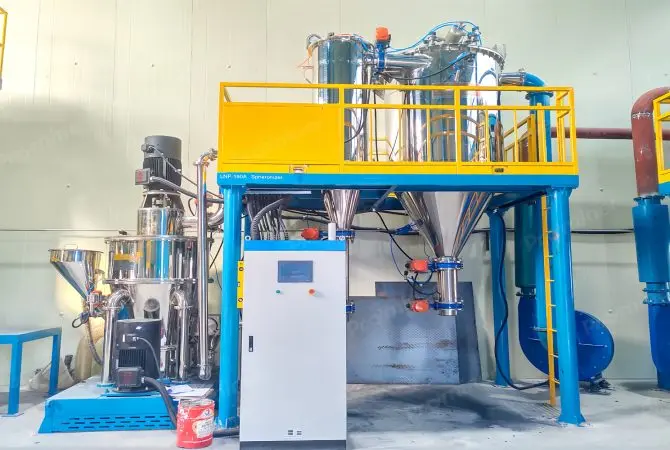
Besides strict PSD requirements, Anode Graphite also requires a spherical shape in order
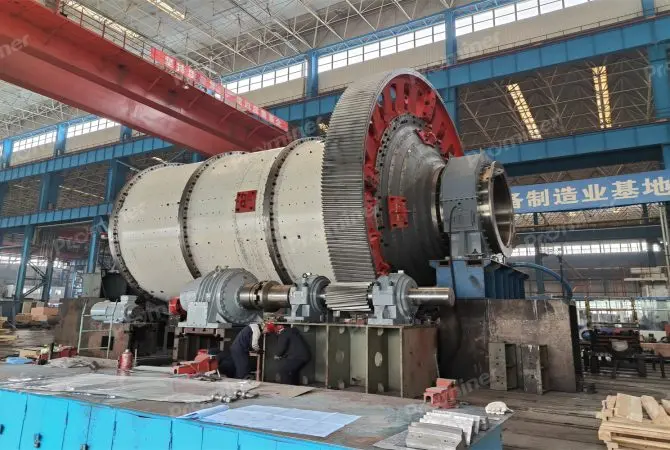
We can design and manufacture grate type ball mill for mineral primary grinding
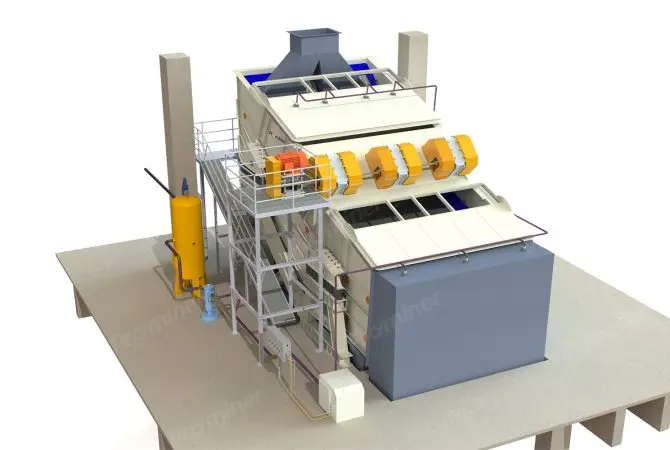
Flip-flow screen panel continues expanding and contracting so achieve a high acceleration rates
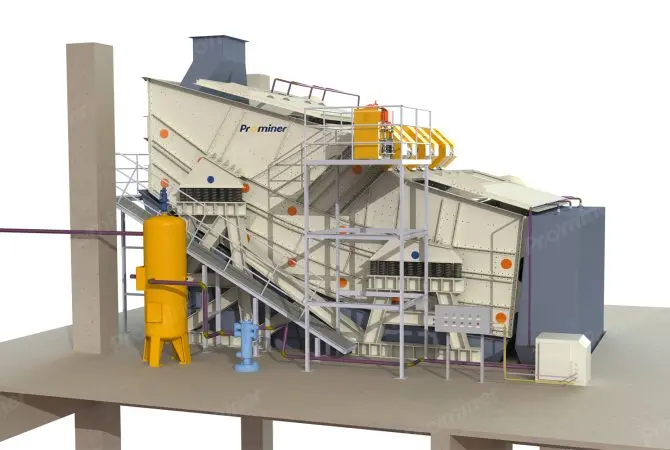
Banana screen is also well known as constant bed thickness screen. Prominer has the ability to supply dry
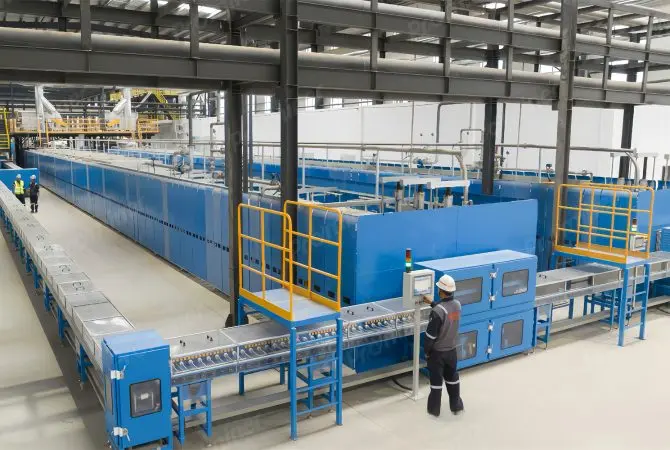
We can provide the complete solution for high temperature carbonization treatment system
To find out more about our products and solutions, please fll out the form below and one of our experts will get back to you shortly
3000 TPD Gold Flotation Project in Shandong Province
2500TPD Lithium Ore Flotation in Sichuan
Fax: (+86) 021-58779592
Address: Room 606, Building D3, Phase II, Chuansha Business Center, 777 Long, Miaochuan Road, Pudong New Area, Shanghai,China
Copyright © 2023. Prominer (Shanghai) Mining Technology Co.,Ltd.