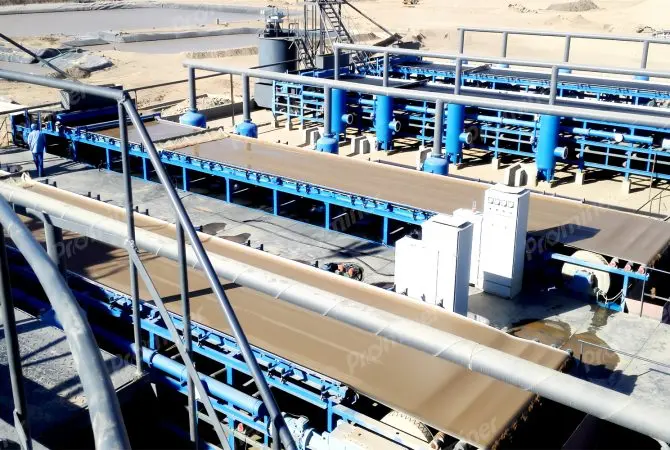
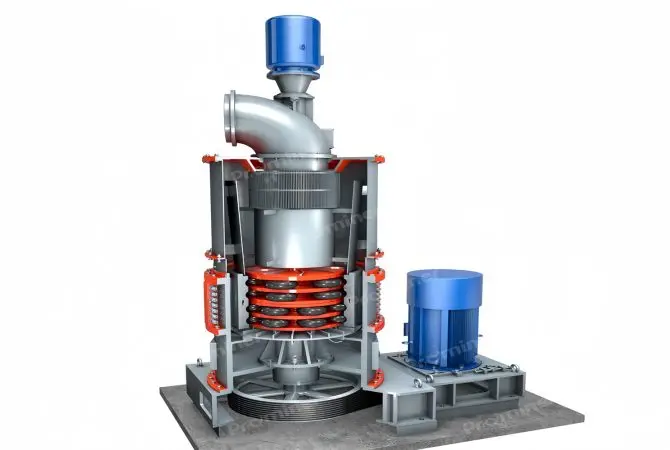
The best-known of the exogenetic ores is alluvial gold which also called placer gold. Alluvial gold refers




Gold tailings—once considered waste—often contain significant residual gold due to inefficiencies in historical processing methods. Advances in mineral processing technology now make it possible to economically reprocess tailings and recover additional value. Below is a structured guide on how to reprocess gold tailings for improved yield.
Before starting any reprocessing project, a thorough evaluation of the tailings material is essential. This includes:
Accurate characterization helps determine the most suitable recovery method and whether the project is financially viable.
The choice of reprocessing method depends on the nature of the gold and tailings material. Common methods include:
Often, a combination of these methods yields the best recovery results.
Pre-concentration reduces processing volume and enhances efficiency. Techniques include:
By reducing the mass of material requiring intensive treatment, operational costs can be lowered while increasing yield.
Improving leaching performance is critical to maximizing gold recovery. Consider the following strategies:
Process monitoring systems help maintain optimal leaching conditions.
After leaching, gold must be efficiently recovered from the solution:
Proper handling during this stage minimizes losses and maximizes final yield.
Reprocessing gold tailings often improves environmental conditions by reducing toxic substances in old dumps. Key considerations include:
Environmental stewardship not only ensures regulatory compliance but can also enhance community acceptance.
Modern technologies significantly improve efficiency and recovery rates:
Investment in updated equipment and digital monitoring can substantially increase overall yield.
Reprocessing is not a one-time setup—it requires ongoing optimization:
Continuous improvement ensures maximum gold recovery over the life of the project.
Reprocessing gold tailings offers both economic and environmental benefits. By carefully assessing material characteristics, selecting appropriate recovery methods, optimizing leaching and extraction processes, and implementing modern technologies, operators can significantly improve gold yield while reducing environmental impact.
A: Absolutely. Mineral characteristics vary significantly by region. All our beneficiation machinery—from crushers and ball mills to flotation cells and magnetic separators—can be customized in terms of capacity, lining materials, and technical configurations based on your raw ore’s mineralogy and required output.
A: The most reliable way is through a professional mineral laboratory test. We highly recommend sending a representative ore sample ($20\text{–}50\text{ kg}$) to our engineers. We will conduct free or subsidized crushing, grinding, and separation tests to design an optimized, high-recovery flowchart backed by real data.
A: To give you the most cost-effective and precise solution, please share:The primary mineral type (e.g., copper sulfide, magnetite, oxide gold ore).Your expected processing capacity (e.g., Tons Per Hour or Tons Per Day).The feeding particle size and your target concentrate grade ($Fe\%$, $Cu\%$, etc.).
A: Yes, we provide comprehensive global support. Our experienced technical team offers layout planning, foundation drawing designs, and on-site or remote video guidance for equipment installation, commissioning, and local operator training to ensure your plant runs smoothly.
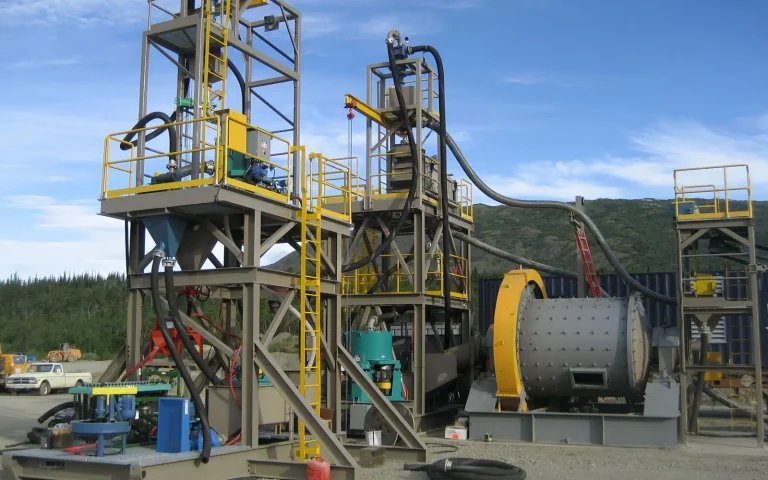
The best-known of the exogenetic ores is alluvial gold which also called placer gold. Alluvial gold refers
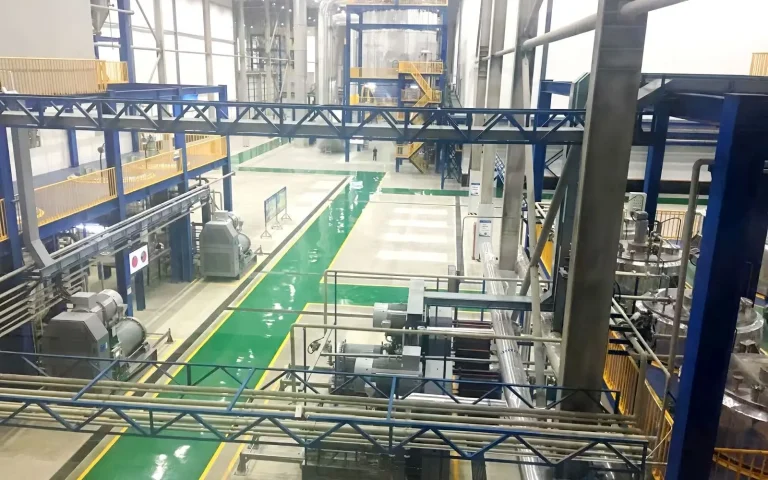
Cathode material is one of the key materials to determine the performance of lithium-ion batteries
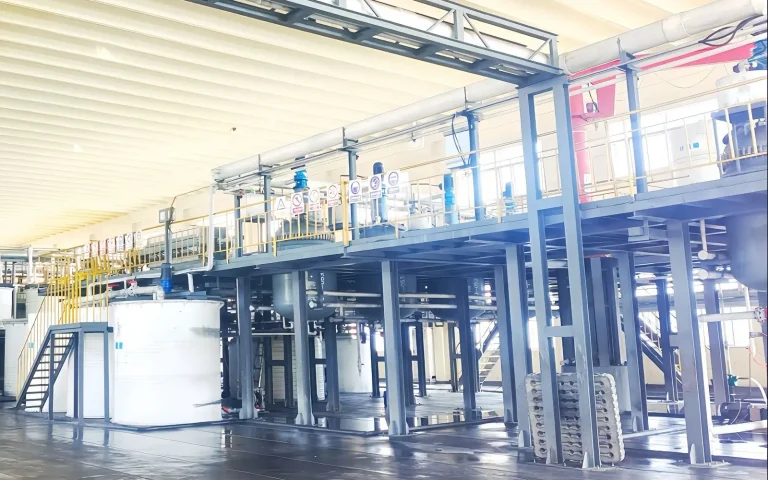
Flake graphite can be used to produce high carbon graphite, high purity graphite, expandable graphite

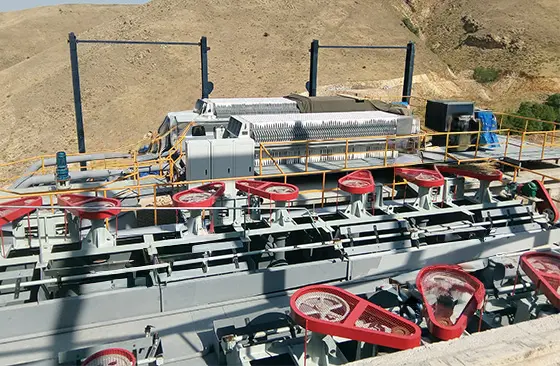
Raw Ore: Siliceous-Phosphate with Magnetite Inclusions Feed Composition: P₂O₅: 19-23%;Fe₂O₃: 8-12%;SiO₂: 25-35%;CaO: 32-38%
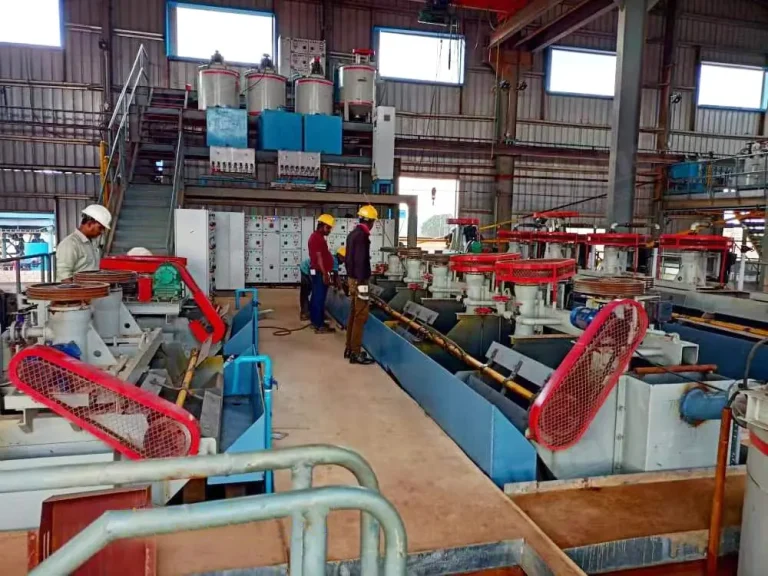
Raw Ore: Primary Sulfide Ore (Chalcopyrite-Bornite) Cu Grade: 0.72% Concentrate Grade: 28.3%
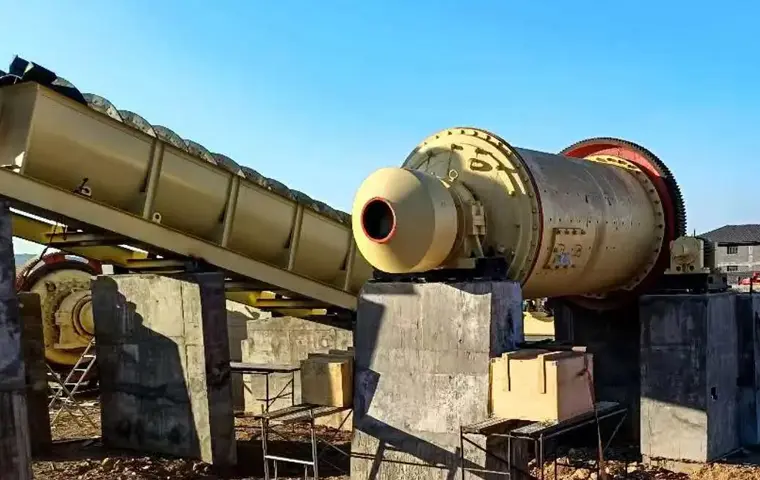
Raw Ore: Oxide Type Gold Ore Gold Grade: 2.5 g/t Gold Ingot Purity: 96%
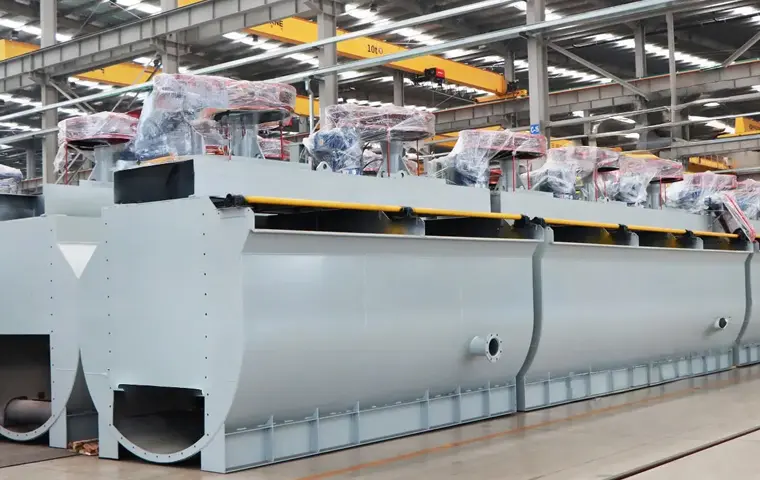
Raw Ore: Sulfide Type Gold Ore with Pyrite Gold Grade: 3.8 g/t Concentrate Grade: 42 g/t Au
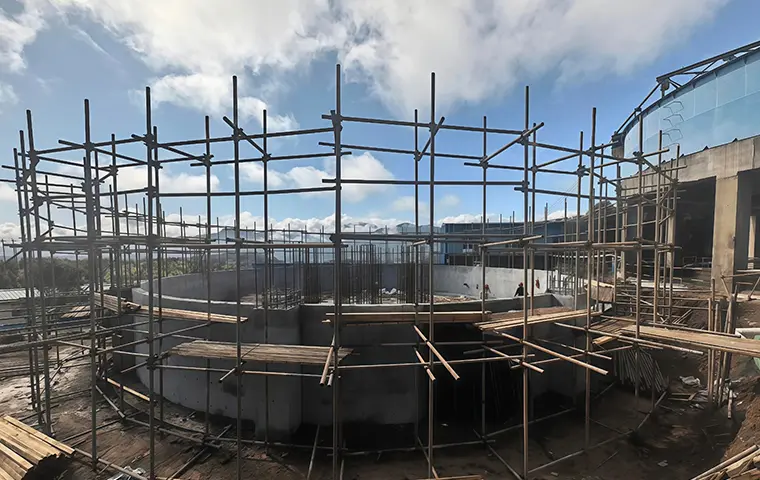
Raw Ore: Sulfide Type Gold Ore Gold Grade: 3.5 g/t Gold Recovery Rate: 92%
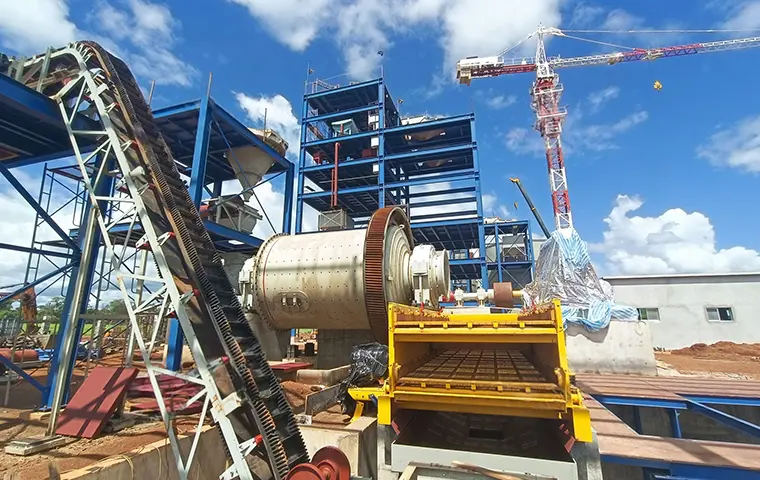
Raw Ore: Oxide Type Gold Ore Gold Grade: 3.5 g/t Gold Ingot Purity: 96%
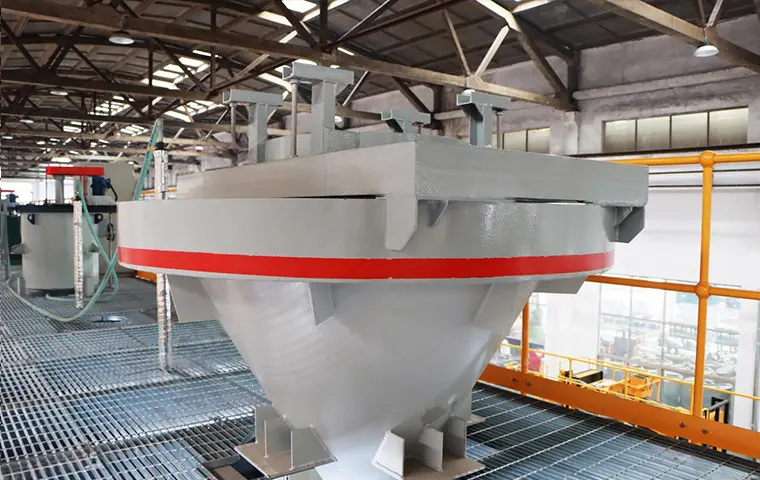
Raw Ore: Sulfide Type Gold Ore Gold Grade: 3.5 g/t Final Product: Gold Ingot Gold Recovery Rate: 96%
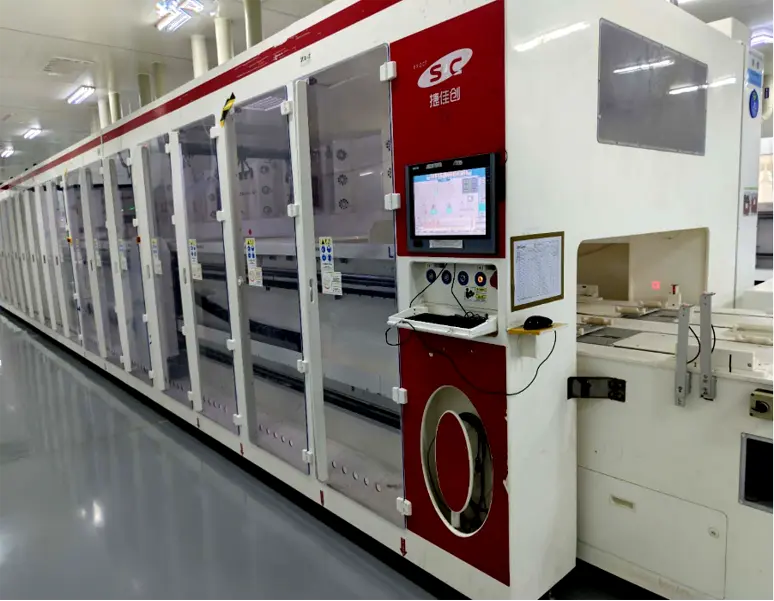
Such as: Boron diffusion furnace, BSG removal, Alkali polishing machine, PE-POLY…
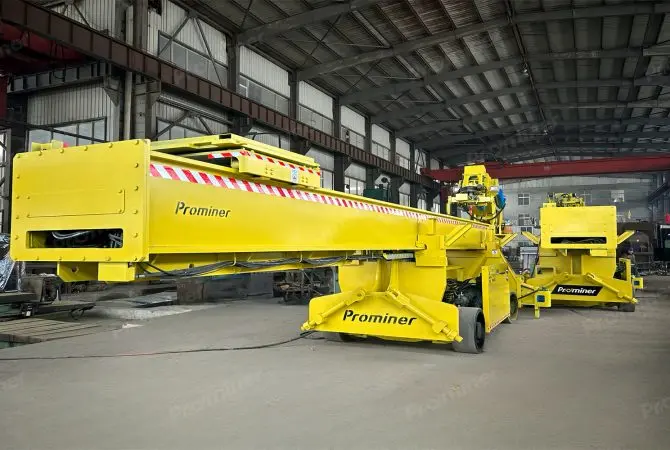
We can design and manufacture the mill relining machine (or called mill relining manipulator)
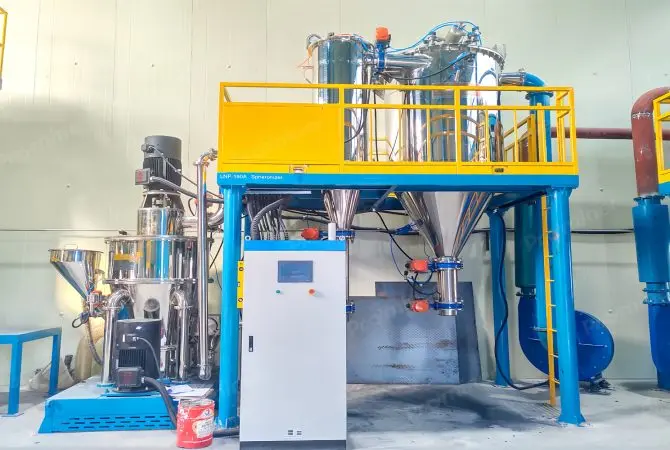
Besides strict PSD requirements, Anode Graphite also requires a spherical shape in order
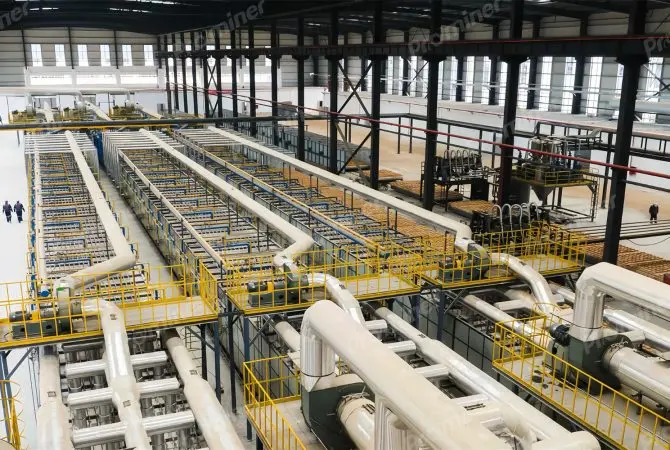
Prominer provides various types of furnaces for primary and secondary baking of carbon
To find out more about our products and solutions, please fll out the form below and one of our experts will get back to you shortly
3000 TPD Gold Flotation Project in Shandong Province
2500TPD Lithium Ore Flotation in Sichuan
Fax: (+86) 021-58779592
Address: Room 606, Building D3, Phase II, Chuansha Business Center, 777 Long, Miaochuan Road, Pudong New Area, Shanghai,China
Copyright © 2023. Prominer (Shanghai) Mining Technology Co.,Ltd.