

Provide the complete solution for making graphite anode materials include grinding, shaping, purification…




Gold recovery efficiency depends heavily on choosing the right extraction equipment and operating it correctly. Ore type, particle size, throughput requirements, water availability, and recovery targets all influence the best setup. A well-matched system can improve yield, reduce losses, and lower operating costs.
Before selecting any equipment, evaluate the material you plan to process. The most important factors include:
Free-milling coarse gold often responds well to gravity concentration. Fine gold or gold locked in sulfides may require flotation, intensive cyanidation, or other chemical recovery methods. Without understanding the ore, even high-quality equipment may perform poorly.
The right equipment should match the extraction approach required by the deposit.
Gravity systems are commonly used for alluvial gold and free-milling hard rock ore. Typical options include:
Gravity equipment is often preferred because it is relatively low-cost, chemical-free, and effective for liberated gold.
If gold is associated with sulfide minerals, flotation may be necessary. Common flotation equipment includes:
Flotation can significantly improve recovery where gravity alone cannot capture the gold-bearing fractions.
For very fine gold or refractory ore, leaching circuits may be required. These systems can include:
These circuits are more complex but can deliver high recovery when designed properly.
Proper sizing is critical for maximum yield. Undersized equipment can become a bottleneck, while oversized equipment may waste capital and reduce efficiency at low loads.
Key sizing considerations include:
It is important to build a balanced flow sheet so that each machine supports the others without causing overloading or underfeeding.
A large share of gold losses occurs in the fine fraction. To improve recovery:
Fine gold recovery should be part of the design from the beginning rather than treated as an afterthought.
Even the best recovery equipment performs poorly if the feed is not properly prepared. Feed preparation may include:
Consistent feed conditions improve equipment stability and recovery efficiency.
Monitoring and adjustment are essential for maintaining high yield. Important process variables include:
Regular sampling of tailings, concentrates, and intermediate streams helps identify where gold losses are occurring. Process control data can then be used to fine-tune the operation.
Reliability affects yield just as much as recovery performance. Frequent breakdowns reduce plant availability and can cause inconsistent processing. When comparing equipment, consider:
Durable machines with straightforward maintenance requirements often provide better long-term recovery than complex systems that are difficult to keep running.
Many operators benefit from modular systems that can be expanded over time. A modular design offers:
This approach is especially useful for remote sites, pilot operations, and growing mining projects.
Laboratory and pilot testing are essential before final equipment selection. Test work can determine:
Testing reduces technical risk and helps avoid costly mistakes in plant design.
Even well-designed equipment will not achieve maximum yield without skilled operation. Operators should understand:
Routine inspections, preventive maintenance, and operator training all contribute to stable recovery and higher gold output.
Selecting and optimizing gold extraction equipment for maximum yield requires a combination of ore analysis, proper process design, correct equipment sizing, and continuous operational control. The best results come from matching the equipment to the ore characteristics and recovery goals, then refining the system through testing, monitoring, and maintenance. With the right approach, miners can improve recovery, reduce losses, and increase the overall profitability of their gold operation.
A: The choice depends entirely on your ore’s mineral characteristics:
Gravity Separation: Best for coarse-grained minerals with large density differences (e.g., placer gold).
Flotation: Ideal for fine-grained base metals (e.g., copper oxide) or removing impurities from non-metallic minerals (e.g., quartz sand).
Cyanidation (CIP): Necessary for fine, encapsulated precious metals (e.g., rock gold) to maximize chemical extraction.
A: This approach prevents over-grinding (creating excessive ultra-fine particles), which ruins flotation efficiency. By grinding in stages and immediately separating recovered minerals or waste at each stage, you significantly reduce energy consumption, minimize steel media wear, and protect valuable minerals from turning into unrecoverable slime.
A: Fine particles have low mass and high surface areas, making them hard to float. Key solutions include:
Advanced Reagents: Using highly selective collectors and flocculants to aggregate fine particles.
Micro-bubble Technology: Utilizing flotation columns that generate smaller bubbles to increase particle-bubble collision rates.
Desliming: Removing harmful ultra-fine slimes before the flotation stage to clear the process environment.
A: Relying on a single method is rarely enough. The key is a combined metallurgical flowsheet:
For High-Purity Quartz: Integrate scrubbing, magnetic separation (to remove iron), flotation (for feldspar), and acid leaching for the ultimate purity.
For Precious Metals: Combine gravity separation (to catch coarse gold early) with flotation and CIP (to extract fine gold), ensuring zero valuable minerals are wasted.
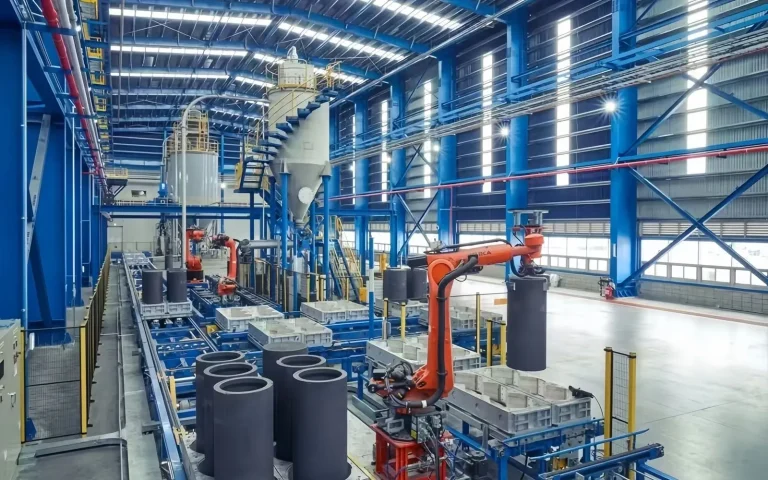
Provide the complete solution for making graphite anode materials include grinding, shaping, purification…
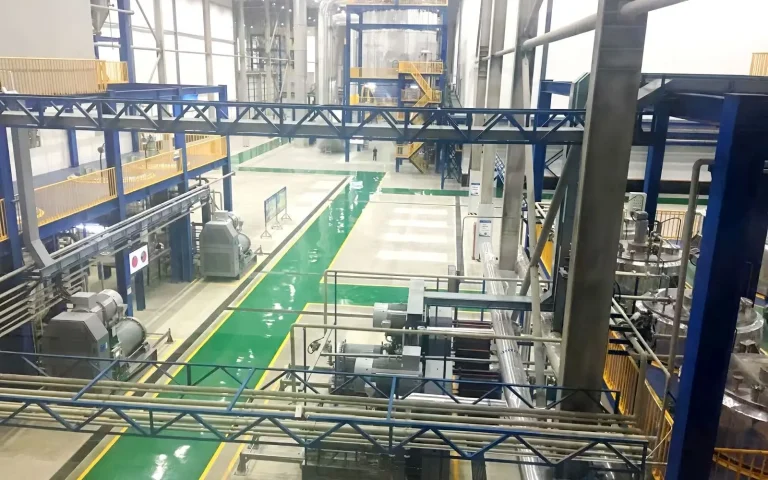
Cathode material is one of the key materials to determine the performance of lithium-ion batteries
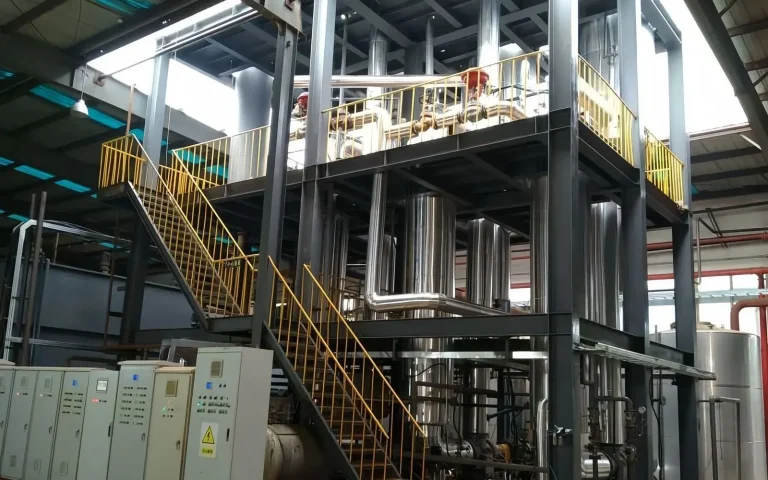
We can provide direct lithium extraction (DLE) solution to recover the lithium from salt lake brine

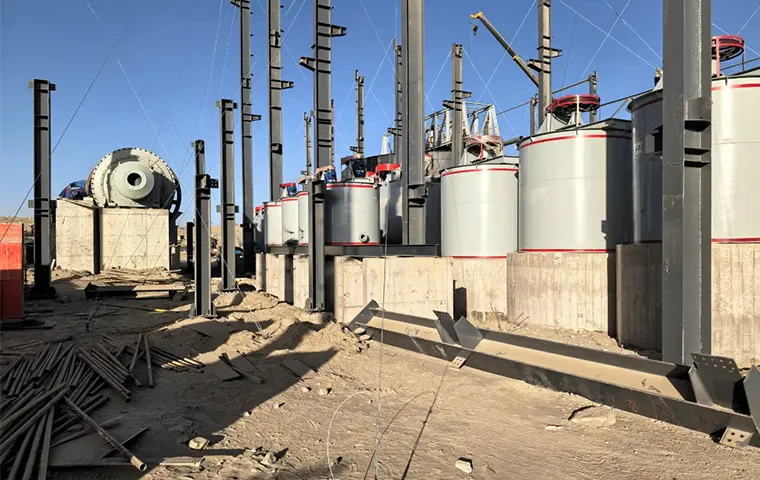
Raw Ore: Transitional & Oxide Gold Ore (with minor sulfides) Feed Gold Grade: 2.5 g/t Final Product: Gold Doré Ingot
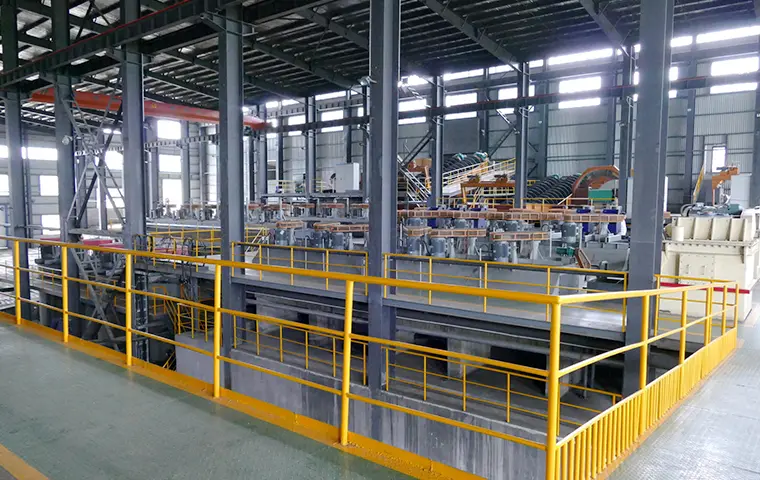
Raw Material: Spherical Graphite, Pitch Binder, Additives Project Capacity: 5,000 tons anode material; 20 tons graphene per annum
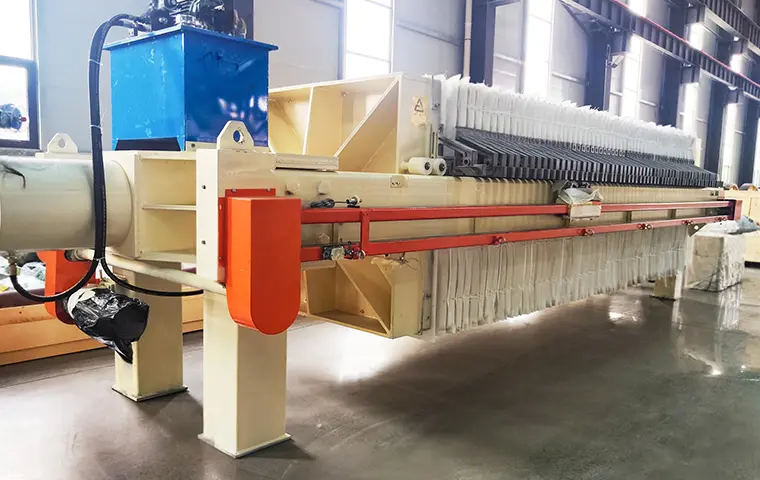
Project Background: Upgrade of dewatering circuit for flotation concentrate and plant tailings to reduce moisture content and enable dry stack disposal.
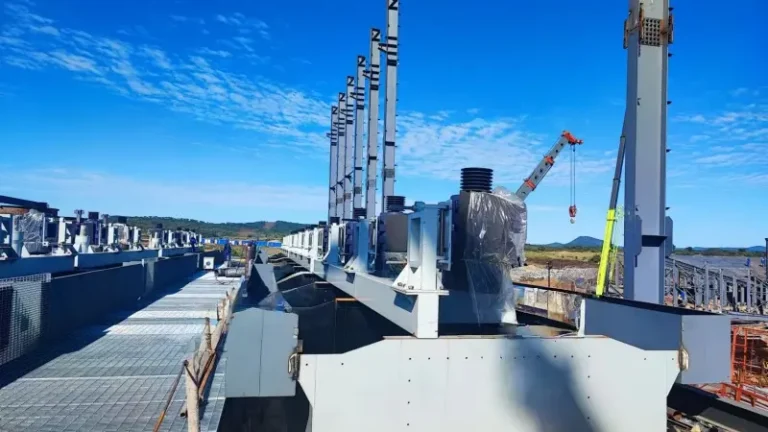
Raw Material: Lithium Brine (from Lithium Triangle: Chile/Argentina/Bolivia); Spodumene Ore (from Australia and China)
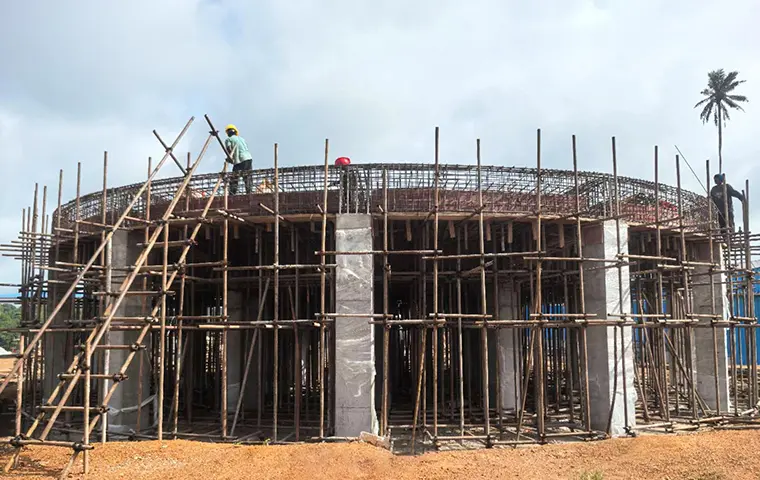
Feed Material: Historically Stockpiled Gold Tailings Tailings Gold Grade: 1.5 g/t Target Gold Recovery Rate: 88%
Boosting copper recovery and reducing energy consumption through cutting-edge pre-concentration and Prominer’s 15+ years of EPC expertise
Raw Ore: High-grade Wollastonite ore with associated Garnet and Diopside Feed Grade: 65-70% Wollastonite
Capacity Target: Increase processing capacity from 500 TPD to 850 TPD in phases without halting production.
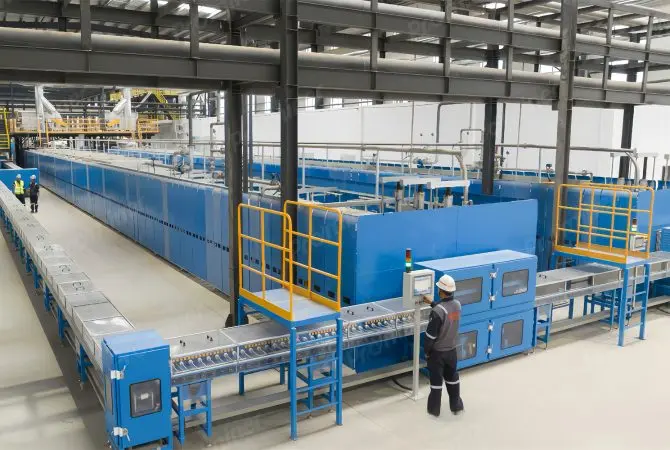
We can provide the complete solution for high temperature carbonization treatment system
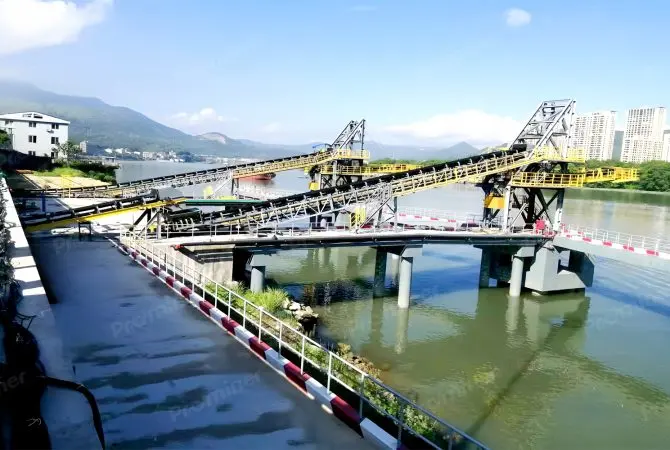
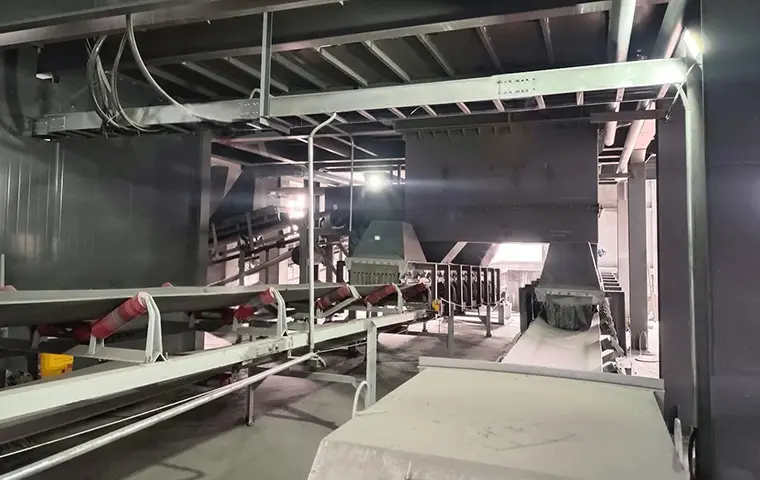
We can provide the solution of belt conveyors for different purposes include steeply inclined belt conveyor
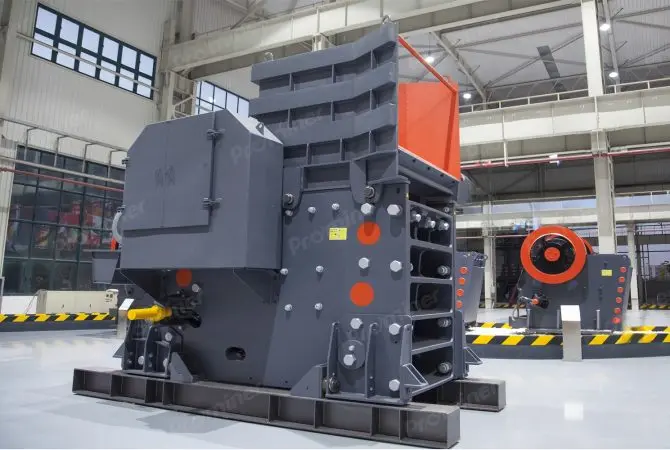
Jaw Crusher, its opening size determines its max feeding size. The crushing chamber of a jaw crusher
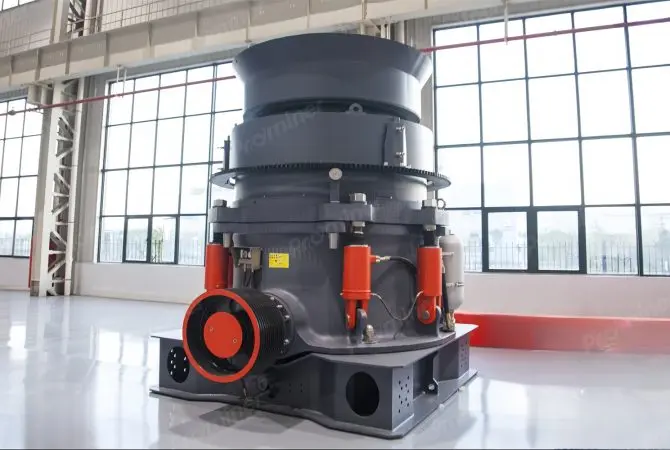
Multi-cylinder hydraulic cone crusher combines crusher speed, eccentricity and cavity profile
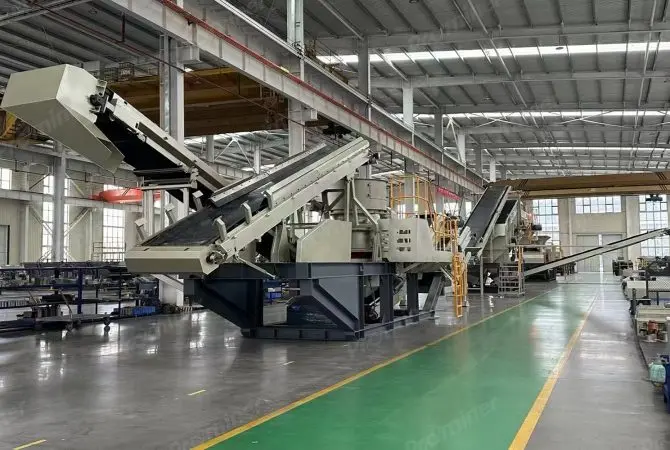
Skid mounted Portable Crusher, based on market requirements of easier moving from one site
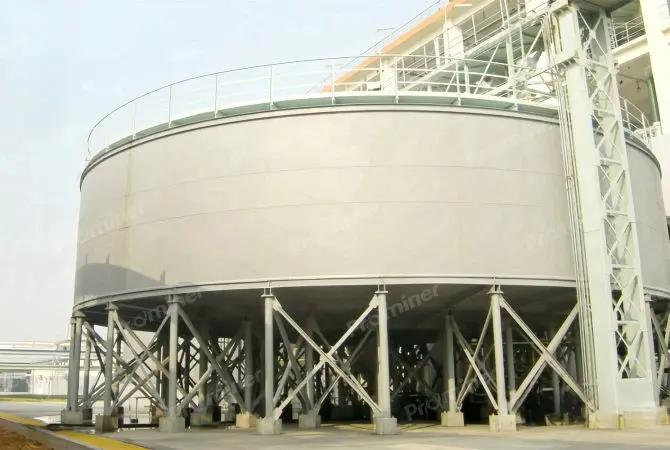
Prominer can provide different kinds of thickeners include center driving thickener, peripheral traction thickener
To find out more about our products and solutions, please fll out the form below and one of our experts will get back to you shortly
3000 TPD Gold Flotation Project in Shandong Province
2500TPD Lithium Ore Flotation in Sichuan
Fax: (+86) 021-58779592
Address: Room 606, Building D3, Phase II, Chuansha Business Center, 777 Long, Miaochuan Road, Pudong New Area, Shanghai,China
Copyright © 2023. Prominer (Shanghai) Mining Technology Co.,Ltd.


