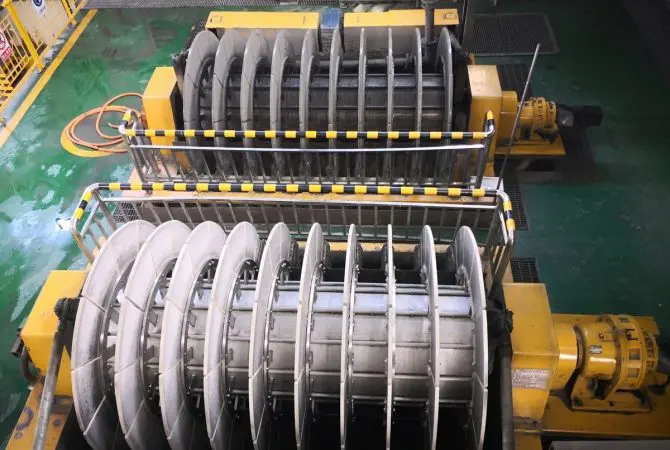
Prominer can provide the complete solution for making natrual graphite anode materials include grinding




Oxide copper ores present unique challenges in mineral processing, especially when they are complex, low-grade, clay-rich, or associated with gangue minerals that hinder conventional recovery methods. Unlike sulfide ores, oxide copper minerals often require specialized treatment techniques to achieve acceptable recovery rates. This article explores the main challenges and practical solutions for treating difficult-to-process oxide copper ores.
Oxide copper ores typically contain minerals such as malachite, azurite, chrysocolla, cuprite, and tenorite. These minerals differ significantly in their metallurgical behavior compared to sulfide minerals like chalcopyrite or chalcocite.
Key challenges include:
A detailed mineralogical analysis is essential before selecting a treatment process. Techniques such as XRD, QEMSCAN, and chemical assays help determine the most suitable recovery route.
Heap leaching is one of the most widely used methods for treating oxide copper ores, especially low-grade deposits.
Process overview:
Advantages:
Limitations:
Agglomeration with acid and binders can improve permeability and copper recovery in clay-rich ores.
For higher-grade or finely disseminated oxide ores, agitated tank leaching offers faster and more controlled copper extraction.
Key features:
This method is particularly suitable when heap leaching is ineffective due to slow kinetics or poor percolation. However, it involves higher capital and energy costs.
Although oxide copper minerals are generally not amenable to conventional flotation, modified flotation techniques can be effective.
Sulphidization flotation is commonly used:
Challenges:
Careful reagent optimization and desliming stages can significantly improve recovery.
In some complex ores, a combined flowsheet provides better results.
Examples include:
These hybrid approaches maximize overall copper recovery while balancing cost and efficiency.
Clay minerals such as kaolinite, montmorillonite, and smectite can severely affect both leaching and flotation processes by:
Mitigation strategies include:
Proper ore preparation significantly improves downstream performance.
Although more commonly applied to sulfide ores, bioleaching can play a role in treating certain oxide ores or mixed oxide-sulfide deposits.
Microorganisms facilitate copper solubilization in acidic environments, particularly when secondary sulfides are present. Bioleaching is environmentally attractive but requires careful control of temperature, aeration, and solution chemistry.
Choosing the right treatment method depends on several factors:
Comprehensive metallurgical testing—including bottle roll tests, column leaching, and flotation trials—is critical before final process selection.
Treating difficult-to-process oxide copper ores requires a thorough understanding of mineralogy and careful process design. Heap leaching remains the dominant approach for low-grade ores, while agitated leaching and sulphidization flotation provide alternatives for more complex materials. In many cases, a combination of methods delivers the best economic outcome.
With proper testing, reagent optimization, and flowsheet design, even challenging oxide copper ores can be processed efficiently and profitably.
A: Absolutely. Mineral characteristics vary significantly by region. All our beneficiation machinery—from crushers and ball mills to flotation cells and magnetic separators—can be customized in terms of capacity, lining materials, and technical configurations based on your raw ore’s mineralogy and required output.
A: The most reliable way is through a professional mineral laboratory test. We highly recommend sending a representative ore sample ($20\text{–}50\text{ kg}$) to our engineers. We will conduct free or subsidized crushing, grinding, and separation tests to design an optimized, high-recovery flowchart backed by real data.
A: To give you the most cost-effective and precise solution, please share:The primary mineral type (e.g., copper sulfide, magnetite, oxide gold ore).Your expected processing capacity (e.g., Tons Per Hour or Tons Per Day).The feeding particle size and your target concentrate grade ($Fe\%$, $Cu\%$, etc.).
A: Yes, we provide comprehensive global support. Our experienced technical team offers layout planning, foundation drawing designs, and on-site or remote video guidance for equipment installation, commissioning, and local operator training to ensure your plant runs smoothly.
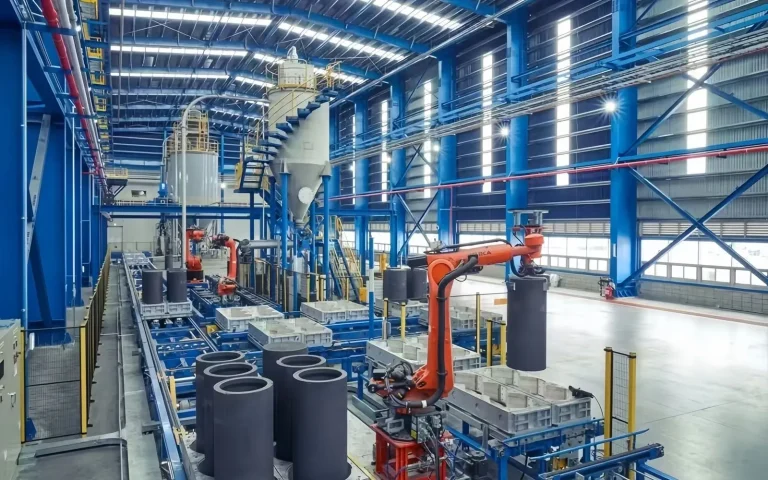
Prominer can provide the complete solution for making natrual graphite anode materials include grinding
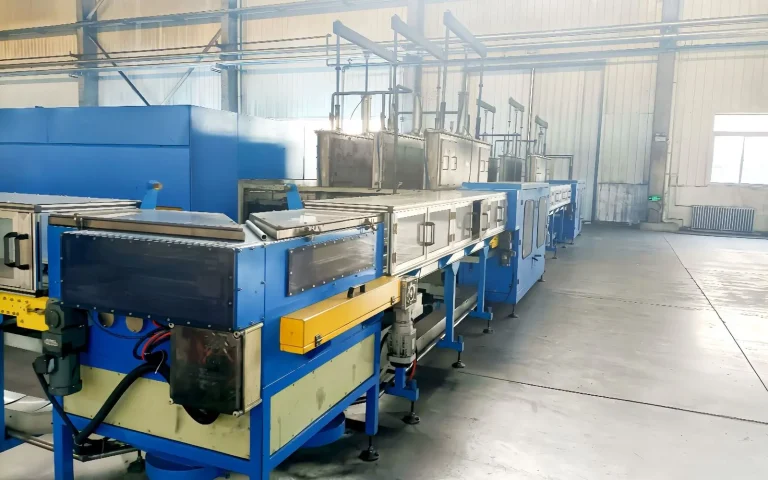
Hard carbon anode material is the most preferred materials for commercialization of sodium-ion battery
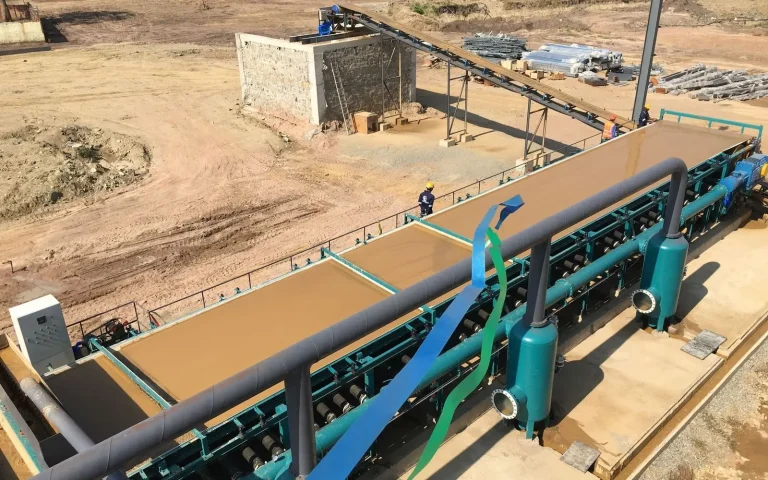
Gold CIL process (carbon in leaching) is very popular way to process the high grade oxide type gold ore

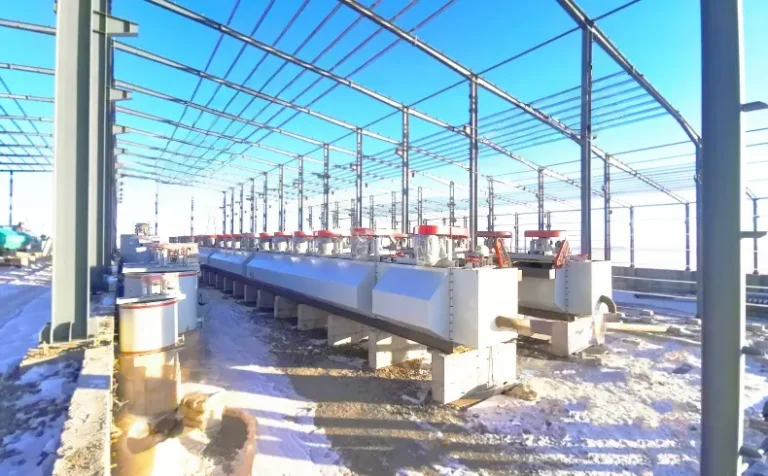
Raw Ore: Copper Sulfide Ore Copper Grade: 0.85% Final Product: Copper Concentrate
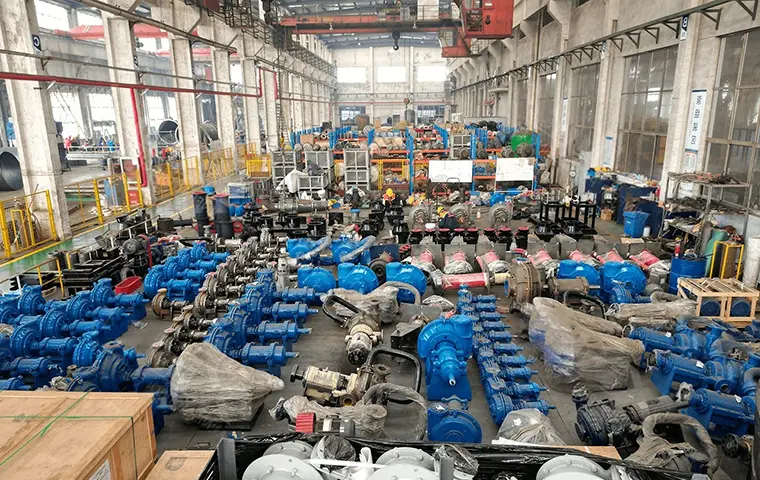
Raw Ore: Crystalline Flake Graphite Ore Feed Carbon Grade: 8–12% (Variable) Final Product: High-Purity Flake Graphite Concentrate
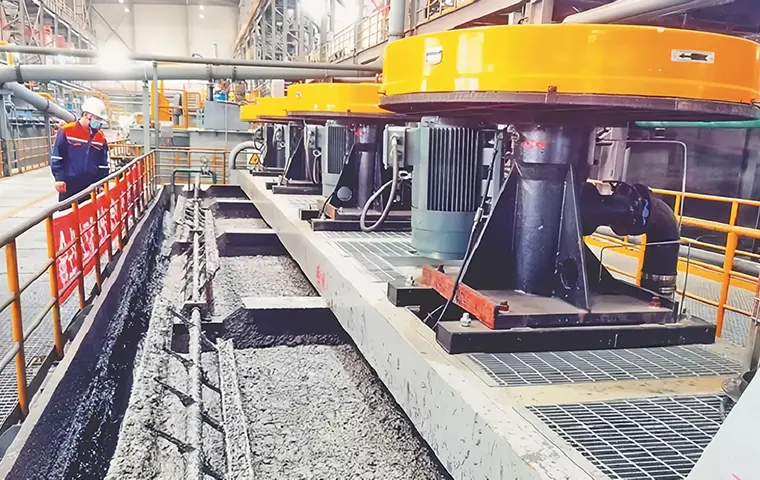
Project Type: World-Class Integrated Graphite Mining & Advanced Materials Industrial Park Raw Material: Natural Flake Graphite Ore Resource
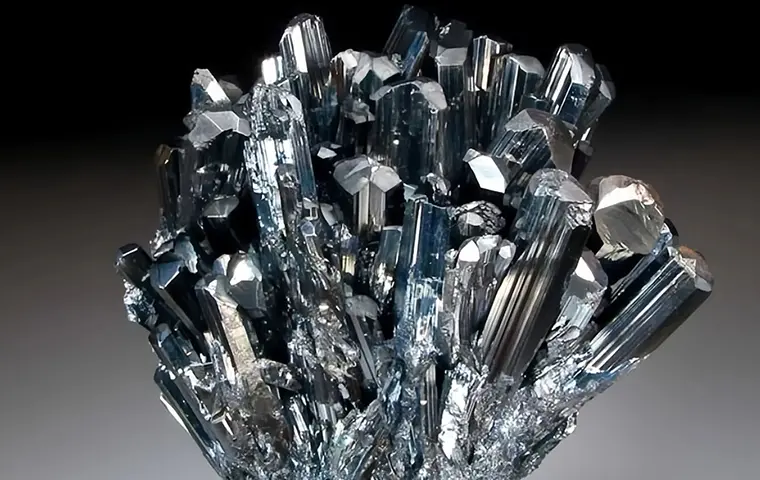
Raw Ore: Stibnite (Antimony Sulfide Ore) Sb Grade: 3.5% Concentrate Grade: 55% Sb
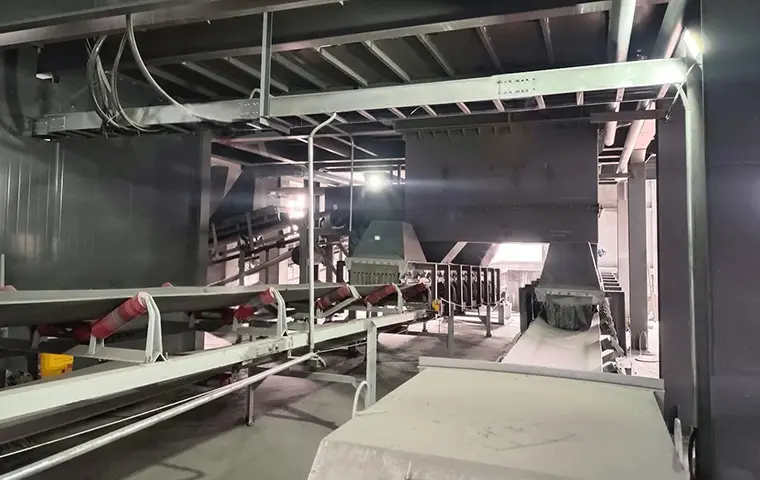
Boosting copper recovery and reducing energy consumption through cutting-edge pre-concentration and Prominer’s 15+ years of EPC expertise
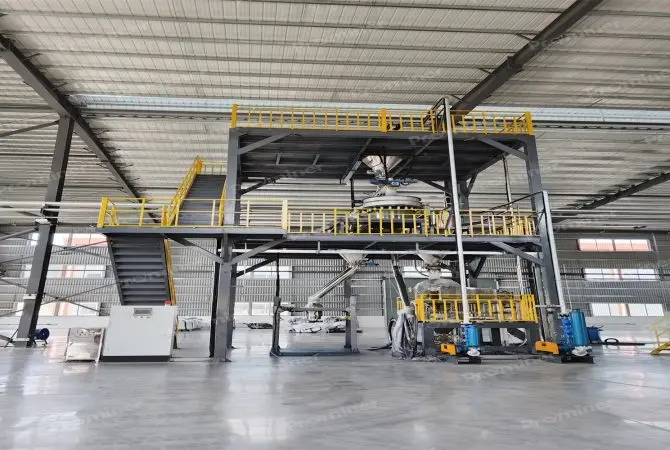
Raw Material: Artificial graphite anode, Natural graphite anode
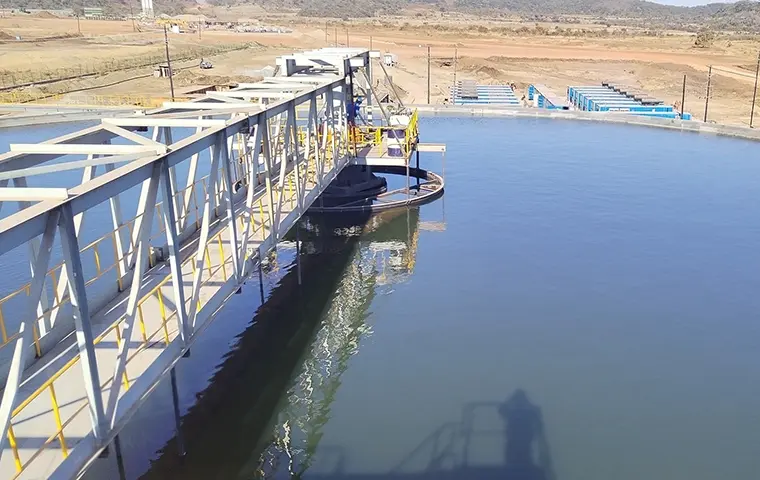
Raw Ore: Calcite Ore CaCO3 Grade: 85% Final Product: Coated & Uncoated Calcite Powder (325 – 2500 mesh)
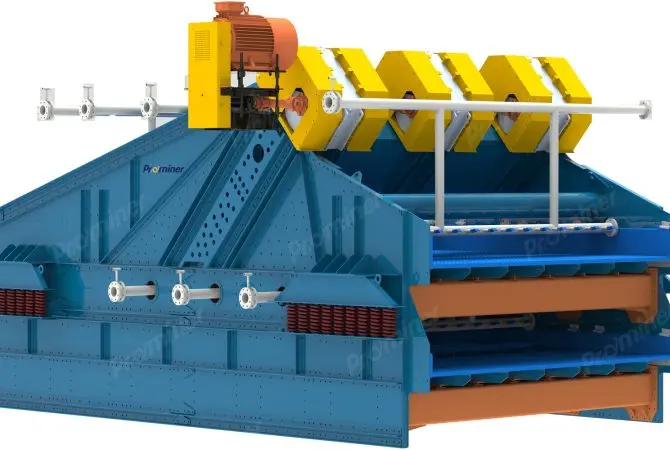
Prominer can provide all kinds of linear screen for mineral grading, material sizing, dewatering
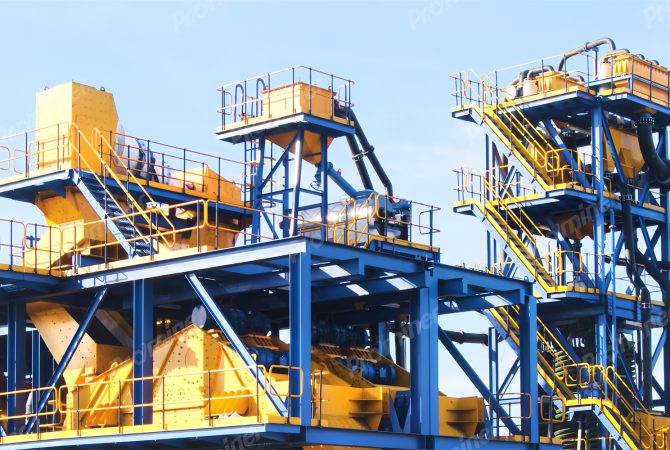
Prominer can provide different LIMS (Low Intensity Magnetic separator) magnetic separators
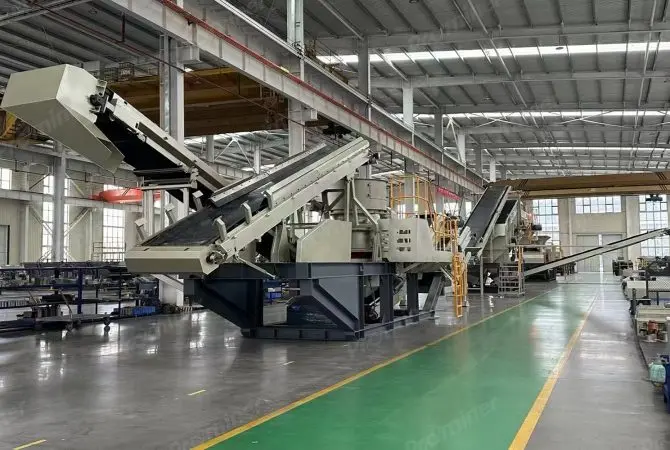
Skid mounted Portable Crusher, based on market requirements of easier moving from one site
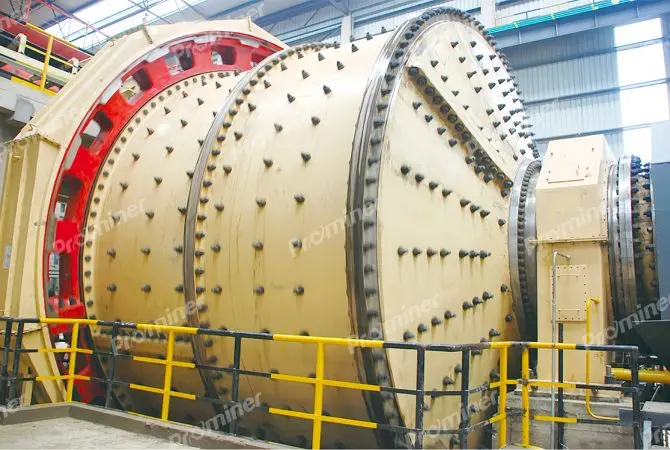
AG/SAG is short for autogenous mill and semi-autogenous mill, it combines with two functions of crushing
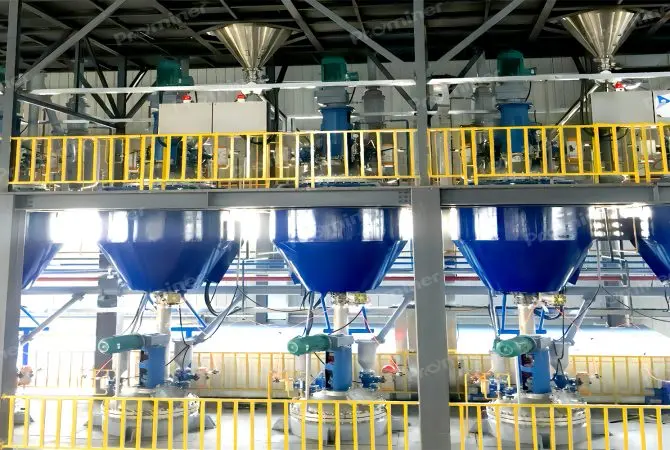
Our granulation reactor combines the coating and granulation processing functions together
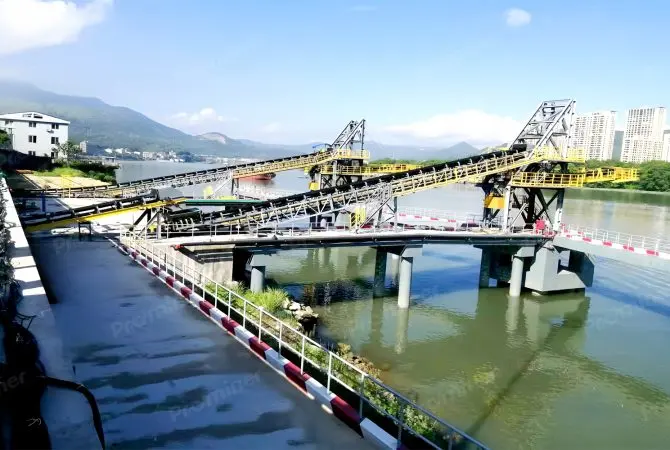
We can provide the solution of belt conveyors for different purposes include steeply inclined belt conveyor
To find out more about our products and solutions, please fll out the form below and one of our experts will get back to you shortly
3000 TPD Gold Flotation Project in Shandong Province
2500TPD Lithium Ore Flotation in Sichuan
Fax: (+86) 021-58779592
Address: Room 606, Building D3, Phase II, Chuansha Business Center, 777 Long, Miaochuan Road, Pudong New Area, Shanghai,China
Copyright © 2023. Prominer (Shanghai) Mining Technology Co.,Ltd.