

Cathode material is one of the key materials to determine the performance of lithium-ion batteries




Copper oxide ores are notably more difficult to float than sulfide ores because their surface chemistry is less naturally hydrophobic and more sensitive to slime coatings, dissolved ions, and reagent conditions. To improve recovery and concentrate grade, operators increasingly rely on advanced flotation methods that combine surface modification, reagent engineering, ore pre-treatment, and real-time process control. These methods are designed to overcome weak collector adsorption, excessive gangue entrainment, and the complex mineralogical variability common in oxide deposits.
Sulfidization is one of the most widely used advanced methods for floating copper oxide minerals such as malachite, azurite, chrysocolla, and cuprite. In this approach, sodium sulfide or sodium hydrosulfide is added to the pulp to convert the oxide mineral surface into a more sulfide-like layer. This modified surface can then interact more effectively with traditional sulfide collectors such as xanthates.
The effectiveness of sulfidization depends heavily on dosage, conditioning time, pH, and oxidation state. Under-dosing can leave surfaces insufficiently activated, while over-dosing can depress flotation by forming unstable or excessive sulfide species. Modern operations often optimize sulfidization through staged reagent addition and tight control of pulp chemistry.
Conventional xanthates alone are often inadequate for copper oxide flotation, so advanced collector blends are increasingly used. Hydroxamates are among the most effective collectors for oxide copper minerals because they can chelate directly with metal sites on the mineral surface. They are especially useful for minerals that respond poorly to standard sulfidization routes.
Blended collector systems, such as hydroxamate–xanthate or fatty acid–hydroxamate combinations, can improve both selectivity and recovery. The choice depends on mineralogy, gangue composition, and water chemistry. Specialized formulations may also include promoters or modifiers that strengthen adsorption and reduce reagent consumption.
Chelating reagents provide a more targeted approach to oxide mineral flotation. These reagents form stable surface complexes with copper ions exposed on mineral surfaces, enhancing hydrophobicity even where sulfidization is inconsistent. This is particularly valuable in ores with mixed oxide-silicate characteristics or where copper is finely disseminated.
The use of selective ligands can also reduce the flotation of unwanted gangue minerals. By tailoring reagent chemistry to mineral surface properties, plants can achieve higher concentrate grades without sacrificing too much recovery.
Copper oxide ores frequently contain clays, slimes, and weathered gangue that interfere with collector adsorption and bubble-particle attachment. Fine slimes can coat copper minerals, increase reagent demand, and destabilize froth. Effective slime management is therefore critical.
Advanced methods include desliming ahead of flotation, using dispersants such as sodium silicate or polyacrylates, and applying improved classification techniques. In some cases, attrition scrubbing is used to remove surface coatings and expose fresh mineral surfaces. When managed properly, dispersion and desliming can substantially improve flotation kinetics and selectivity.
Water chemistry plays a major role in the flotation of copper oxide ores. Dissolved calcium, magnesium, iron, and carbonate ions can alter mineral surfaces, consume reagents, or reduce collector effectiveness. Likewise, pH strongly influences sulfidization reactions and collector adsorption.
Optimized plants carefully monitor and control pH, redox conditions, and dissolved ion content. In some circuits, process water treatment or partial fresh-water substitution is used to limit the negative effects of recirculated ions. This level of control is especially important where low-grade or highly weathered ores are being treated.
A major modern strategy is to combine sulfidization-xanthate flotation with hydroxamate chemistry in the same circuit or in sequential stages. Sulfidization-xanthate may recover minerals that respond well to surface conversion, while hydroxamates target more refractory oxide particles.
This hybrid approach is useful for ores containing multiple copper oxide species with different flotation behaviors. It can also improve operational flexibility, allowing plants to adapt to changing feed mineralogy without major equipment changes.
Conditioning is often underestimated in copper oxide flotation, yet it has a major impact on reagent distribution and surface reaction efficiency. Advanced conditioning methods include longer residence times, high-intensity mixing, staged reagent addition, and separate conditioning for sulfidizers and collectors.
By improving reagent contact and minimizing premature side reactions, enhanced conditioning can produce a more uniform and floatable mineral surface. This is especially beneficial in ores with variable particle size, mixed mineral associations, or high slime content.
Many copper oxide ores contain fine or ultra-fine valuable particles that are difficult to recover using conventional mechanical cells. Advanced flotation equipment, such as flotation columns, Jameson cells, and other high-intensity contact systems, can improve fine particle recovery through better bubble generation and reduced turbulence.
Column flotation can also enhance concentrate grade by reducing entrainment of gangue fines. In practice, plants may use mechanical cells for roughing and columns for cleaning to balance recovery and selectivity.
Pre-treatment can greatly improve flotation performance when oxide ores are affected by surface weathering, clay contamination, or soluble salts. Attrition scrubbing removes coatings and breaks up agglomerates, while washing reduces slime and dissolved contaminants.
These steps help expose reactive copper mineral surfaces and make subsequent sulfidization or collector adsorption more effective. Although pre-treatment adds cost and complexity, it often delivers substantial gains in recovery for difficult ores.
No single flotation method works equally well for all copper oxide ores. Advanced optimization increasingly depends on detailed mineralogical analysis using tools such as QEMSCAN, MLA, and surface chemistry testing. These methods identify copper mineral species, liberation characteristics, gangue associations, and surface alteration patterns.
With this information, operators can design ore-specific reagent schemes rather than relying on standard recipes. This leads to more precise collector selection, better depressant use, and improved circuit configuration.
Digital optimization is becoming an important part of advanced copper oxide flotation. Online analyzers, froth cameras, reagent dosing controls, and predictive models allow operators to respond quickly to changes in feed quality and circuit behavior.
Automation can improve sulfidizer dosage, collector addition rates, air flow, pulp level, and froth stability. Because oxide flotation is highly sensitive to small changes in chemistry, real-time monitoring can reduce variability and improve overall metallurgical performance.
In some cases, the best optimization does not rely on flotation alone. Copper oxide ores may benefit from hybrid flowsheets that combine flotation with gravity separation, leaching, solvent extraction, or regrinding. For example, easily floatable oxide minerals may be recovered by flotation while more refractory fractions are directed to hydrometallurgical treatment.
An integrated approach allows each mineral fraction to be processed by its most effective method, improving total copper recovery and project economics.
Advanced flotation of copper oxide ores is optimized through a combination of sulfidization control, specialized collectors such as hydroxamates, slime management, water chemistry regulation, improved conditioning, and modern flotation technologies. The most successful plants also rely on detailed mineralogical understanding and real-time automation to adapt to ore variability.
Because copper oxide ores are highly diverse, the most effective solution is usually a customized flowsheet rather than a single reagent or operating condition. In practice, optimization comes from integrating chemistry, equipment, and process control into a targeted strategy for the specific ore body.
A: The choice depends entirely on your ore’s mineral characteristics:
Gravity Separation: Best for coarse-grained minerals with large density differences (e.g., placer gold).
Flotation: Ideal for fine-grained base metals (e.g., copper oxide) or removing impurities from non-metallic minerals (e.g., quartz sand).
Cyanidation (CIP): Necessary for fine, encapsulated precious metals (e.g., rock gold) to maximize chemical extraction.
A: This approach prevents over-grinding (creating excessive ultra-fine particles), which ruins flotation efficiency. By grinding in stages and immediately separating recovered minerals or waste at each stage, you significantly reduce energy consumption, minimize steel media wear, and protect valuable minerals from turning into unrecoverable slime.
A: Fine particles have low mass and high surface areas, making them hard to float. Key solutions include:
Advanced Reagents: Using highly selective collectors and flocculants to aggregate fine particles.
Micro-bubble Technology: Utilizing flotation columns that generate smaller bubbles to increase particle-bubble collision rates.
Desliming: Removing harmful ultra-fine slimes before the flotation stage to clear the process environment.
A: Relying on a single method is rarely enough. The key is a combined metallurgical flowsheet:
For High-Purity Quartz: Integrate scrubbing, magnetic separation (to remove iron), flotation (for feldspar), and acid leaching for the ultimate purity.
For Precious Metals: Combine gravity separation (to catch coarse gold early) with flotation and CIP (to extract fine gold), ensuring zero valuable minerals are wasted.
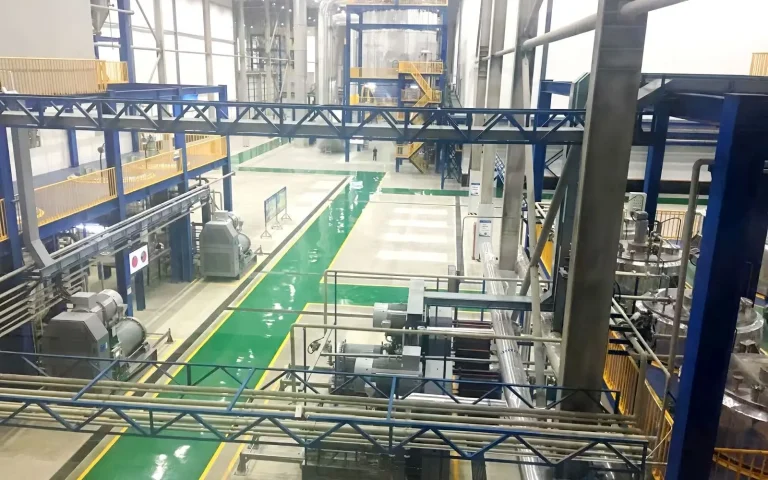
Cathode material is one of the key materials to determine the performance of lithium-ion batteries
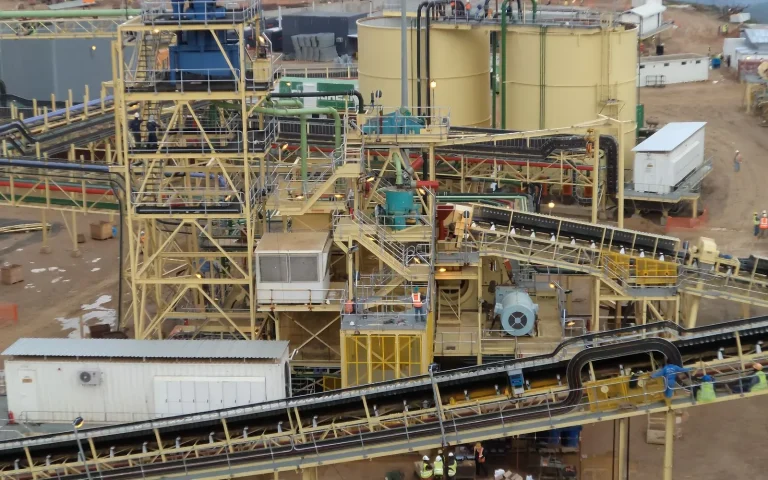
Flotation is the most popular processing way in gold ore processing project. Because the flotation process
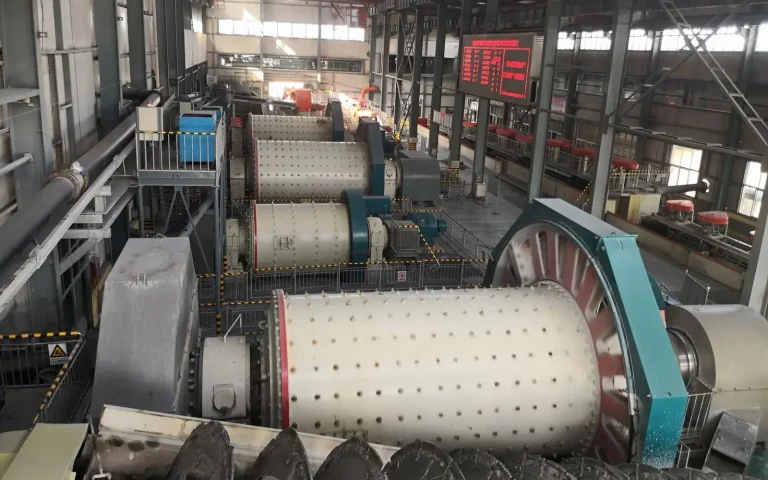
Spodumene and lepidolite are very important lithium bearing minerals and they are very easy to recover

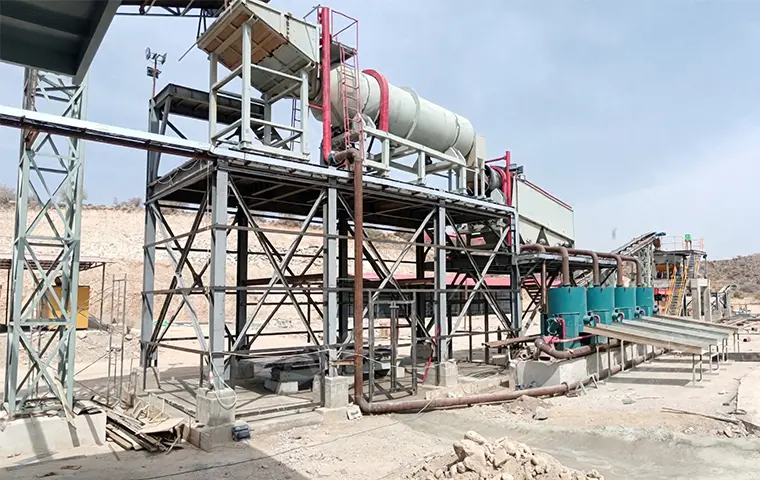
Raw Ore: Alluvial gold ore from dry river bed (Wadi) Gold Grade: 1.2 g/t Gold Recovery Rate: >92%
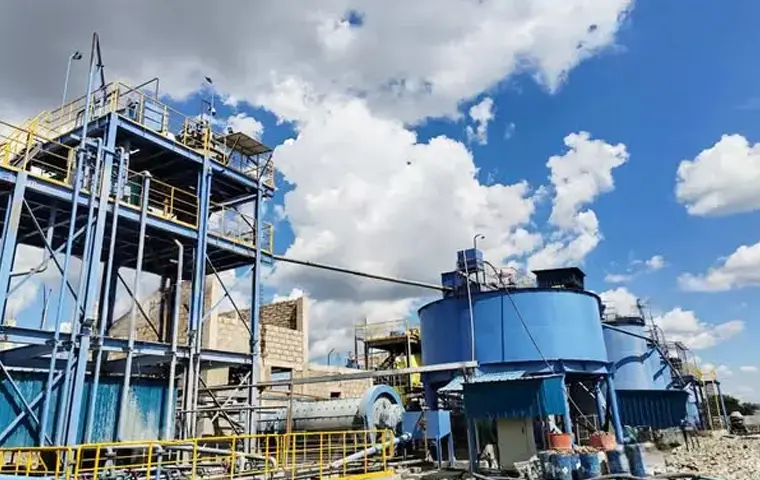
Raw Ore: Copper-Gold Ore Copper Grade: 1.2% Gold Grade: 1.5 g/t Recovery Rate: Copper 89%, Gold 88%
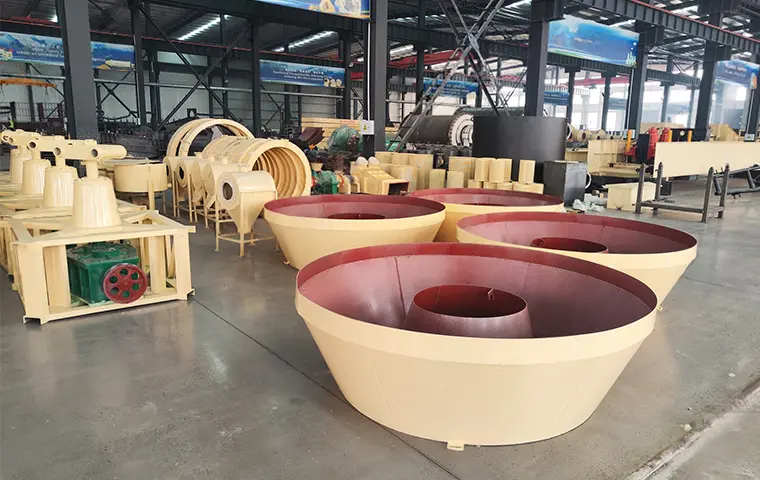
Raw Ore: Alluvial / Hard Rock Oxide Gold Ore (with free milling gold) Gold Grade: 2.5 g/t Gold Recovery Rate: > 88%
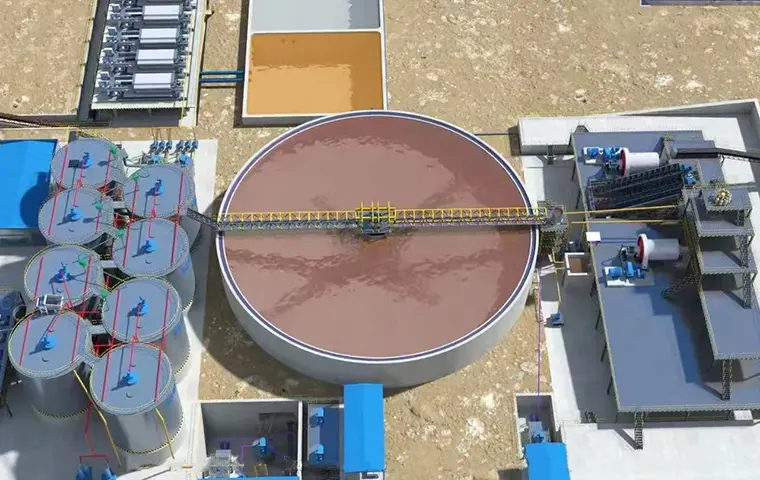
Raw Ore: Sulfide Type Copper Ore (Mainly Chalcopyrite) Copper Grade: 0.8% Final Product: Copper Concentrate
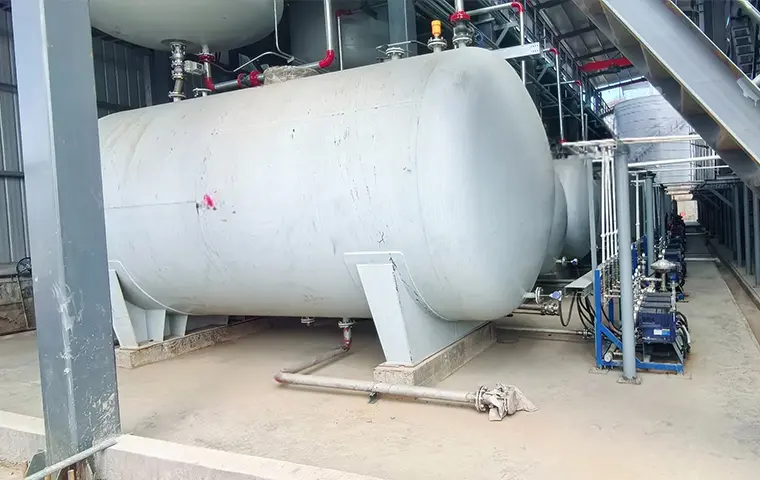
Raw Ore: Spodumene Lithium Ore Li2O Grade: 1.5% Concentrate Grade: 6.0%
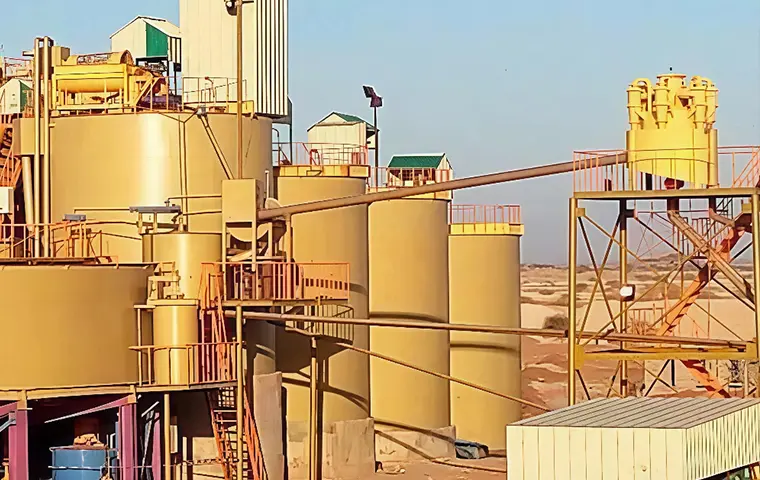
Raw Material: Spent gold leaching solution (cyanide-based) Gold Concentration in Solution 2-5 ppm
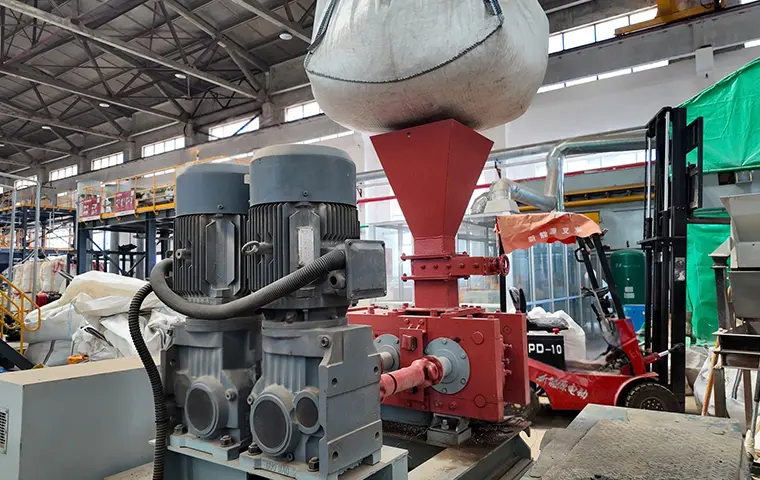
Project Objective: To determine the optimal processing flowsheet and provide scale-up data for a full-scale plant.
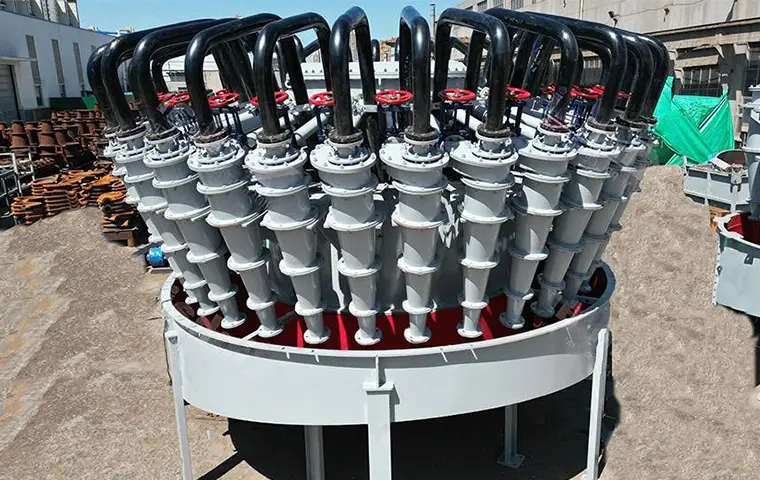
Raw Ore: Lithium Spodumene Ore Li₂O Grade: 1.45% Concentrate Grade: 6.20%
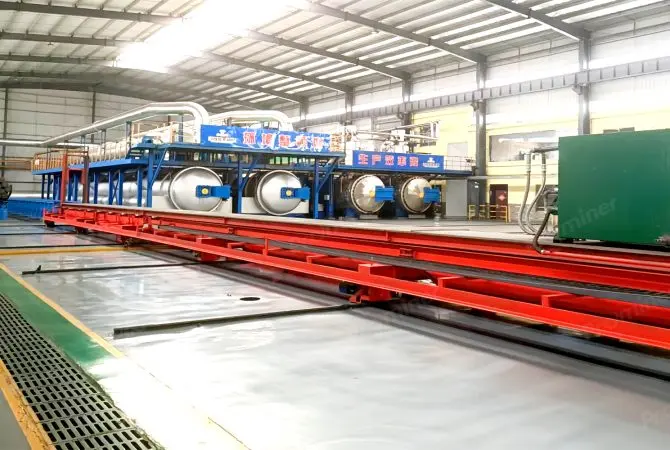
We can provide hot-in and cold-out type high-pressure impregnation of once-baked graphite
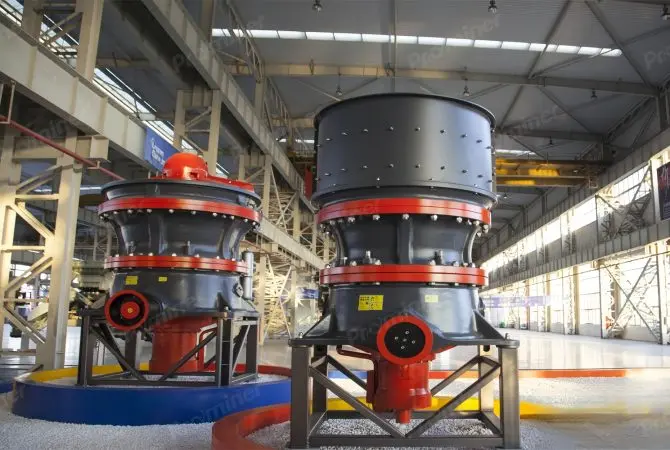
Single-cylinder hydraulic cone crusher have two series based on different cavity, S-cavity is designed
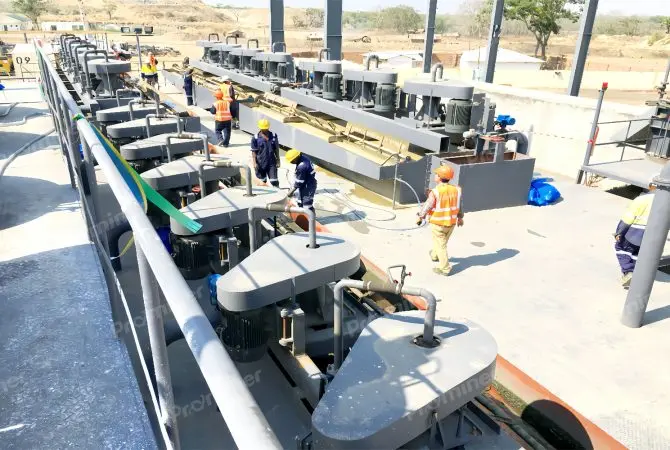
Prominer can provide SF series self-priming flotation machine and XCF/KYF series pneumatic flotation cell
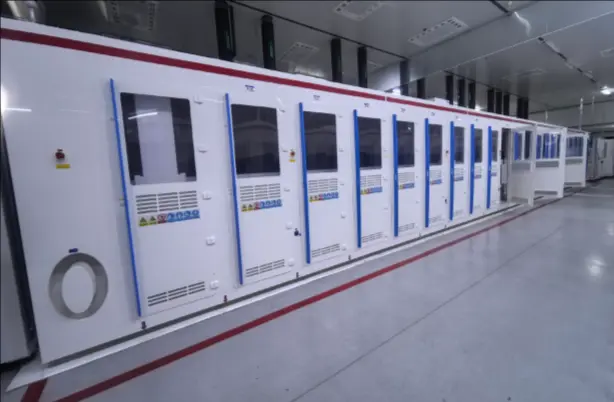
Include: Monocrystalline Batch Texturing Equipment, Batch Texturing Loader/Unloader, Low-Pressure…
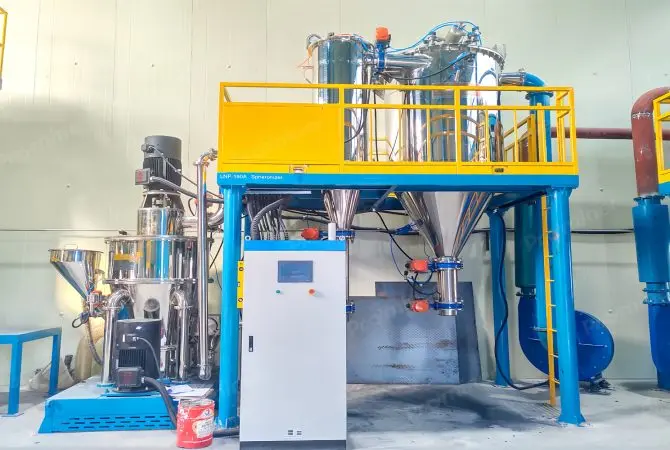
Besides strict PSD requirements, Anode Graphite also requires a spherical shape in order
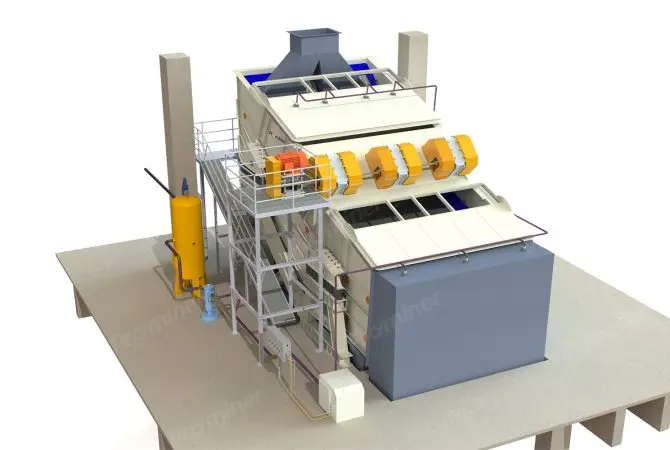
Flip-flow screen panel continues expanding and contracting so achieve a high acceleration rates
To find out more about our products and solutions, please fll out the form below and one of our experts will get back to you shortly
3000 TPD Gold Flotation Project in Shandong Province
2500TPD Lithium Ore Flotation in Sichuan
Fax: (+86) 021-58779592
Address: Room 606, Building D3, Phase II, Chuansha Business Center, 777 Long, Miaochuan Road, Pudong New Area, Shanghai,China
Copyright © 2023. Prominer (Shanghai) Mining Technology Co.,Ltd.


