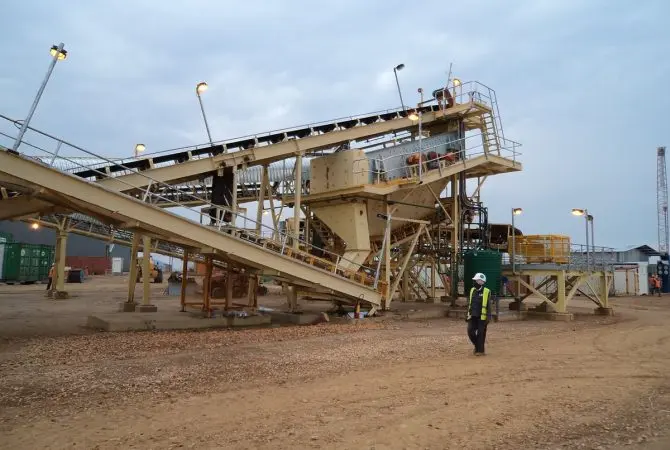
The demand from the industry over the years has been for special graphite and carbon with increasingly tighter




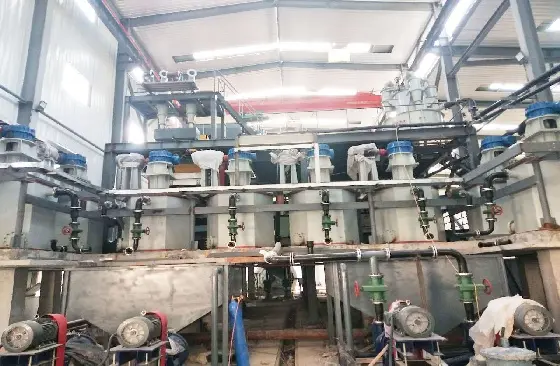
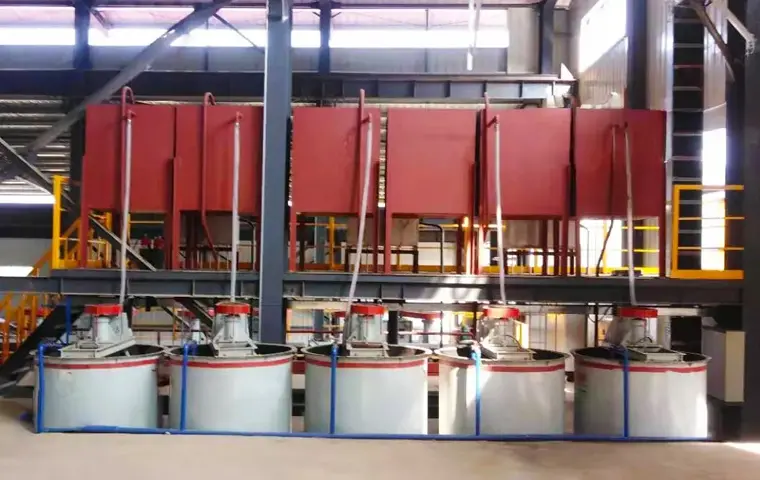
Iron ore flotation is a critical step in the beneficiation process, particularly for low-grade ores and complex deposits where conventional gravity or magnetic separation methods are insufficient. Improving flotation efficiency not only enhances concentrate grade and recovery but also reduces operational costs and environmental impact. Several technical and operational factors influence flotation performance, each requiring careful optimization.
Understanding the mineralogical composition of the ore is the foundation of efficient flotation. The type, size distribution, and association of iron minerals (such as hematite, magnetite, or goethite) with gangue minerals (such as quartz, silica, or alumina-bearing minerals) significantly affect flotation behavior.
Fine dissemination of iron minerals requires finer grinding to achieve liberation, while coarse intergrowth may respond well to moderate grinding. Additionally, the presence of slimes or clay minerals can negatively impact flotation by increasing reagent consumption and reducing selectivity. Conducting detailed mineralogical analysis helps determine the optimal grinding size and reagent scheme.
Particle size plays a crucial role in flotation efficiency. Overly coarse particles may not attach effectively to air bubbles, while excessively fine particles can lead to poor selectivity and high reagent consumption.
An optimal particle size range—often between 10 and 150 microns for iron ore flotation—ensures adequate mineral liberation and good bubble-particle attachment. Implementing proper grinding circuits, classification systems, and desliming processes helps maintain a consistent and suitable particle size distribution for flotation.
Reagents are central to the flotation process. Collectors, depressants, frothers, and activators must be carefully selected based on ore characteristics.
Incorrect reagent types or improper dosages can reduce selectivity and increase costs. Regular reagent optimization through laboratory testing and plant trials ensures balanced recovery and concentrate quality.
The chemical environment of the pulp significantly affects flotation performance. pH influences reagent adsorption, mineral surface charge, and overall selectivity.
For iron ore flotation, pH is often adjusted using lime or sodium hydroxide to create conditions favorable for either direct or reverse flotation. Maintaining stable pH levels throughout the process prevents fluctuations in recovery and concentrate grade. Monitoring ionic strength and water quality is also important, as dissolved ions can interfere with reagent effectiveness.
Froth characteristics directly impact separation efficiency. Proper air flow rate ensures sufficient bubble generation without causing turbulence that disrupts particle attachment.
Too much air can lead to unstable froth and entrainment of gangue minerals, while insufficient air reduces recovery. Frother dosage, impeller speed, and cell design must be optimized to produce a stable, well-drained froth that selectively carries iron-bearing minerals or rejects gangue, depending on the flotation strategy.
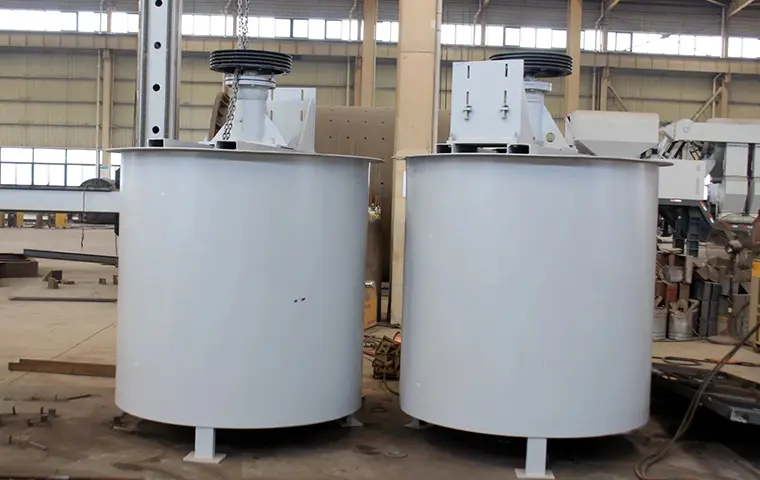
Modern flotation cells with improved hydrodynamics and energy efficiency contribute significantly to better performance. Factors such as impeller speed, tank geometry, and air dispersion systems affect mixing intensity and bubble distribution.
Routine maintenance is equally important. Worn impellers, clogged spargers, or malfunctioning control systems can reduce flotation efficiency. Implementing predictive maintenance and performance monitoring systems helps maintain consistent operation and minimize downtime.
Advanced process control systems enable real-time monitoring of key parameters such as pH, reagent dosage, pulp density, and air flow rate. Automation reduces human error and ensures stable operating conditions.
Data analytics and artificial intelligence tools can further optimize flotation performance by identifying trends and recommending adjustments. Continuous improvement through data-driven decision-making enhances recovery rates and product quality.
Improving iron ore flotation efficiency requires a comprehensive approach that integrates mineralogical understanding, process optimization, reagent management, and modern equipment control. By carefully managing these key factors, operators can achieve higher recovery rates, better concentrate grades, and more sustainable processing outcomes.
A: Absolutely. Mineral characteristics vary significantly by region. All our beneficiation machinery—from crushers and ball mills to flotation cells and magnetic separators—can be customized in terms of capacity, lining materials, and technical configurations based on your raw ore’s mineralogy and required output.
A: The most reliable way is through a professional mineral laboratory test. We highly recommend sending a representative ore sample ($20\text{–}50\text{ kg}$) to our engineers. We will conduct free or subsidized crushing, grinding, and separation tests to design an optimized, high-recovery flowchart backed by real data.
A: To give you the most cost-effective and precise solution, please share:The primary mineral type (e.g., copper sulfide, magnetite, oxide gold ore).Your expected processing capacity (e.g., Tons Per Hour or Tons Per Day).The feeding particle size and your target concentrate grade ($Fe\%$, $Cu\%$, etc.).
A: Yes, we provide comprehensive global support. Our experienced technical team offers layout planning, foundation drawing designs, and on-site or remote video guidance for equipment installation, commissioning, and local operator training to ensure your plant runs smoothly.
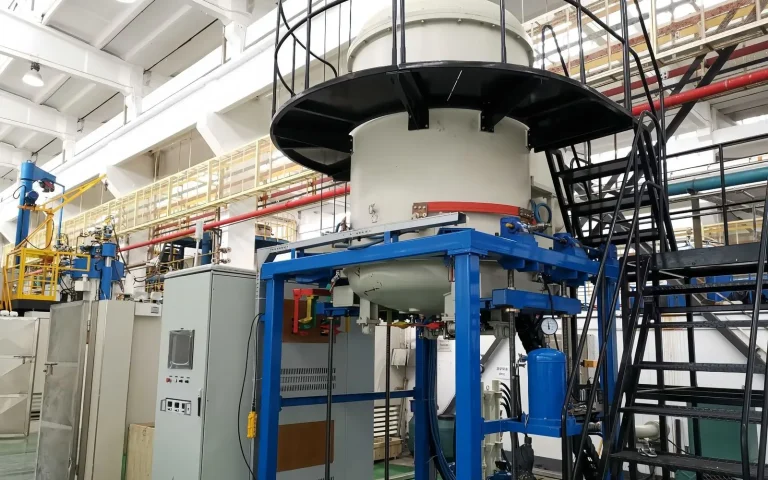
The demand from the industry over the years has been for special graphite and carbon with increasingly tighter
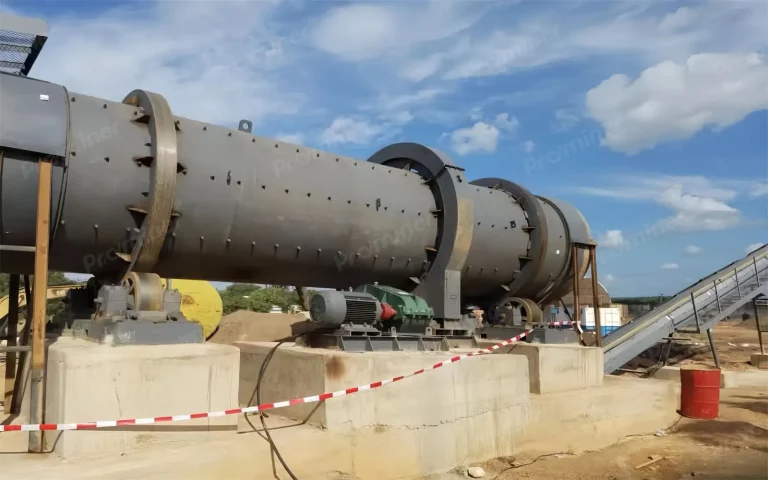
Heap leaching is a traditional cyanide leaching processing way which is flexible and economic to extract gold
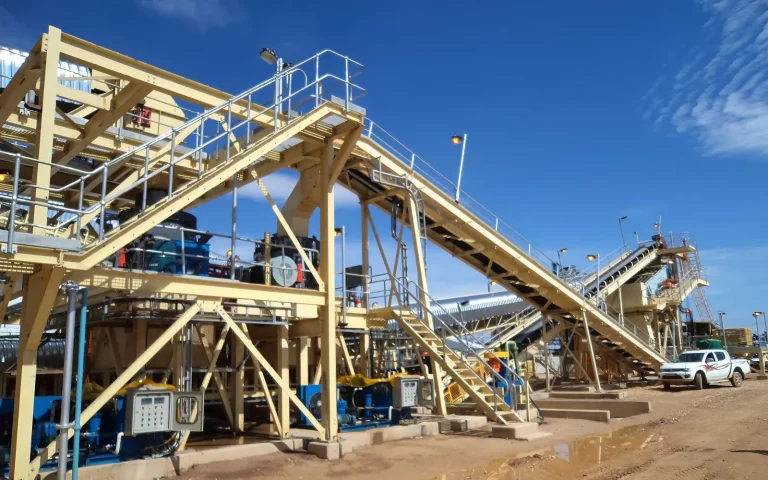
Vat leaching is a good option for the project owner to start at initial stage to save investment

Raw Material: Quartzite Rock (SiO₂: 97.8%) Photovoltaic Grade: SiO₂≥99.99%, Fe₂O₃≤10ppm
Raw Ore: Oxide Type Gold Ore Gold Grade: 3.5 g/t Gold Recovery Rate: 92% Gold Ingot Purity: 96%
Raw Ore: Mixed Type Gold Ore (Oxide & Sulfide) Gold Grade: 2.8 g/t Gold Recovery Rate: 92% (Post-Optimization)
Raw Ore: Oxide Type Gold Ore Gold Grade: 2.5 g/t Gold Ingot Purity: 92%
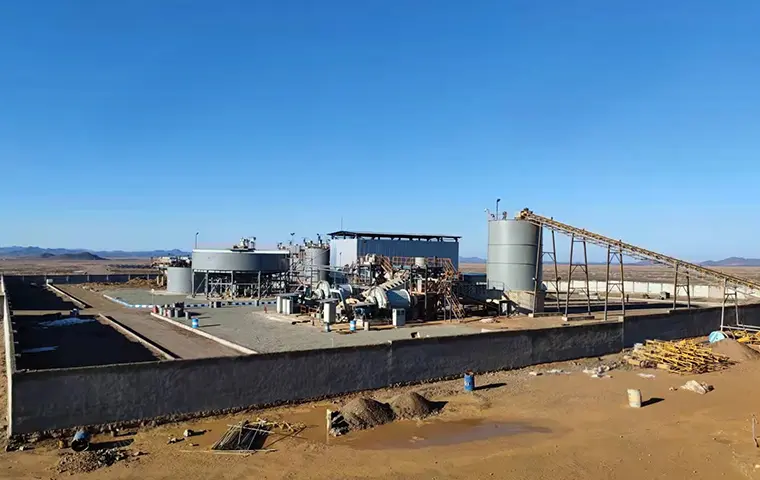
Raw Ore: Oxide & Transitional Gold Ore Gold Grade: 2.5–3.5 g/t Final Product: Gold Concentrate (Gravity + Flotation Combined)
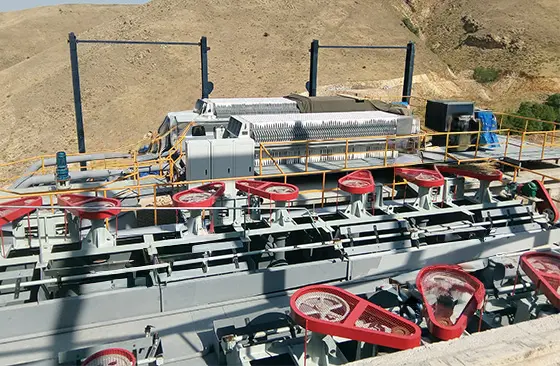
Raw Ore: Siliceous-Phosphate with Magnetite Inclusions Feed Composition: P₂O₅: 19-23%;Fe₂O₃: 8-12%;SiO₂: 25-35%;CaO: 32-38%
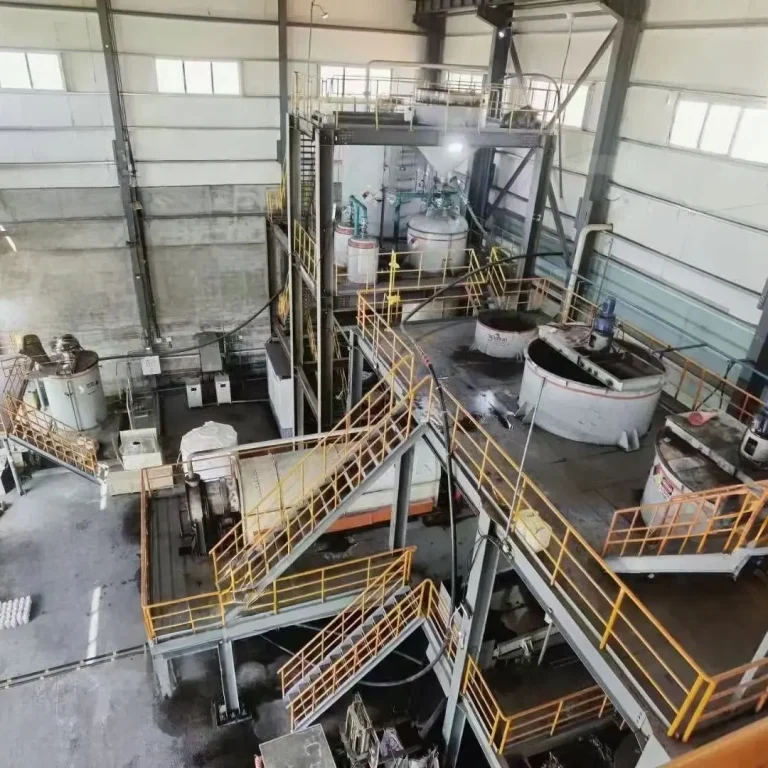
Raw Ore: Oxide/Sulfide Mixed Gold Ore Gold Grade: 3.5 g/t Gold Ingot Purity: 99.5%
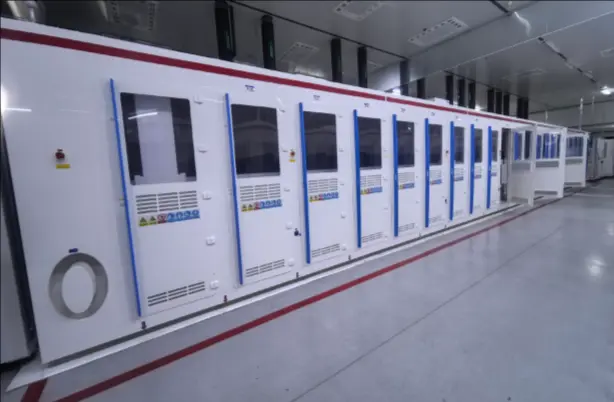
Include: Monocrystalline Batch Texturing Equipment, Batch Texturing Loader/Unloader, Low-Pressure…
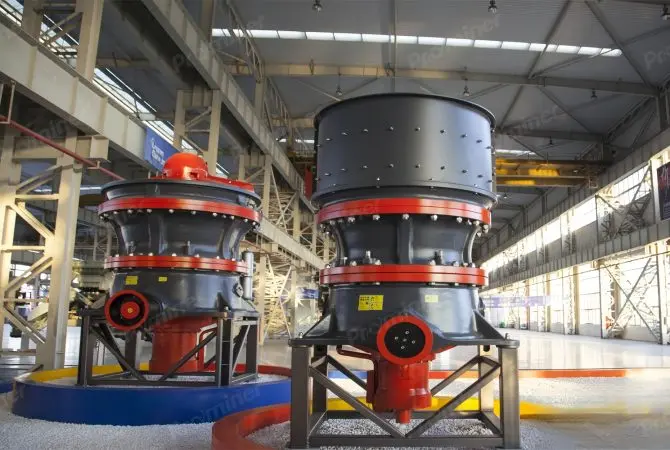
Single-cylinder hydraulic cone crusher have two series based on different cavity, S-cavity is designed
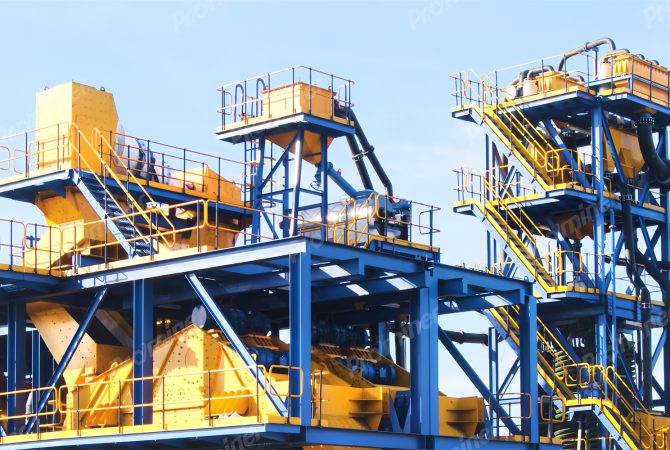
Prominer can provide different LIMS (Low Intensity Magnetic separator) magnetic separators
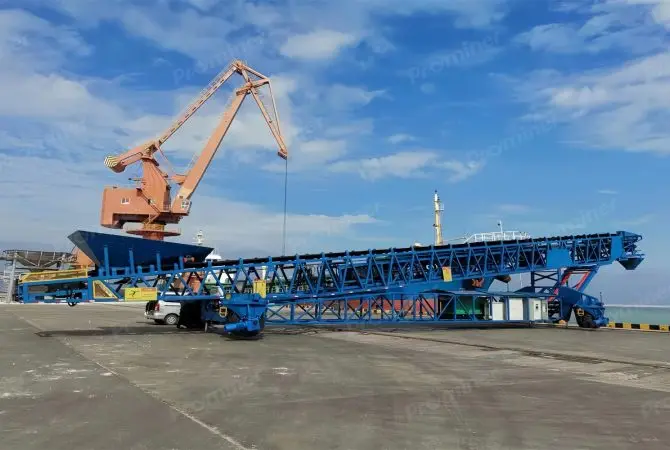
Our engineer team can design and manufacture the mobile type radial stacker, loader
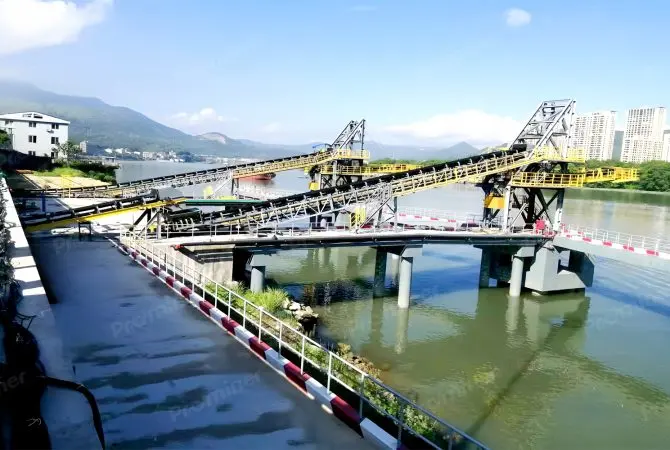
We can provide the solution of belt conveyors for different purposes include steeply inclined belt conveyor
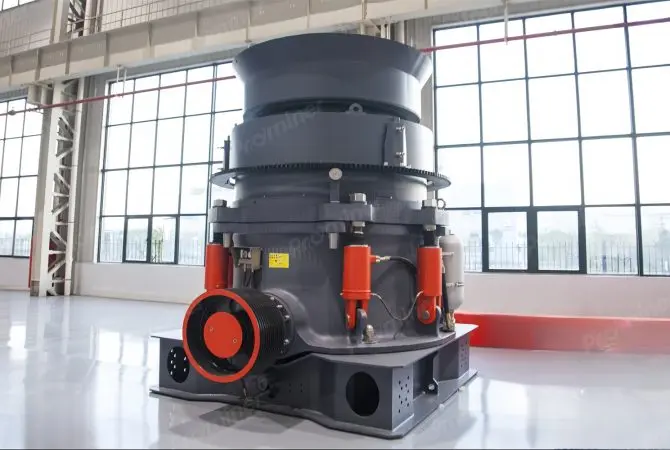
Multi-cylinder hydraulic cone crusher combines crusher speed, eccentricity and cavity profile
To find out more about our products and solutions, please fll out the form below and one of our experts will get back to you shortly
3000 TPD Gold Flotation Project in Shandong Province
2500TPD Lithium Ore Flotation in Sichuan
Fax: (+86) 021-58779592
Address: Room 606, Building D3, Phase II, Chuansha Business Center, 777 Long, Miaochuan Road, Pudong New Area, Shanghai,China
Copyright © 2023. Prominer (Shanghai) Mining Technology Co.,Ltd.