

Provide important equipment in the gold ore processing process, such as CIL/CIP System, Flotation Cell…




Gold in sulfide ores is often finely disseminated within minerals such as pyrite, arsenopyrite, chalcopyrite, and pyrrhotite. Because the gold particles are closely associated with these sulfides, flotation is one of the most effective beneficiation methods. This process selectively concentrates sulfide minerals—along with the contained gold—into a smaller, higher-grade product for further treatment.
Below are the key flotation methods and chemicals commonly used in processing sulfide gold ores.
Bulk flotation is the most common method for sulfide gold ores. In this approach, all sulfide minerals containing gold are floated together into a single concentrate.
The ore is first crushed and ground to liberate gold-bearing sulfides. Flotation reagents are then added to promote the attachment of sulfide particles to air bubbles, allowing them to rise to the surface and form a froth layer.
Bulk flotation is particularly suitable when:
This method is simple, cost-effective, and widely used in gold concentrators.
Selective flotation is used when gold-bearing sulfides need to be separated from other sulfide minerals, such as copper or lead sulfides.
In this process:
For example, copper sulfides may be floated first, followed by pyrite or arsenopyrite containing gold. This method is ideal when producing separate concentrates for different downstream recovery circuits.
Collectors are chemicals that enhance the hydrophobicity of sulfide minerals, enabling them to attach to air bubbles.
The most commonly used collectors include:
Xanthates (e.g., PAX, SIBX, SEX)
Widely used due to strong collecting power and affordability. Suitable for pyrite and other sulfides.
Dithiophosphates
Offer better selectivity and are often used in combination with xanthates.
Dithiocarbamates
Effective for complex sulfide ores and improving gold recovery.
Collector selection depends on ore mineralogy, pH conditions, and desired selectivity.
Frothers help create stable bubbles that carry sulfide particles to the surface.
Common frothers include:
The correct frother dosage ensures optimal froth stability without excessive entrainment of gangue minerals.
Modifiers control the flotation environment and improve selectivity.
Key modifiers include:
Lime (CaO)
Used to adjust pH (typically pH 8–11) and depress unwanted minerals.
Copper sulfate (CuSO₄)
Acts as an activator for certain sulfide minerals.
Sodium cyanide (NaCN)
Used as a depressant for pyrite in selective flotation.
Zinc sulfate (ZnSO₄)
Depresses sphalerite when necessary.
Proper pH control and reagent balance are critical for maximizing gold recovery while minimizing impurities.
Some sulfide ores require additional steps to improve flotation performance:
In refractory ores, flotation is often followed by roasting, pressure oxidation, or bio-oxidation to liberate gold before cyanidation.
Several factors influence gold flotation performance:
Metallurgical testing is essential to determine the optimal flotation scheme for a specific ore body.
Flotation is a crucial method for concentrating gold from sulfide ores, especially when gold is finely disseminated within sulfide minerals. Bulk flotation is the most widely applied technique, while selective flotation is used when mineral separation is required.
The success of sulfide gold flotation depends heavily on proper reagent selection—collectors, frothers, and modifiers—as well as careful control of operating conditions. With the right combination of methods and chemicals, flotation can significantly improve gold recovery and overall processing efficiency.
A: Absolutely. Mineral characteristics vary significantly by region. All our beneficiation machinery—from crushers and ball mills to flotation cells and magnetic separators—can be customized in terms of capacity, lining materials, and technical configurations based on your raw ore’s mineralogy and required output.
A: The most reliable way is through a professional mineral laboratory test. We highly recommend sending a representative ore sample ($20\text{–}50\text{ kg}$) to our engineers. We will conduct free or subsidized crushing, grinding, and separation tests to design an optimized, high-recovery flowchart backed by real data.
A: To give you the most cost-effective and precise solution, please share:The primary mineral type (e.g., copper sulfide, magnetite, oxide gold ore).Your expected processing capacity (e.g., Tons Per Hour or Tons Per Day).The feeding particle size and your target concentrate grade ($Fe\%$, $Cu\%$, etc.).
A: Yes, we provide comprehensive global support. Our experienced technical team offers layout planning, foundation drawing designs, and on-site or remote video guidance for equipment installation, commissioning, and local operator training to ensure your plant runs smoothly.
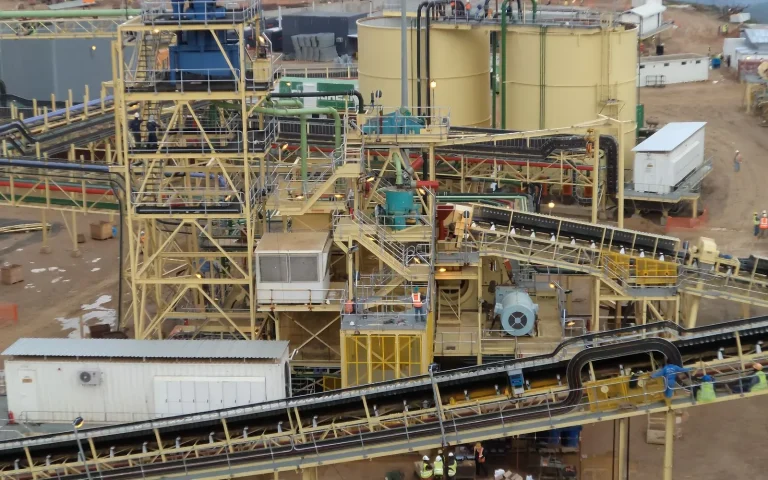
Provide important equipment in the gold ore processing process, such as CIL/CIP System, Flotation Cell…
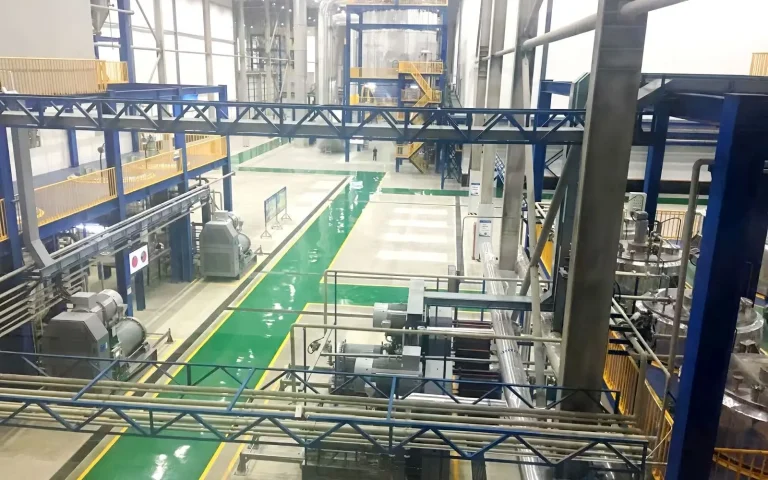
Cathode material is one of the key materials to determine the performance of lithium-ion batteries
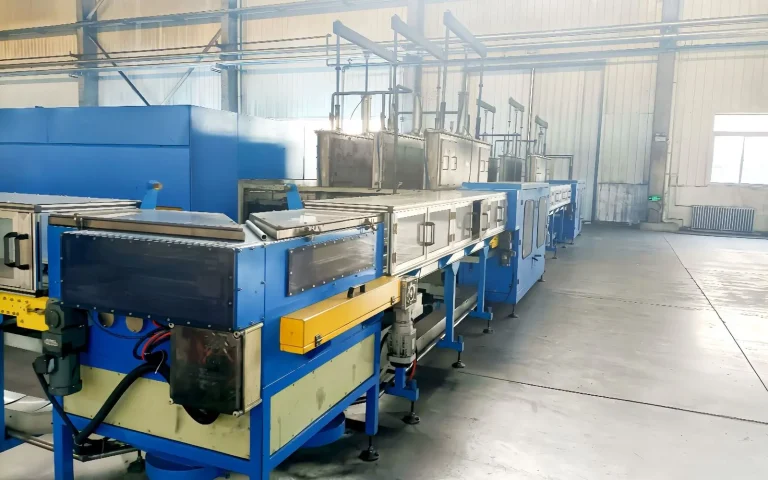
Hard carbon anode material is the most preferred materials for commercialization of sodium-ion battery

Raw Ore: High-grade Wollastonite ore with associated Garnet and Diopside Feed Grade: 65-70% Wollastonite
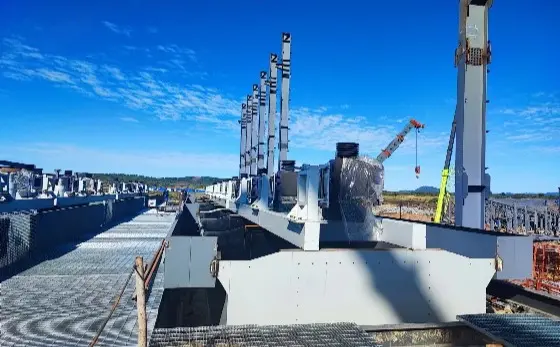
Raw Feed: Lithium Pegmatite Ore (Spodumene Dominant) Li₂O Grade: 1.2% Final Product: Battery-Grade Lithium
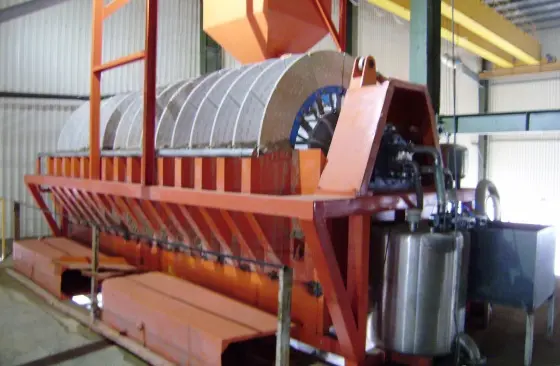
Client: Heavy Mineral Sands Producer Feedstock: Ilmenite Concentrate (TiO₂ 52-55%) Final Product: Rutile-Grade TiO₂ (≥94% purity)
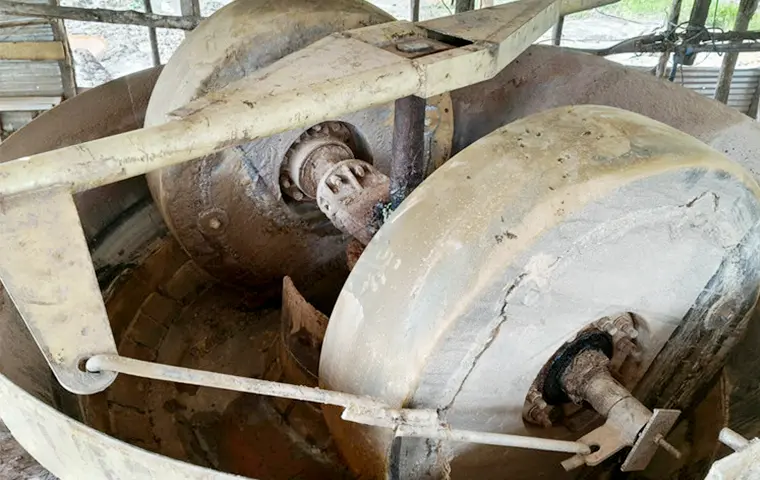
Raw Ore: Alluvial gold ore / Vein gold ore after crushing Gold Grade: 1.5 – 2.5 g/t Gold Ingot Purity: ≥ 90%
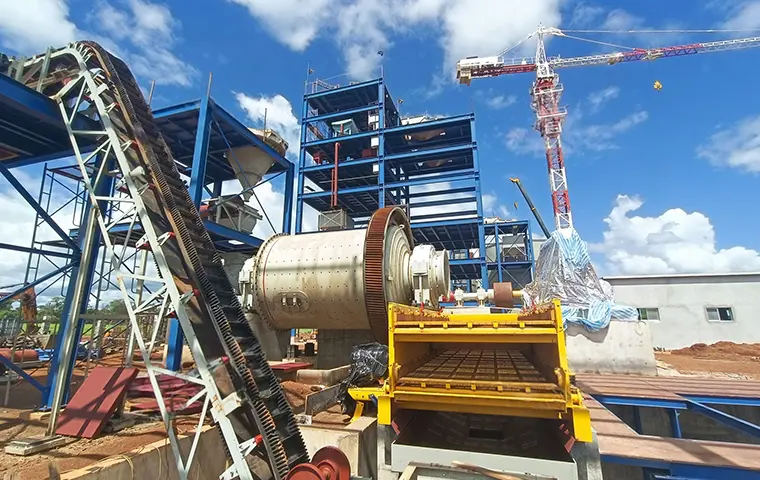
Raw Ore: Oxide Type Gold Ore Gold Grade: 3.5 g/t Gold Ingot Purity: 96%
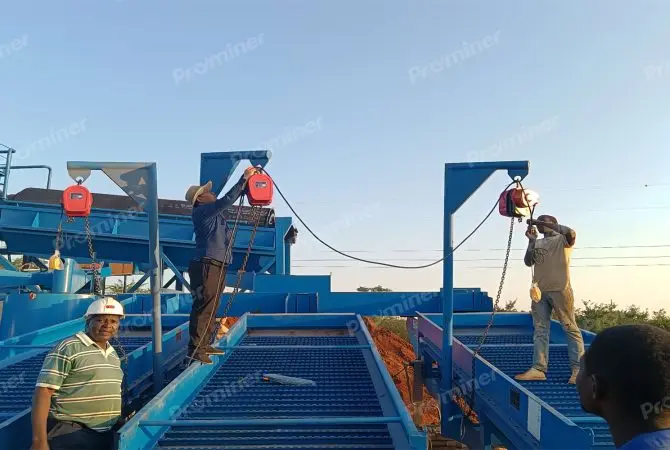
Raw Ore: Alluvial gold ore from river bed Gold Grade: 0.8 g/t
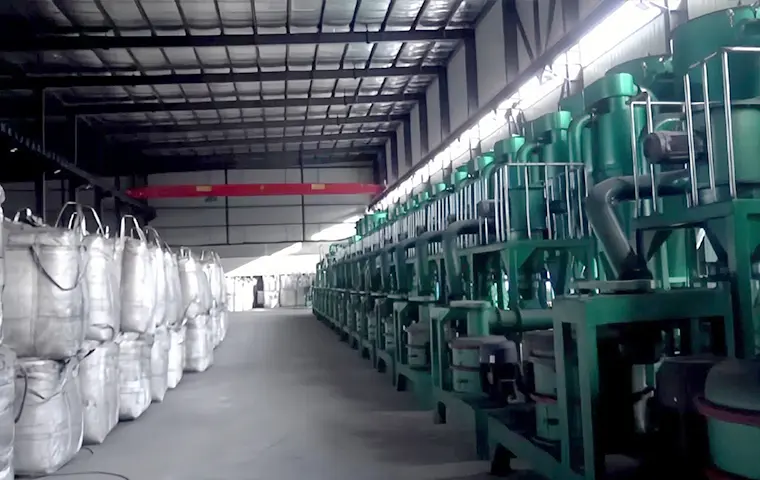
Raw Material: High-Purity Graphite (99.95% C) Project Capacity: 10,000 tons per annum
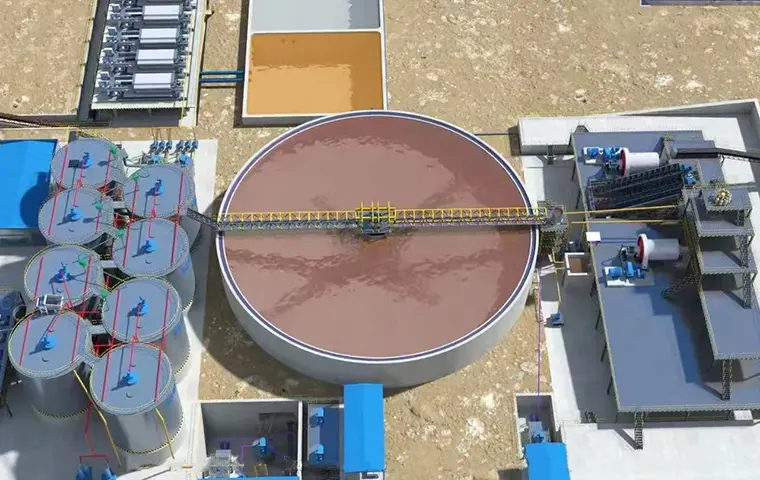
Raw Ore: Sulfide Type Copper Ore (Mainly Chalcopyrite) Copper Grade: 0.8% Final Product: Copper Concentrate
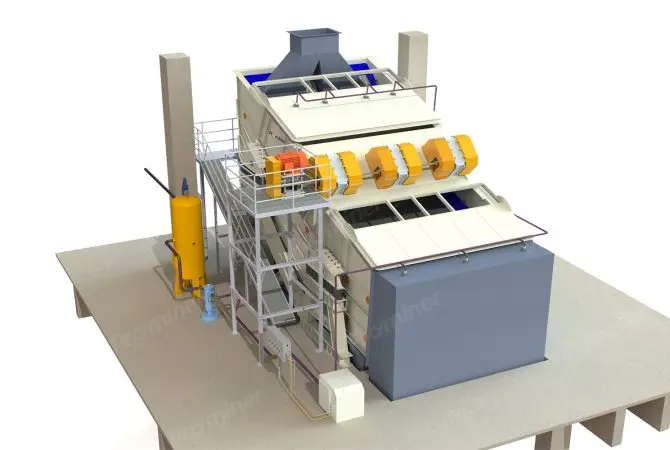
Flip-flow screen panel continues expanding and contracting so achieve a high acceleration rates
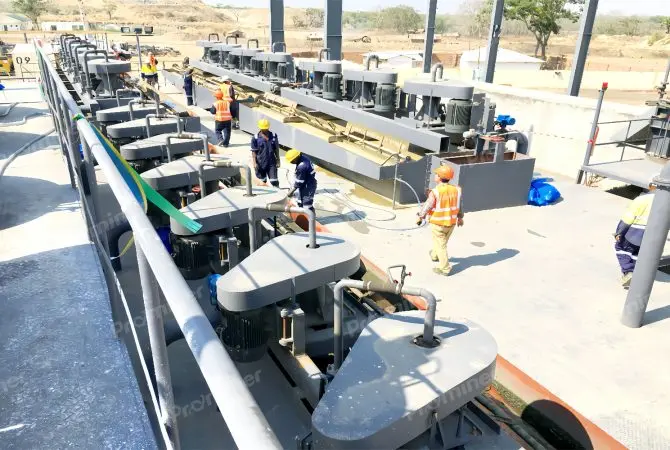
Prominer can provide SF series self-priming flotation machine and XCF/KYF series pneumatic flotation cell
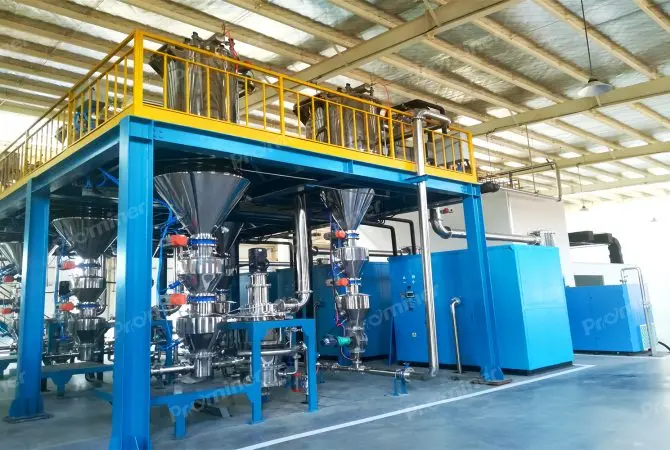
Jet mill is also called fluidized bed jet mill by using multiple nozzles to form sonic speed air flow
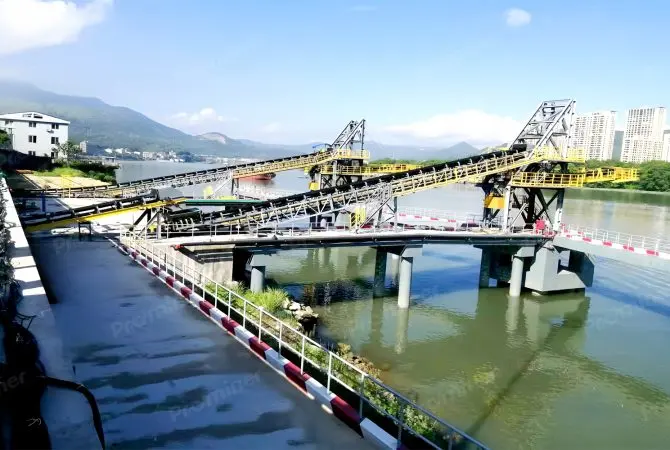
We can provide the solution of belt conveyors for different purposes include steeply inclined belt conveyor
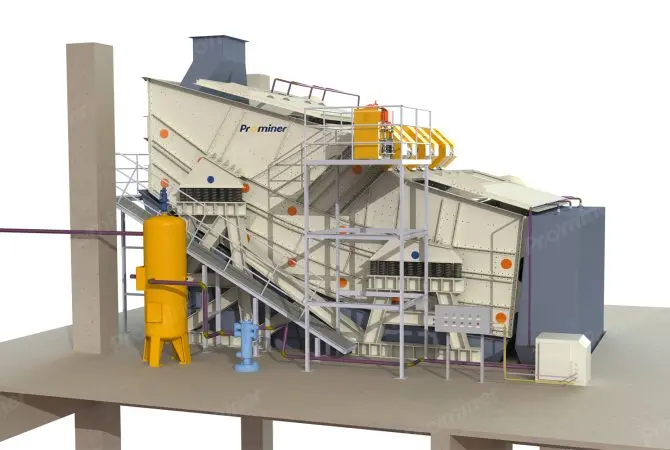
Banana screen is also well known as constant bed thickness screen. Prominer has the ability to supply dry
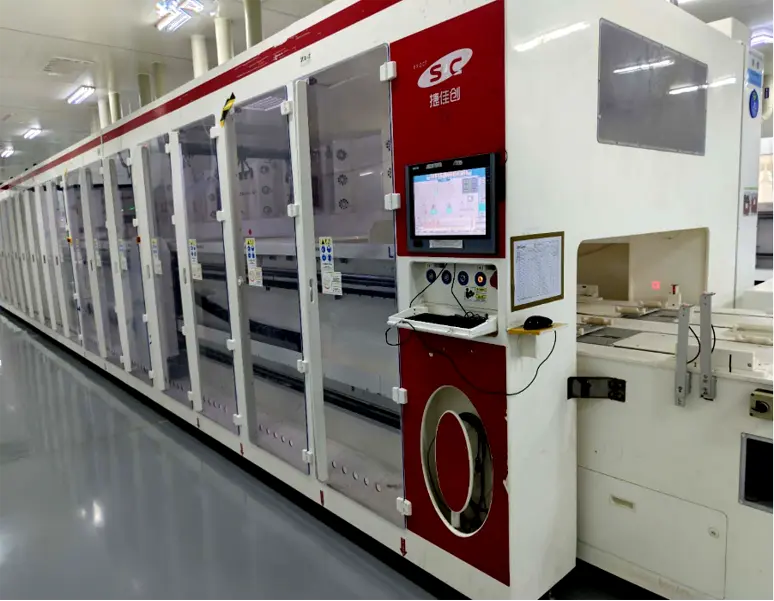
Such as: Boron diffusion furnace, BSG removal, Alkali polishing machine, PE-POLY…
To find out more about our products and solutions, please fll out the form below and one of our experts will get back to you shortly
3000 TPD Gold Flotation Project in Shandong Province
2500TPD Lithium Ore Flotation in Sichuan
Fax: (+86) 021-58779592
Address: Room 606, Building D3, Phase II, Chuansha Business Center, 777 Long, Miaochuan Road, Pudong New Area, Shanghai,China
Copyright © 2023. Prominer (Shanghai) Mining Technology Co.,Ltd.


