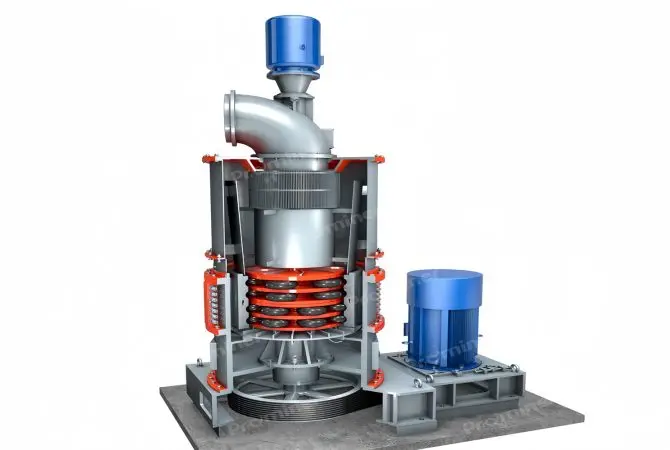
Artificial graphite anode material are mainly made from high quality low sulphur content petroleum coke




Iron ore beneficiation is the process of improving raw iron ore so it can be used more effectively in steelmaking and other industrial applications. As ore grades decline and energy, water, and operating costs rise, improving beneficiation efficiency has become increasingly important. Higher efficiency means better recovery, improved concentrate grade, lower waste generation, and reduced operating expenses.
Below are the key methods used to enhance iron ore beneficiation efficiency.
One of the most important ways to improve beneficiation efficiency is to optimize comminution, which includes crushing and grinding. These stages consume a large share of total plant energy, so even small improvements can have major benefits.
Efficient crushing and grinding can be achieved by:
When ore is ground to the right size, valuable minerals are liberated more effectively, making downstream separation processes more efficient.
A detailed understanding of the ore body is essential for better beneficiation results. Iron ores often vary significantly in mineral composition, texture, hardness, and impurity levels. Without proper characterization, it is difficult to design or operate an efficient plant.
Key approaches include:
Better ore knowledge helps operators choose the most suitable processing route and adjust plant conditions as feed characteristics change.
Screening and classification are critical for separating particles by size and preparing material for beneficiation stages. Poor classification can lead to misplaced particles, reduced recovery, and excess recirculating loads.
Efficiency can be enhanced through:
Accurate size separation ensures that downstream magnetic separation, flotation, or gravity concentration works under the best possible conditions.
Magnetic separation is a widely used method in iron ore beneficiation, especially for magnetite and some hematite ores. Improving magnetic separation can significantly raise concentrate quality and recovery.
Important methods include:
Proper magnetic separation setup reduces iron losses and improves product consistency.
For ores with fine-grained iron minerals or high silica and alumina content, flotation can be an effective beneficiation method. It is especially useful when magnetic separation alone cannot achieve target grades.
Flotation efficiency can be improved by:
Reverse flotation is commonly used in iron ore processing to float silica while keeping iron minerals in the pulp. When properly controlled, flotation can produce high-grade concentrates from difficult ores.
Gravity separation can be effective for certain coarse iron ore particles, especially when there is a sufficient density difference between iron minerals and gangue. Although not suitable for every ore type, it can be a low-cost and energy-efficient method.
Common improvements include:
In suitable applications, gravity separation helps recover iron values early and reduces the load on later processing stages.
Slimes and ultrafine particles are a major challenge in iron ore beneficiation because they can carry valuable iron into tailings and reduce separation efficiency. Managing fines effectively is critical for both recovery and water performance.
Useful strategies include:
Reducing slime-related losses can significantly increase overall plant yield.
Modern beneficiation plants increasingly rely on automation and digital monitoring to improve stability and performance. Variability in ore feed and operating conditions can reduce efficiency if not managed in real time.
Advanced solutions include:
Automation allows plants to respond quickly to changes, maintain optimal setpoints, and reduce human error.
Water management plays a major role in beneficiation efficiency, especially in regions where water is scarce. Efficient water use also supports better separation performance and lower environmental impact.
Key methods include:
Well-managed water circuits improve plant reliability and help lower operating costs.
Old or poorly maintained equipment can severely limit beneficiation efficiency. Upgrading critical machinery and maintaining it proactively helps sustain throughput and recovery.
Important actions include:
Reliable equipment supports stable plant performance and better economic outcomes.
In beneficiation processes such as flotation and selective flocculation, reagents strongly influence both technical performance and cost. Poor reagent control can lower grade, reduce recovery, and increase expenses.
Efficiency can be improved by:
A well-optimized reagent program improves selectivity while controlling costs.
The highest beneficiation efficiency often comes from combining multiple methods in a well-designed flowsheet. Rarely does a single process provide the best result for all ore types.
An integrated flowsheet may include:
By aligning each stage with ore characteristics and plant objectives, operators can maximize recovery and concentrate quality while minimizing energy and waste.
Beneficiation efficiency is not a one-time achievement. It requires ongoing test work, performance analysis, and operational improvement.
Best practices include:
Continuous improvement helps plants adapt to changing ore conditions and market demands.
Enhancing iron ore beneficiation efficiency requires a combination of technical optimization, equipment performance, process control, and ore-specific strategy. Key methods include better crushing and grinding, accurate ore characterization, improved magnetic separation and flotation, effective slime management, automation, and integrated plant design.
By applying these methods consistently, operators can increase iron recovery, improve concentrate quality, lower costs, and support more sustainable mineral processing operations.
A: The choice depends entirely on your ore’s mineral characteristics:
Gravity Separation: Best for coarse-grained minerals with large density differences (e.g., placer gold).
Flotation: Ideal for fine-grained base metals (e.g., copper oxide) or removing impurities from non-metallic minerals (e.g., quartz sand).
Cyanidation (CIP): Necessary for fine, encapsulated precious metals (e.g., rock gold) to maximize chemical extraction.
A: This approach prevents over-grinding (creating excessive ultra-fine particles), which ruins flotation efficiency. By grinding in stages and immediately separating recovered minerals or waste at each stage, you significantly reduce energy consumption, minimize steel media wear, and protect valuable minerals from turning into unrecoverable slime.
A: Fine particles have low mass and high surface areas, making them hard to float. Key solutions include:
Advanced Reagents: Using highly selective collectors and flocculants to aggregate fine particles.
Micro-bubble Technology: Utilizing flotation columns that generate smaller bubbles to increase particle-bubble collision rates.
Desliming: Removing harmful ultra-fine slimes before the flotation stage to clear the process environment.
A: Relying on a single method is rarely enough. The key is a combined metallurgical flowsheet:
For High-Purity Quartz: Integrate scrubbing, magnetic separation (to remove iron), flotation (for feldspar), and acid leaching for the ultimate purity.
For Precious Metals: Combine gravity separation (to catch coarse gold early) with flotation and CIP (to extract fine gold), ensuring zero valuable minerals are wasted.
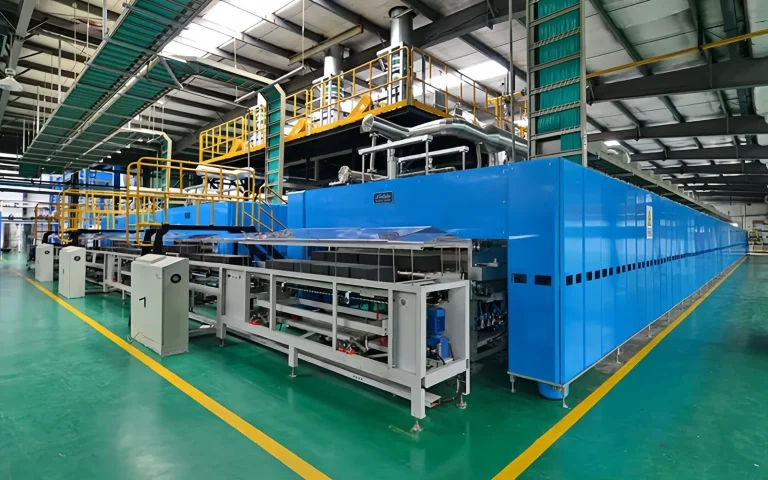
Artificial graphite anode material are mainly made from high quality low sulphur content petroleum coke
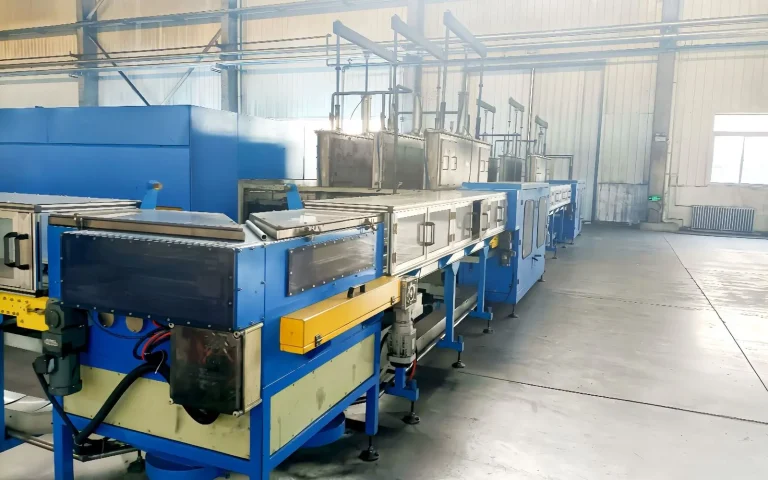
Hard carbon anode material is the most preferred materials for commercialization of sodium-ion battery
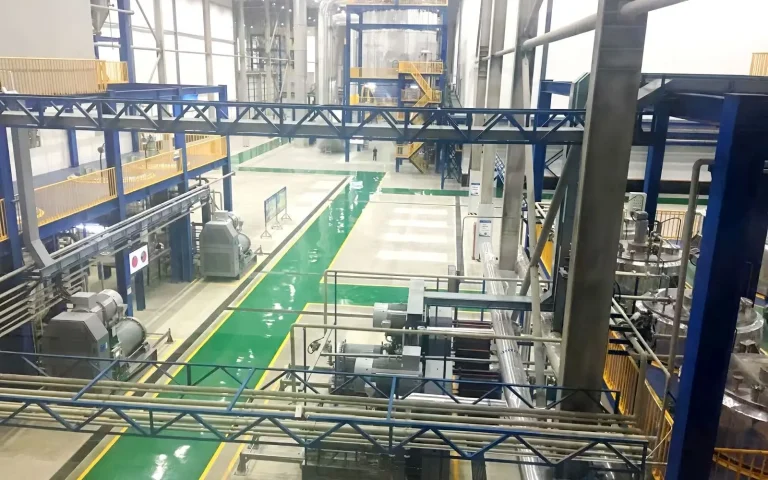
Cathode material is one of the key materials to determine the performance of lithium-ion batteries

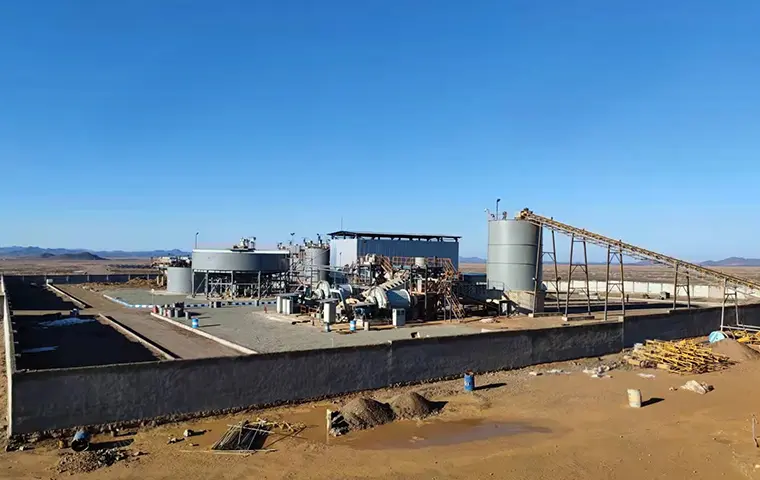
Raw Ore: Oxide & Transitional Gold Ore Gold Grade: 2.5–3.5 g/t Final Product: Gold Concentrate (Gravity + Flotation Combined)
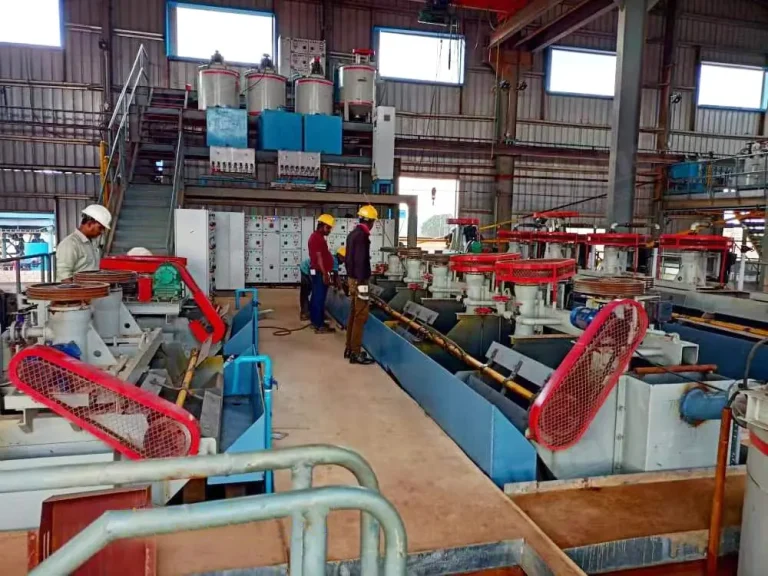
Raw Ore: Primary Sulfide Ore (Chalcopyrite-Bornite) Cu Grade: 0.72% Concentrate Grade: 28.3%
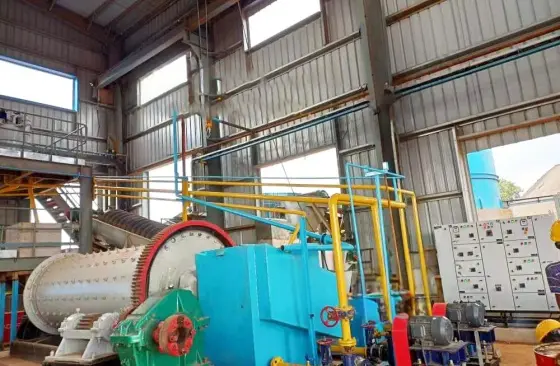
Raw Material: Sulfide Flotation Copper Tailings Metal Concentrate: Copper: 0.8%,Gold: 0.3 g/t,Silver: 5 g/t,Iron: 25%
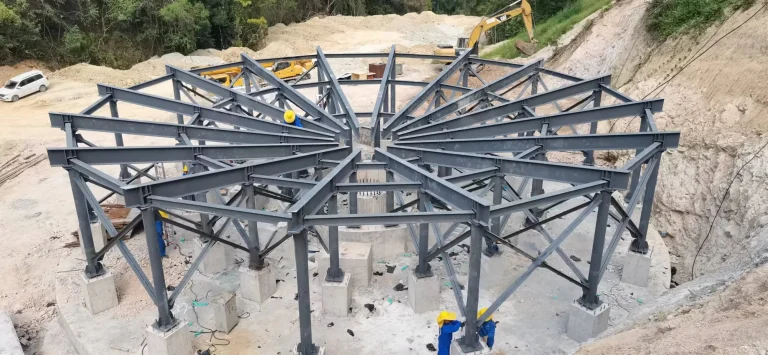
Raw Material: Fluorite Ore (CaF₂) Fluorite Grade: 35-40% Concentrate Grade: ≥97% CaF₂
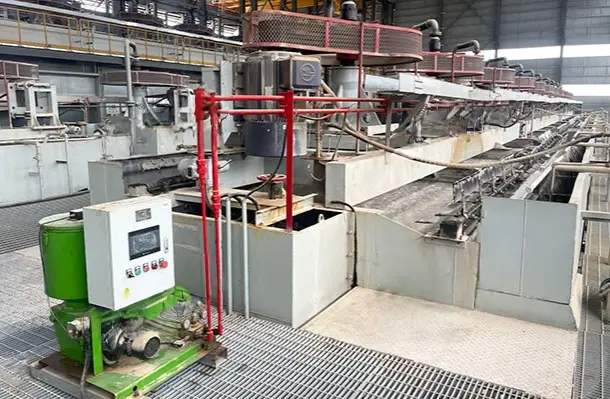
Raw Ore: Porphyry Gold-Copper Ore Gold Grade: 0.8-1.5 g/t Copper Grade: 0.6-0.9%
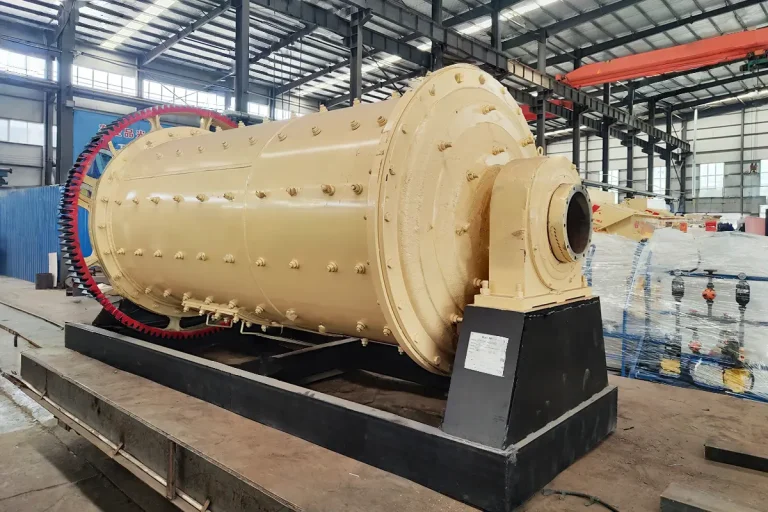
Raw Ore: Copper Ore (Chalcopyrite) Copper Grade: 0.85% Final Products: Grinded ore slurry for flotation
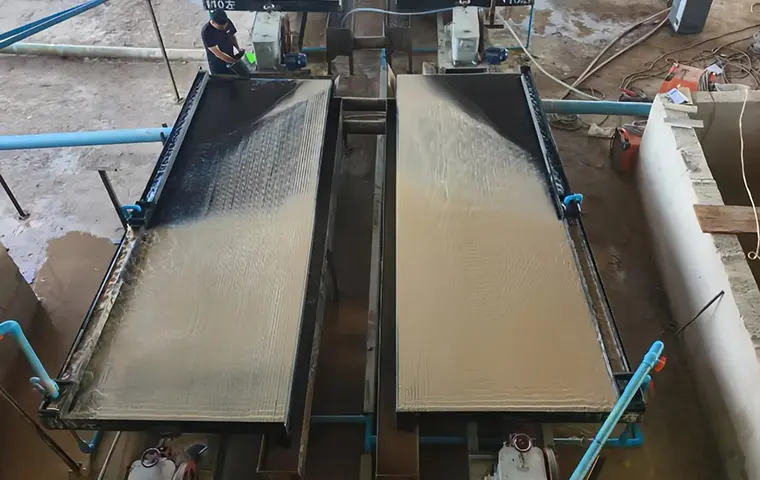
Raw Ore: Antimony sulfide ore with quartz vein Sb Grade: 3.5% Concentrate Grade: 55%
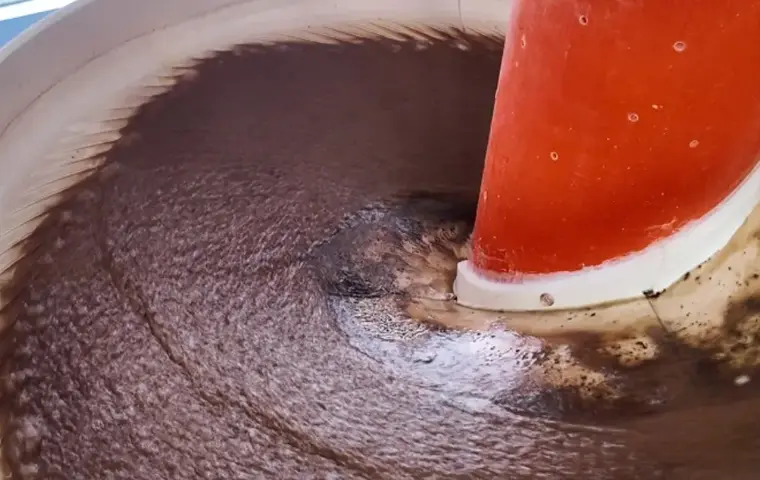
Raw Material: Iron ore tailings Processing Capacity: 800 tons per day
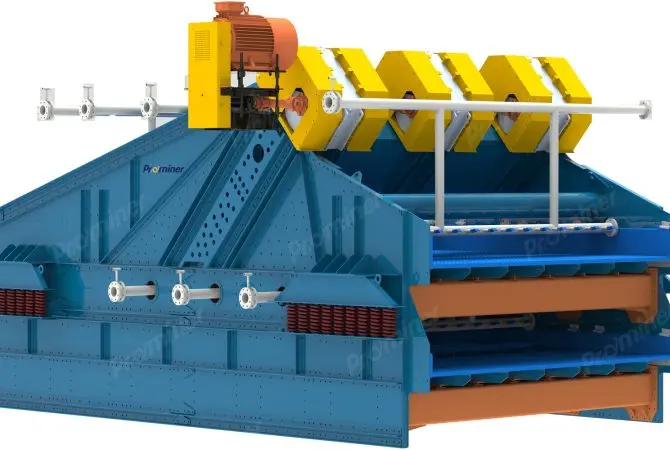
Prominer can provide all kinds of linear screen for mineral grading, material sizing, dewatering
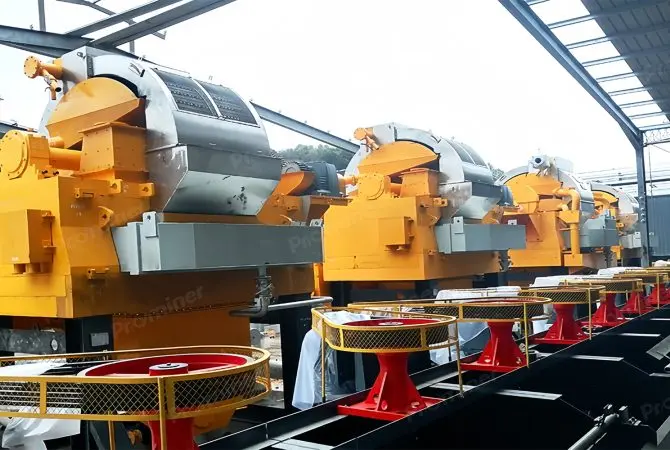
Prominer can provide different HIMS (High Intensity Magnetic separator) magnetic separators
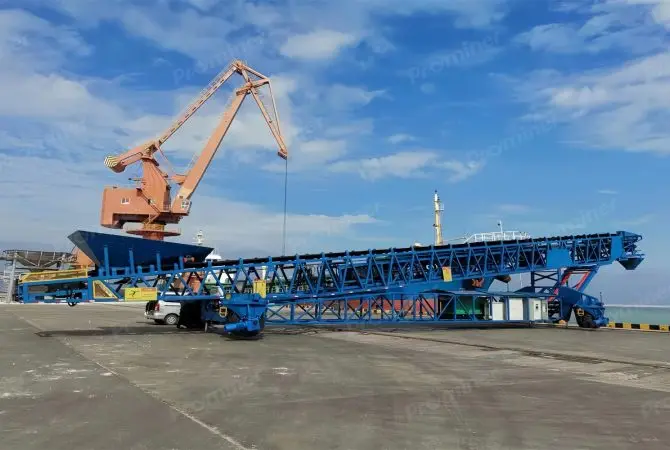
Our engineer team can design and manufacture the mobile type radial stacker, loader
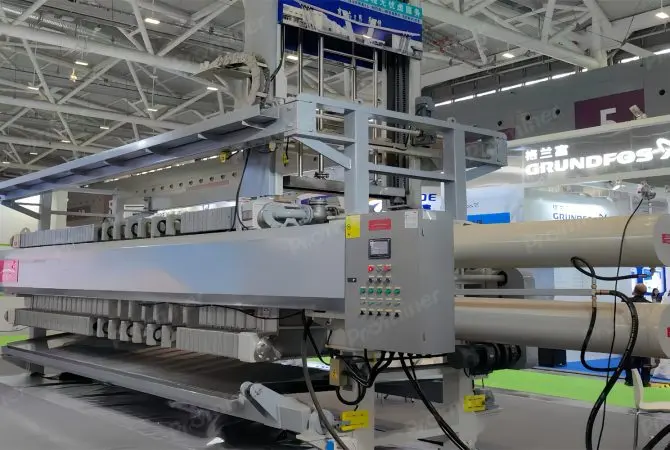
Prominer can provide press filter, belt vacuum filter, disk vacuum filter and ceramic filter
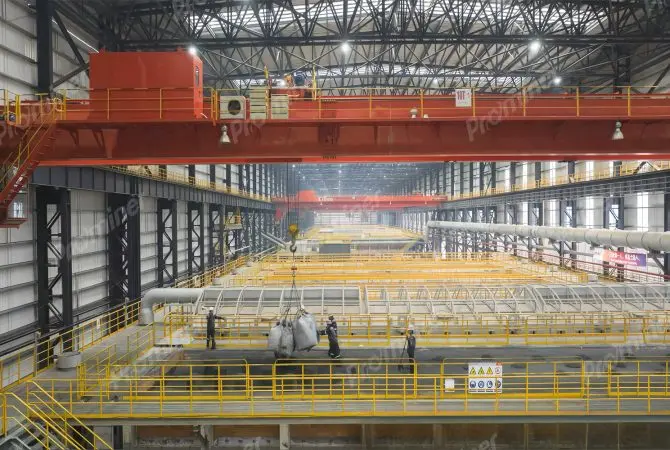
We can provide different type graphitization furnace for changing carbon material
To find out more about our products and solutions, please fll out the form below and one of our experts will get back to you shortly
3000 TPD Gold Flotation Project in Shandong Province
2500TPD Lithium Ore Flotation in Sichuan
Fax: (+86) 021-58779592
Address: Room 606, Building D3, Phase II, Chuansha Business Center, 777 Long, Miaochuan Road, Pudong New Area, Shanghai,China
Copyright © 2023. Prominer (Shanghai) Mining Technology Co.,Ltd.