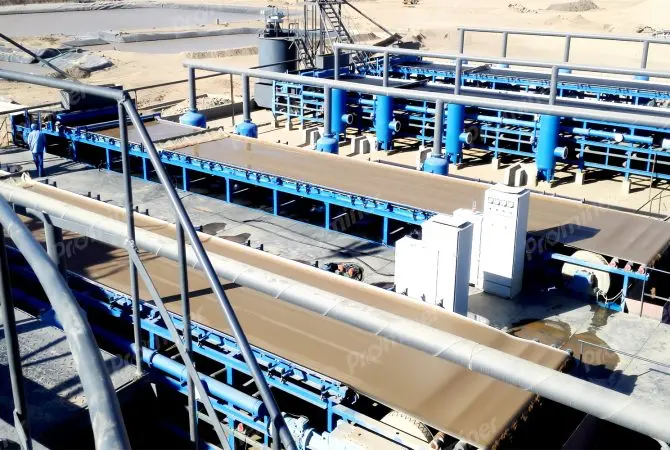
Vat leaching is a good option for the project owner to start at initial stage to save investment


/
/
What Are Solutions for Flotation Separation Challenges with Fine-Grained Particles?


Fine-grained particles are among the most difficult materials to recover efficiently in flotation systems. As particle size decreases, flotation performance often declines due to weak particle-bubble attachment, poor selectivity, high reagent consumption, and entrainment of unwanted gangue minerals. These issues can significantly reduce concentrate grade and recovery, especially in complex ores.
To improve flotation performance with fine particles, operators typically need a combination of reagent optimization, equipment improvements, hydrodynamic control, and pre-treatment methods. Below are the main solutions used to address fine-particle flotation challenges.
Reagent selection and dosage are critical when processing fine-grained materials. Fine particles have a high surface area, which changes how collectors, frothers, and modifiers interact with the mineral surface.
Some effective approaches include:
A carefully designed reagent scheme can improve collision and attachment probability while minimizing the negative effects of slimes and entrainment.
Conventional flotation cells are often less effective for ultrafine particles because they rely on particle-bubble collisions that become less likely as particle size falls. Specialized equipment can improve recovery.
Examples include:
These systems are designed to increase bubble surface area, improve contact efficiency, and reduce turbulence that can detach fine particles.
Fine particles are generally recovered more effectively by smaller bubbles because small bubbles offer greater surface area and more opportunities for attachment. Hydrodynamic conditions also need to be controlled carefully.
Key measures include:
Better bubble-particle interaction is one of the most important factors in recovering fine valuable minerals.
One of the most effective strategies for fine-particle flotation is to increase the apparent particle size through aggregation. This helps overcome the poor collision efficiency of individual fines.
Common methods include:
These techniques can significantly improve recovery, but they must be controlled carefully to avoid loss of selectivity.
Slimes are a major cause of poor flotation performance with fine particles. They can coat valuable mineral surfaces, consume reagents, and increase entrainment.
Solutions for slime control include:
By reducing slime interference, flotation reagents can work more effectively and separation efficiency improves.
The way ore is ground has a major influence on flotation of fines. Overgrinding creates excessive ultrafines, while insufficient liberation can leave valuable minerals locked.
Best practices include:
A balanced comminution strategy often provides one of the highest returns in fine-particle flotation improvement.
Surface chemistry can be altered to make fine particles more amenable to flotation. This is especially useful when natural floatability is poor or when surfaces are oxidized or contaminated.
Potential methods include:
These treatments can improve selectivity and strengthen attachment between particles and bubbles.
There is rarely a single solution for fine-particle flotation problems. In most cases, the best results come from combining several methods into an integrated flowsheet.
A practical circuit may include:
Integrated circuit design helps address the physical and chemical limitations of fine-particle recovery more effectively than isolated adjustments.
Fine-particle flotation is highly sensitive to operating conditions, so close monitoring is essential. Small changes in pulp density, reagent dosage, air rate, or particle size distribution can have a large impact.
Useful control strategies include:
Advanced monitoring allows operators to respond quickly to variations and maintain stable fine-particle recovery.
Flotation separation of fine-grained particles is challenging because of poor collision efficiency, weak attachment, slime effects, and selectivity problems. However, these difficulties can be overcome through a combination of better reagents, specialized flotation equipment, optimized hydrodynamics, aggregation methods, slime control, improved grinding strategy, and close process monitoring.
The most effective solution is usually not a single technology, but a coordinated approach tailored to the ore type, mineralogy, and size distribution. With the right flotation strategy, even very fine particles can be recovered more efficiently and economically.
A: The choice depends entirely on your ore’s mineral characteristics:
Gravity Separation: Best for coarse-grained minerals with large density differences (e.g., placer gold).
Flotation: Ideal for fine-grained base metals (e.g., copper oxide) or removing impurities from non-metallic minerals (e.g., quartz sand).
Cyanidation (CIP): Necessary for fine, encapsulated precious metals (e.g., rock gold) to maximize chemical extraction.
A: This approach prevents over-grinding (creating excessive ultra-fine particles), which ruins flotation efficiency. By grinding in stages and immediately separating recovered minerals or waste at each stage, you significantly reduce energy consumption, minimize steel media wear, and protect valuable minerals from turning into unrecoverable slime.
A: Fine particles have low mass and high surface areas, making them hard to float. Key solutions include:
Advanced Reagents: Using highly selective collectors and flocculants to aggregate fine particles.
Micro-bubble Technology: Utilizing flotation columns that generate smaller bubbles to increase particle-bubble collision rates.
Desliming: Removing harmful ultra-fine slimes before the flotation stage to clear the process environment.
A: Relying on a single method is rarely enough. The key is a combined metallurgical flowsheet:
For High-Purity Quartz: Integrate scrubbing, magnetic separation (to remove iron), flotation (for feldspar), and acid leaching for the ultimate purity.
For Precious Metals: Combine gravity separation (to catch coarse gold early) with flotation and CIP (to extract fine gold), ensuring zero valuable minerals are wasted.
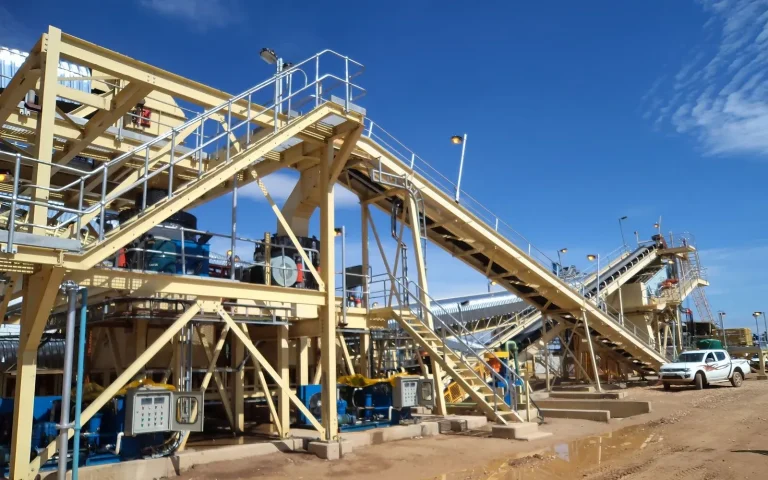
Vat leaching is a good option for the project owner to start at initial stage to save investment
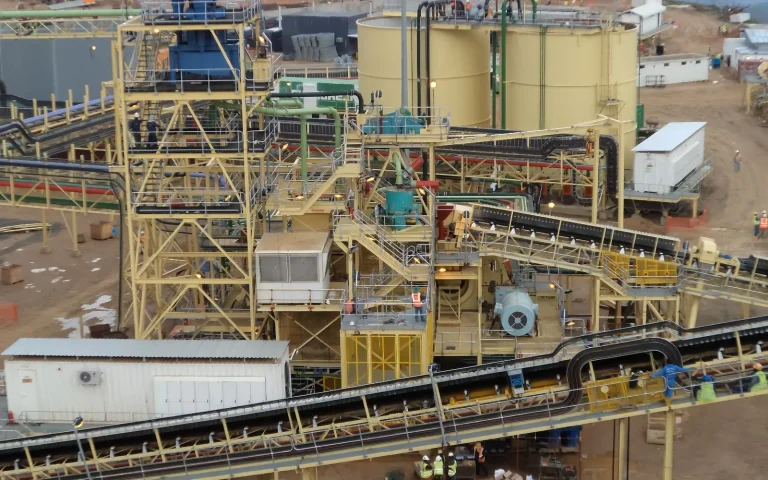
Flotation is the most popular processing way in gold ore processing project. Because the flotation process
Provide important equipment in the gold ore processing process, such as CIL/CIP System, Flotation Cell…

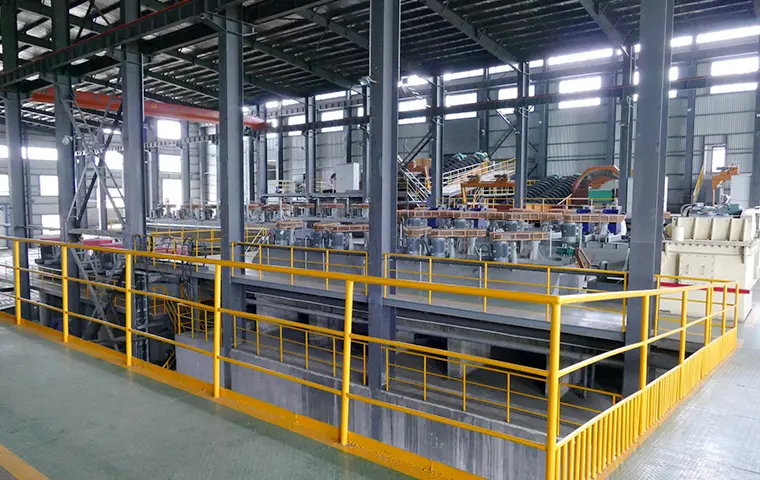
Raw Material: Spherical Graphite, Pitch Binder, Additives Project Capacity: 5,000 tons anode material; 20 tons graphene per annum
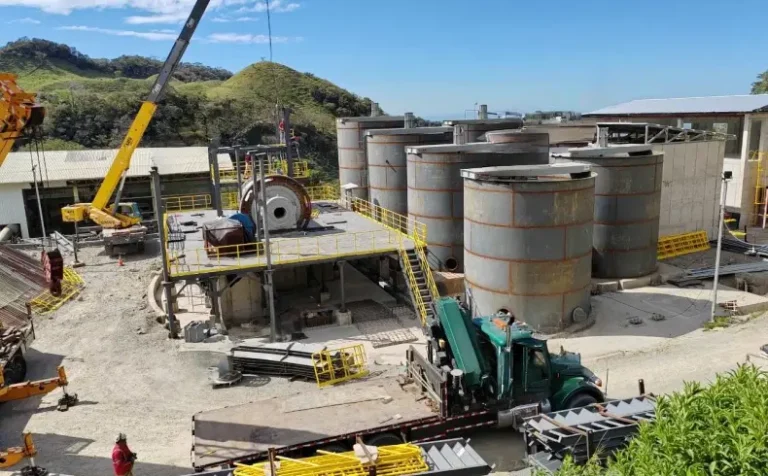
Raw Ore: Oxide-Sulfide Mixed Gold Ore Gold Grade: 3.5-7 g/t Gold Ingot Purity: 99.5%
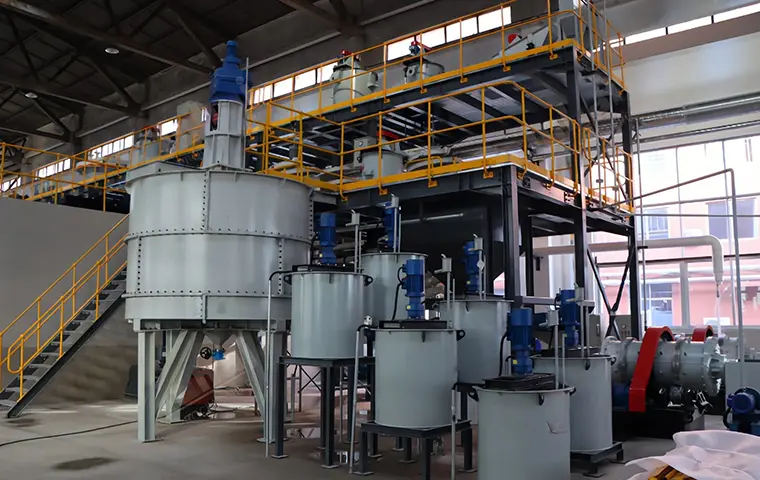
Project Background: Expansion and Technological Upgrade of an Existing Flotation Plant
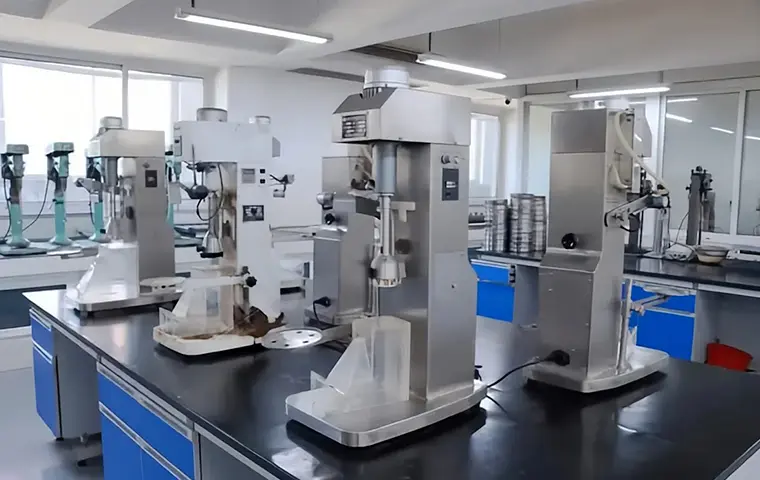
Raw Material: Various types of ore samples (gold, lithium, graphite, etc.) Lab Capacity: 50–100 samples per day
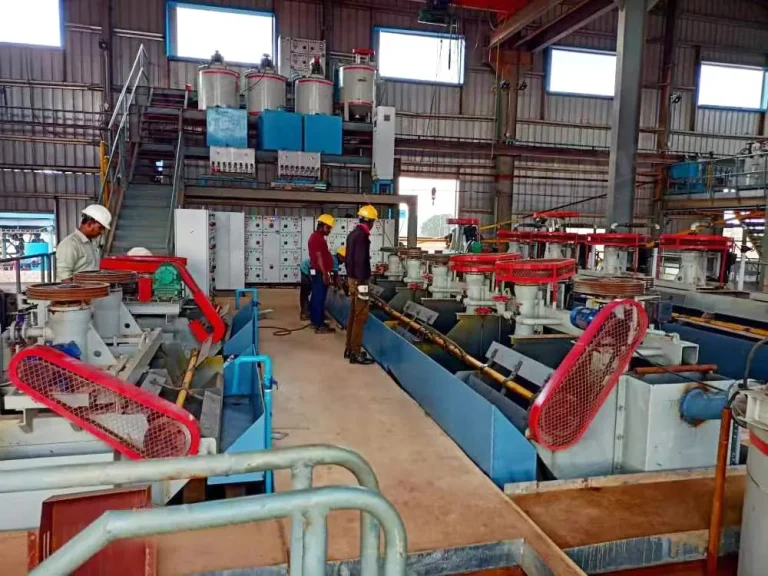
Raw Ore: Primary Sulfide Ore (Chalcopyrite-Bornite) Cu Grade: 0.72% Concentrate Grade: 28.3%
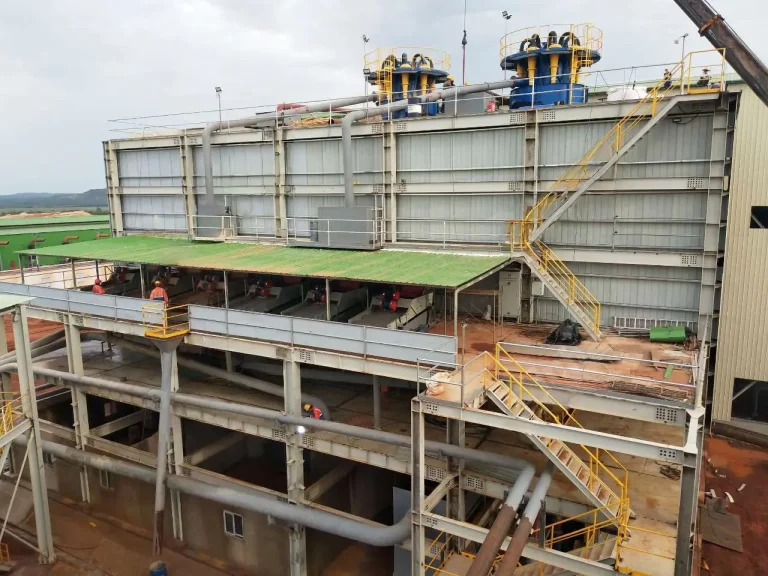
Raw Ore: Alluvial Gold Ore from River Deposits Gold Grade: 0.7 g/t (average) Recovery Rate: 90%
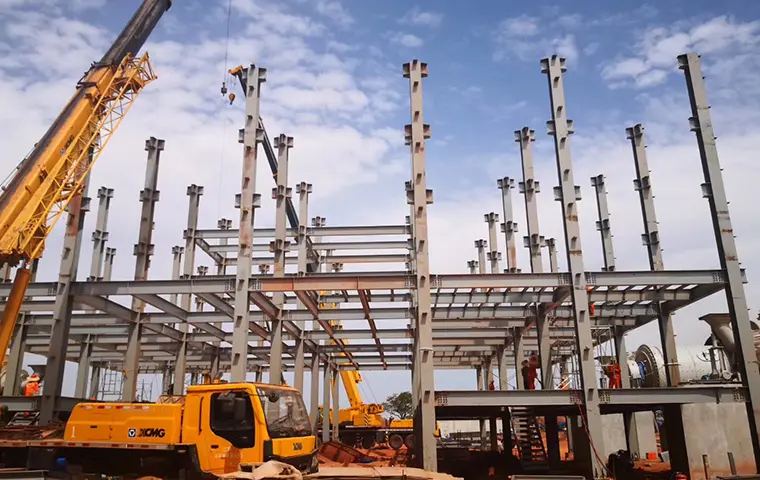
Located in Guinea, this large-scale project features a processing capacity of 15,000 TPD (Tons Per Day).
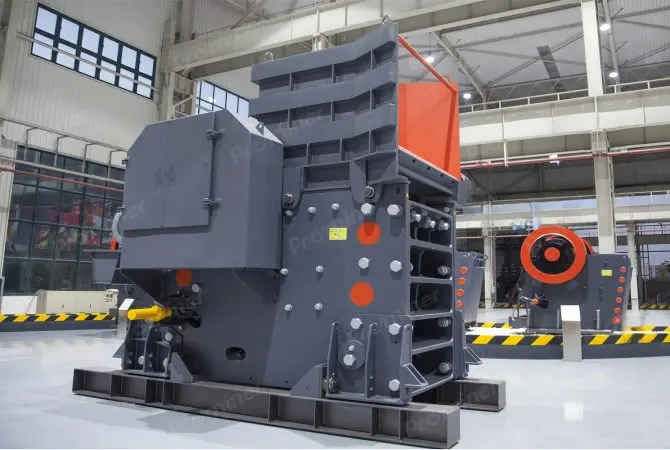
Jaw Crusher, its opening size determines its max feeding size. The crushing chamber of a jaw crusher
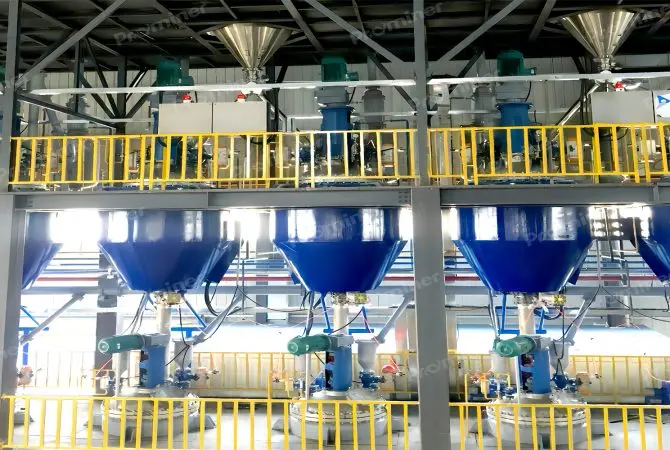
Our granulation reactor combines the coating and granulation processing functions together
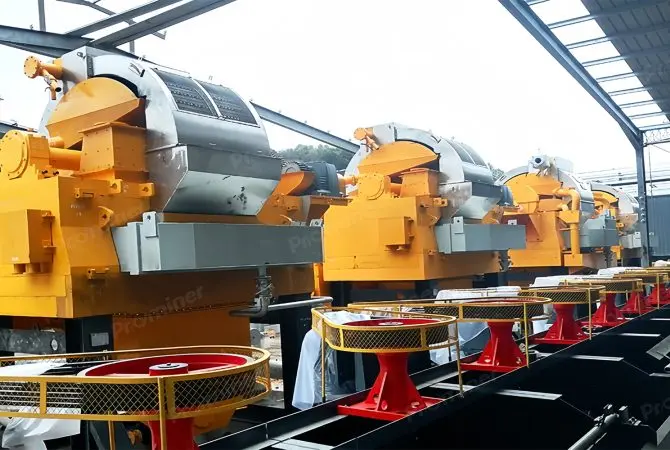
Prominer can provide different HIMS (High Intensity Magnetic separator) magnetic separators
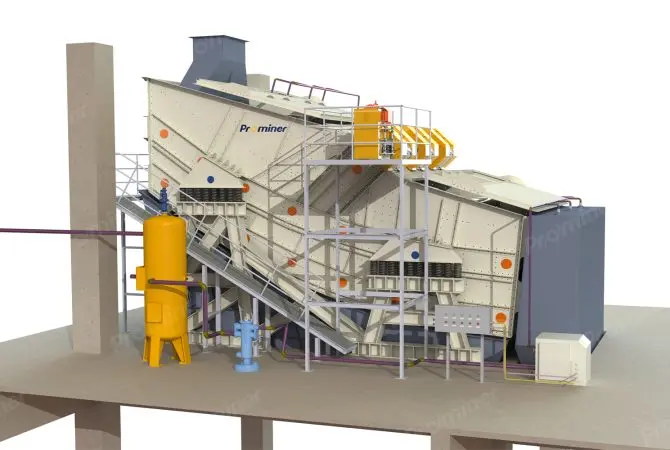
Banana screen is also well known as constant bed thickness screen. Prominer has the ability to supply dry
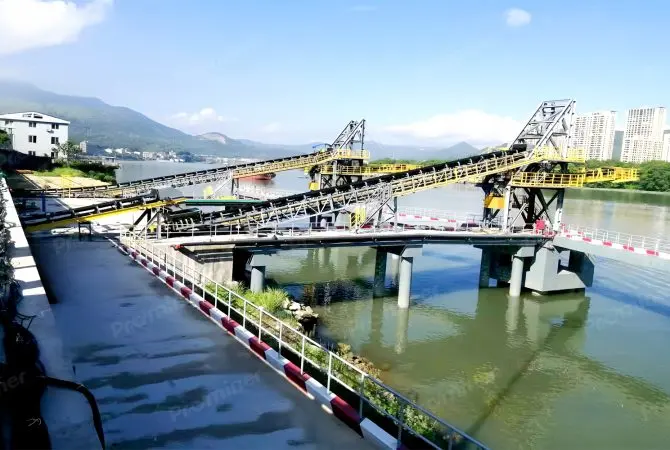
We can provide the solution of belt conveyors for different purposes include steeply inclined belt conveyor
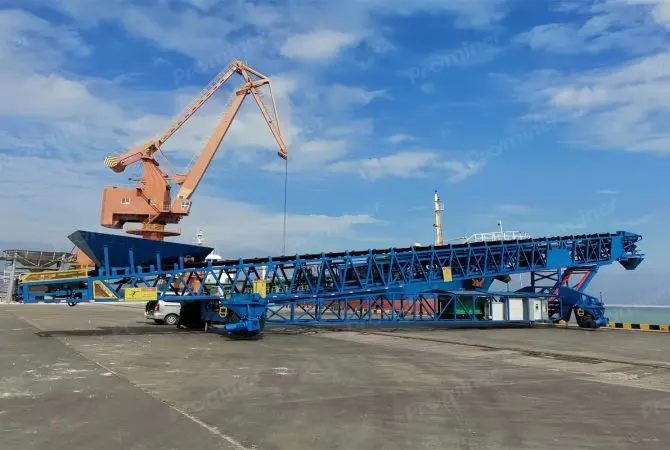
Our engineer team can design and manufacture the mobile type radial stacker, loader
To find out more about our products and solutions, please fll out the form below and one of our experts will get back to you shortly
3000 TPD Gold Flotation Project in Shandong Province
2500TPD Lithium Ore Flotation in Sichuan
Fax: (+86) 021-58779592
Address: Room 606, Building D3, Phase II, Chuansha Business Center, 777 Long, Miaochuan Road, Pudong New Area, Shanghai,China
Copyright © 2023. Prominer (Shanghai) Mining Technology Co.,Ltd.