



Provide important equipment in the gold ore processing process, such as CIL/CIP System, Flotation Cell…


Gold ore processing is the key step that turns raw mined rock into recoverable gold. The most effective method depends on the ore’s grade, mineral composition, particle size, and whether the gold is free-milling or locked within sulfides. For maximum yield, operators usually choose a process that balances recovery rate, operating cost, and environmental compliance.
Below are three of the most effective gold ore processing methods used in modern mining.
Gravity separation is one of the oldest and most efficient methods for recovering coarse, free gold. It works by using the density difference between gold and surrounding waste minerals. Since gold is much heavier than most gangue materials, it can be separated through equipment such as jigs, shaking tables, sluices, spiral concentrators, and centrifugal concentrators.
This method is especially effective when:
Its main advantages include low operating cost, simple equipment, and minimal chemical use. It is often used as a primary recovery method or as a pre-concentration step before further treatment.
However, gravity separation is less effective for very fine gold or gold locked within sulfide minerals. In those cases, it is usually combined with flotation or leaching for higher overall recovery.
Flotation is highly effective for processing gold ores where the gold is associated with sulfide minerals such as pyrite, arsenopyrite, or chalcopyrite. In this process, finely ground ore is mixed with water and reagents, then air is introduced to create bubbles. Gold-bearing sulfides attach to the bubbles and rise to the surface, where they are collected as concentrate.
Flotation is ideal when:
Key benefits of flotation include:
The drawback is that flotation usually does not produce final gold directly. Instead, it creates a concentrate that must undergo further treatment to extract the metal. Still, for refractory or sulfide-rich ores, it is one of the most effective ways to maximize yield.
Cyanidation is the most widely used gold extraction method for achieving high recovery, particularly for fine gold particles. In this process, crushed and ground ore is treated with a dilute cyanide solution, which dissolves the gold. The dissolved gold is then recovered using activated carbon, zinc precipitation, or electrowinning.
Common cyanidation techniques include:
Cyanidation is most effective when:
Its biggest advantage is excellent gold recovery, often exceeding that of gravity-only systems. It is particularly effective for low-grade ores that would not be economical with other methods alone.
The main limitations are chemical handling requirements, environmental controls, and reduced effectiveness on certain refractory ores unless pretreatment is used. Even so, cyanidation remains the industry standard for maximum gold extraction in many operations.
No single method is best for every type of gold ore. Maximum yield usually comes from matching the process to the ore characteristics:
In many cases, the highest yield comes from combining methods. For example, a plant may use gravity separation to recover coarse gold early, flotation to concentrate sulfides, and cyanidation to extract the remaining fine gold. This integrated approach often produces the best recovery rates and the strongest economic return.
The three most effective gold ore processing methods for maximum yield are gravity separation, flotation separation, and cyanidation leaching. Each has a specific role depending on the ore type and gold occurrence. To achieve the best results, miners and processors should conduct proper ore testing and design a flowsheet tailored to the deposit.
When chosen and combined correctly, these methods can significantly improve gold recovery, reduce losses, and increase overall profitability.
A: The choice depends entirely on your ore’s mineral characteristics:
Gravity Separation: Best for coarse-grained minerals with large density differences (e.g., placer gold).
Flotation: Ideal for fine-grained base metals (e.g., copper oxide) or removing impurities from non-metallic minerals (e.g., quartz sand).
Cyanidation (CIP): Necessary for fine, encapsulated precious metals (e.g., rock gold) to maximize chemical extraction.
A: This approach prevents over-grinding (creating excessive ultra-fine particles), which ruins flotation efficiency. By grinding in stages and immediately separating recovered minerals or waste at each stage, you significantly reduce energy consumption, minimize steel media wear, and protect valuable minerals from turning into unrecoverable slime.
A: Fine particles have low mass and high surface areas, making them hard to float. Key solutions include:
Advanced Reagents: Using highly selective collectors and flocculants to aggregate fine particles.
Micro-bubble Technology: Utilizing flotation columns that generate smaller bubbles to increase particle-bubble collision rates.
Desliming: Removing harmful ultra-fine slimes before the flotation stage to clear the process environment.
A: Relying on a single method is rarely enough. The key is a combined metallurgical flowsheet:
For High-Purity Quartz: Integrate scrubbing, magnetic separation (to remove iron), flotation (for feldspar), and acid leaching for the ultimate purity.
For Precious Metals: Combine gravity separation (to catch coarse gold early) with flotation and CIP (to extract fine gold), ensuring zero valuable minerals are wasted.
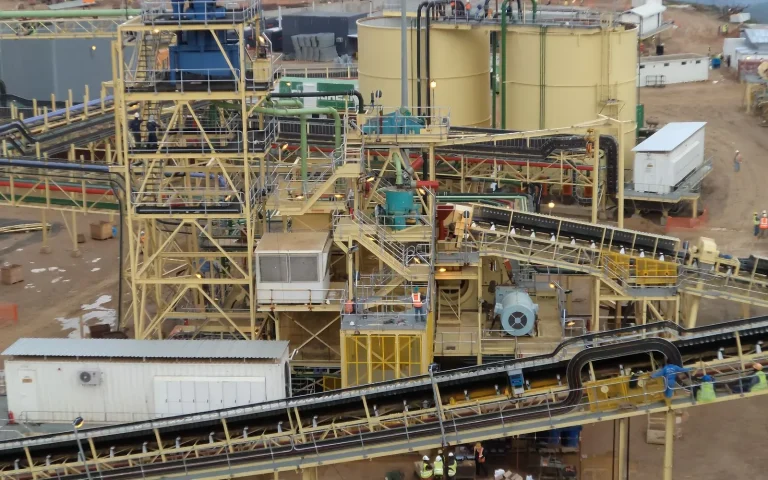
Provide important equipment in the gold ore processing process, such as CIL/CIP System, Flotation Cell…
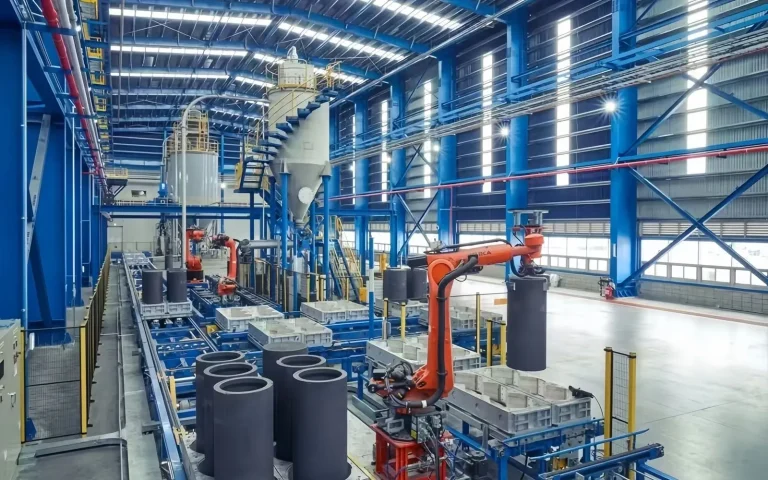
Prominer can provide the complete solution for making natrual graphite anode materials include grinding
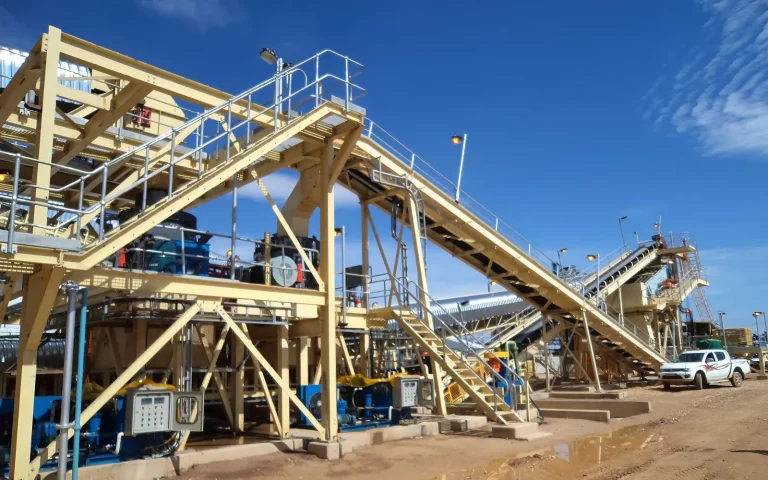
Vat leaching is a good option for the project owner to start at initial stage to save investment

Raw Material: Quartzite Rock (SiO₂: 97.8%) Photovoltaic Grade: SiO₂≥99.99%, Fe₂O₃≤10ppm
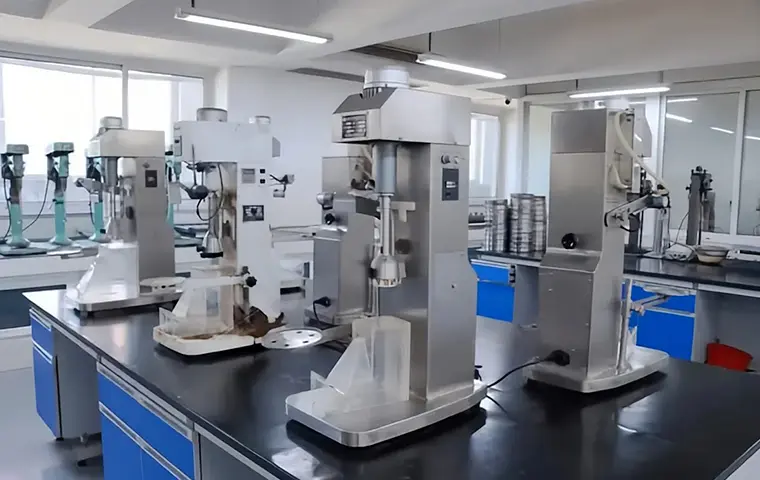
Raw Material: Various types of ore samples (gold, lithium, graphite, etc.) Lab Capacity: 50–100 samples per day
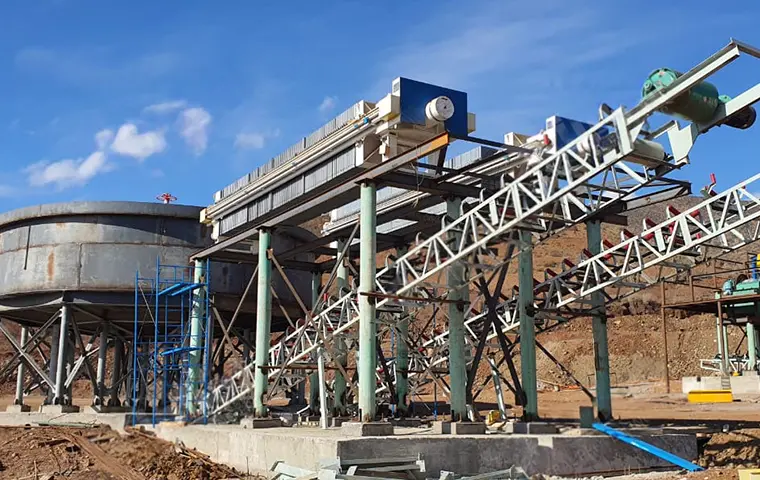
From laboratory testing to final commissioning, Prominer delivered a customized 20 TPH solution
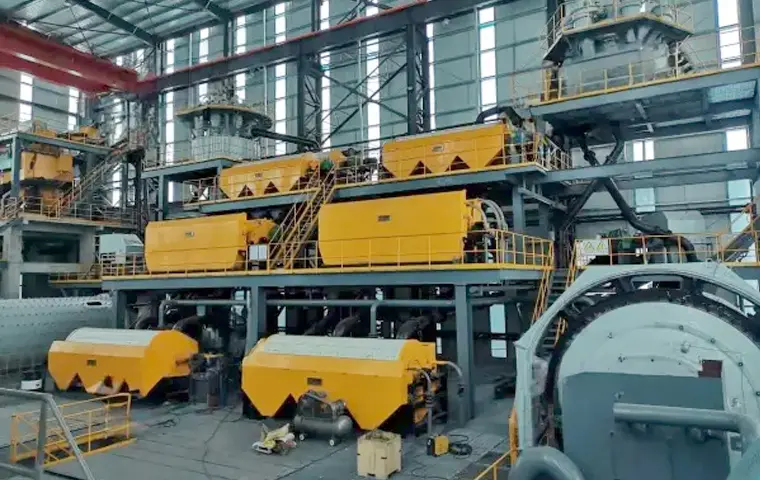
Raw Ore: Magnetite Iron Ore with Hematite Banding Fe Grade: 28-32% Final Product: High-Grade Iron Concentrate
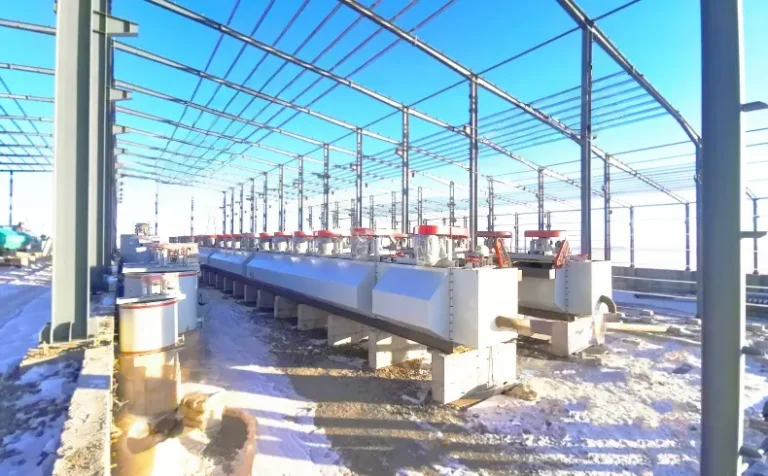
Raw Ore: Copper Sulfide Ore Copper Grade: 0.85% Final Product: Copper Concentrate
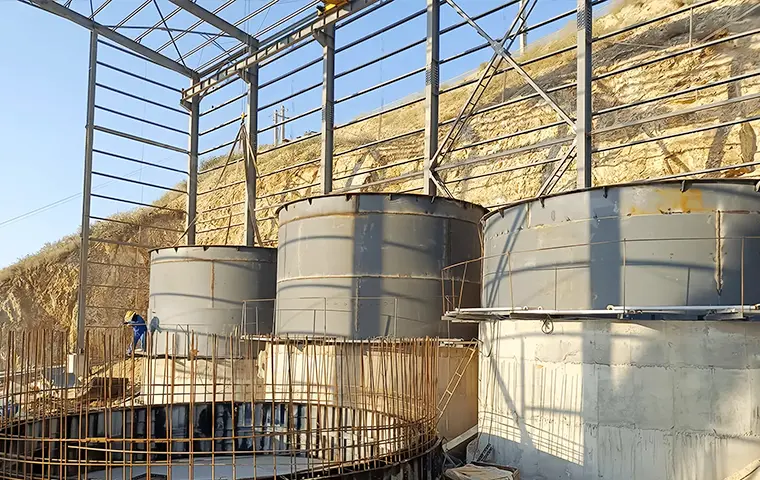
Raw Ore: Weathered Oxide Gold Ore Gold Grade: 1.8 g/t Gold Recovery Rate: 90.5%
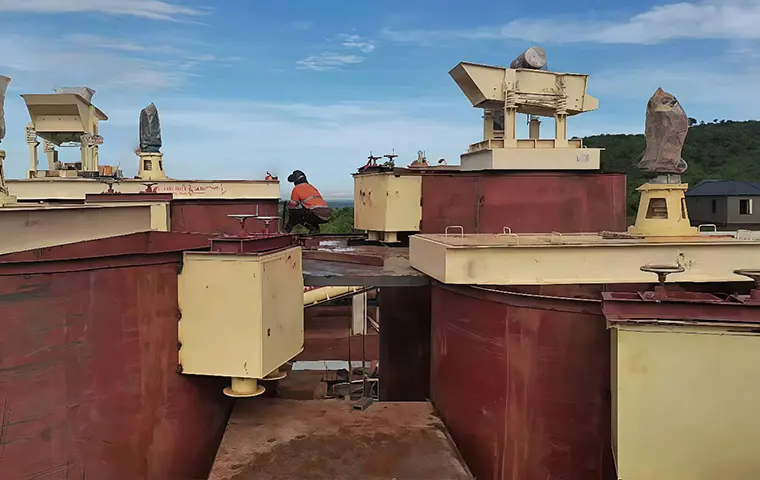
Raw Ore: Oxide Type Gold Ore Gold Grade: 3.5 g/t Gold Ingot Purity: 99.5%
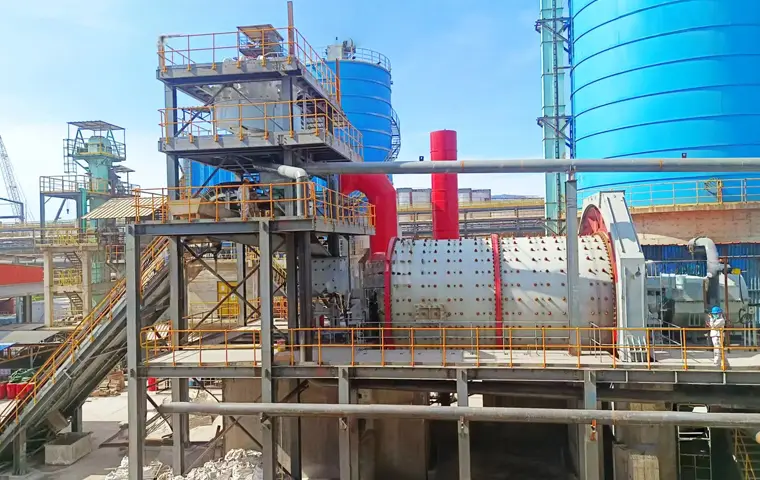
Raw Material: High-Calcium Limestone Final Product: Cement Raw Material Powder (200 mesh) & Construction Aggregate
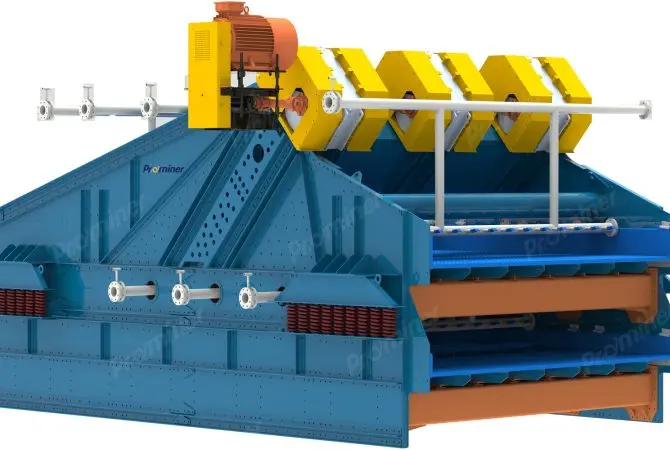
Prominer can provide all kinds of linear screen for mineral grading, material sizing, dewatering
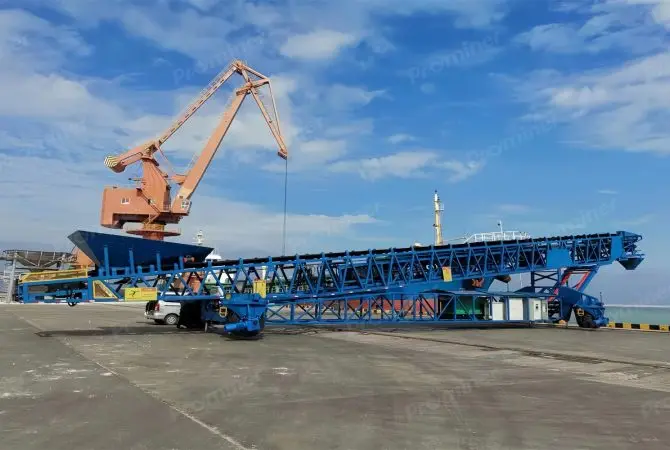
Our engineer team can design and manufacture the mobile type radial stacker, loader
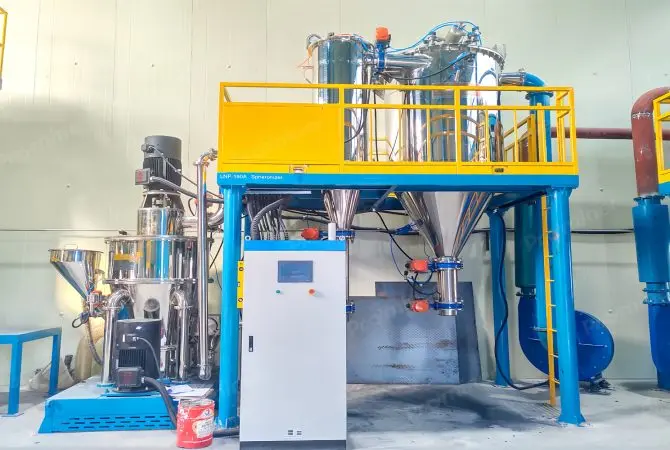
Besides strict PSD requirements, Anode Graphite also requires a spherical shape in order
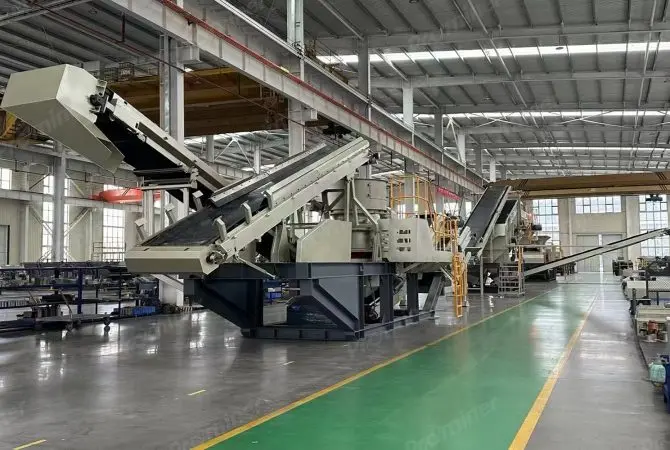
Skid mounted Portable Crusher, based on market requirements of easier moving from one site
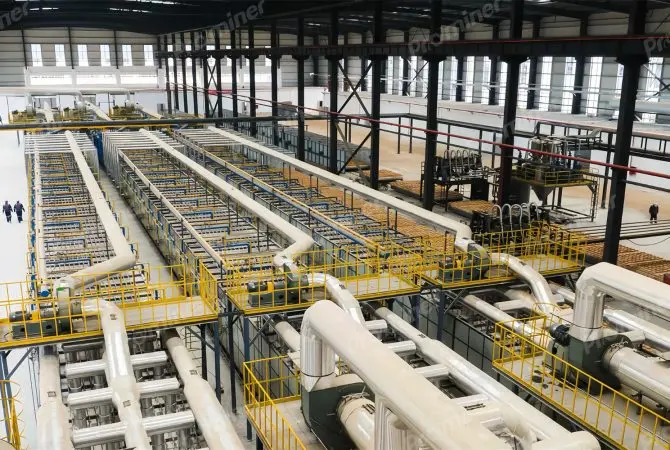
Prominer provides various types of furnaces for primary and secondary baking of carbon
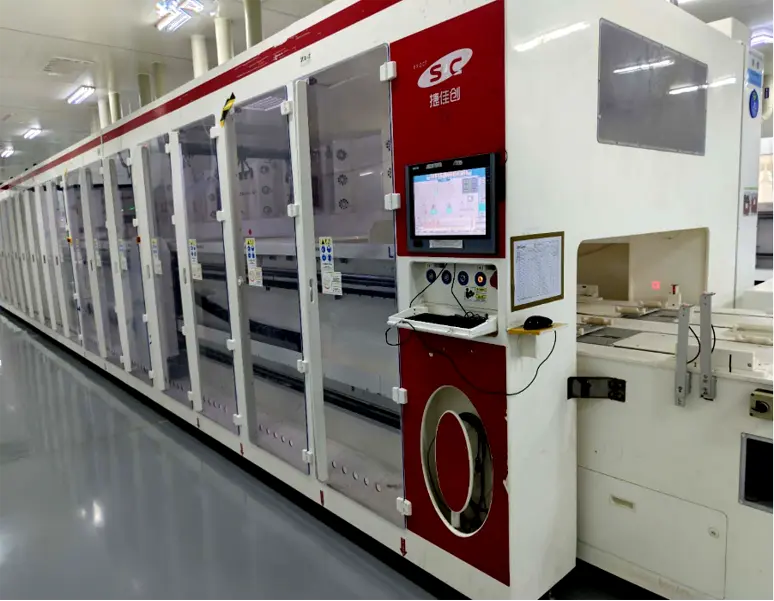
Such as: Boron diffusion furnace, BSG removal, Alkali polishing machine, PE-POLY…
To find out more about our products and solutions, please fll out the form below and one of our experts will get back to you shortly
3000 TPD Gold Flotation Project in Shandong Province
2500TPD Lithium Ore Flotation in Sichuan
Fax: (+86) 021-58779592
Address: Room 606, Building D3, Phase II, Chuansha Business Center, 777 Long, Miaochuan Road, Pudong New Area, Shanghai,China
Copyright © 2023. Prominer (Shanghai) Mining Technology Co.,Ltd.


