

UHP graphite electrode is mainly used for ultra high power electric arc furnaces in steel smelting industry




Gold CIP, or Carbon-in-Pulp, is one of the most widely used methods for recovering gold from ore. It is especially effective for low-grade ores where direct recovery methods may be less efficient. The process combines leaching and adsorption, allowing gold dissolved in cyanide solution to be captured by activated carbon within the same general processing circuit.
Below are the key features of a gold CIP process flow.
The first stage in a gold CIP process is ore preparation. Mined ore is crushed and screened to reduce its size and prepare it for grinding. Proper crushing is essential because it improves liberation of gold-bearing minerals from surrounding rock.
Key points of this stage include:
After crushing, the ore is ground into a fine slurry using ball mills or similar equipment. Classification equipment, such as hydrocyclones, separates particles by size to ensure the correct material proceeds to leaching.
This stage is important because:
Before leaching, the ground slurry may be thickened to achieve the required pulp density. In some plants, conditioning tanks are also used to adjust chemical conditions such as pH and reagent concentration.
Main features include:
Cyanide leaching is the core stage where gold is dissolved from the ore into solution. The slurry is mixed with cyanide and oxygen in large agitated tanks. Gold reacts to form a soluble gold-cyanide complex.
Important characteristics of this step are:
The defining feature of the CIP process is the addition of activated carbon directly into the leach pulp. As the gold dissolves, it is adsorbed onto the carbon particles. This enables simultaneous or closely linked leaching and adsorption.
Key benefits include:
In a typical CIP plant, carbon moves in the opposite direction to the pulp flow. Fresh or regenerated carbon is added to the last adsorption tank, while loaded carbon is removed from the first tank.
This design helps to:
Interstage screens are used to separate activated carbon from the slurry as it passes between tanks. These screens prevent carbon loss while allowing pulp to continue through the circuit.
This stage is characterized by:
Once the activated carbon becomes loaded with gold, it is removed from the circuit and sent to elution. In this stage, the gold is stripped from the carbon using hot caustic and cyanide solution, pressure systems, or other desorption methods.
Key features of elution include:
The gold-bearing solution from elution is treated by electrowinning, where gold is deposited onto cathodes or steel wool under the influence of electric current. The recovered metal is then smelted to produce doré bars.
This final recovery stage includes:
After elution, the carbon is thermally regenerated in a kiln to restore its adsorption capacity. It is then returned to the CIP circuit for reuse.
Advantages of this feature include:
After gold extraction, the remaining slurry is discharged as tailings. Because cyanide is used in the process, detoxification may be required before disposal. Tailings management is an important environmental and operational component of the CIP flow.
This stage often involves:
A gold CIP process depends heavily on monitoring and control. Operators track variables such as pH, cyanide concentration, dissolved oxygen, pulp density, carbon activity, and residence time to maintain efficient performance.
Typical control objectives are:
The key features of a gold CIP process flow lie in its integrated approach to gold leaching and carbon adsorption. From crushing and grinding through leaching, adsorption, elution, electrowinning, and tailings treatment, each stage plays a vital role in overall recovery efficiency. When properly designed and controlled, a gold CIP plant offers reliable, economical, and high-efficiency gold extraction for a wide range of ore types.
A: Process selection depends on ore mineralogy, grain size, and gangue composition. Typically, coarse-grained heavy minerals (like gold or chromite) favor gravity separation, finely disseminated sulfides or non-metallics (like fluorite, graphite, or lead-zinc) require flotation, and fine or refractory gold ores often rely on chemical leaching (such as CIP) or combined flowsheets.
A: Reagent selection is dictated by the specific surface chemistry of your target mineral and gangue (e.g., silica, calcium, or phosphorus). Effective separation requires matching targeted collectors with selective depressants and pH modifiers, which should always be verified through lab-scale bench testing on your specific ore sample.
A: Equipment selection depends on target particle size, throughput capacity, and required recovery rates. For example, centrifugal concentrators and shaking tables excel at fine gravity recovery, while specialized flotation cells and elution systems are sized based on retention time and pulp density.
A: Yes. With modern process optimization—such as combined beneficiation flowsheets, pre-concentration, or targeted chemical treatments—previously uneconomic resources like Carlin-type gold, refractory copper oxide, or historical gold tailings can achieve commercially viable recovery rates.
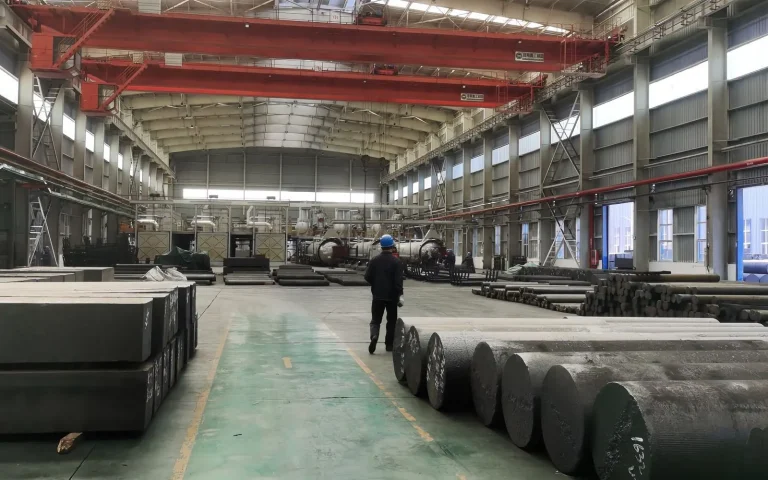
UHP graphite electrode is mainly used for ultra high power electric arc furnaces in steel smelting industry
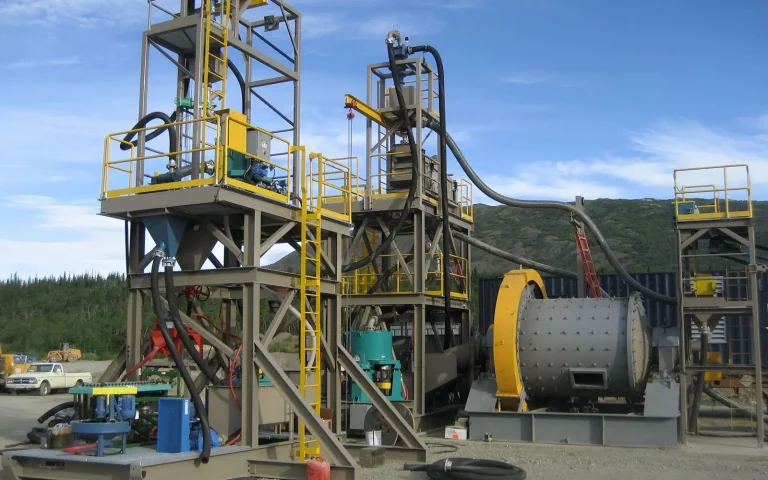
The best-known of the exogenetic ores is alluvial gold which also called placer gold. Alluvial gold refers
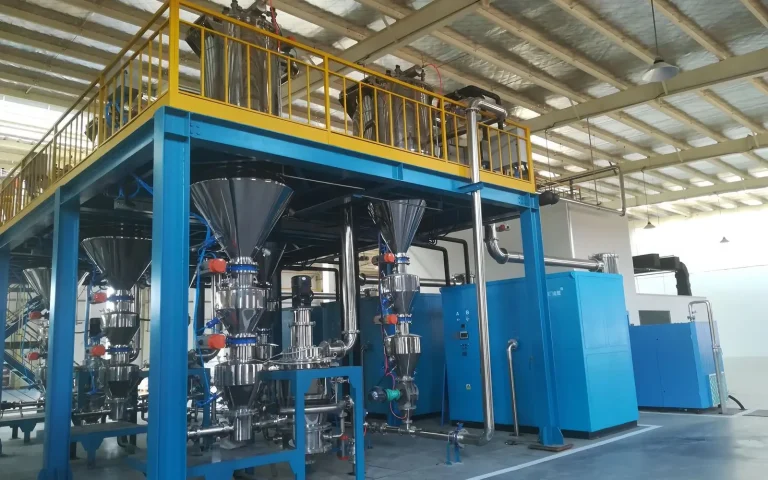
Silicon based anode is one kind of composite anode material by compounding silicon

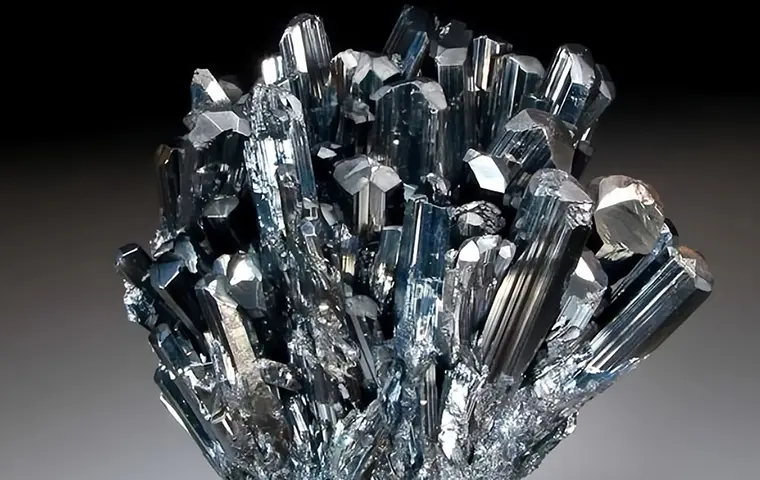
Raw Ore: Stibnite (Antimony Sulfide Ore) Sb Grade: 3.5% Concentrate Grade: 55% Sb
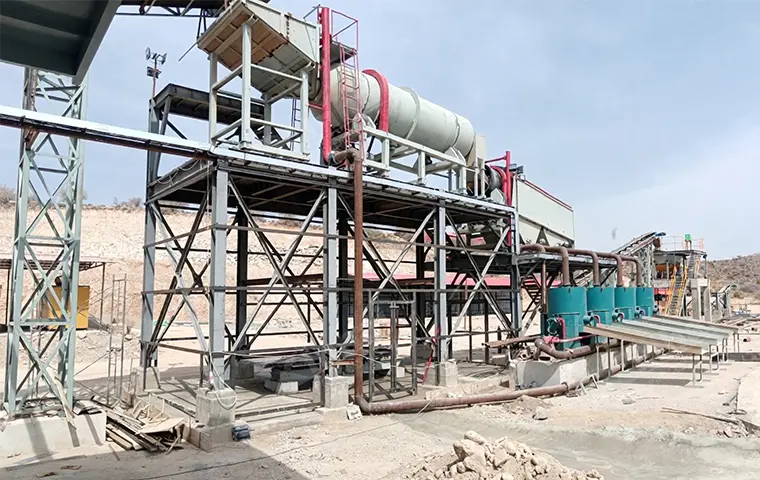
Raw Ore: Alluvial gold ore from dry river bed (Wadi) Gold Grade: 1.2 g/t Gold Recovery Rate: >92%
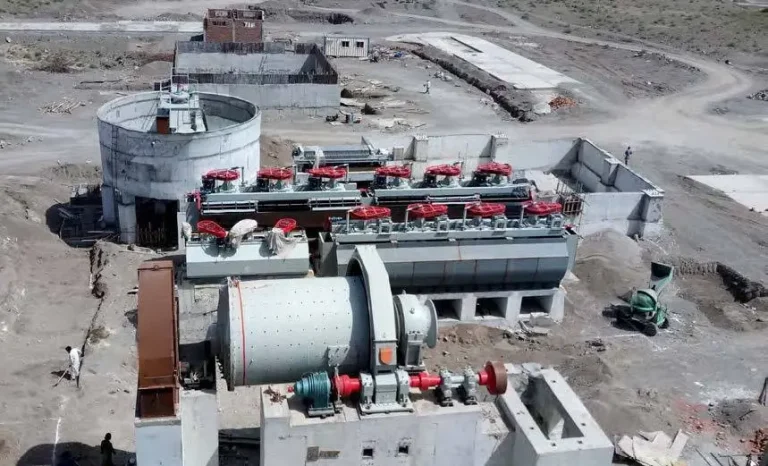
Raw Ore: Mixed Oxide-Sulfide Copper Ore (Chalcocite/Malachite) Copper Grade: 1.2% | Silver: 15g/t
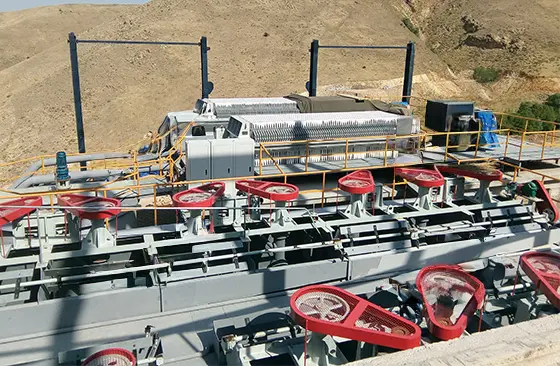
Raw Ore: Siliceous-Phosphate with Magnetite Inclusions Feed Composition: P₂O₅: 19-23%;Fe₂O₃: 8-12%;SiO₂: 25-35%;CaO: 32-38%

Raw Ore: Lithium-Rich Hectorite Clay (Li₂O: 0.6-1.0%) Final Product: Battery-Grade Lithium Carbonate
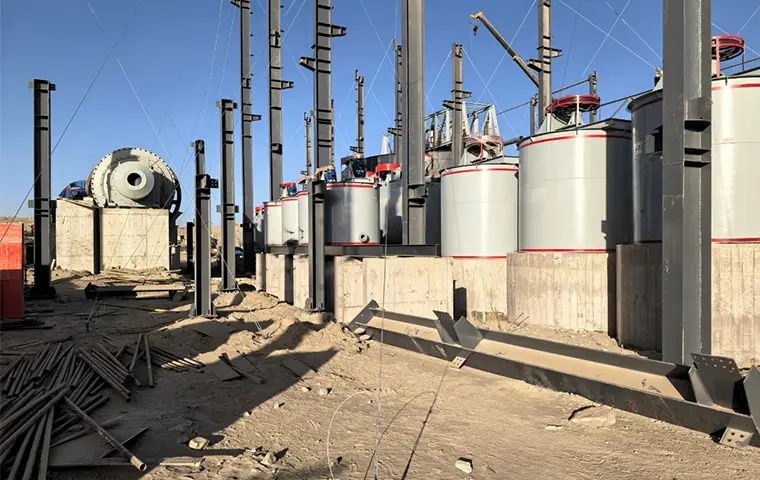
Raw Ore: Transitional & Oxide Gold Ore (with minor sulfides) Feed Gold Grade: 2.5 g/t Final Product: Gold Doré Ingot
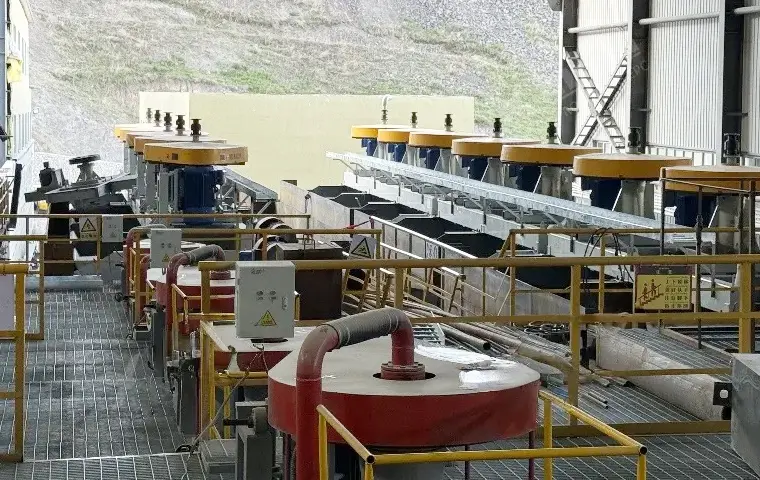
Raw Ore: Sulfide Type Gold Ore (with associated Pyrite and Arsenopyrite) Gold Grade: 4.2 g/t
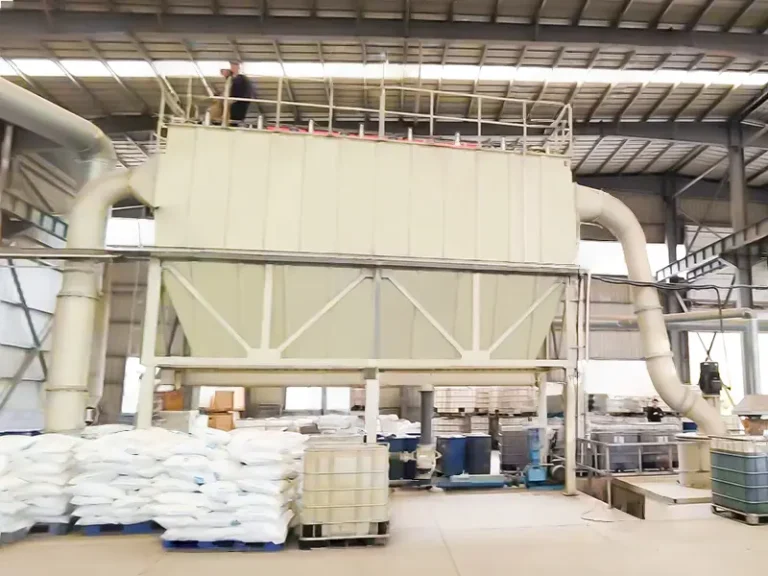
Raw Ore: Dolomite Rock (CaMg(CO₃)₂) Feed Size: ≤10 mm Final Product: Ultra Fine Dolomite Powder
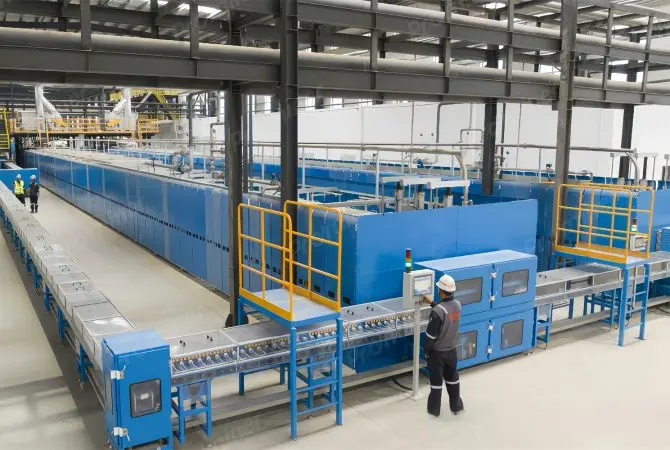
We can provide the complete solution for high temperature carbonization treatment system
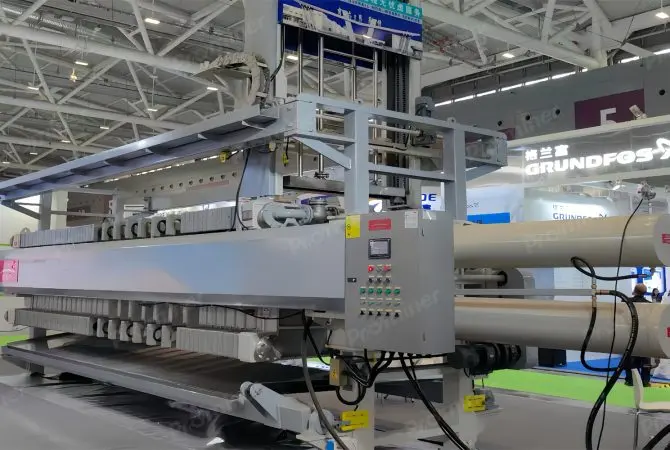
Prominer can provide press filter, belt vacuum filter, disk vacuum filter and ceramic filter
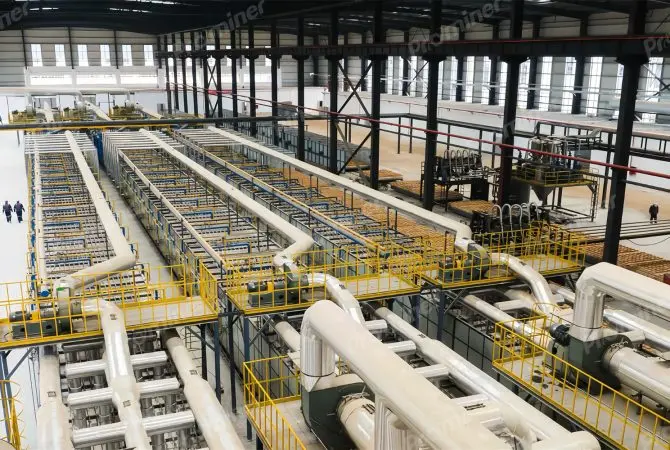
Prominer provides various types of furnaces for primary and secondary baking of carbon
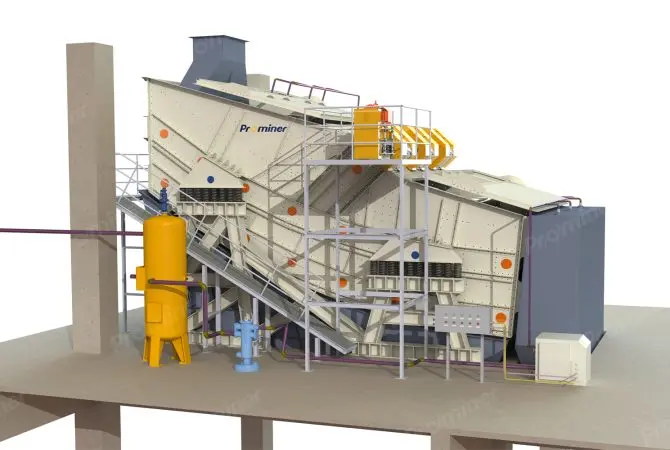
Banana screen is also well known as constant bed thickness screen. Prominer has the ability to supply dry
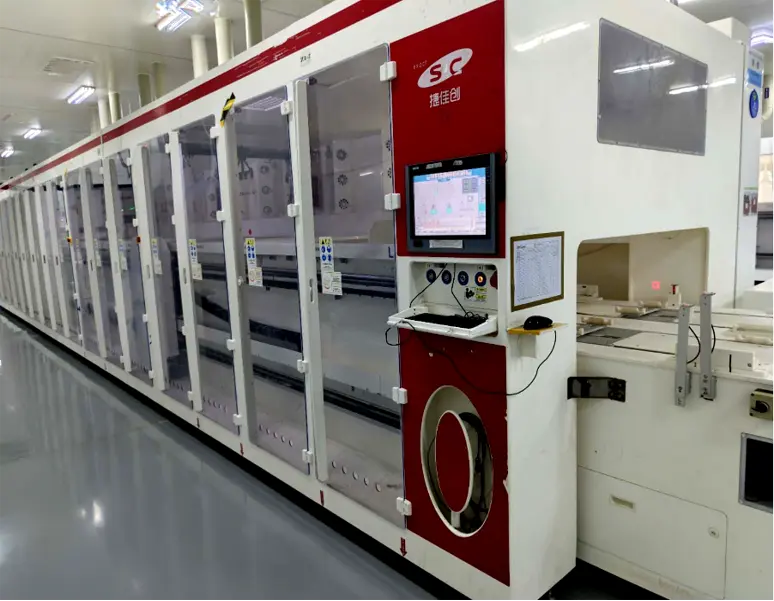
Such as: Boron diffusion furnace, BSG removal, Alkali polishing machine, PE-POLY…
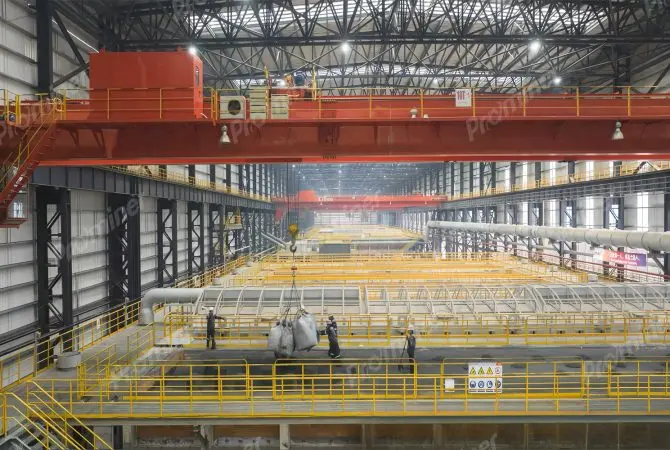
We can provide different type graphitization furnace for changing carbon material
To find out more about our products and solutions, please fll out the form below and one of our experts will get back to you shortly
3000 TPD Gold Flotation Project in Shandong Province
2500TPD Lithium Ore Flotation in Sichuan
Fax: (+86) 021-58779592
Address: Room 606, Building D3, Phase II, Chuansha Business Center, 777 Long, Miaochuan Road, Pudong New Area, Shanghai,China
Copyright © 2023. Prominer (Shanghai) Mining Technology Co.,Ltd.


