UHP graphite electrode is mainly used for ultra high power electric arc furnaces in steel smelting industry




Phosphate flotation is one of the most important beneficiation methods used to separate valuable phosphate minerals from gangue such as silica, carbonates, clay, and other impurities. Because phosphate ores vary widely in mineral composition, particle size, and impurity content, different flotation process types are used depending on the ore characteristics and the intended end use of the concentrate.
Below is an overview of the main phosphate flotation process types and their applications.
Direct flotation is a process in which phosphate minerals are floated directly from the ore pulp while gangue minerals remain in the tailings.
In this method, collectors are added that selectively attach to phosphate mineral surfaces, making them hydrophobic. Air bubbles then carry the phosphate particles to the froth layer, where they are recovered as concentrate.
Direct flotation is commonly used for:
This process is especially suitable when the gangue minerals do not float easily under the selected chemical conditions.
Reverse flotation removes the gangue minerals by floating them away, while phosphate minerals remain in the cell and are recovered from the underflow or non-floated fraction.
This method is often used when it is more practical to float impurities such as silica or carbonates than to float the phosphate itself.
Reverse flotation is widely used for:
A common example is the flotation of silica away from phosphate using amine collectors under controlled pH conditions.
Direct-reverse flotation is a combined process in which phosphate is first floated, and then a reverse flotation stage is used to remove remaining impurities from the concentrate.
This approach is designed for ores with complex gangue compositions where a single flotation stage is not sufficient to achieve the required concentrate quality.
This process is suitable for:
It is often selected when plants must balance both recovery and grade in difficult ore conditions.
In reverse-direct flotation, gangue minerals are floated first, followed by flotation of the phosphate minerals in a subsequent stage.
This sequence is chosen when early removal of specific impurities improves the selectivity or efficiency of phosphate recovery in the second stage.
Reverse-direct flotation is used for:
Double reverse flotation uses two reverse flotation stages, typically aimed at removing different gangue minerals in sequence. For example, one stage may target silica and another may target carbonates.
This process is often adopted for highly complex phosphate ores where gangue minerals differ significantly in their surface chemistry.
This method is especially useful for:
Column flotation is not a separate flotation chemistry type, but it is an important process configuration used in phosphate beneficiation. Flotation columns provide improved bubble-particle contact and often produce cleaner concentrates than conventional mechanical cells.
Column flotation is commonly applied in:
The Crago process is one of the best-known phosphate flotation methods, especially in the beneficiation of sedimentary phosphate ores. It is a form of fatty acid flotation followed by silica flotation.
In this process, phosphate is first floated using fatty acids. The concentrate is then treated to remove the collector coating, after which silica is floated from the phosphate using amine collectors.
The Crago process has been widely used for:
Choosing the right phosphate flotation process depends on several important factors:
The relative proportions of apatite, quartz, dolomite, calcite, clay, and other minerals strongly influence whether direct, reverse, or combined flotation will be most effective.
Fine particles and slimes can reduce flotation efficiency, so desliming and classification often play a major role in flowsheet design.
Siliceous gangue and carbonate gangue behave differently in flotation systems, requiring different collectors, depressants, and pH control strategies.
Fertilizer, feed phosphate, and chemical-grade phosphate products may require different concentrate grades and impurity limits.
Capital cost, reagent consumption, water availability, energy use, and maintenance requirements all affect process selection.
The main phosphate flotation process types include direct flotation, reverse flotation, direct-reverse flotation, reverse-direct flotation, double reverse flotation, and specialized industrial methods such as the Crago process. Each has specific advantages and applications depending on ore mineralogy, gangue composition, and product quality targets.
In practice, no single flotation method is ideal for all phosphate ores. The best process is usually determined through laboratory testing, pilot-scale trials, and detailed mineralogical analysis. By matching the flotation strategy to the ore characteristics, operators can maximize phosphate recovery, improve concentrate grade, and achieve more efficient plant performance.
A: A handful of variables drive most of the variation in recovery and grade: grind size (liberation), pulp density, reagent type and dosage, residence time, pH, and — for magnetic separation — field intensity and feed rate. Changing one without adjusting the others usually backfires. The practical way to find your optimum is a structured test program: vary one parameter at a time on your actual ore and measure recovery and grade at each point. We run this kind of parameter study during lab and pilot testing, then carry the settings into the plant design and re-tune them during commissioning.
A: Three properties matter most: whether the valuable mineral is sulfide or oxide, how coarsely or finely it is disseminated in the gangue, and what gangue minerals accompany it. Coarse, high-density minerals respond well to gravity separation; magnetic minerals to magnetic separation; fine sulfide minerals to flotation; oxide or low-grade ores often to leaching. Many ores need a staged combination. Because two deposits carrying the same metal can behave completely differently, the flowsheet has to be built from your ore’s own test data — not copied from a similar project.
A: A single method rarely hits both target recovery and target grade when the ore contains multiple valuable minerals, spans a wide particle size range, or carries problematic gangue. Then a combined flowsheet is justified — for example, gravity pre-concentration to reject coarse waste early, magnetic separation ahead of flotation to remove magnetic minerals, or staged grinding and classification to liberate progressively. The added circuit costs more, but it usually pays back through higher overall recovery and lower reagent and energy consumption per tonne.
A: Refractory ores resist standard processing — gold locked inside sulfide minerals, ores that consume excessive reagents, carbonaceous ores that re-adsorb dissolved gold, fine or clay-rich ores that slime badly, or oxide ores that float poorly. Treatment usually adds a step ahead of or instead of the conventional circuit: finer grinding, oxidation pre-treatment, roasting, or a switch from flotation to leaching. Identifying the specific cause through diagnostic testwork is essential, because each cause has a different fix and the wrong one wastes capital.
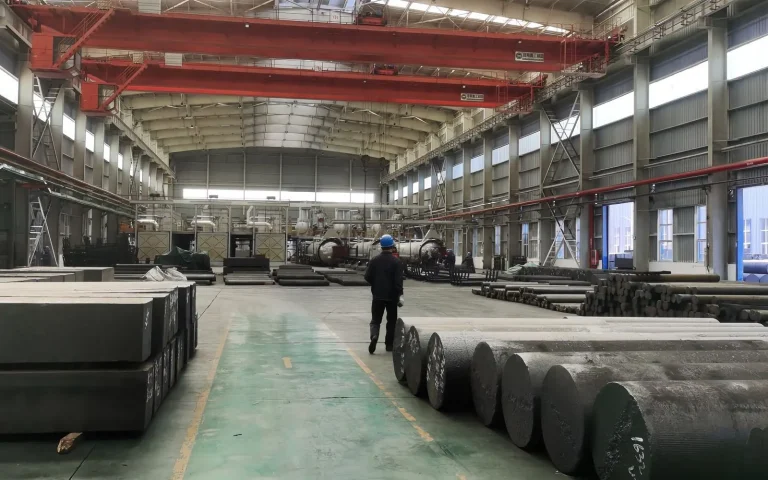
UHP graphite electrode is mainly used for ultra high power electric arc furnaces in steel smelting industry
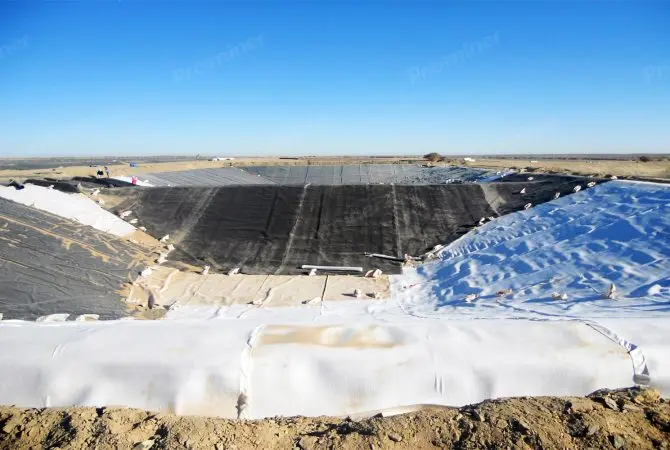
Vat leaching is a good option for the project owner to start at initial stage to save investment
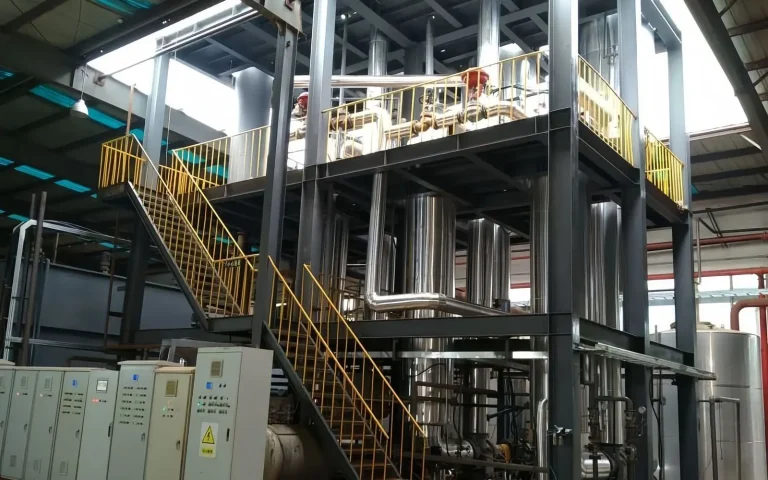
We can provide direct lithium extraction (DLE) solution to recover the lithium from salt lake brine

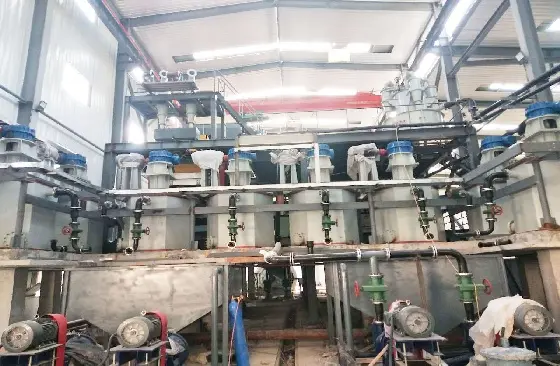
Raw Material: Quartzite Rock (SiO₂: 97.8%) Photovoltaic Grade: SiO₂≥99.99%, Fe₂O₃≤10ppm
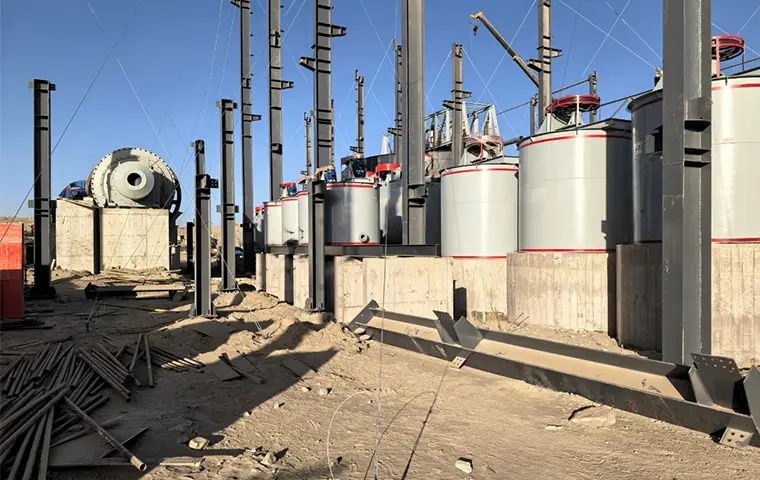
Raw Ore: Transitional & Oxide Gold Ore (with minor sulfides) Feed Gold Grade: 2.5 g/t Final Product: Gold Doré Ingot
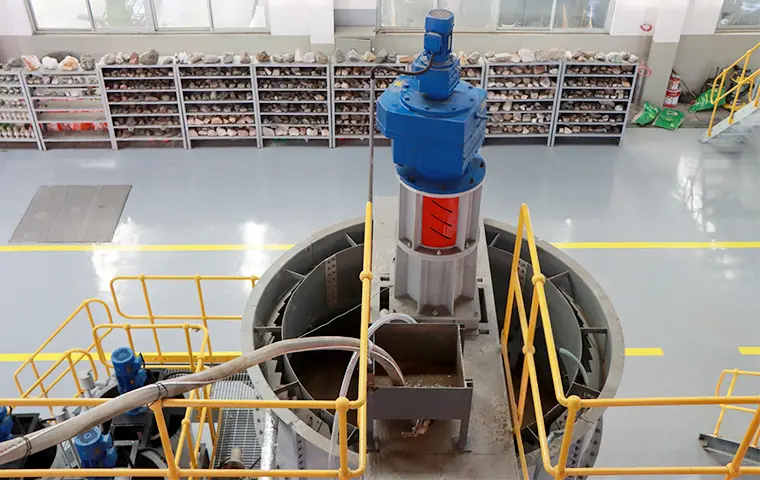
Raw Ore: High-Silica Phosphate Ore P2O5 Grade: 22% SiO2 Content: 35%
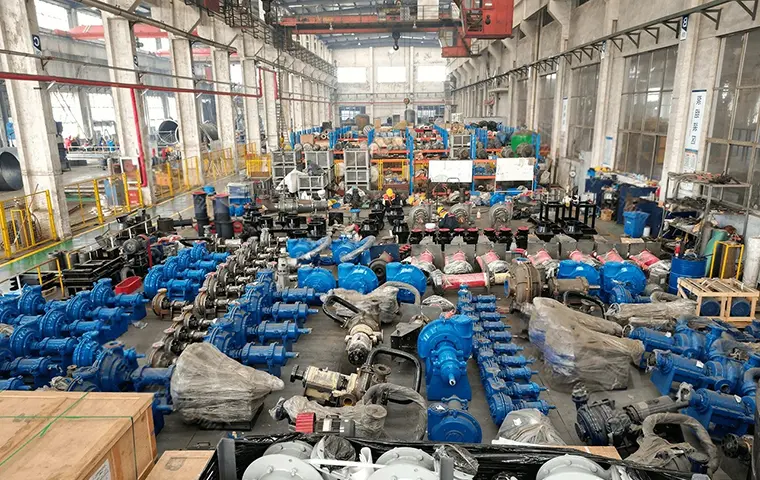
Raw Ore: Crystalline Flake Graphite Ore Feed Carbon Grade: 8–12% (Variable) Final Product: High-Purity Flake Graphite Concentrate
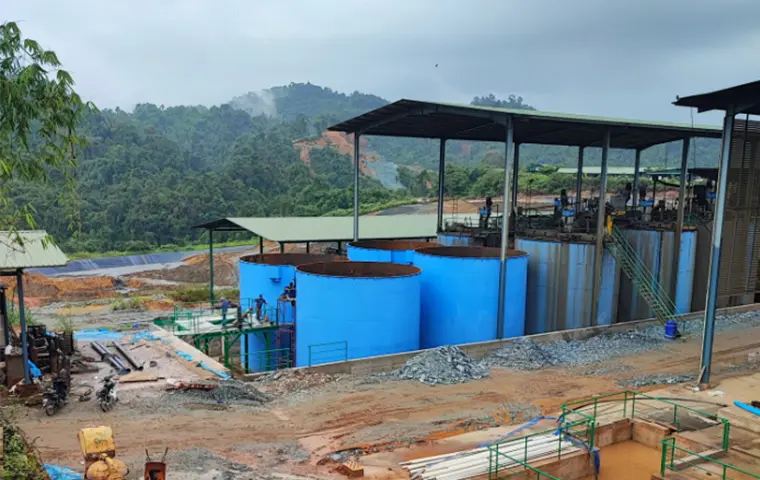
Raw Ore: Refractory and Semi-Refractory Sulfide Gold Ore Gold Grade: 2.65 g/t Gold Ingot Purity: ≥95.5%
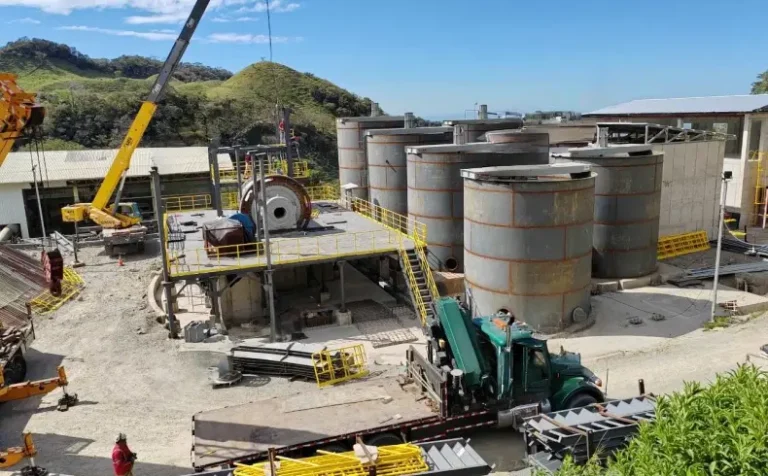
Raw Ore: Oxide-Sulfide Mixed Gold Ore Gold Grade: 3.5-7 g/t Gold Ingot Purity: 99.5%
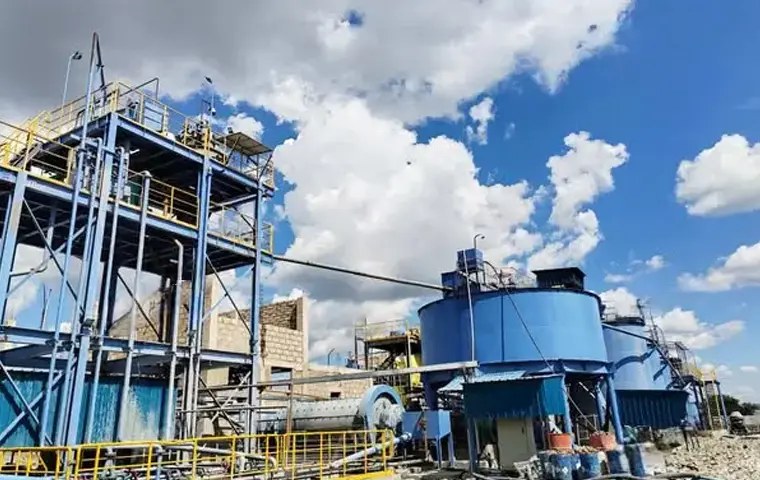
Raw Ore: Copper-Gold Ore Copper Grade: 1.2% Gold Grade: 1.5 g/t Recovery Rate: Copper 89%, Gold 88%
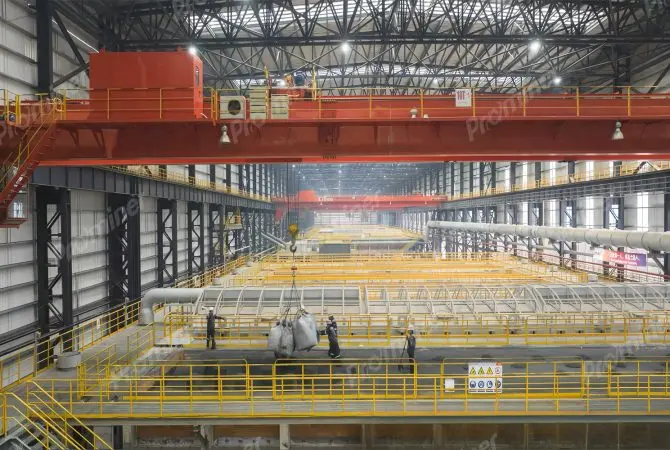
We can provide different type graphitization furnace for changing carbon material
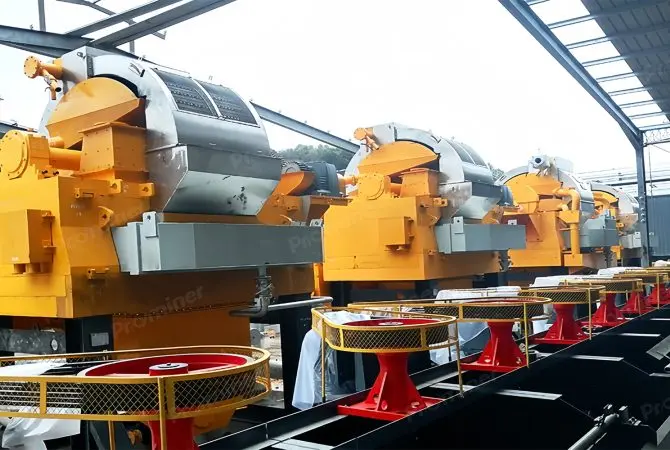
Prominer can provide different HIMS (High Intensity Magnetic separator) magnetic separators
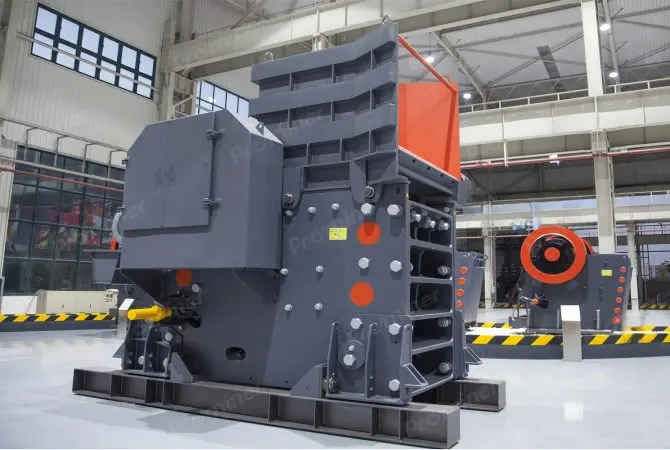
Jaw Crusher, its opening size determines its max feeding size. The crushing chamber of a jaw crusher
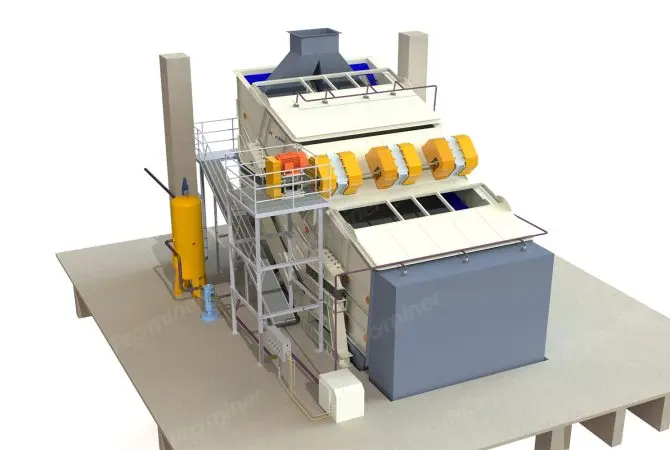
Flip-flow screen panel continues expanding and contracting so achieve a high acceleration rates
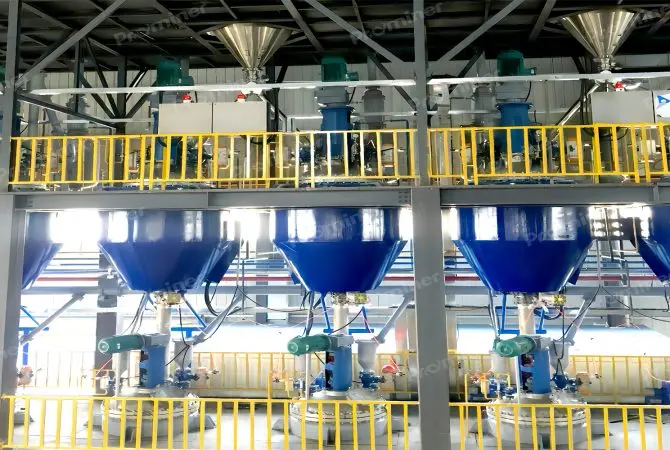
Our granulation reactor combines the coating and granulation processing functions together
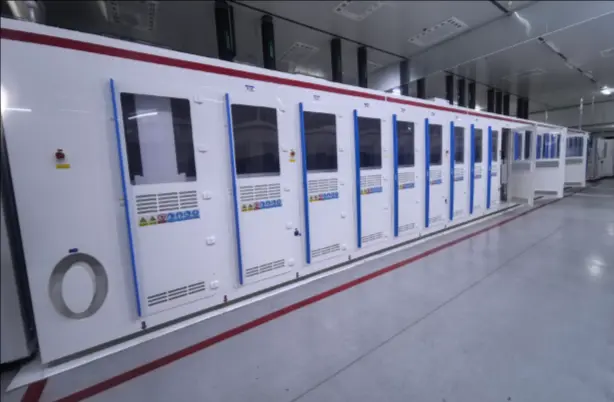
Include: Monocrystalline Batch Texturing Equipment, Batch Texturing Loader/Unloader, Low-Pressure…
To find out more about our products and solutions, please fll out the form below and one of our experts will get back to you shortly
3000 TPD Gold Flotation Project in Shandong Province
2500TPD Lithium Ore Flotation in Sichuan
Fax: (+86) 021-58779592
Address: Room 606, Building D3, Phase II, Chuansha Business Center, 777 Long, Miaochuan Road, Pudong New Area, Shanghai,China
Copyright © 2023. Prominer (Shanghai) Mining Technology Co.,Ltd.