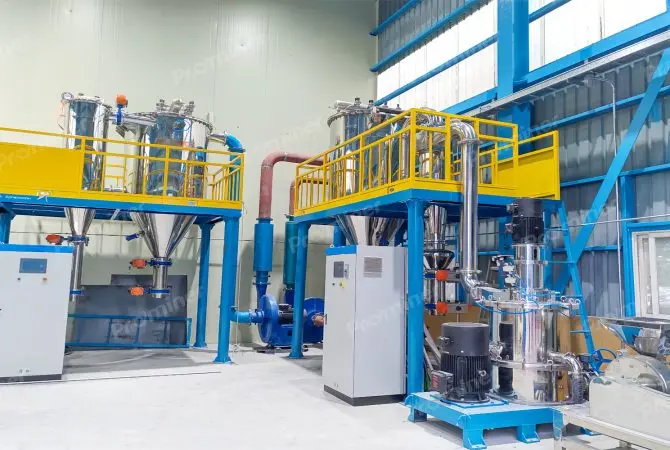

Artificial graphite anode material are mainly made from high quality low sulphur content petroleum coke


Manganese carbonate ore is an important mineral resource used to produce manganese products for the steel, chemical, battery, and metallurgical industries. Compared with manganese oxide ore, manganese carbonate ore is often more complex in composition and usually has finer mineral dissemination, making beneficiation and processing more challenging.
To effectively recover manganese from carbonate ores, a combination of physical and chemical processing technologies is typically used. The most suitable method depends on ore grade, gangue composition, associated minerals, particle size, and the intended final product.
Ore washing and screening are usually the first steps in processing manganese carbonate ore. These operations help remove clay, mud, and fine impurities that may interfere with later beneficiation stages.
Washing improves the cleanliness of the ore and can increase the efficiency of downstream separation processes. Screening then separates the material by particle size, allowing different fractions to be treated using the most appropriate processing method.
This stage is especially important for ores containing a large amount of sticky clay or weathered material.
Gravity separation is commonly used when there is a sufficient density difference between manganese minerals and gangue minerals. For coarse- to medium-grained manganese carbonate ores, this method can be effective and economical.
Typical gravity separation equipment includes:
Gravity separation is valued for its low operating cost, simple operation, and relatively small environmental impact. However, it is generally less effective for very fine-grained ores where manganese minerals are closely associated with gangue.
Magnetic separation is another important technology in manganese carbonate ore processing. Since manganese carbonate minerals themselves often have weak magnetic properties, direct magnetic separation may not always be highly efficient. However, after roasting, the magnetic characteristics of the ore can change significantly, making magnetic separation much more effective.
Strong magnetic separators are often used to recover manganese minerals from ores containing iron-bearing impurities or after magnetic roasting. This process can help improve concentrate grade and reduce unwanted gangue content.
Flotation is one of the main beneficiation methods for fine-grained manganese carbonate ore. It is especially suitable when manganese minerals are finely disseminated and difficult to recover by gravity separation alone.
In flotation, chemical reagents are used to selectively separate manganese-bearing minerals from gangue minerals. Common reagent systems may include:
Flotation can produce higher-grade concentrates, but it requires careful control of reagent dosage, pulp pH, and grinding fineness. It is often used in combination with other methods to improve overall recovery.
Roasting is a key technology in the treatment of manganese carbonate ore, particularly when the ore is difficult to beneficiate directly. During roasting, manganese carbonate minerals undergo thermal decomposition and may be converted into more easily recoverable forms.
Common roasting methods include:
Roasting can improve the magnetic properties of the ore, remove volatile components such as carbon dioxide, and prepare the material for magnetic separation or hydrometallurgical treatment. Although effective, roasting requires significant energy input and careful environmental management.
Hydrometallurgical processing is used when manganese needs to be extracted chemically rather than concentrated only by physical beneficiation. This method is especially important for low-grade ores, complex ores, and materials intended for high-purity manganese products.
Typical hydrometallurgical steps include:
Sulfuric acid is commonly used as a leaching agent, often with reducing agents to enhance manganese dissolution. Hydrometallurgical methods can achieve high extraction rates and produce high-purity products, but they also involve higher reagent consumption and more complex wastewater treatment requirements.
In practice, manganese carbonate ore is often processed using a combined flowsheet rather than a single technology. Because the ore properties can vary widely, combining several methods often gives the best technical and economic results.
Examples of combined processing routes include:
A combined approach can improve manganese recovery, raise concentrate grade, and reduce losses associated with complex mineral intergrowth.
Choosing the right processing technology for manganese carbonate ore depends on several key factors:
Detailed mineralogical analysis and beneficiation testing are essential before selecting a final process route.
The main processing technologies for manganese carbonate ore include ore washing and screening, gravity separation, magnetic separation, flotation, roasting, hydrometallurgical processing, and combined beneficiation methods. Each technology has its own advantages, limitations, and suitable application range.
Because manganese carbonate ore is often complex and difficult to process, successful recovery usually depends on selecting a tailored process based on the specific ore characteristics. With proper testing and process design, it is possible to improve both manganese recovery and product quality while keeping operating costs under control.
A: A handful of variables drive most of the variation in recovery and grade: grind size (liberation), pulp density, reagent type and dosage, residence time, pH, and — for magnetic separation — field intensity and feed rate. Changing one without adjusting the others usually backfires. The practical way to find your optimum is a structured test program: vary one parameter at a time on your actual ore and measure recovery and grade at each point. We run this kind of parameter study during lab and pilot testing, then carry the settings into the plant design and re-tune them during commissioning.
A: Three properties matter most: whether the valuable mineral is sulfide or oxide, how coarsely or finely it is disseminated in the gangue, and what gangue minerals accompany it. Coarse, high-density minerals respond well to gravity separation; magnetic minerals to magnetic separation; fine sulfide minerals to flotation; oxide or low-grade ores often to leaching. Many ores need a staged combination. Because two deposits carrying the same metal can behave completely differently, the flowsheet has to be built from your ore’s own test data — not copied from a similar project.
A: A single method rarely hits both target recovery and target grade when the ore contains multiple valuable minerals, spans a wide particle size range, or carries problematic gangue. Then a combined flowsheet is justified — for example, gravity pre-concentration to reject coarse waste early, magnetic separation ahead of flotation to remove magnetic minerals, or staged grinding and classification to liberate progressively. The added circuit costs more, but it usually pays back through higher overall recovery and lower reagent and energy consumption per tonne.
A: Refractory ores resist standard processing — gold locked inside sulfide minerals, ores that consume excessive reagents, carbonaceous ores that re-adsorb dissolved gold, fine or clay-rich ores that slime badly, or oxide ores that float poorly. Treatment usually adds a step ahead of or instead of the conventional circuit: finer grinding, oxidation pre-treatment, roasting, or a switch from flotation to leaching. Identifying the specific cause through diagnostic testwork is essential, because each cause has a different fix and the wrong one wastes capital.
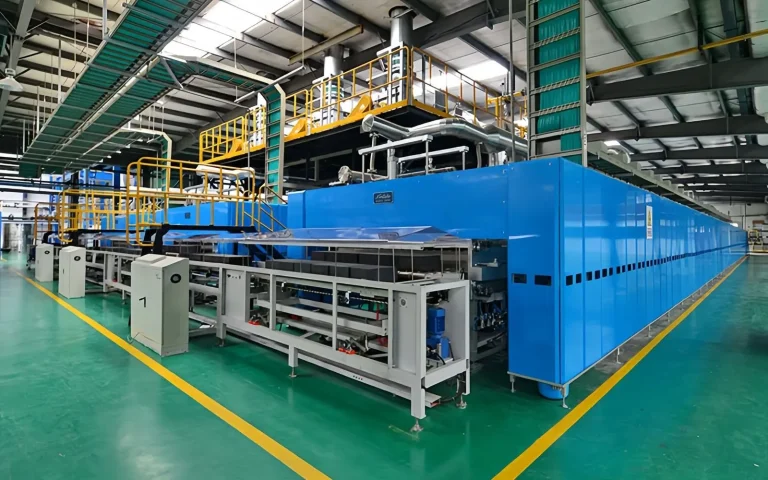
Artificial graphite anode material are mainly made from high quality low sulphur content petroleum coke
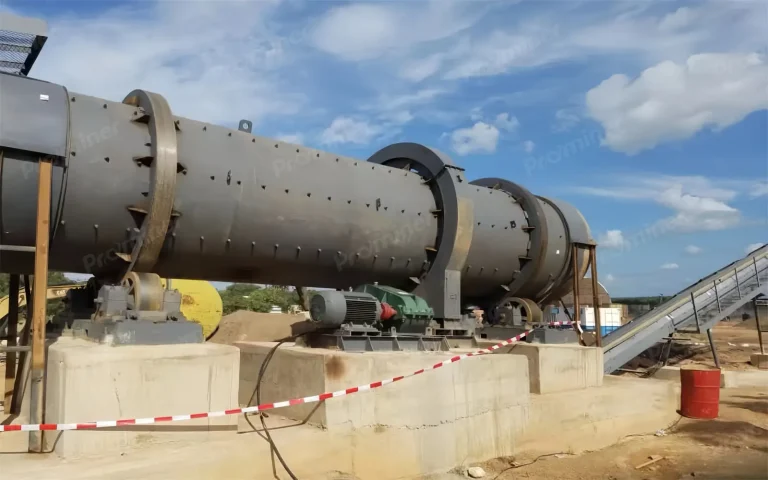
Heap leaching is a traditional cyanide leaching processing way which is flexible and economic to extract gold
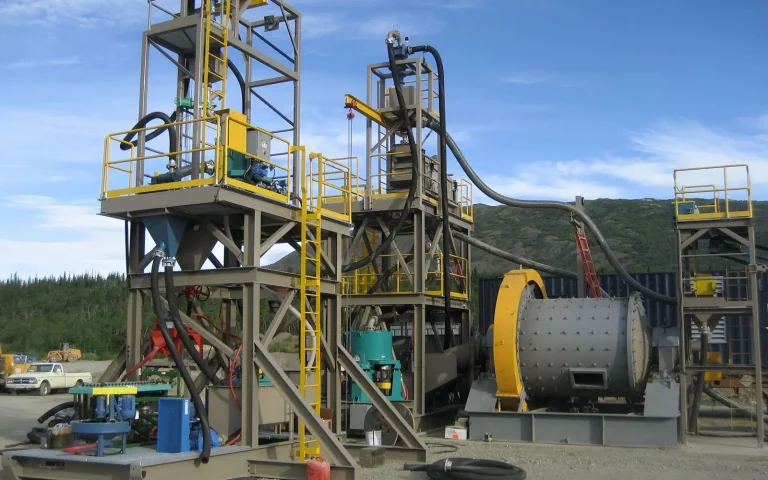
The best-known of the exogenetic ores is alluvial gold which also called placer gold. Alluvial gold refers

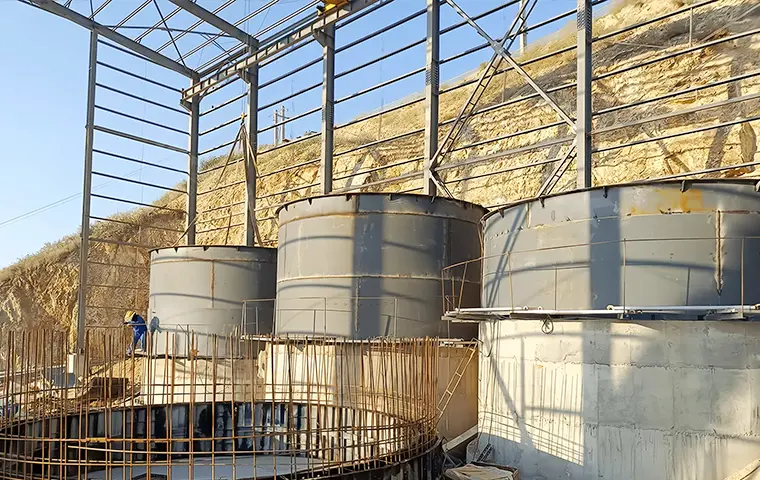
Raw Ore: Weathered Oxide Gold Ore Gold Grade: 1.8 g/t Gold Recovery Rate: 90.5%
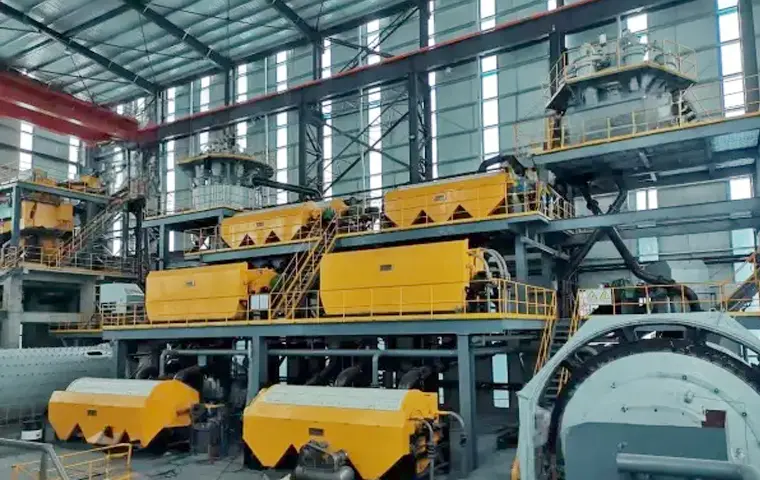
Raw Ore: Magnetite Iron Ore with Hematite Banding Fe Grade: 28-32% Final Product: High-Grade Iron Concentrate
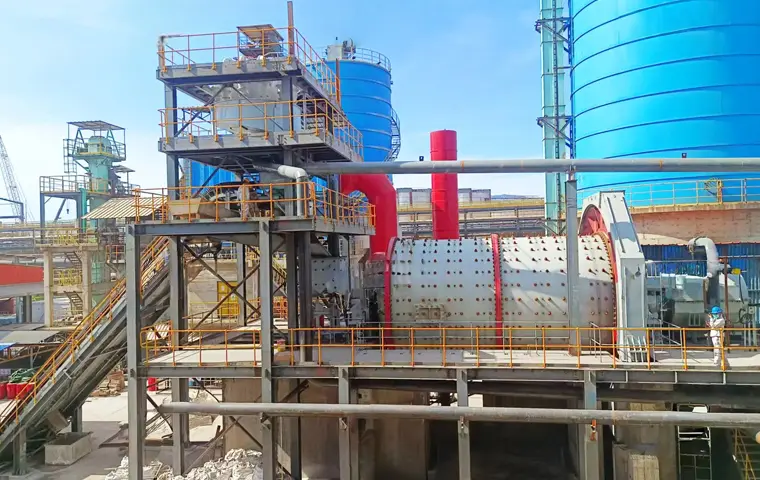
Raw Material: High-Calcium Limestone Final Product: Cement Raw Material Powder (200 mesh) & Construction Aggregate
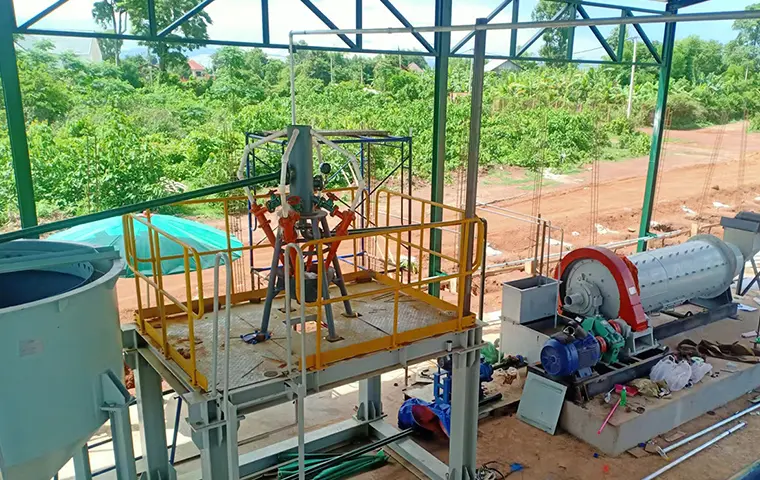
Features: Compact layout, full process coverage, low investment cost, and fast deployment. Designed for Startups & Small Mines — Your flexible and efficient gold solution!
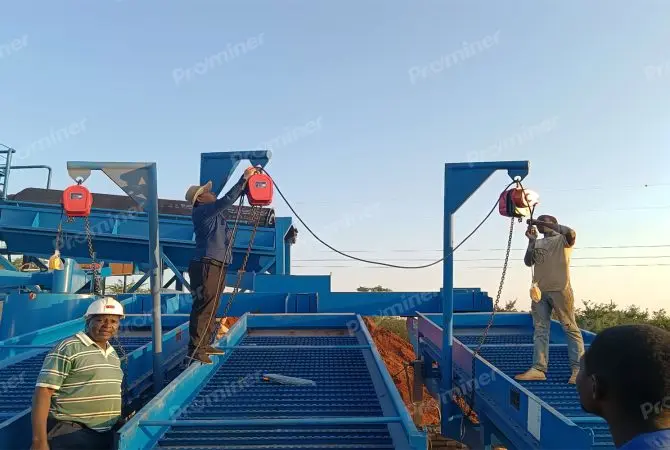
Raw Ore: Alluvial gold ore from river bed Gold Grade: 0.8 g/t

Raw Ore: Oxide Type Gold Ore Gold Grade: 3.5 g/t Gold Recovery Rate: 92% Gold Ingot Purity: 96%
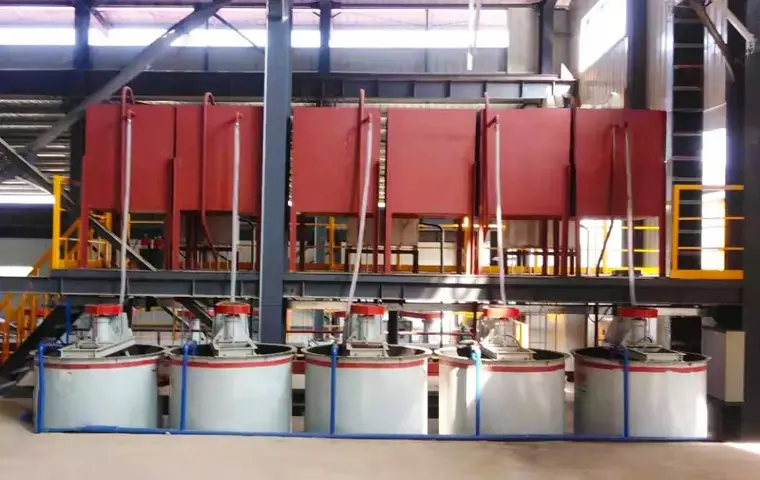
Raw Ore: Mixed Type Gold Ore (Oxide & Sulfide) Gold Grade: 2.8 g/t Gold Recovery Rate: 92% (Post-Optimization)
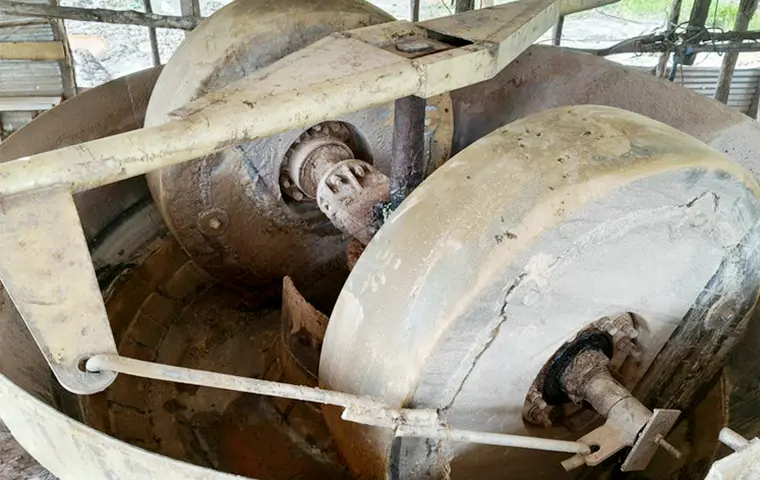
Raw Ore: Alluvial gold ore / Vein gold ore after crushing Gold Grade: 1.5 – 2.5 g/t Gold Ingot Purity: ≥ 90%
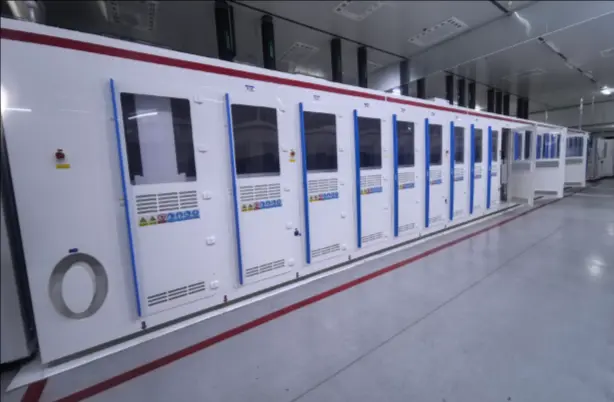
Include: Monocrystalline Batch Texturing Equipment, Batch Texturing Loader/Unloader, Low-Pressure…
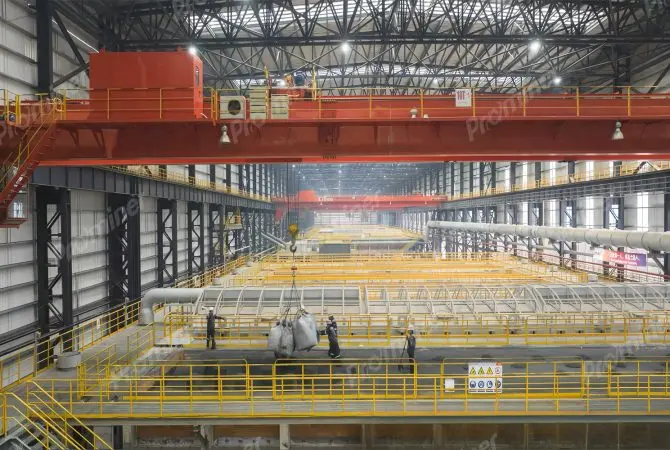
We can provide different type graphitization furnace for changing carbon material
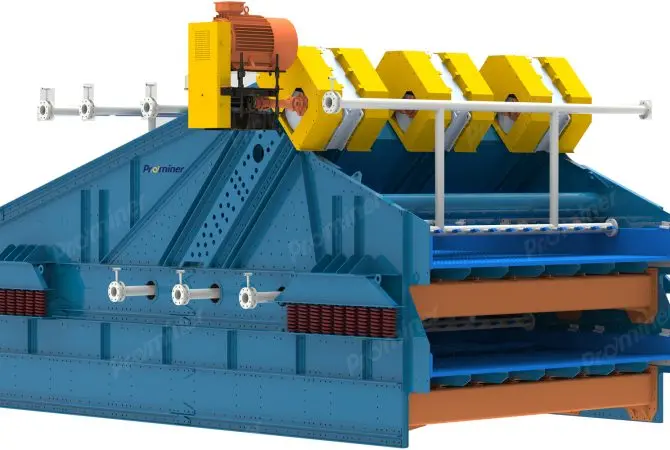
Prominer can provide all kinds of linear screen for mineral grading, material sizing, dewatering
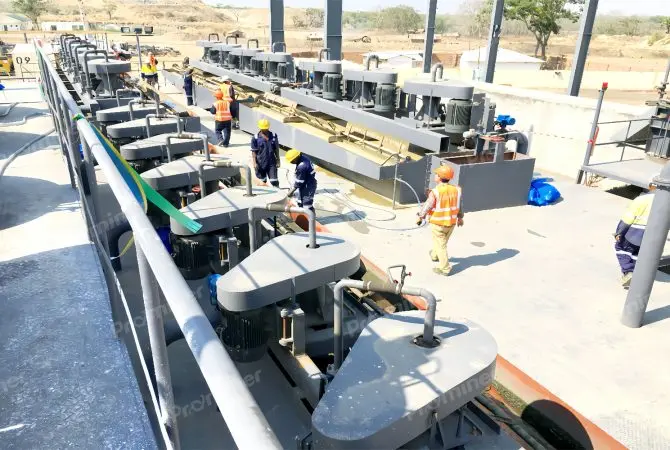
Prominer can provide SF series self-priming flotation machine and XCF/KYF series pneumatic flotation cell
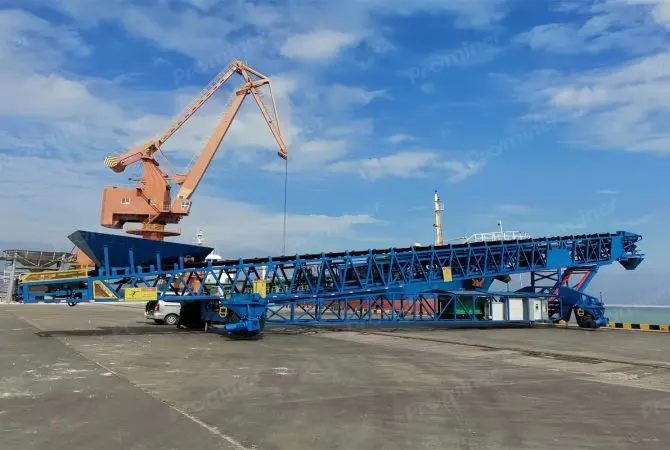
Our engineer team can design and manufacture the mobile type radial stacker, loader
To find out more about our products and solutions, please fll out the form below and one of our experts will get back to you shortly
3000 TPD Gold Flotation Project in Shandong Province
2500TPD Lithium Ore Flotation in Sichuan
Fax: (+86) 021-58779592
Address: Room 606, Building D3, Phase II, Chuansha Business Center, 777 Long, Miaochuan Road, Pudong New Area, Shanghai,China
Copyright © 2023. Prominer (Shanghai) Mining Technology Co.,Ltd.