



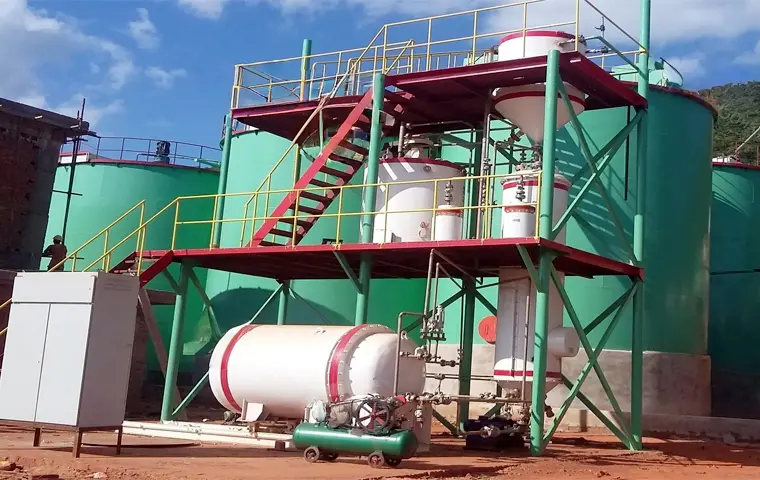
Heap leaching is a traditional cyanide leaching processing way which is flexible and economic to extract gold


Oxide gold ore is generally easier to treat than sulfide ore because the gold is often more exposed and less locked within complex minerals. This makes oxide deposits attractive for lower-cost gold extraction. However, the best processing method depends on ore grade, clay content, hardness, gold particle size, and the presence of copper or other impurities.
Below are the most effective methods for processing oxide gold ore.
Heap leaching is one of the most widely used methods for oxide gold ore, especially for low-grade deposits.
In this process, crushed ore is stacked on a lined pad and irrigated with a dilute cyanide solution. The cyanide dissolves the gold, and the gold-bearing solution is collected and processed further, often using activated carbon adsorption.
Heap leaching is effective because oxide ore is usually porous and permeable, allowing the solution to move through the heap efficiently. Its major advantages include:
However, heap leaching may be less effective if the ore contains excessive clay, poor permeability, or significant amounts of preg-robbing material.
Agitated cyanidation is another highly effective method, particularly for higher-grade oxide ores or ores requiring faster gold recovery.
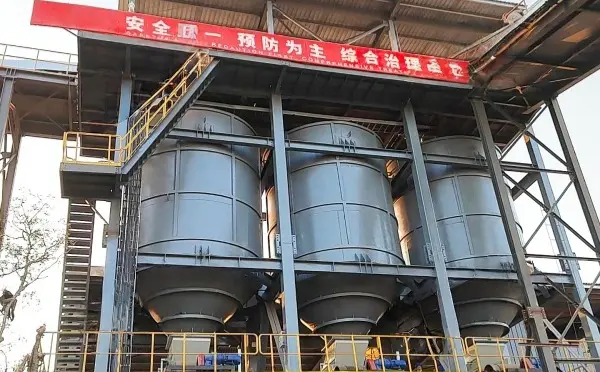
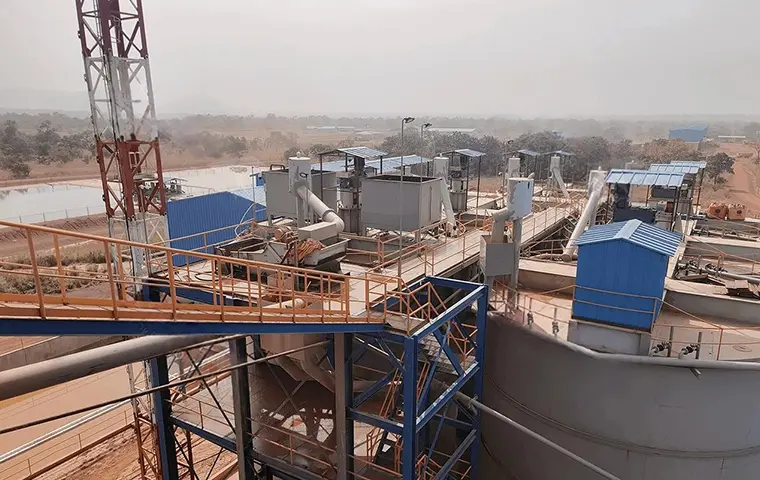
The ore is first crushed and ground into a slurry, then mixed with cyanide in tanks. Agitation improves contact between the solution and gold particles, accelerating dissolution. Gold is then recovered from solution by carbon-in-pulp (CIP), carbon-in-leach (CIL), or Merrill-Crowe processes.
This method offers:
The main drawback is higher capital and operating cost due to grinding, tankage, and more intensive plant infrastructure.
Gravity separation can be effective when oxide gold ore contains coarse free gold.
Techniques such as jigs, shaking tables, sluices, and centrifugal concentrators recover gold based on its high specific gravity. In many oxide ore operations, gravity separation is used as a supplemental method before cyanidation to capture easily recoverable gold early.
Benefits include:
Gravity separation is generally not a standalone solution for all oxide ores, especially when the gold is very fine or unevenly distributed.
Carbon adsorption is essential in many oxide gold processing flowsheets after cyanide leaching.
In these systems, dissolved gold in the cyanide solution is adsorbed onto activated carbon. The loaded carbon is then stripped, and gold is recovered by electrowinning and smelting. Common approaches include:
For oxide gold ore, these systems are highly effective because the leach solutions are often relatively clean compared with those from more refractory ores. Carbon adsorption improves gold capture efficiency and is widely used in both heap leach and tank leach operations.
Merrill-Crowe is a gold recovery method used after cyanide leaching, especially when the pregnant solution is clear and contains significant silver.
In this process, dissolved oxygen is removed from the gold-bearing solution, and zinc dust is added to precipitate gold and silver. The precipitate is then filtered and smelted.
This method is particularly effective when:
Although less common than carbon-based recovery in many modern plants, Merrill-Crowe remains a proven and efficient option for certain oxide ore applications.
Proper ore preparation is often critical to the success of oxide gold processing.
Crushing improves gold exposure and creates a more uniform feed. For heap leach operations, agglomeration may be necessary when the ore contains fines or clay. This involves mixing crushed ore with cement, lime, or other binders to improve permeability and prevent channeling.
Effective ore preparation can significantly improve:
Even the best extraction method can perform poorly if ore preparation is inadequate.
No single processing method is ideal for every oxide gold ore deposit. The best choice depends on several technical and economic factors, including:
For low-grade, permeable ore, heap leaching is often the most economical choice. For higher-grade ore or faster recovery, agitated cyanidation may be more effective. Where coarse free gold is present, gravity concentration can add substantial value.
The most effective methods for processing oxide gold ore typically include heap leaching, agitated cyanidation, gravity separation, and gold recovery systems such as carbon adsorption or Merrill-Crowe. In many cases, the best results come from combining these methods into a flowsheet tailored to the characteristics of the ore.
Successful oxide gold processing depends not only on the extraction technology itself but also on proper ore characterization, preparation, and metallurgical testing. A well-designed process can maximize recovery, control costs, and improve overall project economics.
A: A handful of variables drive most of the variation in recovery and grade: grind size (liberation), pulp density, reagent type and dosage, residence time, pH, and — for magnetic separation — field intensity and feed rate. Changing one without adjusting the others usually backfires. The practical way to find your optimum is a structured test program: vary one parameter at a time on your actual ore and measure recovery and grade at each point. We run this kind of parameter study during lab and pilot testing, then carry the settings into the plant design and re-tune them during commissioning.
A: Three properties matter most: whether the valuable mineral is sulfide or oxide, how coarsely or finely it is disseminated in the gangue, and what gangue minerals accompany it. Coarse, high-density minerals respond well to gravity separation; magnetic minerals to magnetic separation; fine sulfide minerals to flotation; oxide or low-grade ores often to leaching. Many ores need a staged combination. Because two deposits carrying the same metal can behave completely differently, the flowsheet has to be built from your ore’s own test data — not copied from a similar project.
A: A single method rarely hits both target recovery and target grade when the ore contains multiple valuable minerals, spans a wide particle size range, or carries problematic gangue. Then a combined flowsheet is justified — for example, gravity pre-concentration to reject coarse waste early, magnetic separation ahead of flotation to remove magnetic minerals, or staged grinding and classification to liberate progressively. The added circuit costs more, but it usually pays back through higher overall recovery and lower reagent and energy consumption per tonne.
A: Refractory ores resist standard processing — gold locked inside sulfide minerals, ores that consume excessive reagents, carbonaceous ores that re-adsorb dissolved gold, fine or clay-rich ores that slime badly, or oxide ores that float poorly. Treatment usually adds a step ahead of or instead of the conventional circuit: finer grinding, oxidation pre-treatment, roasting, or a switch from flotation to leaching. Identifying the specific cause through diagnostic testwork is essential, because each cause has a different fix and the wrong one wastes capital.
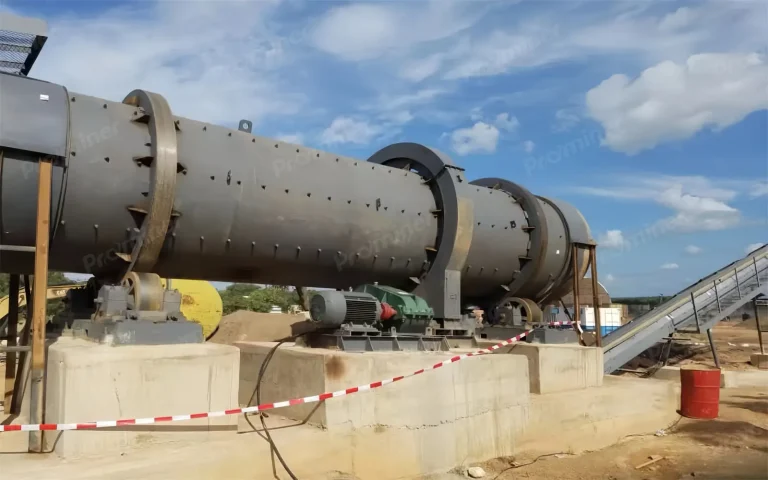
Heap leaching is a traditional cyanide leaching processing way which is flexible and economic to extract gold
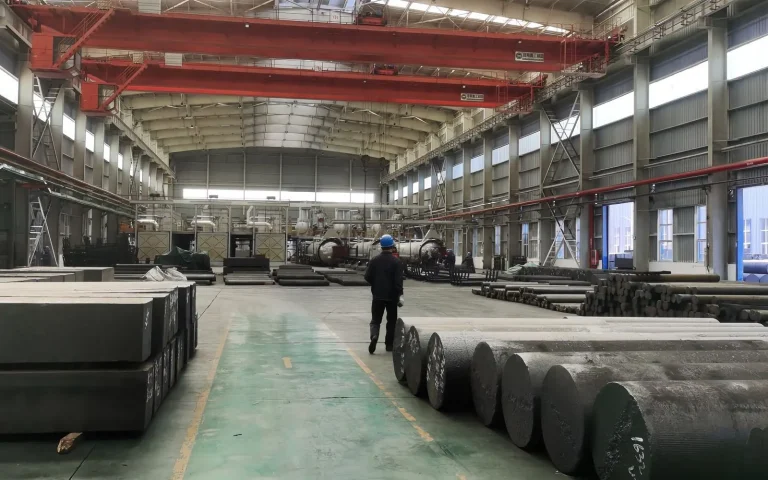
UHP graphite electrode is mainly used for ultra high power electric arc furnaces in steel smelting industry
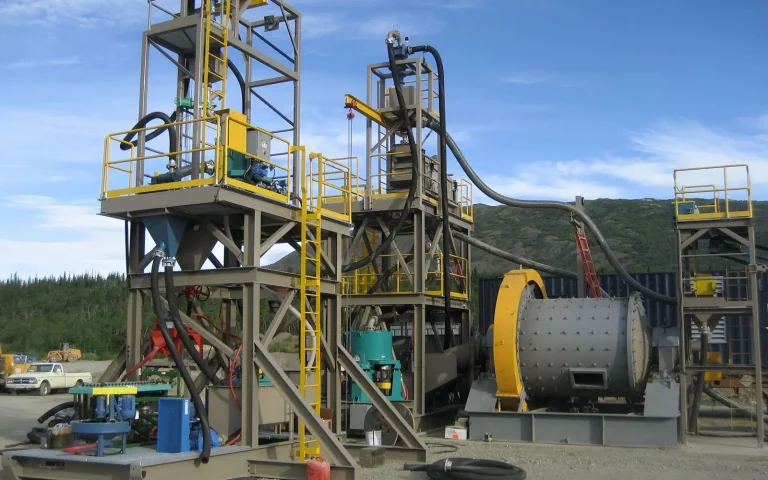
The best-known of the exogenetic ores is alluvial gold which also called placer gold. Alluvial gold refers

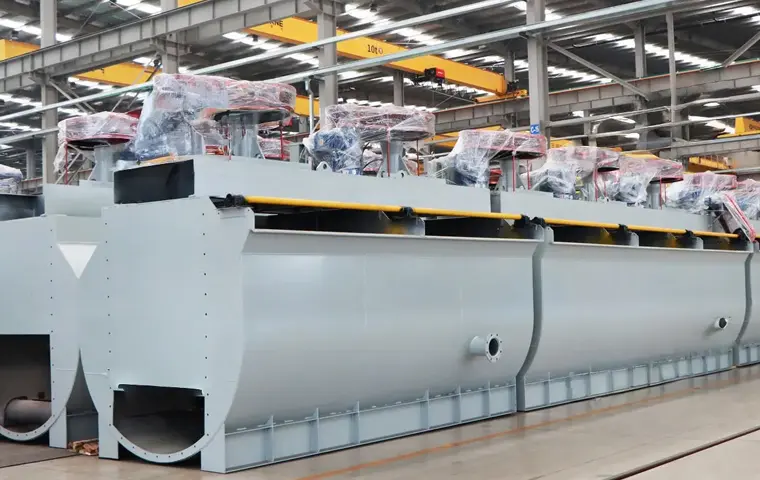
Raw Ore: Sulfide Type Gold Ore with Pyrite Gold Grade: 3.8 g/t Concentrate Grade: 42 g/t Au
Raw Ore: Lepidolite, Spodumene, Gangue minerals: Quartz, Feldspar, Mica Li₂O Grade: 0.8%
Raw Ore: Sulfide Copper Ore (with minor pyrite content) Copper Grade: 1.2% Concentrate Grade 25% Cu
Raw Ore: Sulfide-Type Molybdenum Ore (Molybdenite) Head Grade: 0.15% Mo Concentrate Grade: ≥ 55% Mo
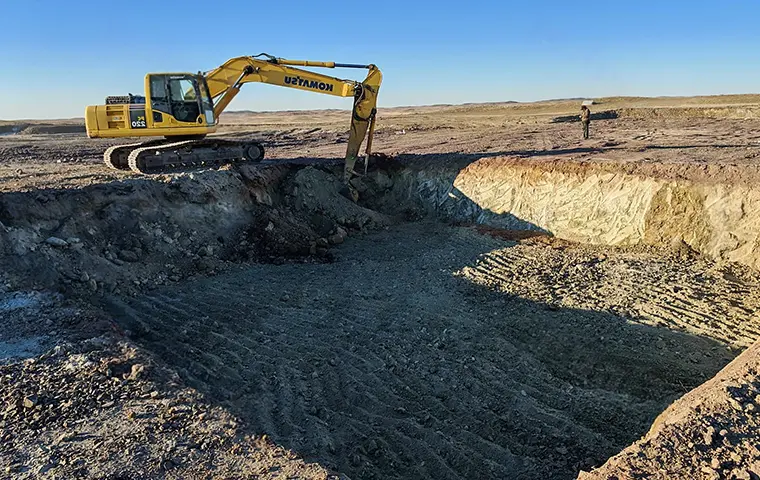
Raw Ore: Alluvial / Hard Rock Oxide Gold Ore (with free milling gold) Gold Grade: 2.5 g/t Gold Recovery Rate: > 88%
Raw Ore: Alluvial Gold with Magnetite & Hematite (Typical Sierra Madre Deposit)
Raw Material: Gold mine tailings slurry from CIL plant Tailings Solids Content: 35-40% Final Stacking Density: 1.6-1.8 t/m³
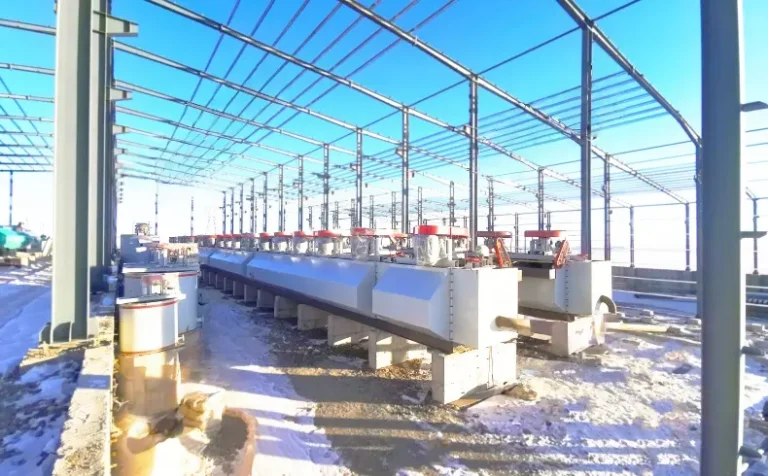
Raw Ore: Copper Sulfide Ore Copper Grade: 0.85% Final Product: Copper Concentrate
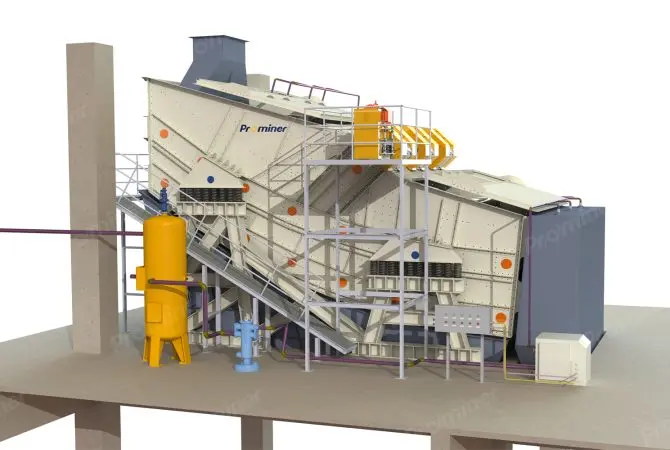
Banana screen is also well known as constant bed thickness screen. Prominer has the ability to supply dry
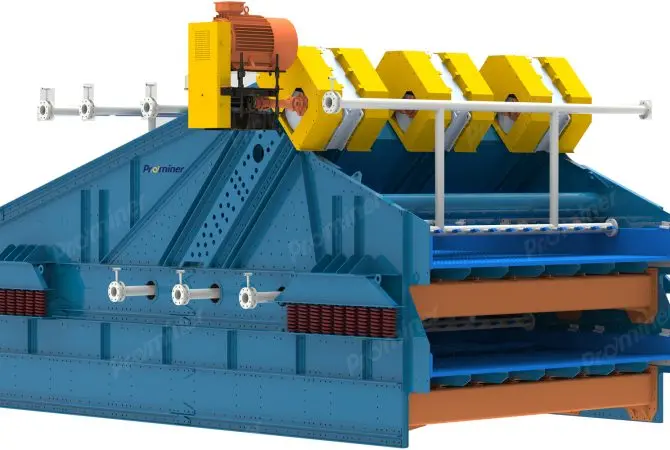
Prominer can provide all kinds of linear screen for mineral grading, material sizing, dewatering
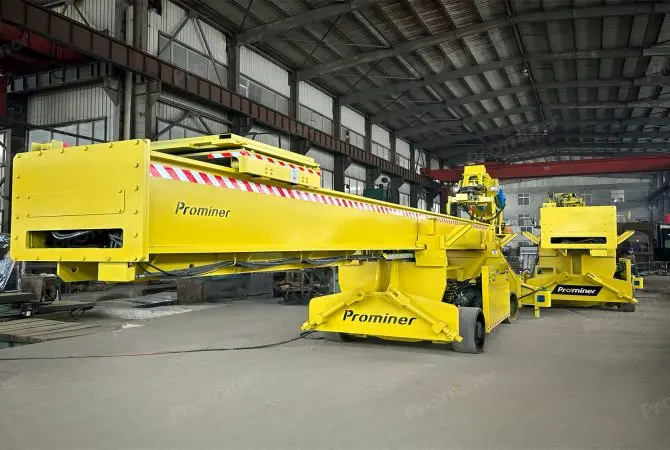
We can design and manufacture the mill relining machine (or called mill relining manipulator)
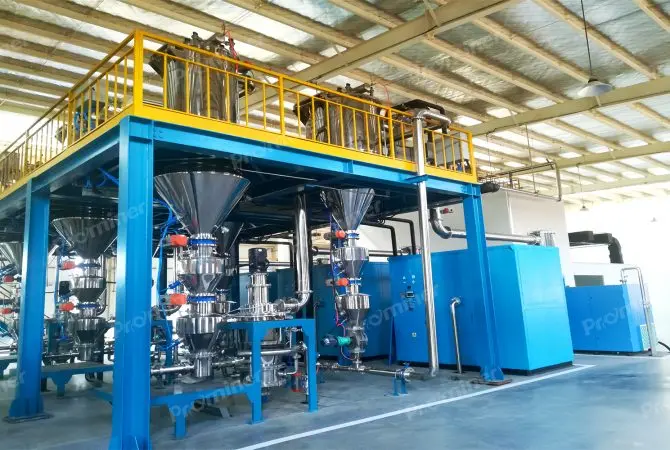
Jet mill is also called fluidized bed jet mill by using multiple nozzles to form sonic speed air flow
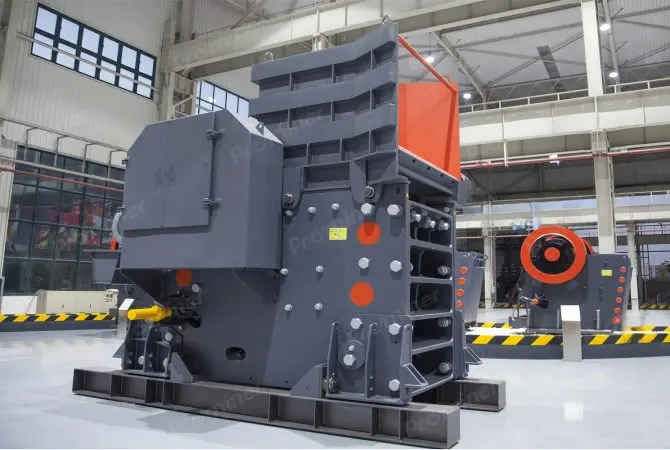
Jaw Crusher, its opening size determines its max feeding size. The crushing chamber of a jaw crusher
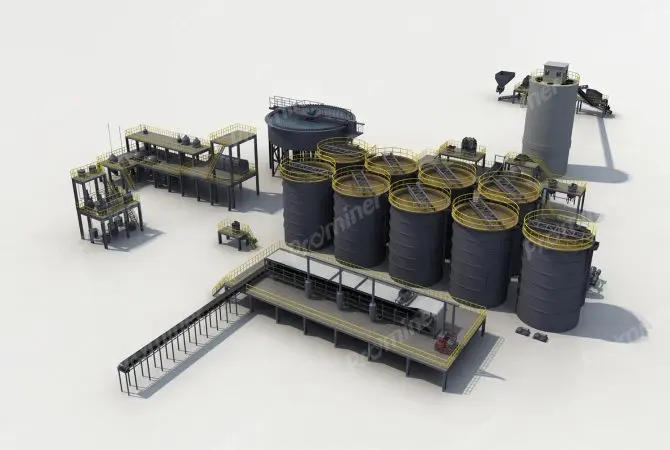
Prominer can provide the complete solution for CIL (carbon in leaching) system
To find out more about our products and solutions, please fll out the form below and one of our experts will get back to you shortly
3000 TPD Gold Flotation Project in Shandong Province
2500TPD Lithium Ore Flotation in Sichuan
Fax: (+86) 021-58779592
Address: Room 606, Building D3, Phase II, Chuansha Business Center, 777 Long, Miaochuan Road, Pudong New Area, Shanghai,China
Copyright © 2023. Prominer (Shanghai) Mining Technology Co.,Ltd.


