

Flake graphite can be used to produce high carbon graphite, high purity graphite, expandable graphite




Cyanide gold leaching is one of the most widely used methods for extracting gold from ore. It has helped make low-grade gold deposits economically viable, but it also carries serious environmental and safety concerns. Understanding both sides of the issue is essential for anyone discussing modern gold mining.
Cyanide gold leaching is a chemical process used to dissolve gold from crushed ore. In this method, a dilute cyanide solution reacts with gold and forms a soluble complex, allowing the metal to be separated from surrounding rock.
This process is commonly used in heap leaching, where ore is stacked on lined pads and irrigated with cyanide solution, and in tank leaching, where finely ground ore is mixed with cyanide in large tanks. Once dissolved, the gold is recovered using activated carbon, zinc precipitation, or other recovery systems.
The main reason cyanide leaching remains dominant is efficiency. Gold often occurs in very low concentrations, and cyanide is highly effective at extracting it from ores that would otherwise be uneconomic to process.
The process is also relatively cost-effective compared with many alternative extraction technologies. It can be applied at large scale, integrated into existing plants, and adapted to different ore types. For many operations, cyanide leaching offers the best balance between gold recovery and operating cost.
One of the biggest advantages is high recovery efficiency. When properly managed, cyanide can extract a large percentage of the gold present in ore, including from low-grade deposits.
Another major benefit is economic viability. Mines can profitably process material that would not be worth treating with less effective methods. This expands the usable resource base and supports employment, investment, and local economic activity.
Cyanide leaching is also a mature and well-understood technology. Because it has been used for decades, operators have established engineering standards, monitoring systems, and treatment practices. This does not eliminate risk, but it does mean the process is supported by substantial technical knowledge.
From an operational perspective, cyanide systems are flexible. Heap leach operations can process very large volumes of ore at lower capital cost than some milling methods, while tank leach systems can achieve rapid extraction under controlled conditions.
The process can also be optimized through pH control, oxygen management, and carbon adsorption systems. These refinements help mines improve recovery rates and reduce reagent loss. In many cases, cyanide leaching fits well into modern, automated processing plants.
Despite its advantages, cyanide is highly toxic. Human exposure to sufficient concentrations can be deadly, and accidental releases can severely damage wildlife and aquatic ecosystems.
The most serious risks come from spills, pipeline failures, tailings dam leaks, transport accidents, and poor waste management. If cyanide-contaminated water enters rivers or groundwater, the consequences can be immediate and far-reaching.
There is also concern about long-term environmental liability. Even when cyanide itself degrades over time, related compounds and poor containment practices can leave lasting impacts. Public opposition often reflects not only fear of cyanide toxicity, but also distrust of mine oversight and closure planning.
Cyanide is often the focus of public debate, but the broader environmental picture is more complex. Gold processing can mobilize heavy metals such as arsenic, mercury, and lead from ore and waste rock. If these materials are not properly contained, they may pose risks even after cyanide levels fall.
Water consumption is another issue. Leaching operations may require substantial volumes of water, particularly in arid regions where water is already scarce. Land disturbance, habitat loss, and tailings storage challenges add to the overall environmental footprint.
For mine workers, cyanide requires strict handling procedures. Safe storage, chemical mixing, ventilation, protective equipment, and emergency response systems are essential. Even small errors in training or maintenance can create dangerous conditions.
Nearby communities may worry about transport routes, accidental releases, and contamination of local water sources. Trust depends heavily on transparent communication, independent monitoring, and demonstrated compliance with safety standards.
The risks of cyanide gold leaching can be reduced significantly, but not eliminated entirely. Modern mines use lined leach pads, leak detection systems, detoxification circuits, enclosed reagent handling, and water treatment plants to control exposure and prevent releases.
Many companies also follow frameworks such as the International Cyanide Management Code, which sets standards for transport, storage, use, and decommissioning. Strong regulation, regular audits, and emergency preparedness are critical to making these systems work in practice.
Still, risk management depends on execution. A well-designed facility can fail if maintenance is poor, oversight is weak, or extreme weather exceeds design assumptions.
Researchers and some mining companies have explored alternatives such as thiosulfate, glycine, halide systems, and gravity-based recovery improvements. In certain applications, these methods may reduce cyanide use or replace it altogether.
However, most alternatives currently face limitations related to cost, complexity, ore compatibility, or lower recovery performance. As a result, cyanide remains the dominant method for many gold operations. The future may involve partial replacement in specific contexts rather than a universal shift away from cyanide.
The debate over cyanide gold leaching is not simply about whether the method works. It is about whether the economic benefits of gold extraction justify the environmental and social risks involved.
Supporters argue that, with proper engineering and regulation, cyanide can be used responsibly and efficiently. Critics counter that accidents, weak governance, and long-term contamination risks make the process inherently problematic, especially in sensitive ecosystems.
The reality lies somewhere in between. Cyanide gold leaching offers clear technical and economic advantages, but those benefits come with serious obligations. Where it is used, success should be measured not only by gold recovery, but also by safety performance, environmental protection, and accountability over the full life of the mine.
Cyanide gold leaching remains central to modern gold mining because it is efficient, scalable, and economically powerful. At the same time, it poses real toxicological, environmental, and social risks that cannot be ignored.
The real question is not whether cyanide leaching has advantages or risks—it clearly has both. The more important question is whether mining companies, regulators, and communities can ensure that its use is controlled to the highest possible standard.
A: Process selection depends on ore mineralogy, grain size, and gangue composition. Typically, coarse-grained heavy minerals (like gold or chromite) favor gravity separation, finely disseminated sulfides or non-metallics (like fluorite, graphite, or lead-zinc) require flotation, and fine or refractory gold ores often rely on chemical leaching (such as CIP) or combined flowsheets.
A: Reagent selection is dictated by the specific surface chemistry of your target mineral and gangue (e.g., silica, calcium, or phosphorus). Effective separation requires matching targeted collectors with selective depressants and pH modifiers, which should always be verified through lab-scale bench testing on your specific ore sample.
A: Equipment selection depends on target particle size, throughput capacity, and required recovery rates. For example, centrifugal concentrators and shaking tables excel at fine gravity recovery, while specialized flotation cells and elution systems are sized based on retention time and pulp density.
A: Yes. With modern process optimization—such as combined beneficiation flowsheets, pre-concentration, or targeted chemical treatments—previously uneconomic resources like Carlin-type gold, refractory copper oxide, or historical gold tailings can achieve commercially viable recovery rates.
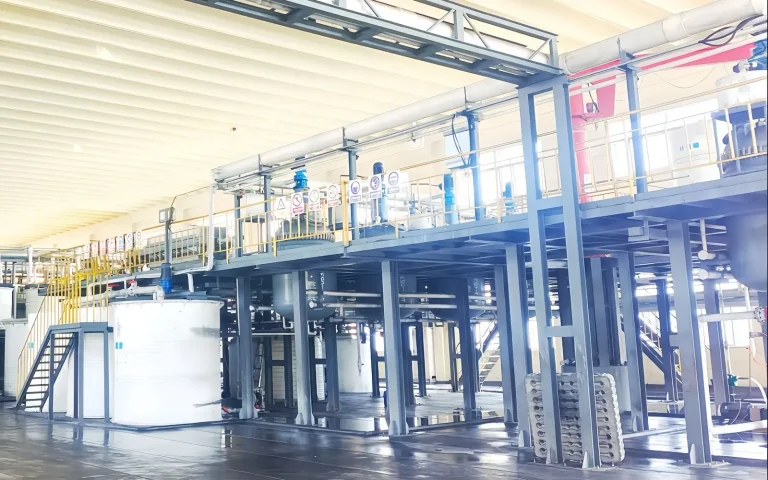
Flake graphite can be used to produce high carbon graphite, high purity graphite, expandable graphite
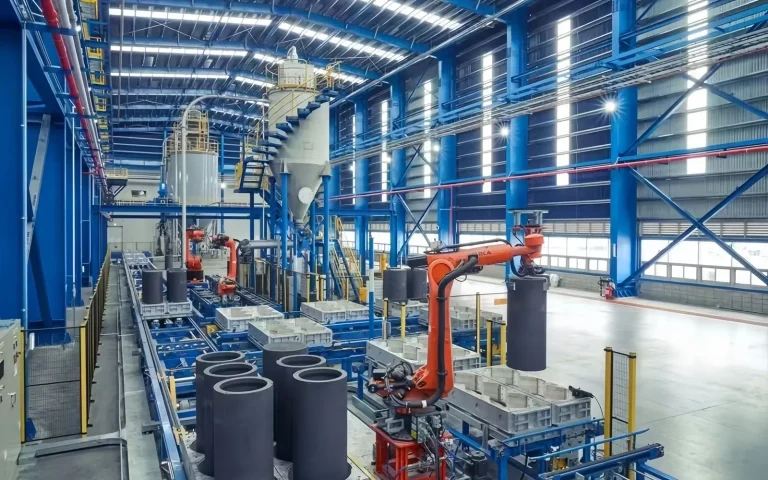
Prominer can provide the complete solution for making natrual graphite anode materials include grinding
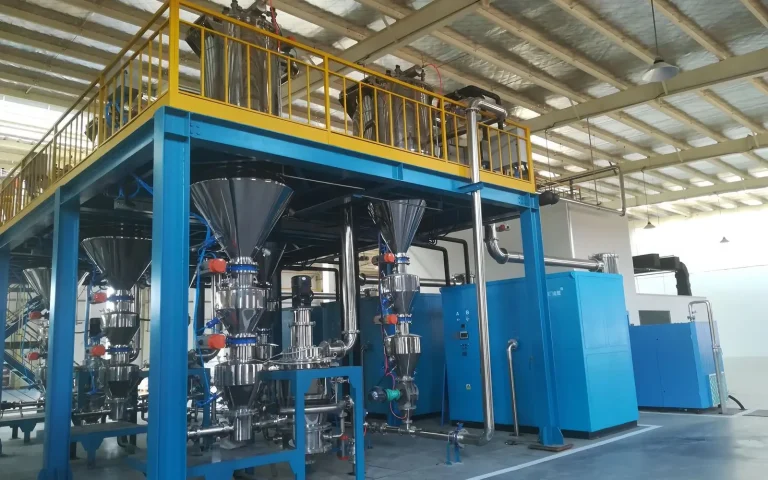
Silicon based anode is one kind of composite anode material by compounding silicon

Raw Ore: Spodumene Lithium Ore Li2O Grade: 1.5% Concentrate Grade: 6.0%
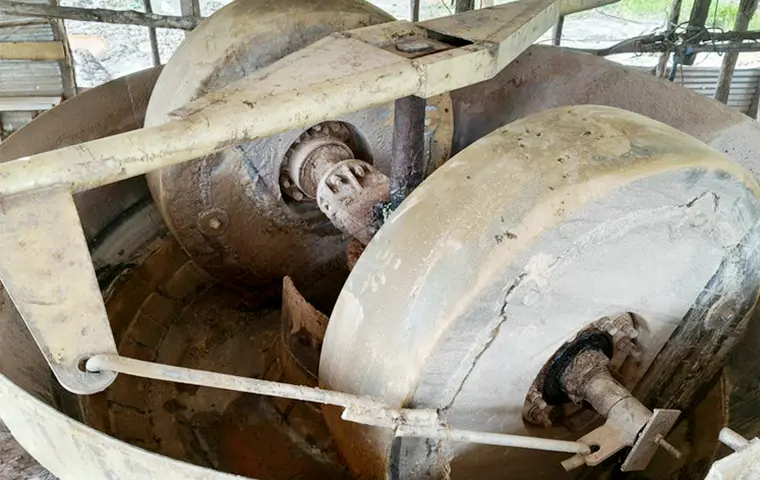
Raw Ore: Alluvial gold ore / Vein gold ore after crushing Gold Grade: 1.5 – 2.5 g/t Gold Ingot Purity: ≥ 90%
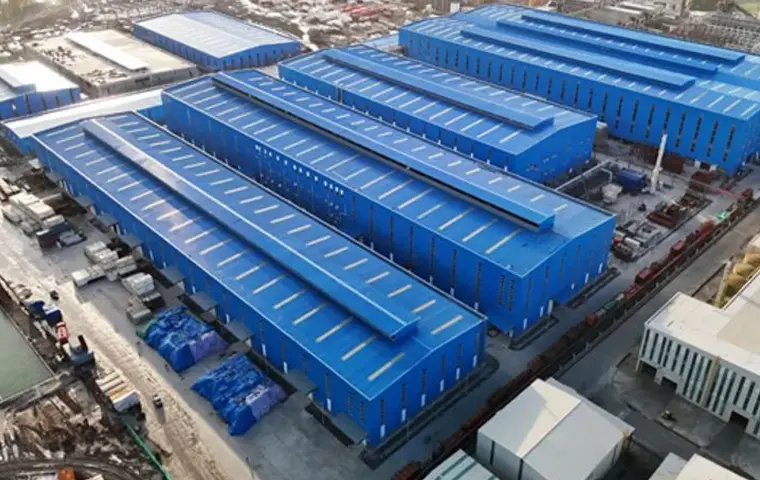
Raw Material: Petroleum Coke, Needle Coke, Pitch Binder Project Capacity: 50,000 Tons Per Annum
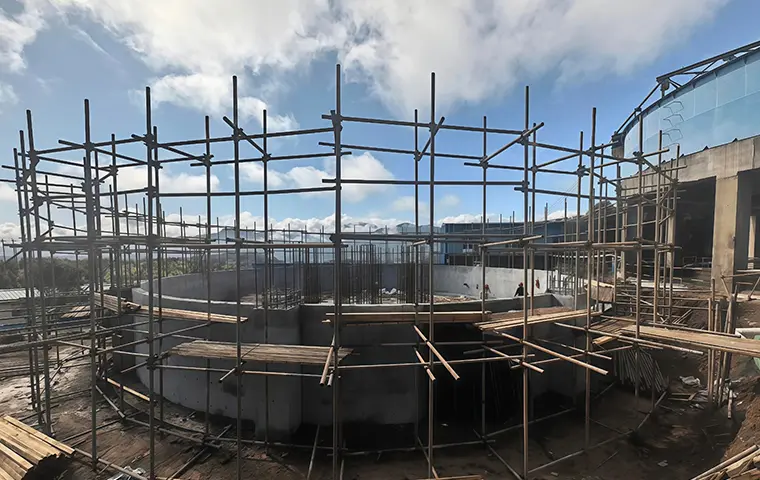
Raw Ore: Sulfide Type Gold Ore Gold Grade: 3.5 g/t Gold Recovery Rate: 92%
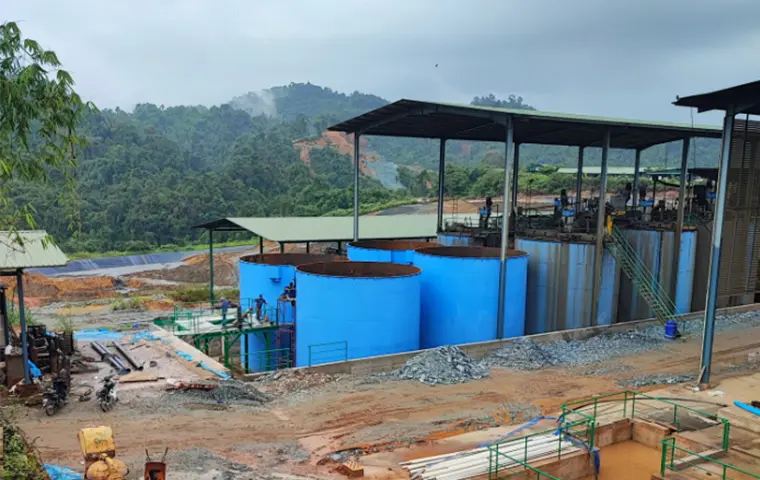
Raw Ore: Refractory and Semi-Refractory Sulfide Gold Ore Gold Grade: 2.65 g/t Gold Ingot Purity: ≥95.5%
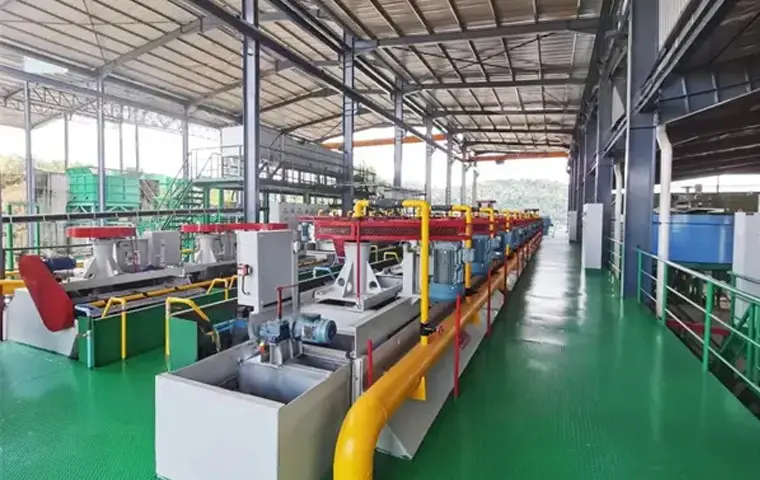
Raw Ore: Alluvial Coltan (Tantalite-Columbite) with Cassiterite Ore Grade: Ta₂O₅: 0.025-0.04%; Nb₂O₅: 0.02-0.035%; SnO₂: 0.1-0.3%
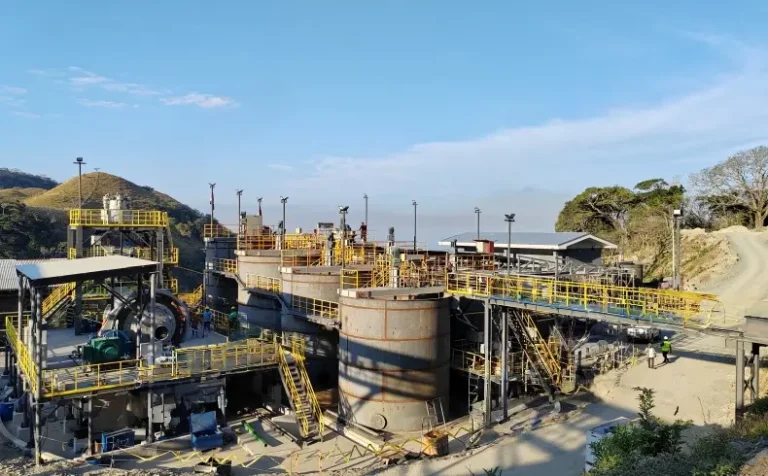
Raw Ore: Sulfide-Refractory Gold Ore (25% Sulfide) Gold Grade: 2.8-4.1 g/t Final Product: 99.99% Gold Ingot
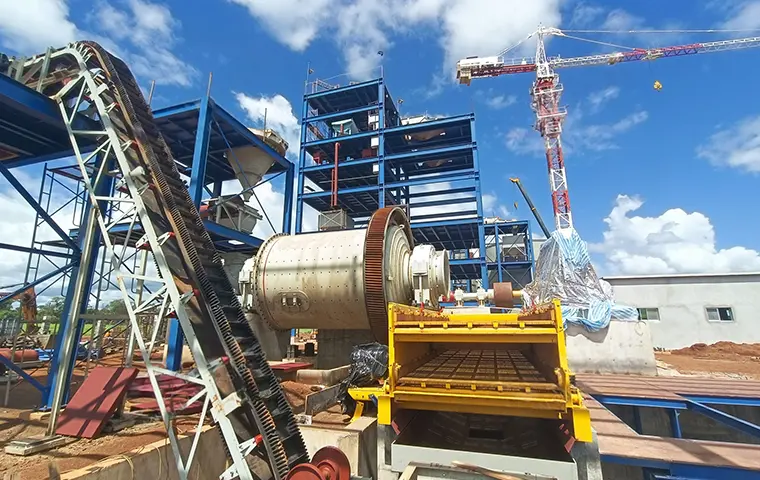
Raw Ore: Oxide Type Gold Ore Gold Grade: 3.5 g/t Gold Ingot Purity: 96%
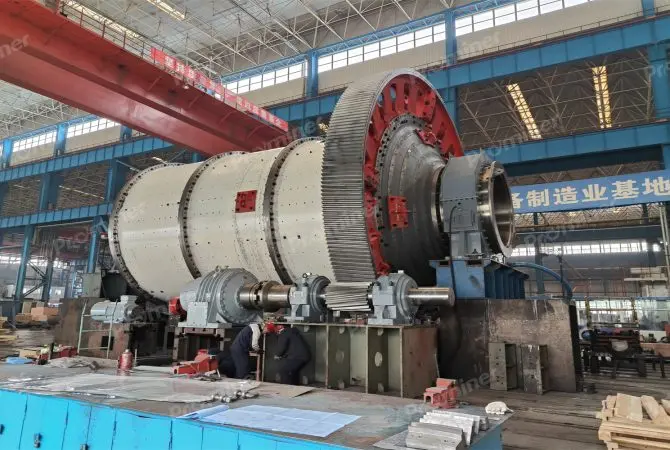
We can design and manufacture grate type ball mill for mineral primary grinding
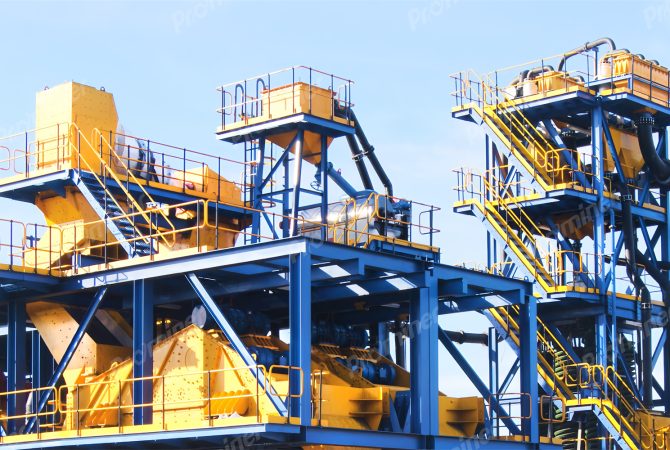
Prominer can provide different LIMS (Low Intensity Magnetic separator) magnetic separators
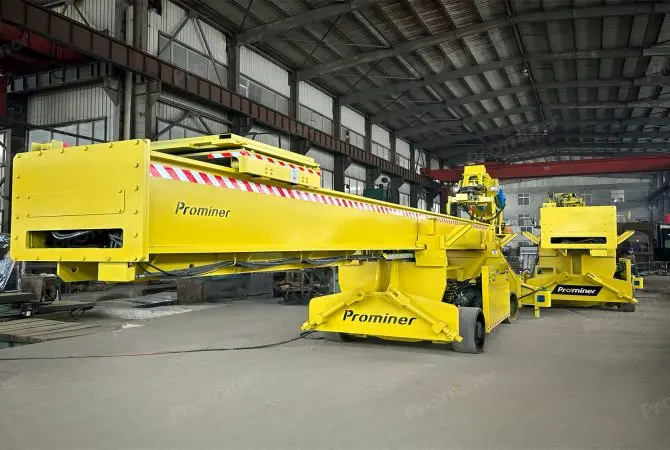
We can design and manufacture the mill relining machine (or called mill relining manipulator)
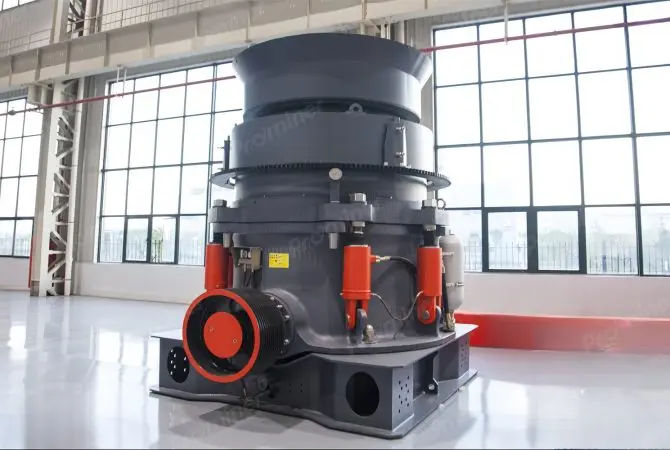
Multi-cylinder hydraulic cone crusher combines crusher speed, eccentricity and cavity profile
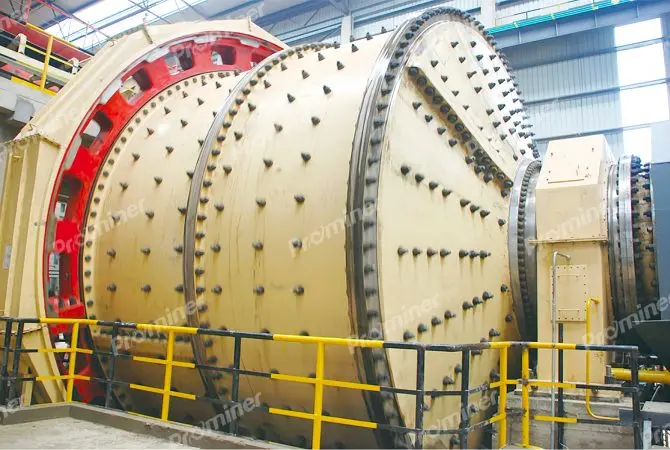
AG/SAG is short for autogenous mill and semi-autogenous mill, it combines with two functions of crushing
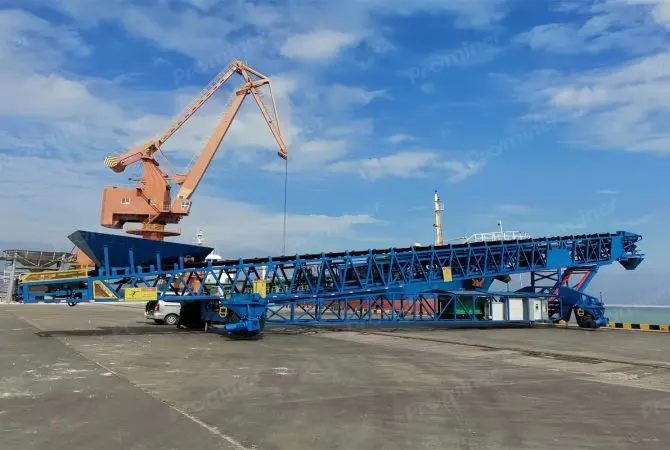
Our engineer team can design and manufacture the mobile type radial stacker, loader
To find out more about our products and solutions, please fll out the form below and one of our experts will get back to you shortly
3000 TPD Gold Flotation Project in Shandong Province
2500TPD Lithium Ore Flotation in Sichuan
Fax: (+86) 021-58779592
Address: Room 606, Building D3, Phase II, Chuansha Business Center, 777 Long, Miaochuan Road, Pudong New Area, Shanghai,China
Copyright © 2023. Prominer (Shanghai) Mining Technology Co.,Ltd.


