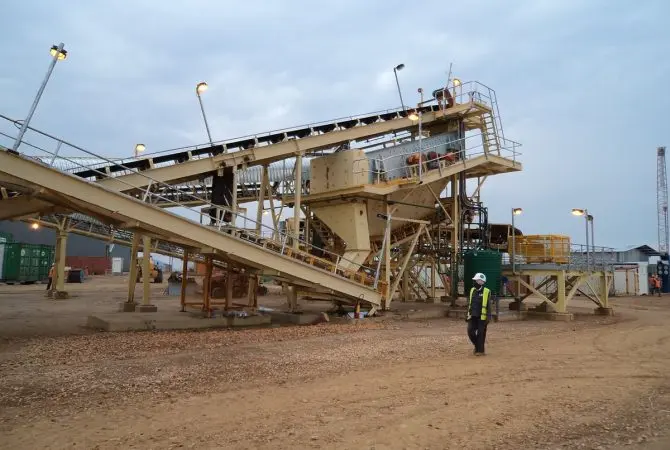

Flake graphite can be used to produce high carbon graphite, high purity graphite, expandable graphite


Gold extraction by cyanidation remains one of the most widely used hydrometallurgical methods for recovering gold from ore. Since its industrial adoption in the late 19th century, cyanide leaching has undergone continuous optimization to improve recovery rates, reduce costs, and minimize environmental impact.
Below is an overview of the main types of cyanide gold extraction processes and their practical applications in modern mining operations.
Heap leaching is one of the most common cyanide-based gold extraction methods, especially for low-grade ores.
Process Overview:
Applications:
Advantages:
Limitations:
Tank leaching, also known as agitation leaching, involves mixing finely ground ore with cyanide solution in large tanks.
Process Overview:
Applications:
Advantages:
Limitations:
CIP is a widely used cyanidation method that integrates leaching and adsorption.
Process Overview:
Applications:
Advantages:
Limitations:
CIL is similar to CIP but combines leaching and adsorption in the same tanks.
Process Overview:
Applications:
Advantages:
Limitations:
CIC is mainly used in heap leaching operations.
Process Overview:
Applications:
Advantages:
Limitations:
This process recovers gold from cyanide solution by precipitating it with zinc powder.
Process Overview:
Applications:
Advantages:
Limitations:
Cyanide is highly toxic, so modern gold extraction operations implement strict environmental management practices, including:
These measures significantly reduce environmental risks while maintaining economic viability.
Cyanide gold extraction processes vary depending on ore grade, mineralogy, production scale, and economic considerations.
Selecting the appropriate cyanidation process requires careful evaluation of ore characteristics, project scale, recovery targets, and environmental requirements. When properly managed, cyanide leaching remains one of the most efficient and reliable methods for gold extraction worldwide.
A: Absolutely. Mineral characteristics vary significantly by region. All our beneficiation machinery—from crushers and ball mills to flotation cells and magnetic separators—can be customized in terms of capacity, lining materials, and technical configurations based on your raw ore’s mineralogy and required output.
A: The most reliable way is through a professional mineral laboratory test. We highly recommend sending a representative ore sample ($20\text{–}50\text{ kg}$) to our engineers. We will conduct free or subsidized crushing, grinding, and separation tests to design an optimized, high-recovery flowchart backed by real data.
A: To give you the most cost-effective and precise solution, please share:The primary mineral type (e.g., copper sulfide, magnetite, oxide gold ore).Your expected processing capacity (e.g., Tons Per Hour or Tons Per Day).The feeding particle size and your target concentrate grade ($Fe\%$, $Cu\%$, etc.).
A: Yes, we provide comprehensive global support. Our experienced technical team offers layout planning, foundation drawing designs, and on-site or remote video guidance for equipment installation, commissioning, and local operator training to ensure your plant runs smoothly.
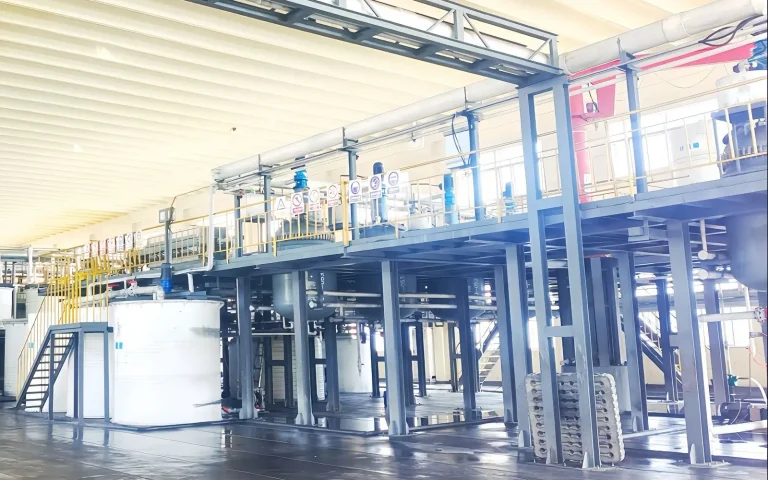
Flake graphite can be used to produce high carbon graphite, high purity graphite, expandable graphite
Hard carbon anode material is the most preferred materials for commercialization of sodium-ion battery
Spodumene and lepidolite are very important lithium bearing minerals and they are very easy to recover

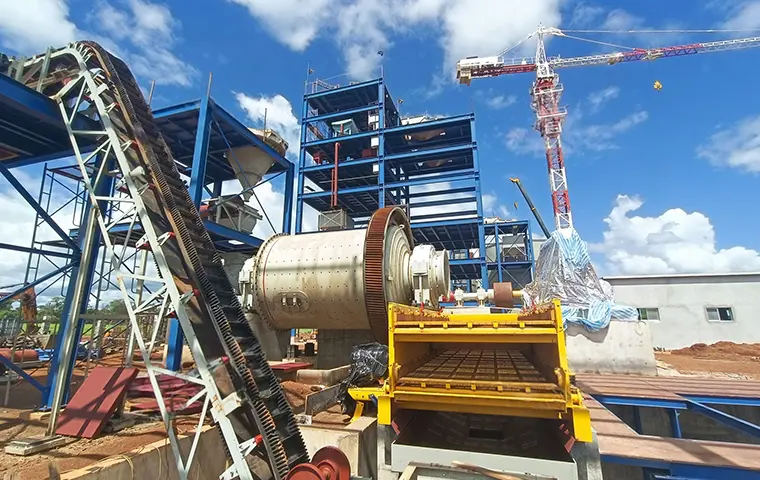
Raw Ore: Oxide Type Gold Ore Gold Grade: 3.5 g/t Gold Ingot Purity: 96%
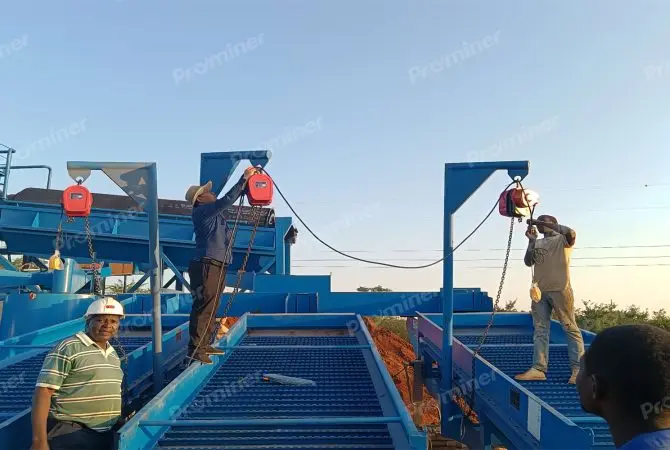
Raw Ore: Alluvial gold ore from river bed Gold Grade: 0.8 g/t
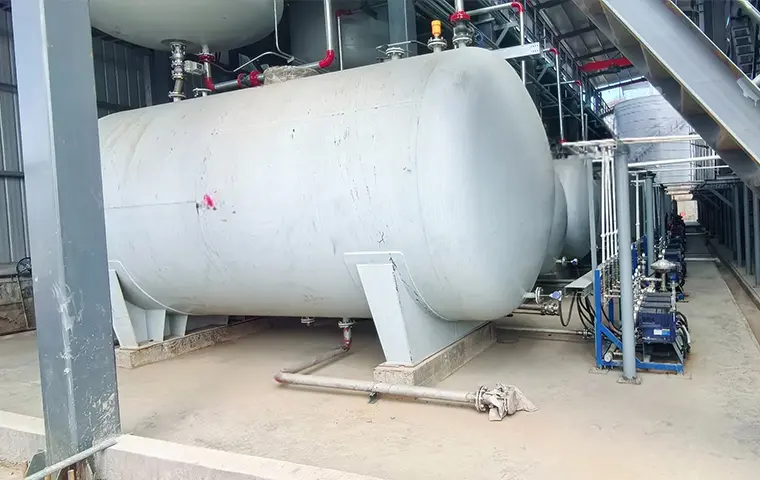
Raw Ore: Spodumene Lithium Ore Li2O Grade: 1.5% Concentrate Grade: 6.0%
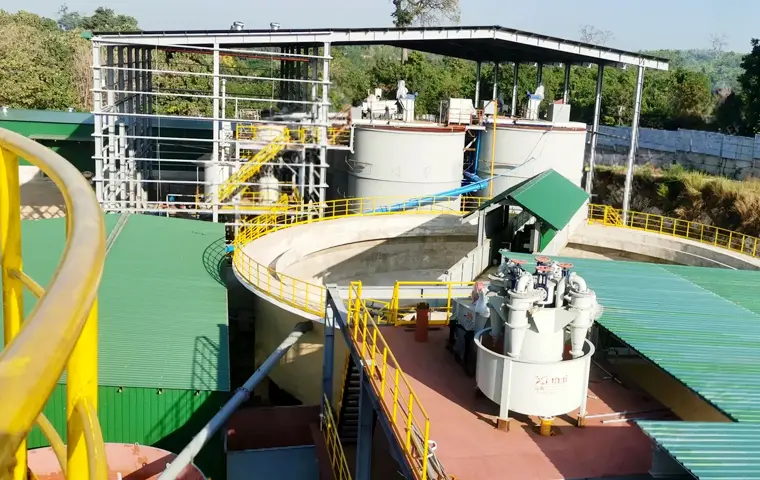
Raw Ore: Dual Oxide & Sulfide Gold Ore (Refractory in parts) Gold Grade: 3.5-4.2 g/t Final Product: Gold Doré (Au ≥96.5%)
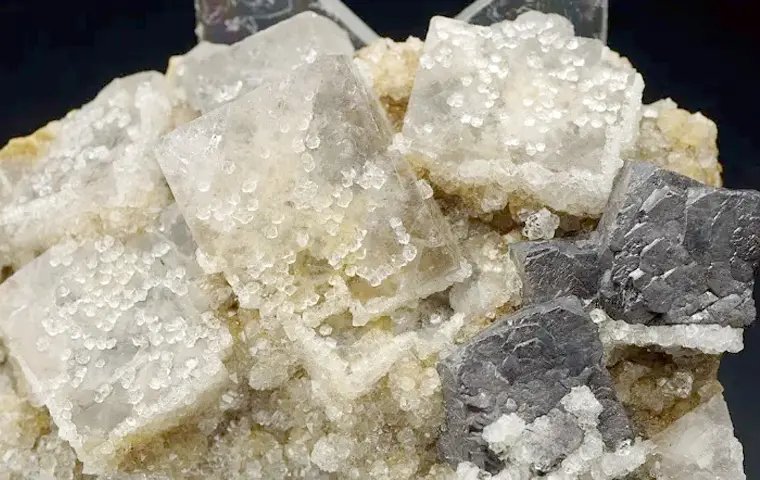
Raw Material: Polymetallic Ore Containing Galena (PbS) and Fluorite (CaF₂) Lead Grade: 3.5% Fluorite Grade: 35%
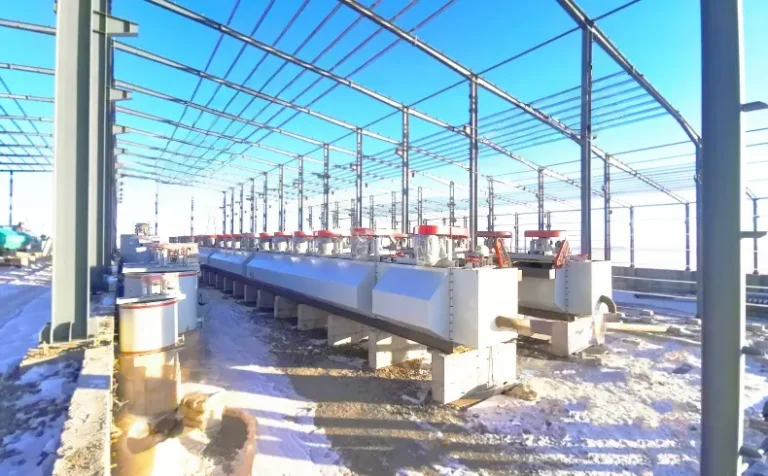
Raw Ore: Copper Sulfide Ore Copper Grade: 0.85% Final Product: Copper Concentrate
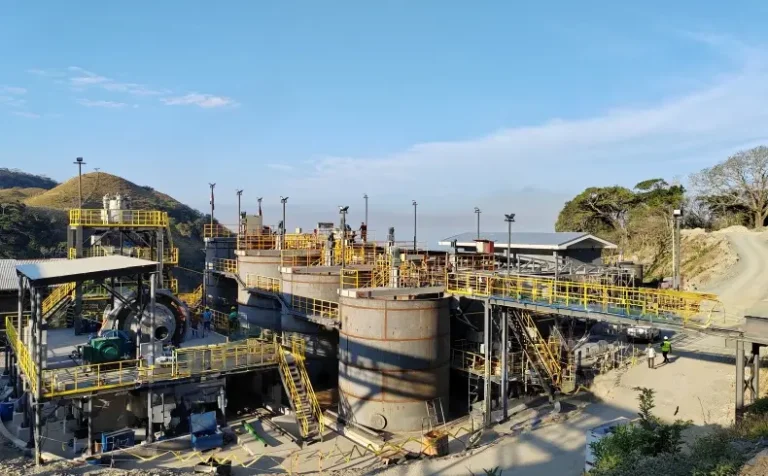
Raw Ore: Sulfide-Refractory Gold Ore (25% Sulfide) Gold Grade: 2.8-4.1 g/t Final Product: 99.99% Gold Ingot
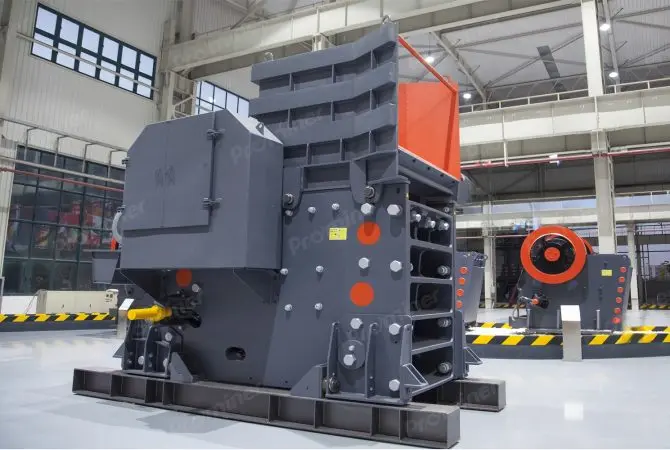
Jaw Crusher, its opening size determines its max feeding size. The crushing chamber of a jaw crusher
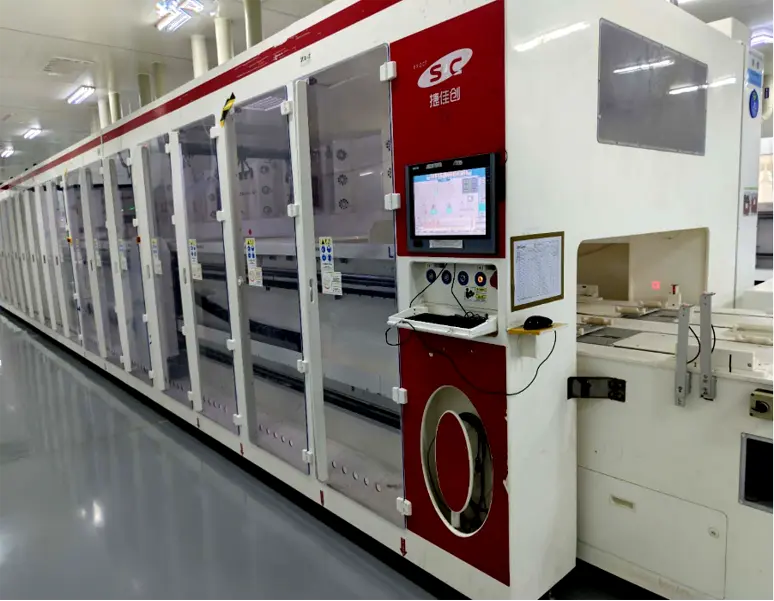
Such as: Boron diffusion furnace, BSG removal, Alkali polishing machine, PE-POLY…
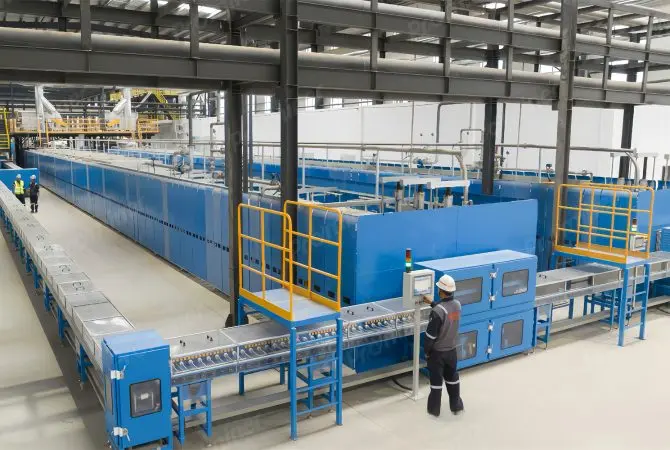
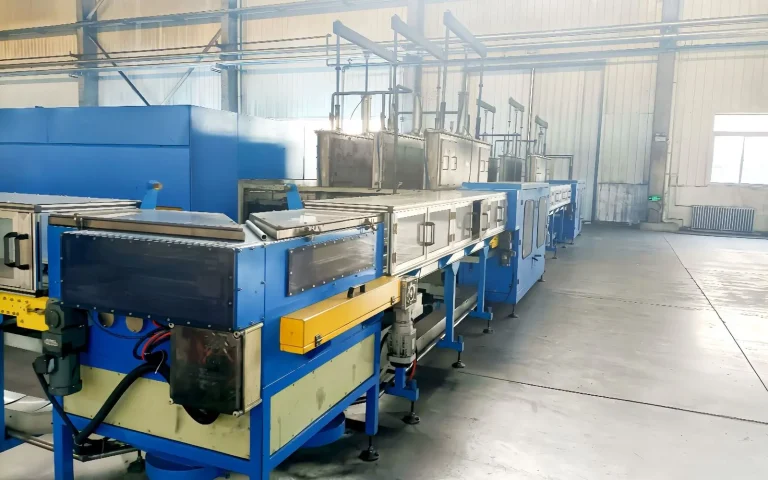
We can provide the complete solution for high temperature carbonization treatment system
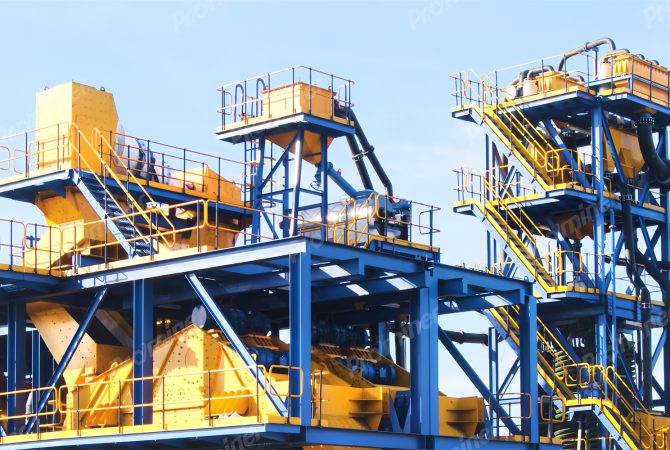
Prominer can provide different LIMS (Low Intensity Magnetic separator) magnetic separators
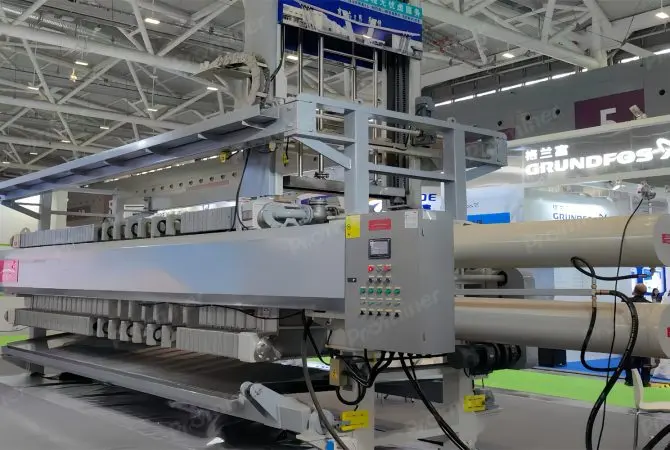
Prominer can provide press filter, belt vacuum filter, disk vacuum filter and ceramic filter
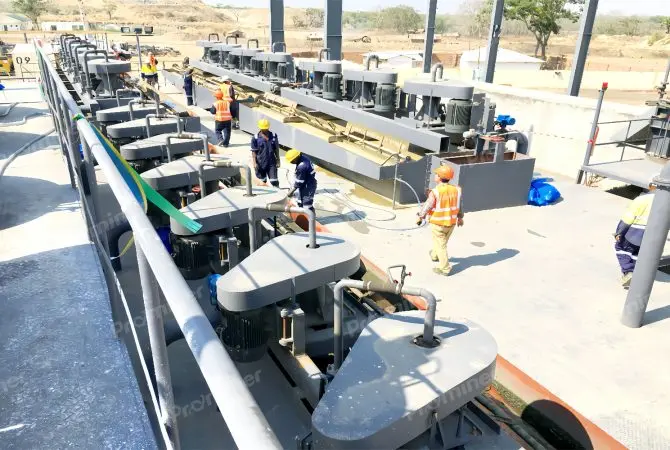
Prominer can provide SF series self-priming flotation machine and XCF/KYF series pneumatic flotation cell
To find out more about our products and solutions, please fll out the form below and one of our experts will get back to you shortly
3000 TPD Gold Flotation Project in Shandong Province
2500TPD Lithium Ore Flotation in Sichuan
Fax: (+86) 021-58779592
Address: Room 606, Building D3, Phase II, Chuansha Business Center, 777 Long, Miaochuan Road, Pudong New Area, Shanghai,China
Copyright © 2023. Prominer (Shanghai) Mining Technology Co.,Ltd.