

Flake graphite can be used to produce high carbon graphite, high purity graphite, expandable graphite




Refractory copper ores are among the most difficult copper resources to treat efficiently. Unlike straightforward sulfide or oxide ores, these materials contain mineralogical, chemical, and textural features that reduce copper recovery, increase reagent consumption, and complicate downstream processing. As higher-grade and simpler deposits decline, the industry is increasingly focused on beneficiation strategies that can unlock value from these complex ores.
Copper ore is generally called refractory when conventional beneficiation methods such as standard crushing, grinding, flotation, or leaching fail to produce acceptable recovery or concentrate quality. This usually happens because copper minerals are finely disseminated, locked within gangue, associated with penalty elements, or altered by oxidation and secondary enrichment.
Common causes of refractory behavior include:
These factors mean that beneficiation must be more selective, more adaptive, and often more integrated with metallurgy than in conventional copper processing.
The foundation of any successful strategy is detailed ore characterization. Refractory copper ores cannot be treated effectively with a generic flowsheet. Their mineralogy, liberation size, alteration style, and impurity profile must be understood in depth.
Important characterization tools include:
This information helps determine whether the main problem is liberation, surface chemistry, gangue entrainment, oxidation, soluble salts, or the presence of deleterious elements. It also supports ore blending and mine-to-mill planning.
In many refractory copper ores, value loss begins with inadequate liberation. Copper minerals may occur as ultrafine inclusions or in composite particles that standard milling does not break efficiently. Overgrinding can also create slimes that hurt flotation performance.
Selective comminution strategies may include:
The goal is not simply finer grinding, but smarter liberation. Proper particle size control can significantly improve flotation selectivity and recovery while reducing energy use.
Flotation remains the principal beneficiation method for many refractory copper ores, but standard reagent schemes are often insufficient. Complex sulfide systems require a more tailored flotation approach.
Key flotation strategies include:
For ores containing chalcopyrite, bornite, chalcocite, covellite, and secondary copper minerals together, reagent chemistry must be carefully balanced. In some cases, separate flotation circuits for distinct ore domains may be necessary.
One of the most difficult refractory conditions arises when copper minerals occur with naturally floatable or slime-generating gangue such as talc, serpentine, smectite, or chlorite. These gangue minerals reduce selectivity, increase froth stability, and can contaminate copper concentrate.
Beneficiation responses may include:
These ores often demand a balance between gangue rejection and copper recovery, making plant control especially important.
Mixed copper ores are especially challenging because oxide and sulfide minerals respond differently to beneficiation methods. Sulfides typically float well, while oxides may require sulfidization or alternative treatment.
Common strategies include:
In some operations, a hybrid flowsheet offers the best outcome, with flotation recovering sulfides and hydrometallurgical treatment handling oxide components.
Refractory copper ores often contain arsenic-bearing minerals such as enargite and tennantite, or other penalty elements that reduce concentrate marketability. The challenge is not only copper recovery, but also impurity control.
Possible beneficiation strategies include:
Where impurity minerals are the main copper carriers, beneficiation alone may not fully solve the problem. In such cases, process design must consider the entire treatment chain, including smelting or hydrometallurgical options.
Pre-concentration can reduce the burden on downstream beneficiation circuits, particularly for ores with variable grade, distinct waste gangue, or coarse mineralization contrasts. For refractory copper ores, this can be valuable when difficult material can be separated early.
Available methods include:
These methods can improve plant throughput, reduce energy consumption, and lower reagent use. Their success depends heavily on particle-scale heterogeneity and ore texture.
When flotation performance is limited, hydrometallurgical routes may complement or replace conventional beneficiation. This is especially relevant for partially oxidized ores, low-grade complex material, or concentrates that are difficult to smelt.
Integrated approaches may include:
Hydrometallurgy is not always a direct beneficiation step, but it is often part of the broader strategy for maximizing copper recovery from refractory resources.
Refractory copper ores rarely behave consistently across an entire deposit. Variability in mineralogy, hardness, oxidation, gangue type, and impurity content means a fixed processing strategy may underperform.
Geometallurgical programs help address this by linking geological domains to processing response. This allows operators to:
Adaptive process design may involve flexible flotation circuits, modular leach capacity, or dynamic control systems that respond to changes in feed mineralogy.
Because refractory copper ores behave unpredictably, laboratory results alone are often insufficient. Pilot-scale testing is critical for validating beneficiation strategies under realistic operating conditions.
Pilot programs help evaluate:
This step reduces technical uncertainty and helps avoid costly plant underperformance after commissioning.
No single beneficiation method solves all refractory copper ore problems. The most successful strategies combine detailed characterization, targeted liberation, selective flotation, impurity management, and where necessary, hydrometallurgical integration. Increasingly, these strategies are guided by geometallurgy and supported by pilot testing.
As ore complexity continues to rise, beneficiation must become more precise, flexible, and ore-specific. Operations that invest in understanding the true nature of refractory copper mineralization are best positioned to improve recovery, maintain concentrate quality, and achieve long-term economic performance.
A: The choice depends entirely on your ore’s mineral characteristics:
Gravity Separation: Best for coarse-grained minerals with large density differences (e.g., placer gold).
Flotation: Ideal for fine-grained base metals (e.g., copper oxide) or removing impurities from non-metallic minerals (e.g., quartz sand).
Cyanidation (CIP): Necessary for fine, encapsulated precious metals (e.g., rock gold) to maximize chemical extraction.
A: This approach prevents over-grinding (creating excessive ultra-fine particles), which ruins flotation efficiency. By grinding in stages and immediately separating recovered minerals or waste at each stage, you significantly reduce energy consumption, minimize steel media wear, and protect valuable minerals from turning into unrecoverable slime.
A: Fine particles have low mass and high surface areas, making them hard to float. Key solutions include:
Advanced Reagents: Using highly selective collectors and flocculants to aggregate fine particles.
Micro-bubble Technology: Utilizing flotation columns that generate smaller bubbles to increase particle-bubble collision rates.
Desliming: Removing harmful ultra-fine slimes before the flotation stage to clear the process environment.
A: Relying on a single method is rarely enough. The key is a combined metallurgical flowsheet:
For High-Purity Quartz: Integrate scrubbing, magnetic separation (to remove iron), flotation (for feldspar), and acid leaching for the ultimate purity.
For Precious Metals: Combine gravity separation (to catch coarse gold early) with flotation and CIP (to extract fine gold), ensuring zero valuable minerals are wasted.
Flake graphite can be used to produce high carbon graphite, high purity graphite, expandable graphite
Spodumene and lepidolite are very important lithium bearing minerals and they are very easy to recover
Prominer can provide the complete solution for making natrual graphite anode materials include grinding

Raw Ore: Oxide & Transitional Gold Ore Gold Grade: 2.5–3.5 g/t Final Product: Gold Concentrate (Gravity + Flotation Combined)
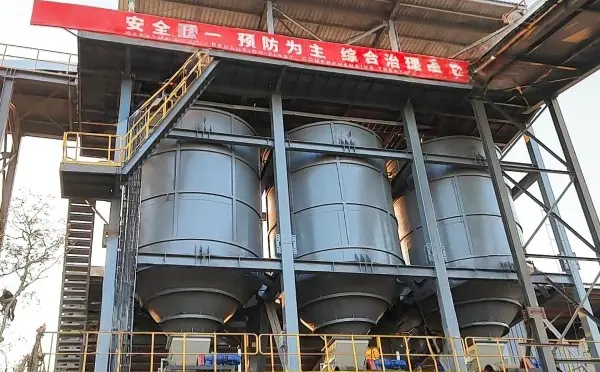
Raw Ore: Lepidolite, Spodumene, Gangue minerals: Quartz, Feldspar, Mica Li₂O Grade: 0.8%
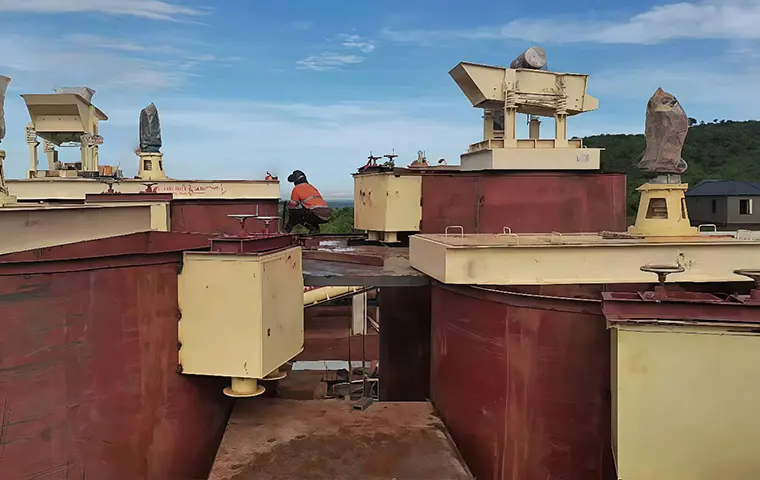
Raw Ore: Oxide Type Gold Ore Gold Grade: 3.5 g/t Gold Ingot Purity: 99.5%
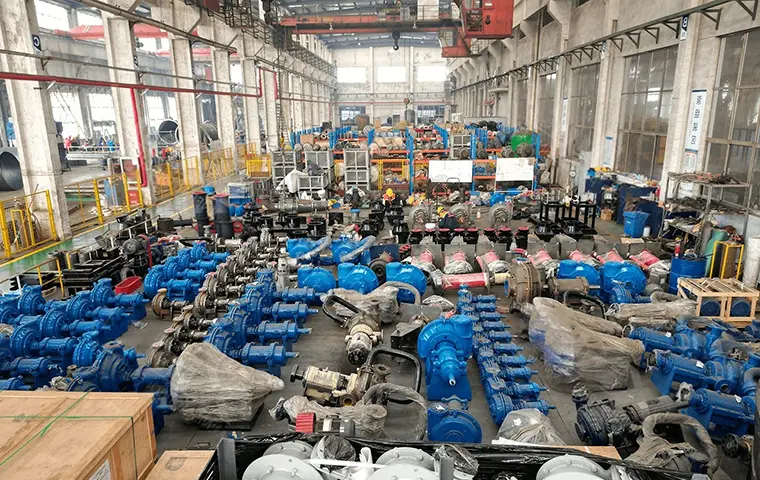
Raw Ore: Crystalline Flake Graphite Ore Feed Carbon Grade: 8–12% (Variable) Final Product: High-Purity Flake Graphite Concentrate

Raw Material: Existing gold plant tailings (All-slime) Gold Grade in Tailings: 1.2 g/t Final Product: Gold Ingot
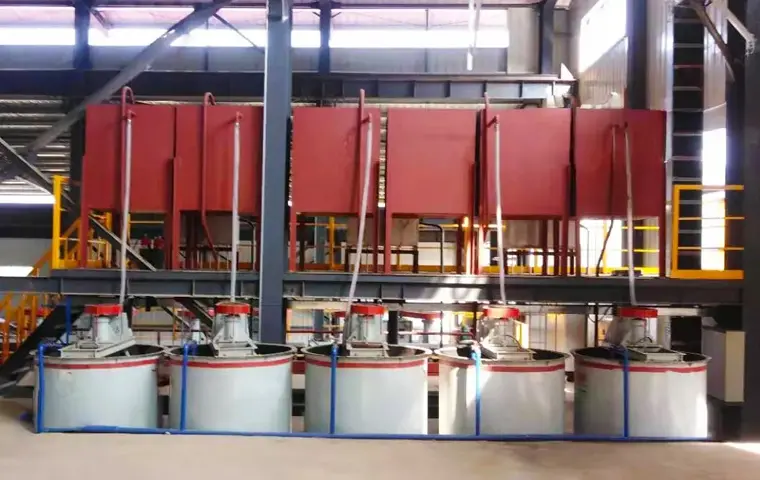
Raw Ore: Mixed Type Gold Ore (Oxide & Sulfide) Gold Grade: 2.8 g/t Gold Recovery Rate: 92% (Post-Optimization)
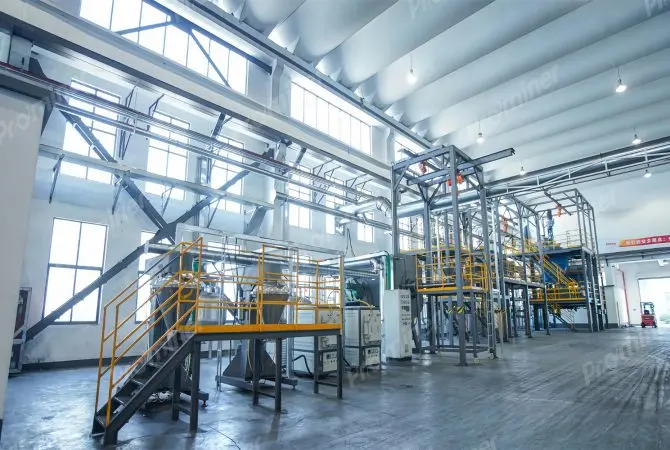
Raw Material: Needle coke and petroleum coke Project Capacity: 50 kgs per hour
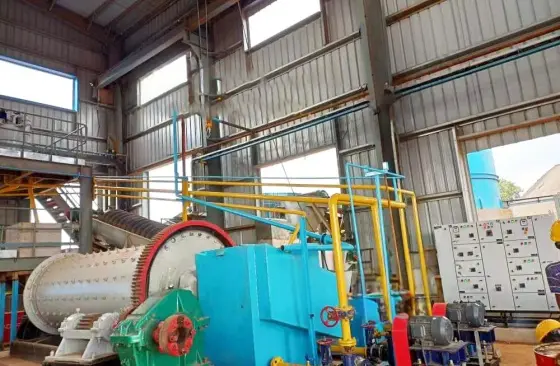
Raw Material: Sulfide Flotation Copper Tailings Metal Concentrate: Copper: 0.8%,Gold: 0.3 g/t,Silver: 5 g/t,Iron: 25%
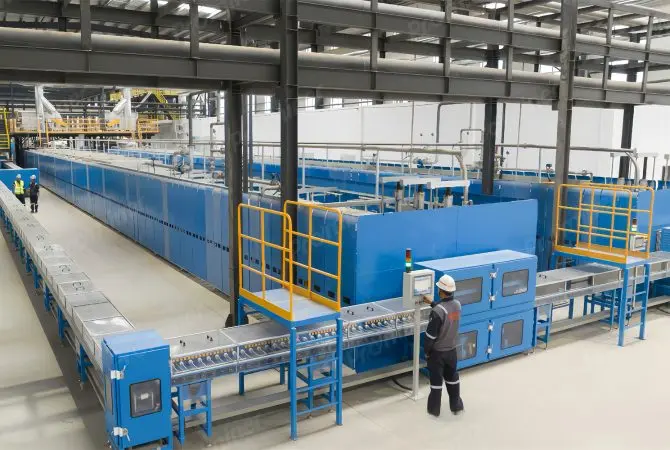
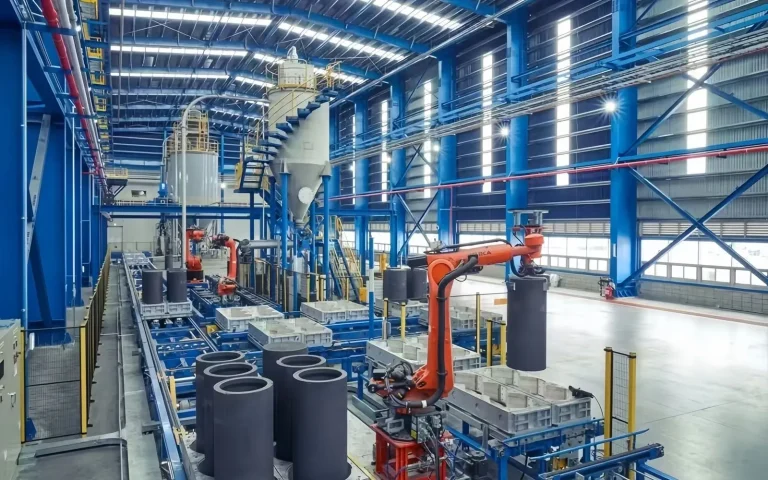
We can provide the complete solution for high temperature carbonization treatment system
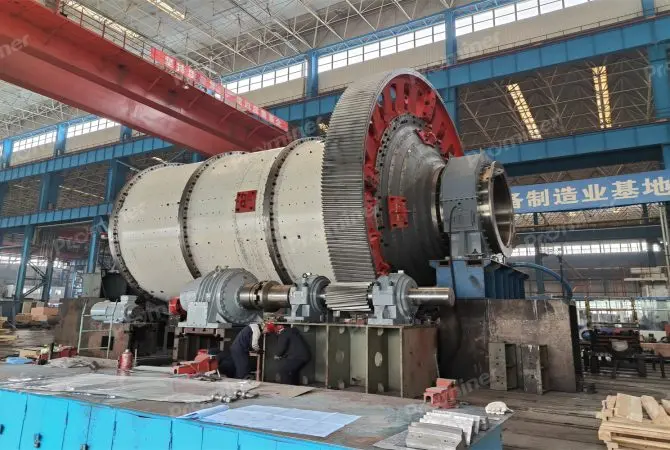
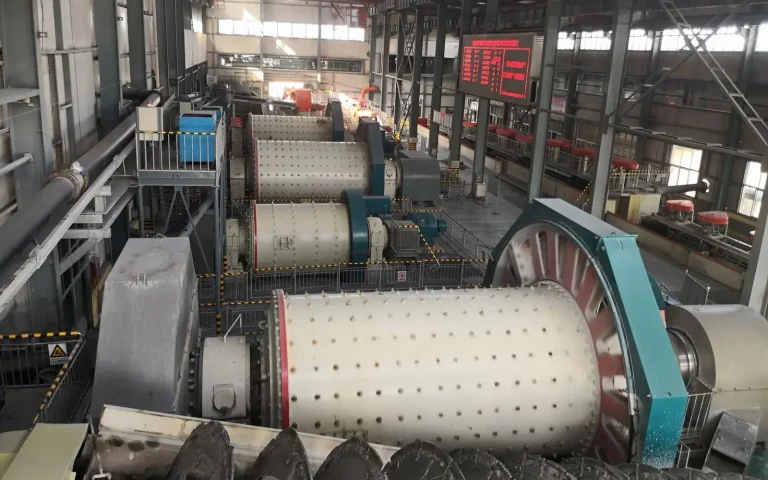
We can design and manufacture grate type ball mill for mineral primary grinding
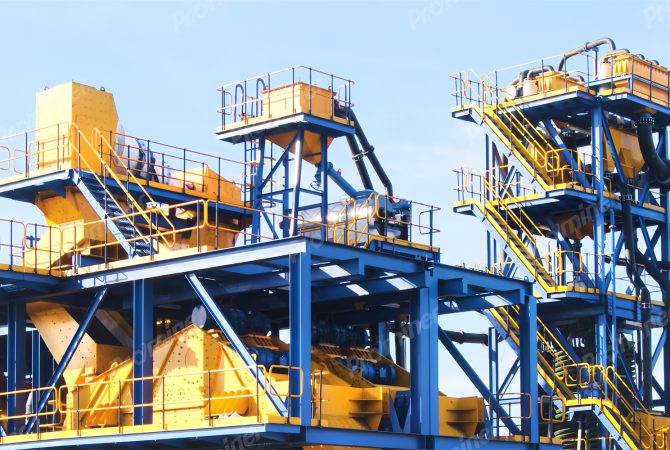
Prominer can provide different LIMS (Low Intensity Magnetic separator) magnetic separators
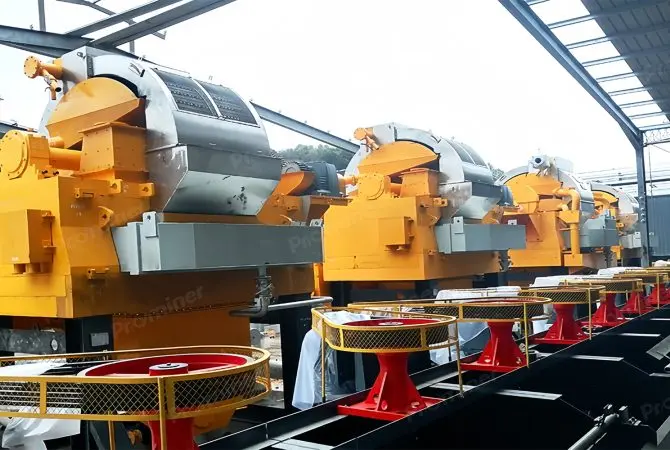
Prominer can provide different HIMS (High Intensity Magnetic separator) magnetic separators
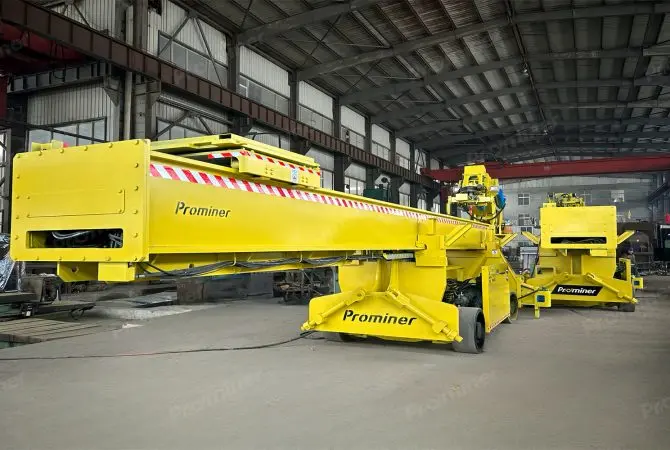
We can design and manufacture the mill relining machine (or called mill relining manipulator)
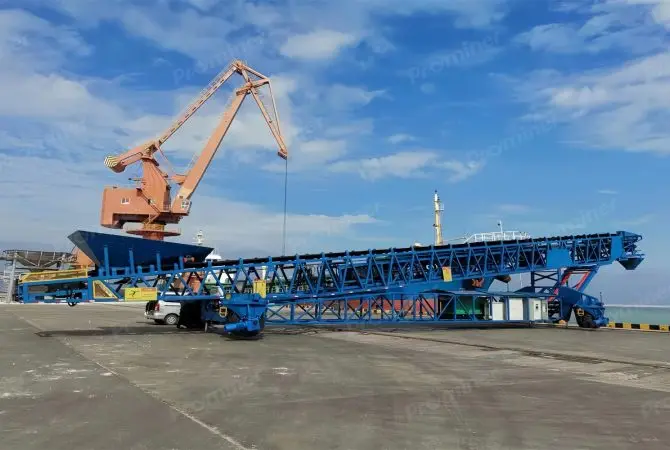
Our engineer team can design and manufacture the mobile type radial stacker, loader
To find out more about our products and solutions, please fll out the form below and one of our experts will get back to you shortly
3000 TPD Gold Flotation Project in Shandong Province
2500TPD Lithium Ore Flotation in Sichuan
Fax: (+86) 021-58779592
Address: Room 606, Building D3, Phase II, Chuansha Business Center, 777 Long, Miaochuan Road, Pudong New Area, Shanghai,China
Copyright © 2023. Prominer (Shanghai) Mining Technology Co.,Ltd.


