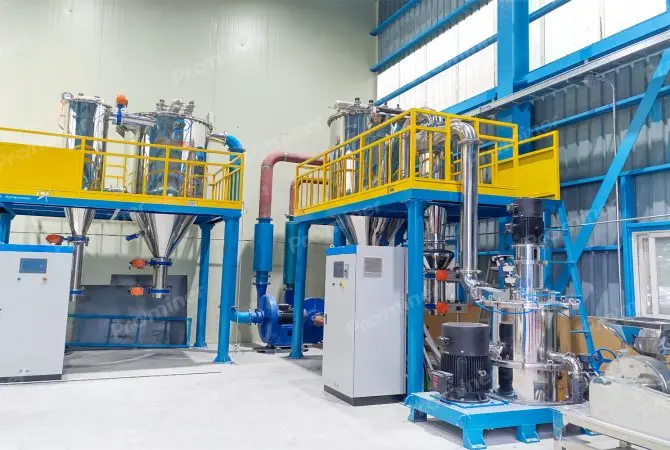
Hard carbon anode material is the most preferred materials for commercialization of sodium-ion battery




Copper oxide ores present a unique challenge in mineral processing, especially when conventional sulfide flotation methods are applied. While sulfide flotation is highly effective for sulfide minerals such as chalcopyrite and bornite, copper oxide minerals behave very differently at the surface level. As a result, metallurgists often encounter reduced recovery, poor selectivity, and unstable plant performance when trying to treat oxide-bearing ores through this route.
The main challenge begins with the mineralogy itself. Sulfide flotation relies on the natural or activated hydrophobicity of sulfide minerals, which respond well to common sulfide collectors like xanthates. Copper oxide minerals, including malachite, azurite, chrysocolla, cuprite, and tenorite, do not naturally float in the same way.
Their surfaces are more reactive with water and dissolved ions, which makes collector adsorption less straightforward. This means oxide minerals often fail to attach efficiently to air bubbles unless the surface is modified first, usually through sulfidization.
One of the most important issues in sulfide flotation of copper oxide ores is the weak response to traditional collectors. Xanthates and related sulfide collectors generally perform well on sulfide minerals, but copper oxides often show limited or inconsistent adsorption.
Without adequate surface preparation, the flotation kinetics of oxide minerals are slow, and recoveries remain low. Even when collectors are added at higher dosages, performance may not improve significantly, and excessive reagent consumption can create additional operating costs and downstream complications.
To make copper oxide minerals amenable to sulfide flotation, operators often use sulfidizing agents such as sodium sulfide or sodium hydrosulfide. This process attempts to create a sulfide-like surface on the oxide mineral so that sulfide collectors can adsorb.
However, sulfidization is difficult to control. If too little sulfidizing reagent is added, the mineral surface remains insufficiently activated. If too much is added, the pulp chemistry can become unstable, and excess sulfide ions may actually depress flotation. Maintaining the right reagent dosage, conditioning time, and redox conditions is therefore a major operational challenge.
Copper oxide ores are rarely uniform. Different oxide minerals respond differently to sulfidization and flotation reagents. Malachite may float reasonably well under optimized conditions, while chrysocolla is often much harder to recover due to its complex structure and high slime tendency.
In many deposits, oxide minerals are mixed with sulfides, gangue minerals, clays, iron oxides, and weathered surfaces. This creates a highly variable feed that can cause flotation performance to fluctuate from one ore zone to another. A reagent scheme that works for one mineral assemblage may fail in another.
Oxide ores often require more reagents than sulfide ores. Sulfidizing agents, collectors, dispersants, pH modifiers, and sometimes chelating or activating reagents may all be needed to achieve acceptable recovery. This increases operating costs and can make the process less economical.
Gangue minerals can also consume reagents non-productively. Clays, carbonates, and iron-bearing minerals may interfere with reagent action, reducing selectivity and forcing operators to use even higher dosages to maintain performance.
Many copper oxide ores generate large amounts of fines and slimes during crushing and grinding. These very fine particles create several problems in flotation. They can coat the surfaces of valuable minerals, block collector adsorption, and reduce bubble-particle attachment efficiency.
Fine particles also tend to have poor flotation kinetics, especially if they are highly hydrated or dispersed in the pulp. In oxide ore systems, slime coatings are particularly problematic because they can mask already difficult-to-float surfaces and contribute to lower concentrate grades.
Copper oxide flotation is highly sensitive to pulp chemistry. Parameters such as pH, dissolved oxygen, redox potential, water quality, and dissolved metal ions can all influence the success of sulfidization and collector adsorption.
For example, excessive oxidation, dissolved salts, or competing ions may hinder the formation of an effective sulfide layer on oxide minerals. Variations in process water composition can therefore lead to inconsistent flotation behavior, particularly in operations that recycle water extensively.
Another major challenge is separating copper oxide minerals from gangue. Since oxide minerals often require aggressive reagent schemes to float, unwanted gangue minerals may also become activated or entrained into the froth. This reduces concentrate grade and may create penalties in smelting or refining.
Carbonate gangue, silicates, clays, and iron oxides can be especially troublesome. Achieving both high recovery and good concentrate quality is often far more difficult with oxide ores than with primary sulfide ores.
Many copper deposits contain mixed ores with both oxide and sulfide minerals, especially in transitional zones between weathered and primary ore. These ores are among the hardest to treat because sulfide and oxide minerals may require different flotation conditions for optimal recovery.
A reagent suite designed for sulfides may neglect oxide recovery, while conditions optimized for oxides may compromise sulfide flotation. Balancing the treatment of both mineral types in a single circuit often requires careful staging, selective reagent addition, or even separate processing routes.
Because oxide ore flotation is so dependent on mineralogy, reagent control, and water chemistry, plant performance can become unstable. Small changes in feed composition or operating conditions may cause major swings in recovery and concentrate grade.
This instability makes process control more difficult and increases the need for detailed mineralogical monitoring, reagent optimization, and operator expertise. Plants processing copper oxide-bearing ores often need more frequent testing and adjustment than plants treating straightforward sulfide ores.
Some copper oxide minerals remain difficult to recover even with well-managed sulfidization. Chrysocolla is a common example, as it may have a poorly defined crystal structure and often responds poorly to standard sulfidization-flotation methods. In such cases, flotation alone may not deliver acceptable recovery.
This limitation means that some oxide ores are better treated using alternative methods such as leaching, or through combined flowsheets that include both flotation and hydrometallurgical recovery.
The challenges in sulfide flotation for copper oxide ores arise from the fundamental mismatch between oxide mineral surfaces and sulfide flotation chemistry. Problems such as poor collector response, difficult sulfidization control, variable mineralogy, high reagent consumption, slime generation, and poor selectivity all contribute to lower and less stable metallurgical performance.
For this reason, successful treatment of copper oxide ores often requires specialized reagent schemes, tight process control, and in some cases alternative recovery methods. Understanding the mineralogy and surface chemistry of the ore is essential for designing an effective flotation strategy.
A: The choice depends entirely on your ore’s mineral characteristics:
Gravity Separation: Best for coarse-grained minerals with large density differences (e.g., placer gold).
Flotation: Ideal for fine-grained base metals (e.g., copper oxide) or removing impurities from non-metallic minerals (e.g., quartz sand).
Cyanidation (CIP): Necessary for fine, encapsulated precious metals (e.g., rock gold) to maximize chemical extraction.
A: This approach prevents over-grinding (creating excessive ultra-fine particles), which ruins flotation efficiency. By grinding in stages and immediately separating recovered minerals or waste at each stage, you significantly reduce energy consumption, minimize steel media wear, and protect valuable minerals from turning into unrecoverable slime.
A: Fine particles have low mass and high surface areas, making them hard to float. Key solutions include:
Advanced Reagents: Using highly selective collectors and flocculants to aggregate fine particles.
Micro-bubble Technology: Utilizing flotation columns that generate smaller bubbles to increase particle-bubble collision rates.
Desliming: Removing harmful ultra-fine slimes before the flotation stage to clear the process environment.
A: Relying on a single method is rarely enough. The key is a combined metallurgical flowsheet:
For High-Purity Quartz: Integrate scrubbing, magnetic separation (to remove iron), flotation (for feldspar), and acid leaching for the ultimate purity.
For Precious Metals: Combine gravity separation (to catch coarse gold early) with flotation and CIP (to extract fine gold), ensuring zero valuable minerals are wasted.
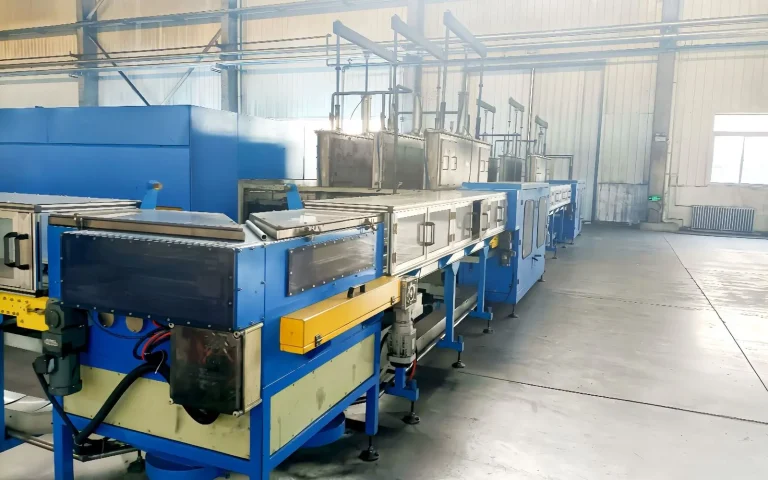
Hard carbon anode material is the most preferred materials for commercialization of sodium-ion battery
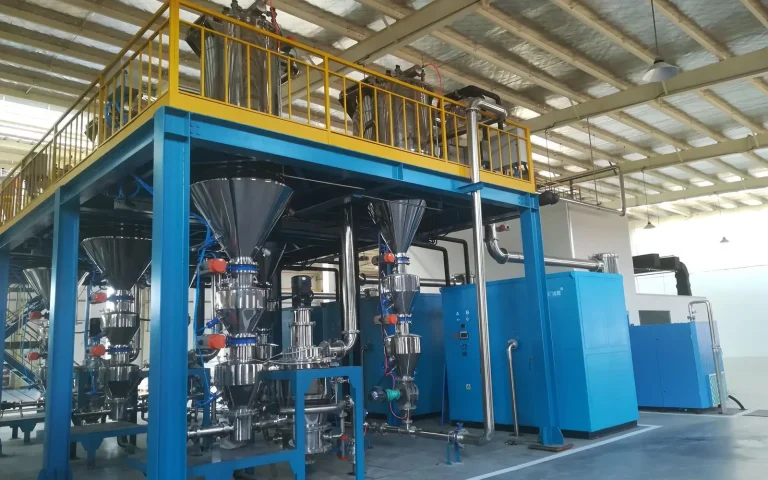
Silicon based anode is one kind of composite anode material by compounding silicon
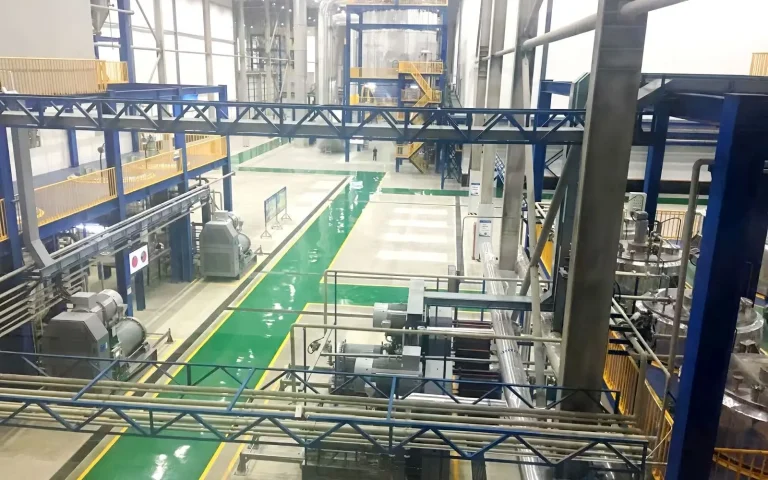
Cathode material is one of the key materials to determine the performance of lithium-ion batteries

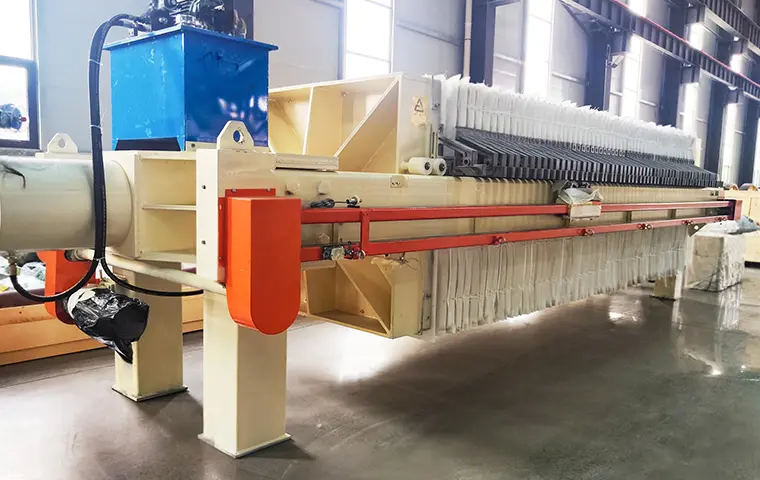
Project Background: Upgrade of dewatering circuit for flotation concentrate and plant tailings to reduce moisture content and enable dry stack disposal.
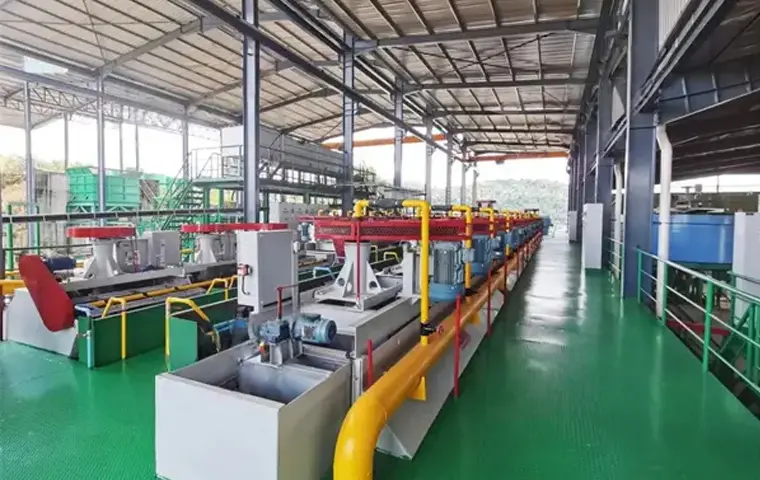
Raw Ore: Alluvial Coltan (Tantalite-Columbite) with Cassiterite Ore Grade: Ta₂O₅: 0.025-0.04%; Nb₂O₅: 0.02-0.035%; SnO₂: 0.1-0.3%
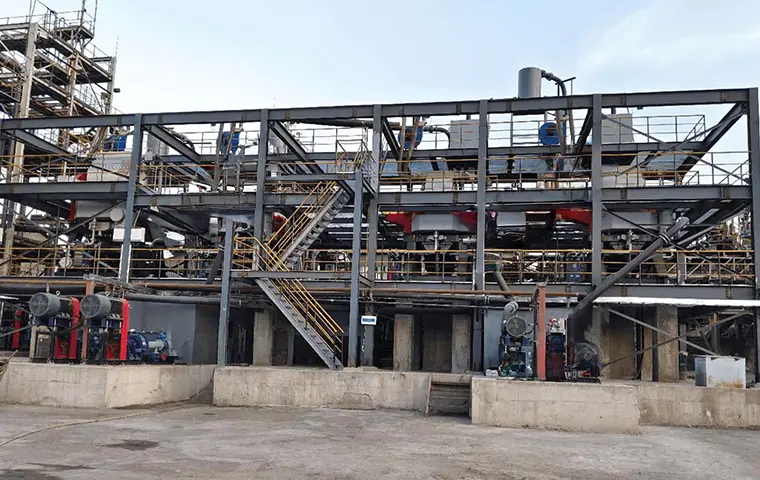
Raw Ore: South African Chrome Ore Original Cr₂O₃ Grade: 38% Upgraded Concentrate Grade: 46%
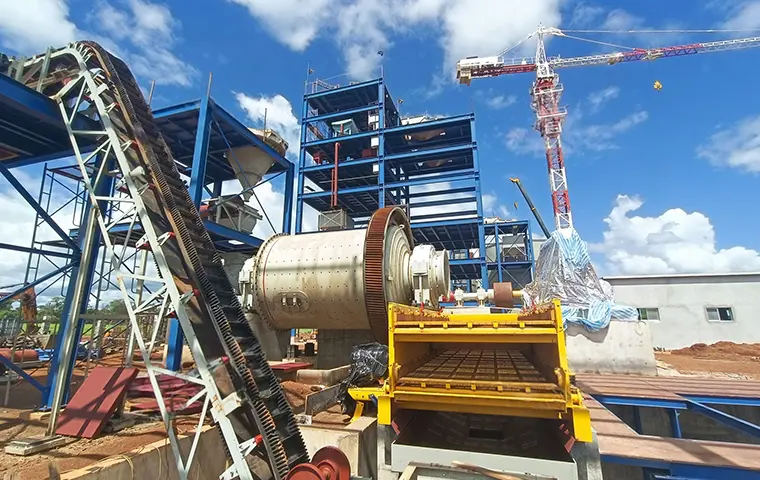
Raw Ore: Oxide Type Gold Ore Gold Grade: 3.5 g/t Gold Ingot Purity: 96%

Raw Ore: Oxide Type Gold Ore Gold Grade: 3.5 g/t Gold Recovery Rate: 92% Gold Ingot Purity: 96%
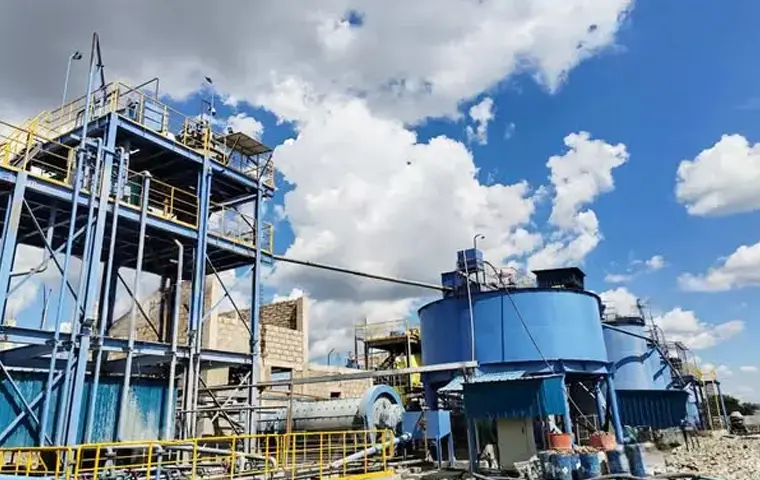
Raw Ore: Copper-Gold Ore Copper Grade: 1.2% Gold Grade: 1.5 g/t Recovery Rate: Copper 89%, Gold 88%
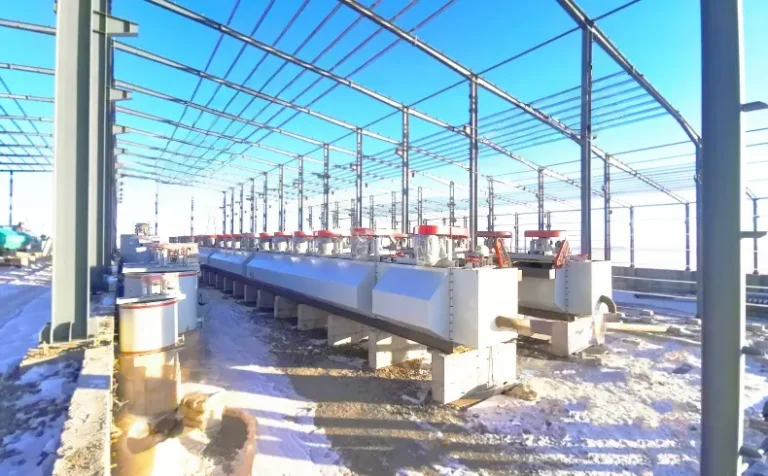
Raw Ore: Copper Sulfide Ore Copper Grade: 0.85% Final Product: Copper Concentrate

Raw Material: Fluorite Ore (CaF₂) Fluorspar Grade: 35% CaF₂ Concentrate Grade: 97% CaF₂
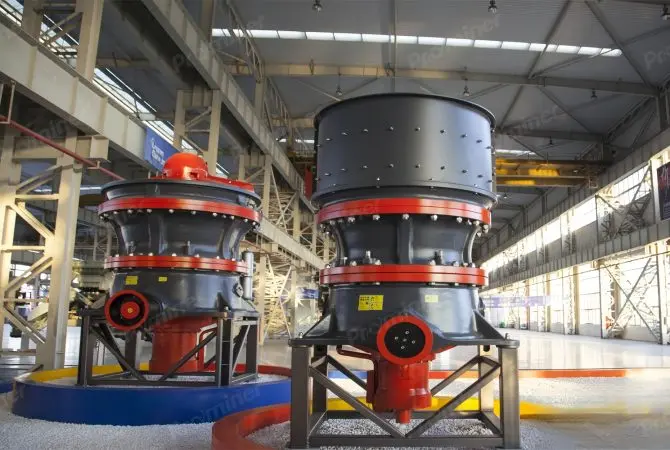
Single-cylinder hydraulic cone crusher have two series based on different cavity, S-cavity is designed
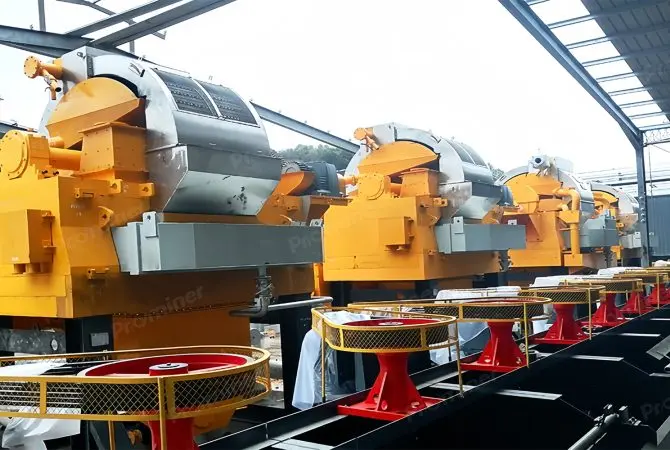
Prominer can provide different HIMS (High Intensity Magnetic separator) magnetic separators
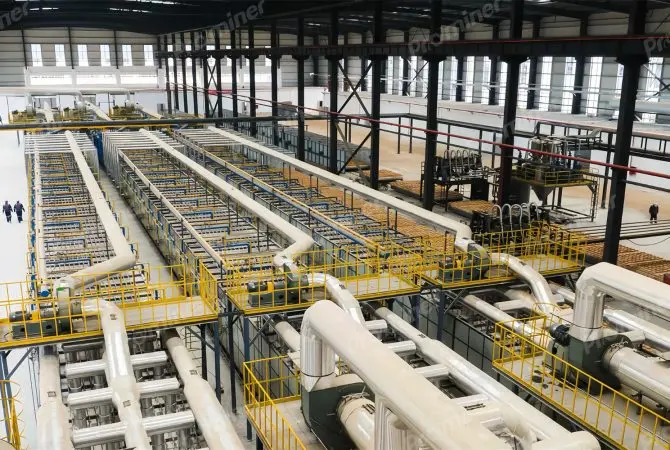
Prominer provides various types of furnaces for primary and secondary baking of carbon
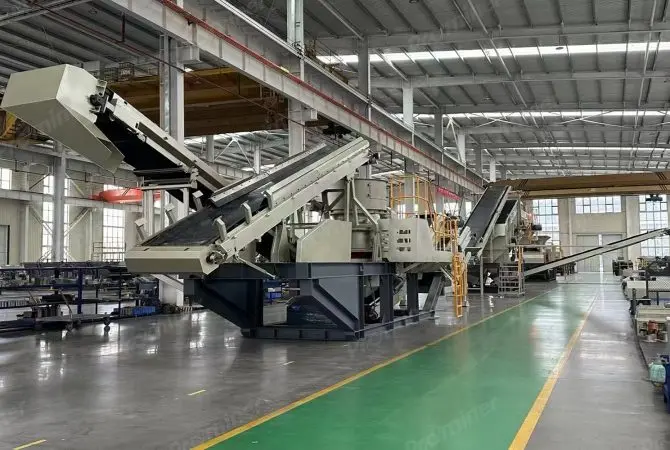
Skid mounted Portable Crusher, based on market requirements of easier moving from one site
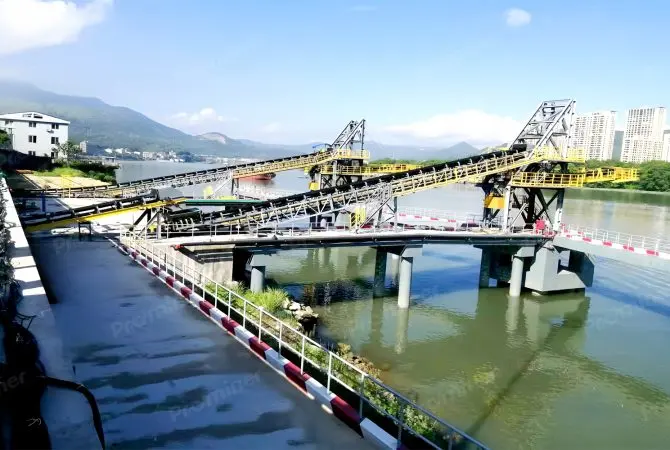
We can provide the solution of belt conveyors for different purposes include steeply inclined belt conveyor
To find out more about our products and solutions, please fll out the form below and one of our experts will get back to you shortly
3000 TPD Gold Flotation Project in Shandong Province
2500TPD Lithium Ore Flotation in Sichuan
Fax: (+86) 021-58779592
Address: Room 606, Building D3, Phase II, Chuansha Business Center, 777 Long, Miaochuan Road, Pudong New Area, Shanghai,China
Copyright © 2023. Prominer (Shanghai) Mining Technology Co.,Ltd.