

Flake graphite can be used to produce high carbon graphite, high purity graphite, expandable graphite




Quartz sand beneficiation is the set of processes used to improve raw quartz sand so it meets the purity, grain size, and performance requirements of industries such as glassmaking, foundry production, ceramics, photovoltaics, electronics, and specialty chemicals. Modern beneficiation goes far beyond simple washing. It combines physical, chemical, and sometimes thermal methods to remove clay, iron-bearing minerals, feldspar, mica, heavy minerals, and surface coatings from quartz grains.
Below is a detailed look at the methods that define modern quartz sand beneficiation.
The beneficiation process begins with understanding the raw material. A quartz sand deposit may appear uniform, but its impurities can vary greatly in mineral type, particle size, and distribution. Detailed characterization helps determine the most effective processing route.
Typical evaluation includes:
This stage is critical because beneficiation performance depends on whether impurities are free, intergrown, or chemically bound to the quartz surface.
If the quartz material is mined as sandstone or quartzite rather than loose sand, it usually requires crushing before further treatment. The aim is to liberate quartz grains while minimizing excessive fines.
Modern plants use:
Classification ensures that different particle size fractions receive the proper treatment. Coarse and fine fractions often behave differently in scrubbing, flotation, and magnetic separation, so separating them early improves both efficiency and final product quality.
Washing is one of the most basic but essential beneficiation methods. Many quartz deposits contain clay, silt, and weathered coatings that reduce product purity and interfere with later separation processes.
Desliming removes ultrafine particles, usually below a specified size threshold, through hydraulic classification, hydrocyclones, or settling equipment. This helps in several ways:
Modern washing systems often combine log washers, trommels, attrition units, and high-efficiency classifiers to maximize removal of unwanted fines.
Attrition scrubbing is a key modern technique for quartz sand beneficiation. It is designed to remove surface films, iron stains, clay coatings, and weakly attached impurity minerals from quartz grain surfaces.
In an attrition scrubber, quartz particles are agitated intensely in a high-density slurry. Grain-to-grain friction cleans the particle surfaces without relying solely on chemical treatment.
This method is especially effective for:
Often, attrition scrubbing is followed by desliming to remove the detached impurity material.
Gravity separation is used when the deposit contains heavy minerals with significantly different densities from quartz. These may include ilmenite, rutile, garnet, zircon, tourmaline, or iron-bearing minerals.
Common gravity equipment includes:
The purpose is not usually to purify quartz to the highest possible level on its own, but to remove dense contaminants before finer cleaning stages. Gravity separation is cost-effective and can substantially reduce the impurity load entering magnetic or flotation circuits.
Magnetic separation is one of the most important methods in modern quartz beneficiation because many key contaminants are iron-bearing or weakly magnetic. These include hematite, magnetite, limonite, biotite, garnet, and some heavy minerals.
Different magnetic systems are chosen based on the magnetic properties of the impurities:
This method is especially valuable for reducing iron content, which is a major quality parameter in glass and high-purity quartz products. Magnetic separation often follows scrubbing and classification so that impurity minerals are better liberated and easier to remove.
Flotation is used when impurities are not easily removed by washing, gravity, or magnetic methods. It is particularly effective for separating quartz from feldspar, mica, iron oxides, and other silicate or oxide minerals.
In flotation, selected minerals are made hydrophobic using reagents so they attach to air bubbles and float, while others remain in the slurry. The exact flotation strategy depends on the target product and impurity type.
Modern quartz sand flotation may involve:
The success of flotation depends on tight control of:
Because flotation is chemically sensitive, raw material characterization and pilot testing are especially important.
Acid leaching is used when very high purity is required and physical methods alone cannot remove surface-bound or finely disseminated impurities. This process dissolves metallic contaminants from quartz grain surfaces and microfractures.
Acids commonly used include:
Acid leaching is often applied after attrition scrubbing and magnetic separation, when most coarse impurities have already been removed. This makes chemical treatment more efficient and reduces acid consumption.
Acid leaching is especially effective for lowering:
Modern plants pay close attention to acid recovery, effluent treatment, corrosion-resistant equipment, and worker safety, since chemical beneficiation introduces environmental and operational challenges.
Some quartz sands benefit from thermal treatment, especially when impurities are trapped in coatings, clay residues, or fluid inclusions. Heating can alter impurity phases and make them easier to remove in subsequent processing.
Thermal treatment may be used to:
Calcination is more specialized and usually reserved for premium or difficult-to-upgrade feedstocks. It is often combined with acid leaching or mechanical scrubbing for deeper impurity removal.
Advanced beneficiation plants increasingly use sensor-based sorting to remove visible contaminants before fine processing. These systems can identify off-color grains, stained particles, and non-quartz fragments using optical, laser, near-infrared, or X-ray technologies.
Benefits of sensor-based sorting include:
Although not suitable for every deposit, sensor sorting is becoming more important where feed heterogeneity is high and product specifications are strict.
After beneficiation, quartz sand must be dewatered and prepared for storage, transport, or further industrial use. Moisture control is important because excessive water can interfere with handling and customer requirements.
Modern finishing steps may include:
Final sizing is especially important because quartz sand products are often sold within narrow grain size ranges for applications such as filtration, glass, hydraulic fracturing, and foundry molds.
For ultra-high-end uses such as semiconductor, solar, and optical applications, quartz sand beneficiation must go much further than standard industrial processing. High-purity quartz production may include multiple cycles of:
The goal is to reduce impurities to extremely low levels, often measured in parts per million or below. In these applications, even contamination from steel equipment, water, or airborne dust can matter.
Modern beneficiation is not defined only by separation efficiency. It is also shaped by environmental and sustainability requirements. Water recycling, tailings management, dust suppression, and chemical handling are central to plant design.
Important modern practices include:
As regulations become stricter, environmental performance is increasingly treated as a core part of beneficiation technology rather than an afterthought.
Modern quartz beneficiation plants rely more heavily on automation than older operations. Real-time monitoring allows tighter control over product quality and operating costs.
Automation may include:
With better process control, operators can adjust the flowsheet quickly in response to ore variability, ensuring more stable purity and recovery.
No single method defines modern quartz sand beneficiation on its own. The most effective plants use integrated flowsheets that combine several techniques in the right sequence.
A typical modern flowsheet may include:
The exact sequence depends on the deposit, impurity profile, and end-use specification. Lower-grade construction sand may need only washing and classification, while high-purity quartz for electronics may require multiple advanced cleaning stages.
Modern quartz sand beneficiation is defined by a combination of precise raw material characterization, efficient physical separation, selective chemical treatment, and strong environmental control. Washing, scrubbing, gravity separation, magnetic separation, flotation, acid leaching, and thermal treatment each play important roles depending on the impurity profile and required product quality.
What makes beneficiation “modern” is not just the use of advanced equipment, but the integration of these methods into optimized, data-driven, and environmentally responsible flowsheets. As industrial standards continue to rise, quartz sand beneficiation is becoming more specialized, more controlled, and more technically sophisticated.
A: The choice depends entirely on your ore’s mineral characteristics:
Gravity Separation: Best for coarse-grained minerals with large density differences (e.g., placer gold).
Flotation: Ideal for fine-grained base metals (e.g., copper oxide) or removing impurities from non-metallic minerals (e.g., quartz sand).
Cyanidation (CIP): Necessary for fine, encapsulated precious metals (e.g., rock gold) to maximize chemical extraction.
A: This approach prevents over-grinding (creating excessive ultra-fine particles), which ruins flotation efficiency. By grinding in stages and immediately separating recovered minerals or waste at each stage, you significantly reduce energy consumption, minimize steel media wear, and protect valuable minerals from turning into unrecoverable slime.
A: Fine particles have low mass and high surface areas, making them hard to float. Key solutions include:
Advanced Reagents: Using highly selective collectors and flocculants to aggregate fine particles.
Micro-bubble Technology: Utilizing flotation columns that generate smaller bubbles to increase particle-bubble collision rates.
Desliming: Removing harmful ultra-fine slimes before the flotation stage to clear the process environment.
A: Relying on a single method is rarely enough. The key is a combined metallurgical flowsheet:
For High-Purity Quartz: Integrate scrubbing, magnetic separation (to remove iron), flotation (for feldspar), and acid leaching for the ultimate purity.
For Precious Metals: Combine gravity separation (to catch coarse gold early) with flotation and CIP (to extract fine gold), ensuring zero valuable minerals are wasted.
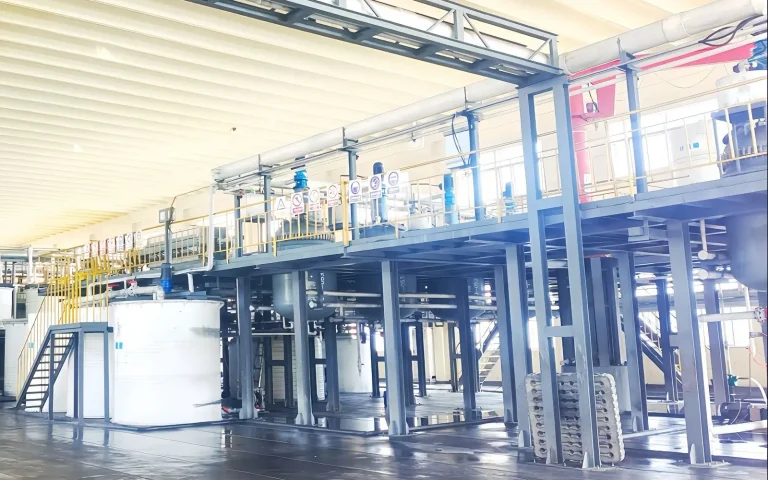
Flake graphite can be used to produce high carbon graphite, high purity graphite, expandable graphite
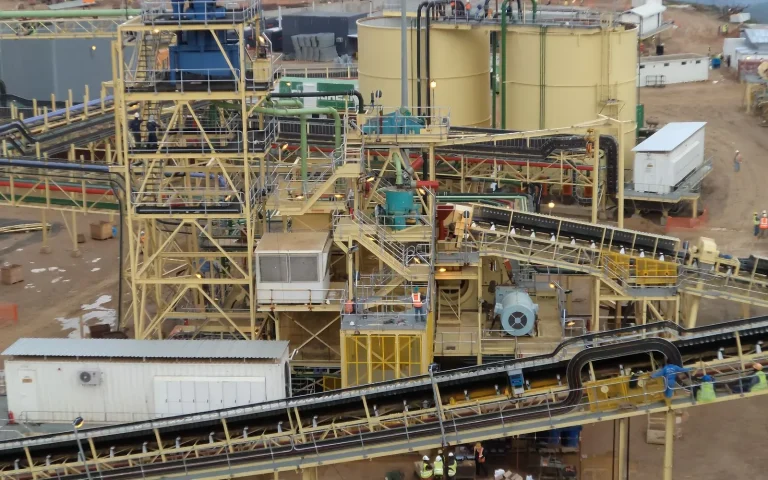
Flotation is the most popular processing way in gold ore processing project. Because the flotation process
Provide important equipment in the gold ore processing process, such as CIL/CIP System, Flotation Cell…

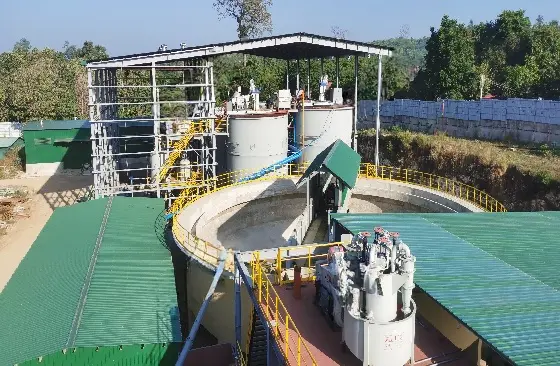
Location: Tanzania, Africa & Central Kalimantan, Indonesia Ore Type: Low-Grade Sulfide Ore (1.2–1.8 g/t Au)
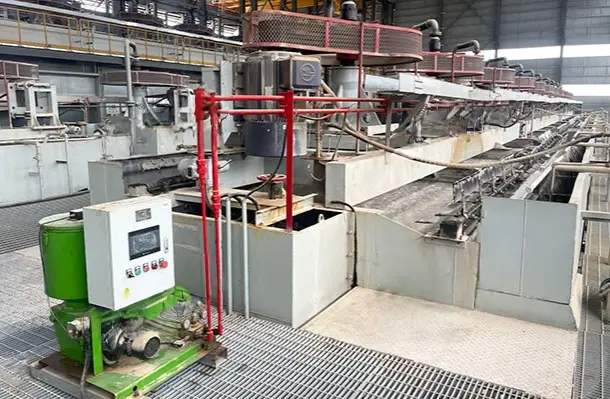
Raw Ore: Porphyry Gold-Copper Ore Gold Grade: 0.8-1.5 g/t Copper Grade: 0.6-0.9%
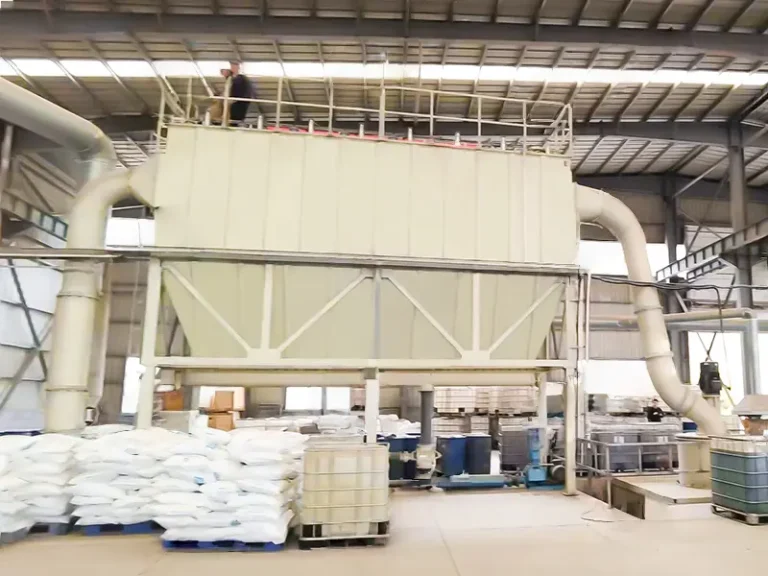
Raw Ore: Dolomite Rock (CaMg(CO₃)₂) Feed Size: ≤10 mm Final Product: Ultra Fine Dolomite Powder
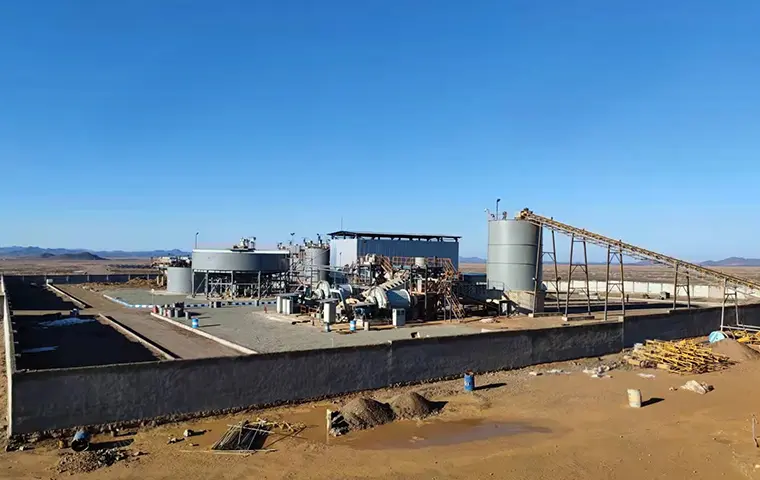
Raw Ore: Oxide & Transitional Gold Ore Gold Grade: 2.5–3.5 g/t Final Product: Gold Concentrate (Gravity + Flotation Combined)

Raw Ore: Oxide Type Gold Ore Gold Grade: 3.5 g/t Gold Recovery Rate: 92% Gold Ingot Purity: 96%
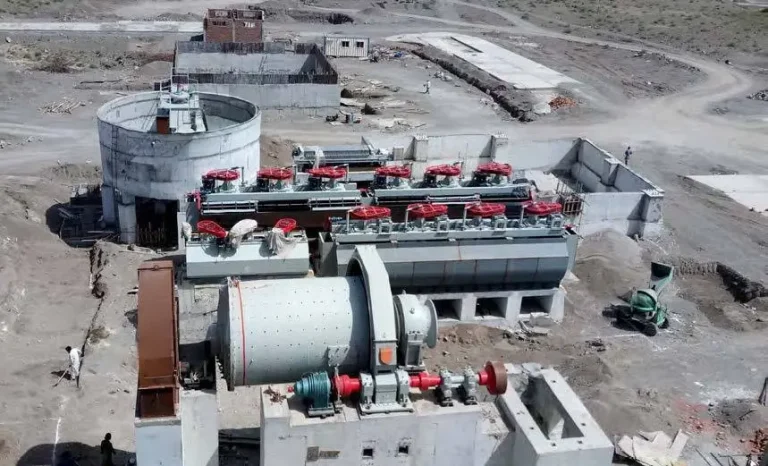
Raw Ore: Mixed Oxide-Sulfide Copper Ore (Chalcocite/Malachite) Copper Grade: 1.2% | Silver: 15g/t
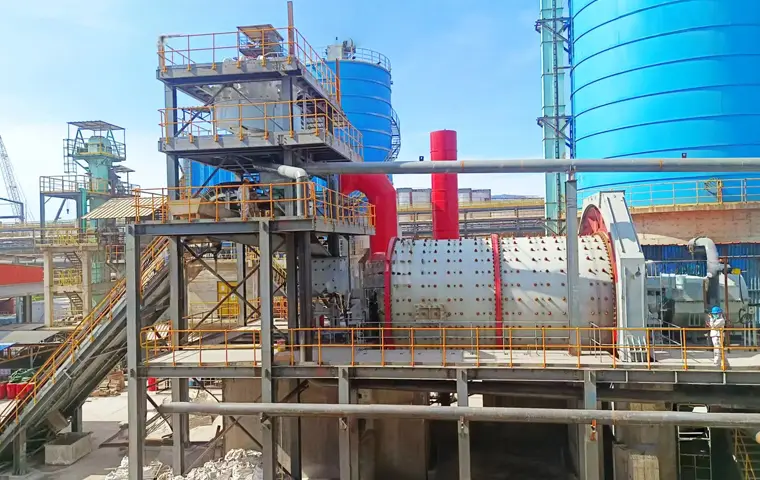
Raw Material: High-Calcium Limestone Final Product: Cement Raw Material Powder (200 mesh) & Construction Aggregate
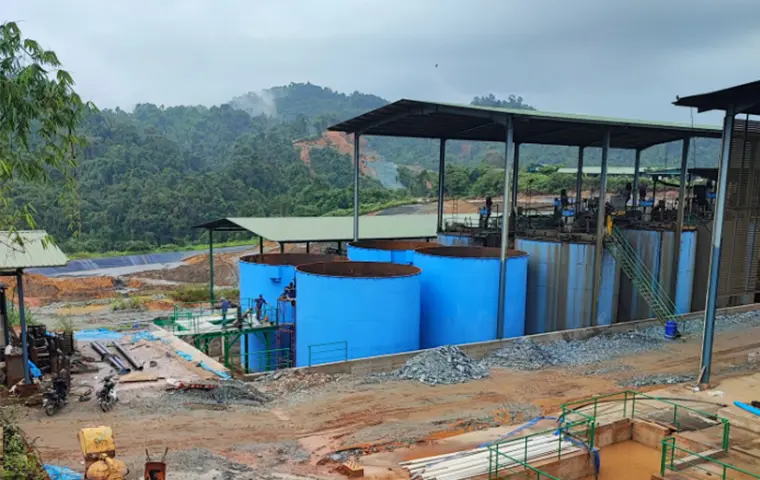
Raw Ore: Refractory and Semi-Refractory Sulfide Gold Ore Gold Grade: 2.65 g/t Gold Ingot Purity: ≥95.5%
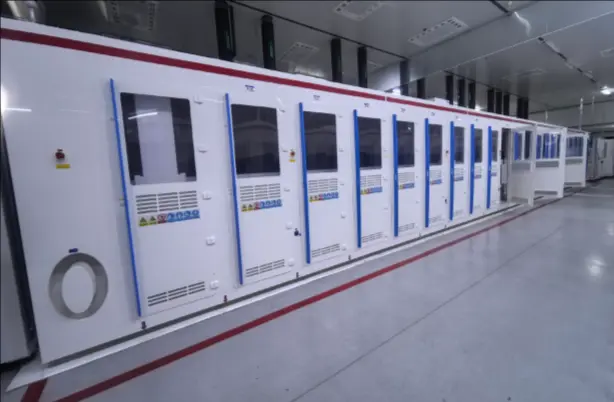
Include: Monocrystalline Batch Texturing Equipment, Batch Texturing Loader/Unloader, Low-Pressure…
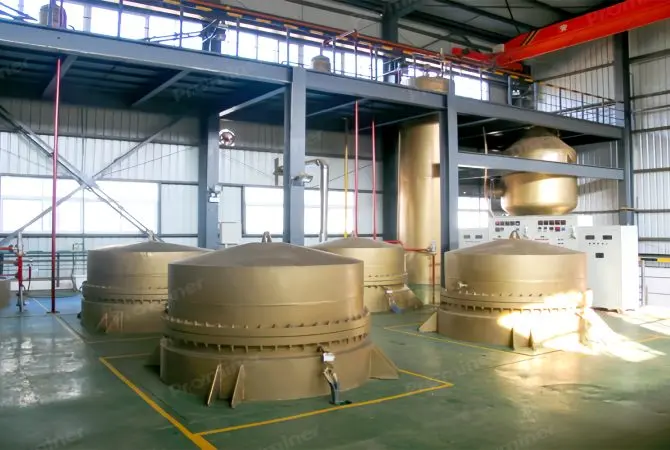
Prominer can design and provide the complete refinery and smelting system for gold CIL project
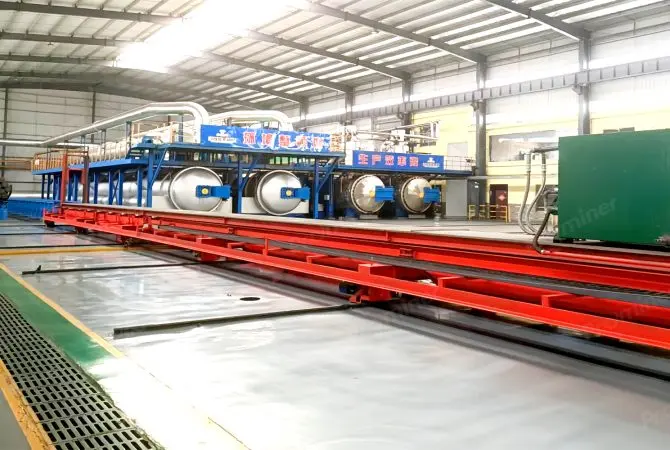
We can provide hot-in and cold-out type high-pressure impregnation of once-baked graphite
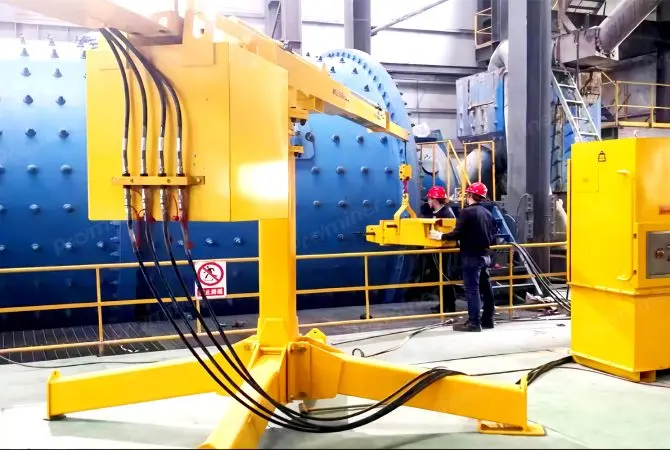
We can manufacture the highly automated and powerful recoilless Bolt Hammer to remove
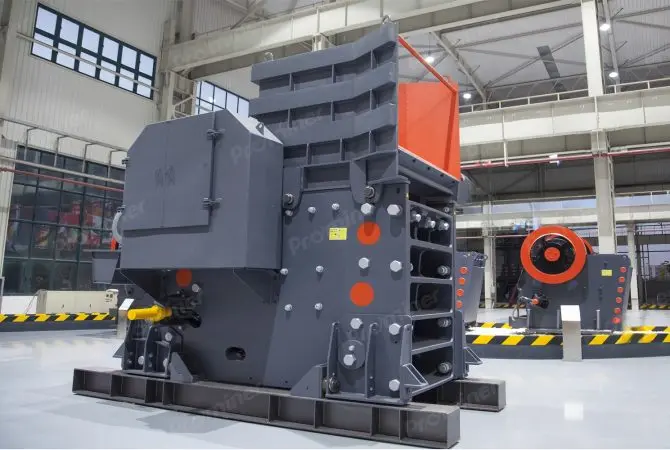
Jaw Crusher, its opening size determines its max feeding size. The crushing chamber of a jaw crusher
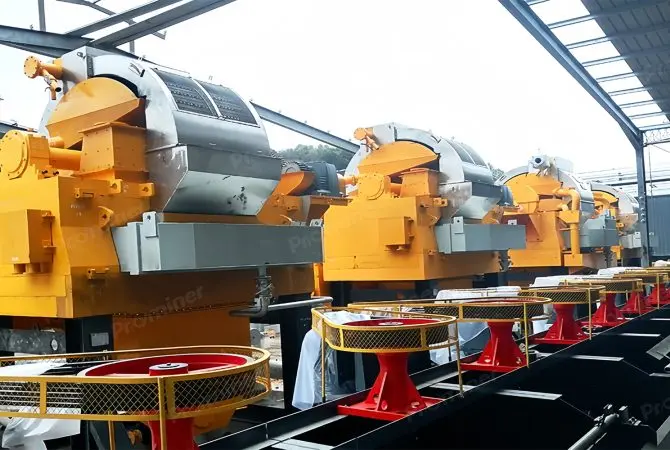
Prominer can provide different HIMS (High Intensity Magnetic separator) magnetic separators
To find out more about our products and solutions, please fll out the form below and one of our experts will get back to you shortly
3000 TPD Gold Flotation Project in Shandong Province
2500TPD Lithium Ore Flotation in Sichuan
Fax: (+86) 021-58779592
Address: Room 606, Building D3, Phase II, Chuansha Business Center, 777 Long, Miaochuan Road, Pudong New Area, Shanghai,China
Copyright © 2023. Prominer (Shanghai) Mining Technology Co.,Ltd.


