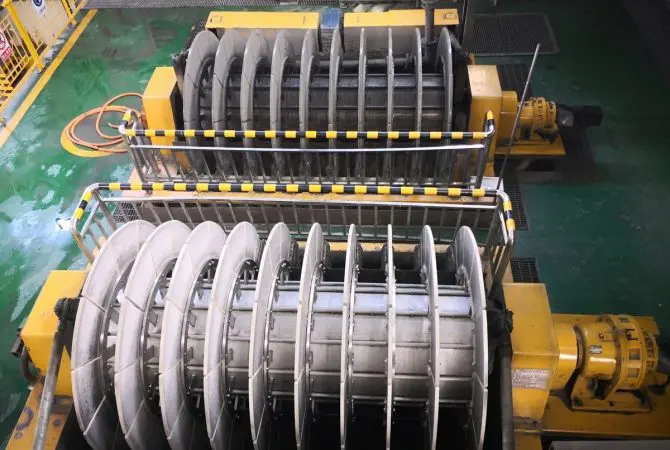
The best-known of the exogenetic ores is alluvial gold which also called placer gold. Alluvial gold refers




Heap leaching is a widely used method for recovering gold from low-grade ores, but its efficiency depends on several interconnected factors. Even small changes in ore preparation, solution chemistry, or heap design can significantly affect gold recovery rates and leaching time.
The mineral makeup of the ore is one of the biggest factors affecting extraction efficiency. Free-milling gold is easier to leach, while refractory gold locked inside sulfides or silicate minerals is much harder to recover. Clay-rich ores can also reduce permeability and slow solution flow through the heap.
Ore must be crushed to an optimal size before stacking. If particles are too coarse, cyanide solution may not contact enough gold-bearing surfaces. If too fine, the heap can become compacted and restrict drainage. A balanced particle size distribution helps maximize contact while maintaining good permeability.
Good heap permeability allows leach solution to move evenly through the pile. Fine particles, clay, and excess moisture can cause channeling or ponding. Agglomeration with cement, lime, or other binders can improve particle clustering and reduce fines migration, helping the heap remain open and drain properly.
Cyanide concentration must be carefully controlled. Too little cyanide slows gold dissolution, while too much increases cost and environmental risk without necessarily improving recovery. pH is also critical; maintaining an alkaline environment helps prevent toxic hydrogen cyanide gas formation and supports efficient leaching.
Gold dissolution in cyanide requires oxygen as an oxidant. If oxygen levels are too low, leaching slows significantly. Proper aeration and solution flow help ensure enough oxygen is available throughout the heap.
The leach solution must be applied evenly across the heap. If irrigation is uneven, some zones may be under-leached while others become saturated. Over-irrigation can cause ponding and reduced oxygen transfer, while under-irrigation limits reagent contact. Uniform distribution is essential for efficient extraction.
Heap geometry affects both solution flow and pressure on the ore bed. Very tall heaps can compress lower layers and reduce permeability, while poorly designed pads may cause solution losses or uneven drainage. Proper heap construction, drainage systems, and lift height help maintain performance.
Gold extraction does not happen instantly. The ore needs enough time in contact with the cyanide solution for dissolution to occur. However, beyond a certain point, additional time may provide diminishing returns. The ideal leach cycle balances recovery targets with operating cost and throughput.
Temperature can influence reaction rates, with warmer conditions generally improving leaching kinetics. Cold climates may slow extraction, while excessive heat can increase evaporation and solution loss. Rainfall can dilute leach solutions and affect heap stability, so climate must be considered in site design and operation.
Certain minerals consume cyanide or oxygen, reducing efficiency. Copper minerals, sulfides, carbonaceous material, and reactive iron-bearing minerals can all interfere with gold recovery. In some cases, pretreatment or higher reagent consumption is needed to offset these effects.
Consistent monitoring of pH, cyanide strength, flow rate, solution inventory, and recovery trends is essential. Even a well-designed heap can underperform without proper operational control. Regular sampling and adjustment help maintain optimal leach conditions throughout the process.
Heap leaching gold extraction efficiency depends on ore properties, crushing, permeability, solution chemistry, oxygen, irrigation, and operational control. The best results come from matching heap design and leach conditions to the specific ore type. Careful optimization of each factor can improve gold recovery, reduce reagent use, and lower overall processing costs.
A: The right process depends on your ore’s mineralogy, grade, particle size, and liberation characteristics — not on guesswork. The reliable way is to run laboratory and pilot tests first. These tests define whether flotation, gravity separation, magnetic separation, or leaching (or a combination) will deliver the best recovery and grade. We start every project with ore characterization and bench-scale tests, then scale up to pilot validation before committing to plant design — a testing-first approach that avoids costly process mistakes later.
A: Reagent selection depends on the mineral’s surface chemistry and the ore’s gangue composition. Collectors, frothers, depressants, and modifiers are chosen — and their dosages fine-tuned — through laboratory flotation tests on your actual ore sample, not from generic recipes. Over- or under-dosing both hurt recovery. Our metallurgical lab tests reagents on your ore to lock in the right combination and dosage before plant-scale operation, then re-optimizes during commissioning.
A: Heap leaching suits low-grade, high-tonnage ores — crushed ore is stacked and irrigated with a leaching solution, giving low capital and operating cost but slower, weather-dependent recovery. CIL (carbon-in-leach) and CIP (carbon-in-pulp) both use cyanide solution and activated carbon, but differ in where adsorption happens: CIL adds carbon during leaching, which suits clayey or high-fines ores; CIP adds carbon after leaching, which suits clean, free-filtering pulps. The choice comes down to ore type, grade, and throughput — we evaluate all three against your ore to recommend the most economical route.
A: Start by diagnosing where the loss occurs — usually in grinding, classification, or the separation stage itself. Common levers include: optimizing grind size for better liberation, upgrading to more efficient separation equipment (flotation cells, magnetic separators, spirals), automating control for steadier operation, and re-running metallurgical tests when the ore type changes. A structured audit plus targeted equipment or process upgrades typically recovers 2–5% more metal. We provide exactly this — process audits, equipment upgrades, and full EPC retrofits — to lift both recovery and grade.
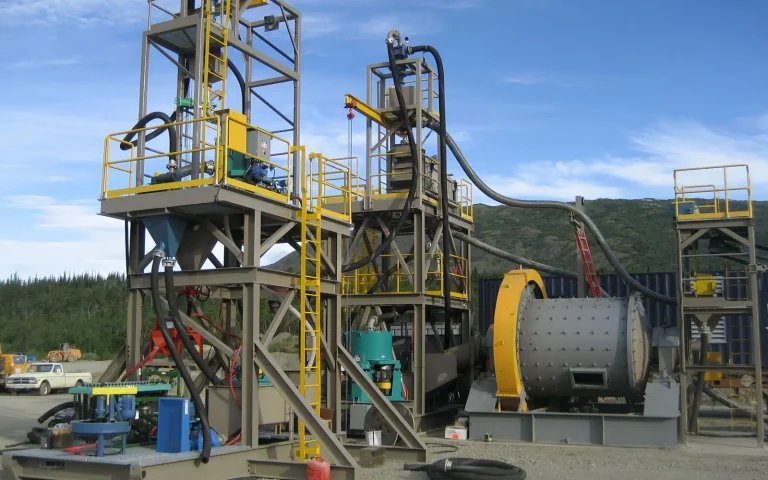
The best-known of the exogenetic ores is alluvial gold which also called placer gold. Alluvial gold refers
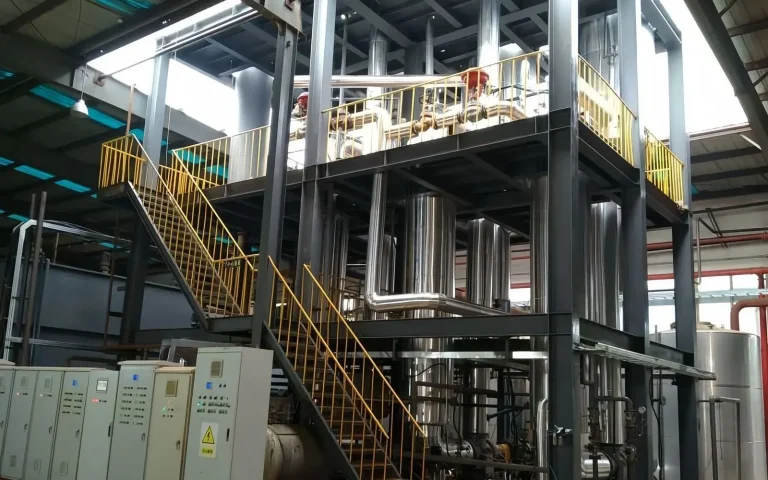
We can provide direct lithium extraction (DLE) solution to recover the lithium from salt lake brine
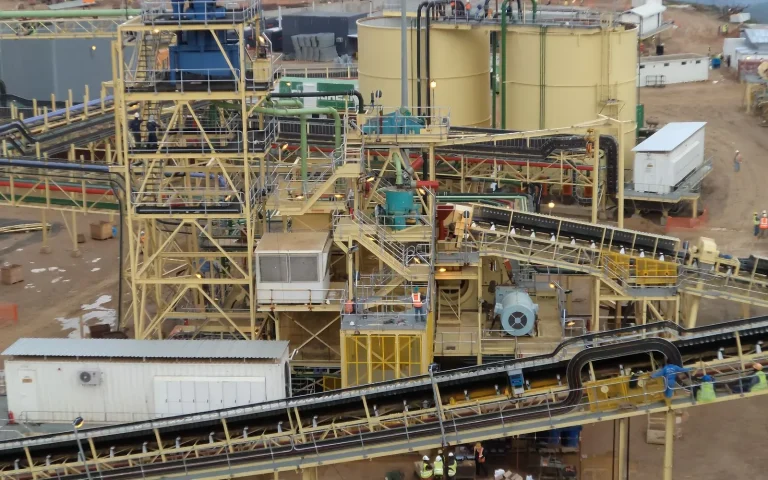
Provide important equipment in the gold ore processing process, such as CIL/CIP System, Flotation Cell…

Raw Ore: Oxide Type Gold Ore Gold Grade: 3.5 g/t Gold Ingot Purity: 99.5%
Raw Material: Fluorite Ore (CaF₂) Fluorspar Grade: 35% CaF₂ Concentrate Grade: 97% CaF₂
Raw Ore: Limonite Type Laterite Nickel Ore Ni Grade: 1.2% Co Grade: 0.12%
Raw Ore: Porphyry Gold-Copper Ore Gold Grade: 0.8-1.5 g/t Copper Grade: 0.6-0.9%
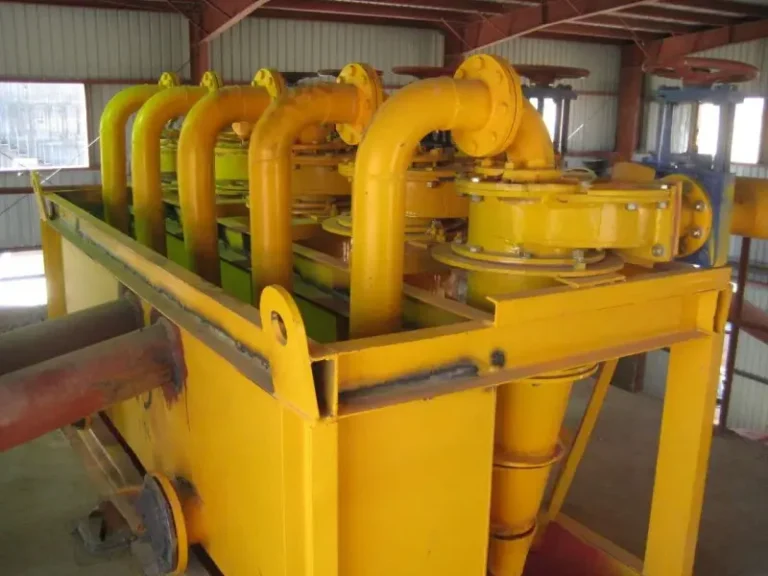
Raw Ore: Alluvial Tin Ore (Cassiterite) Tin Grade: 0.8% Concentrate Grade: 65%
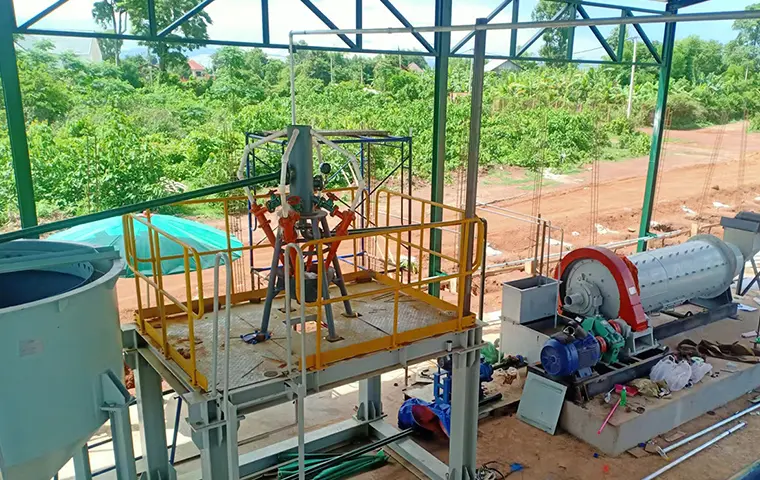
Features: Compact layout, full process coverage, low investment cost, and fast deployment. Designed for Startups & Small Mines — Your flexible and efficient gold solution!
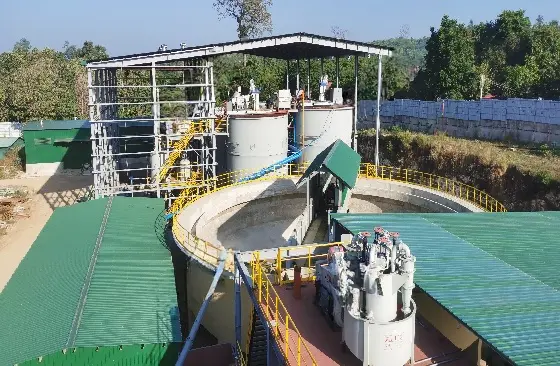
Location: Tanzania, Africa & Central Kalimantan, Indonesia Ore Type: Low-Grade Sulfide Ore (1.2–1.8 g/t Au)
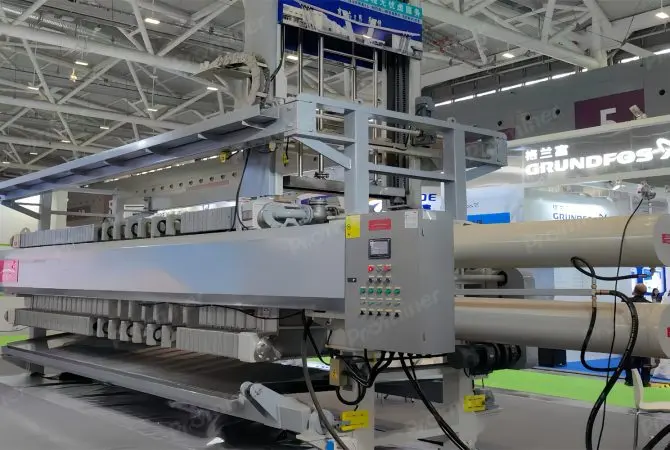
Prominer can provide press filter, belt vacuum filter, disk vacuum filter and ceramic filter
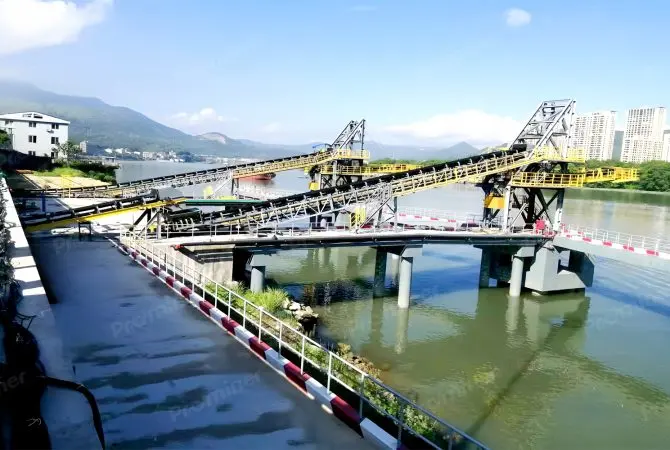
We can provide the solution of belt conveyors for different purposes include steeply inclined belt conveyor
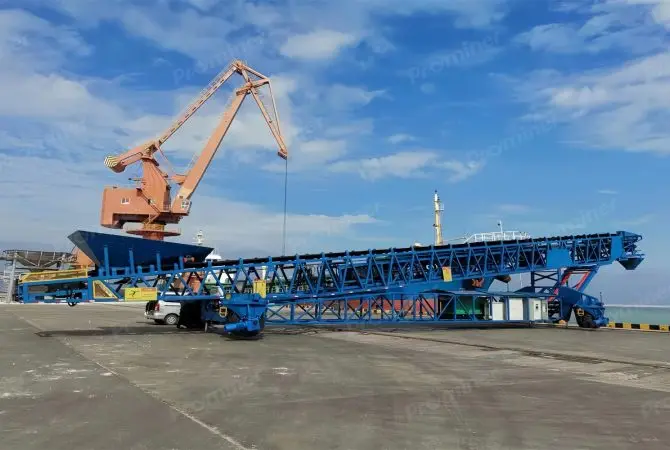
Our engineer team can design and manufacture the mobile type radial stacker, loader
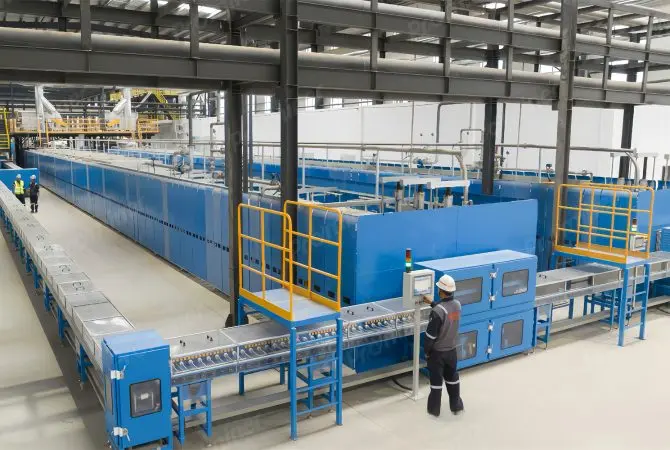
We can provide the complete solution for high temperature carbonization treatment system
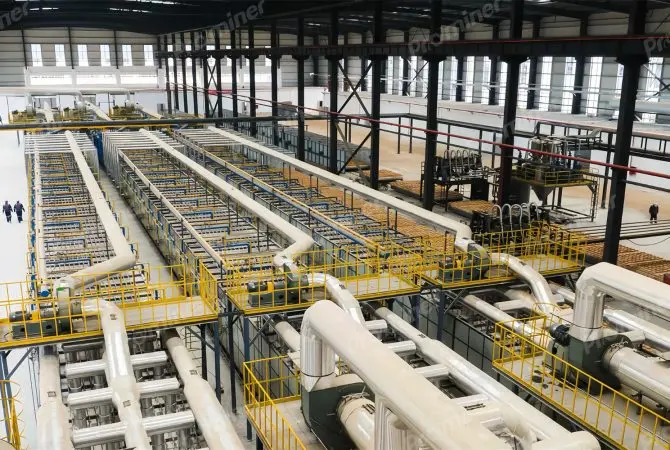
Prominer provides various types of furnaces for primary and secondary baking of carbon
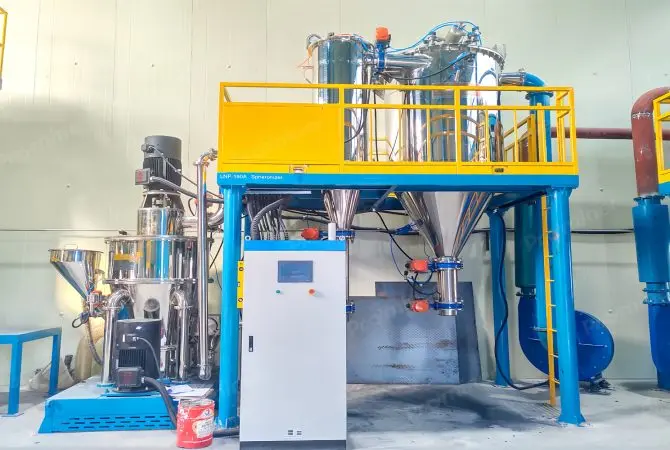
Besides strict PSD requirements, Anode Graphite also requires a spherical shape in order
To find out more about our products and solutions, please fll out the form below and one of our experts will get back to you shortly
3000 TPD Gold Flotation Project in Shandong Province
2500TPD Lithium Ore Flotation in Sichuan
Fax: (+86) 021-58779592
Address: Room 606, Building D3, Phase II, Chuansha Business Center, 777 Long, Miaochuan Road, Pudong New Area, Shanghai,China
Copyright © 2023. Prominer (Shanghai) Mining Technology Co.,Ltd.