



Flotation is the most popular processing way in gold ore processing project. Because the flotation process


Reverse flotation is a critical process in quartz sand beneficiation, primarily used to remove impurities such as iron oxides, feldspar, mica, and other gangue minerals. The efficiency of reverse flotation directly affects the purity and commercial value of the final quartz product. Several technical and operational factors influence the performance of this process.
The mineralogical composition of quartz sand plays a decisive role in reverse flotation efficiency. Key factors include:
A thorough mineralogical analysis before processing helps optimize flotation parameters.
Grinding fineness directly affects mineral liberation and flotation performance.
An optimal particle size range ensures maximum exposure of impurity minerals while minimizing slime production.
The pH value of the flotation pulp significantly influences reagent performance and mineral surface properties.
Maintaining a stable chemical environment is essential for consistent flotation results.
Reagents are central to reverse flotation efficiency. These include:
Excessive or insufficient reagent dosage can reduce selectivity, increase costs, and lower recovery rates. Careful reagent optimization is crucial.
Pulp concentration affects collision probability between particles and air bubbles.
An optimal pulp density balances selectivity and recovery.
Mechanical conditions within the flotation cell also impact performance:
Modern flotation equipment with precise control systems can significantly improve efficiency and stability.
Water chemistry can influence flotation reactions.
Using clean or properly treated water enhances process stability.
Temperature affects reagent solubility, chemical reaction rates, and pulp viscosity.
Maintaining a suitable operating temperature helps sustain consistent flotation performance.
Reverse flotation efficiency in quartz sand beneficiation depends on a combination of mineral characteristics, grinding conditions, chemical environment, reagent systems, and operational parameters. Optimizing these factors through laboratory testing and process control can significantly improve impurity removal, increase quartz purity, and reduce operational costs. A systematic and integrated approach is essential for achieving high-quality quartz products in industrial applications.
A: For graphite resources, a complete solution should cover both natural graphite flotation and deep processing. The ball mill and hydrocyclone system serve as the basic grinding stage. For advanced anode material production, the shaping mill is essential to improve tap density and reduce specific surface area. Additionally, the Prominer coating system, which combines coating and granulation functions, is a key step in processing high-profit anode materials.
A: Process selection depends entirely on the ore’s characteristics. The Gold CIL/CIP process is a very popular and effective way to process high-grade oxide type gold ore. For many other gold projects, flotation remains the most popular processing method. For owners looking to save investment at the initial stage, vat leaching or heap leaching are flexible and economic options. We recommend starting with a lab & pilot test to determine the most efficient and scientific process flow.
A: Magnetic separation is critical for mineral upgrading. We provide both HIMS (High Intensity) and LIMS (Low Intensity) magnetic separators to handle different mineral magnetic properties. In an optimized plant design, this technology is integrated with a high-performance crushing system—utilizing single-cylinder or multi-cylinder hydraulic cone crushers—and a grinding system. This ensures that waste rock is rejected early, significantly improving productivity and saving energy.
A: Designing a successful plant requires a comprehensive EPC (Engineering, Procurement, and Construction) service. Key considerations include engineering design (site surveys, sampling guidance, and PFD drawings) and equipment customization to ensure machinery matches the specific ore characteristics. For example, Prominer can customize linear screens up to 5.1m in width for large-scale grading and dewatering. Finally, professional on-site services, including civil work supervision and commissioning, are vital for long-term stable operation.
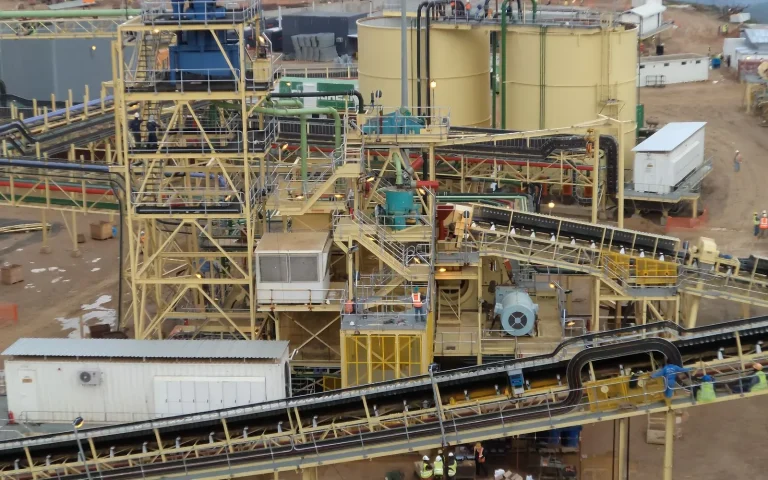
Flotation is the most popular processing way in gold ore processing project. Because the flotation process
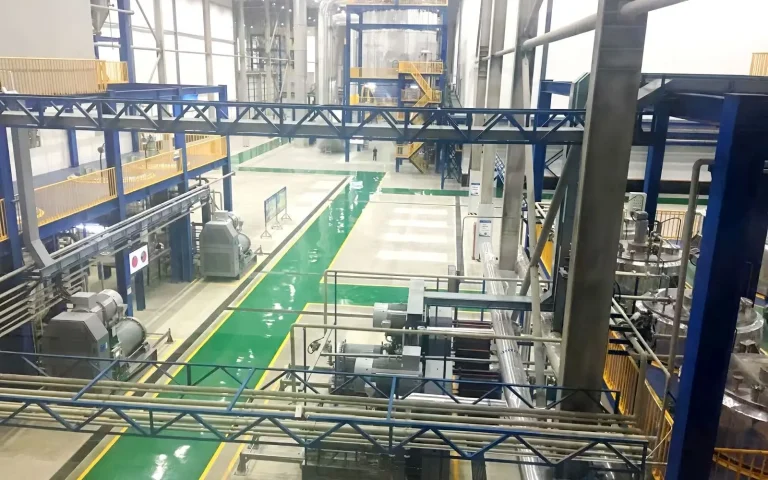
Cathode material is one of the key materials to determine the performance of lithium-ion batteries
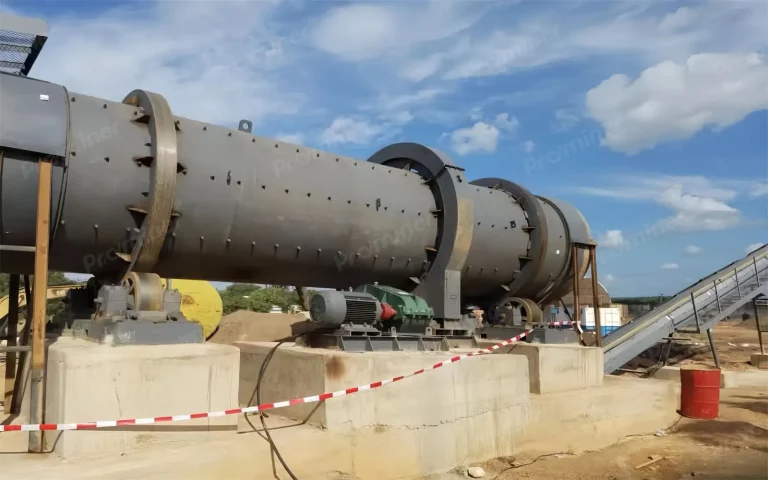
Heap leaching is a traditional cyanide leaching processing way which is flexible and economic to extract gold

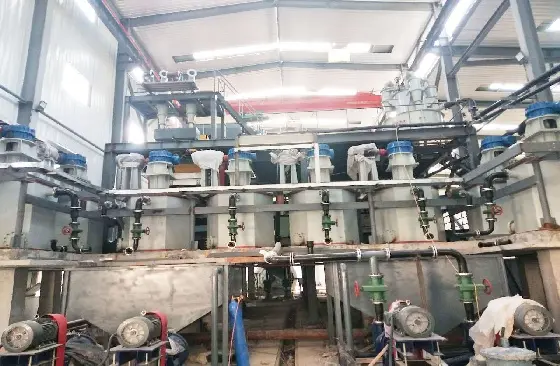
Raw Material: Quartzite Rock (SiO₂: 97.8%) Photovoltaic Grade: SiO₂≥99.99%, Fe₂O₃≤10ppm
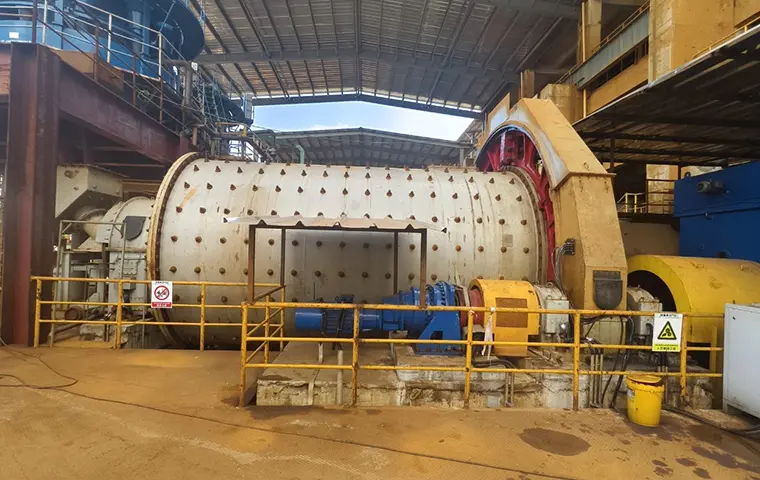
Located in Indonesia, this project focuses on the efficient regrinding of nickel ore to enhance mineral upgrading and deep processing. Prominer (Shanghai) Mining Technology Co., Ltd.
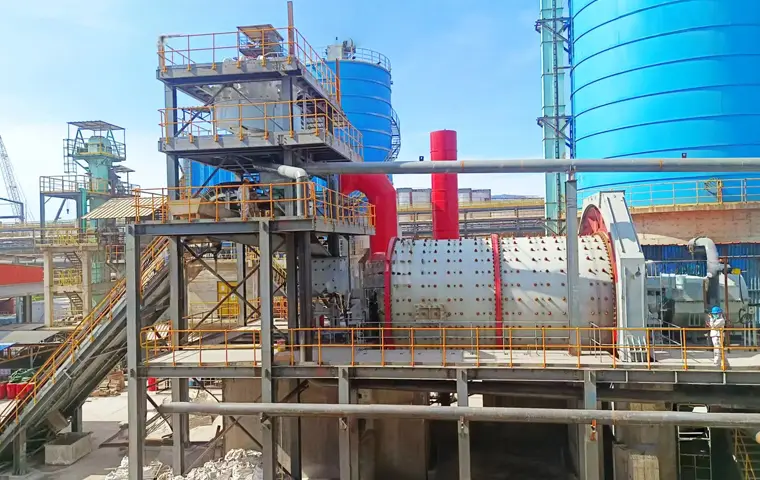
Raw Material: High-Calcium Limestone Final Product: Cement Raw Material Powder (200 mesh) & Construction Aggregate
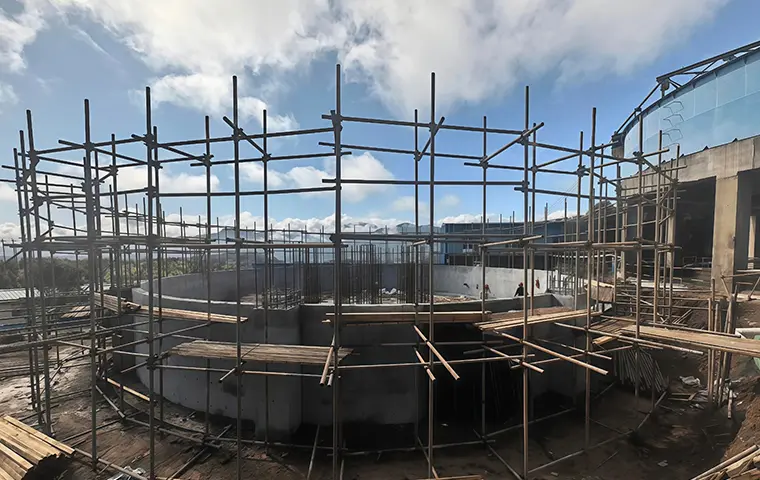
Raw Ore: Sulfide Type Gold Ore Gold Grade: 3.5 g/t Gold Recovery Rate: 92%
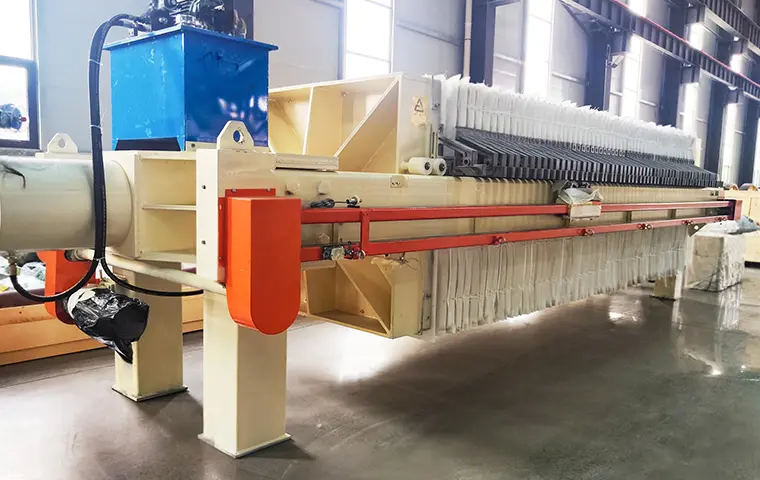
Project Background: Upgrade of dewatering circuit for flotation concentrate and plant tailings to reduce moisture content and enable dry stack disposal.
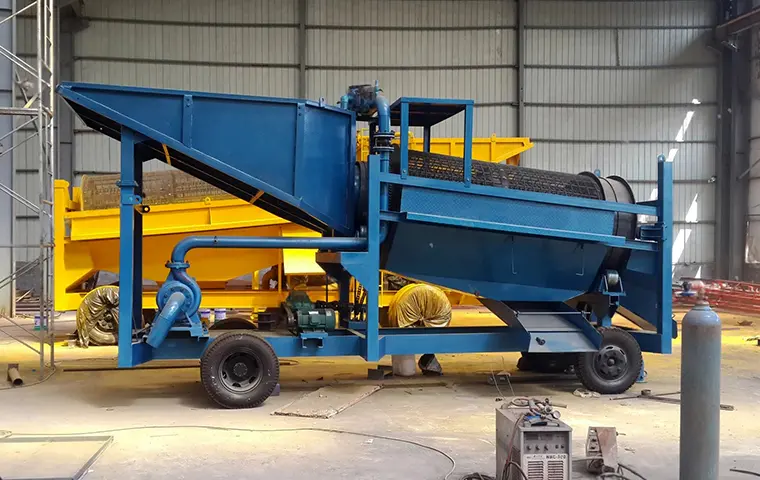
Raw Ore: Alluvial gold ore from riverbed and terrace deposits Gold Grade: 1.5 g/t Gold Recovery Rate: 92%
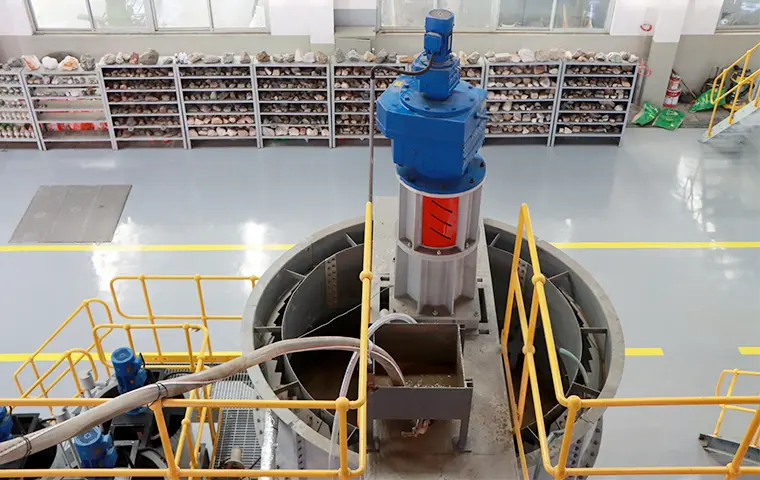
Raw Ore: High-Silica Phosphate Ore P2O5 Grade: 22% SiO2 Content: 35%
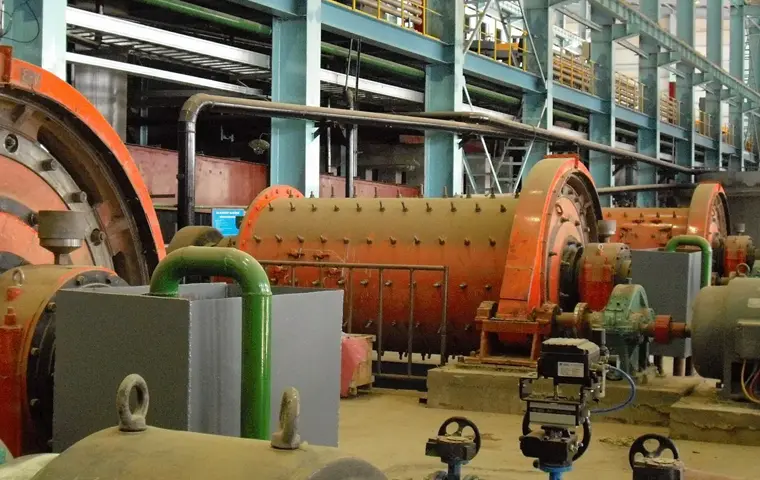
Raw Ore: Sulfide Type Molybdenum Ore (Mainly Molybdenite) Mo Grade: 0.15% Concentrate Grade: 45% Mo
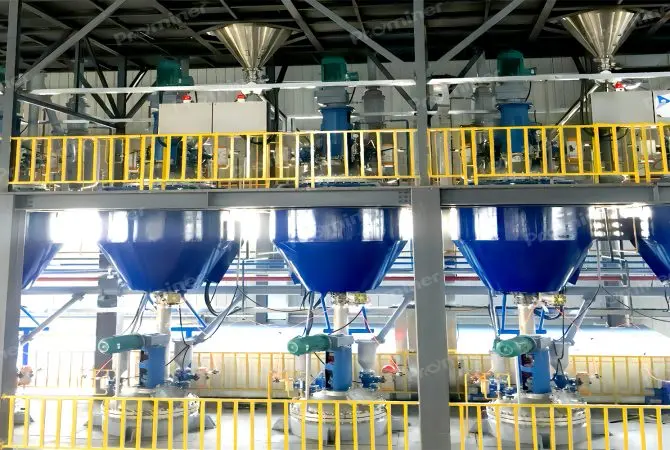
Our granulation reactor combines the coating and granulation processing functions together
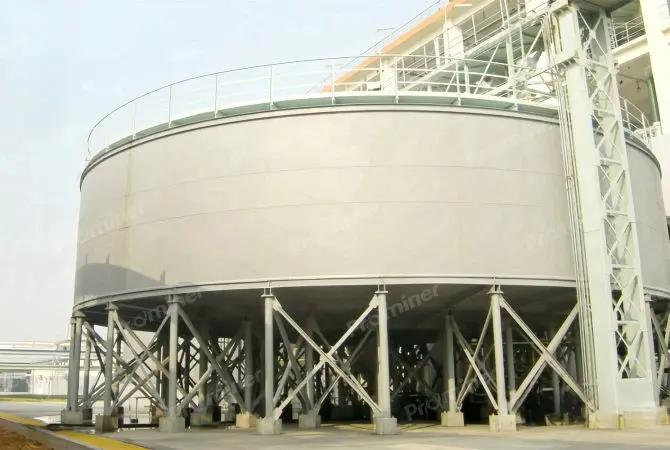
Prominer can provide different kinds of thickeners include center driving thickener, peripheral traction thickener
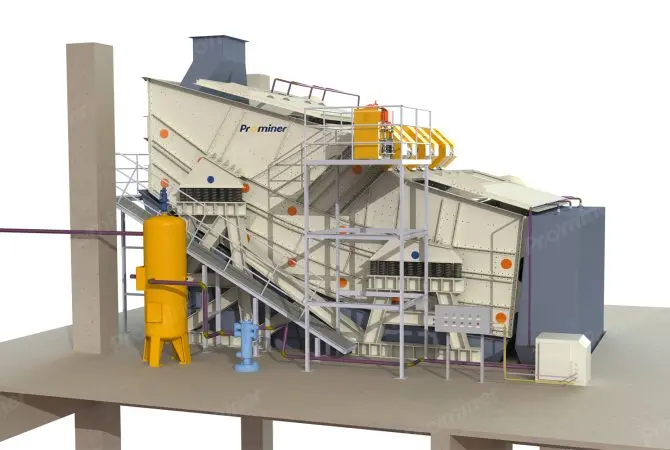
Banana screen is also well known as constant bed thickness screen. Prominer has the ability to supply dry
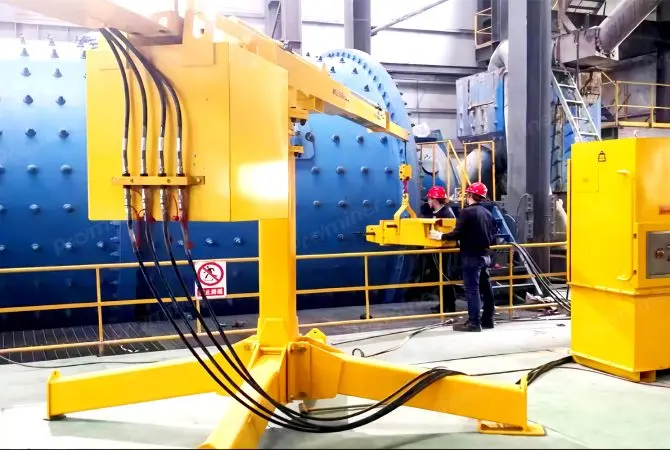
We can manufacture the highly automated and powerful recoilless Bolt Hammer to remove
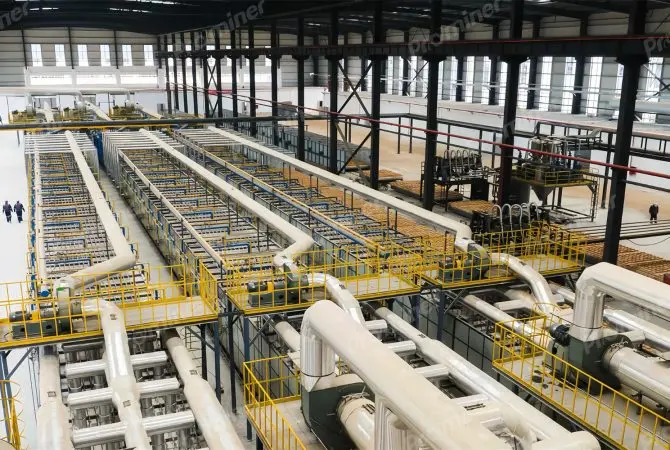
Prominer provides various types of furnaces for primary and secondary baking of carbon
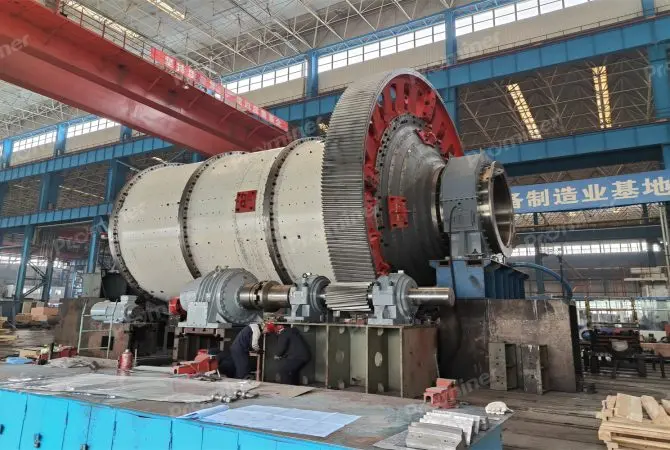
We can design and manufacture grate type ball mill for mineral primary grinding
To find out more about our products and solutions, please fll out the form below and one of our experts will get back to you shortly
3000 TPD Gold Flotation Project in Shandong Province
2500TPD Lithium Ore Flotation in Sichuan
Fax: (+86) 021-58779592
Address: Room 606, Building D3, Phase II, Chuansha Business Center, 777 Long, Miaochuan Road, Pudong New Area, Shanghai,China
Copyright © 2023. Prominer (Shanghai) Mining Technology Co.,Ltd.


