



Provide important equipment in the gold ore processing process, such as CIL/CIP System, Flotation Cell…


Quartz sand is a vital raw material used in industries such as glass manufacturing, foundry production, ceramics, construction, electronics, and water filtration. However, not all quartz sand is the same. Its suitability for a given application depends heavily on its purity, particle size, mineral composition, and physical characteristics. Because of this, selecting the right processing method is a critical step in maximizing product quality and economic value.
The choice of quartz sand processing method is influenced by several technical and practical factors. Understanding these factors helps producers determine the most effective way to remove impurities, improve whiteness, control grain size, and meet market requirements.
The nature of the raw quartz ore is one of the most important factors in selecting a processing method. Different deposits contain varying amounts of impurities such as iron, clay, feldspar, mica, and heavy minerals. Some quartz ores are relatively pure and require only simple washing and screening, while others need more advanced treatments such as magnetic separation, flotation, or acid leaching.
The structure of the ore also matters. If impurities are loosely attached to the quartz grains, mechanical scrubbing may be sufficient. If they are embedded within the quartz matrix, finer grinding and more complex separation techniques may be necessary.
The type and concentration of impurities largely determine the processing route. Iron impurities, for example, are especially important because they affect the color and quality of the final product. If iron exists as magnetic minerals, magnetic separation may be effective. If it is present as thin films or staining on the quartz surface, scrubbing or acid leaching may be required.
Clay and organic matter can often be removed through washing and desliming, while feldspar and mica may require flotation for separation. The more complex the impurity profile, the more sophisticated the processing method needs to be.
Different industries have different standards for quartz sand purity. Construction applications may tolerate lower purity levels, while high-end glass, optical materials, semiconductors, and photovoltaic products require extremely low impurity content.
For lower-grade applications, basic processing methods such as crushing, washing, and screening may be enough. For high-purity quartz sand, the processing line may include multiple stages such as attrition scrubbing, magnetic separation, flotation, acid leaching, and precision classification. The final purity target strongly influences the complexity and cost of the chosen process.
Particle size specifications are another major factor. Some end uses require coarse quartz sand, while others need fine or ultra-fine particles with narrow size distribution. To meet these requirements, producers may use crushing, grinding, screening, hydraulic classification, or air classification.
The selected method must ensure that the final product has the proper granularity without generating excessive fines or causing unnecessary loss of material. In many cases, particle shape and uniformity are also important for performance in industrial applications.
The final application of the quartz sand directly affects the processing method selection. For example, quartz sand used in glass manufacturing often requires low iron content and consistent grain size. Foundry sand needs high thermal stability and specific grain characteristics. Water filtration sand must meet strict size and cleanliness standards, while quartz for electronic or solar applications demands extremely high purity.
Because each industry has unique technical requirements, processing methods must be tailored to produce quartz sand that matches those standards.
The required production capacity plays a practical role in method selection. Large-scale industrial plants often prefer continuous, highly efficient processes with automated equipment. Smaller operations may choose simpler systems with lower capital investment.
Production scale also influences the feasibility of adding advanced purification stages. A high-capacity plant supplying premium markets may justify the cost of complex processing, while a small plant serving local construction demand may focus on basic beneficiation methods.
Economic considerations are central to selecting quartz sand processing methods. Some techniques, such as washing and screening, involve relatively low investment and operating costs. Others, such as flotation systems, high-intensity magnetic separators, or acid leaching facilities, require greater capital, higher energy use, and more technical management.
A processing method must strike a balance between product quality and production cost. The ideal solution is one that achieves the required specifications while maintaining profitability and efficient resource use.
Environmental regulations increasingly influence mineral processing decisions. Water consumption, wastewater discharge, dust control, chemical use, and tailings management all affect the choice of process.
For example, acid leaching can produce excellent purification results, but it requires careful handling of chemicals and waste liquids. In areas with strict environmental rules, producers may prioritize cleaner or closed-loop processing systems to reduce environmental impact and ensure compliance.
Quartz sand processing often depends on sufficient supplies of water and power. Washing, classification, scrubbing, and flotation all require water, while crushing, grinding, magnetic separation, and drying consume electricity or fuel.
In regions where water is scarce or energy costs are high, producers may need to adopt more resource-efficient methods. The local availability and cost of utilities can significantly shape the final processing flowsheet.
The level of available technology and workforce skill also influences method selection. Advanced purification techniques require specialized equipment, precise control, and experienced operators. If a facility lacks technical expertise, overly complex methods may lead to unstable operation or inconsistent product quality.
Choosing a method that matches the operator’s technical capacity can improve efficiency, reduce downtime, and ensure reliable output over the long term.
Market conditions can determine whether a producer should aim for standard-grade or high-value quartz sand. If demand is strong for premium products, investing in advanced purification technology may be worthwhile. If the market is focused on bulk, lower-cost material, simpler processing may be the better choice.
Product positioning in the marketplace should align with processing strategy. The selected method should support both customer expectations and the producer’s business goals.
The selection of quartz sand processing methods depends on a combination of geological, technical, economic, environmental, and market-related factors. Raw ore composition, impurity characteristics, target purity, particle size requirements, intended application, and production budget all play essential roles in determining the best processing route.
There is no universal solution for every quartz deposit. The most effective approach is to evaluate the raw material carefully, define the desired product specifications clearly, and design a processing method that delivers the required quality at a reasonable cost. By considering these factors comprehensively, producers can improve efficiency, reduce waste, and maximize the value of their quartz sand resources.
A: The choice depends entirely on your ore’s mineral characteristics:
Gravity Separation: Best for coarse-grained minerals with large density differences (e.g., placer gold).
Flotation: Ideal for fine-grained base metals (e.g., copper oxide) or removing impurities from non-metallic minerals (e.g., quartz sand).
Cyanidation (CIP): Necessary for fine, encapsulated precious metals (e.g., rock gold) to maximize chemical extraction.
A: This approach prevents over-grinding (creating excessive ultra-fine particles), which ruins flotation efficiency. By grinding in stages and immediately separating recovered minerals or waste at each stage, you significantly reduce energy consumption, minimize steel media wear, and protect valuable minerals from turning into unrecoverable slime.
A: Fine particles have low mass and high surface areas, making them hard to float. Key solutions include:
Advanced Reagents: Using highly selective collectors and flocculants to aggregate fine particles.
Micro-bubble Technology: Utilizing flotation columns that generate smaller bubbles to increase particle-bubble collision rates.
Desliming: Removing harmful ultra-fine slimes before the flotation stage to clear the process environment.
A: Relying on a single method is rarely enough. The key is a combined metallurgical flowsheet:
For High-Purity Quartz: Integrate scrubbing, magnetic separation (to remove iron), flotation (for feldspar), and acid leaching for the ultimate purity.
For Precious Metals: Combine gravity separation (to catch coarse gold early) with flotation and CIP (to extract fine gold), ensuring zero valuable minerals are wasted.
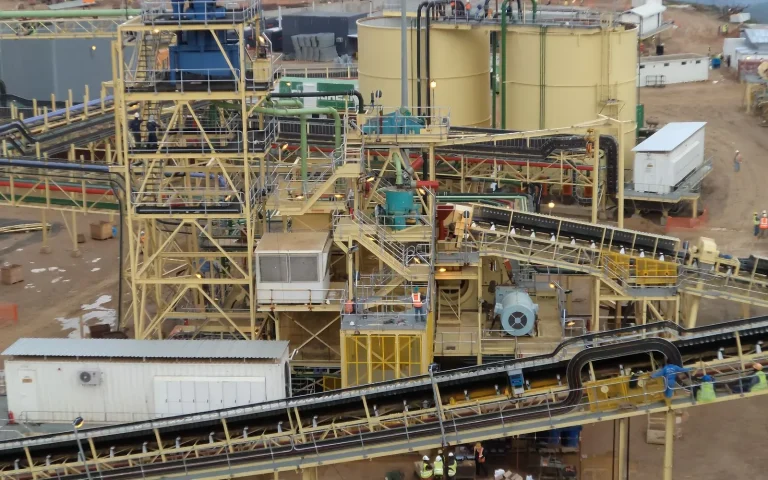
Provide important equipment in the gold ore processing process, such as CIL/CIP System, Flotation Cell…
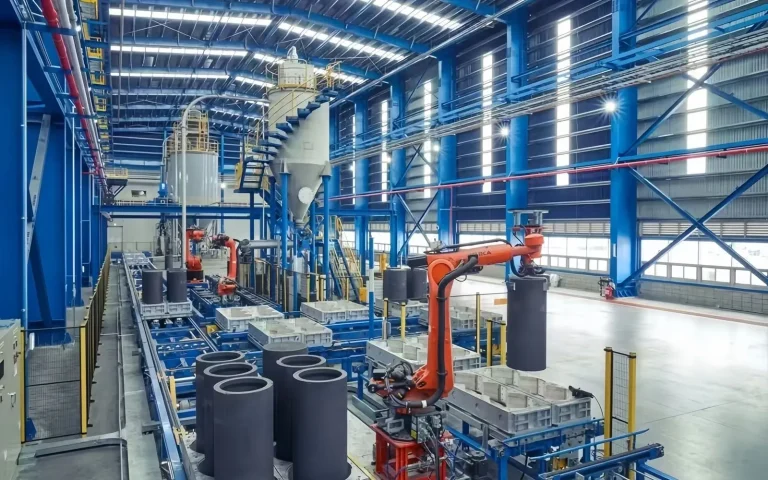
Provide the complete solution for making graphite anode materials include grinding, shaping, purification…
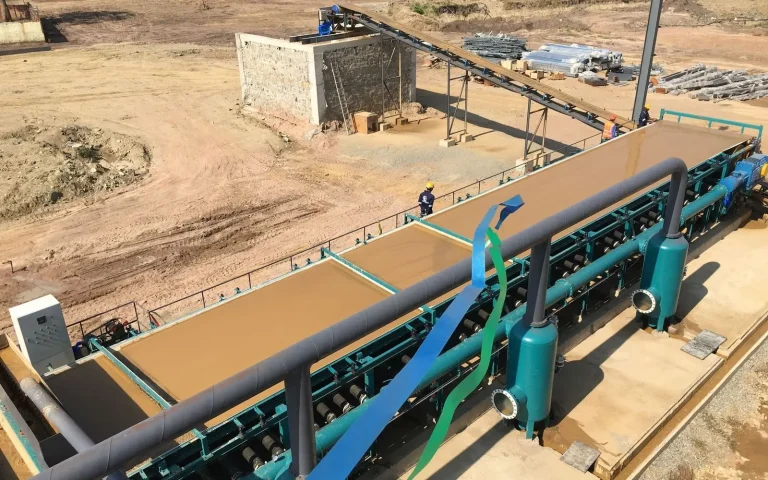
Gold CIL process (carbon in leaching) is very popular way to process the high grade oxide type gold ore

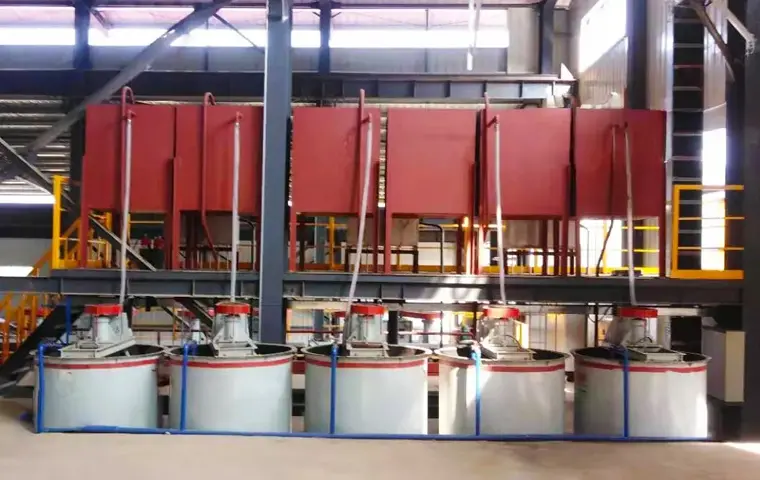
Raw Ore: Mixed Type Gold Ore (Oxide & Sulfide) Gold Grade: 2.8 g/t Gold Recovery Rate: 92% (Post-Optimization)
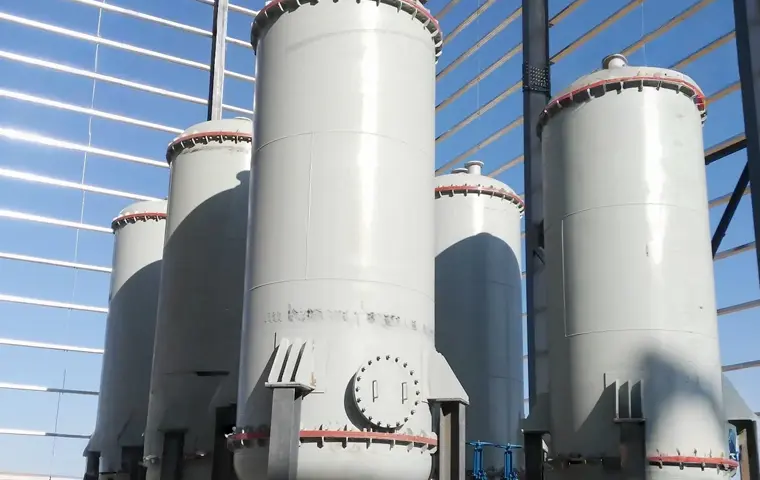
Raw Ore: Sulfide Type Gold Ore Gold Grade: 1.2 g/t Operating Altitude: 4,200 meters
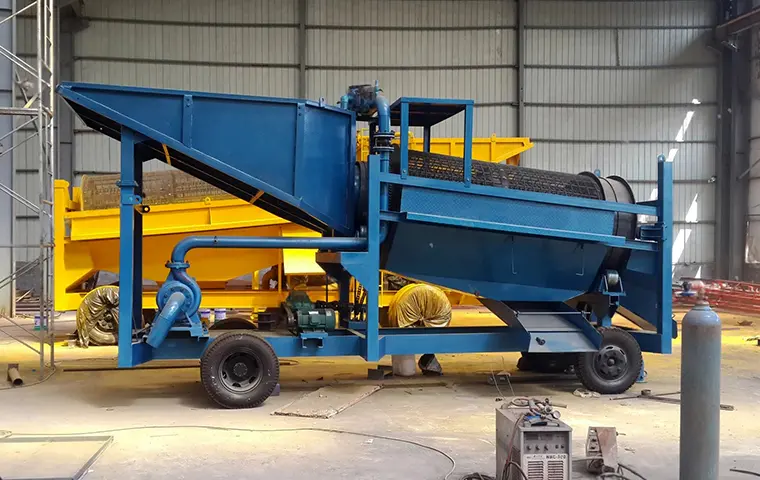
Raw Ore: Alluvial gold ore from riverbed and terrace deposits Gold Grade: 1.5 g/t Gold Recovery Rate: 92%
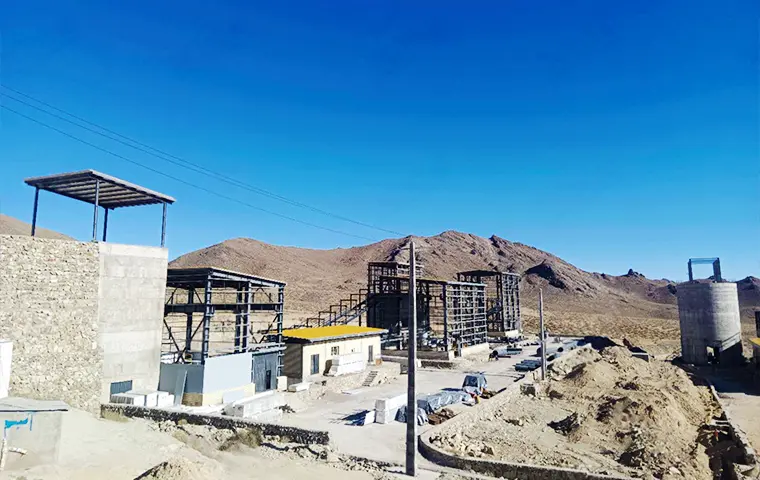
Raw Ore: Sulfide Type Copper Ore Copper Grade: 0.8% Final Product: Copper Concentrate
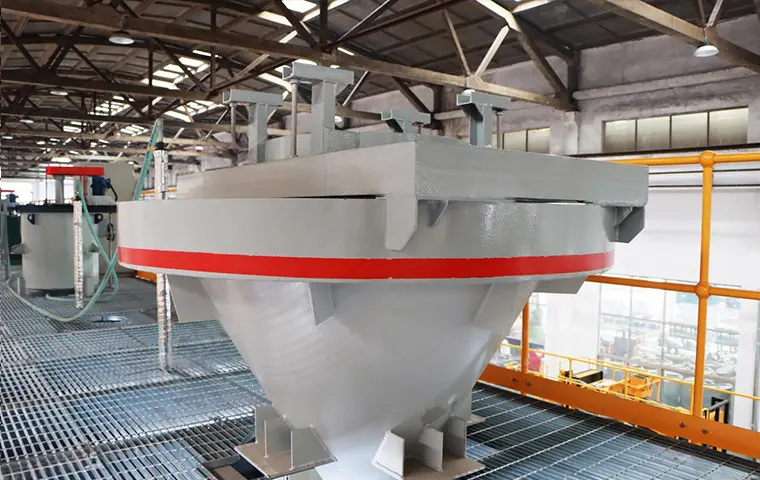
Raw Ore: Sulfide Type Gold Ore Gold Grade: 3.5 g/t Final Product: Gold Ingot Gold Recovery Rate: 96%
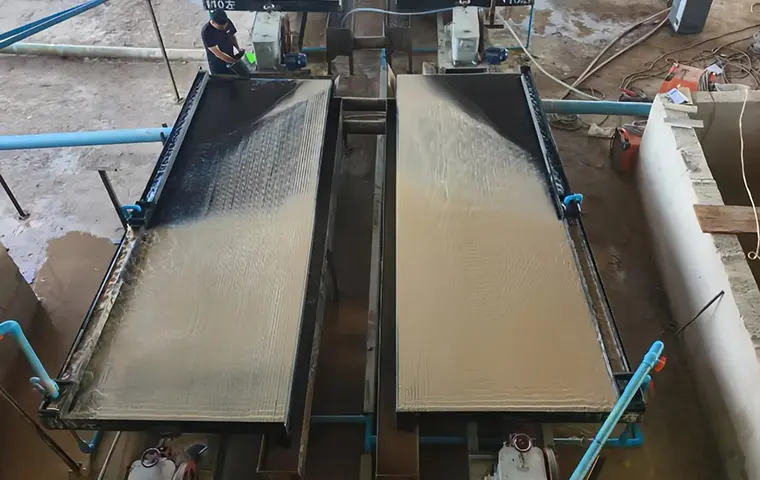
Raw Ore: Antimony sulfide ore with quartz vein Sb Grade: 3.5% Concentrate Grade: 55%
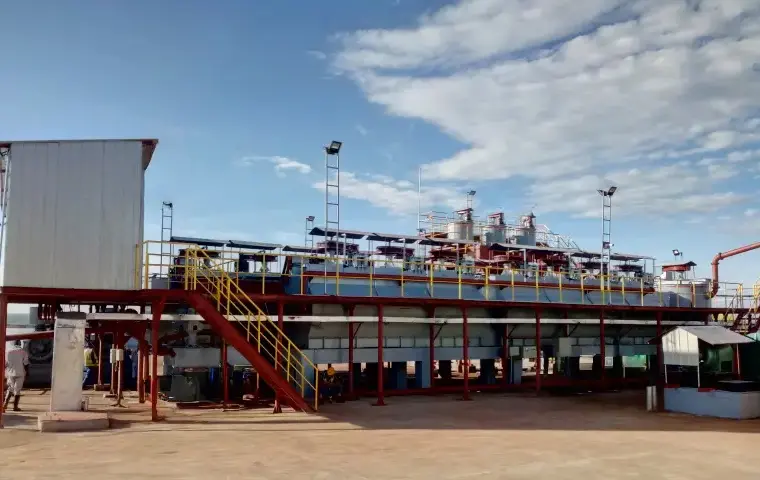
Raw Ore: Complex phosphate ore with silica and carbonates P2O5 Grade: 18.5% Concentrate Grade: 32% P2O5
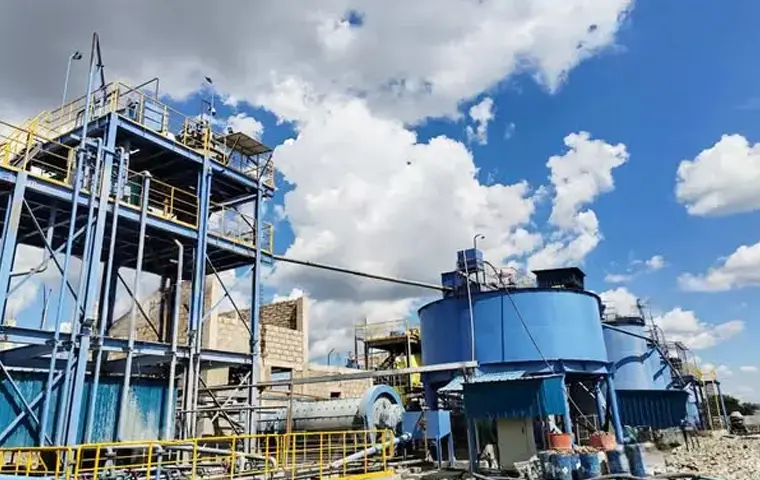
Raw Ore: Copper-Gold Ore Copper Grade: 1.2% Gold Grade: 1.5 g/t Recovery Rate: Copper 89%, Gold 88%
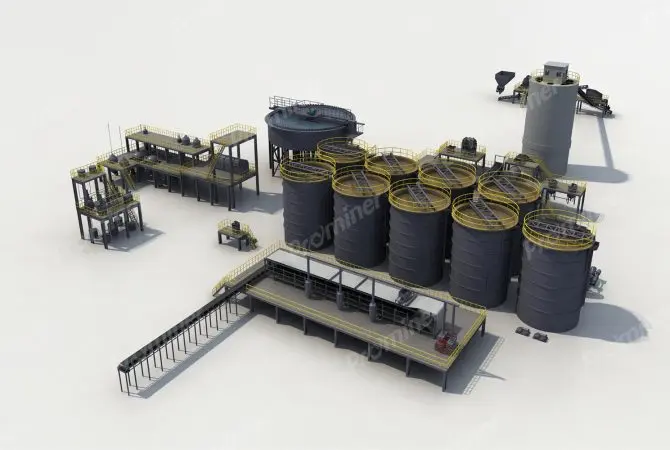
Prominer can provide the complete solution for CIL (carbon in leaching) system
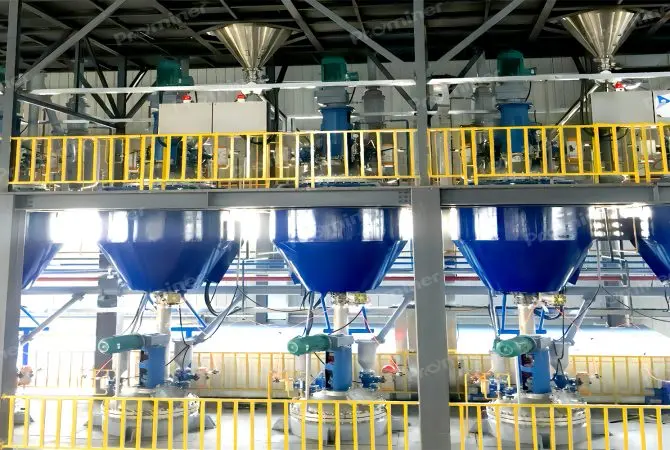
Our granulation reactor combines the coating and granulation processing functions together
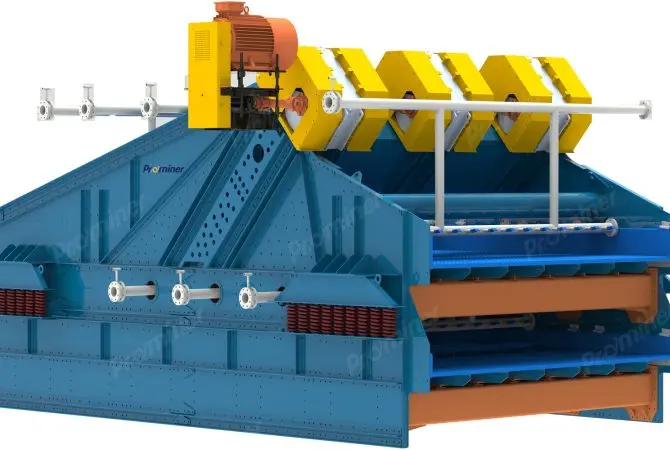
Prominer can provide all kinds of linear screen for mineral grading, material sizing, dewatering
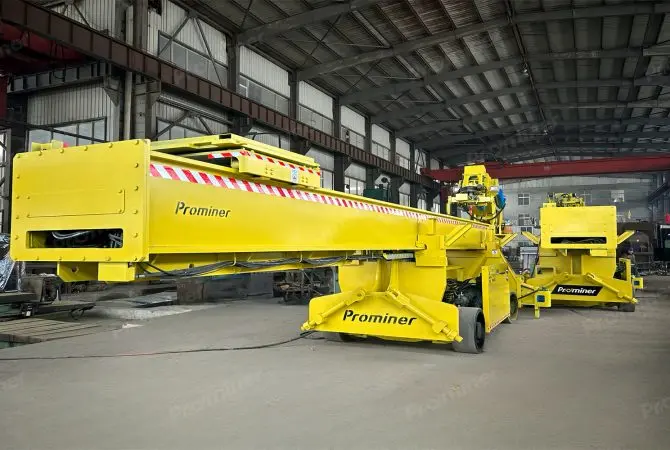
We can design and manufacture the mill relining machine (or called mill relining manipulator)
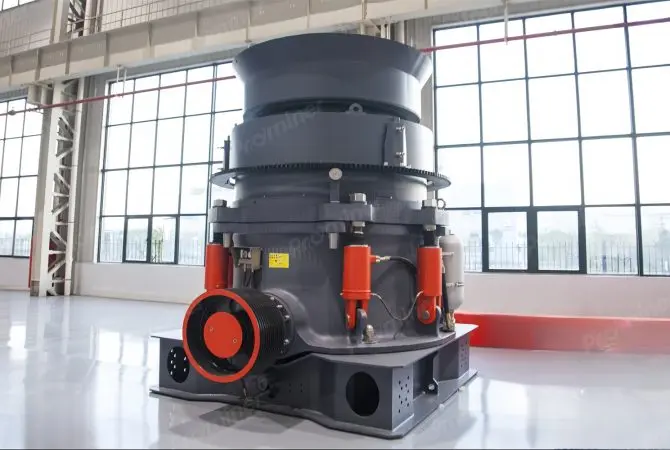
Multi-cylinder hydraulic cone crusher combines crusher speed, eccentricity and cavity profile
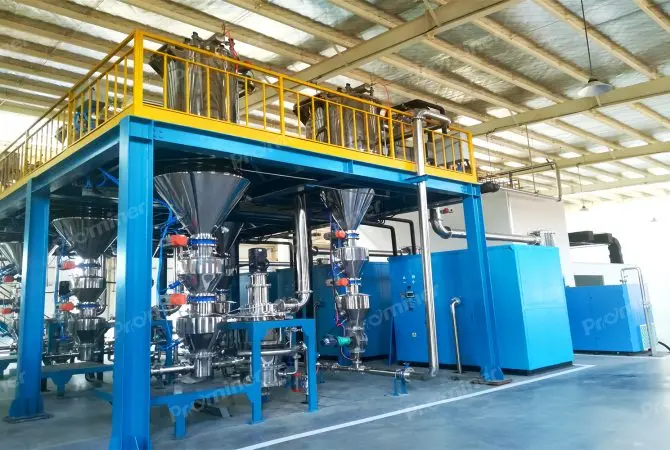
Jet mill is also called fluidized bed jet mill by using multiple nozzles to form sonic speed air flow
To find out more about our products and solutions, please fll out the form below and one of our experts will get back to you shortly
3000 TPD Gold Flotation Project in Shandong Province
2500TPD Lithium Ore Flotation in Sichuan
Fax: (+86) 021-58779592
Address: Room 606, Building D3, Phase II, Chuansha Business Center, 777 Long, Miaochuan Road, Pudong New Area, Shanghai,China
Copyright © 2023. Prominer (Shanghai) Mining Technology Co.,Ltd.


