

UHP graphite electrode is mainly used for ultra high power electric arc furnaces in steel smelting industry




Quartz sand flotation is a critical separation process used to remove impurities and improve the quality of quartz for glass, foundry, ceramics, electronics, and other industrial applications. The efficiency of this process depends on a combination of mineralogical, chemical, and operational factors. When these variables are carefully controlled, flotation can significantly enhance quartz purity and product value. Below are the main factors that influence the efficiency of quartz sand flotation.
The nature of the raw quartz sand has a direct effect on flotation performance. Quartz deposits often contain impurities such as feldspar, mica, iron-bearing minerals, clay, and heavy minerals. The type, quantity, and association of these impurities determine how easily they can be separated from quartz.
If impurities are loosely attached or occur as independent particles, flotation is generally more effective. However, when impurity minerals are finely intergrown with quartz, separation becomes more difficult and may require finer grinding or additional beneficiation stages.
Particle size plays a major role in flotation efficiency. For flotation to work well, impurity minerals must be sufficiently liberated from quartz surfaces. If particles are too coarse, the unwanted minerals may remain locked with quartz and fail to separate. If particles are too fine, slime coatings can form, reducing reagent effectiveness and impairing bubble-particle attachment.
An appropriate grinding process is therefore essential. The goal is to achieve adequate liberation without overgrinding, which can increase reagent consumption, reduce selectivity, and lower recovery.
The pH of the flotation pulp strongly affects mineral surface properties and reagent behavior. Different impurity minerals respond best under different pH conditions, and proper pH control helps improve selectivity between quartz and gangue minerals.
For example, in quartz sand flotation systems involving feldspar removal, acidic conditions are often used to activate certain minerals and enhance collector adsorption. The chemical environment, including dissolved ions in the water, can also influence flotation reactions and must be monitored carefully.
Flotation reagents are among the most important factors in determining process efficiency. Common reagents include collectors, frothers, activators, depressants, and regulators. Their selection depends on the specific impurity minerals present and the target product quality.
Using the right reagent system improves the hydrophobicity of impurity minerals while keeping quartz depressed, allowing selective separation. However, incorrect dosage can reduce efficiency. Insufficient reagent addition may result in poor impurity removal, while excessive dosage can cause non-selective flotation, higher costs, and contamination of the final product.
Pulp density affects the interaction between particles, reagents, and air bubbles. If the pulp is too dense, flotation may become unstable and reagent dispersion may suffer. If it is too dilute, the probability of particle-bubble collision can decrease, reducing recovery.
Conditioning time is equally important because reagents need enough time to interact with mineral surfaces before flotation begins. Proper conditioning ensures that the collectors and other chemicals are evenly distributed and effectively adsorbed, improving separation results.
Water quality can significantly influence quartz sand flotation, especially in regions where recycled process water is used. Dissolved salts, metal ions, organic matter, and suspended solids can interfere with reagent action and mineral surface chemistry.
Poor water quality may reduce selectivity, increase reagent consumption, and cause inconsistent flotation performance. Maintaining stable water chemistry or treating recycled water can help improve process reliability and concentrate quality.
The design and operating condition of flotation equipment also affect efficiency. Factors such as impeller speed, air flow rate, bubble size, and cell design influence the collision and attachment of impurity particles to air bubbles.
Efficient aeration creates a stable froth layer and promotes better separation. If air flow is too low, recovery may drop; if too high, turbulence can increase entrainment of unwanted particles. Well-maintained and properly adjusted equipment is therefore essential for achieving optimal flotation results.
Fine slimes and clay minerals are often problematic in quartz sand flotation. These materials can coat the surfaces of quartz and impurity minerals, reducing the selectivity of reagents and hindering flotation performance. They can also increase pulp viscosity and destabilize froth behavior.
Desliming before flotation is commonly used to remove excessive fines and improve the separation environment. This step can greatly enhance flotation efficiency, especially for ores with high clay content.
Although temperature is often a secondary factor, it can still influence reagent solubility, adsorption rates, and pulp viscosity. In some flotation systems, temperature changes can alter mineral response and froth characteristics.
Consistent operating conditions are important for maintaining stable flotation performance. Variations in feed composition, water chemistry, reagent addition, or plant settings can all lead to fluctuations in recovery and concentrate grade.
Pre-treatment processes such as washing, scrubbing, magnetic separation, and desliming can significantly improve quartz sand flotation efficiency. These steps remove surface coatings, iron contaminants, and fine mud that would otherwise interfere with flotation.
A well-designed pre-treatment circuit reduces the burden on the flotation stage and helps produce a cleaner, more uniform feed. As a result, reagent performance improves and the final quartz product can reach higher purity levels.
The efficiency of quartz sand flotation is influenced by a range of interconnected factors, including raw ore characteristics, particle size, pulp chemistry, reagent selection, water quality, equipment performance, and pre-treatment methods. Successful flotation depends on understanding these variables and optimizing them as a complete system rather than in isolation.
By carefully controlling these key factors, operators can improve impurity removal, reduce operating costs, and produce higher-grade quartz sand that meets demanding industrial specifications.
A: The choice depends entirely on your ore’s mineral characteristics:
Gravity Separation: Best for coarse-grained minerals with large density differences (e.g., placer gold).
Flotation: Ideal for fine-grained base metals (e.g., copper oxide) or removing impurities from non-metallic minerals (e.g., quartz sand).
Cyanidation (CIP): Necessary for fine, encapsulated precious metals (e.g., rock gold) to maximize chemical extraction.
A: This approach prevents over-grinding (creating excessive ultra-fine particles), which ruins flotation efficiency. By grinding in stages and immediately separating recovered minerals or waste at each stage, you significantly reduce energy consumption, minimize steel media wear, and protect valuable minerals from turning into unrecoverable slime.
A: Fine particles have low mass and high surface areas, making them hard to float. Key solutions include:
Advanced Reagents: Using highly selective collectors and flocculants to aggregate fine particles.
Micro-bubble Technology: Utilizing flotation columns that generate smaller bubbles to increase particle-bubble collision rates.
Desliming: Removing harmful ultra-fine slimes before the flotation stage to clear the process environment.
A: Relying on a single method is rarely enough. The key is a combined metallurgical flowsheet:
For High-Purity Quartz: Integrate scrubbing, magnetic separation (to remove iron), flotation (for feldspar), and acid leaching for the ultimate purity.
For Precious Metals: Combine gravity separation (to catch coarse gold early) with flotation and CIP (to extract fine gold), ensuring zero valuable minerals are wasted.
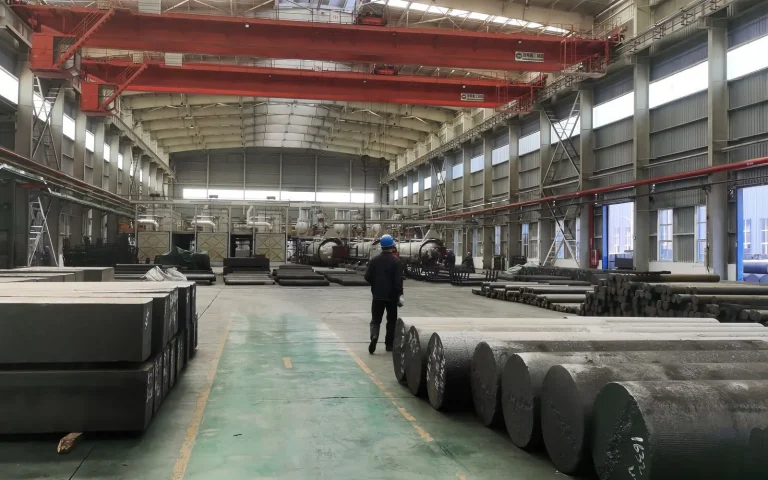
UHP graphite electrode is mainly used for ultra high power electric arc furnaces in steel smelting industry
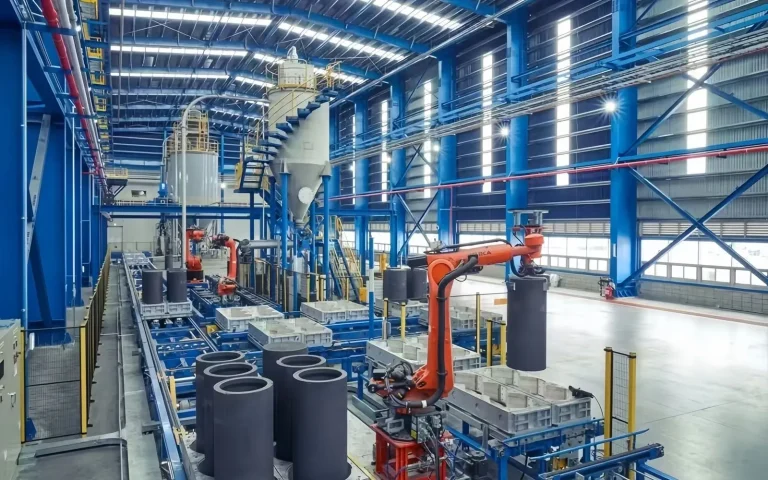
Prominer can provide the complete solution for making natrual graphite anode materials include grinding
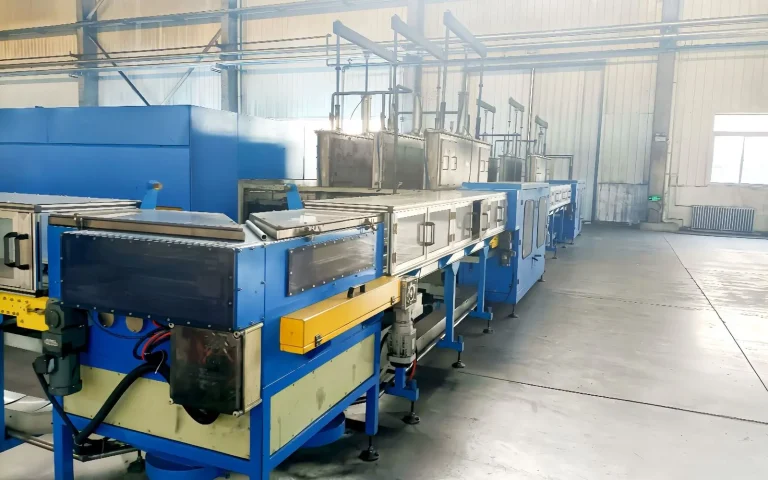
Hard carbon anode material is the most preferred materials for commercialization of sodium-ion battery

Raw Ore: Limonite Type Laterite Nickel Ore Ni Grade: 1.2% Co Grade: 0.12%
Raw Ore: Silver-Polymetallic Sulfide Ore (containing Ag, Pb, Zn) Silver Grade: 180 g/t Lead Grade: 4.2% Zinc Grade: 5.8%
Raw Ore: Alluvial Tin Ore (Cassiterite) Tin Grade: 0.8% Concentrate Grade: 65%
Raw Ore: Multi-metal sulfide ore (Cu, Zn, Au) Ore Grade: Cu 1.2%, Zn 2.5%, Au 1.5 g/t

Raw Ore: Sulfide Type Copper Ore (with associated gold) Gold Grade: 0.6 g/t Copper Grade: 1.2%
Raw Ore: Suitable for sulfide/oxide gold, copper, lithium, zinc, lead, and other non-ferrous metals
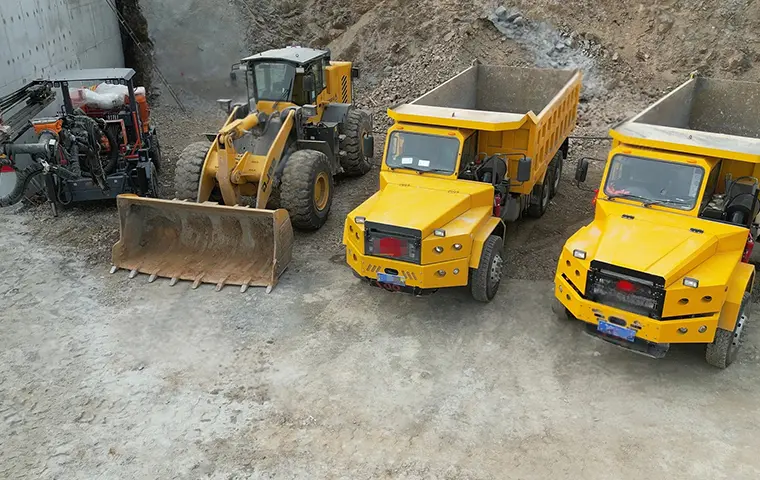
Raw Ore: Sulfide-Type Molybdenum Ore (Molybdenite) Head Grade: 0.15% Mo Concentrate Grade: ≥ 55% Mo
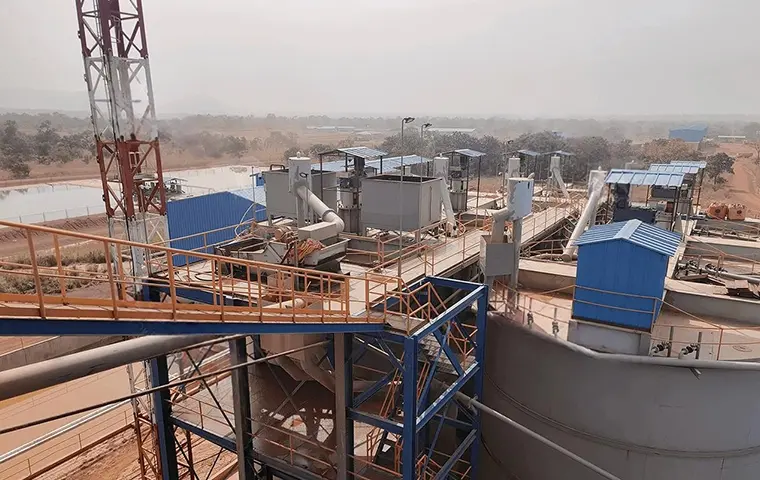
Raw Ore: Sulfide Copper Ore (with minor pyrite content) Copper Grade: 1.2% Concentrate Grade 25% Cu
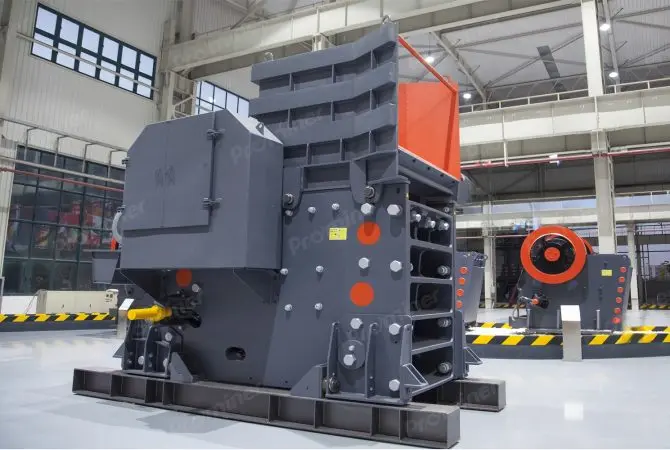
Jaw Crusher, its opening size determines its max feeding size. The crushing chamber of a jaw crusher
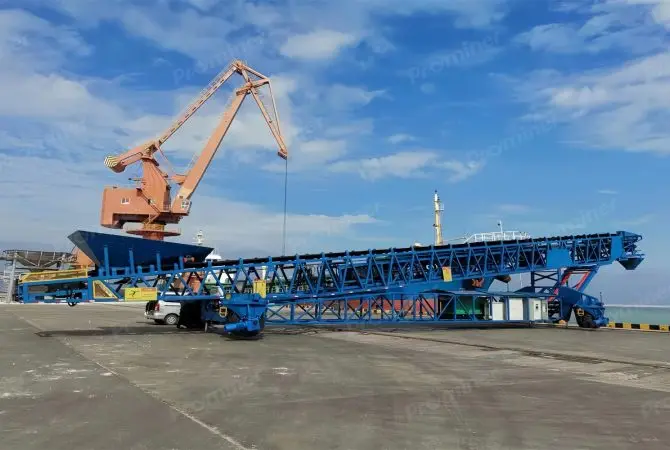
Our engineer team can design and manufacture the mobile type radial stacker, loader
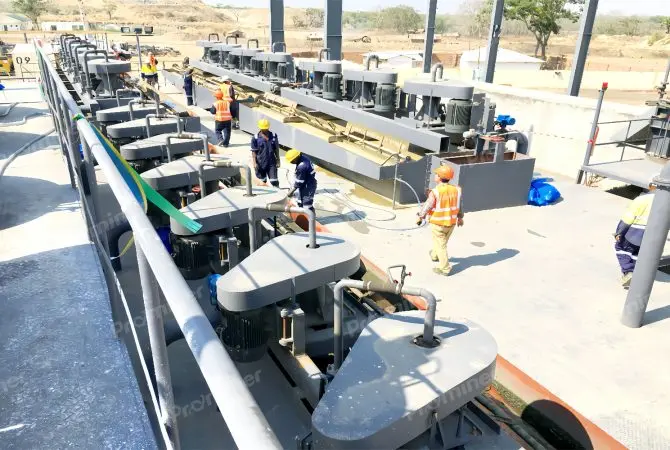
Prominer can provide SF series self-priming flotation machine and XCF/KYF series pneumatic flotation cell
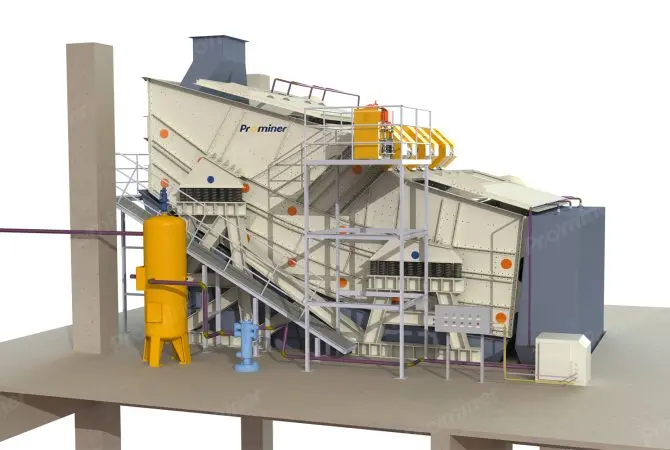
Banana screen is also well known as constant bed thickness screen. Prominer has the ability to supply dry
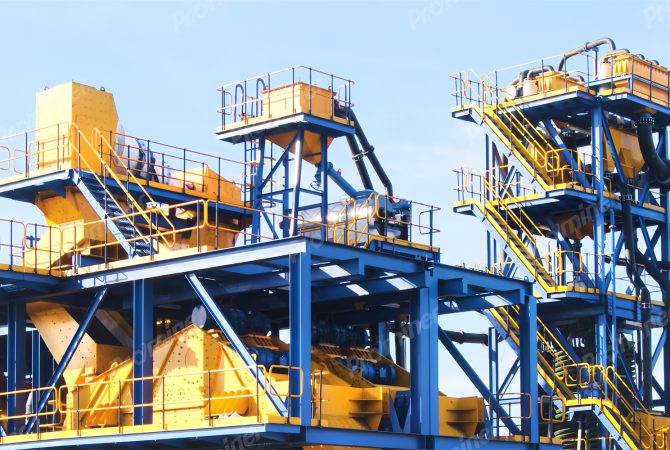
Prominer can provide different LIMS (Low Intensity Magnetic separator) magnetic separators
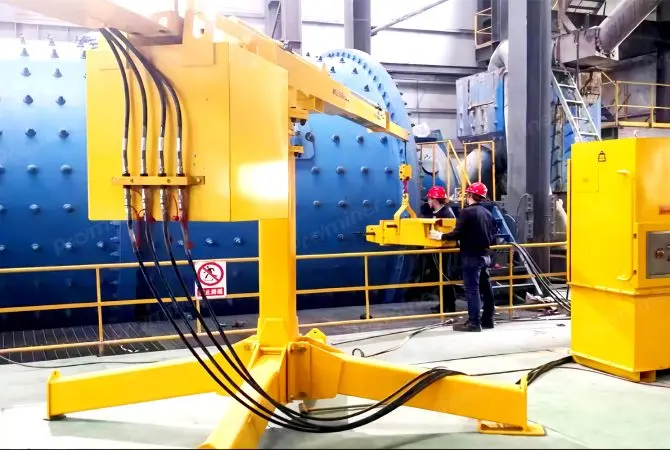
We can manufacture the highly automated and powerful recoilless Bolt Hammer to remove
To find out more about our products and solutions, please fll out the form below and one of our experts will get back to you shortly
3000 TPD Gold Flotation Project in Shandong Province
2500TPD Lithium Ore Flotation in Sichuan
Fax: (+86) 021-58779592
Address: Room 606, Building D3, Phase II, Chuansha Business Center, 777 Long, Miaochuan Road, Pudong New Area, Shanghai,China
Copyright © 2023. Prominer (Shanghai) Mining Technology Co.,Ltd.


