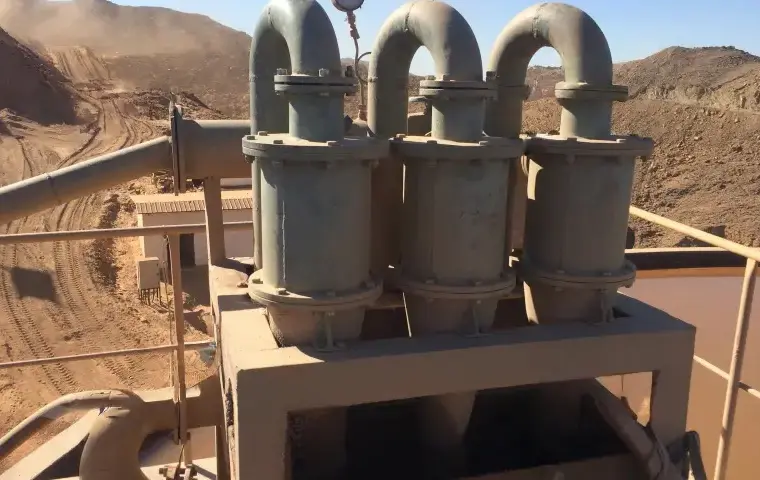
Heap leaching is a traditional cyanide leaching processing way which is flexible and economic to extract gold


/
/
What Key Factors Influence Gold Extraction Efficiency in Cyanidation Optimization?


Gold cyanidation remains one of the most widely used methods for extracting gold from ore due to its high recovery rates and economic viability. However, achieving optimal extraction efficiency requires careful control and optimization of several interrelated factors. Below, we explore the key factors that influence gold extraction efficiency in cyanidation optimization.
The mineralogical composition of the ore significantly affects cyanidation performance. Gold may occur as free-milling particles, finely disseminated within sulfides, or encapsulated in refractory minerals. Free-milling gold is easily recoverable, while refractory ores often require pre-treatment such as roasting, pressure oxidation, or bio-oxidation.
Particle size distribution also plays a crucial role. Finer grinding increases surface area and improves gold exposure to cyanide solution, but excessive grinding can increase operational costs and lead to processing complications such as slime formation.
Cyanide concentration directly influences the dissolution rate of gold. Insufficient cyanide levels can slow the leaching process and reduce overall recovery, while excessive cyanide use increases reagent costs and environmental risks.
Optimizing cyanide concentration involves balancing dissolution kinetics with cost efficiency and environmental compliance. Continuous monitoring and automated dosing systems are often used to maintain optimal levels.
Maintaining the correct pH level is essential for both process efficiency and safety. Gold cyanidation typically operates at a pH between 10 and 11. At lower pH levels, hydrogen cyanide (HCN) gas can form, posing serious health and environmental hazards.
Lime is commonly added to maintain alkalinity. Stable pH levels ensure efficient gold dissolution and minimize cyanide loss through volatilization.
Oxygen is a critical reactant in the cyanidation process. The presence of dissolved oxygen facilitates the chemical reaction that dissolves gold into solution. Insufficient oxygen can limit the leaching rate and reduce extraction efficiency.
To optimize oxygen levels, operations may use air sparging, oxygen injection, or hydrogen peroxide addition. Proper aeration enhances reaction kinetics and improves overall recovery.
Pulp density, or the ratio of solid ore to liquid solution, influences mass transfer and leaching efficiency. High pulp density can reduce mixing efficiency and oxygen transfer, while low density may reduce throughput and increase processing costs.
Adequate agitation ensures uniform suspension of particles, proper oxygen distribution, and effective contact between cyanide and gold particles. Optimized tank design and mixing speed are crucial for maximizing extraction.
Temperature affects reaction kinetics in cyanidation. Higher temperatures generally increase reaction rates and enhance gold dissolution. However, excessive temperatures can increase cyanide consumption and operating costs.
Most cyanidation processes operate at ambient temperatures, but in certain climates or specialized processes, temperature control may be necessary to maintain consistent performance.
Certain minerals, such as copper, zinc, and iron sulfides, can consume cyanide or oxygen, reducing the availability of reagents for gold dissolution. These “cyanide consumers” increase operating costs and lower extraction efficiency.
Pre-treatment methods, selective flotation, or reagent adjustments can help mitigate the effects of these interfering substances.
Retention time in leach tanks determines how long the gold is exposed to cyanide solution. Insufficient leaching time can result in incomplete extraction, while excessive time may not yield proportional recovery gains.
Process design choices—such as Carbon-in-Leach (CIL), Carbon-in-Pulp (CIP), or heap leaching—also influence efficiency. Each method requires specific optimization strategies tailored to ore type and production goals.
Optimizing gold extraction efficiency in cyanidation requires a comprehensive understanding of ore characteristics, chemical conditions, and operational parameters. By carefully controlling cyanide concentration, pH, oxygen levels, pulp density, and other critical variables, mining operations can maximize gold recovery while minimizing costs and environmental impact.
A: Absolutely. Mineral characteristics vary significantly by region. All our beneficiation machinery—from crushers and ball mills to flotation cells and magnetic separators—can be customized in terms of capacity, lining materials, and technical configurations based on your raw ore’s mineralogy and required output.
A: The most reliable way is through a professional mineral laboratory test. We highly recommend sending a representative ore sample ($20\text{–}50\text{ kg}$) to our engineers. We will conduct free or subsidized crushing, grinding, and separation tests to design an optimized, high-recovery flowchart backed by real data.
A: To give you the most cost-effective and precise solution, please share:The primary mineral type (e.g., copper sulfide, magnetite, oxide gold ore).Your expected processing capacity (e.g., Tons Per Hour or Tons Per Day).The feeding particle size and your target concentrate grade ($Fe\%$, $Cu\%$, etc.).
A: Yes, we provide comprehensive global support. Our experienced technical team offers layout planning, foundation drawing designs, and on-site or remote video guidance for equipment installation, commissioning, and local operator training to ensure your plant runs smoothly.
Heap leaching is a traditional cyanide leaching processing way which is flexible and economic to extract gold
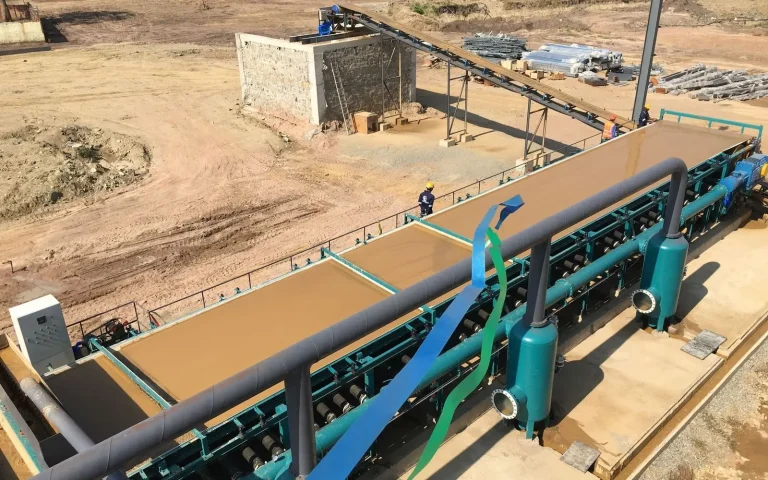
Gold CIL process (carbon in leaching) is very popular way to process the high grade oxide type gold ore
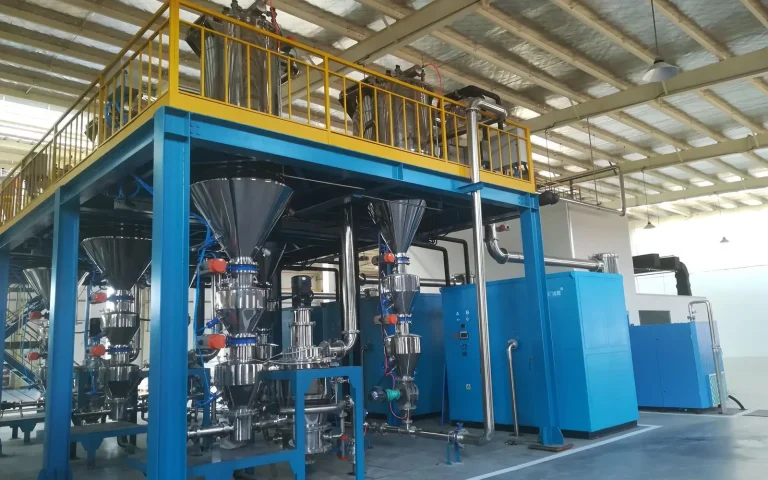
Silicon based anode is one kind of composite anode material by compounding silicon

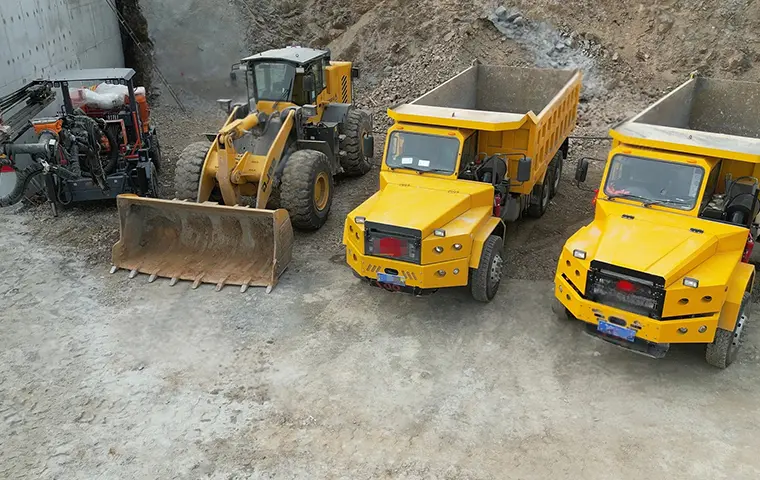
Raw Ore: Sulfide-Type Molybdenum Ore (Molybdenite) Head Grade: 0.15% Mo Concentrate Grade: ≥ 55% Mo
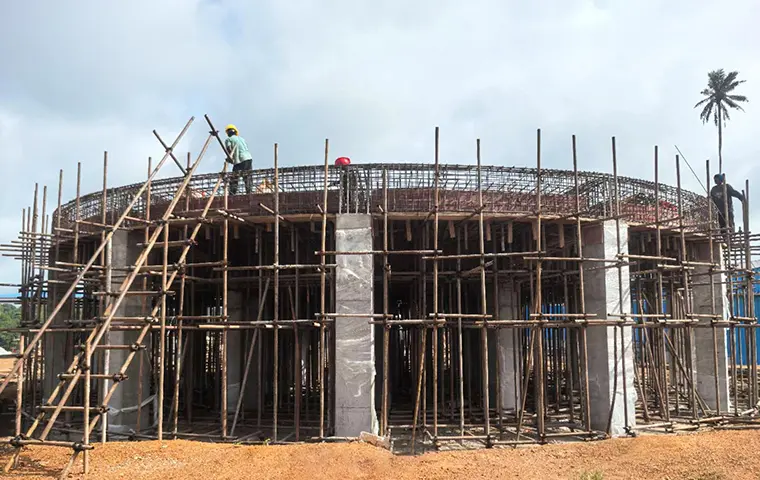
Feed Material: Historically Stockpiled Gold Tailings Tailings Gold Grade: 1.5 g/t Target Gold Recovery Rate: 88%
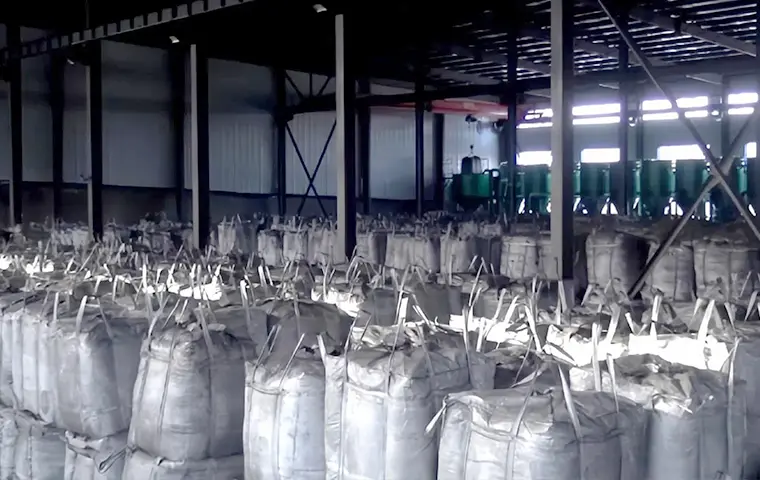
Raw Material: Graphite Flotation Concentrate (95% C) Project Capacity: 10,000 tons per annum
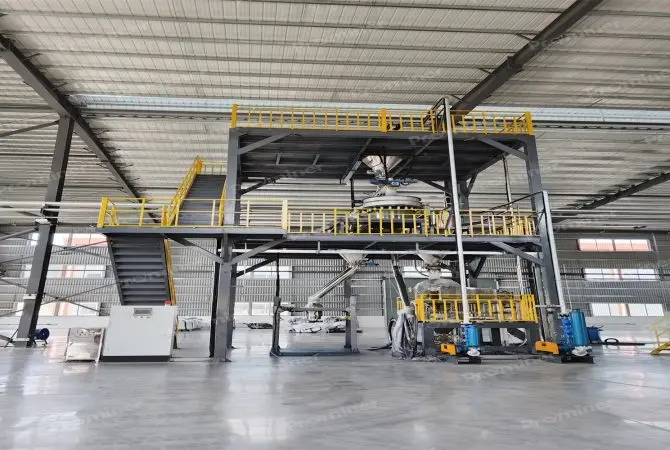
Raw Material: Artificial graphite anode, Natural graphite anode
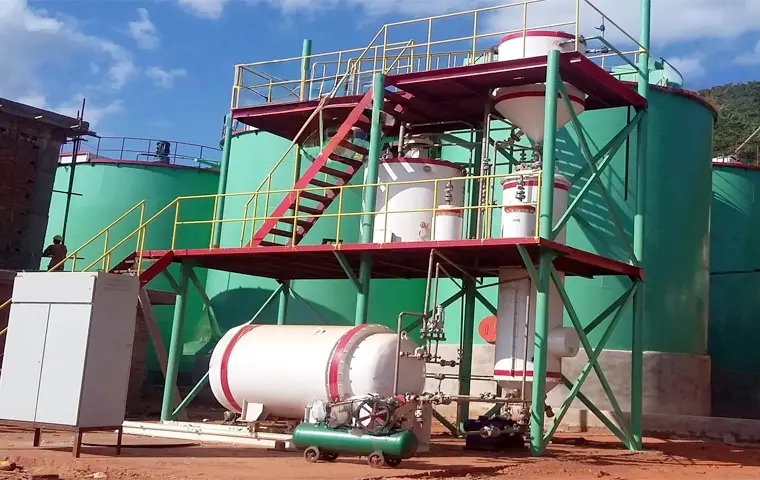
Raw Ore: Alluvial Gold with Magnetite & Hematite (Typical Sierra Madre Deposit)
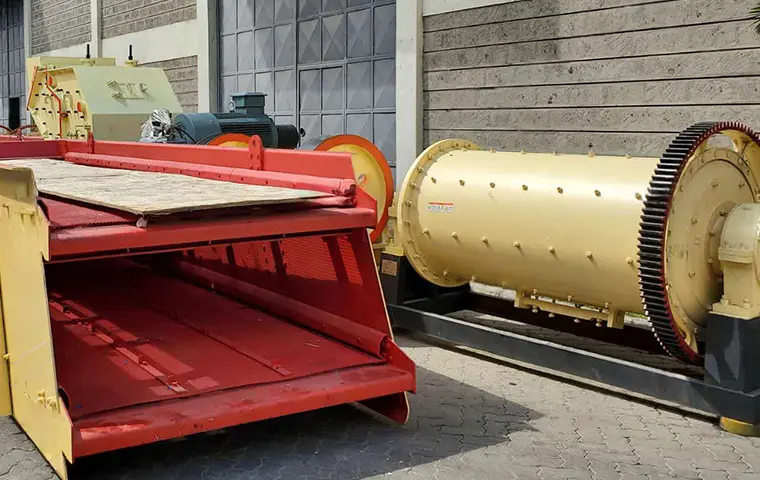
Raw Ore: Mixed Oxide and Sulfide Gold Ore Gold Grade: 3.5 g/t Gold Recovery Rate: 92%
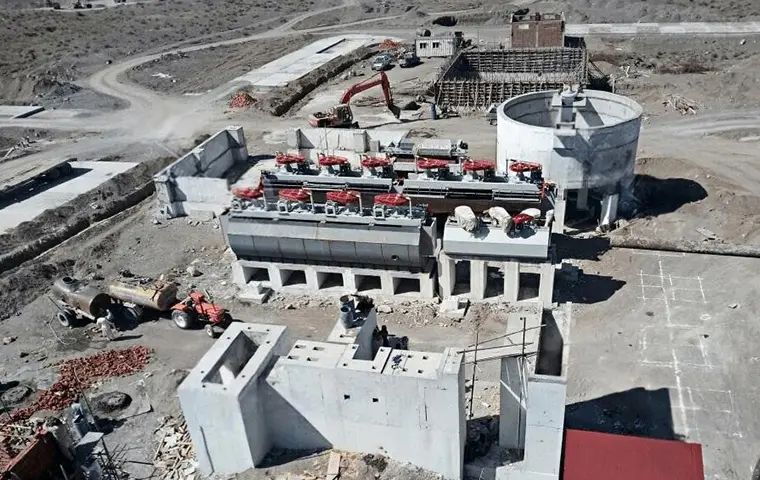
Raw Ore: Nickel-Cobalt Laterite Ore (Limonite & Saprolite Layers) Average Feed Grade: Ni: 1.2%, Co: 0.15%
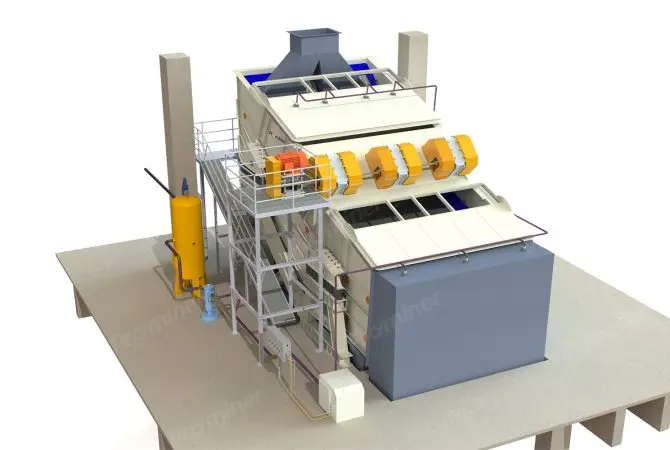
Flip-flow screen panel continues expanding and contracting so achieve a high acceleration rates
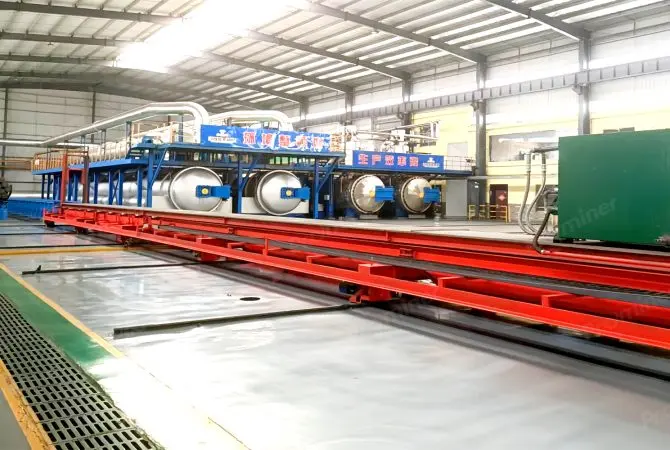
We can provide hot-in and cold-out type high-pressure impregnation of once-baked graphite
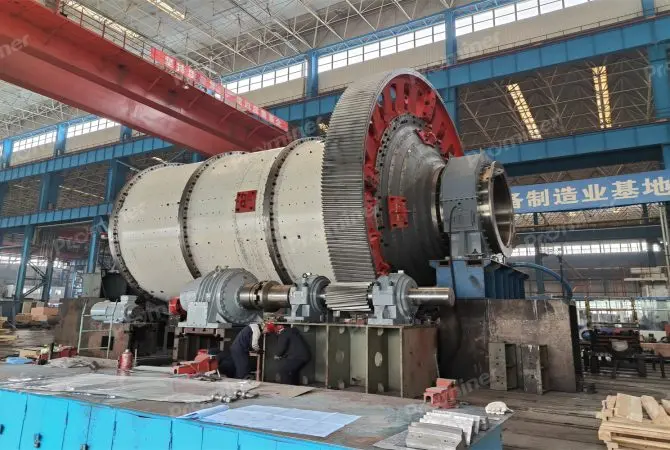
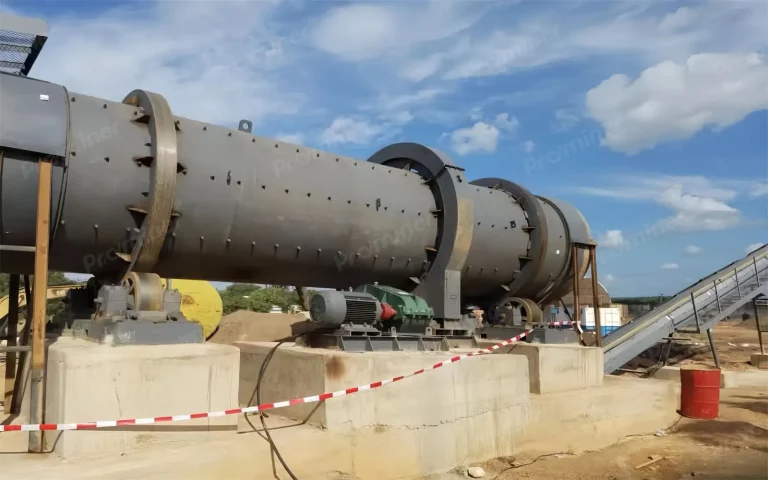
We can design and manufacture grate type ball mill for mineral primary grinding
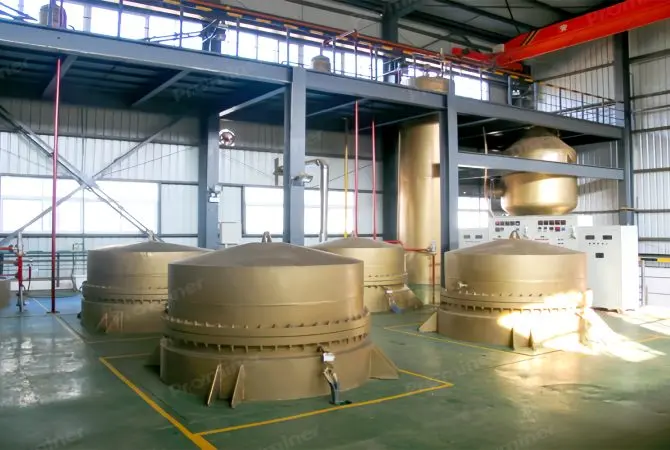
Prominer can design and provide the complete refinery and smelting system for gold CIL project
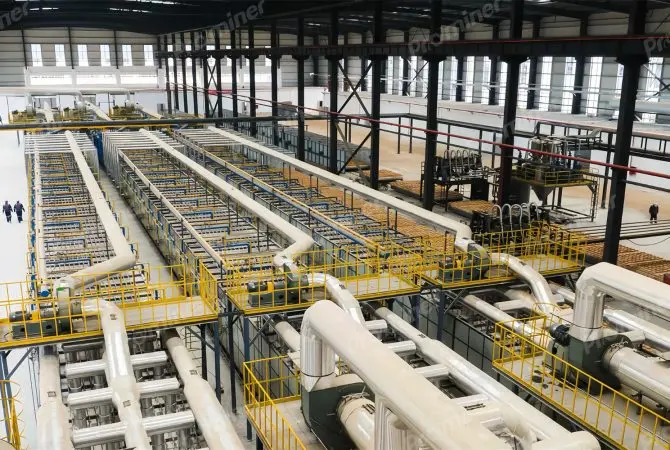
Prominer provides various types of furnaces for primary and secondary baking of carbon
To find out more about our products and solutions, please fll out the form below and one of our experts will get back to you shortly
3000 TPD Gold Flotation Project in Shandong Province
2500TPD Lithium Ore Flotation in Sichuan
Fax: (+86) 021-58779592
Address: Room 606, Building D3, Phase II, Chuansha Business Center, 777 Long, Miaochuan Road, Pudong New Area, Shanghai,China
Copyright © 2023. Prominer (Shanghai) Mining Technology Co.,Ltd.