

Provide important equipment in the gold ore processing process, such as CIL/CIP System, Flotation Cell…


/
/
What Key Technologies Enhance Phosphate Rock Utilization via Flotation and Heavy Media Separation?


Phosphate rock is a critical raw material for fertilizer production and many industrial applications. However, raw phosphate ore often contains impurities such as silica, clay, carbonates, iron oxides, and organic matter, which reduce its grade and limit its direct use. To improve resource utilization, mineral processing plants rely heavily on flotation and heavy media separation technologies. These methods help increase phosphate recovery, improve concentrate quality, and reduce waste.
One of the most important technologies in phosphate beneficiation is the use of advanced flotation reagents. Collectors, frothers, depressants, and modifiers are carefully selected to separate phosphate minerals from gangue materials.
Fatty acid collectors are widely used in direct flotation of phosphate, especially for siliceous ores. In reverse flotation, amine collectors are often applied to float silica away from phosphate. Depressants help prevent valuable phosphate minerals from floating when gangue needs to be removed first. Modern reagent systems are designed to improve selectivity, lower consumption, and perform better across varying ore compositions.
Before flotation, phosphate ore usually undergoes washing and desliming to remove fine clay and slimes. These ultrafine particles can interfere with reagent adsorption and reduce flotation efficiency.
Effective particle size classification improves mineral liberation and creates a more favorable feed for separation. Hydrocyclones, screens, and classifiers are commonly used to control size distribution. Good desliming not only enhances flotation performance but also reduces reagent costs and improves concentrate grade.
Flotation equipment design plays a major role in phosphate recovery. Traditional mechanical flotation cells remain widely used because they provide strong mixing and are suitable for a wide range of ore types. However, column flotation has become increasingly valuable for fine particle recovery and improved concentrate quality.
Column flotation offers better selectivity due to lower turbulence and more efficient bubble-particle contact. In many phosphate plants, a combination of mechanical cells and flotation columns is used to balance recovery and grade. This hybrid approach can be especially effective for complex or low-grade ores.
Modern phosphate beneficiation plants increasingly use automation systems to optimize flotation performance. Variables such as pulp density, pH, reagent dosage, air flow, and froth depth can be monitored and adjusted in real time.
Online analyzers, process sensors, and advanced control software help stabilize operations and reduce variability. Automation improves recovery, minimizes reagent waste, and supports more consistent concentrate quality. It also allows operators to respond quickly to changes in ore characteristics.
Heavy media separation, also called dense media separation, is especially useful for coarse phosphate particles when there is a sufficient density difference between phosphate minerals and waste rock. In this process, crushed ore is introduced into a dense medium where lighter gangue floats and heavier phosphate-bearing particles sink.
This technology allows early rejection of waste before fine grinding and flotation. As a result, plants can reduce energy consumption, lower downstream processing costs, and improve overall plant efficiency. Heavy media separation is particularly valuable for ores with coarse liberation characteristics.
Dense media cyclones are a key technology in heavy media separation systems. They provide efficient density-based separation under high-throughput conditions. Proper cyclone design, feed pressure control, and medium stability are essential for achieving sharp separation.
Other separator types, such as drums and baths, may also be used depending on ore size and plant design. Advances in wear-resistant materials and equipment engineering have improved reliability and reduced maintenance demands in heavy media circuits.
The effectiveness of heavy media separation depends on maintaining a stable dense medium. Ferrosilicon and magnetite are commonly used as medium materials because they can create the required density and be recovered for reuse.
Magnetic separators, densifiers, and medium recovery circuits are essential technologies in these systems. Efficient medium recovery reduces operating costs, minimizes losses, and ensures consistent separation performance. Without strong recovery systems, heavy media separation becomes less economical.
In many phosphate processing operations, the best results come from combining heavy media separation with flotation in an integrated flowsheet. Heavy media separation can reject coarse waste early, while flotation upgrades the finer phosphate fractions to produce high-grade concentrate.
This staged approach improves resource utilization by treating each size fraction with the most suitable technology. It also reduces the load on flotation circuits and can make low-grade deposits more economically viable.
Water use is a major concern in phosphate beneficiation. Both flotation and heavy media separation require effective water management systems to support sustainable operation. Thickeners, clarifiers, filtration units, and recycling circuits help reduce freshwater demand and improve plant efficiency.
Tailings handling technologies are also important for maximizing resource use and minimizing environmental impact. Better dewatering and storage methods can reduce losses of fine phosphate particles and support safer waste management practices.
The future of phosphate rock utilization depends on improving both efficiency and sustainability. New reagent chemistries, energy-efficient equipment, digital process control, and better water recycling systems are helping plants recover more phosphate from lower-grade and more complex ores.
When flotation and heavy media separation are properly applied and integrated, they significantly enhance phosphate rock utilization. These technologies allow producers to increase recovery, reduce waste, lower costs, and make better use of valuable phosphate resources.
A: The choice depends entirely on your ore’s mineral characteristics:
Gravity Separation: Best for coarse-grained minerals with large density differences (e.g., placer gold).
Flotation: Ideal for fine-grained base metals (e.g., copper oxide) or removing impurities from non-metallic minerals (e.g., quartz sand).
Cyanidation (CIP): Necessary for fine, encapsulated precious metals (e.g., rock gold) to maximize chemical extraction.
A: This approach prevents over-grinding (creating excessive ultra-fine particles), which ruins flotation efficiency. By grinding in stages and immediately separating recovered minerals or waste at each stage, you significantly reduce energy consumption, minimize steel media wear, and protect valuable minerals from turning into unrecoverable slime.
A: Fine particles have low mass and high surface areas, making them hard to float. Key solutions include:
Advanced Reagents: Using highly selective collectors and flocculants to aggregate fine particles.
Micro-bubble Technology: Utilizing flotation columns that generate smaller bubbles to increase particle-bubble collision rates.
Desliming: Removing harmful ultra-fine slimes before the flotation stage to clear the process environment.
A: Relying on a single method is rarely enough. The key is a combined metallurgical flowsheet:
For High-Purity Quartz: Integrate scrubbing, magnetic separation (to remove iron), flotation (for feldspar), and acid leaching for the ultimate purity.
For Precious Metals: Combine gravity separation (to catch coarse gold early) with flotation and CIP (to extract fine gold), ensuring zero valuable minerals are wasted.
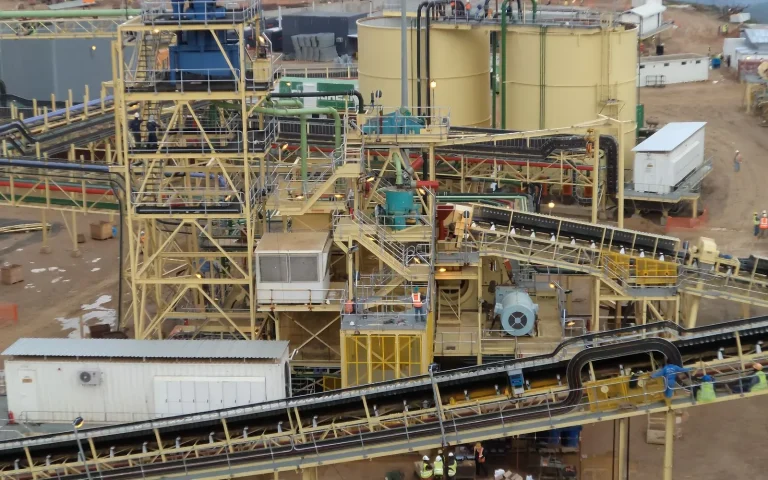
Provide important equipment in the gold ore processing process, such as CIL/CIP System, Flotation Cell…
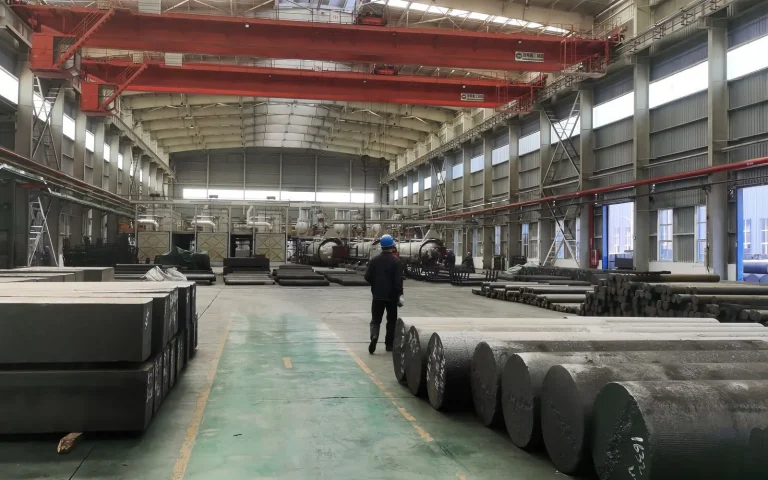
UHP graphite electrode is mainly used for ultra high power electric arc furnaces in steel smelting industry
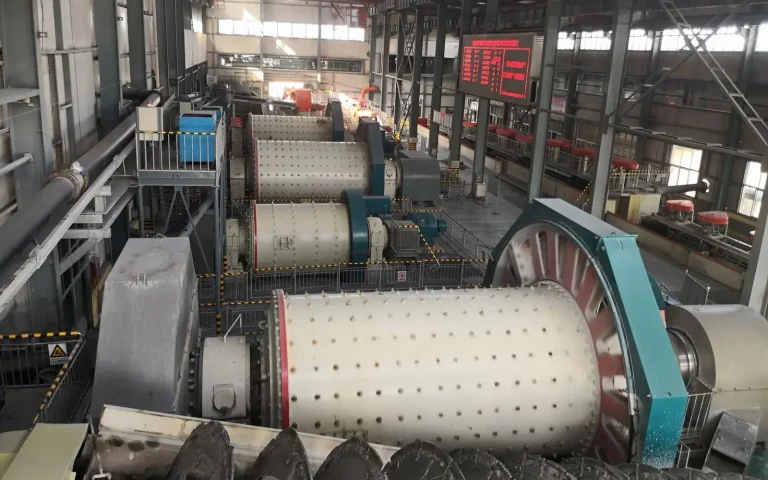
Spodumene and lepidolite are very important lithium bearing minerals and they are very easy to recover

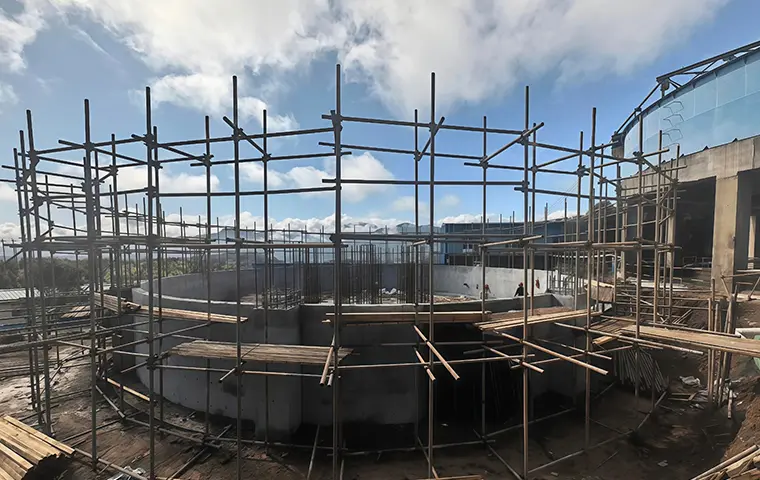
Raw Ore: Sulfide Type Gold Ore Gold Grade: 3.5 g/t Gold Recovery Rate: 92%
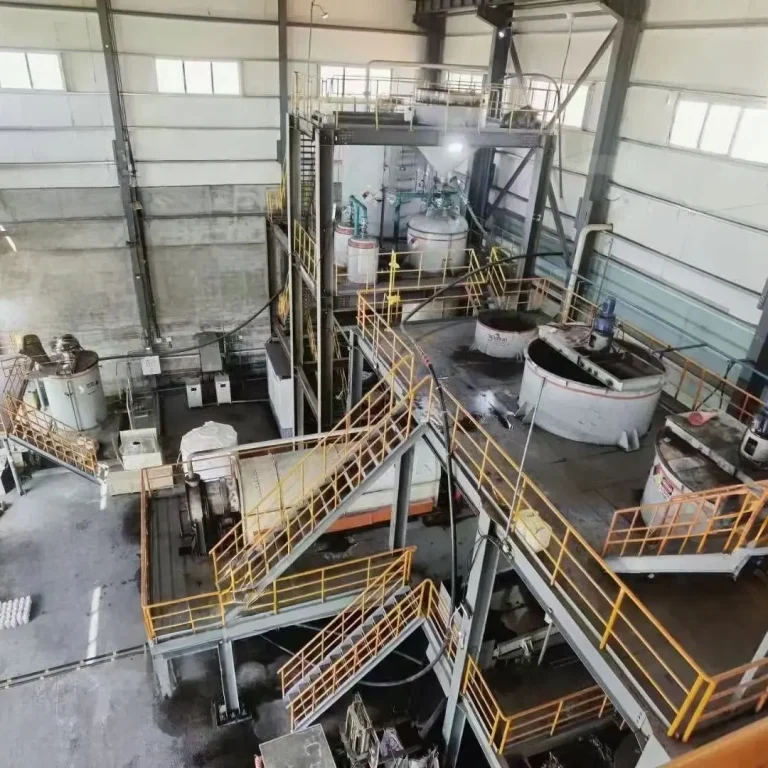
Raw Ore: Oxide/Sulfide Mixed Gold Ore Gold Grade: 3.5 g/t Gold Ingot Purity: 99.5%
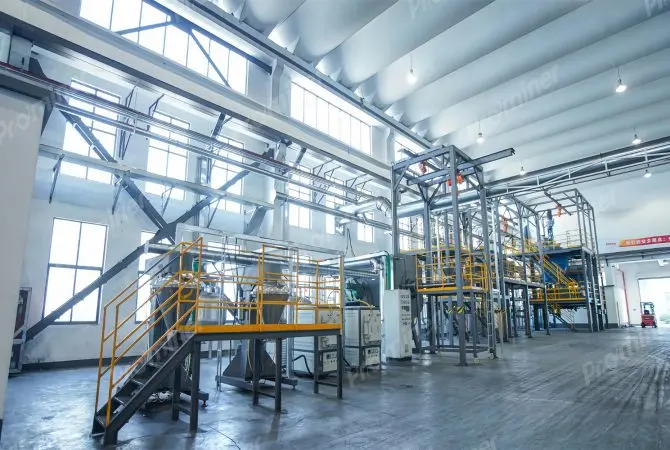
Raw Material: Needle coke and petroleum coke Project Capacity: 50 kgs per hour
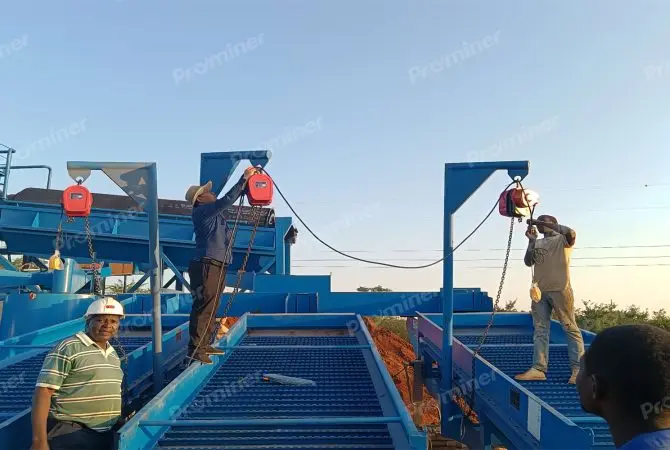
Raw Ore: Alluvial gold ore from river bed Gold Grade: 0.8 g/t
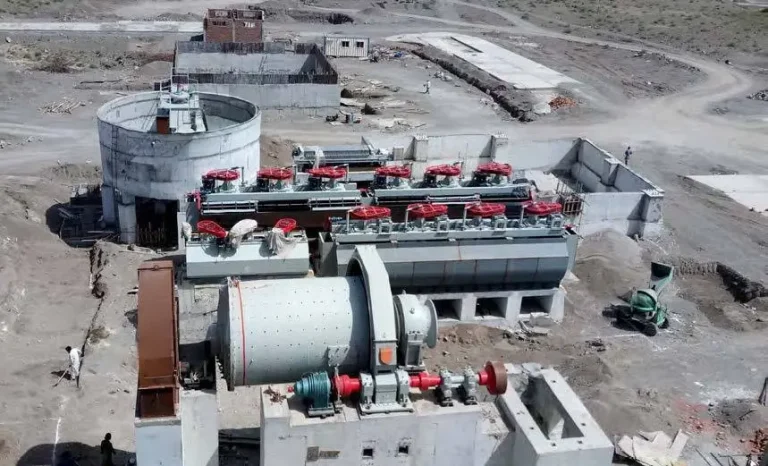
Raw Ore: Mixed Oxide-Sulfide Copper Ore (Chalcocite/Malachite) Copper Grade: 1.2% | Silver: 15g/t
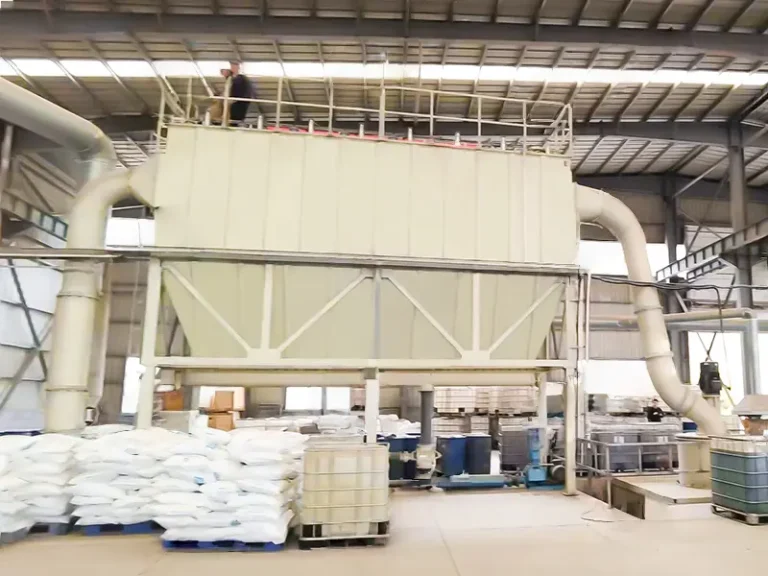
Raw Ore: Dolomite Rock (CaMg(CO₃)₂) Feed Size: ≤10 mm Final Product: Ultra Fine Dolomite Powder
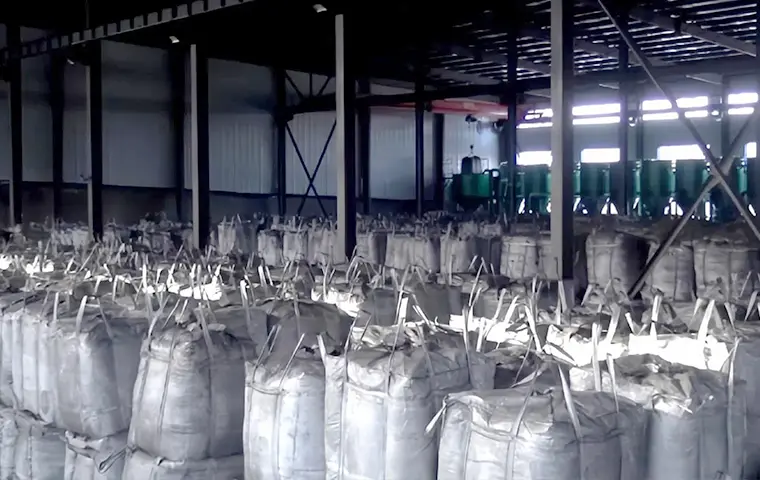
Raw Material: Graphite Flotation Concentrate (95% C) Project Capacity: 10,000 tons per annum
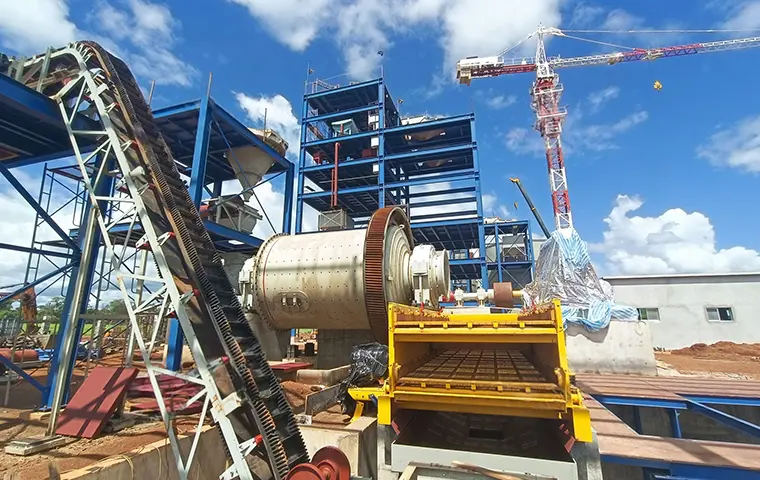
Raw Ore: Oxide Type Gold Ore Gold Grade: 3.5 g/t Gold Ingot Purity: 96%
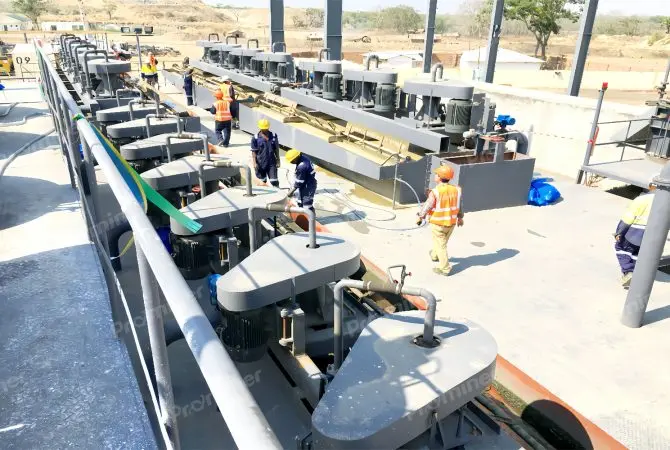
Prominer can provide SF series self-priming flotation machine and XCF/KYF series pneumatic flotation cell
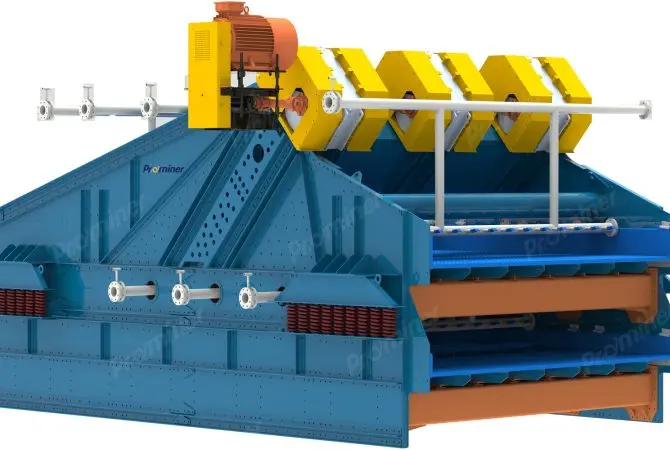
Prominer can provide all kinds of linear screen for mineral grading, material sizing, dewatering
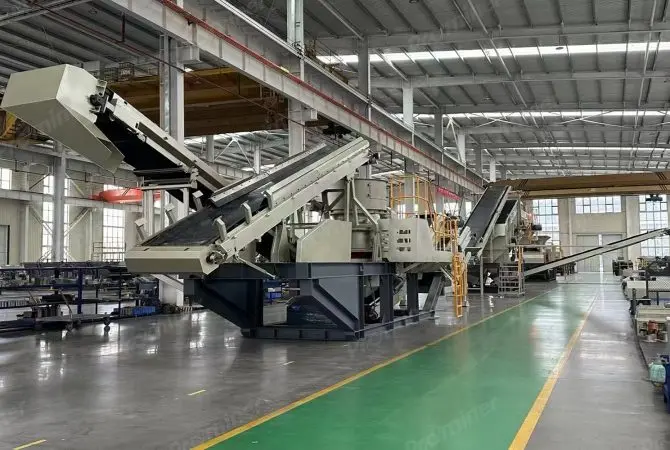
Skid mounted Portable Crusher, based on market requirements of easier moving from one site
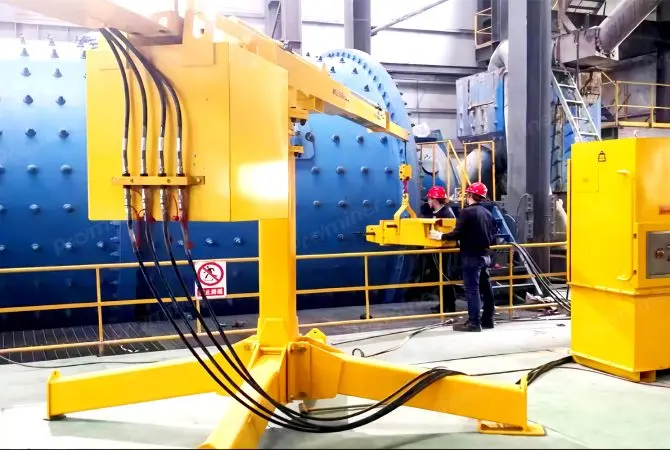
We can manufacture the highly automated and powerful recoilless Bolt Hammer to remove
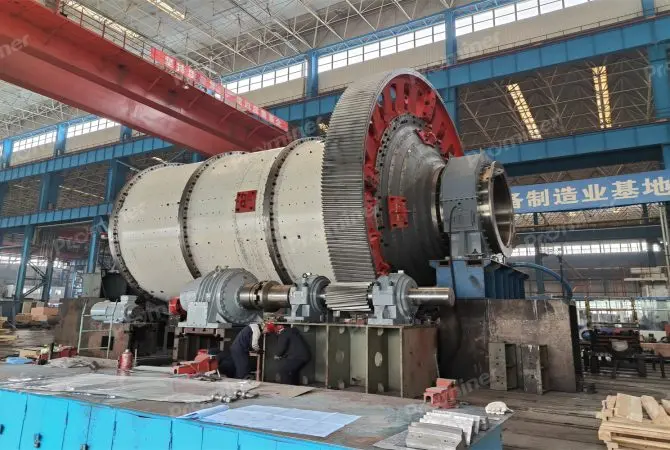
We can design and manufacture grate type ball mill for mineral primary grinding
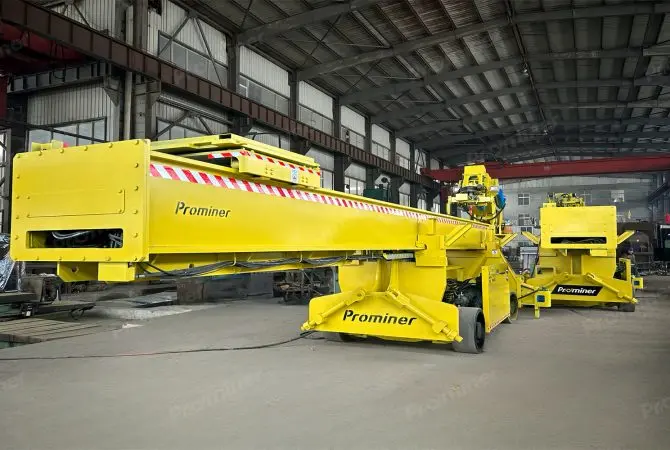
We can design and manufacture the mill relining machine (or called mill relining manipulator)
To find out more about our products and solutions, please fll out the form below and one of our experts will get back to you shortly
3000 TPD Gold Flotation Project in Shandong Province
2500TPD Lithium Ore Flotation in Sichuan
Fax: (+86) 021-58779592
Address: Room 606, Building D3, Phase II, Chuansha Business Center, 777 Long, Miaochuan Road, Pudong New Area, Shanghai,China
Copyright © 2023. Prominer (Shanghai) Mining Technology Co.,Ltd.


