
Provide the complete solution for making graphite anode materials include grinding, shaping, purification…


Magnetic separation performance depends on a combination of material properties, operating conditions, and equipment design. To achieve efficient separation, it is important to understand the variables that influence how magnetic particles are captured, retained, and separated from non-magnetic materials. Below are the key factors that control performance.
One of the most important variables is the magnetic susceptibility of the particles being processed. Magnetic susceptibility describes how strongly a material responds to an applied magnetic field.
Materials generally fall into three categories:
The greater the difference in magnetic susceptibility between the target material and the unwanted material, the easier the separation.
The intensity of the magnetic field has a direct impact on separator performance. Stronger magnetic fields exert greater force on magnetic particles, increasing the likelihood of capture.
Low-intensity magnetic separators are commonly used for strongly magnetic materials, while high-intensity and high-gradient systems are needed for weakly magnetic minerals. If the magnetic field is too weak, valuable particles may not be recovered. If it is too strong, non-target particles may be trapped along with the desired fraction, reducing selectivity.
Magnetic field gradient refers to how quickly the magnetic field changes over a given distance. This variable is especially important for fine or weakly magnetic particles.
A high magnetic field gradient creates stronger attraction forces on small particles and improves the recovery of materials that would otherwise be difficult to separate. This is why matrix-based high-gradient magnetic separators are often used in mineral processing and fine particle applications.
Particle size plays a major role in separation efficiency. Coarse particles may be easier to handle, but if they are too large, their mass can overcome the magnetic force. Very fine particles may respond well magnetically, but they can also create problems such as entrainment, agglomeration, or poor flow characteristics.
For best results, feed material is often classified into a size range that matches the separator design. Proper particle liberation is also essential, since particles locked together with non-magnetic material are harder to separate accurately.
Liberation refers to how completely the valuable magnetic particles have been freed from gangue or non-magnetic material during crushing and grinding. Even if a mineral is magnetic, it may not separate effectively if it remains attached to non-magnetic particles.
A higher degree of liberation generally improves both recovery and product purity. However, excessive grinding can create ultra-fine particles that are more difficult to process. This makes feed preparation a critical step in magnetic separation performance.
The rate at which material is introduced into the magnetic separator affects the contact time between particles and the magnetic field. If the feed rate is too high, particles may pass through the separation zone too quickly, resulting in lower recovery.
Overloading can also reduce separator efficiency by increasing particle crowding, which may shield magnetic particles from the field or carry non-magnetic particles into the magnetic product. A controlled and consistent feed rate helps maintain stable operation and better results.
The physical condition of the feed, including moisture level, influences how particles move through the system. In dry magnetic separation, excessive moisture can cause particles to clump together, reducing separation accuracy and creating handling issues.
In wet magnetic separation, slurry density and viscosity become important. If the slurry is too thick, particle mobility is reduced and selectivity may suffer. If it is too dilute, throughput may decrease. Maintaining the correct feed condition is essential for reliable performance.
In magnetic separators that use moving surfaces, such as drums, belts, or rolls, the speed of those components affects particle retention and discharge behavior.
If the speed is too high, magnetic particles may not remain in the magnetic zone long enough for proper capture. If it is too low, throughput may be reduced and the separator may become less efficient. The optimal speed depends on particle characteristics, separator type, and desired separation quality.
The type and configuration of the separator strongly influence performance. Common equipment includes:
Each design is suited to particular particle sizes, magnetic properties, and throughput requirements. Factors such as pole arrangement, matrix design, magnet type, and separation zone geometry all affect recovery and purity.
Uniform feed distribution across the separator surface helps ensure that all particles are exposed evenly to the magnetic field. Poor distribution can create overloaded zones and underutilized areas, reducing both efficiency and consistency.
A well-designed feeding system improves separation by presenting the material in a thin, even layer. This is particularly important in dry separators, where particle presentation has a strong influence on the magnetic capture process.
Magnetic particles in a separator are acted on by more than just magnetic force. Other forces include:
Separation performance depends on the balance between magnetic attraction and these competing forces. For a particle to be successfully recovered, the magnetic force must be strong enough to overcome the forces tending to pull it away from the magnetic field.
The desired outcome of the process also determines how the separator is operated. In some applications, maximum recovery is the main objective, even if some impurities remain. In others, high product purity is more important, even if that means sacrificing some recovery.
Operating variables such as field strength, feed rate, and separator speed are often adjusted to balance this trade-off. Understanding the process target helps define the best operating window.
Separator performance can decline if equipment is not properly maintained. Wear on surfaces, buildup of material, damaged components, or weakened magnetic elements can all reduce effectiveness.
Routine inspection and maintenance are necessary to preserve magnetic strength, proper alignment, and smooth material flow. Clean separator surfaces and well-maintained components support consistent and predictable performance.
Magnetic separation performance is controlled by a range of interrelated variables, including magnetic susceptibility, field strength, field gradient, particle size, liberation, feed rate, moisture, equipment speed, and separator design. Successful operation depends on matching these variables to the material being processed and the separation objective.
By carefully controlling these factors, operators can improve recovery, increase product purity, and achieve more efficient and reliable magnetic separation results.
A: A handful of variables drive most of the variation in recovery and grade: grind size (liberation), pulp density, reagent type and dosage, residence time, pH, and — for magnetic separation — field intensity and feed rate. Changing one without adjusting the others usually backfires. The practical way to find your optimum is a structured test program: vary one parameter at a time on your actual ore and measure recovery and grade at each point. We run this kind of parameter study during lab and pilot testing, then carry the settings into the plant design and re-tune them during commissioning.
A: Three properties matter most: whether the valuable mineral is sulfide or oxide, how coarsely or finely it is disseminated in the gangue, and what gangue minerals accompany it. Coarse, high-density minerals respond well to gravity separation; magnetic minerals to magnetic separation; fine sulfide minerals to flotation; oxide or low-grade ores often to leaching. Many ores need a staged combination. Because two deposits carrying the same metal can behave completely differently, the flowsheet has to be built from your ore’s own test data — not copied from a similar project.
A: A single method rarely hits both target recovery and target grade when the ore contains multiple valuable minerals, spans a wide particle size range, or carries problematic gangue. Then a combined flowsheet is justified — for example, gravity pre-concentration to reject coarse waste early, magnetic separation ahead of flotation to remove magnetic minerals, or staged grinding and classification to liberate progressively. The added circuit costs more, but it usually pays back through higher overall recovery and lower reagent and energy consumption per tonne.
A: Refractory ores resist standard processing — gold locked inside sulfide minerals, ores that consume excessive reagents, carbonaceous ores that re-adsorb dissolved gold, fine or clay-rich ores that slime badly, or oxide ores that float poorly. Treatment usually adds a step ahead of or instead of the conventional circuit: finer grinding, oxidation pre-treatment, roasting, or a switch from flotation to leaching. Identifying the specific cause through diagnostic testwork is essential, because each cause has a different fix and the wrong one wastes capital.
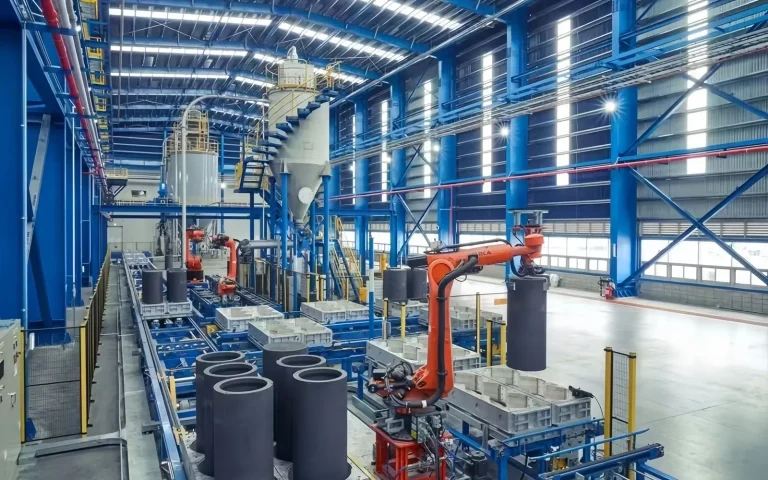
Provide the complete solution for making graphite anode materials include grinding, shaping, purification…
There are two types natural graphite ore include crystalline graphite and amorphous graphite
Flake graphite can be used to produce high carbon graphite, high purity graphite, expandable graphite

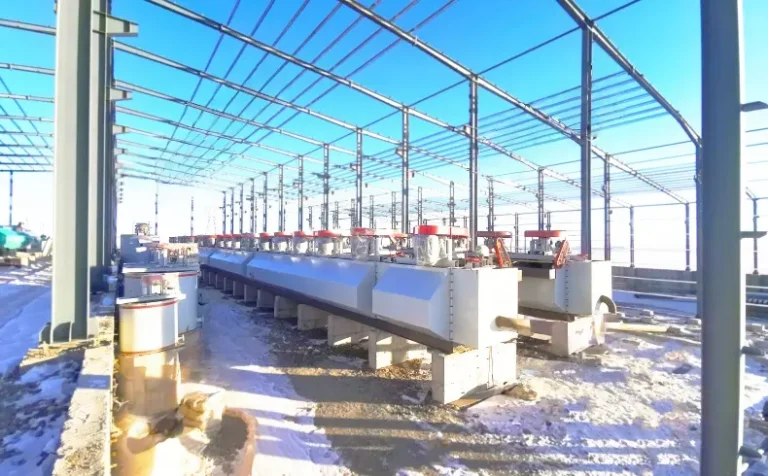
Raw Ore: Copper Sulfide Ore Copper Grade: 0.85% Final Product: Copper Concentrate
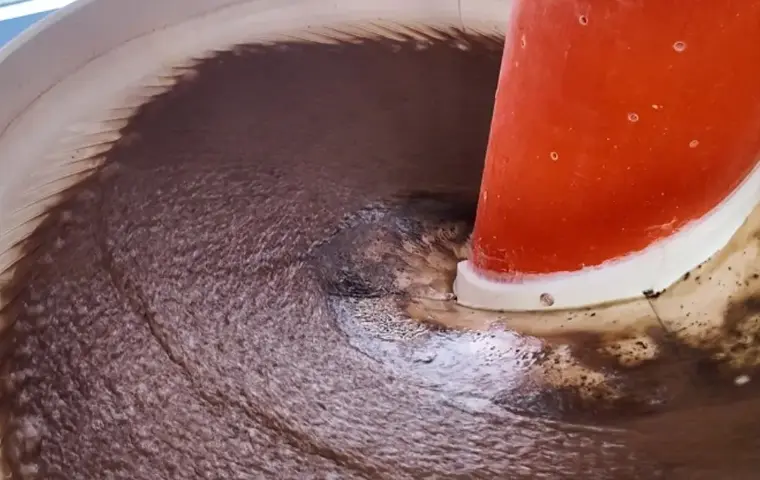
Raw Material: Iron ore tailings Processing Capacity: 800 tons per day
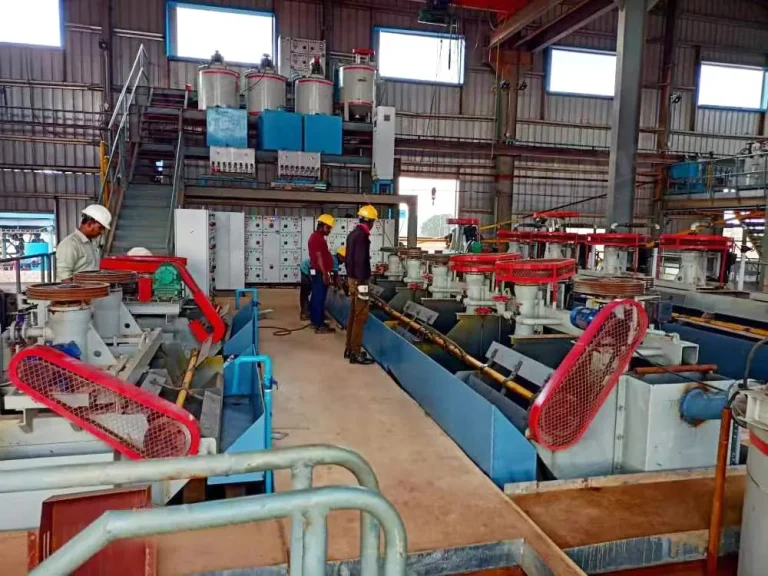
Raw Ore: Primary Sulfide Ore (Chalcopyrite-Bornite) Cu Grade: 0.72% Concentrate Grade: 28.3%
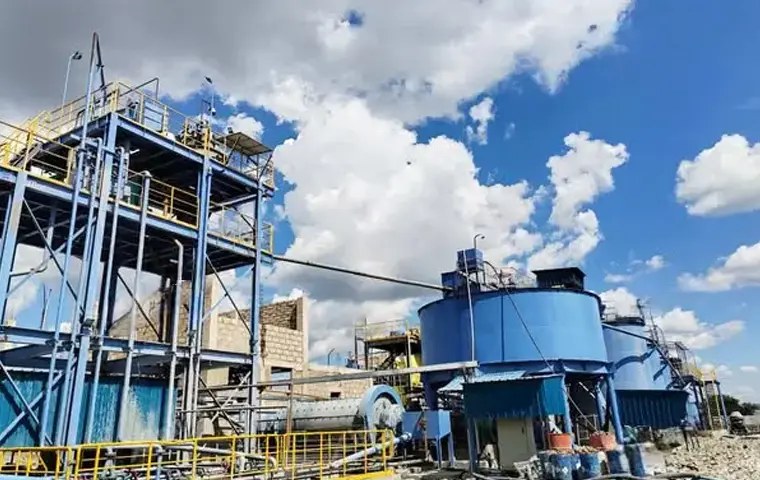
Raw Ore: Copper-Gold Ore Copper Grade: 1.2% Gold Grade: 1.5 g/t Recovery Rate: Copper 89%, Gold 88%
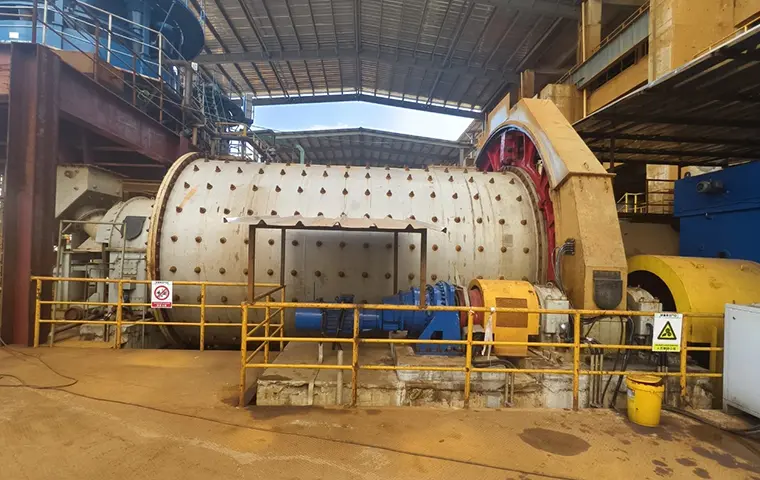
Located in Indonesia, this project focuses on the efficient regrinding of nickel ore to enhance mineral upgrading and deep processing. Prominer (Shanghai) Mining Technology Co., Ltd.
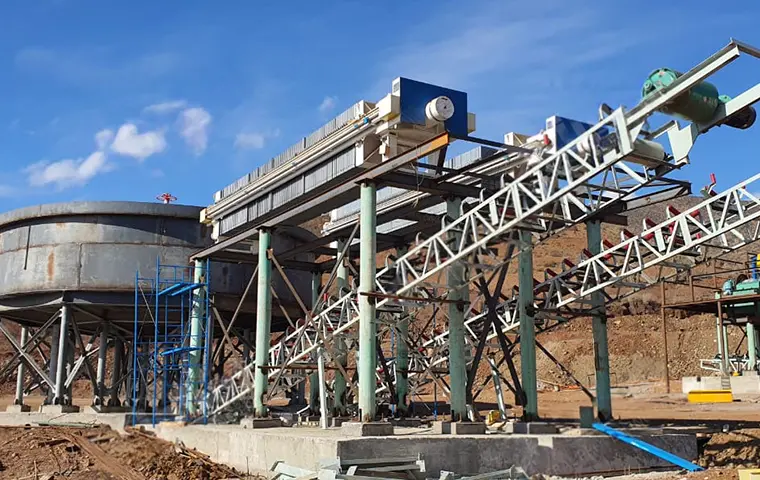
From laboratory testing to final commissioning, Prominer delivered a customized 20 TPH solution
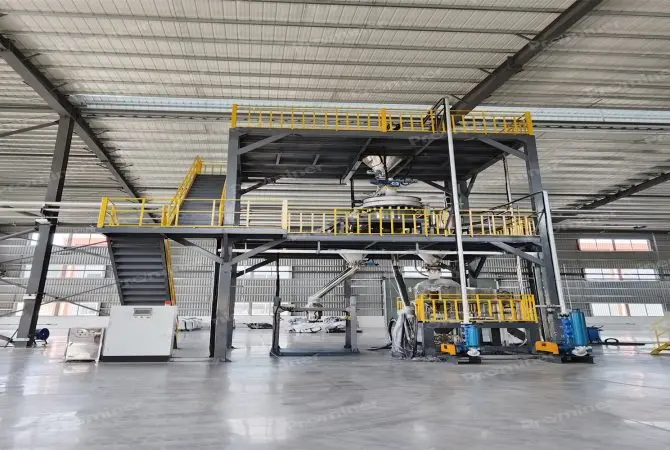
Raw Material: Artificial graphite anode, Natural graphite anode
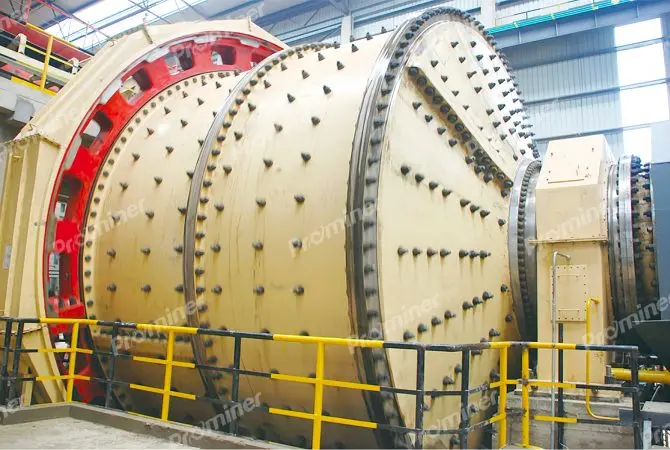
AG/SAG is short for autogenous mill and semi-autogenous mill, it combines with two functions of crushing
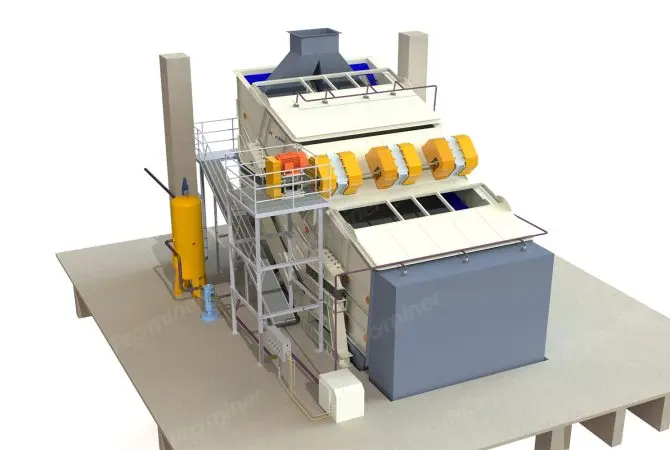
Flip-flow screen panel continues expanding and contracting so achieve a high acceleration rates
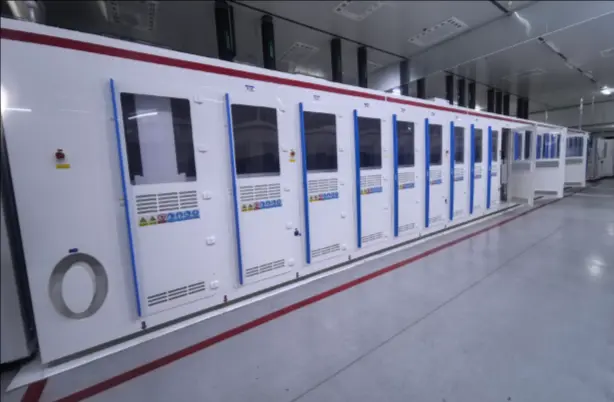
Include: Monocrystalline Batch Texturing Equipment, Batch Texturing Loader/Unloader, Low-Pressure…
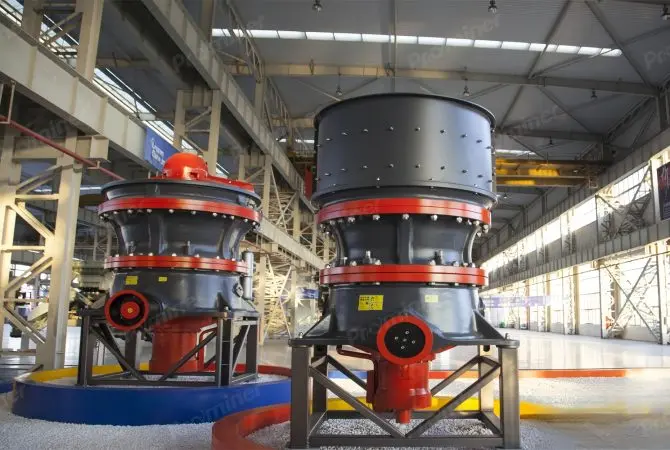
Single-cylinder hydraulic cone crusher have two series based on different cavity, S-cavity is designed
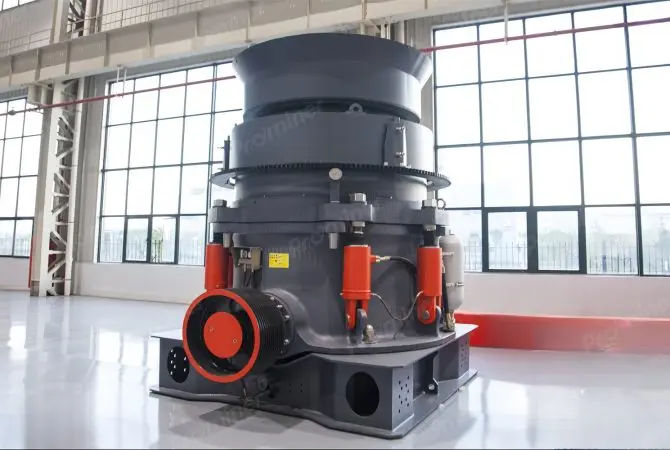
Multi-cylinder hydraulic cone crusher combines crusher speed, eccentricity and cavity profile
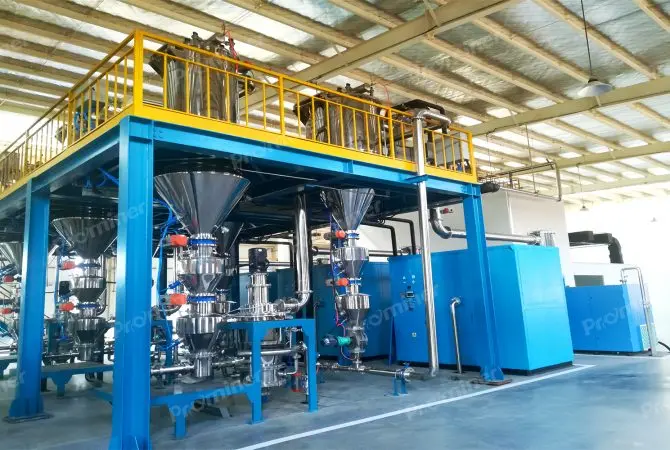
Jet mill is also called fluidized bed jet mill by using multiple nozzles to form sonic speed air flow
To find out more about our products and solutions, please fll out the form below and one of our experts will get back to you shortly
3000 TPD Gold Flotation Project in Shandong Province
2500TPD Lithium Ore Flotation in Sichuan
Fax: (+86) 021-58779592
Address: Room 606, Building D3, Phase II, Chuansha Business Center, 777 Long, Miaochuan Road, Pudong New Area, Shanghai,China
Copyright © 2023. Prominer (Shanghai) Mining Technology Co.,Ltd.