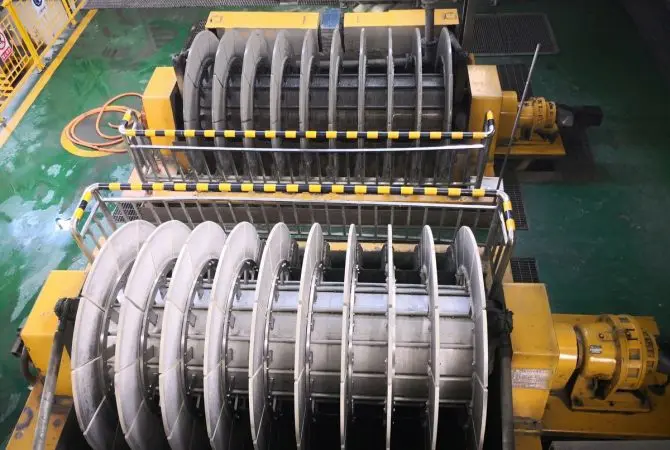
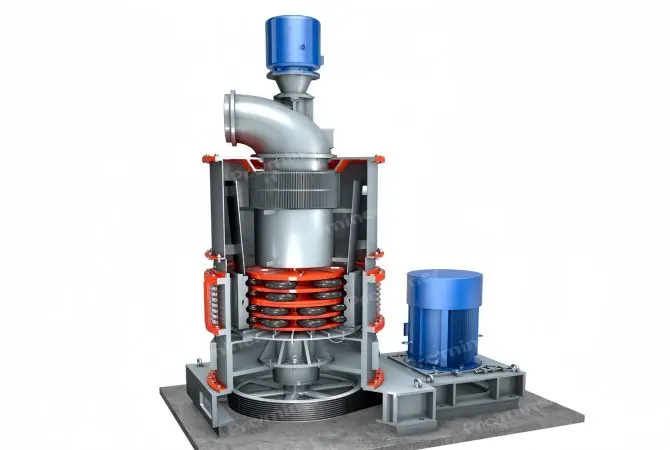
UHP graphite electrode is mainly used for ultra high power electric arc furnaces in steel smelting industry




Froth flotation performance depends on a small group of operating variables that strongly influence recovery, grade, selectivity, and circuit stability. While ore mineralogy and reagent scheme set the overall potential of a flotation circuit, day-to-day performance is usually governed by how well the main operating variables are controlled. The most important variables are pulp chemistry, particle size, air rate, froth depth, reagent dosage, pulp density, agitation, and residence time. Each one affects bubble-particle attachment, froth transport, and gangue entrainment.
Particle size is one of the most critical variables in flotation. Valuable minerals generally float best within an optimum size range. If particles are too coarse, they may detach from bubbles because of their mass and poor liberation. If they are too fine, they may have low collision efficiency and be carried into tailings or entrained non-selectively into concentrate.
Good flotation performance typically depends on maintaining grind size tight enough to liberate the target mineral without creating excessive slimes. Operators often monitor cyclone performance, regrind duty, and size distribution to keep the feed in the ideal flotation window.
Pulp chemistry strongly affects mineral surface properties and reagent behavior. pH influences collector adsorption, depressant action, frother performance, and the solubility of metal ions. Even small pH changes can shift flotation response significantly, especially in sulfide systems.
Controlling pH also helps improve selectivity. For example, an alkaline circuit may suppress pyrite while allowing the desired sulfide mineral to float. Water quality, dissolved ions, oxidation state, and recirculating process water can all alter flotation chemistry, so chemical control must be consistent.
Collectors, frothers, depressants, activators, and modifiers all have direct effects on flotation performance. The right dosage promotes valuable mineral hydrophobicity, stabilizes froth, and controls gangue recovery. Too little reagent can reduce recovery, while too much can lower grade, increase entrainment, and create unstable froth conditions.
Reagent balance matters as much as total addition. A change in one reagent often changes the required dose of another. Effective plants use staged addition, online monitoring, and regular optimization testing to keep reagent schemes aligned with ore variability.
Air rate controls bubble generation and strongly affects collision frequency, froth mobility, and carrying capacity. Increasing air can improve recovery by producing more bubble surface area, but excessive air may create turbulence, unstable froth, or poor selectivity.
The ideal air rate depends on cell design, ore type, frother dosage, and pulp characteristics. Operators usually aim for a stable froth with enough bubble loading to maximize recovery without overloading the cell or flooding the froth phase.
Froth depth affects both grade and recovery. A deeper froth generally improves cleaning action because gangue particles have more opportunity to drain back into the pulp. However, if the froth is too deep, valuable mineral may drop out before reporting to concentrate, reducing recovery.
A shallow froth can increase mass pull and recovery but may allow more entrained gangue into the concentrate. Froth depth should therefore be adjusted according to the duty of the bank, such as roughing, scavenging, or cleaning.
Pulp density influences particle suspension, bubble-particle contact, reagent concentration, and hydraulic behavior in the cell. If the slurry is too dense, viscosity can rise and air dispersion may worsen. If it is too dilute, throughput and collision efficiency may suffer.
Stable density control is especially important in rougher flotation, where feed variations can quickly affect recovery. Maintaining the correct solids percentage helps preserve consistent metallurgical conditions across the circuit.
Agitation keeps particles suspended and ensures reagents and air are distributed effectively throughout the pulp. Insufficient mixing can lead to sanding, uneven reagent contact, and poor bubble dispersion. Excessive agitation, however, may increase detachment of coarse particles and damage froth stability.
The correct level of agitation depends on cell type and application. Mechanical cells require careful rotor-stator control, while other technologies may rely more on air-driven mixing. In all cases, the goal is to support contact without creating destructive turbulence.
Flotation requires enough time for collision, attachment, and transport of particles to the froth. If residence time is too short, valuable minerals may not be recovered fully. If it is too long, the circuit may become inefficient, and entrainment or unwanted gangue recovery may increase.
Residence time is influenced by cell volume, feed rate, recirculating loads, and bank configuration. Circuits are often designed so roughers maximize recovery first, with cleaners and scavengers handling selectivity and final loss minimization.
Froth stability is a practical operating variable that reflects the combined influence of air rate, frother dosage, solids loading, and water chemistry. A froth that is too fragile may collapse before concentrate removal, reducing recovery. A froth that is too persistent may carry excessive gangue and water, lowering concentrate grade.
Operators often judge froth behavior visually, but camera systems and advanced control tools are increasingly used to quantify froth velocity, color, texture, and mobility. Stable, mobile froth is usually the best indicator of a well-balanced flotation cell.
Water chemistry can alter flotation response significantly, especially in circuits with recycled process water. Dissolved salts, residual reagents, hardness, and metal ions can change surface charge, reagent adsorption, and froth behavior. Temperature also plays a role by affecting reaction kinetics, viscosity, and gas dispersion.
Plants treating variable water sources often find that metallurgical performance shifts even when other variables appear unchanged. For this reason, water quality should be treated as a key operating parameter rather than a background condition.
Flotation performance is also shaped by how hard the circuit is being pulled. High mass pull can improve recovery, but it may reduce concentrate grade and overload downstream cleaning stages. Low mass pull may sharpen grade but leave valuable mineral in tailings.
Monitoring concentrate rate, tailings assay, circulating loads, and stage-by-stage recoveries helps ensure the circuit is operating at the intended balance between grade and recovery. Good control is not about maximizing one variable alone, but about maintaining the best overall metallurgical outcome.
Although many operating variables influence flotation, the most important factor in practice is stable control. A circuit with slightly imperfect setpoints but strong consistency often outperforms one with theoretically ideal settings that drift constantly. Flotation responds poorly to variability in feed, chemistry, air, and froth conditions.
The best-performing plants focus on measuring key variables continuously, responding quickly to ore changes, and optimizing the circuit as a system. In most cases, flotation success comes from disciplined control of the major operating variables rather than from any single adjustment in isolation.
A: A handful of variables drive most of the variation in recovery and grade: grind size (liberation), pulp density, reagent type and dosage, residence time, pH, and — for magnetic separation — field intensity and feed rate. Changing one without adjusting the others usually backfires. The practical way to find your optimum is a structured test program: vary one parameter at a time on your actual ore and measure recovery and grade at each point. We run this kind of parameter study during lab and pilot testing, then carry the settings into the plant design and re-tune them during commissioning.
A: Three properties matter most: whether the valuable mineral is sulfide or oxide, how coarsely or finely it is disseminated in the gangue, and what gangue minerals accompany it. Coarse, high-density minerals respond well to gravity separation; magnetic minerals to magnetic separation; fine sulfide minerals to flotation; oxide or low-grade ores often to leaching. Many ores need a staged combination. Because two deposits carrying the same metal can behave completely differently, the flowsheet has to be built from your ore’s own test data — not copied from a similar project.
A: A single method rarely hits both target recovery and target grade when the ore contains multiple valuable minerals, spans a wide particle size range, or carries problematic gangue. Then a combined flowsheet is justified — for example, gravity pre-concentration to reject coarse waste early, magnetic separation ahead of flotation to remove magnetic minerals, or staged grinding and classification to liberate progressively. The added circuit costs more, but it usually pays back through higher overall recovery and lower reagent and energy consumption per tonne.
A: Refractory ores resist standard processing — gold locked inside sulfide minerals, ores that consume excessive reagents, carbonaceous ores that re-adsorb dissolved gold, fine or clay-rich ores that slime badly, or oxide ores that float poorly. Treatment usually adds a step ahead of or instead of the conventional circuit: finer grinding, oxidation pre-treatment, roasting, or a switch from flotation to leaching. Identifying the specific cause through diagnostic testwork is essential, because each cause has a different fix and the wrong one wastes capital.
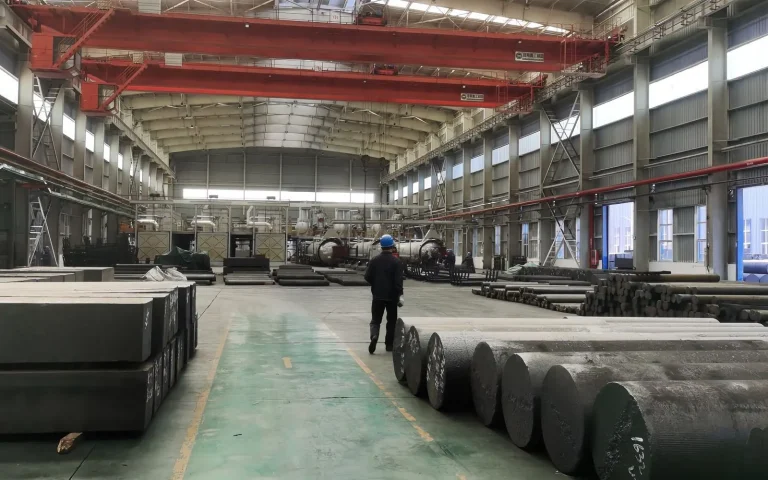
UHP graphite electrode is mainly used for ultra high power electric arc furnaces in steel smelting industry
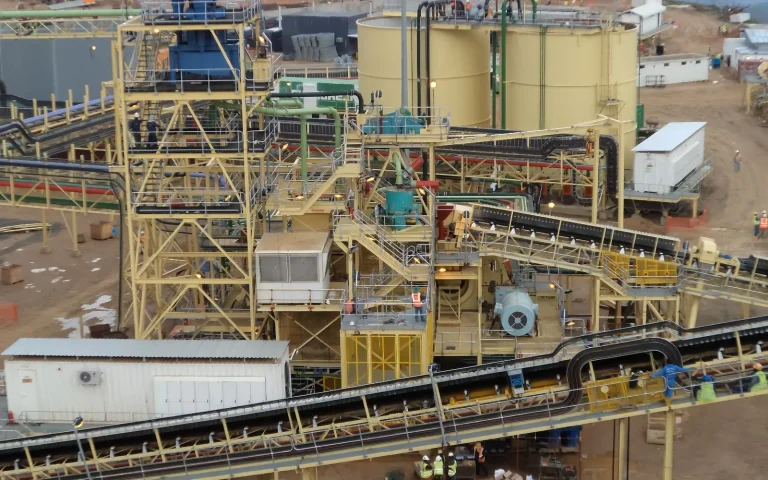
Flotation is the most popular processing way in gold ore processing project. Because the flotation process
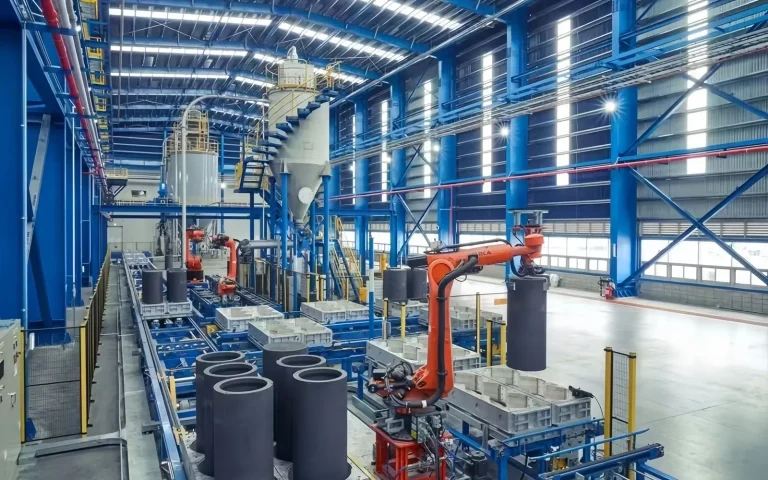
Prominer can provide the complete solution for making natrual graphite anode materials include grinding

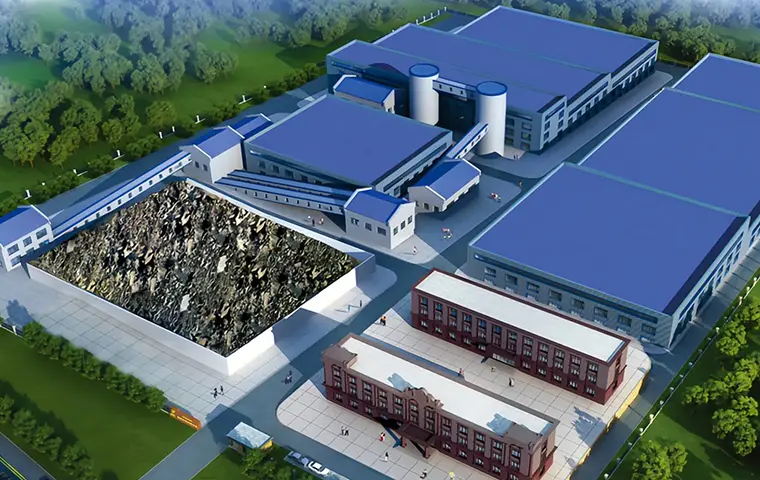
Raw Material: Natural Graphite Ore Concentrate Grade: 95% C TGC Final Product: Graphite Flotation Concentrate
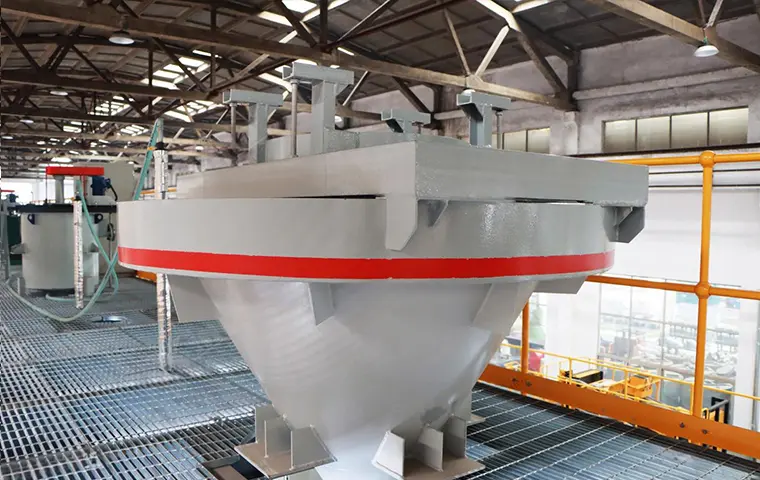
Raw Ore: Sulfide Type Gold Ore Gold Grade: 3.5 g/t Final Product: Gold Ingot Gold Recovery Rate: 96%
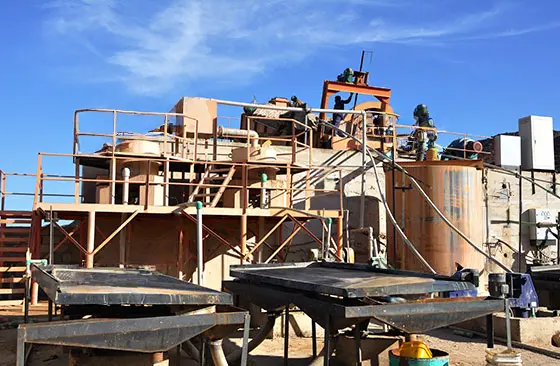
Raw Ore: Sulfide Gold-Copper Ore (Au-Cu ratio: 1:1.2) Gold Grade: 2.8 g/t Copper Grade: 0.85%
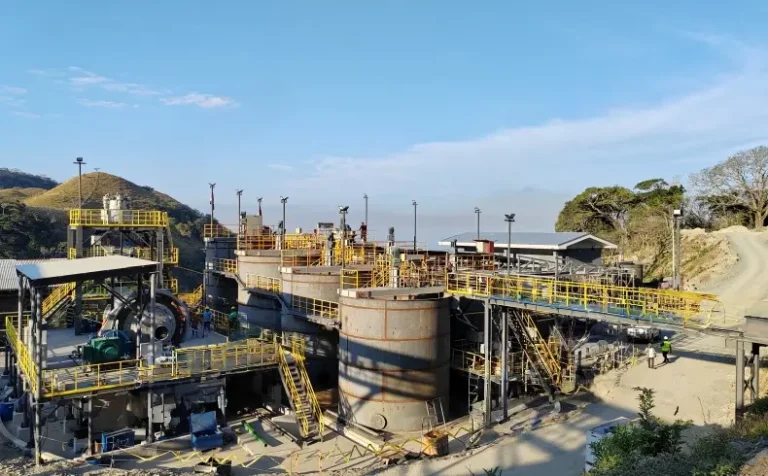
Raw Ore: Sulfide-Refractory Gold Ore (25% Sulfide) Gold Grade: 2.8-4.1 g/t Final Product: 99.99% Gold Ingot
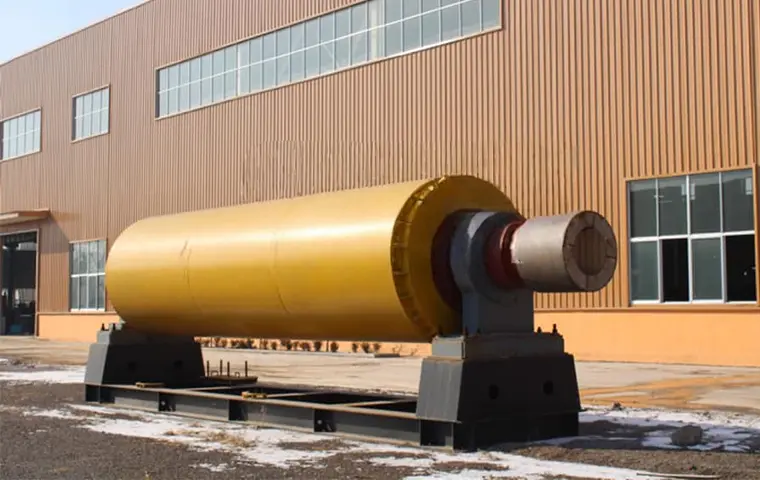
Raw Ore: Gold-bearing oxide ore / customised ore samples Feed Size: 12 mm below Target Grinding Fineness: 200 mesh (74μm) D80
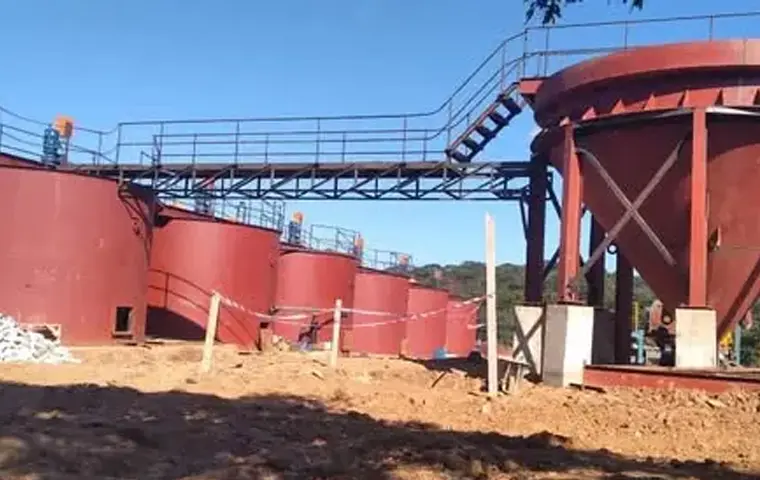
Raw Ore: Clay-rich oxidized gold ore (with minor sulfides) Gold Grade: 2.8 g/t Gold Ingot Purity: 89.5%
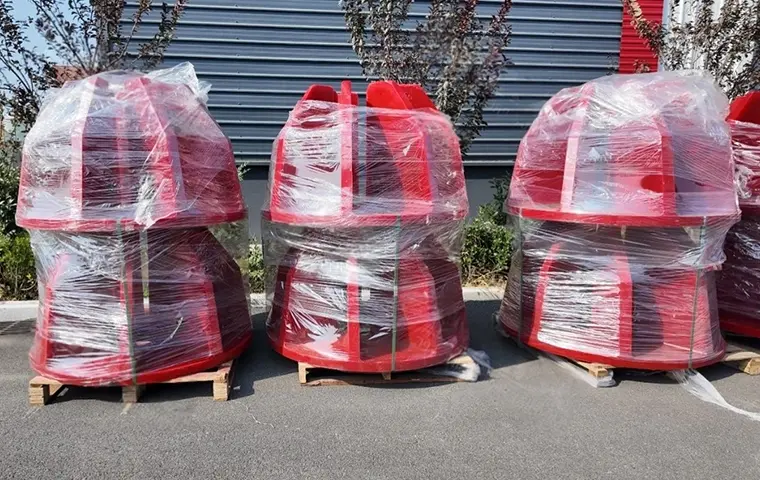
Raw Ore: Sulfide Copper Ore Copper Grade: 1.2% Target Flotation Recovery Rate: 92%
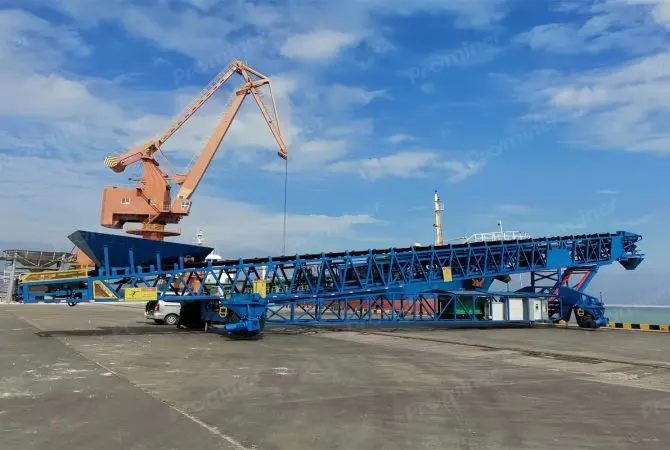
Our engineer team can design and manufacture the mobile type radial stacker, loader
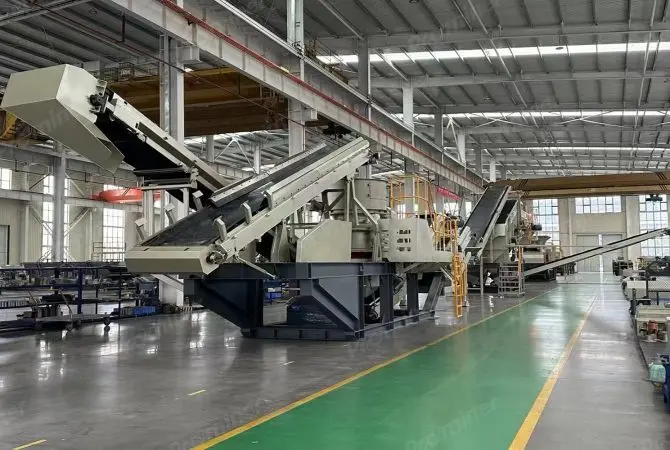
Skid mounted Portable Crusher, based on market requirements of easier moving from one site
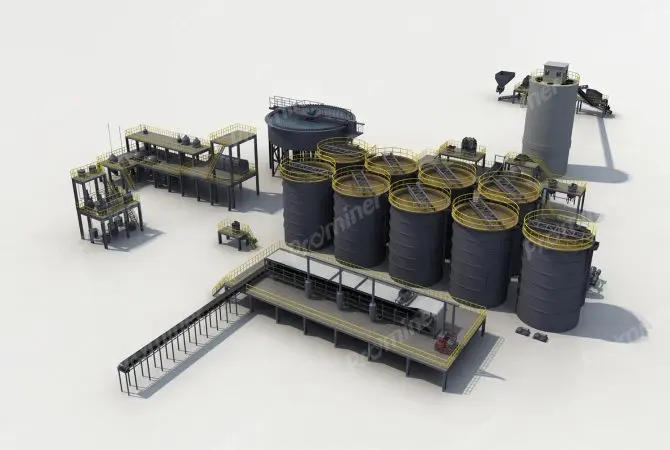
Prominer can provide the complete solution for CIL (carbon in leaching) system
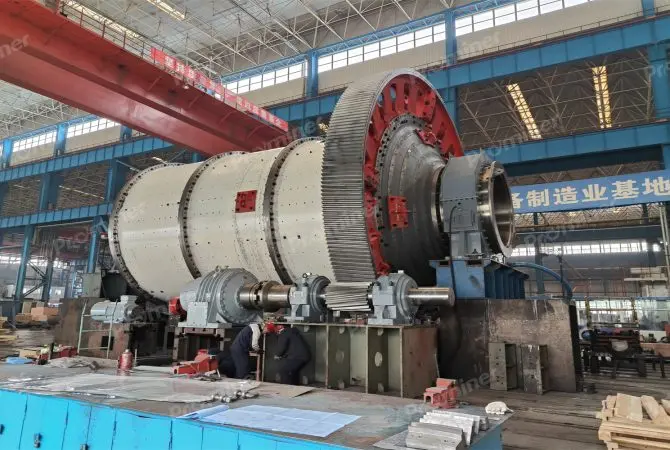
We can design and manufacture grate type ball mill for mineral primary grinding
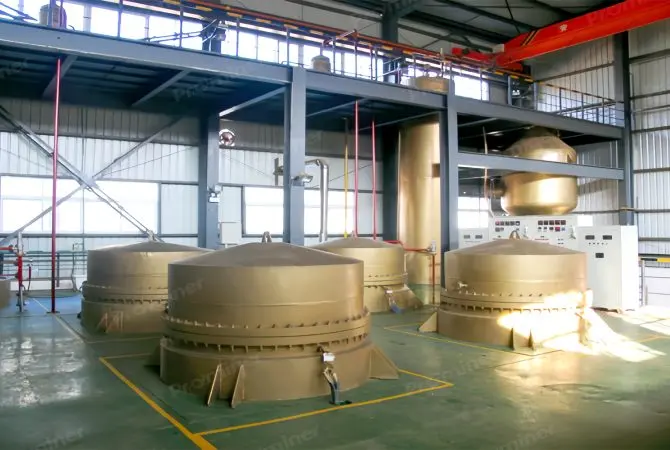
Prominer can design and provide the complete refinery and smelting system for gold CIL project
To find out more about our products and solutions, please fll out the form below and one of our experts will get back to you shortly
3000 TPD Gold Flotation Project in Shandong Province
2500TPD Lithium Ore Flotation in Sichuan
Fax: (+86) 021-58779592
Address: Room 606, Building D3, Phase II, Chuansha Business Center, 777 Long, Miaochuan Road, Pudong New Area, Shanghai,China
Copyright © 2023. Prominer (Shanghai) Mining Technology Co.,Ltd.