

There are two types natural graphite ore include crystalline graphite and amorphous graphite




Refractory gold ores are among the most difficult ore types to treat because a significant portion of the gold cannot be recovered effectively by conventional gravity separation or direct cyanidation. The root of this difficulty lies in process mineralogy: the relationship between gold occurrence, gangue minerals, sulfides, alteration textures, and the physical and chemical behavior of the ore during processing. Understanding these factors is essential for selecting the right beneficiation and pre-treatment strategy.
One of the most important mineralogical challenges is the way gold occurs within the ore. In refractory deposits, gold is often not present as coarse, free-milling particles. Instead, it may occur as:
When gold is trapped inside sulfide grains or chemically bound within mineral structures, it is inaccessible to cyanide unless the host minerals are first oxidized or otherwise broken down. This makes liberation much more complex than in free-milling ores.
Refractory ores commonly display extremely fine-grained textures, with gold and gold-bearing sulfides intimately intergrown with quartz, carbonates, silicates, or other sulfides. Even after fine grinding, complete liberation may not be achieved.
This creates several beneficiation problems:
The mineralogical grain size distribution therefore has a direct impact on the economic grind size and the practical limits of liberation.
Pyrite and arsenopyrite are the most common hosts for refractory gold, but their abundance, texture, and chemistry can vary greatly from one orebody to another. These variations strongly influence beneficiation performance.
Key issues include:
Not all pyrite or arsenopyrite behaves the same way. Crystal defects, trace element substitutions, and oxidation state all influence how easily the mineral can be processed and how effectively gold can later be extracted.
Carbonaceous refractory ores present an additional challenge because naturally occurring carbon can adsorb dissolved gold cyanide complexes during leaching. This phenomenon, known as preg-robbing, can significantly reduce gold recovery even when the gold itself has been liberated.
The severity of preg-robbing depends on:
In such ores, standard cyanidation may perform poorly unless preg-robbing behavior is controlled through blanking agents, flotation removal of carbonaceous matter, or alternative processing routes.
Gangue minerals play a major role in refractory ore behavior. Quartz may be relatively benign, but clays, carbonates, talc, mica, and other alteration minerals can complicate beneficiation and leaching.
Common challenges include:
Gangue chemistry also affects reagent consumption, pulp chemistry, and solid-liquid separation. As a result, ore mineralogy must be evaluated not only for gold hosts but for the full mineral assemblage.
Many gold deposits contain a mixture of oxide, transitional, and fresh sulfide ore. Transitional ores can be particularly problematic because they combine features of both oxidized and refractory material.
Mineralogical complications may include:
Weathering can either improve or worsen gold accessibility, depending on how it alters the host minerals. In many cases, partially weathered ores are less predictable than either fresh or fully oxidized material.
Refractory gold ores frequently contain elements that create metallurgical, environmental, or commercial problems. Arsenic, antimony, mercury, and organic carbon are especially significant.
These components may:
The deportment of these elements is just as important as their overall grade. Whether they occur in discrete minerals, solid solution, or surface coatings can determine the most suitable treatment path.
A major challenge in refractory gold beneficiation is that mineralogy is rarely uniform. Different ore zones may contain different sulfide species, gangue assemblages, gold associations, and preg-robbing characteristics.
This variability can lead to:
Detailed process mineralogical characterization is therefore critical for geometallurgical modeling and mine planning. Without it, a flowsheet that works well for one ore domain may fail in another.
Many refractory ores produce large amounts of fines and slimes during comminution. These ultrafine particles can dramatically affect beneficiation performance by altering pulp rheology, coating valuable mineral surfaces, and consuming reagents.
Surface chemistry problems may include:
These effects are often controlled by the mineralogy of both ore and alteration products, making mineralogical analysis essential for diagnosing plant performance issues.
Because refractory behavior is controlled by multiple overlapping mineralogical factors, no single beneficiation method is universally effective. The appropriate strategy depends on identifying:
In many cases, beneficiation must be integrated with pre-treatment methods such as flotation followed by roasting, pressure oxidation, bio-oxidation, ultrafine grinding, or specialized leaching approaches.
The process mineralogical factors that challenge refractory gold ore beneficiation are fundamentally linked to how and where gold is hosted, how minerals are intergrown, and how the ore responds to physical and chemical treatment. Fine-grained sulfides, submicroscopic gold, preg-robbing carbon, complex gangue assemblages, deleterious elements, and ore variability all contribute to poor recovery by conventional methods.
Successful treatment depends on thorough mineralogical characterization, including gold deportment studies, liberation analysis, sulfide chemistry, and gangue evaluation. Only by understanding these factors can operators design an effective and economically viable beneficiation flowsheet for refractory gold ores.
A: The choice depends entirely on your ore’s mineral characteristics:
Gravity Separation: Best for coarse-grained minerals with large density differences (e.g., placer gold).
Flotation: Ideal for fine-grained base metals (e.g., copper oxide) or removing impurities from non-metallic minerals (e.g., quartz sand).
Cyanidation (CIP): Necessary for fine, encapsulated precious metals (e.g., rock gold) to maximize chemical extraction.
A: This approach prevents over-grinding (creating excessive ultra-fine particles), which ruins flotation efficiency. By grinding in stages and immediately separating recovered minerals or waste at each stage, you significantly reduce energy consumption, minimize steel media wear, and protect valuable minerals from turning into unrecoverable slime.
A: Fine particles have low mass and high surface areas, making them hard to float. Key solutions include:
Advanced Reagents: Using highly selective collectors and flocculants to aggregate fine particles.
Micro-bubble Technology: Utilizing flotation columns that generate smaller bubbles to increase particle-bubble collision rates.
Desliming: Removing harmful ultra-fine slimes before the flotation stage to clear the process environment.
A: Relying on a single method is rarely enough. The key is a combined metallurgical flowsheet:
For High-Purity Quartz: Integrate scrubbing, magnetic separation (to remove iron), flotation (for feldspar), and acid leaching for the ultimate purity.
For Precious Metals: Combine gravity separation (to catch coarse gold early) with flotation and CIP (to extract fine gold), ensuring zero valuable minerals are wasted.
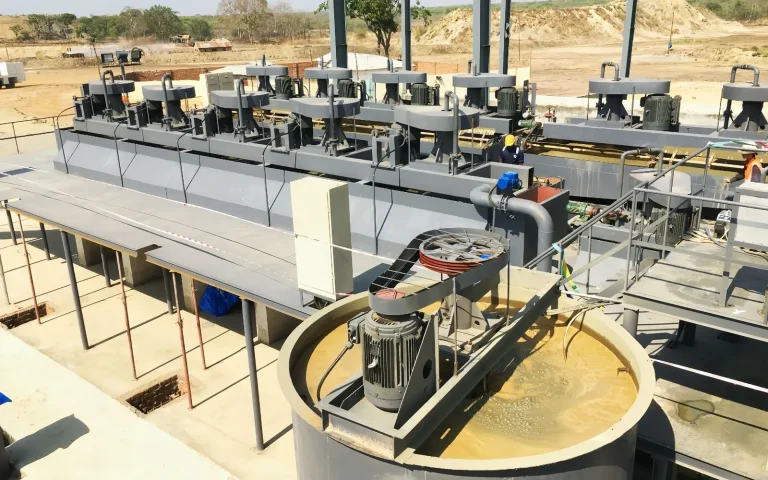
There are two types natural graphite ore include crystalline graphite and amorphous graphite
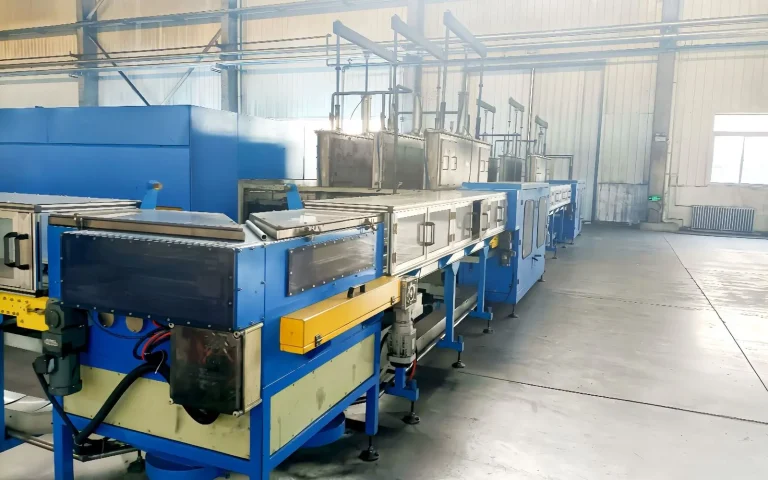
Hard carbon anode material is the most preferred materials for commercialization of sodium-ion battery
Heap leaching is a traditional cyanide leaching processing way which is flexible and economic to extract gold

Raw Ore: Sulfide Copper Ore Copper Grade: 1.2% Target Flotation Recovery Rate: 92%
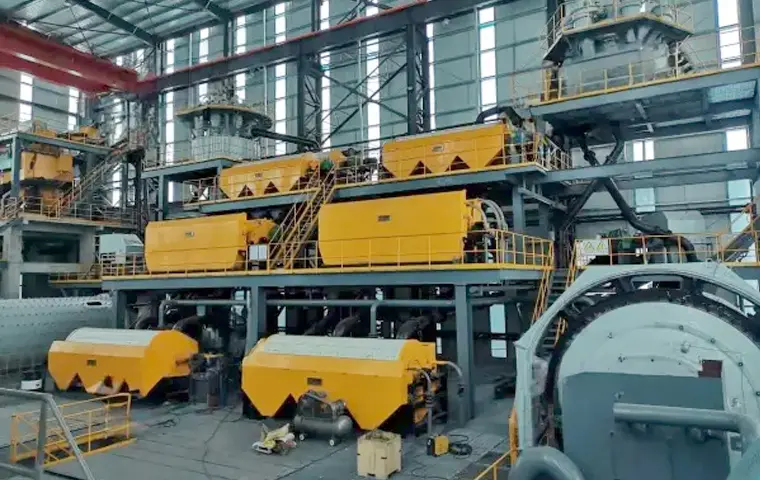
Raw Ore: Magnetite Iron Ore with Hematite Banding Fe Grade: 28-32% Final Product: High-Grade Iron Concentrate
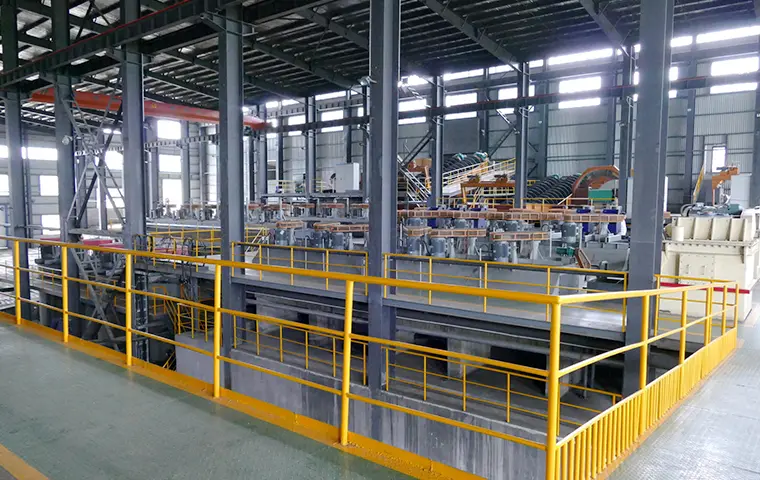
Raw Material: Spherical Graphite, Pitch Binder, Additives Project Capacity: 5,000 tons anode material; 20 tons graphene per annum
Raw Ore: Gold-bearing oxide ore / customised ore samples Feed Size: 12 mm below Target Grinding Fineness: 200 mesh (74μm) D80
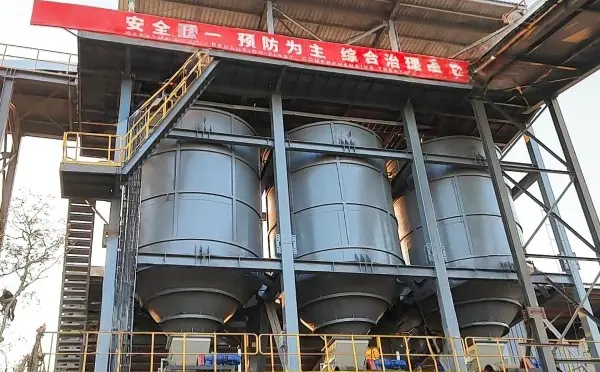
Raw Ore: Lepidolite, Spodumene, Gangue minerals: Quartz, Feldspar, Mica Li₂O Grade: 0.8%
Raw Material: High-Calcium Limestone Final Product: Cement Raw Material Powder (200 mesh) & Construction Aggregate
Raw Ore: Hausmannite Ore (Mn₃O₄) Mn Grade: 35% Final Product: Hausmannite Concentrate Mn Recovery Rate: 88%
Raw Ore: Sulfide Type Gold Ore Gold Grade: 1.2 g/t Operating Altitude: 4,200 meters
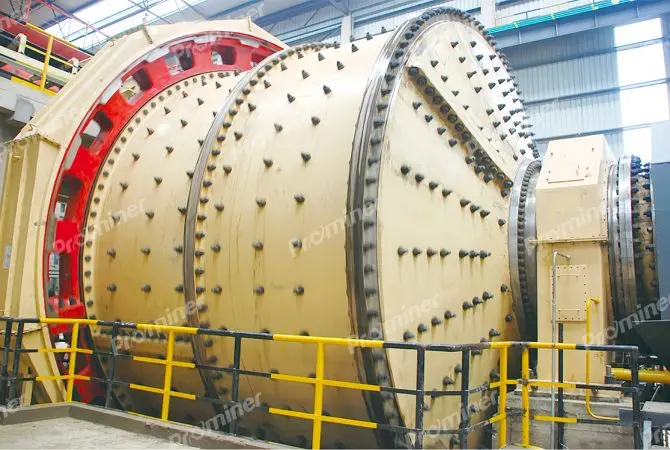
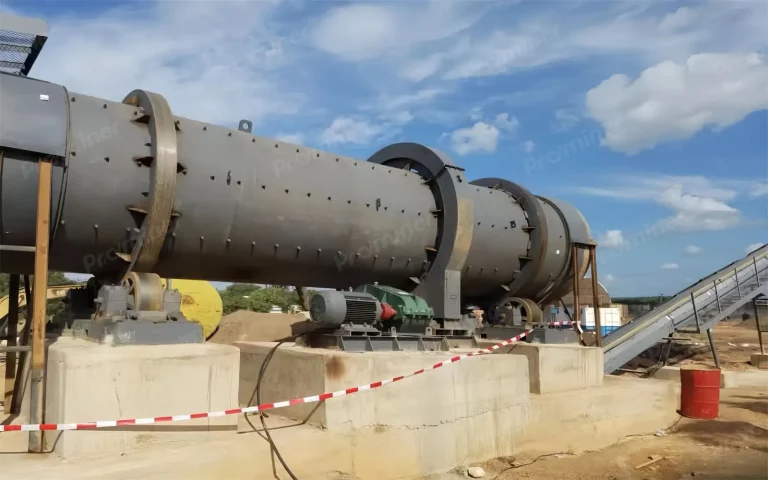
AG/SAG is short for autogenous mill and semi-autogenous mill, it combines with two functions of crushing
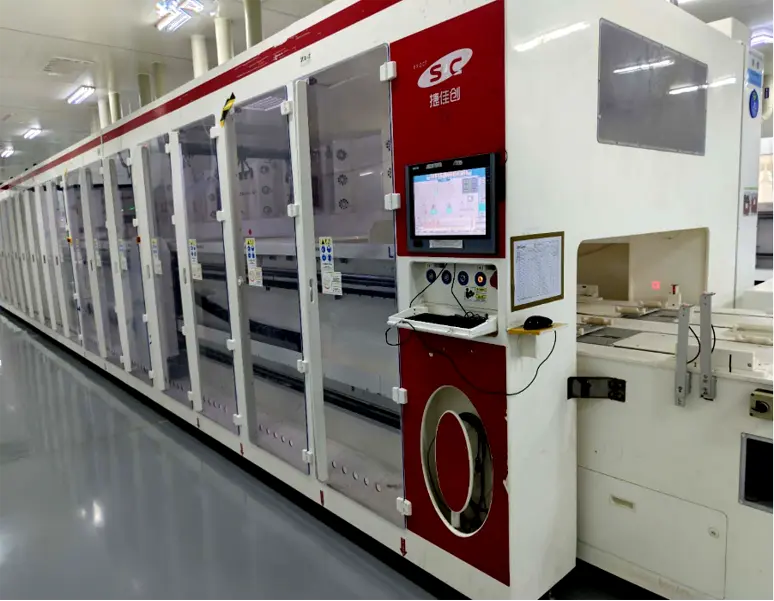
Such as: Boron diffusion furnace, BSG removal, Alkali polishing machine, PE-POLY…
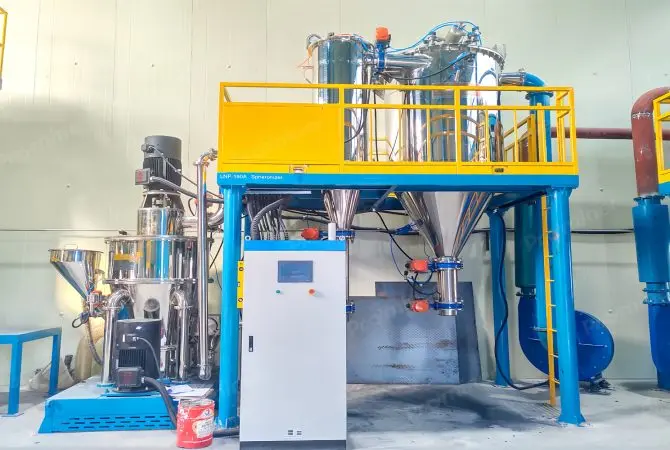
Besides strict PSD requirements, Anode Graphite also requires a spherical shape in order
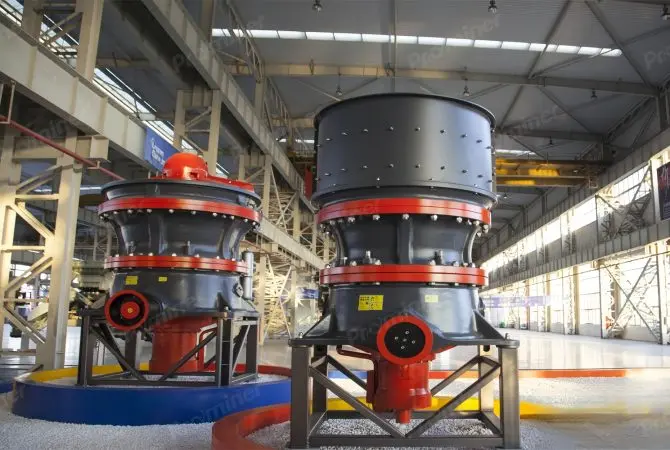
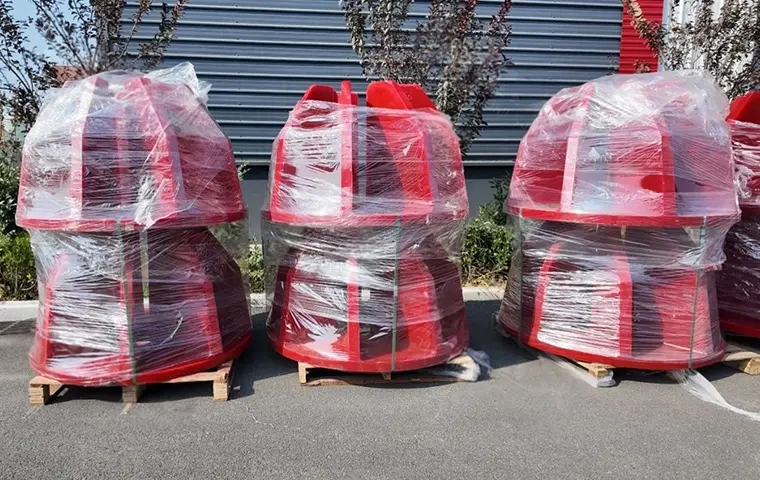
Single-cylinder hydraulic cone crusher have two series based on different cavity, S-cavity is designed
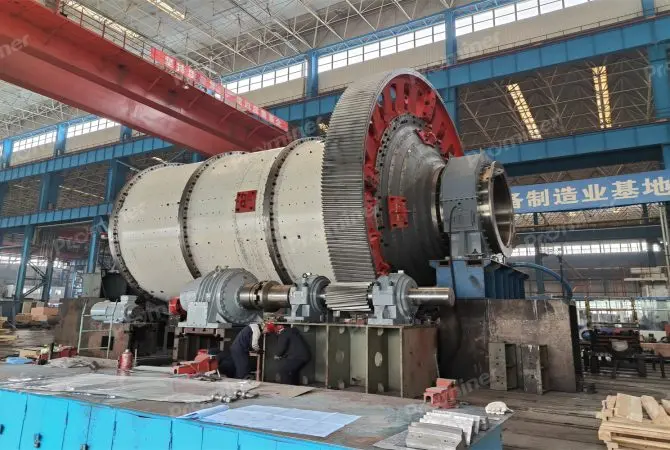
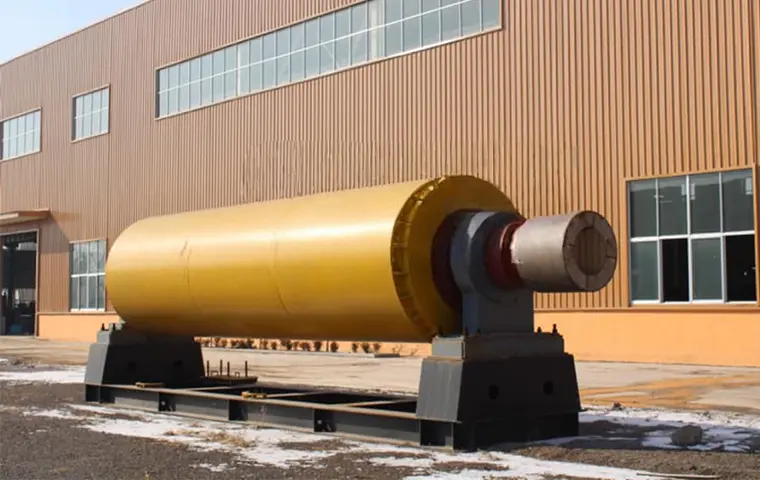
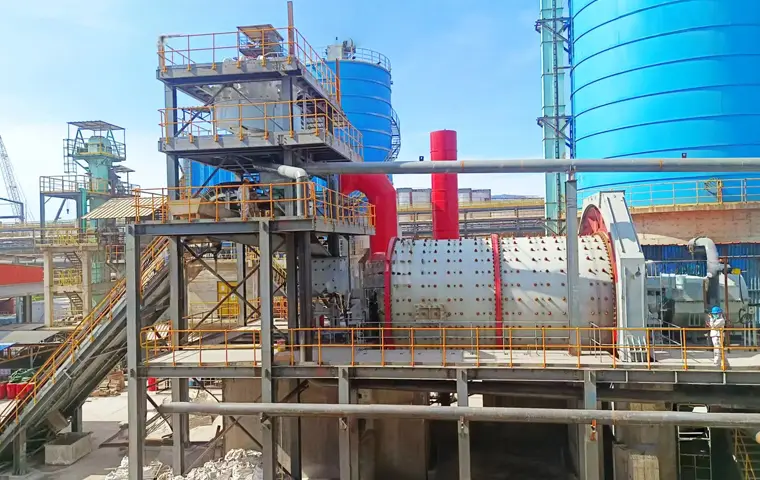
We can design and manufacture grate type ball mill for mineral primary grinding
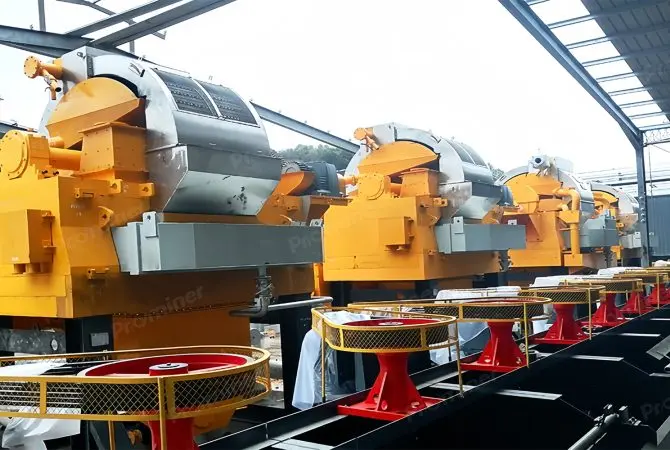
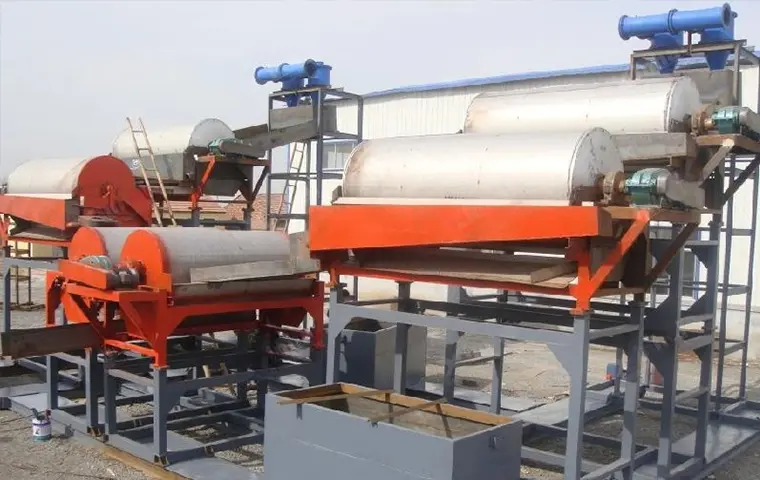
Prominer can provide different HIMS (High Intensity Magnetic separator) magnetic separators
To find out more about our products and solutions, please fll out the form below and one of our experts will get back to you shortly
3000 TPD Gold Flotation Project in Shandong Province
2500TPD Lithium Ore Flotation in Sichuan
Fax: (+86) 021-58779592
Address: Room 606, Building D3, Phase II, Chuansha Business Center, 777 Long, Miaochuan Road, Pudong New Area, Shanghai,China
Copyright © 2023. Prominer (Shanghai) Mining Technology Co.,Ltd.


