

The best-known of the exogenetic ores is alluvial gold which also called placer gold. Alluvial gold refers


/
/
What Solutions Address Challenges in Low-Grade Iron Ore (e.g., Limonite) Beneficiation?


Low-grade iron ores such as limonite present major beneficiation challenges due to their low iron content, high impurity levels, complex mineralogy, and often fine-grained structure. Unlike high-grade hematite ores, limonite typically contains significant moisture, clay, silica, alumina, and sometimes phosphorus, which make conventional processing less efficient. To improve resource utilization and support cost-effective iron production, mining and mineral processing operations use a combination of physical, thermal, chemical, and integrated beneficiation solutions.
Limonite is not a single mineral but a general term for hydrous iron oxides, often formed through weathering processes. These ores are usually porous, soft, and rich in combined water, making them difficult to upgrade using standard beneficiation methods alone. Their iron-bearing phases may be finely disseminated with gangue minerals, which reduces liberation efficiency during crushing and grinding.
Because of these characteristics, successful beneficiation begins with detailed ore characterization. Mineralogical analysis, particle size distribution studies, and impurity profiling help determine whether gravity separation, magnetic separation, roasting, flotation, or a combined flowsheet will be most effective.
One of the first solutions for low-grade limonite beneficiation is effective pre-treatment. Limonitic ores often contain significant clay and slime, which can interfere with downstream separation.
Controlled crushing and screening help prepare the ore for beneficiation by producing an appropriate particle size range while minimizing overgrinding. This is important because excessive fines can reduce recovery in gravity and magnetic circuits.
Washing and scrubbing remove adhering clay, soil, and weathered gangue from ore surfaces. Rotary scrubbers, log washers, and trommels are commonly used to break down soft agglomerates and improve the quality of the feed.
Desliming removes ultra-fine particles that are difficult to recover and often contain high levels of impurities. Hydrocyclones and classifiers are typically used for this step. In many limonite operations, desliming significantly improves the performance of later-stage gravity or magnetic separation.
Gravity separation can be effective when there is sufficient density contrast between iron minerals and gangue. Although limonite is often difficult to treat by gravity alone, this method can still recover coarser liberated particles.
Jigs, spiral chutes, and shaking tables are widely used in gravity circuits. These units separate particles based on differences in specific gravity and settling behavior. Spiral separators are especially common in low-cost beneficiation plants handling suitable size fractions.
Gravity separation is generally most effective when limonite occurs as relatively coarse particles and gangue is well liberated. It is less suitable for extremely fine-grained or highly intergrown ores, where other methods such as magnetic separation or flotation may be required.
Magnetic separation is one of the most important solutions for upgrading low-grade iron ores. However, limonite is weakly magnetic compared with magnetite, so process design must be adjusted accordingly.
Wet high-intensity magnetic separators and high-gradient magnetic separators are often used to recover limonite and other weakly magnetic iron minerals. These systems create strong magnetic fields capable of attracting iron-bearing particles that would not respond in low-intensity separators.
Wet magnetic separation is often preferred for limonite because it handles fine particles more effectively and reduces dust generation. Dry magnetic separation may be suitable in arid regions or where water availability is limited, but it can be less efficient for fine, sticky ores.
Magnetic separation often works best when paired with washing, desliming, or roasting. For example, removing clays ahead of magnetic separation improves selectivity and reduces entrainment of gangue minerals.
For some low-grade limonite ores, direct physical separation is not enough. In these cases, thermal treatment can substantially improve beneficiation results.
Magnetizing roasting converts weakly magnetic iron minerals such as limonite and goethite into strongly magnetic forms like magnetite. After roasting, low-intensity magnetic separation can be used more efficiently to recover iron.
Reduction roasting uses a controlled reducing atmosphere to alter mineral phases and improve magnetic properties. This process can be especially useful when iron minerals are closely associated with gangue and difficult to recover by conventional methods.
Roasting can greatly improve grade and recovery, but it also increases capital cost, energy use, and process complexity. Its economic viability depends on ore characteristics, plant scale, fuel availability, and environmental compliance requirements.
Flotation is another important solution when iron minerals are finely disseminated or when silica and alumina impurities must be selectively removed.
In reverse flotation, gangue minerals such as silica are floated away while iron minerals remain in the pulp. This method is widely used in iron ore beneficiation, particularly when upgrading fines.
In some cases, iron minerals themselves are floated. This may be useful depending on the surface chemistry of the ore and the impurity profile, though it is generally less common than reverse flotation in iron ore processing.
Collectors, depressants, dispersants, and pH regulators must be carefully selected and controlled. Because limonite has variable surface properties and often contains clays, reagent consumption can be high, making laboratory and pilot testing essential.
For ultra-fine low-grade iron ores, conventional methods may fail to provide adequate selectivity. Selective flocculation can offer a solution.
This process uses reagents to cause iron-bearing particles to agglomerate selectively while gangue remains dispersed. The flocculated iron particles can then be separated from impurities by sedimentation or other methods.
Selective flocculation is most useful in very fine-grained ores where liberation is achieved only at small particle sizes. It can be effective, but it requires precise control of water chemistry, reagent dosage, and dispersion conditions.
Limonite often contains high inherent moisture and may retain water after beneficiation, making dewatering a critical part of the process flowsheet.
Thickeners, vacuum filters, and pressure filters are used to remove water from concentrate and tailings. Efficient dewatering lowers transport costs and improves suitability for pelletizing or sintering.
Where necessary, thermal dryers can further reduce moisture content. This is especially important when the product must meet blast furnace or direct reduction feed specifications.
No single beneficiation method solves every low-grade limonite challenge. The most effective plants usually rely on integrated flowsheets tailored to the ore body.
A practical limonite beneficiation process may include crushing, washing, desliming, high-intensity magnetic separation, and flotation. In more difficult ores, magnetizing roasting may be added before magnetic separation.
Low-grade iron deposits often vary across the mine. Blending strategies, real-time monitoring, and flexible plant control systems help maintain consistent concentrate quality and recovery.
Metallurgical test work is essential for selecting the right beneficiation solution. Bench-scale studies, pilot trials, and simulation models help identify the most economical and technically viable process route.
Tests such as liberation analysis, magnetic susceptibility measurement, flotation response evaluation, and roasting trials provide data needed for process selection and equipment sizing.
Modern plants increasingly use sensors, process control software, and automated sampling systems to optimize throughput, reagent use, recovery, and product quality. These tools are especially valuable when processing variable low-grade ore.
Beneficiation of low-grade limonite must balance technical effectiveness with sustainability and cost.
Washing, magnetic separation, flotation, and roasting all consume significant water or energy. Closed-loop water systems, energy-efficient equipment, and waste heat recovery can improve project economics and reduce environmental impact.
Fine-grained tailings from limonite beneficiation require careful handling. Thickened tailings, dry stacking, and improved containment systems can reduce environmental risks and support regulatory compliance.
The choice of beneficiation solution depends not only on metallurgical performance but also on market conditions, infrastructure, product specifications, and operating cost. In some cases, a lower-cost process with moderate recovery may be more viable than a complex high-recovery flowsheet.
Addressing the challenges of low-grade iron ore beneficiation, especially for limonite, requires a tailored and often multi-stage approach. Effective solutions include washing and desliming to remove clays, gravity separation for suitable coarse fractions, high-intensity magnetic separation for weakly magnetic iron minerals, roasting to improve magnetic properties, flotation for impurity removal, and selective flocculation for ultra-fines. The best results usually come from integrating several of these methods based on detailed ore characterization and continuous process optimization.
As high-grade iron ore resources decline, the beneficiation of low-grade ores like limonite will remain an important part of the global iron supply chain. Operations that invest in smart flowsheet design, testing, and efficient process control will be best positioned to turn difficult ore into valuable feedstock.
A: The choice depends entirely on your ore’s mineral characteristics:
Gravity Separation: Best for coarse-grained minerals with large density differences (e.g., placer gold).
Flotation: Ideal for fine-grained base metals (e.g., copper oxide) or removing impurities from non-metallic minerals (e.g., quartz sand).
Cyanidation (CIP): Necessary for fine, encapsulated precious metals (e.g., rock gold) to maximize chemical extraction.
A: This approach prevents over-grinding (creating excessive ultra-fine particles), which ruins flotation efficiency. By grinding in stages and immediately separating recovered minerals or waste at each stage, you significantly reduce energy consumption, minimize steel media wear, and protect valuable minerals from turning into unrecoverable slime.
A: Fine particles have low mass and high surface areas, making them hard to float. Key solutions include:
Advanced Reagents: Using highly selective collectors and flocculants to aggregate fine particles.
Micro-bubble Technology: Utilizing flotation columns that generate smaller bubbles to increase particle-bubble collision rates.
Desliming: Removing harmful ultra-fine slimes before the flotation stage to clear the process environment.
A: Relying on a single method is rarely enough. The key is a combined metallurgical flowsheet:
For High-Purity Quartz: Integrate scrubbing, magnetic separation (to remove iron), flotation (for feldspar), and acid leaching for the ultimate purity.
For Precious Metals: Combine gravity separation (to catch coarse gold early) with flotation and CIP (to extract fine gold), ensuring zero valuable minerals are wasted.
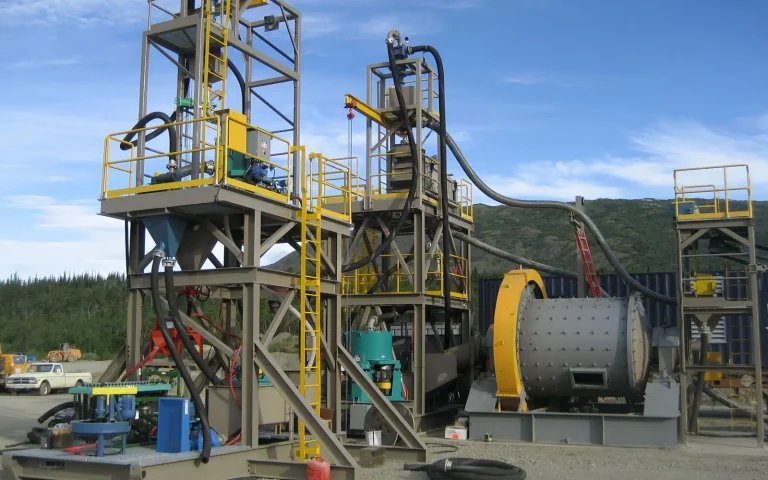
The best-known of the exogenetic ores is alluvial gold which also called placer gold. Alluvial gold refers
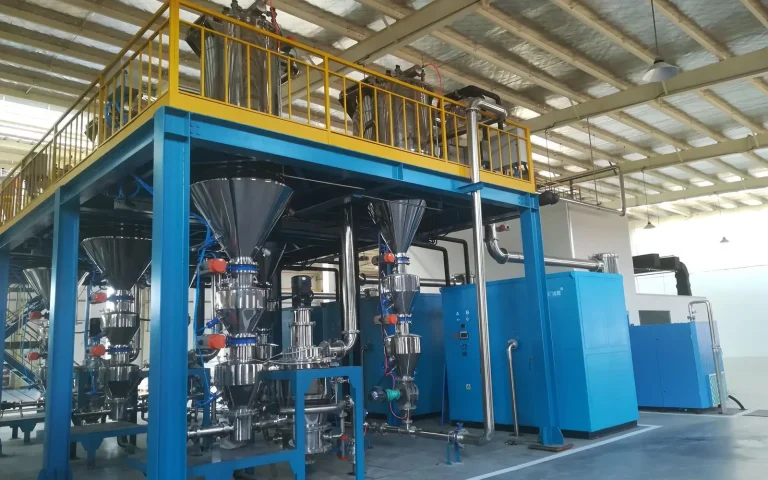
Silicon based anode is one kind of composite anode material by compounding silicon
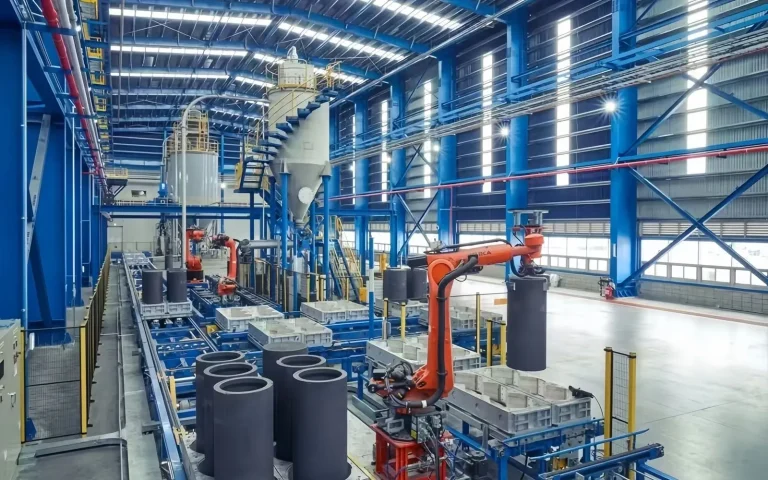
Prominer can provide the complete solution for making natrual graphite anode materials include grinding

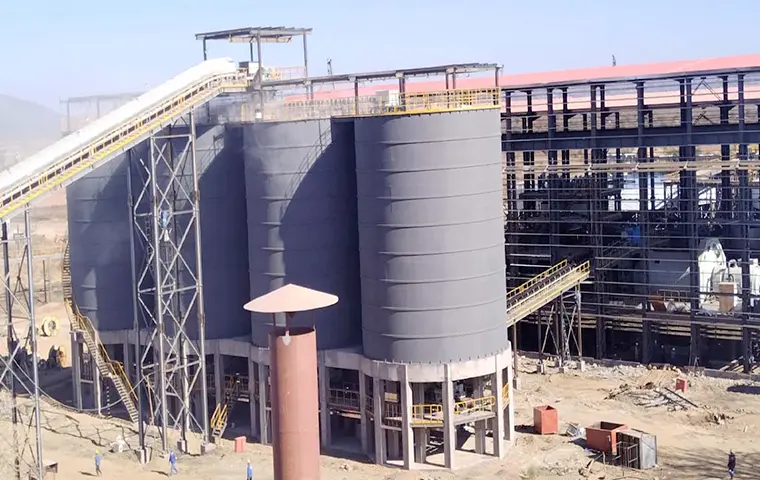
Raw Ore: Lithium-bearing pegmatite ore (mainly Spodumene) Li₂O Grade: 1.15% Concentrate Grade: 5.5% Li₂O

Raw Ore: Sulfide Type Copper Ore (with associated gold) Gold Grade: 0.6 g/t Copper Grade: 1.2%

Raw Ore: Lithium-Rich Hectorite Clay (Li₂O: 0.6-1.0%) Final Product: Battery-Grade Lithium Carbonate
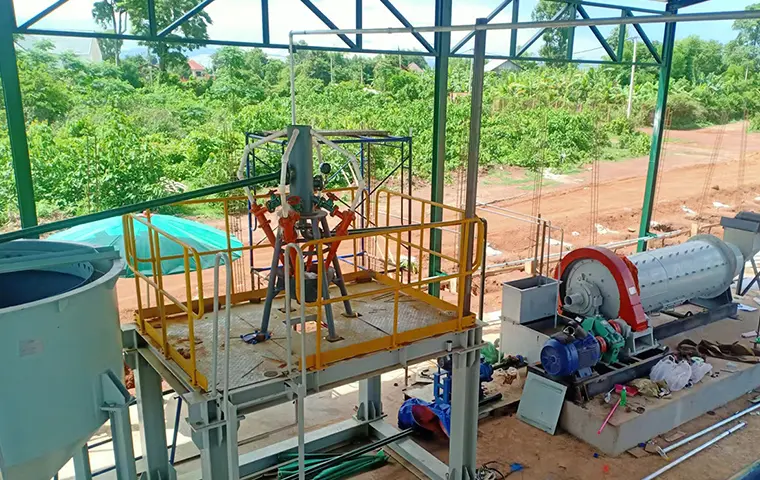
Features: Compact layout, full process coverage, low investment cost, and fast deployment. Designed for Startups & Small Mines — Your flexible and efficient gold solution!
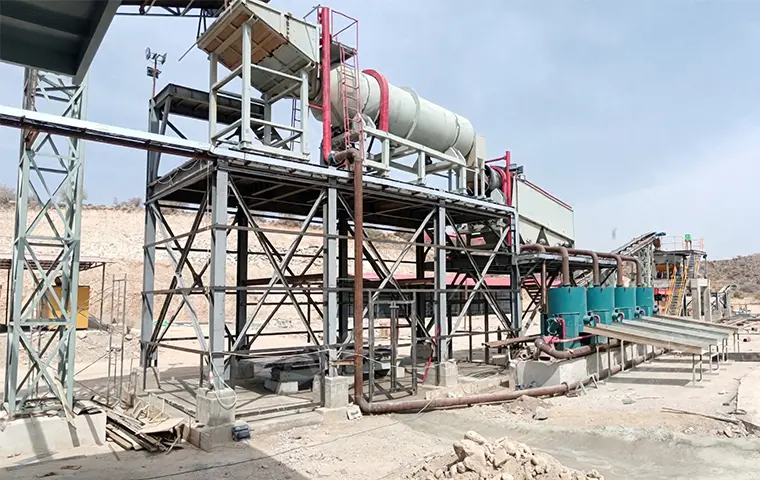
Raw Ore: Alluvial gold ore from dry river bed (Wadi) Gold Grade: 1.2 g/t Gold Recovery Rate: >92%
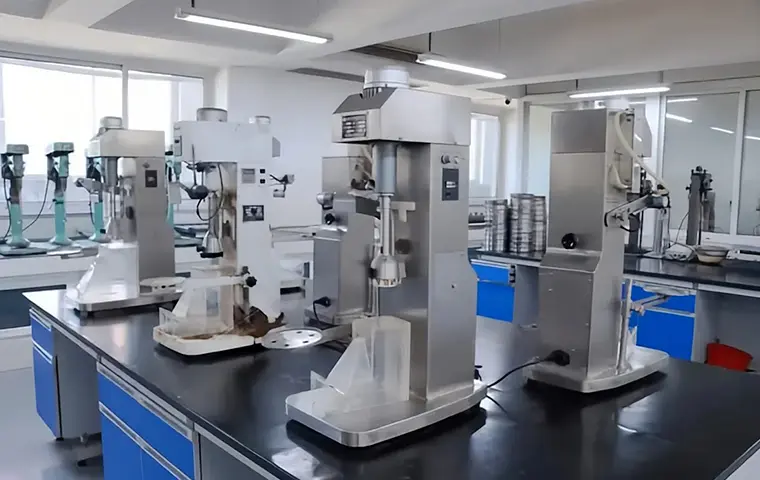
Raw Material: Various types of ore samples (gold, lithium, graphite, etc.) Lab Capacity: 50–100 samples per day
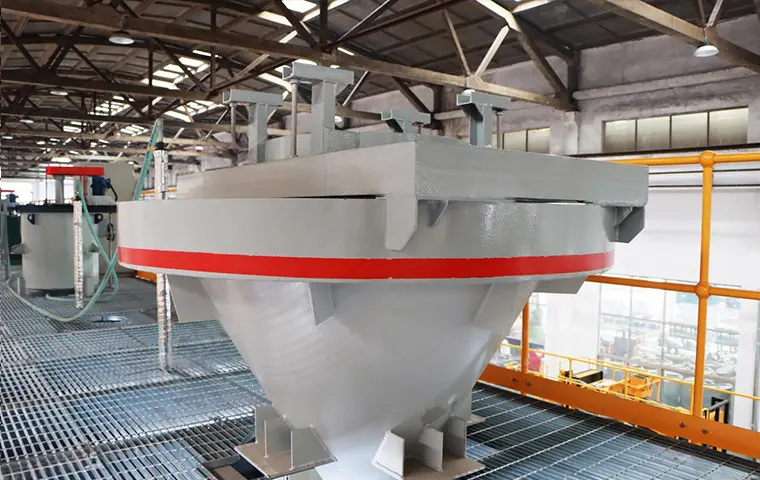
Raw Ore: Sulfide Type Gold Ore Gold Grade: 3.5 g/t Final Product: Gold Ingot Gold Recovery Rate: 96%
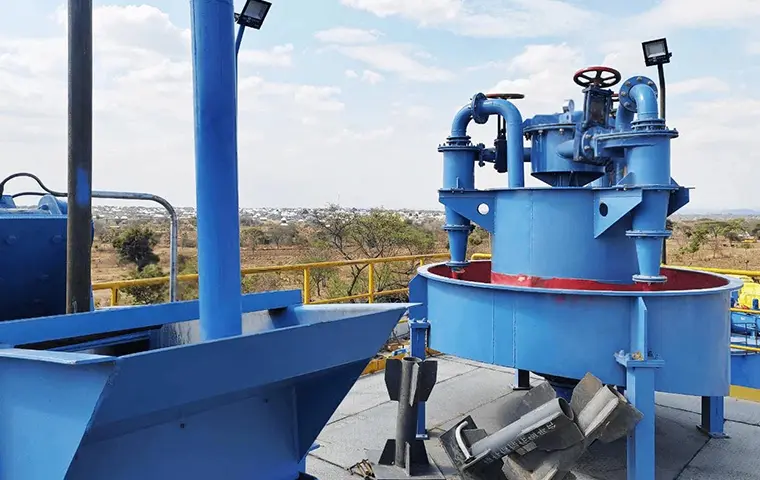
Capacity Target: Increase processing capacity from 500 TPD to 850 TPD in phases without halting production.
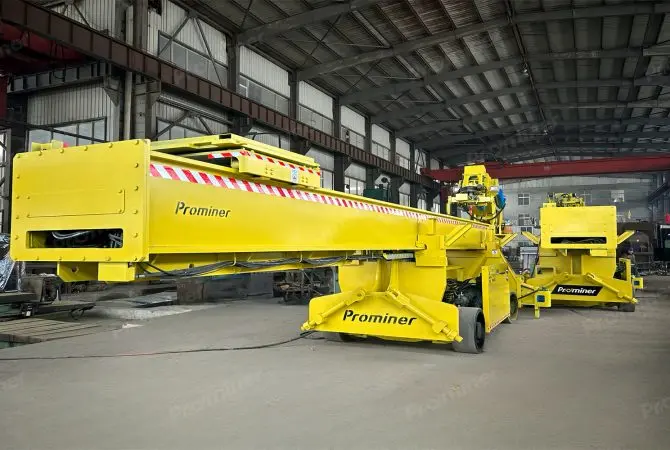
We can design and manufacture the mill relining machine (or called mill relining manipulator)
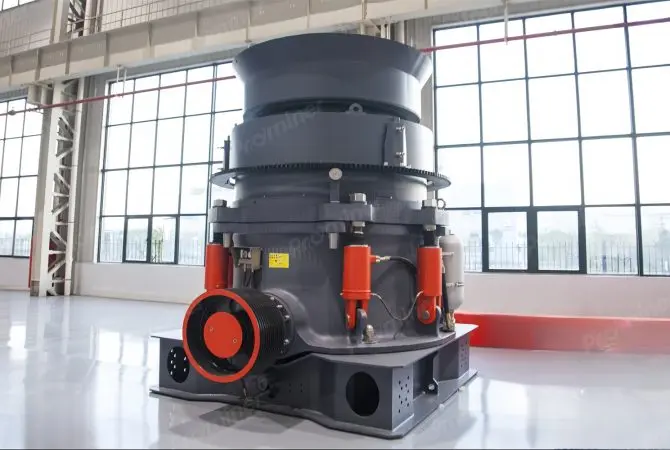
Multi-cylinder hydraulic cone crusher combines crusher speed, eccentricity and cavity profile
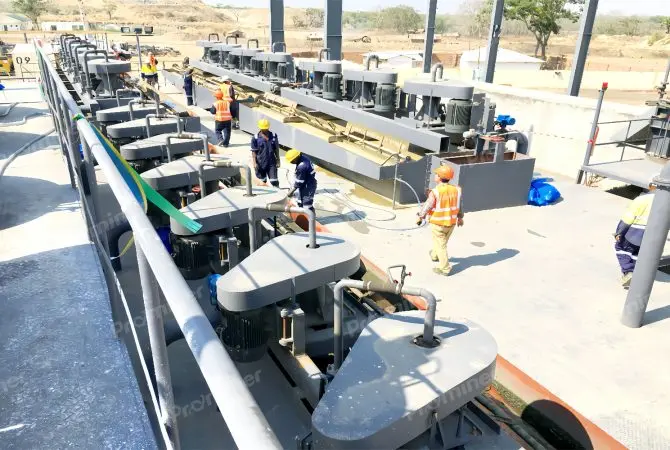
Prominer can provide SF series self-priming flotation machine and XCF/KYF series pneumatic flotation cell
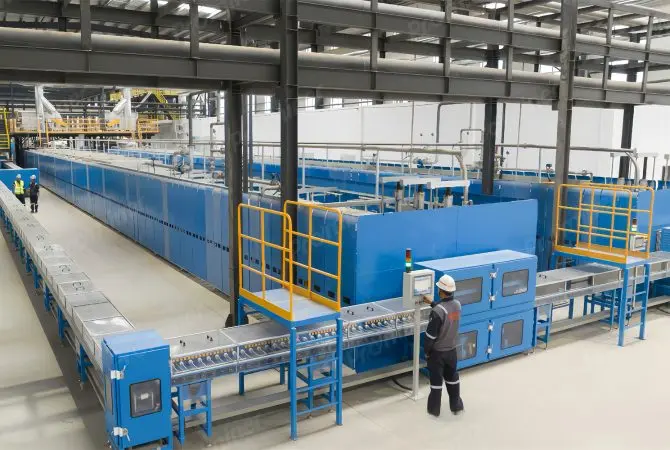
We can provide the complete solution for high temperature carbonization treatment system
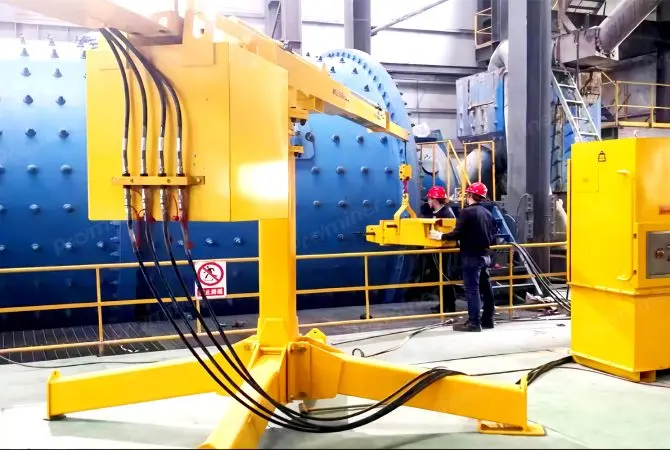
We can manufacture the highly automated and powerful recoilless Bolt Hammer to remove
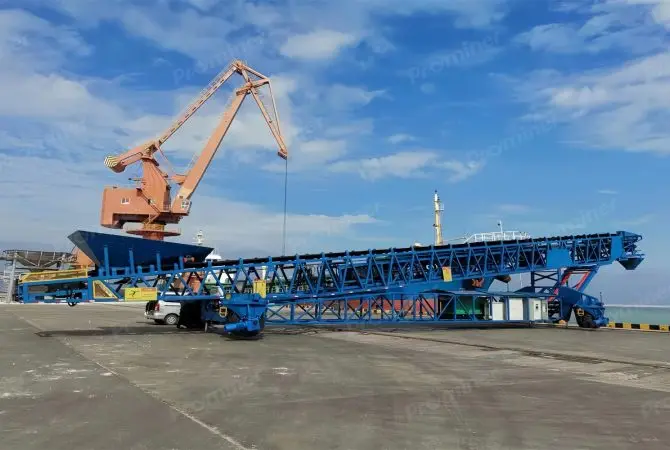
Our engineer team can design and manufacture the mobile type radial stacker, loader
To find out more about our products and solutions, please fll out the form below and one of our experts will get back to you shortly
3000 TPD Gold Flotation Project in Shandong Province
2500TPD Lithium Ore Flotation in Sichuan
Fax: (+86) 021-58779592
Address: Room 606, Building D3, Phase II, Chuansha Business Center, 777 Long, Miaochuan Road, Pudong New Area, Shanghai,China
Copyright © 2023. Prominer (Shanghai) Mining Technology Co.,Ltd.


