

Spodumene and lepidolite are very important lithium bearing minerals and they are very easy to recover




Low-grade copper oxide ores are increasingly important as high-grade deposits become harder to find and more expensive to develop. These ores often contain copper in forms such as malachite, chrysocolla, azurite, cuprite, and tenorite, but at concentrations that make recovery more challenging. To process them economically, mining and metallurgical operations rely on a combination of improved extraction, leaching, separation, and recovery technologies.
Heap leaching is one of the most widely used technologies for recovering copper from low-grade oxide ores. In this process, crushed ore is stacked on a lined pad and irrigated with a dilute sulfuric acid solution. The acid dissolves copper minerals, producing a copper-bearing leach solution that can be collected and treated further.
Heap leaching is especially valuable for low-grade material because it has lower capital and operating costs than conventional milling and smelting. Modern improvements such as better heap permeability control, optimized irrigation systems, agglomeration, and acid distribution monitoring have significantly improved copper recovery rates.
Many low-grade oxide ores contain clays, fines, or gangue minerals that interfere with leaching efficiency. Acid curing and agglomeration are used to address these issues before leaching begins.
Acid curing involves mixing concentrated sulfuric acid with the ore before stacking, helping initiate chemical reactions and improve copper dissolution. Agglomeration binds fine particles into larger, more permeable granules, which improves solution flow through the heap. Together, these methods can increase recovery, reduce channeling, and improve overall leach kinetics.
Solvent extraction-electrowinning is the standard downstream recovery route for copper oxide leach solutions. After leaching, the pregnant leach solution contains dissolved copper at relatively low concentrations. Solvent extraction selectively transfers the copper into an organic phase, separating it from impurities. The copper is then stripped into a concentrated electrolyte.
Electrowinning recovers the copper from this electrolyte as high-purity cathode metal. SX-EW is especially well suited to low-grade oxide ores because it can produce saleable copper without smelting. Advances in extractant chemistry, mixer-settler design, and process control have improved metal recovery, reduced reagent consumption, and enhanced product quality.
Detailed ore characterization has become a critical technology for improving recovery from low-grade copper oxide ores. Not all oxide ores behave the same way, and recovery depends heavily on mineralogy, gangue composition, acid consumption, and copper distribution.
Modern tools such as automated mineralogy, hyperspectral imaging, geometallurgical modeling, and advanced assaying help operators identify ore variability and design more effective processing strategies. Better characterization allows mines to separate ore types, optimize acid addition, predict leaching behavior, and reduce losses caused by blending incompatible materials.
Although bioleaching is more commonly associated with sulfide ores, microbial processes can also help in some oxide ore systems, especially where mixed oxide-sulfide mineralization is present. Certain microorganisms contribute indirectly by enhancing iron and sulfur chemistry, which can improve leach conditions.
For low-grade ores that include transitional material, microbial assistance may extend the range of ore that can be treated economically. Research in this area continues to improve understanding of how biological systems can support copper dissolution in complex ore bodies.
Some low-grade oxide ores respond poorly to conventional heap leaching because of slow reaction kinetics or poor copper liberation. In these cases, fine ore leaching or agitated tank leaching may provide better recovery.
By grinding ore finer and exposing more mineral surface area, operators can accelerate copper dissolution. Agitated leaching provides stronger contact between acid and ore particles, often resulting in faster and higher extraction than heap leaching. While these methods usually involve higher costs, they may be justified for ores with recoverable copper that would otherwise be lost.
In certain cases, ion exchange technologies can be used as an alternative or supplement to solvent extraction. These systems are designed to recover copper from dilute or impurity-rich leach solutions where conventional SX performance may be limited.
Alternative hydrometallurgical circuits, including membrane-based separation and novel resin systems, are being developed to improve copper recovery from challenging low-grade oxide resources. These technologies may become more important as ore grades decline and water quality or impurity constraints become more severe.
Digital technologies are increasingly improving recovery across copper oxide processing operations. Sensors, automation systems, and real-time analytics help operators monitor acid consumption, solution flow, heap temperature, copper concentration, and recovery trends.
Using data analytics and predictive models, mines can identify underperforming areas of a heap, adjust leach conditions more quickly, and improve operating consistency. Automation also reduces variability in reagent addition, irrigation, and SX-EW control, all of which can contribute to better recovery from low-grade ores.
Efficient water use and reagent management are essential for maximizing recovery from low-grade oxide ores. Since leaching depends on solution chemistry, controlling pH, acid strength, impurity buildup, and water balance has a direct effect on copper extraction.
Technologies such as water recycling systems, improved pond management, and reagent dosing controls help maintain stable process conditions. Optimizing sulfuric acid consumption is particularly important, as acid cost and gangue acid demand can strongly influence the economics of low-grade ore processing.
Ore sorting and preconcentration technologies can improve the economics of treating low-grade oxide ores by rejecting waste before leaching. Sensors such as X-ray transmission, near-infrared, color, and laser-based systems can distinguish mineralized material from barren rock.
By upgrading feed before it reaches the leach pad or plant, ore sorting can reduce acid consumption, increase effective head grade, and improve downstream recovery. This is especially valuable when dealing with large tonnages of marginal material.
Recovery from low-grade copper oxide ores is improved by combining several complementary technologies rather than relying on a single solution. Heap leaching, acid curing, agglomeration, and SX-EW remain the core processing methods, but newer advances in ore characterization, automation, ore sorting, and alternative recovery systems are helping operators extract more copper from increasingly difficult resources.
As ore grades continue to decline, successful recovery will depend on selecting the right technologies for each ore type and integrating them into an efficient, data-driven processing strategy.
A: The choice depends entirely on your ore’s mineral characteristics:
Gravity Separation: Best for coarse-grained minerals with large density differences (e.g., placer gold).
Flotation: Ideal for fine-grained base metals (e.g., copper oxide) or removing impurities from non-metallic minerals (e.g., quartz sand).
Cyanidation (CIP): Necessary for fine, encapsulated precious metals (e.g., rock gold) to maximize chemical extraction.
A: This approach prevents over-grinding (creating excessive ultra-fine particles), which ruins flotation efficiency. By grinding in stages and immediately separating recovered minerals or waste at each stage, you significantly reduce energy consumption, minimize steel media wear, and protect valuable minerals from turning into unrecoverable slime.
A: Fine particles have low mass and high surface areas, making them hard to float. Key solutions include:
Advanced Reagents: Using highly selective collectors and flocculants to aggregate fine particles.
Micro-bubble Technology: Utilizing flotation columns that generate smaller bubbles to increase particle-bubble collision rates.
Desliming: Removing harmful ultra-fine slimes before the flotation stage to clear the process environment.
A: Relying on a single method is rarely enough. The key is a combined metallurgical flowsheet:
For High-Purity Quartz: Integrate scrubbing, magnetic separation (to remove iron), flotation (for feldspar), and acid leaching for the ultimate purity.
For Precious Metals: Combine gravity separation (to catch coarse gold early) with flotation and CIP (to extract fine gold), ensuring zero valuable minerals are wasted.
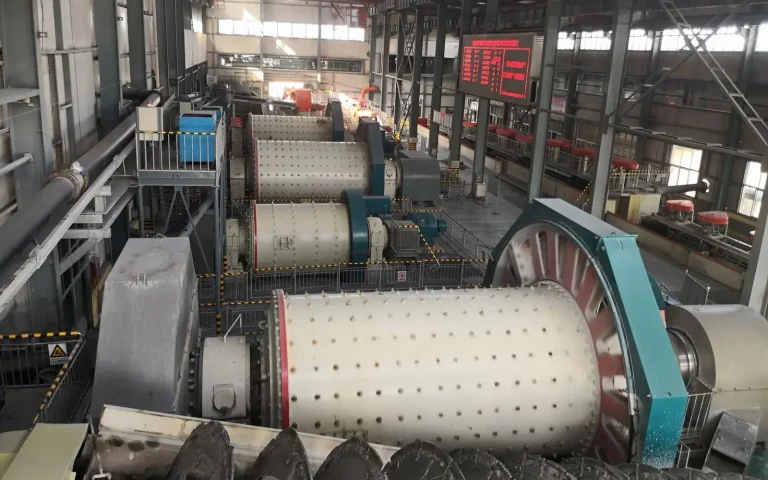
Spodumene and lepidolite are very important lithium bearing minerals and they are very easy to recover
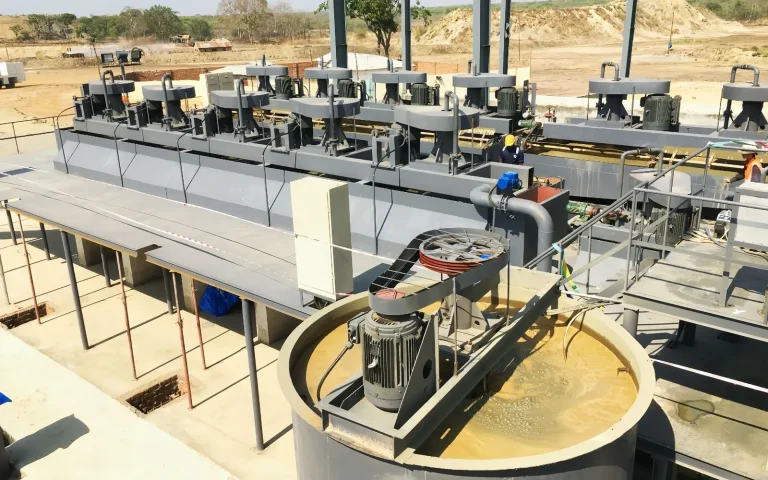
There are two types natural graphite ore include crystalline graphite and amorphous graphite
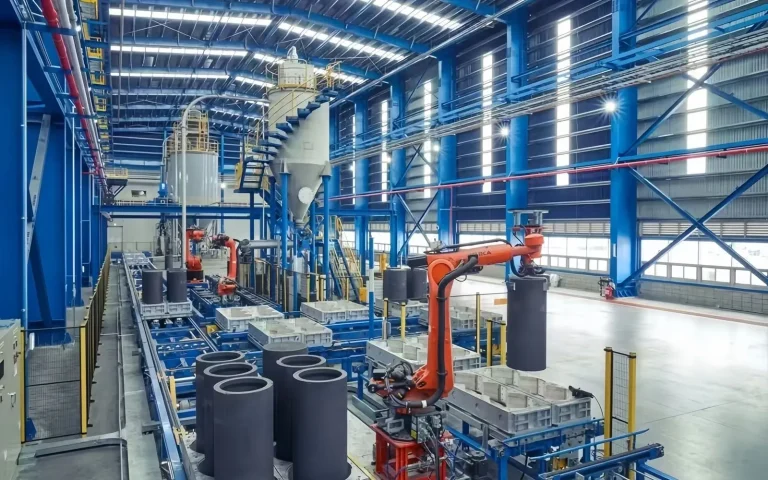
Provide the complete solution for making graphite anode materials include grinding, shaping, purification…

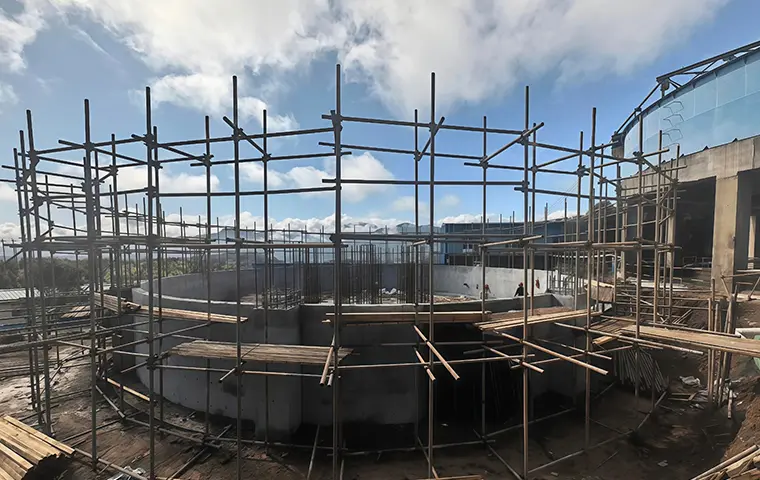
Raw Ore: Sulfide Type Gold Ore Gold Grade: 3.5 g/t Gold Recovery Rate: 92%
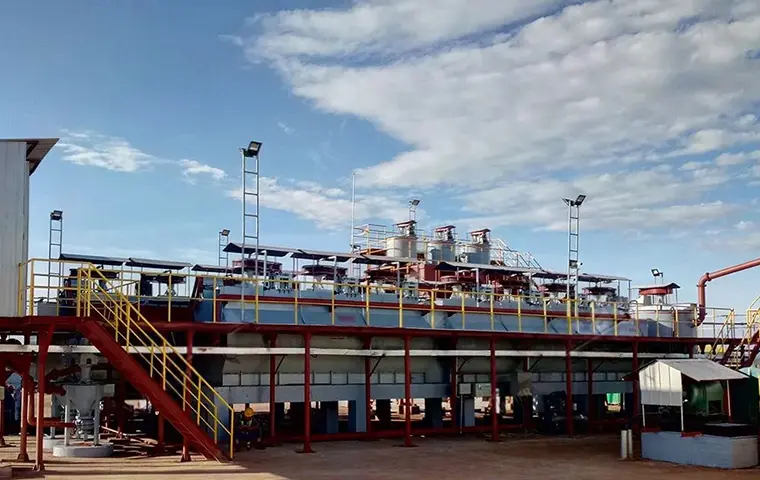
Raw Ore: Gold ore with high arsenic content Gold Grade: 3.5 g/t Arsenic Content: 2.1%
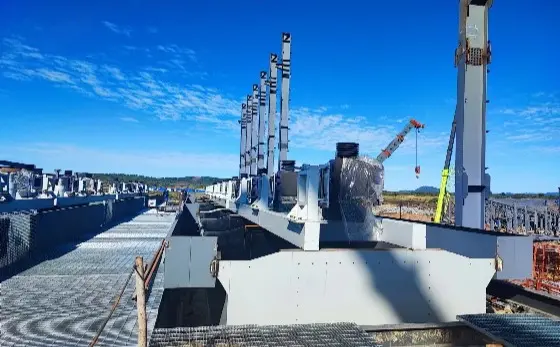
Raw Feed: Lithium Pegmatite Ore (Spodumene Dominant) Li₂O Grade: 1.2% Final Product: Battery-Grade Lithium
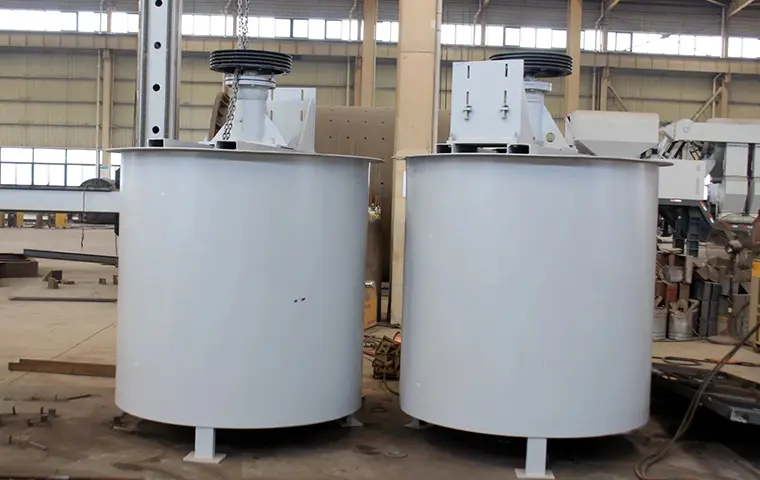
Raw Ore: Oxide Type Gold Ore Gold Grade: 2.5 g/t Gold Ingot Purity: 92%
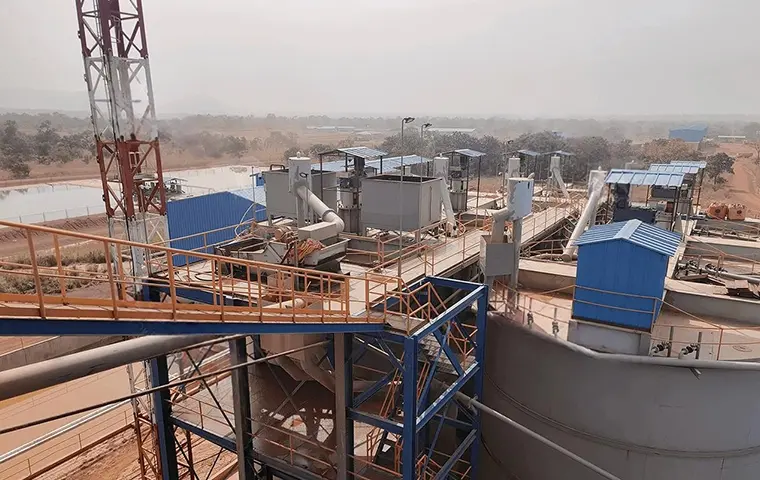
Raw Ore: Sulfide Copper Ore (with minor pyrite content) Copper Grade: 1.2% Concentrate Grade 25% Cu
Raw Ore: Alluvial gold ore from river bed Gold Grade: 0.8 g/t
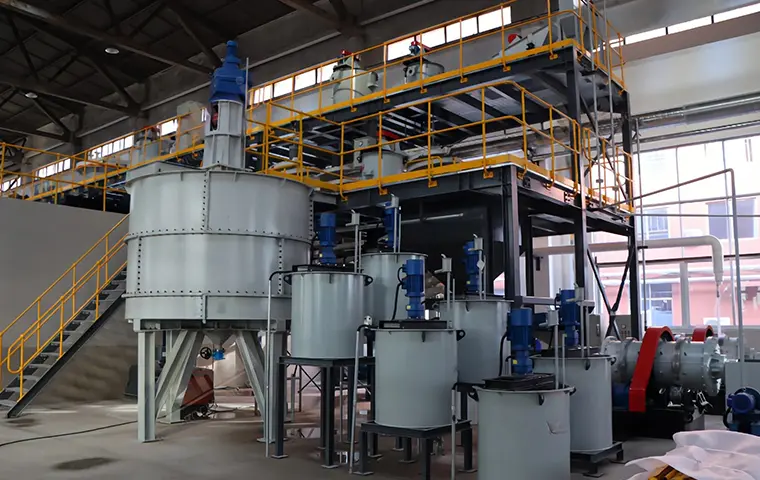
Project Background: Expansion and Technological Upgrade of an Existing Flotation Plant
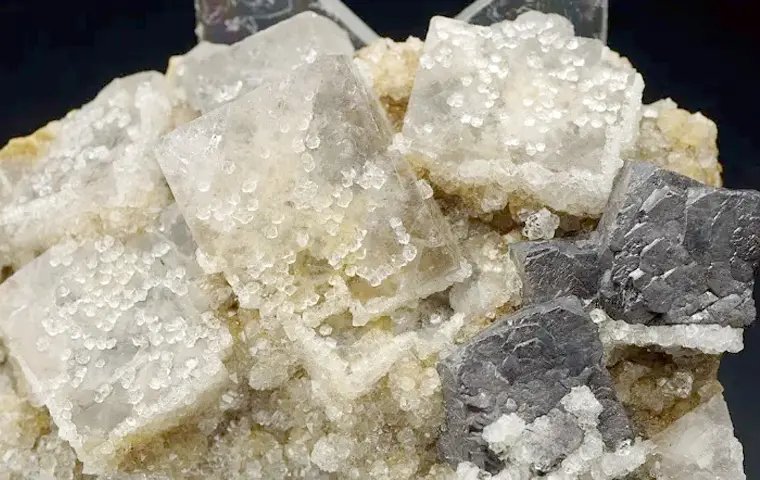
Raw Material: Polymetallic Ore Containing Galena (PbS) and Fluorite (CaF₂) Lead Grade: 3.5% Fluorite Grade: 35%
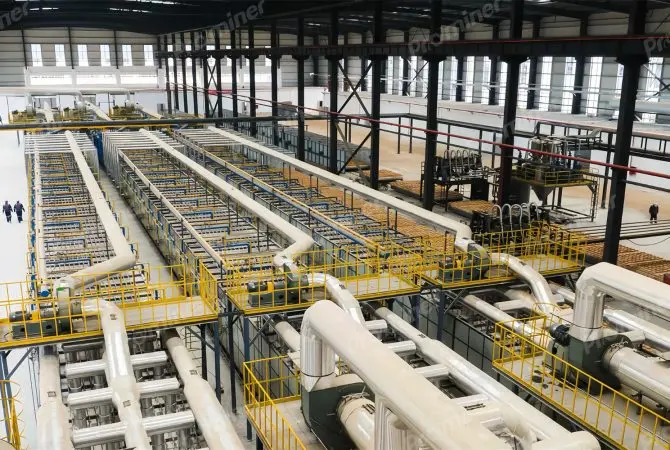
Prominer provides various types of furnaces for primary and secondary baking of carbon
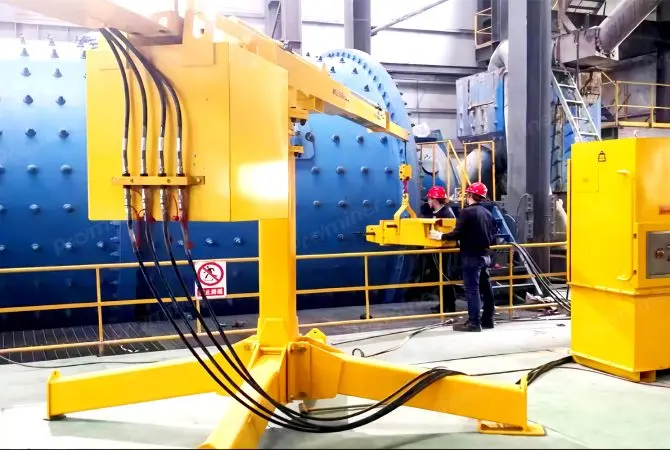
We can manufacture the highly automated and powerful recoilless Bolt Hammer to remove
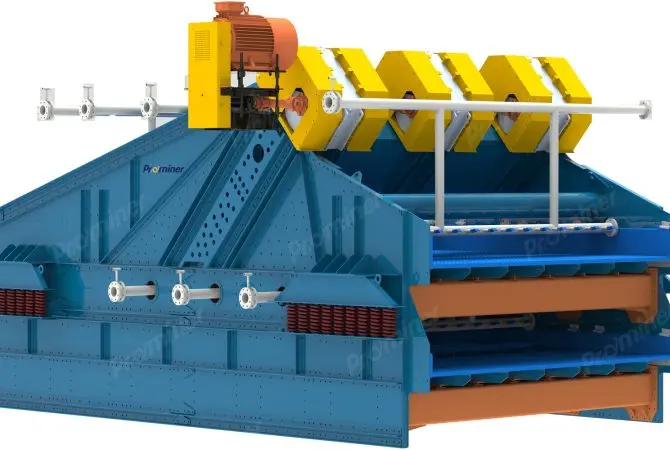
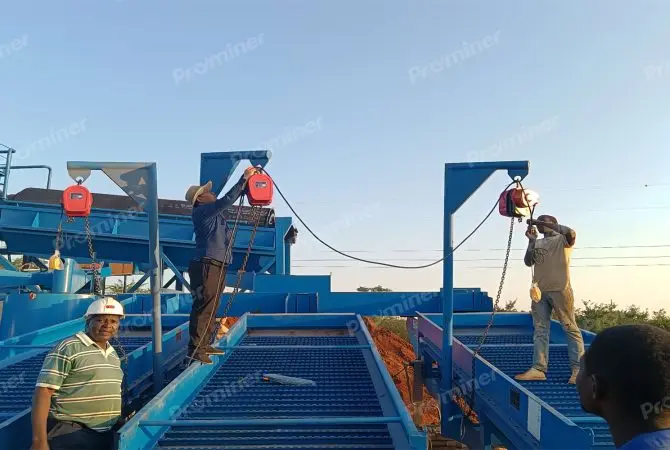
Prominer can provide all kinds of linear screen for mineral grading, material sizing, dewatering
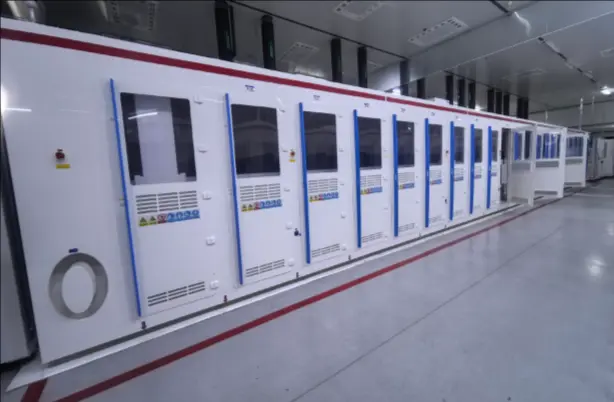
Include: Monocrystalline Batch Texturing Equipment, Batch Texturing Loader/Unloader, Low-Pressure…
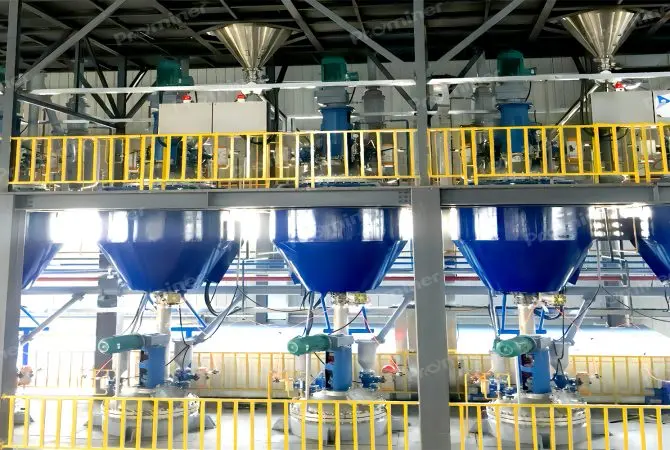
Our granulation reactor combines the coating and granulation processing functions together
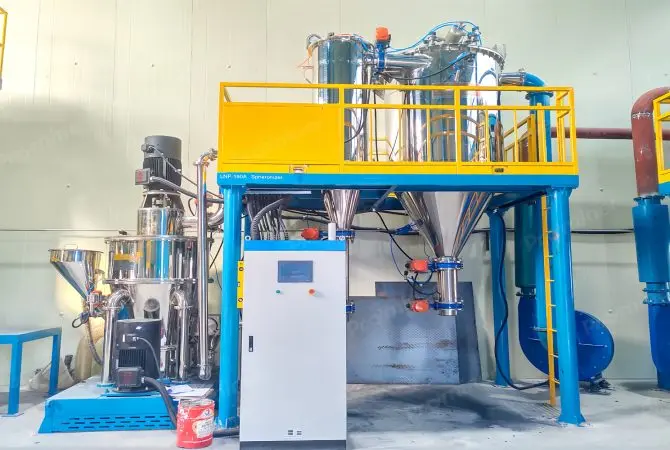
Besides strict PSD requirements, Anode Graphite also requires a spherical shape in order
To find out more about our products and solutions, please fll out the form below and one of our experts will get back to you shortly
3000 TPD Gold Flotation Project in Shandong Province
2500TPD Lithium Ore Flotation in Sichuan
Fax: (+86) 021-58779592
Address: Room 606, Building D3, Phase II, Chuansha Business Center, 777 Long, Miaochuan Road, Pudong New Area, Shanghai,China
Copyright © 2023. Prominer (Shanghai) Mining Technology Co.,Ltd.


