Silicon based anode is one kind of composite anode material by compounding silicon




Gravity separation can be highly effective in copper processing, but it only pays off under the right ore and plant conditions. In simple terms, it works best when copper minerals are sufficiently liberated, significantly denser than the surrounding gangue, and present in a particle size range that gravity equipment can recover efficiently. When these conditions are met, gravity circuits can increase recovery, lower grinding and reagent costs, and sometimes produce a saleable pre-concentrate before flotation.
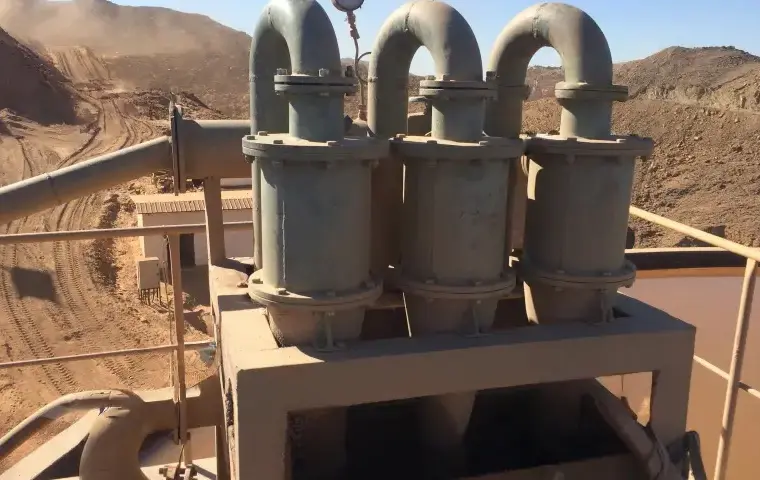
Gravity separation relies on differences in specific gravity between valuable minerals and waste minerals. Many copper-bearing minerals, such as chalcopyrite, bornite, and native copper, are denser than common gangue minerals like quartz, feldspar, and calcite. This density contrast allows physical separation using equipment such as jigs, spirals, shaking tables, centrifugal concentrators, and dense media systems.
The stronger the density contrast, the easier it is to make gravity separation work economically. If copper minerals are too finely intergrown with gangue, however, gravity methods become less attractive because the ore must be ground too fine, increasing cost and reducing gravity efficiency.
Gravity separation tends to pay off most in specific copper ore settings rather than as a universal solution.
Native copper is often a strong candidate because metallic copper has very high density and can often be recovered in relatively coarse sizes. In these deposits, gravity can recover liberated copper early, reduce overgrinding losses, and improve overall plant performance.
Where sulfide minerals occur as coarse, liberated particles, gravity can be used to recover part of the copper before flotation. This is especially valuable when a meaningful portion of the copper is present in a size range suitable for jigs, tables, or centrifugal concentrators.
Some copper ores also contain recoverable gold, silver, or other dense minerals. In such cases, gravity separation may pay off not only for copper recovery, but also because it helps recover valuable by-products that improve the economics of the whole circuit.
Whether gravity separation pays off depends on a combination of mineralogical, metallurgical, and operational factors.
This is usually the most important condition. If the copper minerals are liberated at relatively coarse sizes, gravity can recover them efficiently with low energy input. If full liberation requires very fine grinding, flotation usually becomes the better primary method.
A clear density gap between copper minerals and gangue supports effective gravity recovery. The higher the contrast, the greater the chance of producing a worthwhile concentrate or pre-concentrate.
Gravity equipment performs best over certain size ranges. Very fine particles are generally difficult to recover by conventional gravity methods, although enhanced gravity units can improve fine recovery in some cases. If most of the copper value lies in ultrafine particles, gravity may not justify its cost.
A gravity stage should either recover enough copper to matter or reject enough waste to lower downstream costs. If the gravity circuit only captures a small fraction of the metal with limited effect on plant economics, it may not pay off even if technically feasible.
In modern copper plants, gravity separation is often used as a complementary step rather than a replacement for flotation.
A gravity circuit can remove barren gangue early and reduce the tonnage sent to fine grinding and flotation. This can cut power use, reagent consumption, and equipment load.
Gravity is well suited to recovering coarse liberated copper that flotation may miss or recover less efficiently. This can raise total plant recovery while also stabilizing downstream performance.
Gravity units may also be added to treat cyclone underflow, mill discharge, or other streams where dense copper particles are concentrated. In these applications, the goal is often to recover value already exposed by grinding without major changes to the full circuit.
When applied to the right ore, gravity separation can create value in several ways.
If waste can be rejected early or copper recovered at a coarser size, the plant may avoid some fine grinding. Since grinding is one of the highest-cost steps in mineral processing, even modest reductions can be important.
Less gangue entering flotation usually means lower reagent demand. That can reduce operating cost and sometimes improve flotation selectivity as well.
Gravity may recover coarse particles that are poorly handled by flotation, especially in native copper or partially liberated sulfide ores. This can improve total copper recovery and increase revenue.
In some cases, gravity can generate a high-grade stream suitable for separate handling, blending, or further upgrading. That can improve flexibility in concentrate production and marketing.
Gravity is not always the right choice for copper ores.
If copper minerals are finely disseminated and require fine or ultrafine grinding for liberation, flotation is generally more effective. Gravity recovery falls off sharply as particle size becomes too fine.
If the gangue minerals are relatively dense, or if copper minerals are locked with gangue, separation efficiency may be too low to justify the investment.
High clay or slimes content can interfere with gravity equipment performance by reducing separation sharpness and causing operational instability.
Even if a gravity unit works metallurgically, it may not pay financially if the additional copper recovered is too small, the circuit is too complex, or maintenance demands are too high for the benefit obtained.
The decision should be based on testwork and plant economics, not assumptions.
Start with detailed mineralogy to understand copper mineral types, liberation size, associations, and density relationships. This determines whether gravity has a realistic technical basis.
Lab tests and pilot campaigns help establish recovery, concentrate grade, mass pull, and operating limits. These data are essential for choosing equipment and estimating commercial performance.
The evaluation should consider capital cost, operating cost, energy savings, reagent savings, recovery gains, and downstream impacts. Gravity separation pays off when the net value created exceeds the cost and complexity added.
Gravity separation pays off for copper ore when the deposit contains dense copper minerals that are liberated at a relatively coarse size and can be recovered in a particle size range suitable for gravity equipment. It is especially attractive in native copper ores, coarse sulfide ores, and operations where pre-concentration can reduce grinding and flotation costs. But for fine, complex, or poorly liberated ores, it is often less effective than flotation alone. The real answer comes from mineralogy, testwork, and economics: gravity pays when it delivers a clear recovery or cost advantage that is large enough to matter.
A: Process selection depends on ore mineralogy, grain size, and gangue composition. Typically, coarse-grained heavy minerals (like gold or chromite) favor gravity separation, finely disseminated sulfides or non-metallics (like fluorite, graphite, or lead-zinc) require flotation, and fine or refractory gold ores often rely on chemical leaching (such as CIP) or combined flowsheets.
A: Reagent selection is dictated by the specific surface chemistry of your target mineral and gangue (e.g., silica, calcium, or phosphorus). Effective separation requires matching targeted collectors with selective depressants and pH modifiers, which should always be verified through lab-scale bench testing on your specific ore sample.
A: Equipment selection depends on target particle size, throughput capacity, and required recovery rates. For example, centrifugal concentrators and shaking tables excel at fine gravity recovery, while specialized flotation cells and elution systems are sized based on retention time and pulp density.
A: Yes. With modern process optimization—such as combined beneficiation flowsheets, pre-concentration, or targeted chemical treatments—previously uneconomic resources like Carlin-type gold, refractory copper oxide, or historical gold tailings can achieve commercially viable recovery rates.
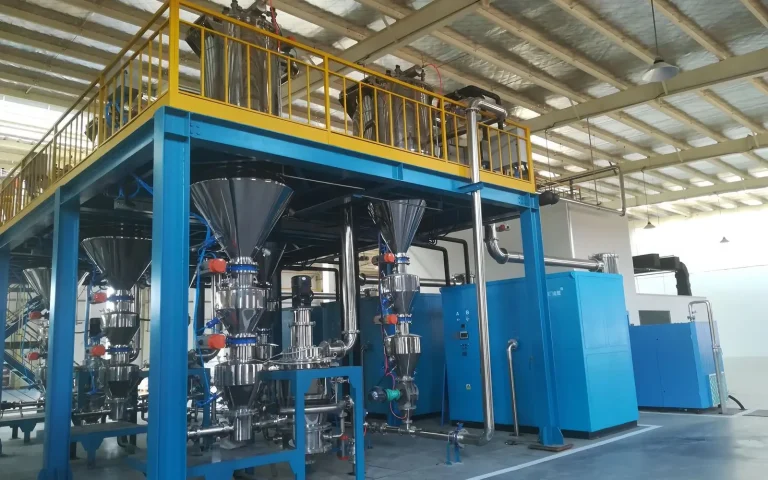
Silicon based anode is one kind of composite anode material by compounding silicon
There are two types natural graphite ore include crystalline graphite and amorphous graphite
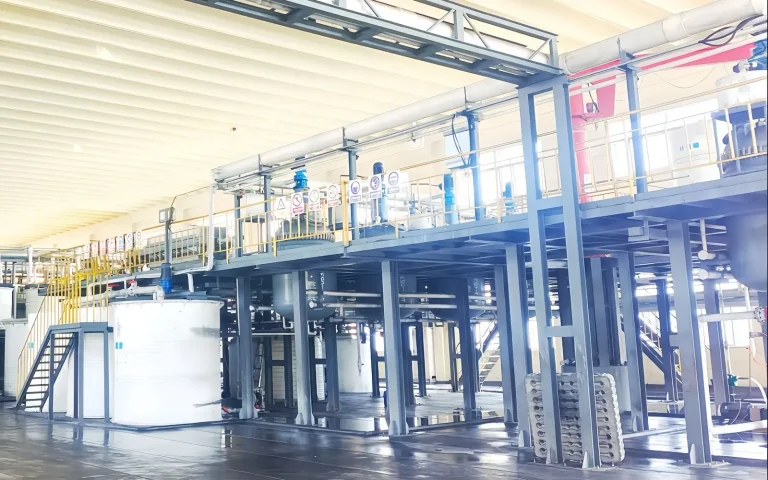
Flake graphite can be used to produce high carbon graphite, high purity graphite, expandable graphite

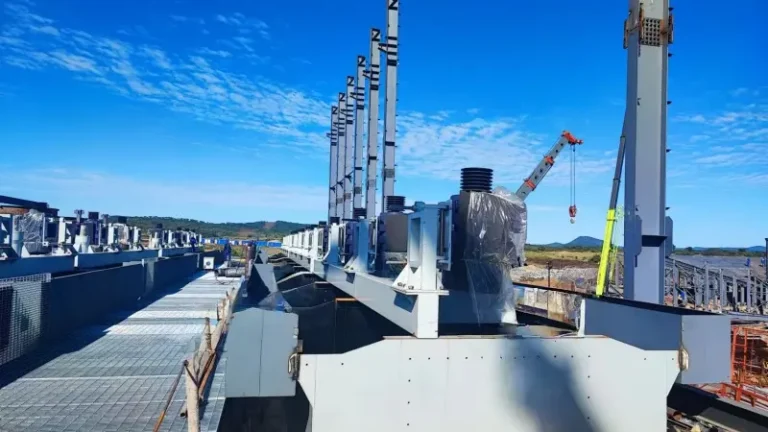
Raw Material: Lithium Brine (from Lithium Triangle: Chile/Argentina/Bolivia); Spodumene Ore (from Australia and China)
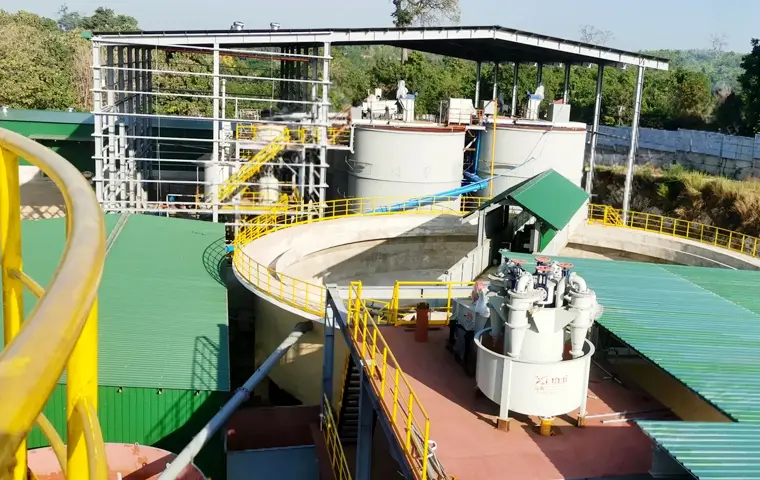
Raw Ore: Dual Oxide & Sulfide Gold Ore (Refractory in parts) Gold Grade: 3.5-4.2 g/t Final Product: Gold Doré (Au ≥96.5%)
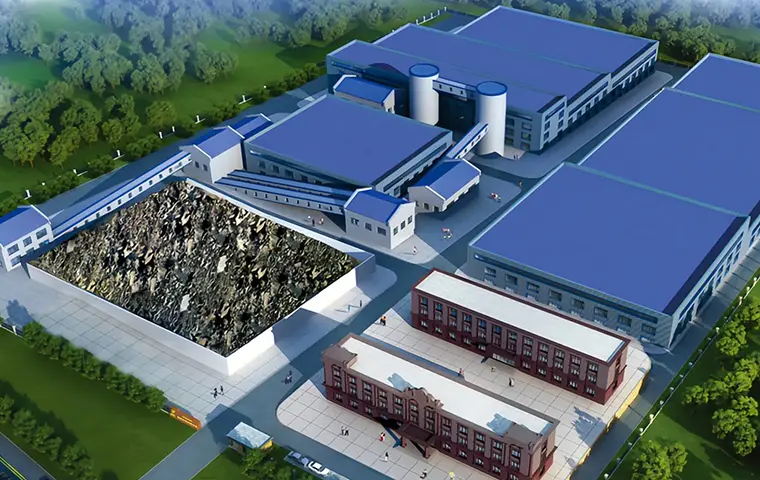
Raw Material: Natural Graphite Ore Concentrate Grade: 95% C TGC Final Product: Graphite Flotation Concentrate
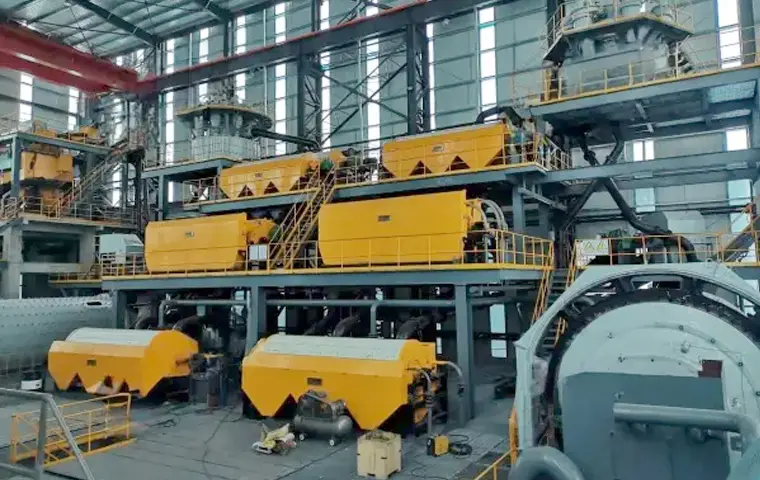
Raw Ore: Magnetite Iron Ore with Hematite Banding Fe Grade: 28-32% Final Product: High-Grade Iron Concentrate
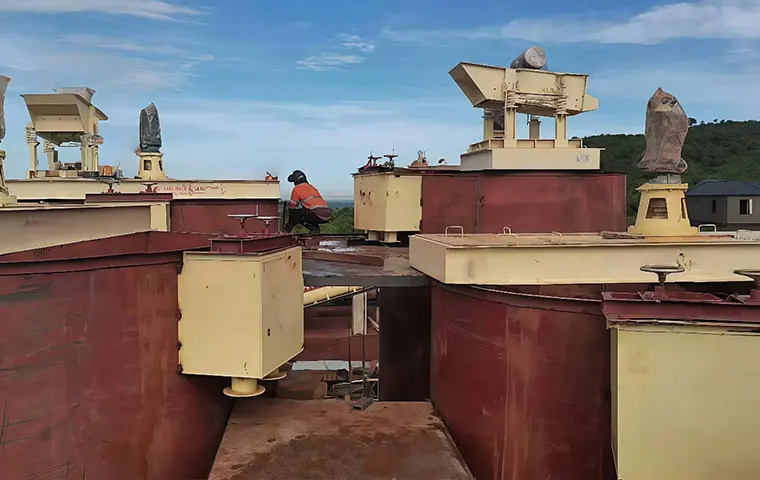
Raw Ore: Oxide Type Gold Ore Gold Grade: 3.5 g/t Gold Ingot Purity: 99.5%
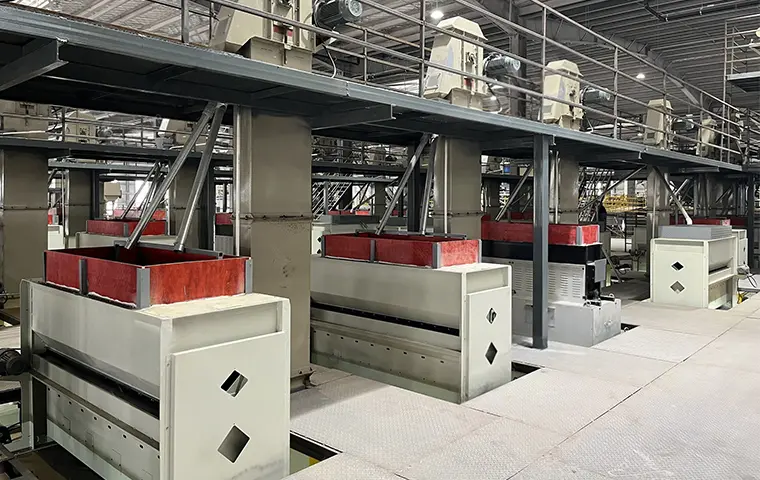
Raw Ore: Alluvial Placer from Inland River Systems in Southwest China, containing Zircon, Rutile, Ilmenite, and other Heavy Minerals
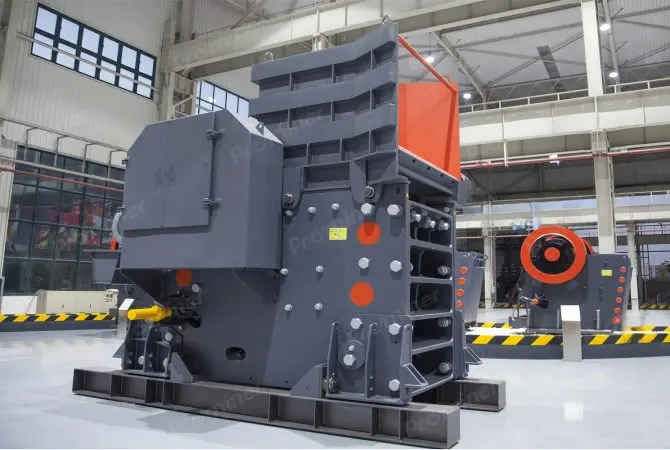
Jaw Crusher, its opening size determines its max feeding size. The crushing chamber of a jaw crusher
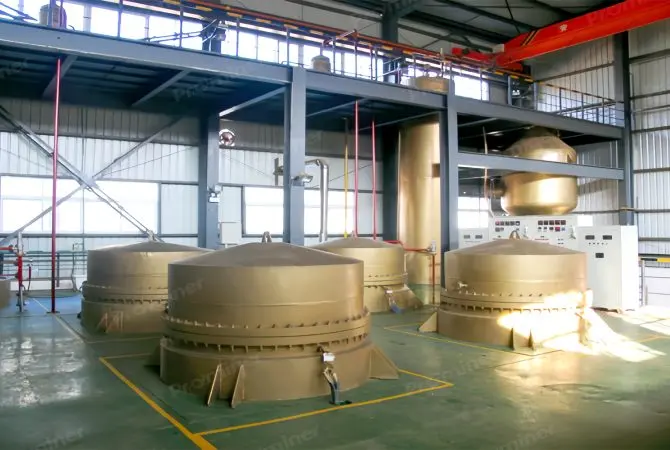
Prominer can design and provide the complete refinery and smelting system for gold CIL project
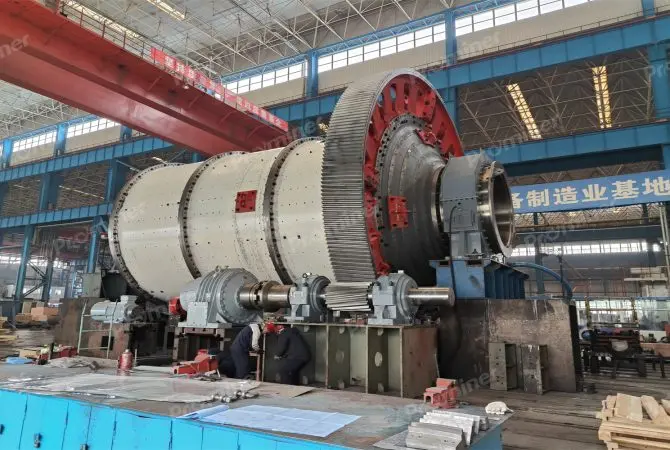
We can design and manufacture grate type ball mill for mineral primary grinding
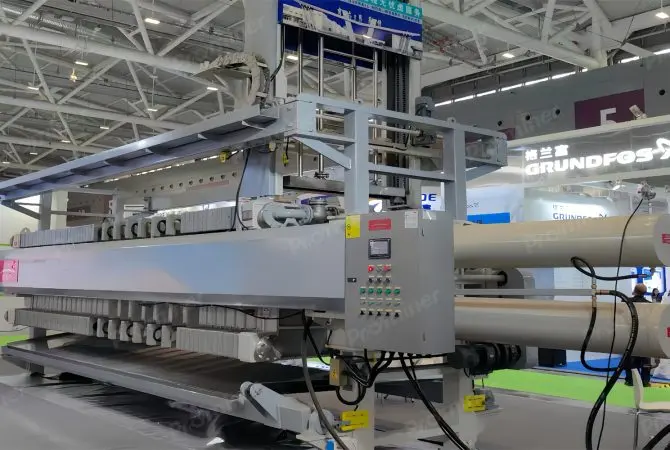
Prominer can provide press filter, belt vacuum filter, disk vacuum filter and ceramic filter
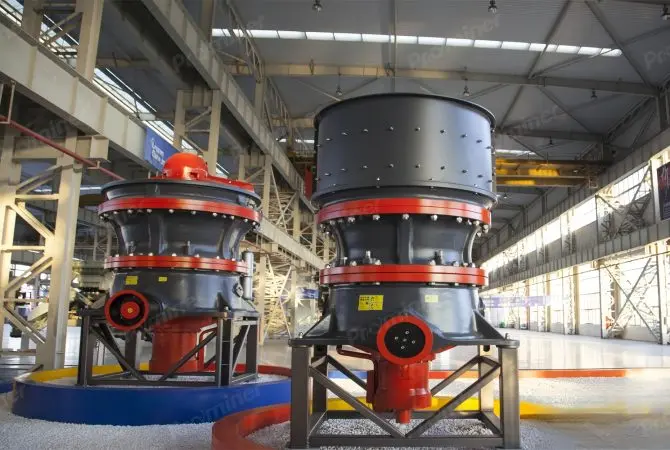
Single-cylinder hydraulic cone crusher have two series based on different cavity, S-cavity is designed
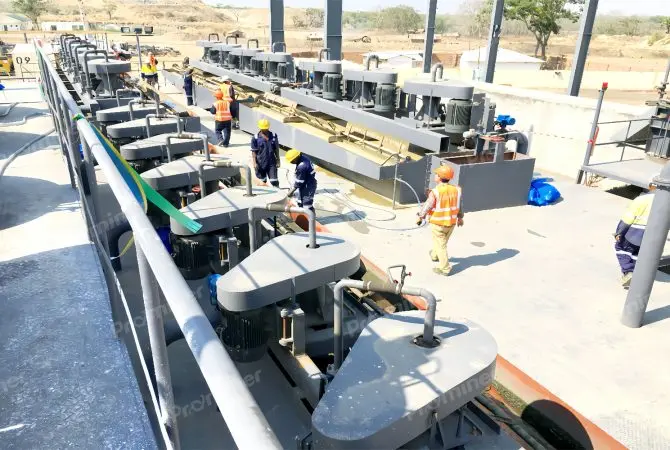
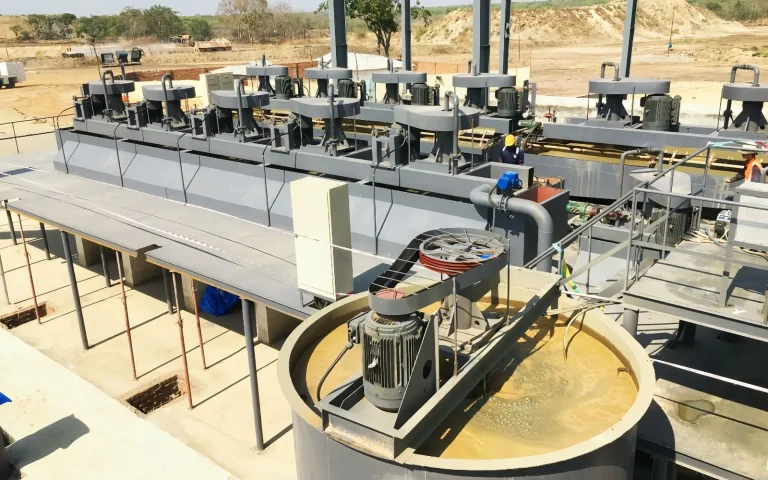
Prominer can provide SF series self-priming flotation machine and XCF/KYF series pneumatic flotation cell
To find out more about our products and solutions, please fll out the form below and one of our experts will get back to you shortly
3000 TPD Gold Flotation Project in Shandong Province
2500TPD Lithium Ore Flotation in Sichuan
Fax: (+86) 021-58779592
Address: Room 606, Building D3, Phase II, Chuansha Business Center, 777 Long, Miaochuan Road, Pudong New Area, Shanghai,China
Copyright © 2023. Prominer (Shanghai) Mining Technology Co.,Ltd.