



There are two types natural graphite ore include crystalline graphite and amorphous graphite


Copper ores vary widely in mineral composition, oxidation degree, gangue content, grain size, and associated valuable elements. Because of this, there is no single beneficiation method that fits every deposit. The right process depends on the ore type, liberation characteristics, copper mineral species, and economic goals.
This article explains which beneficiation method best suits each main type of copper ore, with practical guidance on process selection.
Sulfide copper ores are the most common and economically important copper resources. Typical copper minerals include chalcopyrite, bornite, chalcocite, and covellite. These ores generally respond well to flotation because sulfide minerals have favorable surface properties for collector adsorption.
The standard process usually includes:
Depending on ore characteristics, the flotation circuit may be adjusted to improve selectivity and recovery.
Flotation is best for:
Different sulfide copper ores may require different flotation strategies:
Flotation offers:
Oxide copper ores include minerals such as malachite, azurite, cuprite, chrysocolla, and tenorite. These ores are generally more difficult to beneficiate by conventional sulfide flotation because oxide minerals have weaker natural floatability.
The two main treatment directions are flotation and hydrometallurgical processing.
Oxide copper flotation is suitable when the ore contains floatable oxide minerals and when reagents can effectively improve mineral surface properties.
Typical flotation methods include:
This method is commonly applied to:
However, oxide flotation can be sensitive to slime, gangue minerals, and reagent conditions.
Hydrometallurgy is often the preferred choice for oxide copper ores, especially low-grade or highly oxidized ores. The most common route is:
This is known as the SX-EW process.
Hydrometallurgy is ideal for:
Mixed copper ore contains both sulfide and oxide copper minerals. This type of ore is common in transition zones between sulfide and oxide deposits. Because the two mineral groups behave differently, mixed ore often requires a combined beneficiation approach.
Typical methods include:
The process selection depends on the ratio of oxide to sulfide copper, the type of oxide minerals present, and the ore’s gangue composition.
Combined processes are suitable when:
The biggest advantage of combined treatment is improved total copper recovery. Instead of sacrificing either the sulfide or oxide portion, the flowsheet is designed to recover both.
Native copper occurs as metallic copper particles rather than copper compounds. Because of its high density and metallic nature, native copper can often be recovered by gravity separation, especially when the particles are coarse.
Suitable methods include:
These methods work well for:
When native copper becomes very fine or is associated with sulfides, flotation or a combined process may be needed.
Porphyry copper ores are typically low-grade, large-tonnage deposits containing finely disseminated chalcopyrite, bornite, and sometimes molybdenite. These ores are the backbone of global copper production.
Because the copper minerals are usually sulfides distributed finely throughout the rock, flotation is the standard beneficiation method.
Porphyry copper beneficiation usually involves:
Flotation is preferred because:
Copper-molybdenum ore requires special consideration because both copper sulfides and molybdenite are valuable. In many cases, they are first recovered together and then separated in later stages.
The common process is:
This route is ideal for:
The separation stage often requires selective depressants for copper minerals or molybdenite, depending on the chosen strategy.
Some copper ores contain significant amounts of lead, zinc, iron sulfides, gold, silver, or other metals. These ores are more difficult to process because copper beneficiation must be integrated with recovery of associated minerals.
The most common options are:
These methods are appropriate for:
Detailed mineralogical study is especially important for these ores because reagent systems and flotation sequence have a major impact on concentrate quality.
Some copper ores contain excessive pyrite, iron oxides, clay, or secondary slime. In these cases, the issue is not only choosing the basic beneficiation method, but also modifying it to handle problematic ore behavior.
Flotation remains the main method, but it may require:
The flowsheet may need:
These ores do not necessarily need a completely different beneficiation principle, but they do require tailored pretreatment and reagent regimes.
Selecting the most suitable copper ore beneficiation method depends on several key factors:
In practice, process selection should be based on laboratory testing, mineralogical analysis, pilot testing, and economic evaluation rather than ore type alone.
Each type of copper ore has its own most suitable beneficiation route:
The best beneficiation method is the one that matches the mineralogy of the ore and delivers the highest economic recovery with stable plant performance. If needed, I can also turn this into an SEO-optimized version, a blog post, or a more technical industry article.
A: A handful of variables drive most of the variation in recovery and grade: grind size (liberation), pulp density, reagent type and dosage, residence time, pH, and — for magnetic separation — field intensity and feed rate. Changing one without adjusting the others usually backfires. The practical way to find your optimum is a structured test program: vary one parameter at a time on your actual ore and measure recovery and grade at each point. We run this kind of parameter study during lab and pilot testing, then carry the settings into the plant design and re-tune them during commissioning.
A: Three properties matter most: whether the valuable mineral is sulfide or oxide, how coarsely or finely it is disseminated in the gangue, and what gangue minerals accompany it. Coarse, high-density minerals respond well to gravity separation; magnetic minerals to magnetic separation; fine sulfide minerals to flotation; oxide or low-grade ores often to leaching. Many ores need a staged combination. Because two deposits carrying the same metal can behave completely differently, the flowsheet has to be built from your ore’s own test data — not copied from a similar project.
A: A single method rarely hits both target recovery and target grade when the ore contains multiple valuable minerals, spans a wide particle size range, or carries problematic gangue. Then a combined flowsheet is justified — for example, gravity pre-concentration to reject coarse waste early, magnetic separation ahead of flotation to remove magnetic minerals, or staged grinding and classification to liberate progressively. The added circuit costs more, but it usually pays back through higher overall recovery and lower reagent and energy consumption per tonne.
A: Refractory ores resist standard processing — gold locked inside sulfide minerals, ores that consume excessive reagents, carbonaceous ores that re-adsorb dissolved gold, fine or clay-rich ores that slime badly, or oxide ores that float poorly. Treatment usually adds a step ahead of or instead of the conventional circuit: finer grinding, oxidation pre-treatment, roasting, or a switch from flotation to leaching. Identifying the specific cause through diagnostic testwork is essential, because each cause has a different fix and the wrong one wastes capital.
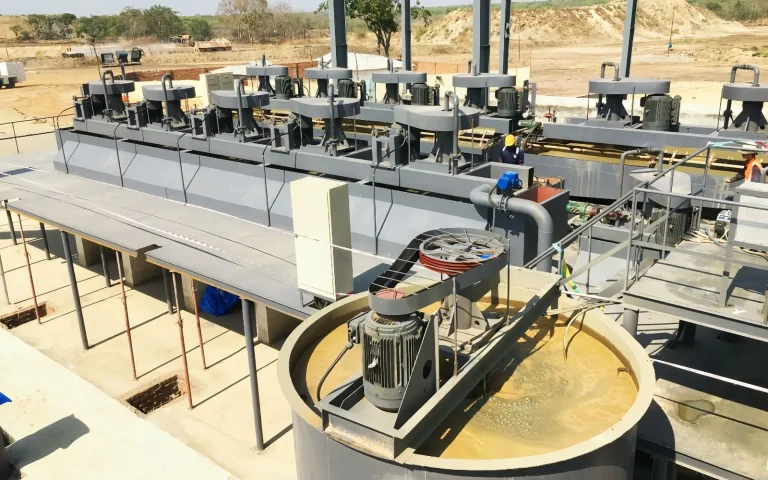
There are two types natural graphite ore include crystalline graphite and amorphous graphite
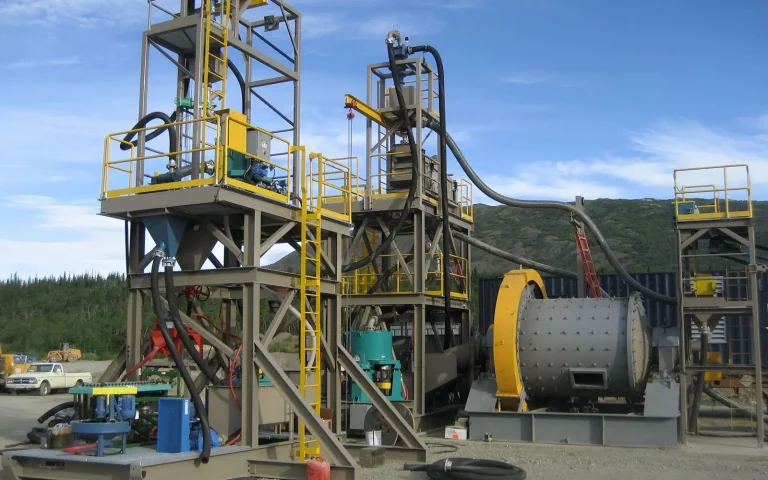
The best-known of the exogenetic ores is alluvial gold which also called placer gold. Alluvial gold refers
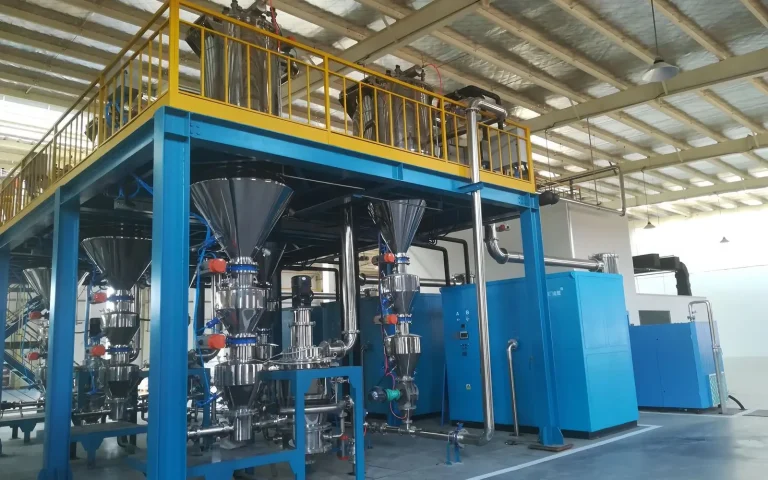
Silicon based anode is one kind of composite anode material by compounding silicon

Raw Ore: Alluvial / Hard Rock Oxide Gold Ore (with free milling gold) Gold Grade: 2.5 g/t Gold Recovery Rate: > 88%
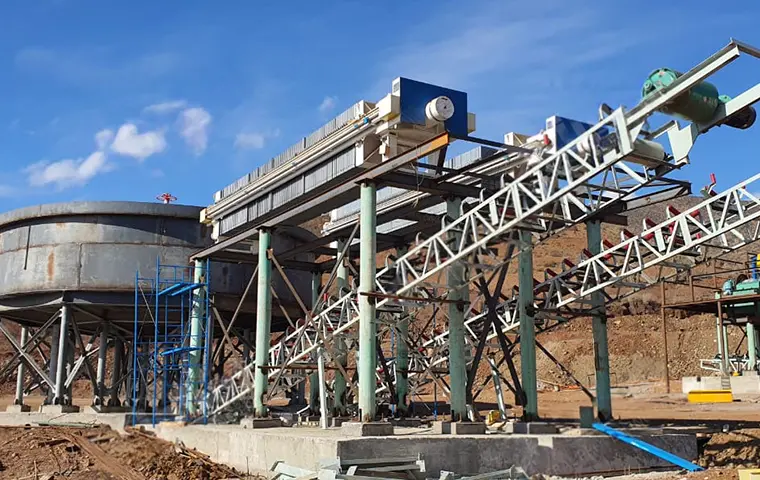
From laboratory testing to final commissioning, Prominer delivered a customized 20 TPH solution
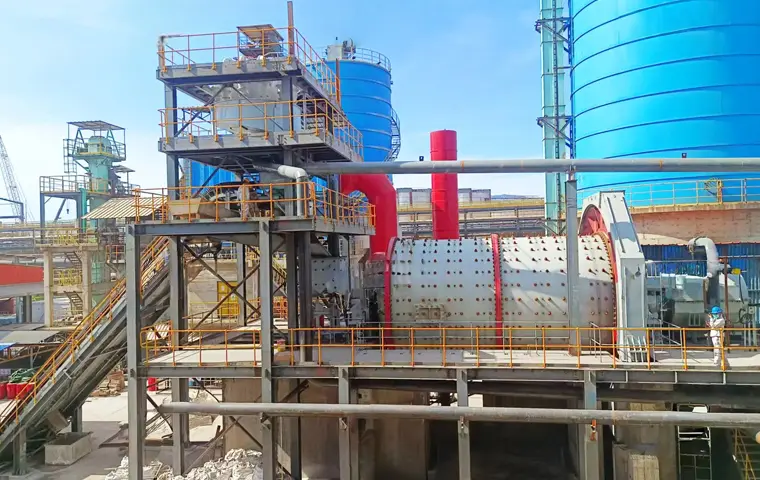
Raw Material: High-Calcium Limestone Final Product: Cement Raw Material Powder (200 mesh) & Construction Aggregate
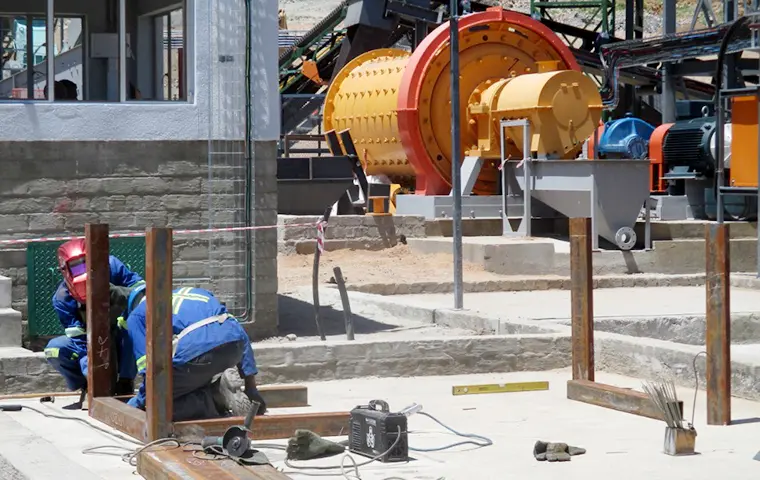
Raw Ore: High-Grade Crystalline Vein Graphite Ore Feed Grade: 18% C Concentrate Grade: 95% C (TGC)
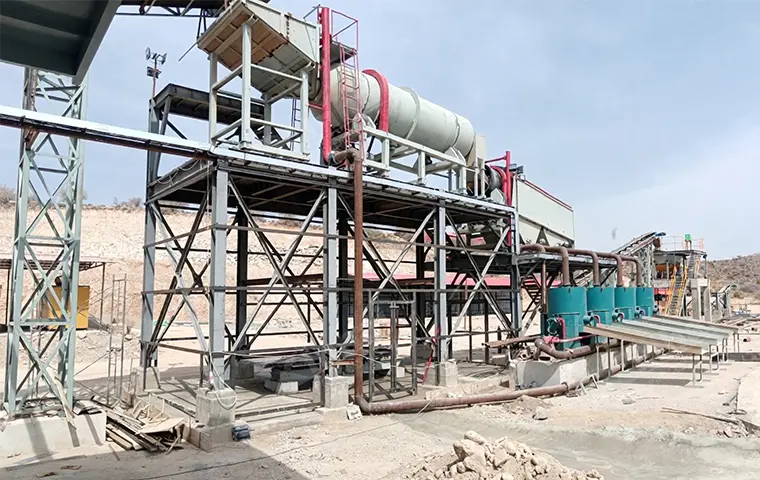
Raw Ore: Alluvial gold ore from dry river bed (Wadi) Gold Grade: 1.2 g/t Gold Recovery Rate: >92%
Raw Material: Quartzite Rock (SiO₂: 97.8%) Photovoltaic Grade: SiO₂≥99.99%, Fe₂O₃≤10ppm
Raw Ore: Mixed Oxide and Sulfide Gold Ore Gold Grade: 3.5 g/t Gold Recovery Rate: 92%
Raw Ore: Sulfide Type Gold Ore (with associated Pyrite and Arsenopyrite) Gold Grade: 4.2 g/t
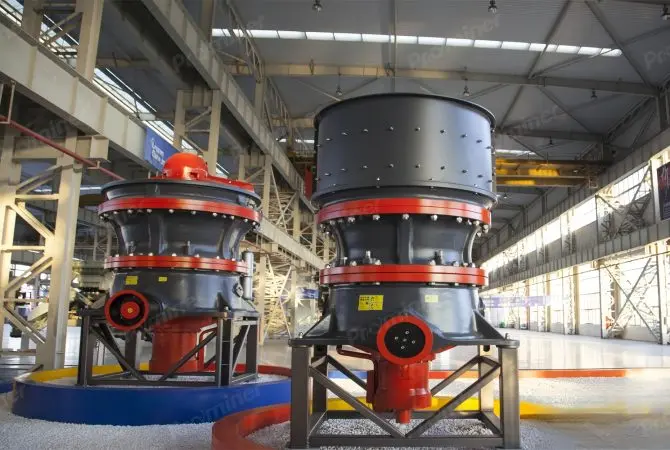
Single-cylinder hydraulic cone crusher have two series based on different cavity, S-cavity is designed
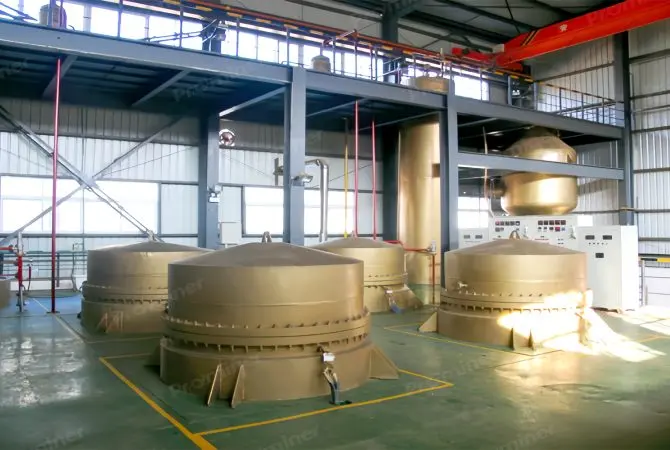
Prominer can design and provide the complete refinery and smelting system for gold CIL project
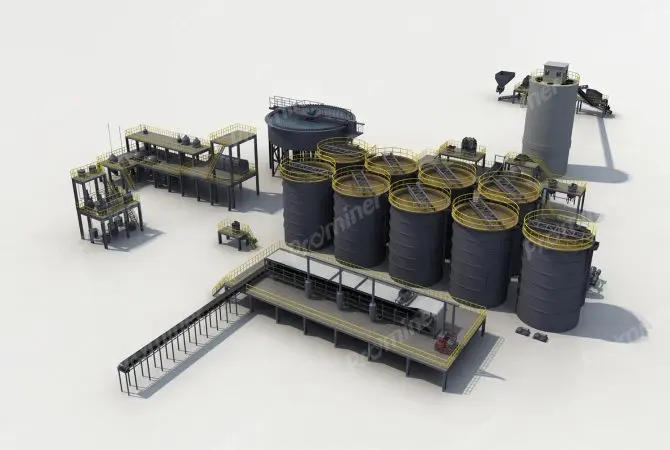
Prominer can provide the complete solution for CIL (carbon in leaching) system
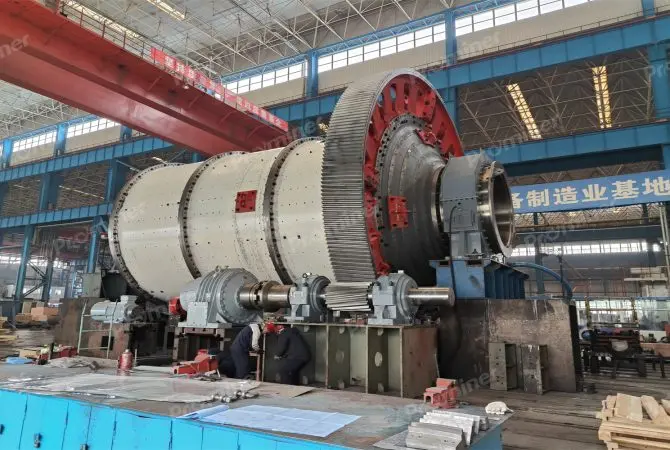
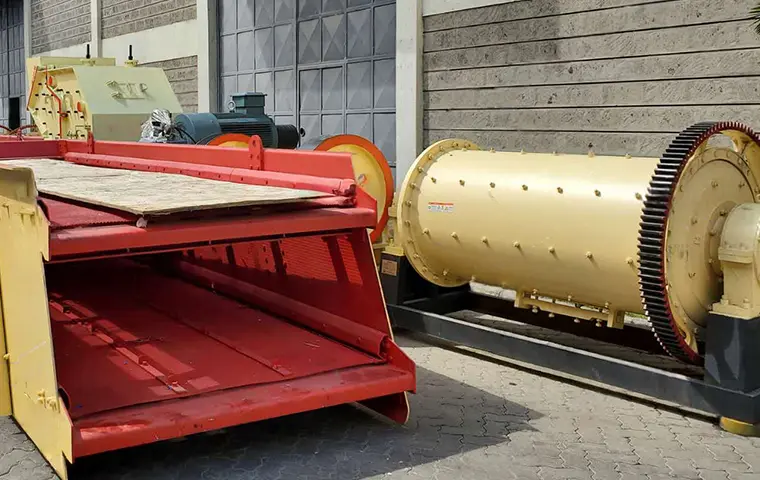
We can design and manufacture grate type ball mill for mineral primary grinding
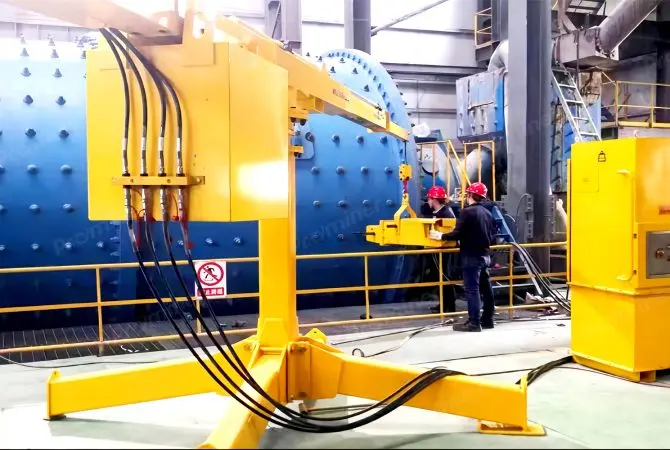
We can manufacture the highly automated and powerful recoilless Bolt Hammer to remove
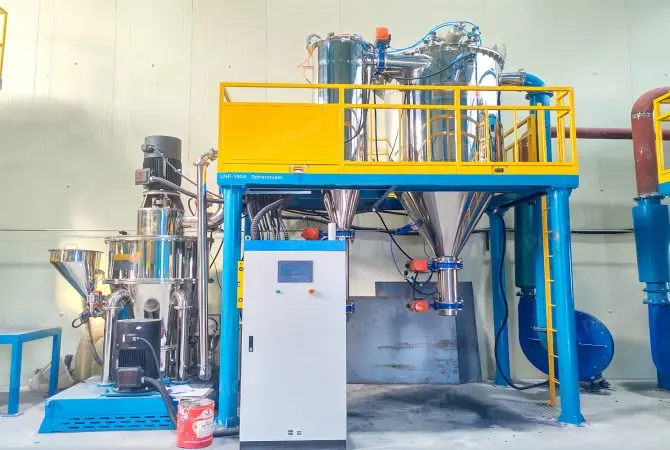
Besides strict PSD requirements, Anode Graphite also requires a spherical shape in order
To find out more about our products and solutions, please fll out the form below and one of our experts will get back to you shortly
3000 TPD Gold Flotation Project in Shandong Province
2500TPD Lithium Ore Flotation in Sichuan
Fax: (+86) 021-58779592
Address: Room 606, Building D3, Phase II, Chuansha Business Center, 777 Long, Miaochuan Road, Pudong New Area, Shanghai,China
Copyright © 2023. Prominer (Shanghai) Mining Technology Co.,Ltd.


