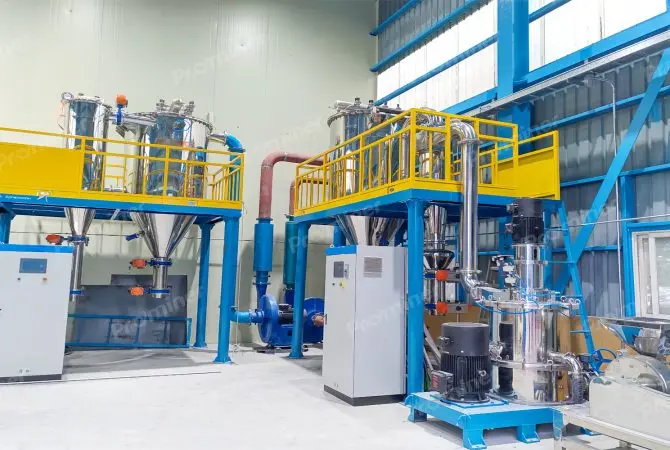
Vat leaching is a good option for the project owner to start at initial stage to save investment




Iron ore flotation is widely used to separate valuable iron-bearing minerals from silica, alumina-bearing gangue, and other unwanted minerals. In this process, depressants play a critical role by preventing certain minerals from floating, allowing the target minerals or impurities to be selectively separated.
Choosing the best depressant for iron ore flotation depends on several factors, including ore mineralogy, pulp chemistry, reagent scheme, and the type of flotation process being used. There is no single depressant that works best in every case, but some are consistently more effective than others under specific operating conditions.
Depressants are reagents that make selected minerals hydrophilic, preventing them from attaching to air bubbles and reporting to the froth phase. In iron ore flotation, they are most commonly used in reverse flotation systems, where silica is floated and iron oxides are depressed.
The main purpose of a depressant is to improve selectivity. A good depressant should strongly adsorb onto iron oxide surfaces such as hematite, magnetite, and goethite while allowing quartz or other gangue minerals to respond to collectors.
Several classes of depressants are commonly used in industrial and laboratory iron ore flotation.
Starch is the most widely used depressant in reverse cationic flotation of iron ore. It is especially effective for depressing hematite and magnetite in systems where amine collectors are used to float quartz.
Both natural and modified starches are used, including corn starch, potato starch, and cassava starch. Before use, starch is often gelatinized with caustic soda to improve solubility and adsorption behavior.
Starch is preferred because it is relatively inexpensive, readily available, and highly effective in many iron ore circuits. However, its performance depends heavily on pH, dosage, conditioning time, and the presence of dissolved ions.
Dextrin is another polysaccharide depressant used in iron ore flotation. It is derived from starch but has a lower molecular weight and different adsorption characteristics.
Compared with starch, dextrin can provide better dispersion and may work well with finely disseminated ores or ores containing complex iron mineral surfaces. In some applications, dextrin offers improved selectivity, though it can also require more careful dosage control.
Dextrin is often considered when operators are looking for alternatives to starch in difficult ores.
CMC is a cellulose-based polymer used as a depressant and dispersant in some flotation systems. It can depress iron-bearing minerals and also help control slime coatings, which can interfere with flotation selectivity.
CMC is particularly useful when the ore contains significant fines or clay-rich gangue. Its stronger dispersing action can improve pulp conditions, although it may not always match starch in cost-effectiveness for conventional reverse flotation circuits.
Guar gum and similar natural gums have also been investigated and used as iron oxide depressants. These reagents can provide strong depression effects due to their high molecular weight and ability to adsorb on mineral surfaces.
Their main limitations are cost, variability in quality, and sometimes excessive viscosity at higher dosages. Still, they can be useful in specialized applications or where improved depression of certain iron minerals is needed.
Some operations and research programs use synthetic polymers tailored for specific ore types. These can be designed to improve selectivity against quartz, aluminosilicates, or slimes.
Synthetic depressants may outperform traditional reagents in difficult separation environments, but they are often more expensive and may require extensive testing before implementation.
In most commercial iron ore reverse flotation circuits, starch remains the best all-around depressant. It has a long track record, is cost-effective, and generally provides strong depression of iron oxides while allowing efficient quartz flotation with amine collectors.
However, “best” is highly ore-dependent.
In practice, the best depressant is identified through laboratory flotation tests, reagent optimization, and pilot-scale validation.
Several variables affect how well a depressant works in iron ore flotation:
Selecting the right depressant should begin with a detailed mineralogical analysis of the ore. Surface chemistry testing, bench-scale flotation tests, and reagent screening are essential.
Operators should compare depressants based on:
In many cases, a blended reagent approach gives better results than using a single depressant alone.
The best depressants for iron ore flotation are typically starch-based reagents, especially in reverse flotation of silica from hematite ores. Nevertheless, dextrin, CMC, guar gum, and synthetic polymers can all be superior in certain ore types or process conditions.
Because flotation performance is highly site-specific, the most effective depressant is the one that delivers the best balance of grade, recovery, selectivity, and operating cost under actual plant conditions.
A: Process selection depends on ore mineralogy, grain size, and gangue composition. Typically, coarse-grained heavy minerals (like gold or chromite) favor gravity separation, finely disseminated sulfides or non-metallics (like fluorite, graphite, or lead-zinc) require flotation, and fine or refractory gold ores often rely on chemical leaching (such as CIP) or combined flowsheets.
A: Reagent selection is dictated by the specific surface chemistry of your target mineral and gangue (e.g., silica, calcium, or phosphorus). Effective separation requires matching targeted collectors with selective depressants and pH modifiers, which should always be verified through lab-scale bench testing on your specific ore sample.
A: Equipment selection depends on target particle size, throughput capacity, and required recovery rates. For example, centrifugal concentrators and shaking tables excel at fine gravity recovery, while specialized flotation cells and elution systems are sized based on retention time and pulp density.
A: Yes. With modern process optimization—such as combined beneficiation flowsheets, pre-concentration, or targeted chemical treatments—previously uneconomic resources like Carlin-type gold, refractory copper oxide, or historical gold tailings can achieve commercially viable recovery rates.
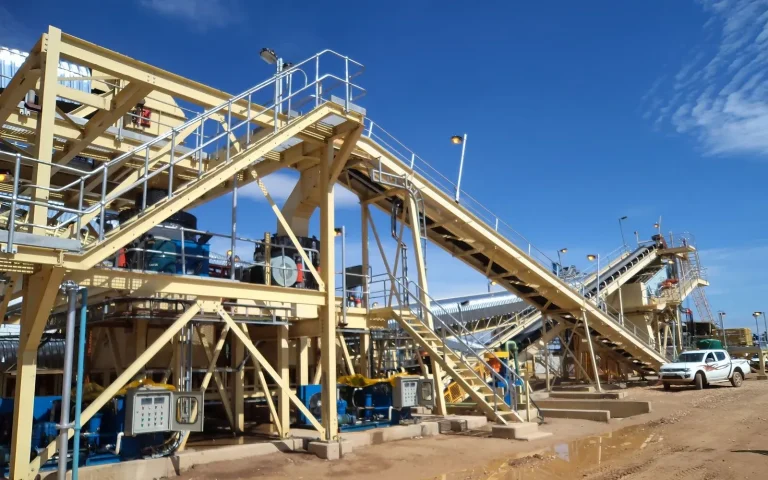
Vat leaching is a good option for the project owner to start at initial stage to save investment
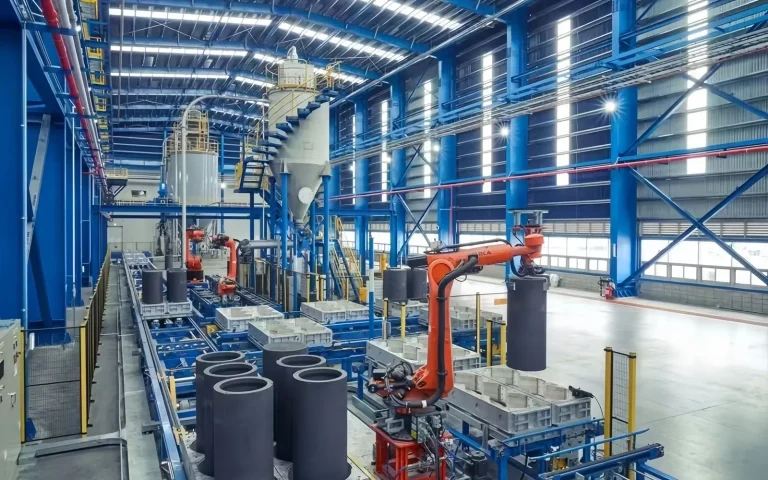
Provide the complete solution for making graphite anode materials include grinding, shaping, purification…
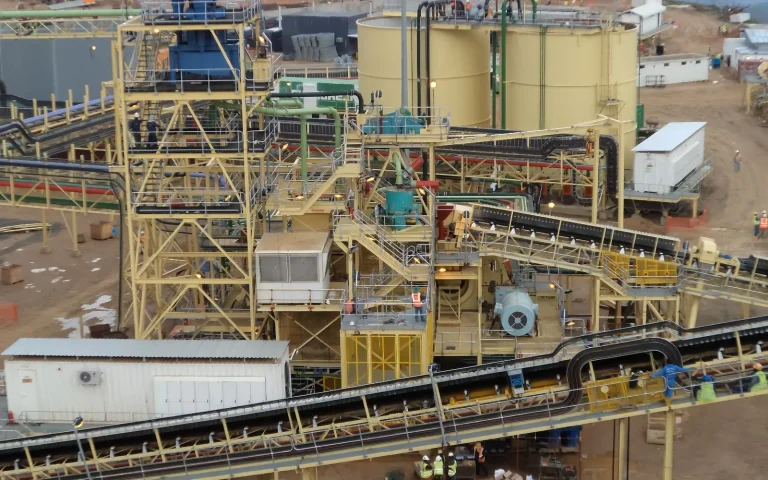
Provide important equipment in the gold ore processing process, such as CIL/CIP System, Flotation Cell…

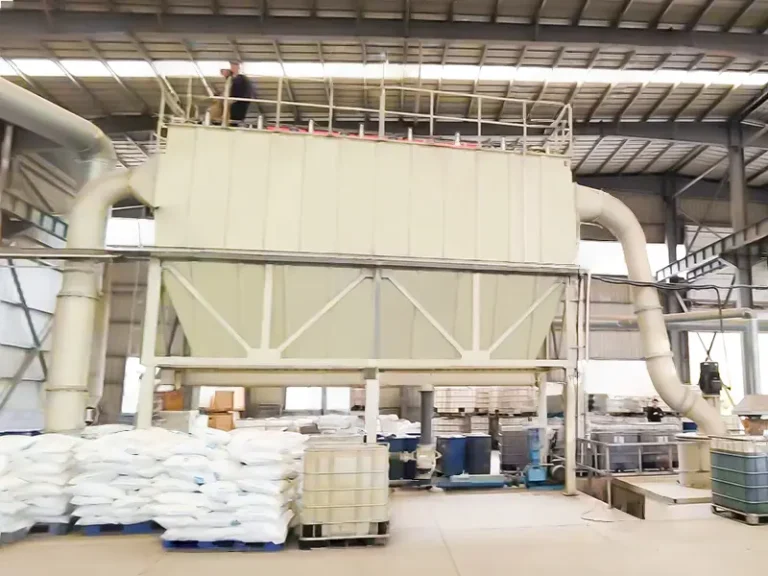
Raw Ore: Dolomite Rock (CaMg(CO₃)₂) Feed Size: ≤10 mm Final Product: Ultra Fine Dolomite Powder
Raw Ore: Crystalline Flake Graphite Ore Feed Carbon Grade: 8–12% (Variable) Final Product: High-Purity Flake Graphite Concentrate
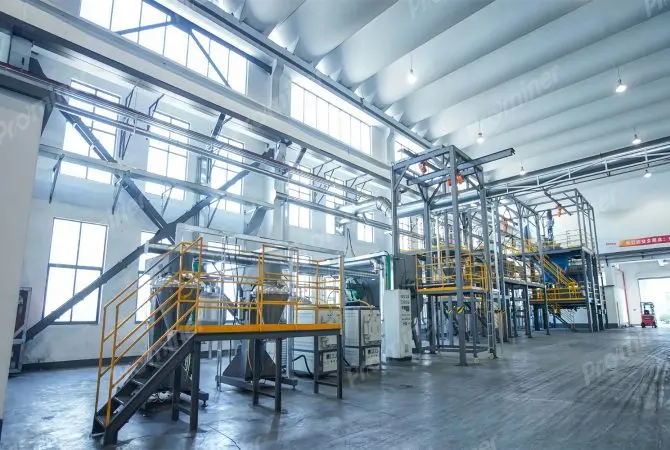
Raw Material: Needle coke and petroleum coke Project Capacity: 50 kgs per hour
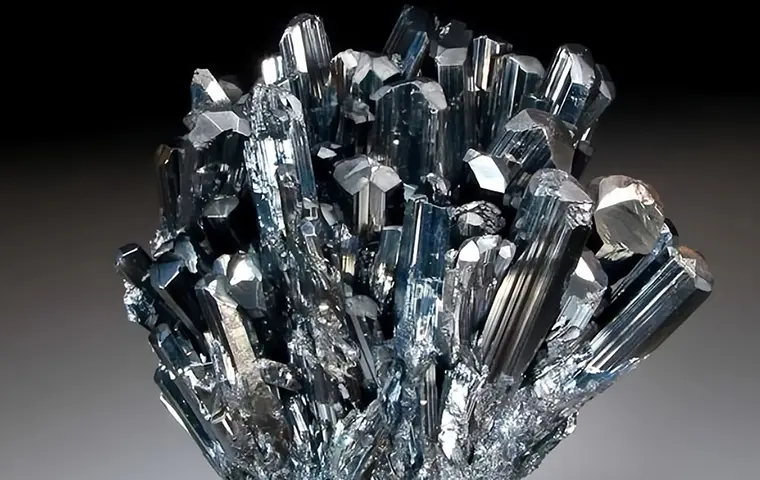
Raw Ore: Stibnite (Antimony Sulfide Ore) Sb Grade: 3.5% Concentrate Grade: 55% Sb
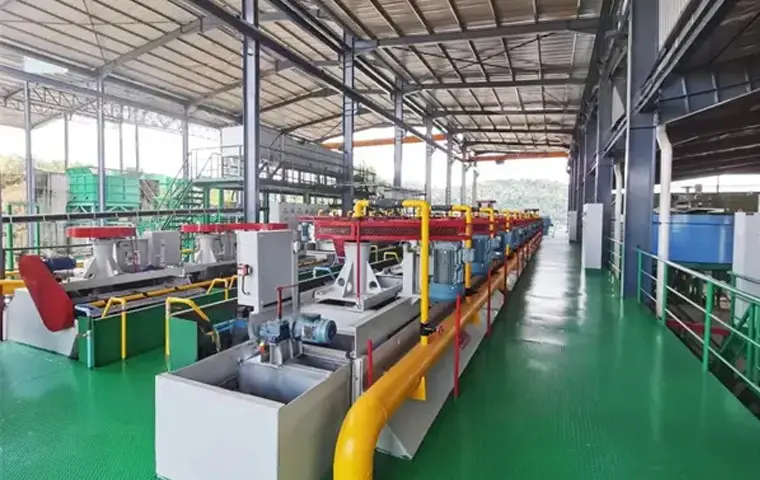
Raw Ore: Alluvial Coltan (Tantalite-Columbite) with Cassiterite Ore Grade: Ta₂O₅: 0.025-0.04%; Nb₂O₅: 0.02-0.035%; SnO₂: 0.1-0.3%
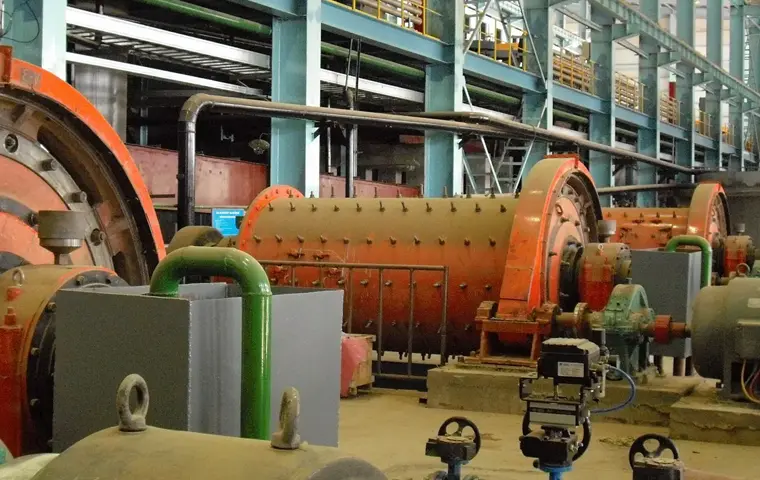
Raw Ore: Sulfide Type Molybdenum Ore (Mainly Molybdenite) Mo Grade: 0.15% Concentrate Grade: 45% Mo
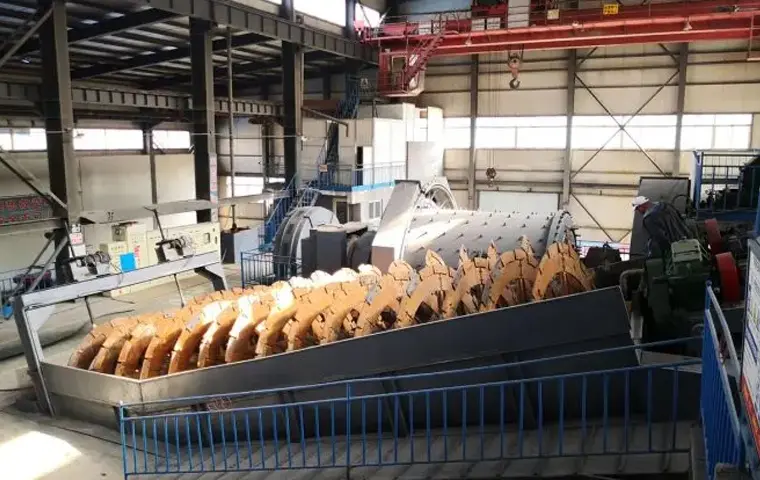
Raw Ore: Sulfide Type Gold Ore Gold Grade: 3 g/t
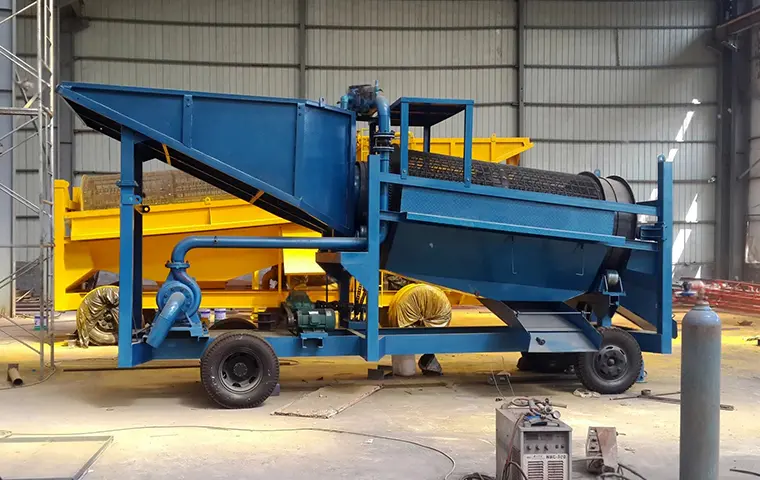
Raw Ore: Alluvial gold ore from riverbed and terrace deposits Gold Grade: 1.5 g/t Gold Recovery Rate: 92%
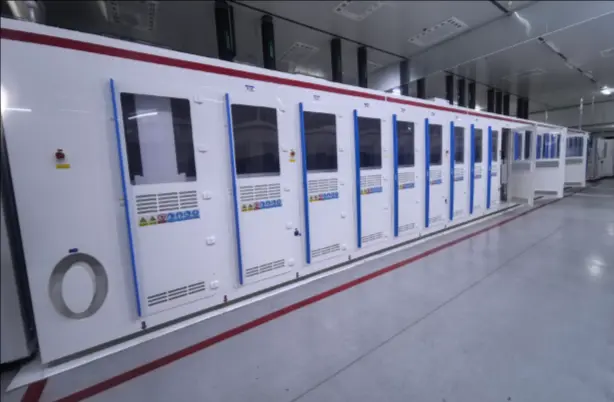
Include: Monocrystalline Batch Texturing Equipment, Batch Texturing Loader/Unloader, Low-Pressure…
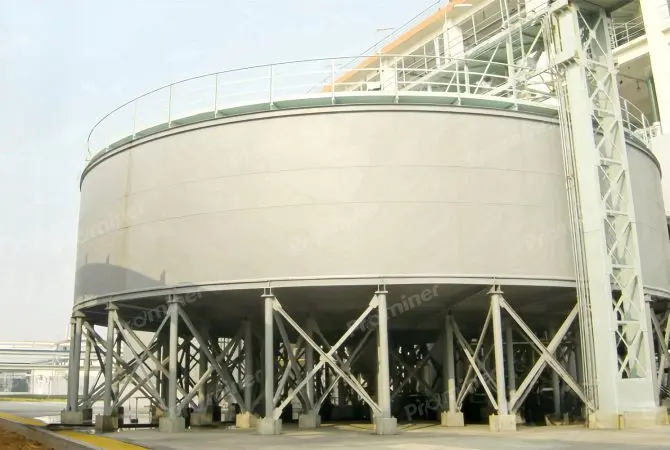
Prominer can provide different kinds of thickeners include center driving thickener, peripheral traction thickener
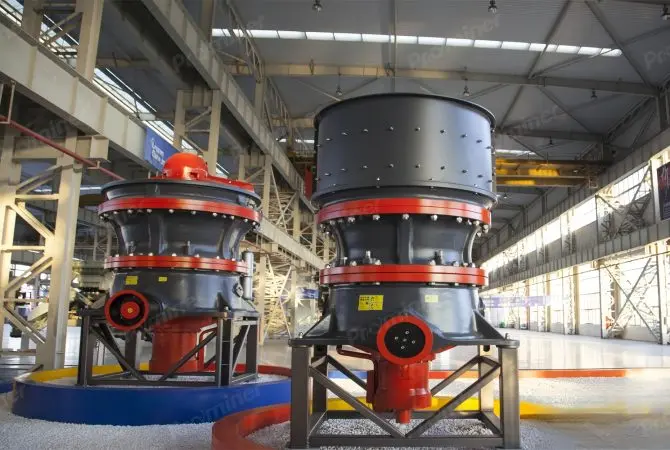
Single-cylinder hydraulic cone crusher have two series based on different cavity, S-cavity is designed
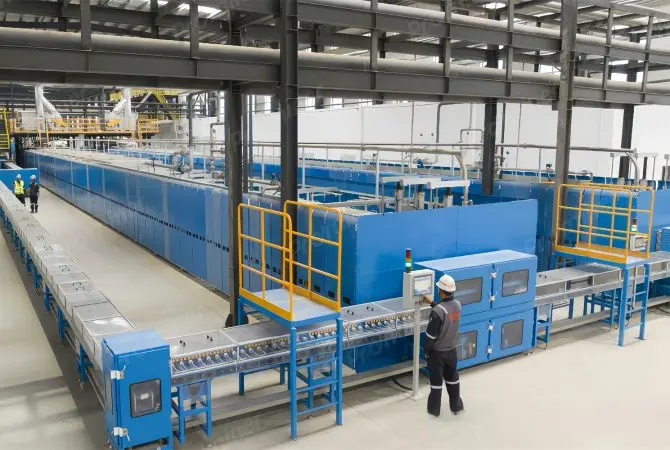
We can provide the complete solution for high temperature carbonization treatment system
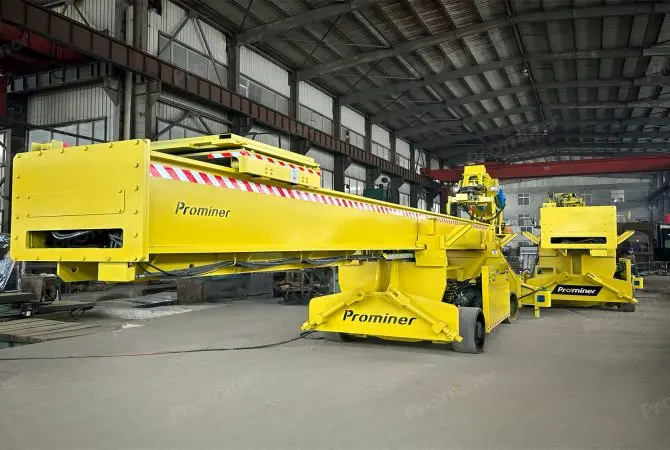
We can design and manufacture the mill relining machine (or called mill relining manipulator)
To find out more about our products and solutions, please fll out the form below and one of our experts will get back to you shortly
3000 TPD Gold Flotation Project in Shandong Province
2500TPD Lithium Ore Flotation in Sichuan
Fax: (+86) 021-58779592
Address: Room 606, Building D3, Phase II, Chuansha Business Center, 777 Long, Miaochuan Road, Pudong New Area, Shanghai,China
Copyright © 2023. Prominer (Shanghai) Mining Technology Co.,Ltd.