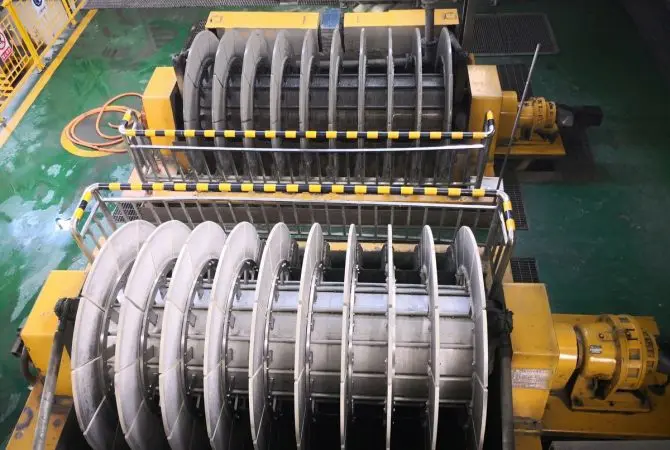
Cathode material is one of the key materials to determine the performance of lithium-ion batteries




Choosing the right fluorite flotation method depends on one key factor: the nature of your ore. Fluorite ores vary widely in mineral composition, gangue type, impurity level, and particle size distribution. Because of this, no single flotation approach works best for every deposit.
Understanding the ore type helps determine the most effective reagent scheme, grinding fineness, flotation circuit, and separation strategy. In practice, the goal is to maximize fluorite recovery while maintaining a high concentrate grade and controlling operating costs.
Fluorite, or calcium fluoride (CaF2), is commonly associated with minerals such as calcite, quartz, barite, sulfides, and silicates. The challenge is that some of these minerals respond similarly during flotation, especially calcite, which often has surface properties close to fluorite. This makes selective separation difficult unless the flotation process is carefully matched to the ore.
Ore type affects:
Quartz-type fluorite ore is one of the easier ore types to treat by flotation. In this ore, the main gangue mineral is quartz, which can usually be separated effectively from fluorite with fatty acid collectors.
Typical method:
This method generally works well because quartz is easier to depress than carbonate gangue minerals. When the ore is relatively clean and fluorite is well liberated, the process can produce good recovery and high-grade concentrate.
Calcite-type fluorite ore is more difficult to process because calcite and fluorite are both calcium-bearing minerals and often have similar flotation behavior. Standard fatty acid flotation may float both minerals together, reducing concentrate quality.
Typical method:
This ore type requires strong selectivity. In many plants, reagent conditioning and depressant dosage are critical. Even small changes in slurry temperature, water quality, or reagent addition point can affect separation performance.
When fluorite is associated with barite, the flotation strategy depends on whether fluorite or barite is recovered first. Since both are valuable minerals in some operations, the flowsheet may be designed to produce separate concentrates.
Typical method:
If the plant target is fluorite concentrate only, barite must be effectively depressed or rejected. If both products are desired, a staged flotation circuit is often more suitable.
Some fluorite ores contain sulfide minerals such as galena, sphalerite, or pyrite. In these cases, sulfides are usually removed first to avoid contamination of the fluorite concentrate and interference with downstream flotation.
Typical method:
Pre-removal of sulfides improves fluorite concentrate quality and often stabilizes the fluorite flotation stage. This approach is especially important when sulfides are present in significant amounts.
Complex fluorite ore may contain combinations of quartz, calcite, barite, sulfides, and clay minerals. These ores are the most challenging and usually require a combined beneficiation approach instead of simple direct flotation.
Typical method:
For complex ores, flotation performance depends heavily on ore characterization. Bench tests and pilot trials are often necessary to determine the most efficient circuit.
Low-grade fluorite ore often requires more than straightforward flotation because the fluorite content is too low for efficient direct upgrading without pre-concentration.
Typical method:
Pre-concentration can reduce reagent consumption, improve flotation efficiency, and lower the load on the flotation circuit. This is especially useful when gangue is coarse and can be separated before fine grinding.
Fine-grained fluorite ore is difficult because fluorite and gangue may not be fully liberated until very fine sizes, and excessive slime can reduce flotation efficiency.
Typical method:
Fine-particle management is essential for these ores. If slimes are not controlled, reagent consumption rises and concentrate grade may fall.
In most fluorite operations, direct flotation is the preferred method, where fluorite is floated and gangue is depressed. This is commonly used for quartz-type and many conventional ores.
Reverse flotation may be considered in special cases where gangue minerals are easier to float than fluorite or where reagent selectivity allows better impurity removal that way. However, reverse flotation is less common and usually applied only after detailed testing.
To select the most suitable flotation method, operators should evaluate:
The best approach usually starts with mineralogical analysis followed by laboratory flotation testing. From there, the flowsheet can be adjusted to the specific ore rather than relying on a generic method.
The fluorite flotation method that fits your ore type depends on how fluorite is associated with gangue minerals and how selectively those minerals can be separated. Quartz-type ores are generally the simplest to treat, while calcite-rich, polymetallic, and fine-grained ores require more precise reagent control and more complex circuits.
A successful fluorite flotation process is never just about choosing a collector. It is about matching the entire flowsheet to the ore’s mineralogy, liberation characteristics, and market requirements. With proper testing and process design, even difficult fluorite ores can often be upgraded efficiently.
A: Process selection depends on ore mineralogy, grain size, and gangue composition. Typically, coarse-grained heavy minerals (like gold or chromite) favor gravity separation, finely disseminated sulfides or non-metallics (like fluorite, graphite, or lead-zinc) require flotation, and fine or refractory gold ores often rely on chemical leaching (such as CIP) or combined flowsheets.
A: Reagent selection is dictated by the specific surface chemistry of your target mineral and gangue (e.g., silica, calcium, or phosphorus). Effective separation requires matching targeted collectors with selective depressants and pH modifiers, which should always be verified through lab-scale bench testing on your specific ore sample.
A: Equipment selection depends on target particle size, throughput capacity, and required recovery rates. For example, centrifugal concentrators and shaking tables excel at fine gravity recovery, while specialized flotation cells and elution systems are sized based on retention time and pulp density.
A: Yes. With modern process optimization—such as combined beneficiation flowsheets, pre-concentration, or targeted chemical treatments—previously uneconomic resources like Carlin-type gold, refractory copper oxide, or historical gold tailings can achieve commercially viable recovery rates.
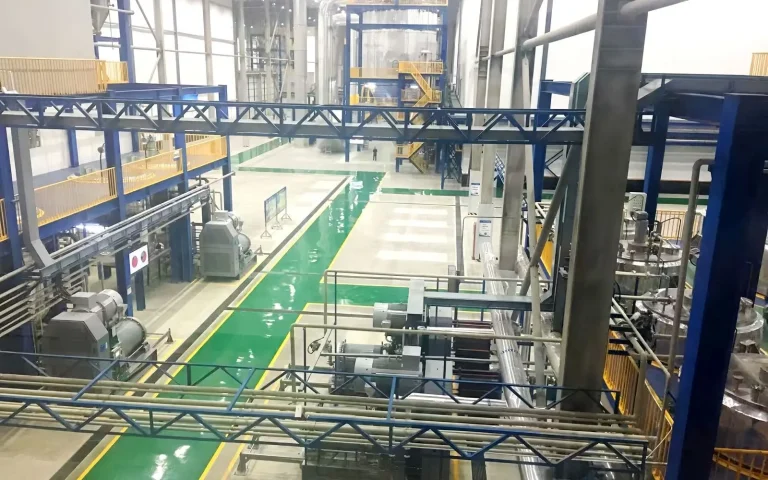
Cathode material is one of the key materials to determine the performance of lithium-ion batteries
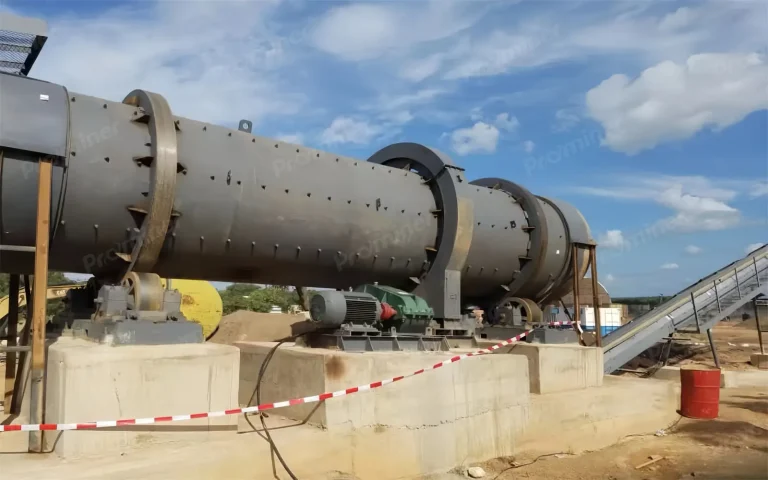
Heap leaching is a traditional cyanide leaching processing way which is flexible and economic to extract gold
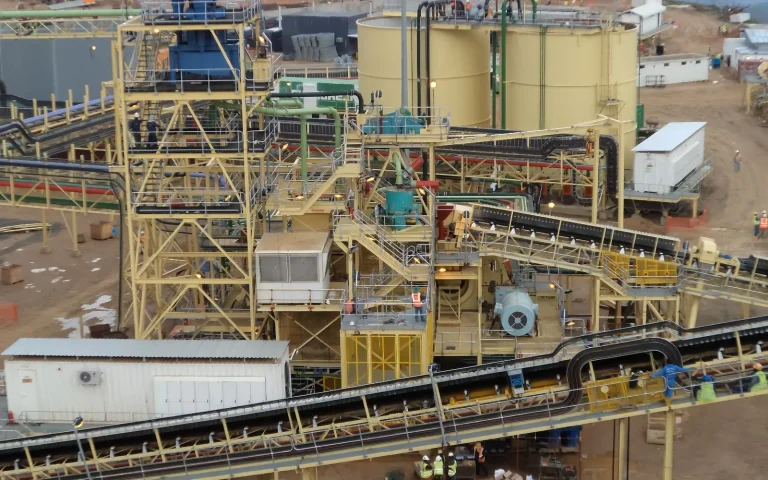
Provide important equipment in the gold ore processing process, such as CIL/CIP System, Flotation Cell…

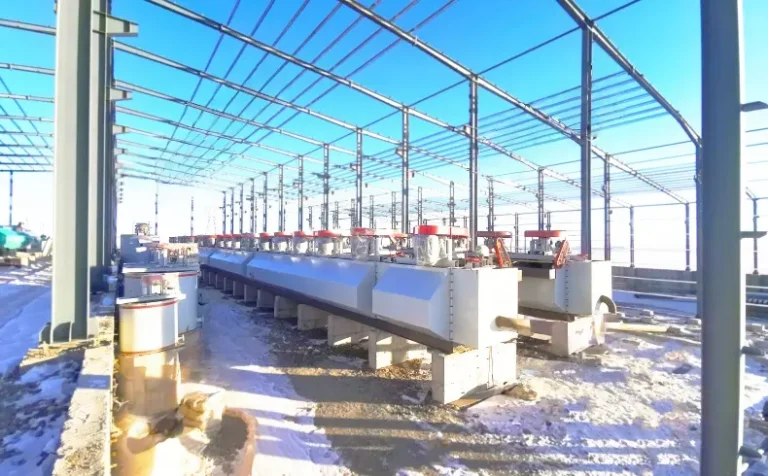
Raw Ore: Copper Sulfide Ore Copper Grade: 0.85% Final Product: Copper Concentrate
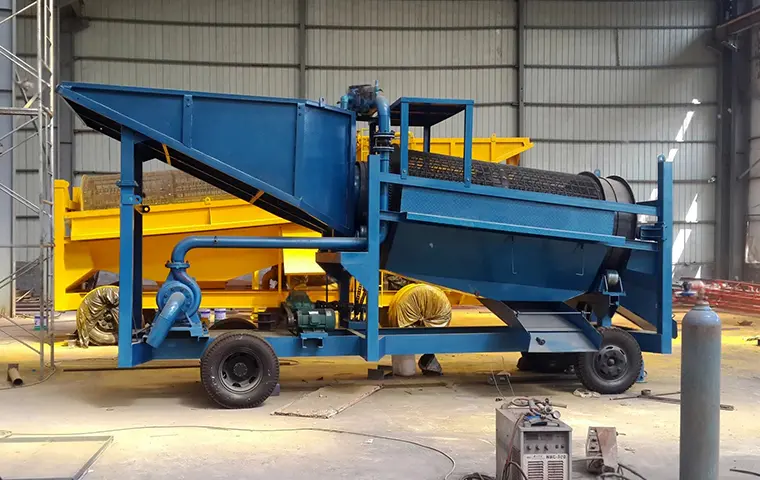
Raw Ore: Alluvial gold ore from riverbed and terrace deposits Gold Grade: 1.5 g/t Gold Recovery Rate: 92%
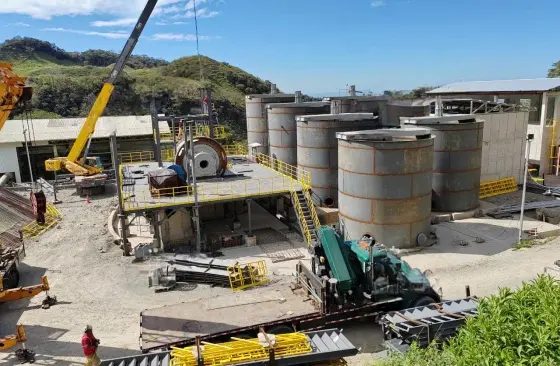
Raw Ore: Free-Milling Oxide Gold Ore Gold Grade: 1.5-3.5 g/t Final Product: Dore Gold Bar (Au+Ag≥90%)
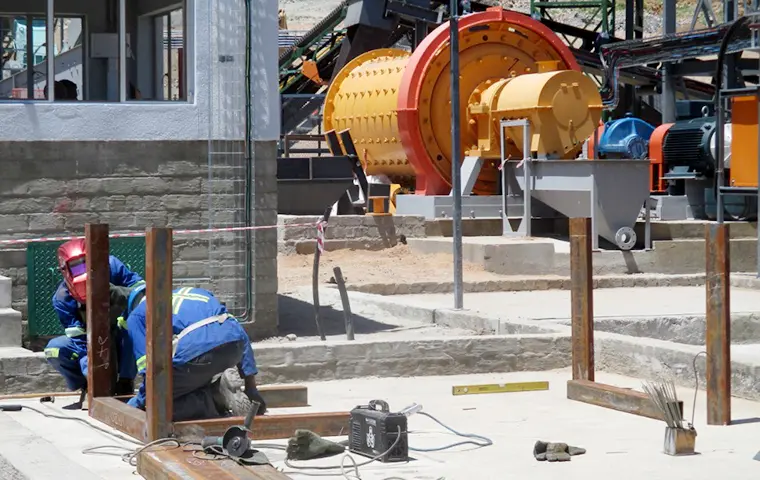
Raw Ore: High-Grade Crystalline Vein Graphite Ore Feed Grade: 18% C Concentrate Grade: 95% C (TGC)
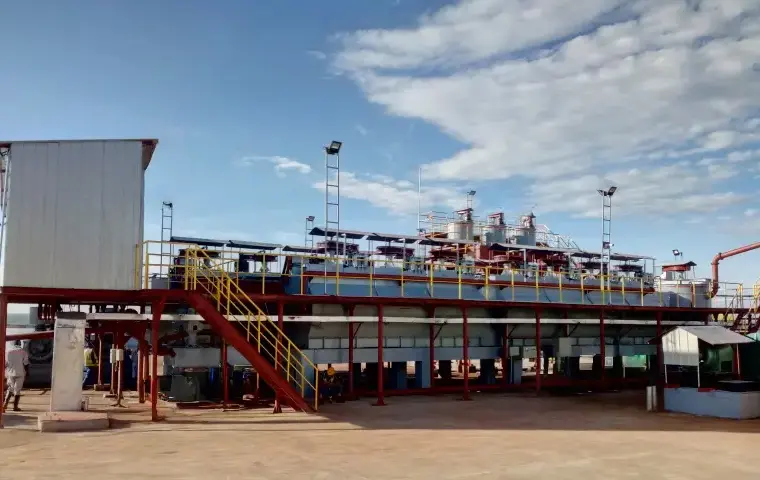
Raw Ore: Complex phosphate ore with silica and carbonates P2O5 Grade: 18.5% Concentrate Grade: 32% P2O5
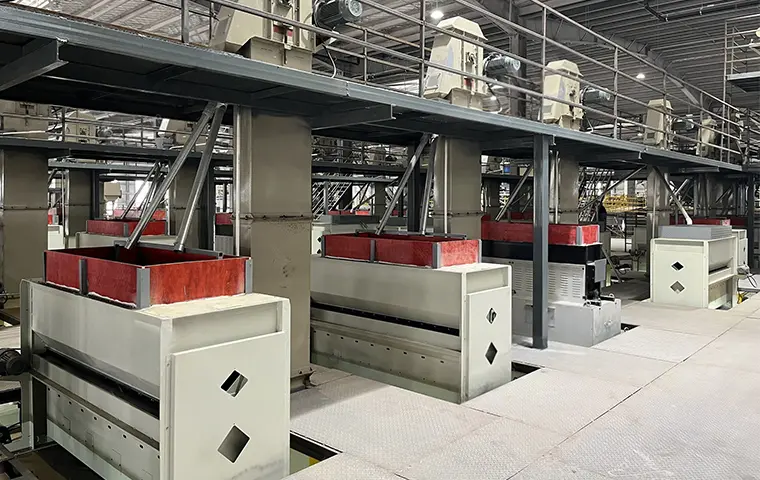
Raw Ore: Alluvial Placer from Inland River Systems in Southwest China, containing Zircon, Rutile, Ilmenite, and other Heavy Minerals
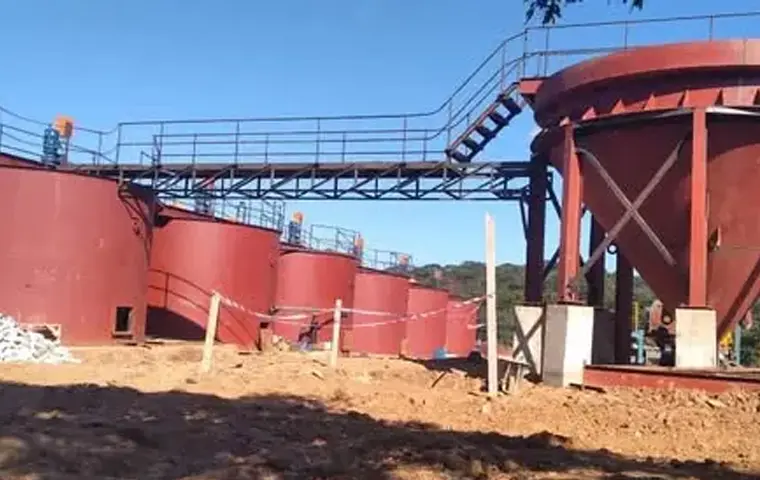
Raw Ore: Clay-rich oxidized gold ore (with minor sulfides) Gold Grade: 2.8 g/t Gold Ingot Purity: 89.5%
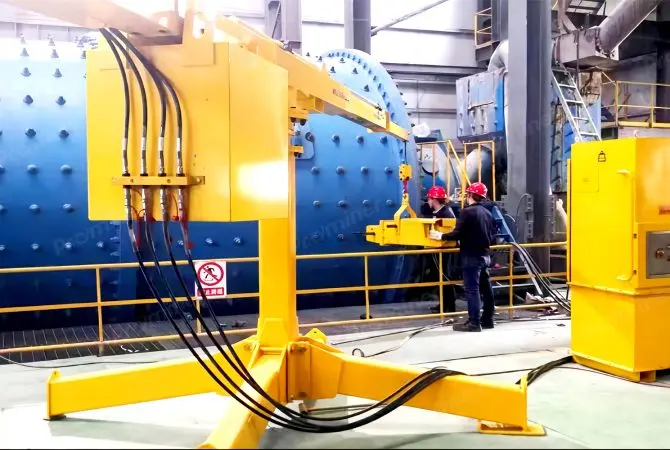
We can manufacture the highly automated and powerful recoilless Bolt Hammer to remove
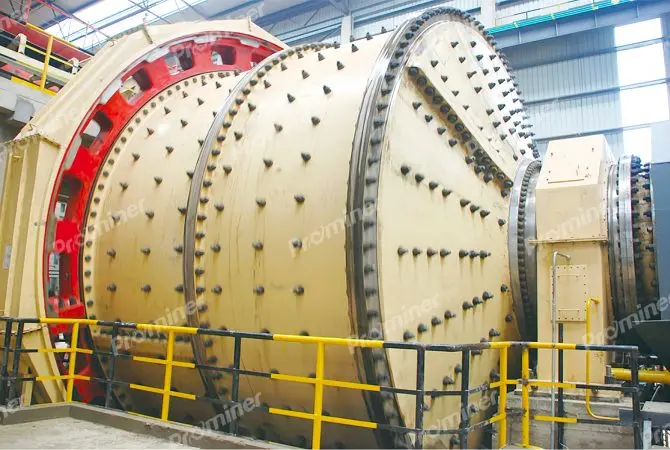
AG/SAG is short for autogenous mill and semi-autogenous mill, it combines with two functions of crushing
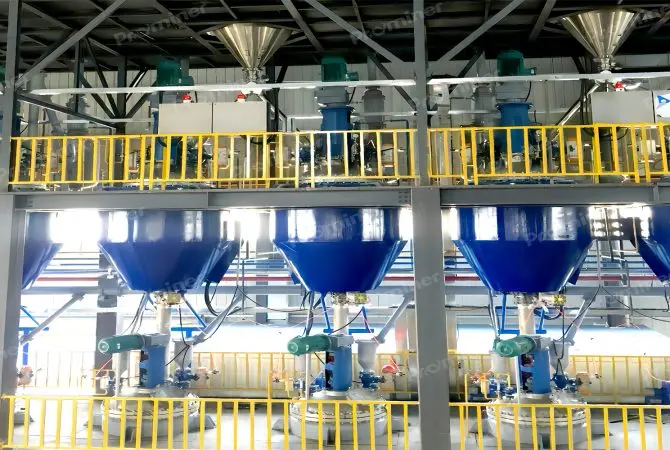
Our granulation reactor combines the coating and granulation processing functions together
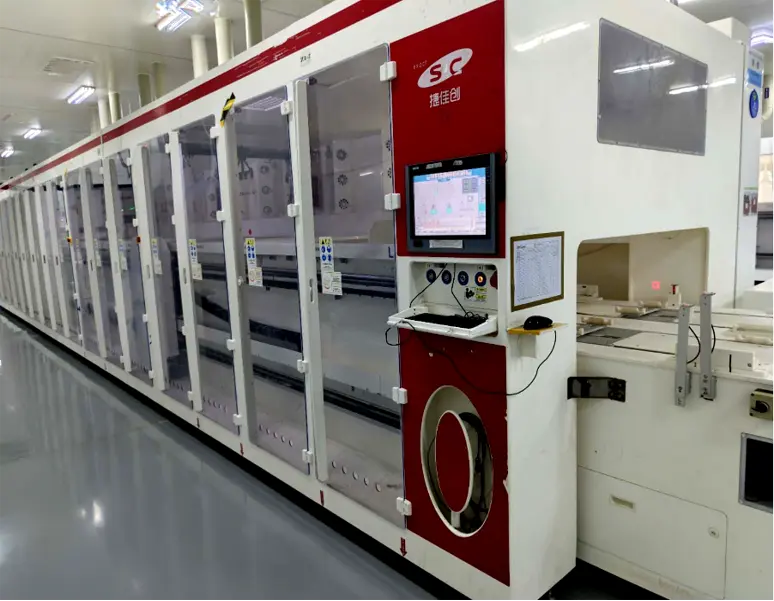
Such as: Boron diffusion furnace, BSG removal, Alkali polishing machine, PE-POLY…
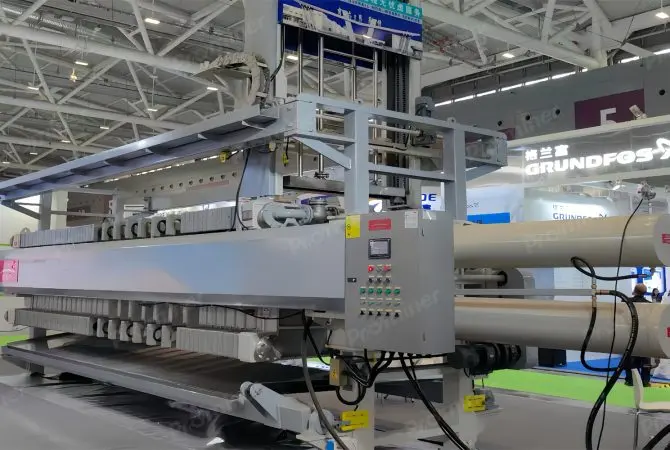
Prominer can provide press filter, belt vacuum filter, disk vacuum filter and ceramic filter
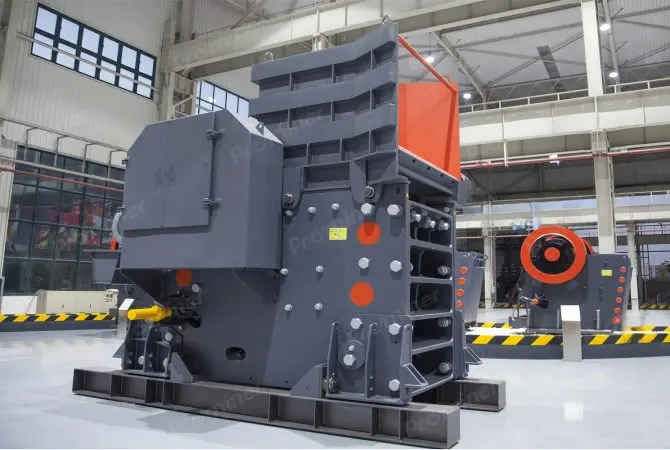
Jaw Crusher, its opening size determines its max feeding size. The crushing chamber of a jaw crusher
To find out more about our products and solutions, please fll out the form below and one of our experts will get back to you shortly
3000 TPD Gold Flotation Project in Shandong Province
2500TPD Lithium Ore Flotation in Sichuan
Fax: (+86) 021-58779592
Address: Room 606, Building D3, Phase II, Chuansha Business Center, 777 Long, Miaochuan Road, Pudong New Area, Shanghai,China
Copyright © 2023. Prominer (Shanghai) Mining Technology Co.,Ltd.