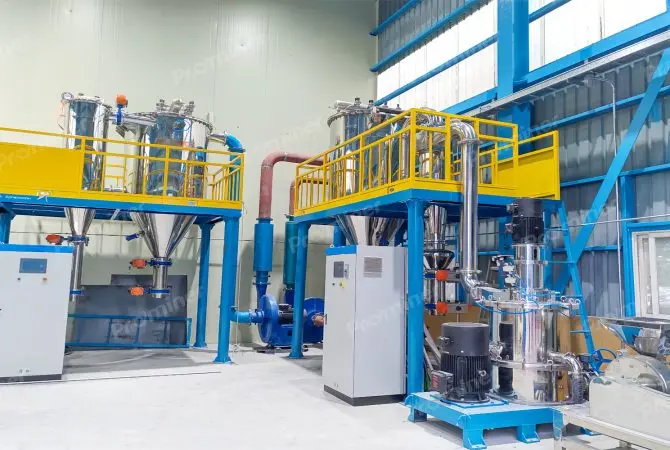

Heap leaching is a traditional cyanide leaching processing way which is flexible and economic to extract gold


Quartz sand is a critical raw material in industries such as glassmaking, foundry production, ceramics, electronics, and construction. Its value depends heavily on purity. One of the most common unwanted components in quartz sand is calcium, usually present as calcite, dolomite, lime residues, or other calcium-bearing minerals. Removing these impurities is essential when high-grade silica is required.
This article explains the most effective methods for removing calcium impurities from quartz sand, how each method works, and when each is most suitable.
Calcium impurities can reduce the chemical purity and performance of quartz sand. In glass manufacturing, excess calcium-bearing contaminants can affect melting behavior and product clarity. In high-purity applications such as silicon production or specialty glass, even small amounts of calcium can make the material unsuitable.
Calcium may appear in quartz sand in different forms:
Because calcium can exist in several forms, no single removal method is ideal in every case. The best approach depends on the mineralogy of the deposit and the desired final purity.
Water washing is often the first and simplest step in quartz sand purification. This method removes fine particles, clays, and loosely attached calcium-bearing materials from the surface of quartz grains.
Desliming typically follows washing and separates very fine fractions that may contain a higher concentration of calcium impurities. Hydrocyclones, classifiers, and settling tanks are commonly used for this purpose.
This method works best when:
However, washing alone usually cannot remove calcium minerals that are tightly bound or present as discrete grains.
Attrition scrubbing is a more intensive mechanical cleaning process. In this method, quartz sand particles rub against each other in a high-energy slurry environment, helping remove surface films, coatings, and soft impurity layers.
For calcium removal, attrition scrubbing is particularly useful when calcium compounds adhere to the surface of quartz grains rather than occurring as large separate minerals.
Advantages of attrition scrubbing include:
It is commonly combined with washing and desliming to improve overall efficiency.
Magnetic separation is primarily used to remove iron-bearing impurities, but in some cases it can indirectly help reduce calcium contamination if calcium occurs in association with weakly magnetic minerals.
On its own, magnetic separation is generally not the most effective method for removing pure calcium minerals such as calcite. Still, it may play a supporting role in a full purification process where multiple impurity types must be removed.
This method is most useful when:
For calcium-specific removal, magnetic separation is usually not the primary choice.
Flotation is one of the best methods for removing calcium-bearing minerals from quartz sand, especially when calcium is present as calcite, dolomite, or similar gangue minerals.
In flotation, chemical reagents selectively make certain minerals attach to air bubbles and float, while quartz remains in the slurry or vice versa. By adjusting pH, collectors, depressants, and frothers, operators can separate calcium minerals from silica effectively.
Flotation is especially effective when:
Benefits of flotation include:
Its main limitation is that it requires careful reagent control and mineralogical testing. Operating costs and process complexity are also higher than simple washing methods.
Acid leaching is among the most effective methods for removing calcium impurities when very high purity is required. Acids such as hydrochloric acid or sulfuric acid dissolve calcium carbonate and other acid-soluble calcium compounds from quartz sand.
This method is especially useful when calcium is present:
Hydrochloric acid is often preferred because it dissolves calcium compounds efficiently and forms soluble calcium salts that can be washed away.
Advantages of acid leaching include:
Challenges include:
In many high-end applications, acid leaching is the final polishing step after physical beneficiation.
Thermal treatment is less commonly used as a primary calcium removal method, but it can support other processes in certain situations. Heating may alter mineral structures, decompose some calcium-bearing compounds, or improve the effectiveness of subsequent leaching.
For example, heat treatment can make some impurity phases easier to break down or separate. However, this method is usually energy-intensive and not the most economical standalone solution for calcium removal.
It is generally considered only when:
In most cases, the best method is not a single technique but a combination of several. A typical process for removing calcium impurities from quartz sand may include:
This multi-step approach often provides the best balance between cost, efficiency, and final product quality. The exact process should be selected based on laboratory testing, feed composition, particle size distribution, and target purity.
The best method for removing calcium impurities from quartz sand depends on how the calcium occurs in the material.
In practical terms, flotation and acid leaching are often the most effective calcium-removal methods, especially when high silica purity is required. Mechanical cleaning methods remain important because they reduce the load on chemical treatment and improve overall process efficiency.
Removing calcium impurities from quartz sand is essential for producing high-quality silica products. The most effective strategy depends on whether the calcium is present as surface contamination, fine coatings, or separate carbonate minerals.
While washing, desliming, and attrition scrubbing are useful pre-treatment methods, flotation and acid leaching typically provide the strongest calcium removal performance. For demanding applications, combining physical and chemical methods usually gives the best results.
Careful mineralogical analysis and pilot testing are the keys to choosing the right process and achieving the desired purity at a reasonable cost.
A: Process selection depends on ore mineralogy, grain size, and gangue composition. Typically, coarse-grained heavy minerals (like gold or chromite) favor gravity separation, finely disseminated sulfides or non-metallics (like fluorite, graphite, or lead-zinc) require flotation, and fine or refractory gold ores often rely on chemical leaching (such as CIP) or combined flowsheets.
A: Reagent selection is dictated by the specific surface chemistry of your target mineral and gangue (e.g., silica, calcium, or phosphorus). Effective separation requires matching targeted collectors with selective depressants and pH modifiers, which should always be verified through lab-scale bench testing on your specific ore sample.
A: Equipment selection depends on target particle size, throughput capacity, and required recovery rates. For example, centrifugal concentrators and shaking tables excel at fine gravity recovery, while specialized flotation cells and elution systems are sized based on retention time and pulp density.
A: Yes. With modern process optimization—such as combined beneficiation flowsheets, pre-concentration, or targeted chemical treatments—previously uneconomic resources like Carlin-type gold, refractory copper oxide, or historical gold tailings can achieve commercially viable recovery rates.
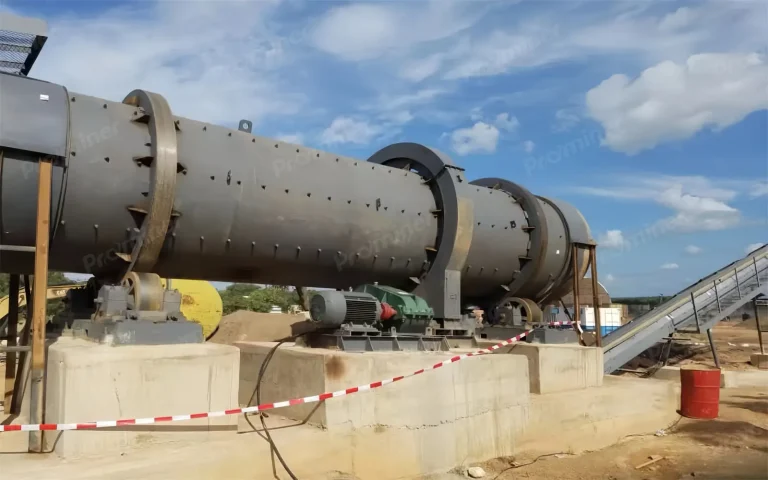
Heap leaching is a traditional cyanide leaching processing way which is flexible and economic to extract gold
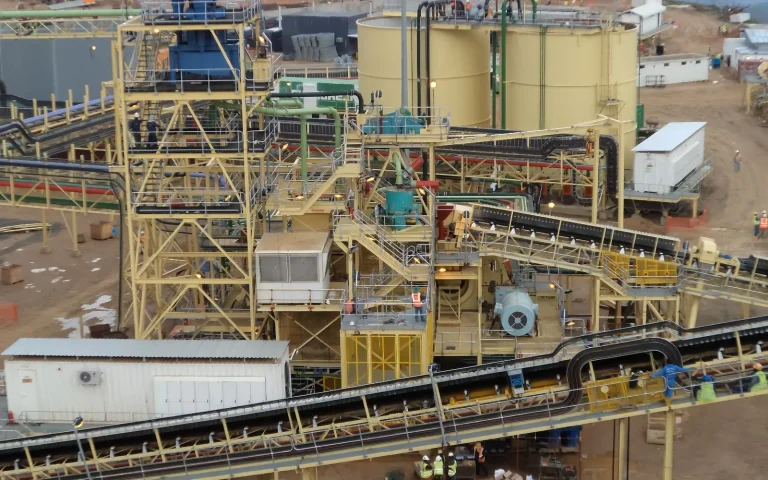
Provide important equipment in the gold ore processing process, such as CIL/CIP System, Flotation Cell…
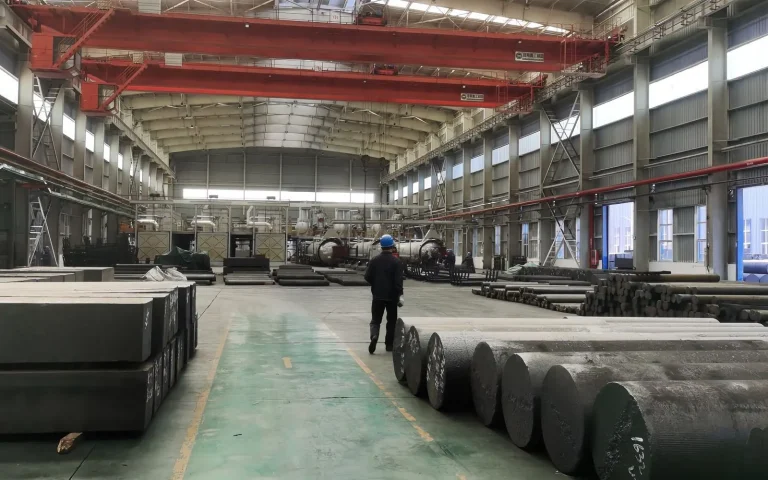
UHP graphite electrode is mainly used for ultra high power electric arc furnaces in steel smelting industry

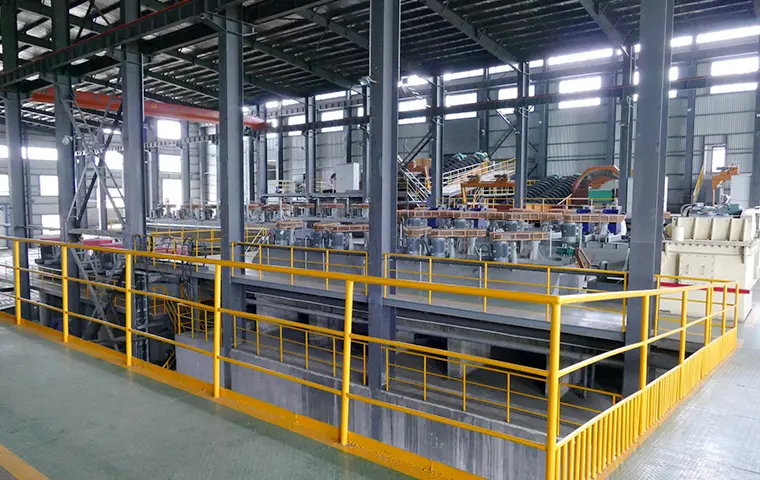
Raw Material: Spherical Graphite, Pitch Binder, Additives Project Capacity: 5,000 tons anode material; 20 tons graphene per annum

Raw Material: Existing gold plant tailings (All-slime) Gold Grade in Tailings: 1.2 g/t Final Product: Gold Ingot
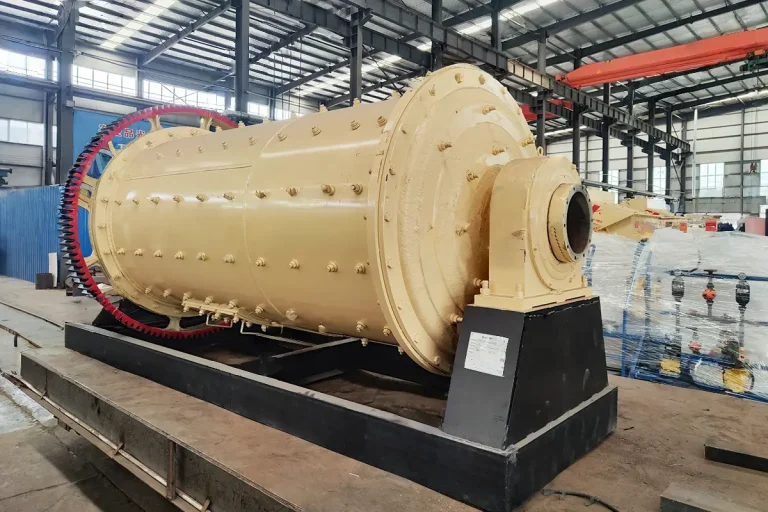
Raw Ore: Copper Ore (Chalcopyrite) Copper Grade: 0.85% Final Products: Grinded ore slurry for flotation
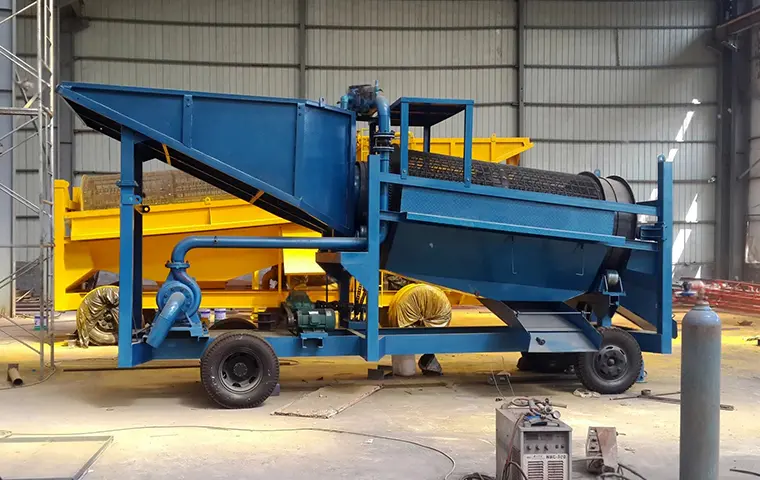
Raw Ore: Alluvial gold ore from riverbed and terrace deposits Gold Grade: 1.5 g/t Gold Recovery Rate: 92%
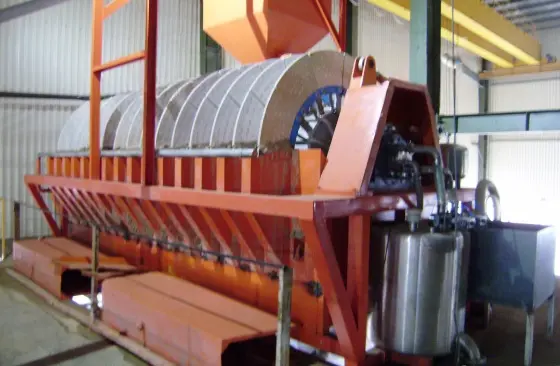
Client: Heavy Mineral Sands Producer Feedstock: Ilmenite Concentrate (TiO₂ 52-55%) Final Product: Rutile-Grade TiO₂ (≥94% purity)
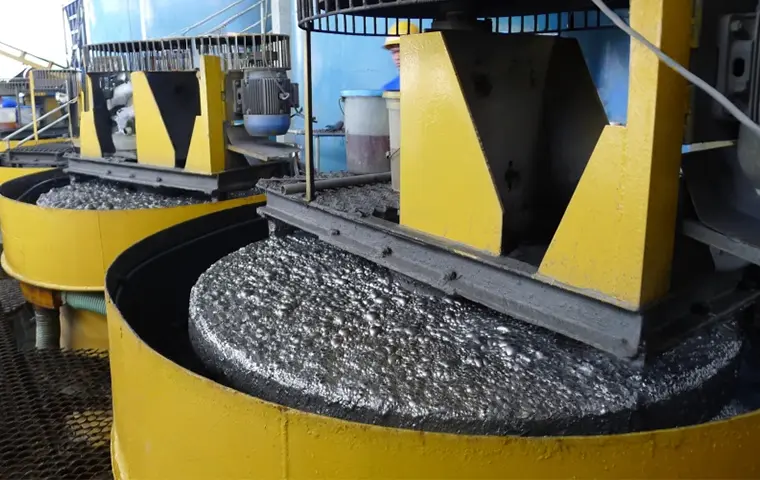
Raw Ore: Mixed Oxide Type Gold-Copper Ore Gold Grade: 1.5 g/t Copper Grade: 0.8%
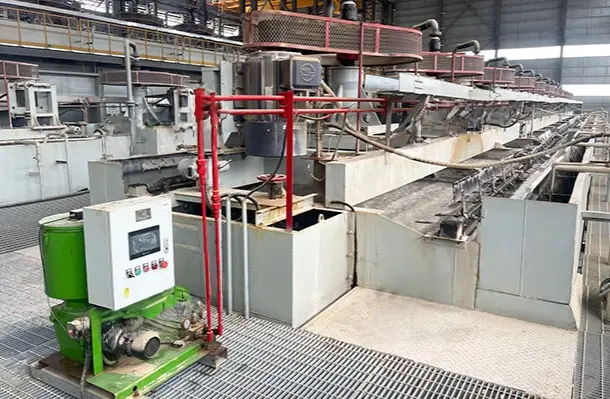
Raw Ore: Porphyry Gold-Copper Ore Gold Grade: 0.8-1.5 g/t Copper Grade: 0.6-0.9%
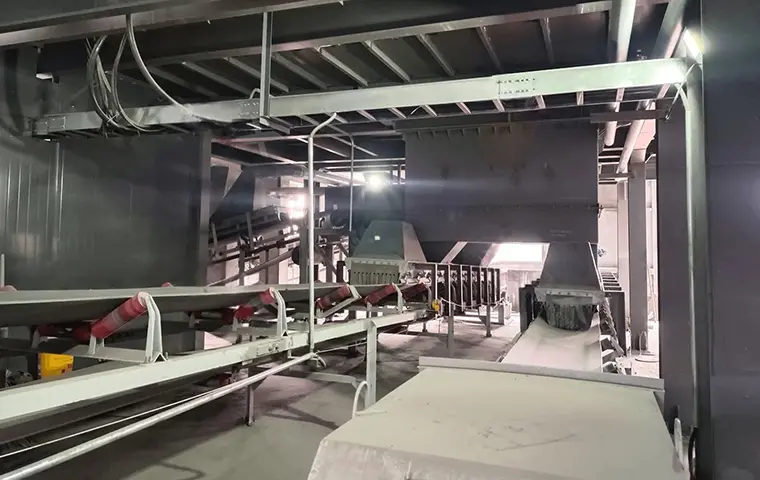
Boosting copper recovery and reducing energy consumption through cutting-edge pre-concentration and Prominer’s 15+ years of EPC expertise
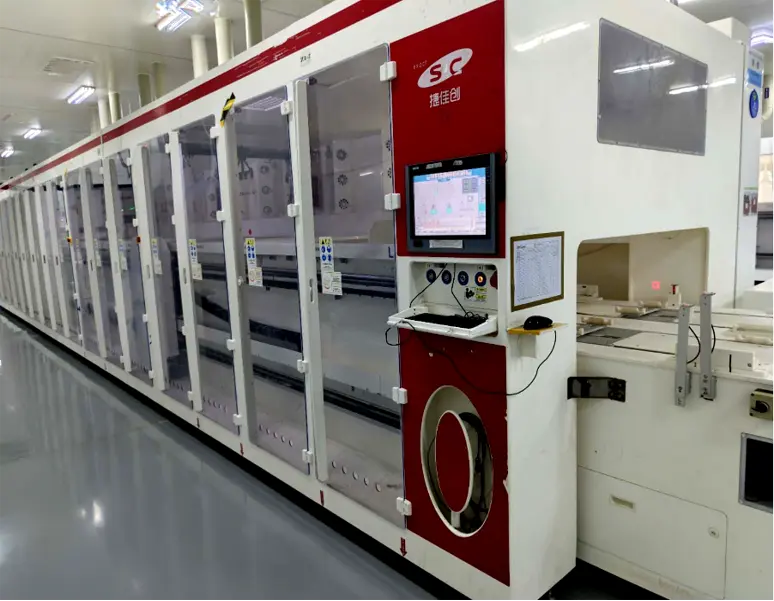
Such as: Boron diffusion furnace, BSG removal, Alkali polishing machine, PE-POLY…
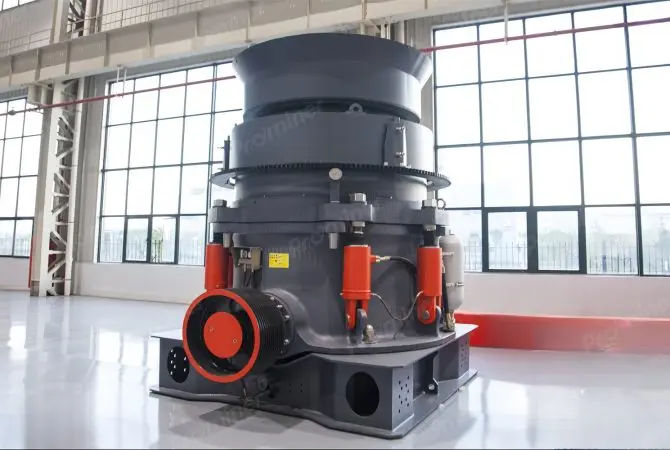
Multi-cylinder hydraulic cone crusher combines crusher speed, eccentricity and cavity profile
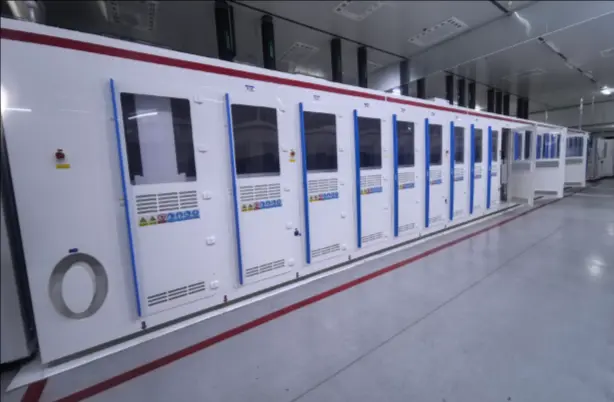
Include: Monocrystalline Batch Texturing Equipment, Batch Texturing Loader/Unloader, Low-Pressure…
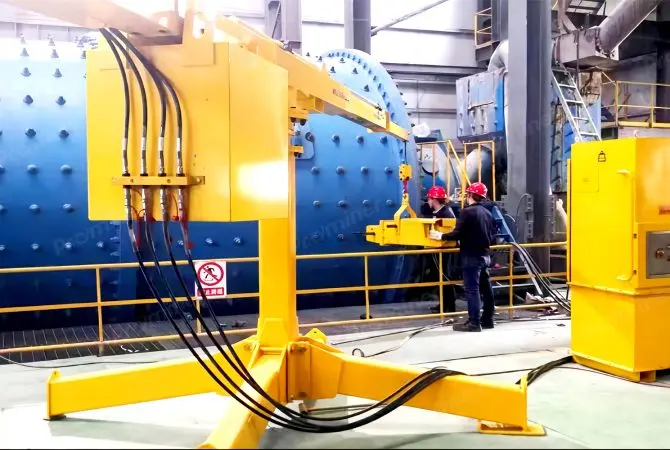
We can manufacture the highly automated and powerful recoilless Bolt Hammer to remove
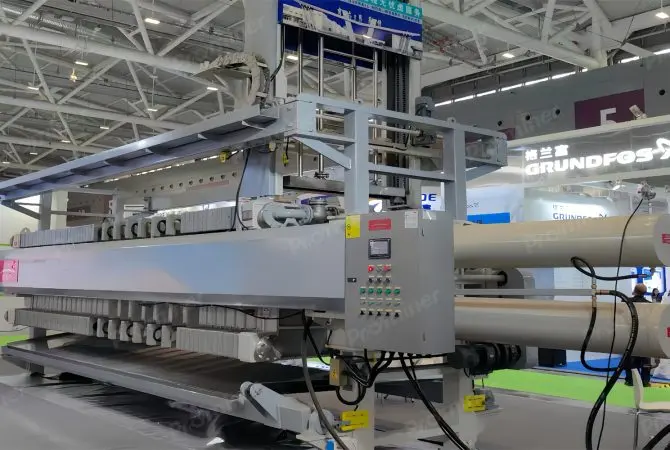
Prominer can provide press filter, belt vacuum filter, disk vacuum filter and ceramic filter
To find out more about our products and solutions, please fll out the form below and one of our experts will get back to you shortly
3000 TPD Gold Flotation Project in Shandong Province
2500TPD Lithium Ore Flotation in Sichuan
Fax: (+86) 021-58779592
Address: Room 606, Building D3, Phase II, Chuansha Business Center, 777 Long, Miaochuan Road, Pudong New Area, Shanghai,China
Copyright © 2023. Prominer (Shanghai) Mining Technology Co.,Ltd.