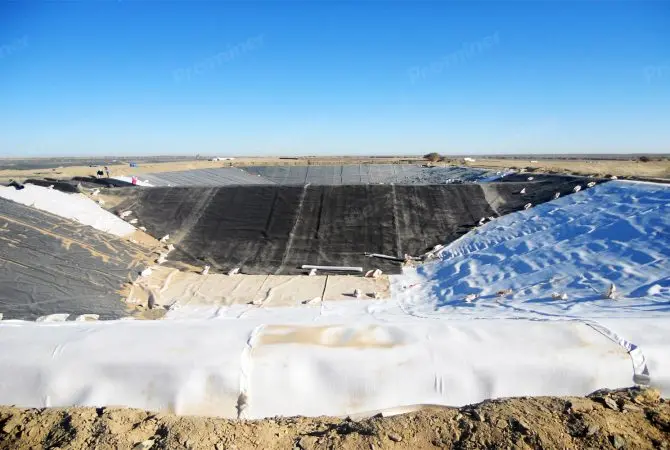
Spodumene and lepidolite are very important lithium bearing minerals and they are very easy to recover




The choice between a ball mill and a vertical mill for iron ore processing depends on several factors, including energy efficiency, operational requirements, and the characteristics of the processed material.
A vertical mill typically offers higher energy efficiency compared to a ball mill, especially in applications involving fine grinding. Studies and operational data suggest that vertical mills can save up to 18–30% energy relative to ball mills in certain applications, including processing iron ore. This energy savings is due to a more efficient grinding mechanism and reduced wear in the system.
Operation Mechanism: Vertical mills use grinding pressure to crush particles, efficiently grinding finer material, while ball mills rely on cascading balls, which is less direct and consumes more energy.
Reduced Thermal Loss: Vertical mills generate less heat during operation, which enhances energy efficiency.
Lower Grinding Pressure: With optimized operation, vertical mills can handle even hard ores like iron ore more efficiently with lower energy input.
Built-in Air Classifiers: Vertical mills often include air classifiers that separate fine material, reducing over-grinding and unnecessary energy consumption.
While vertical mills offer energy efficiency, they may come with higher initial costs, maintenance complexity, and dependency on the specific ore properties and product fineness requirements.
Conversely, ball mills have simpler designs and lower initial investment costs but may consume more energy for coarse or large particle-size grinding.
If energy savings and fine grinding are priority goals for your iron ore processing application, a vertical mill may be the better choice. However, for coarse grinding or simpler operations, a ball mill might suffice due to its robust design. Always conduct a cost-benefit analysis based on your specific operation dynamics and ore characteristics to make the most informed decision.
A: Mineral characteristics vary significantly even within the same ore body. A professional test (such as chemical analysis, XRD, and SEM) ensures the flowchart is optimized for your specific ore grade and liberation size. This prevents costly equipment mismatches and guarantees the highest possible recovery rates for your project.
A: We maintain a permanent stock of core wear parts (such as crusher liners, screen meshes, and grinding media). For international clients, we provide a recommended “2-year spare parts list” with the initial purchase. Technical support is available 24/7 via remote video, and site visits can be arranged for complex maintenance needs.
A: Yes. We send a team of senior mechanical and electrical engineers to the site to oversee the installation, commissioning, and load testing of the equipment. We also provide comprehensive on-site training for your local operators to ensure smooth long-term operation.
A: Absolutely. We specialize in providing EPCM (Engineering, Procurement, Construction Management) services. This includes everything from initial ore testing and mine design to equipment manufacturing, logistics, and full-scale plant integration, ensuring a seamless transition from greenfield to production.
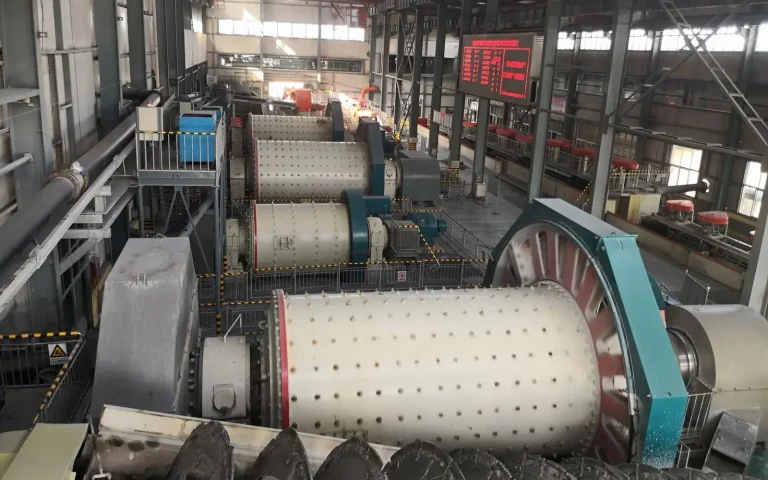
Spodumene and lepidolite are very important lithium bearing minerals and they are very easy to recover
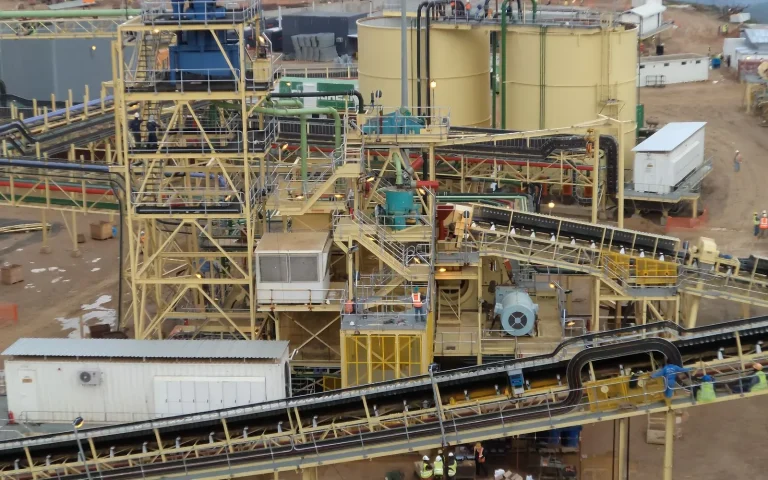
Provide important equipment in the gold ore processing process, such as CIL/CIP System, Flotation Cell…
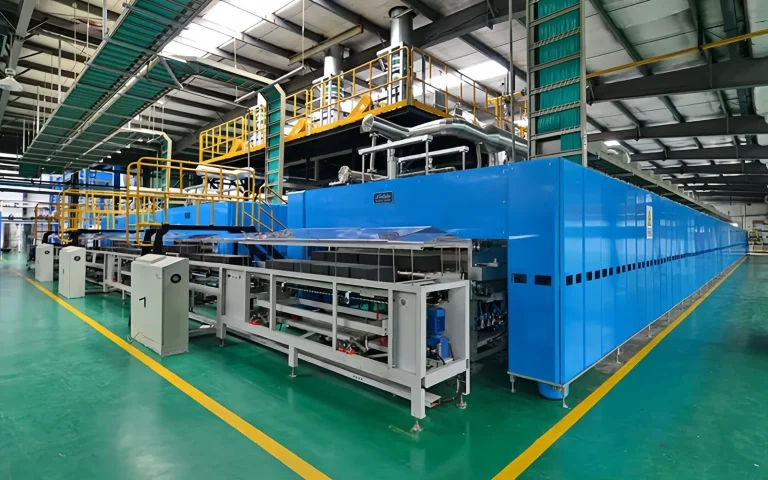
Artificial graphite anode material are mainly made from high quality low sulphur content petroleum coke

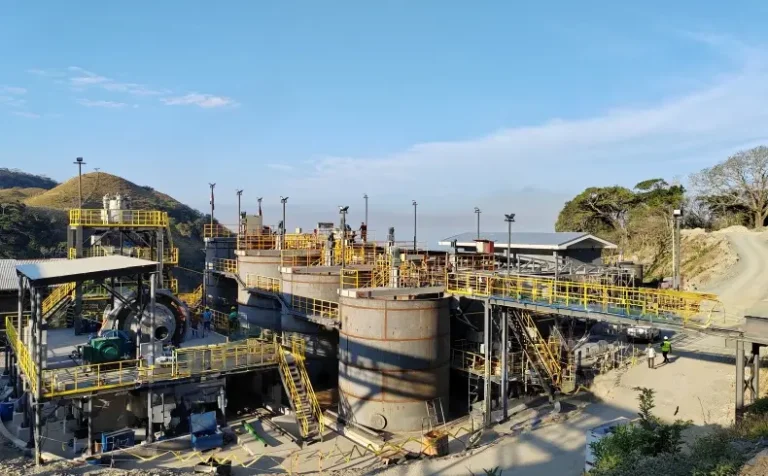
Raw Ore: Sulfide-Refractory Gold Ore (25% Sulfide) Gold Grade: 2.8-4.1 g/t Final Product: 99.99% Gold Ingot
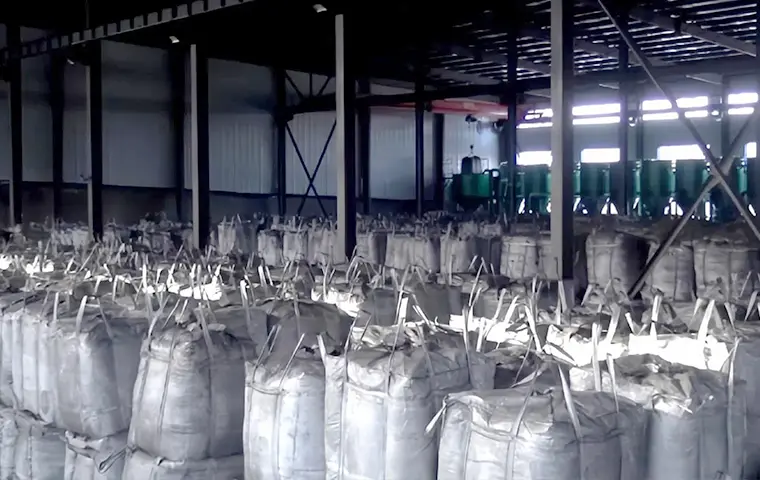
Raw Material: Graphite Flotation Concentrate (95% C) Project Capacity: 10,000 tons per annum
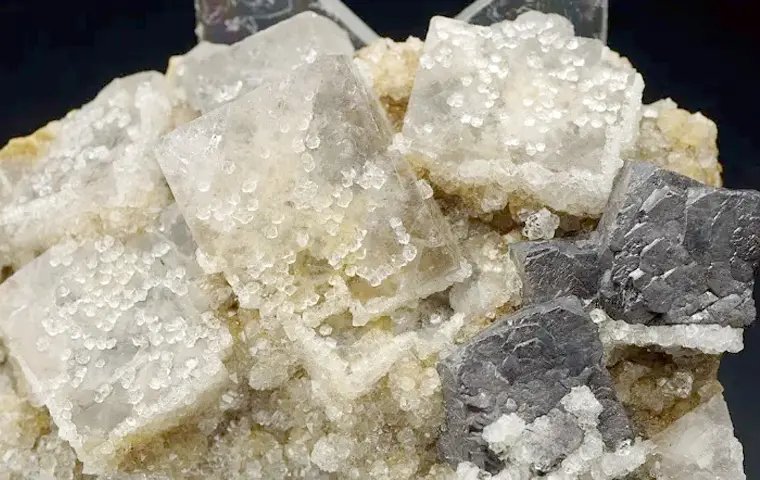
Raw Material: Polymetallic Ore Containing Galena (PbS) and Fluorite (CaF₂) Lead Grade: 3.5% Fluorite Grade: 35%
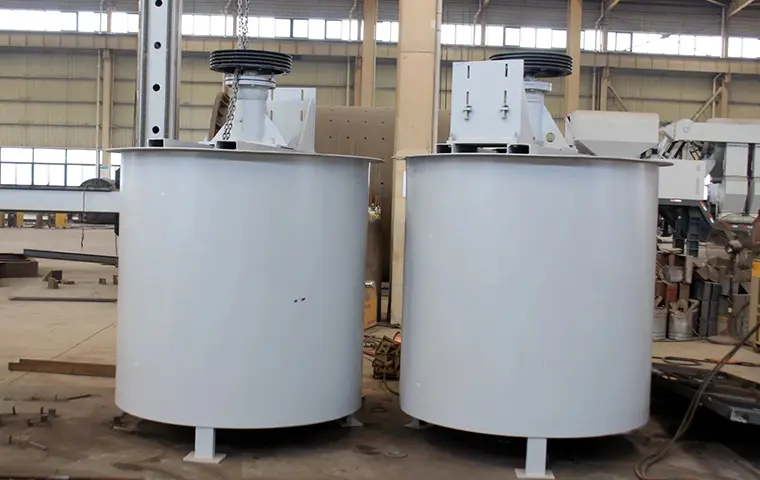
Raw Ore: Oxide Type Gold Ore Gold Grade: 2.5 g/t Gold Ingot Purity: 92%
Raw Ore: Lithium Spodumene Ore Li₂O Grade: 1.45% Concentrate Grade: 6.20%
Raw Ore: Nickel-Cobalt Laterite Ore (Limonite & Saprolite Layers) Average Feed Grade: Ni: 1.2%, Co: 0.15%
Raw Ore: Calcite Ore CaCO3 Grade: 85% Final Product: Coated & Uncoated Calcite Powder (325 – 2500 mesh)
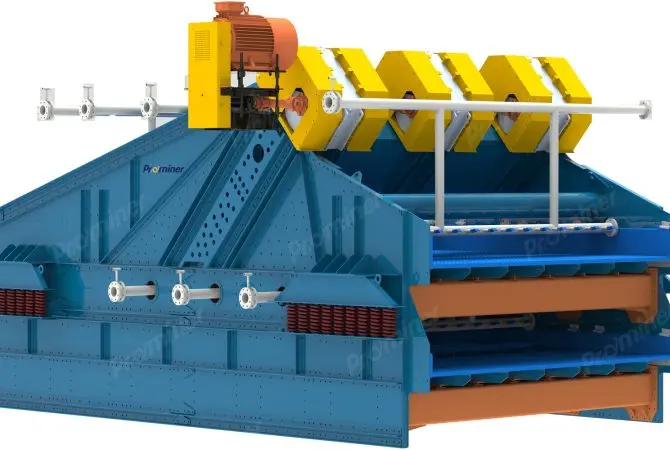
Prominer can provide all kinds of linear screen for mineral grading, material sizing, dewatering
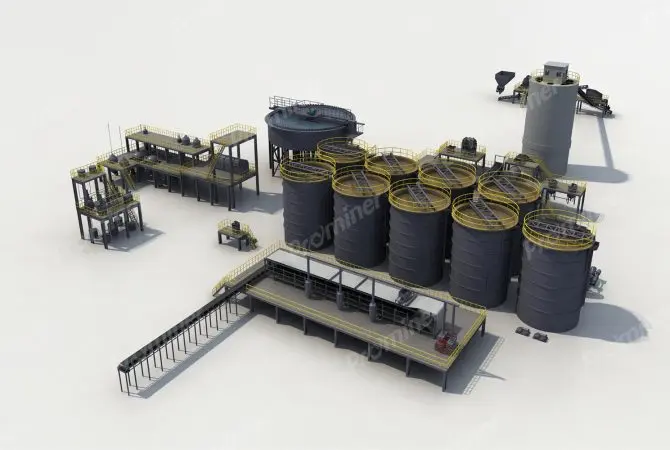
Prominer can provide the complete solution for CIL (carbon in leaching) system
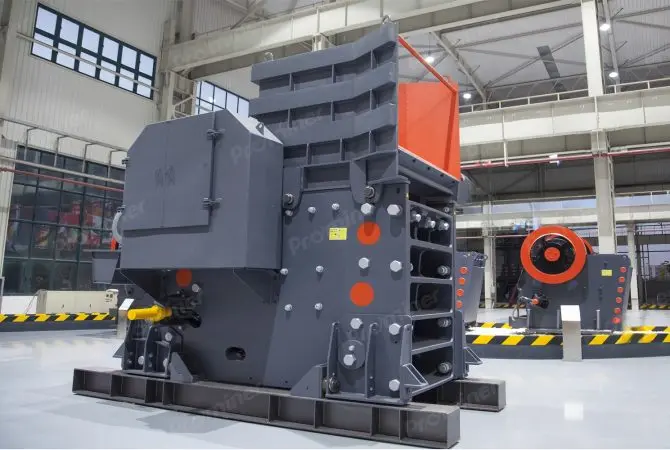
Jaw Crusher, its opening size determines its max feeding size. The crushing chamber of a jaw crusher
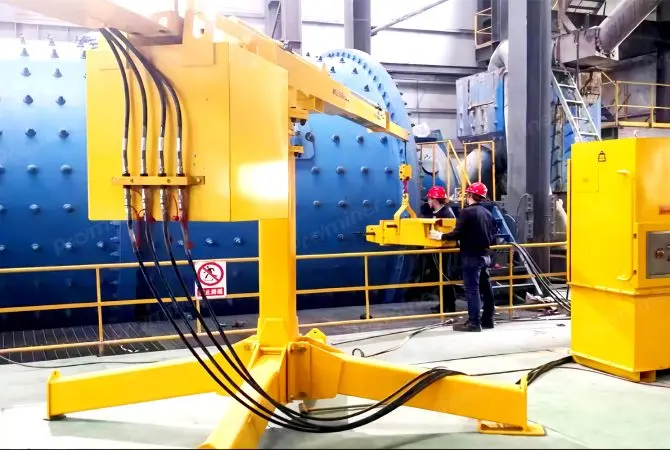
We can manufacture the highly automated and powerful recoilless Bolt Hammer to remove
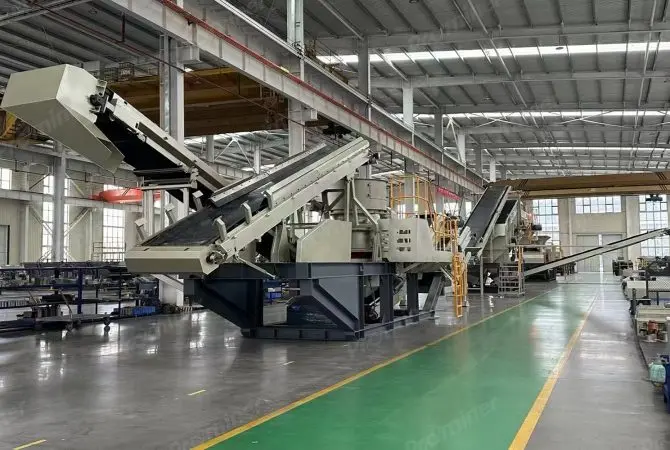
Skid mounted Portable Crusher, based on market requirements of easier moving from one site
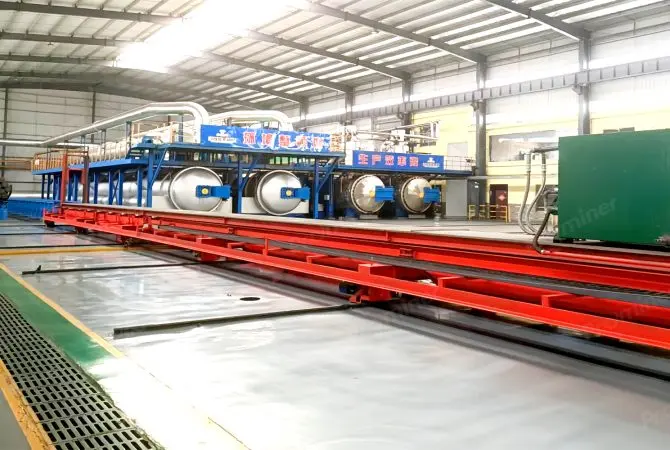
We can provide hot-in and cold-out type high-pressure impregnation of once-baked graphite
To find out more about our products and solutions, please fll out the form below and one of our experts will get back to you shortly
3000 TPD Gold Flotation Project in Shandong Province
2500TPD Lithium Ore Flotation in Sichuan
Fax: (+86) 021-60870195
Address: No.2555,Xiupu Road, Pudong, Shanghai
Copyright © 2023. Prominer (Shanghai) Mining Technology Co.,Ltd.