Hard carbon anode material is the most preferred materials for commercialization of sodium-ion battery



Yes, tungsten tailings can potentially be economically reprocessed, depending on various factors such as the grade of residual tungsten or other valuable materials, advancements in processing technology, market demand for tungsten, and economic feasibility. Here’s an overview of important considerations:
Reprocessing tungsten tailings can be economically viable, but it requires a thorough evaluation of the tailings’ composition, market conditions, available technology, and environmental considerations. Technological developments and rising tungsten demand are likely to make reprocessing an increasingly attractive option in the future. Feasibility studies and pilot tests are essential before undertaking any re-mining or reprocessing projects.
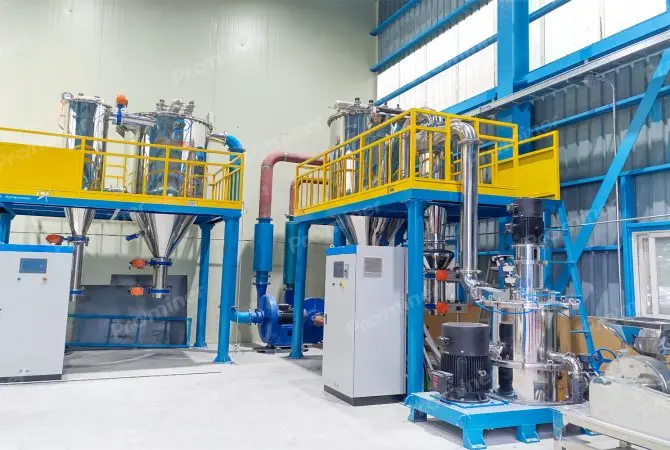
Prominer (Shanghai) Mining Technology Co., Ltd. specializes in providing complete mineral processing and advanced materials solutions globally. Our core focus includes: gold processing, lithium ore beneficiation, industrial minerals. Specializing in anode material production and graphite processing.
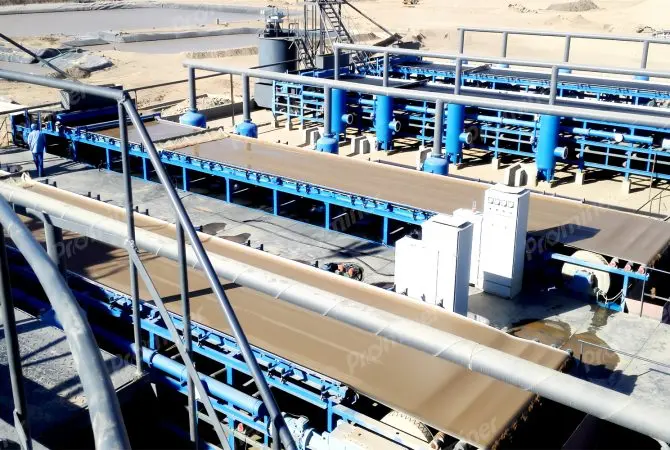
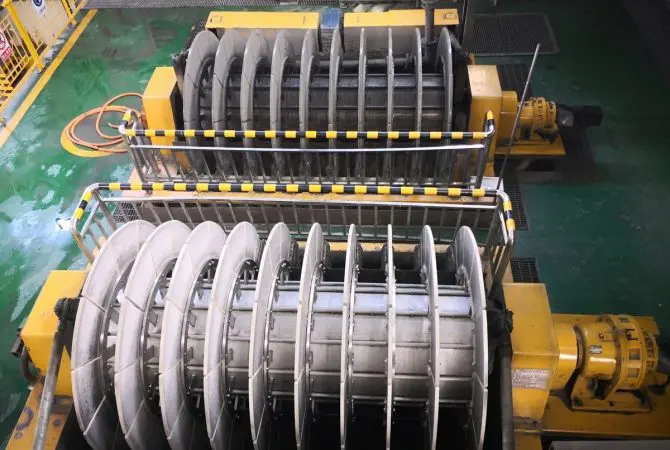
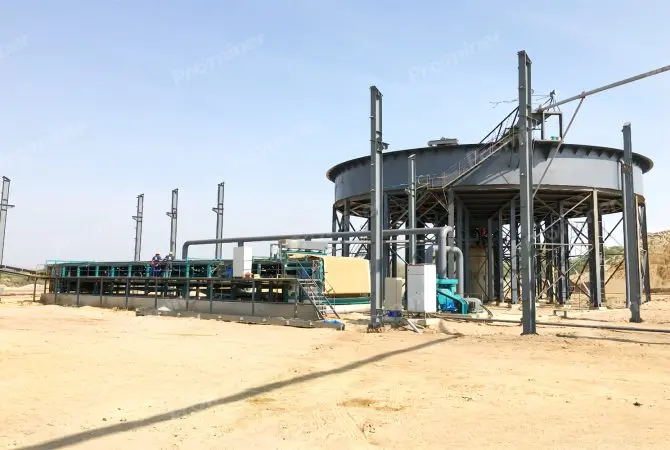
Products include: Grinding & Classification, Separation & Dewatering, Gold Refining, Carbon/Graphite Processing and Leaching Systems.
We offer end-to-end services including engineering design, equipment manufacturing, installation, and operational support, backed by 24/7 expert consultation.
Our Website Url: https://www.prominetech.com/
Our Email: [email protected]
Our Sales: +8613918045927(Richard), +8617887940518(Jessica), +8613402000314(Bruno)
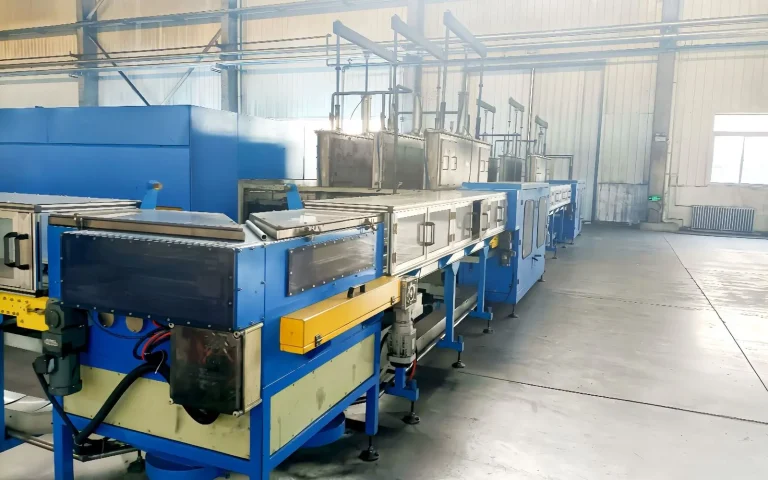
Hard carbon anode material is the most preferred materials for commercialization of sodium-ion battery
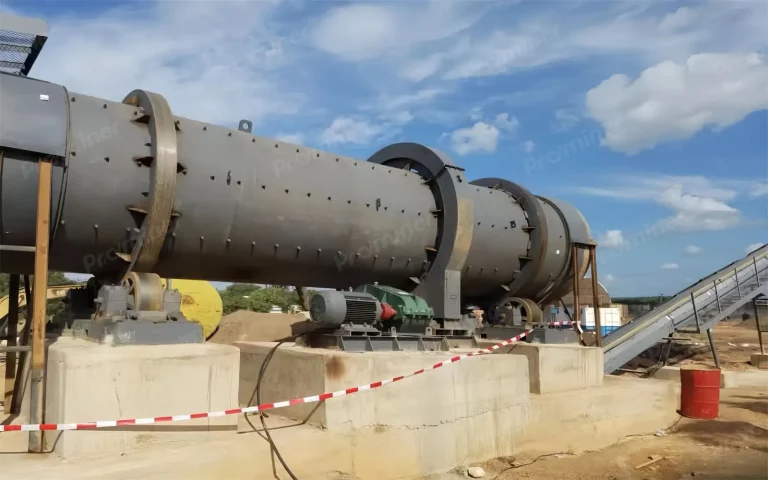
Heap leaching is a traditional cyanide leaching processing way which is flexible and economic to extract gold
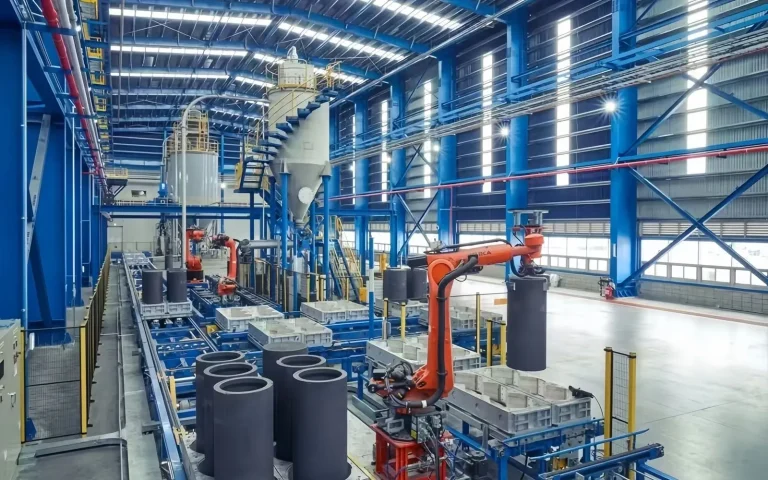
Prominer can provide the complete solution for making natrual graphite anode materials include grinding

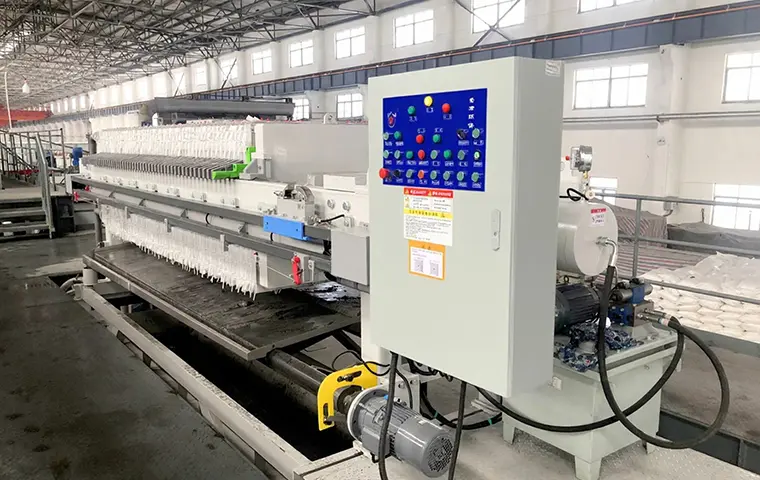
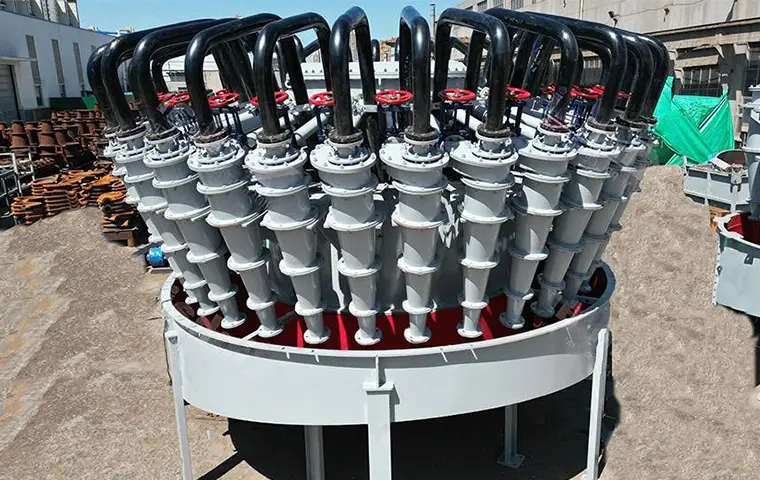
Raw Material: Carbon-slag from aluminum electrolysis Feed Grade: 15–20% Cryolite content Final Product: Recycled Cryolite ( purity ≥ 92% )
Raw Ore: Lithium Spodumene Ore Li₂O Grade: 1.45% Concentrate Grade: 6.20%
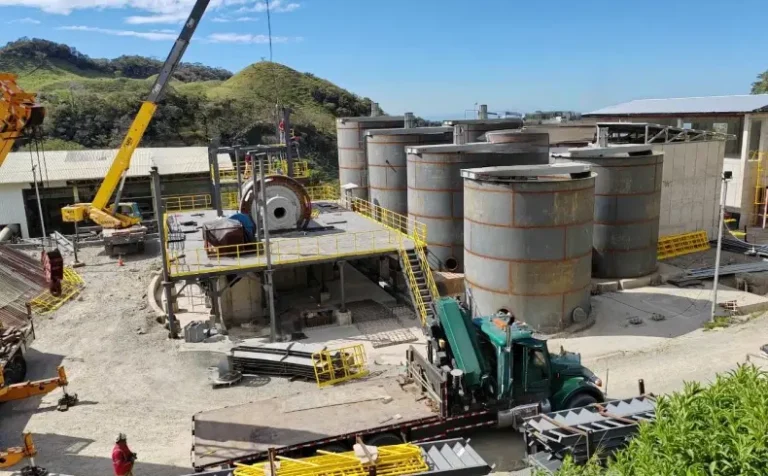
Raw Ore: Oxide-Sulfide Mixed Gold Ore Gold Grade: 3.5-7 g/t Gold Ingot Purity: 99.5%
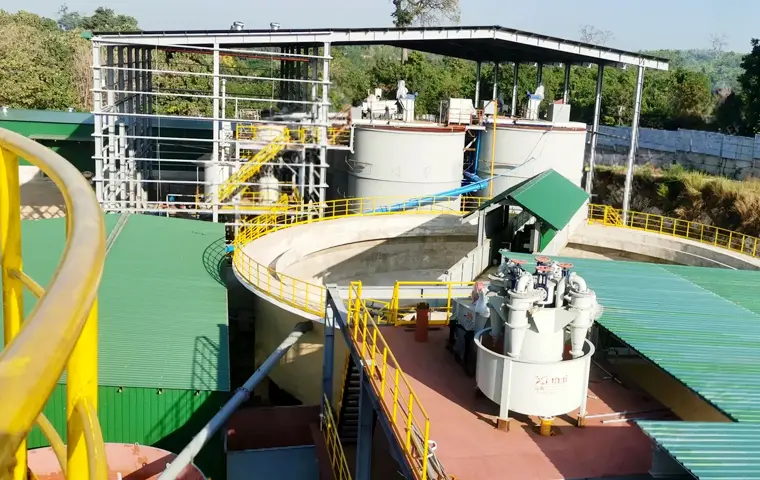
Raw Ore: Dual Oxide & Sulfide Gold Ore (Refractory in parts) Gold Grade: 3.5-4.2 g/t Final Product: Gold Doré (Au ≥96.5%)
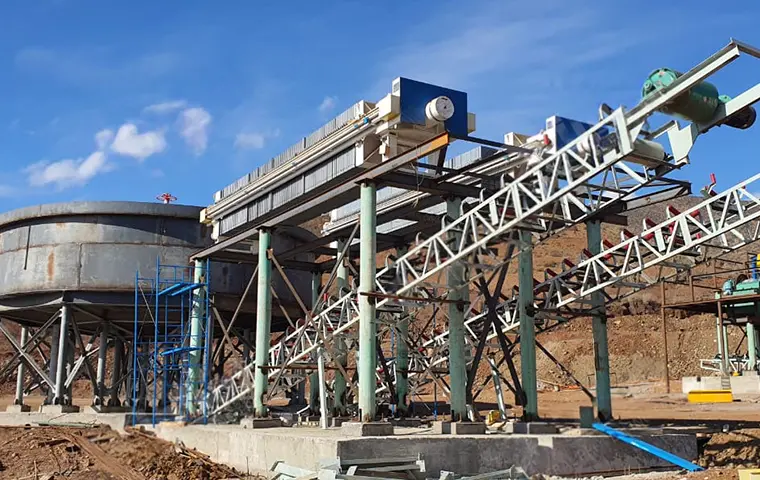
From laboratory testing to final commissioning, Prominer delivered a customized 20 TPH solution
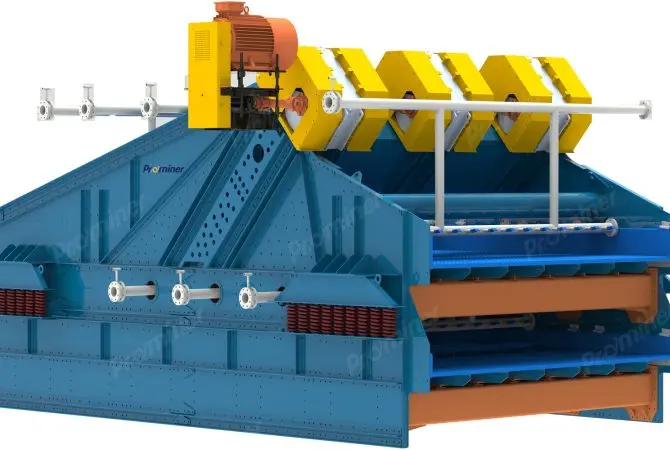
Prominer can provide all kinds of linear screen for mineral grading, material sizing, dewatering
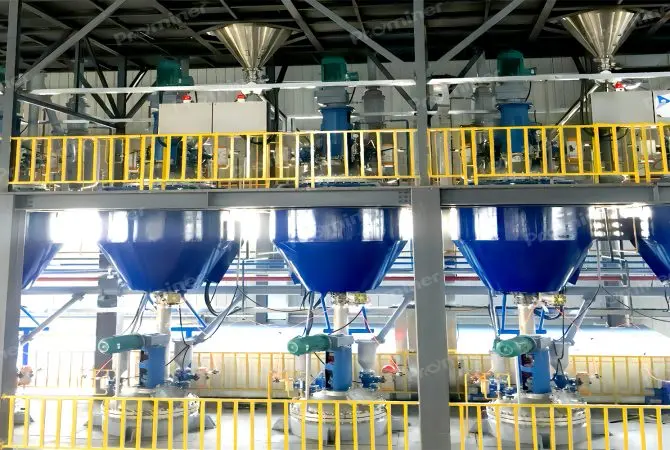
Our granulation reactor combines the coating and granulation processing functions together
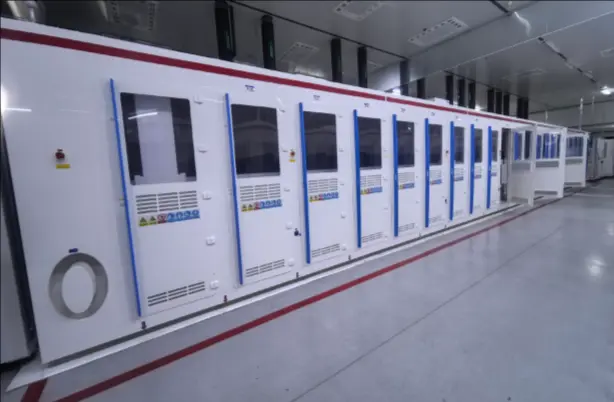
Include: Monocrystalline Batch Texturing Equipment, Batch Texturing Loader/Unloader, Low-Pressure…
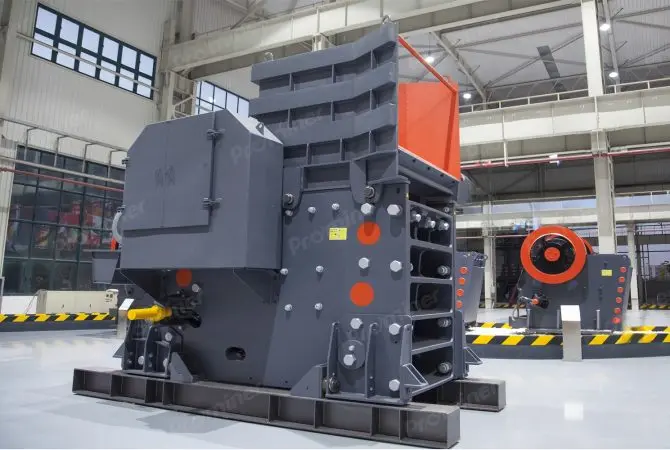
Jaw Crusher, its opening size determines its max feeding size. The crushing chamber of a jaw crusher
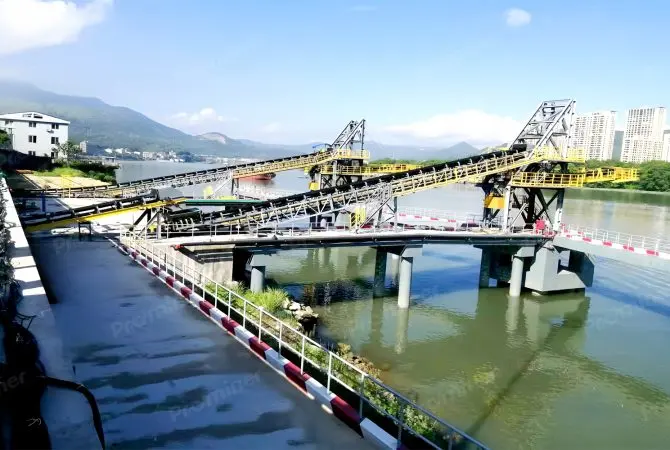
We can provide the solution of belt conveyors for different purposes include steeply inclined belt conveyor
To find out more about our products and solutions, please fll out the form below and one of our experts will get back to you shortly
3000 TPD Gold Flotation Project in Shandong Province
2500TPD Lithium Ore Flotation in Sichuan
Fax: (+86) 021-60870195
Address: No.2555,Xiupu Road, Pudong, Shanghai
Copyright © 2023. Prominer (Shanghai) Mining Technology Co.,Ltd.