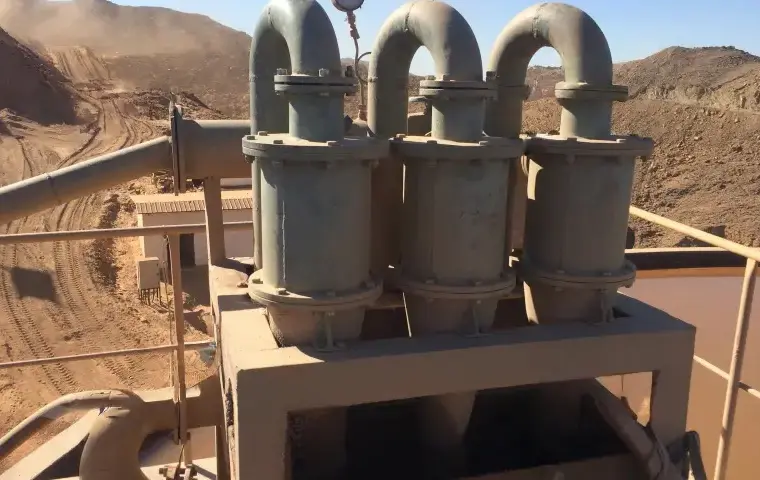
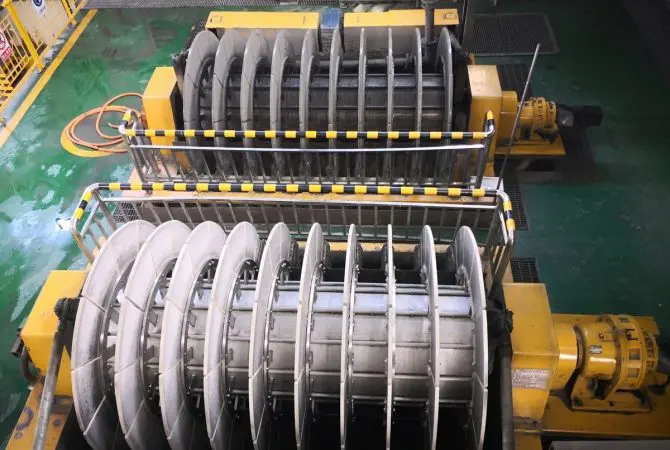
Spodumene and lepidolite are very important lithium bearing minerals and they are very easy to recover


/
/
How Does Magnetite Reverse Flotation Remove Silica Efficiently in Iron Ore Dressing?


Magnetite reverse flotation is a widely used beneficiation technique in iron ore dressing plants to reduce silica (SiO₂) and other gangue minerals. This process significantly improves iron concentrate grade while maintaining high recovery rates. Below is a detailed explanation of how reverse flotation works and why it is effective for silica removal.
Reverse flotation is a separation method where the unwanted gangue minerals—primarily silica—are floated away from the valuable magnetite. Unlike direct flotation, where valuable minerals are floated, reverse flotation keeps magnetite in the pulp while silica is selectively floated into the froth layer and removed as tailings.
In magnetite beneficiation, the ore is first crushed, ground, and subjected to magnetic separation to recover most of the magnetite. The remaining slurry, which still contains fine silica impurities, is then treated by reverse flotation to further improve concentrate quality.
Efficient silica removal relies heavily on selective reagents:
The collector attaches to silica particles, allowing them to bind with air bubbles and rise to the surface as froth. Meanwhile, magnetite remains hydrophilic due to the action of depressants and stays in the slurry.
Reverse flotation is particularly efficient for silica removal because:
A typical process includes:
This integrated approach ensures both high iron recovery and low silica levels.
Several operational parameters influence performance:
Proper optimization of these factors ensures maximum silica rejection with minimal iron loss.
In summary, magnetite reverse flotation removes silica efficiently by exploiting differences in surface chemistry between magnetite and silica. Through precise reagent control and optimized operating conditions, this method significantly upgrades iron ore concentrate quality while maintaining strong recovery performance.
A: Mineral characteristics vary significantly even within the same ore body. A professional test (such as chemical analysis, XRD, and SEM) ensures the flowchart is optimized for your specific ore grade and liberation size. This prevents costly equipment mismatches and guarantees the highest possible recovery rates for your project.
A: We maintain a permanent stock of core wear parts (such as crusher liners, screen meshes, and grinding media). For international clients, we provide a recommended “2-year spare parts list” with the initial purchase. Technical support is available 24/7 via remote video, and site visits can be arranged for complex maintenance needs.
A: Yes. We send a team of senior mechanical and electrical engineers to the site to oversee the installation, commissioning, and load testing of the equipment. We also provide comprehensive on-site training for your local operators to ensure smooth long-term operation.
A: Absolutely. We specialize in providing EPCM (Engineering, Procurement, Construction Management) services. This includes everything from initial ore testing and mine design to equipment manufacturing, logistics, and full-scale plant integration, ensuring a seamless transition from greenfield to production.
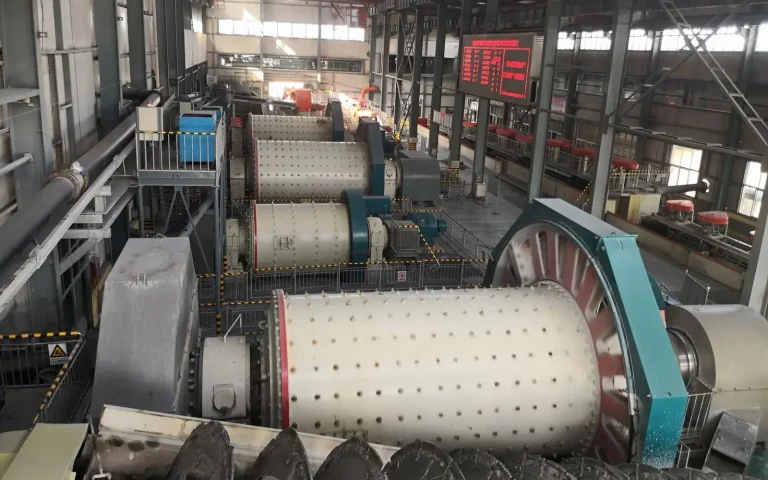
Spodumene and lepidolite are very important lithium bearing minerals and they are very easy to recover
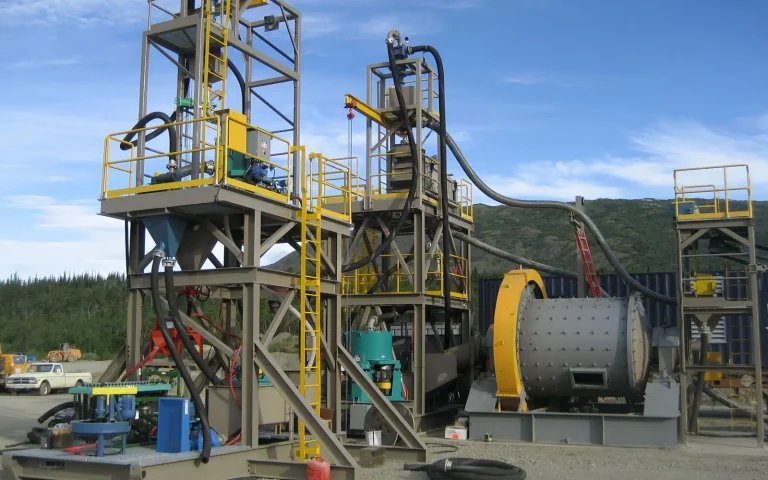
The best-known of the exogenetic ores is alluvial gold which also called placer gold. Alluvial gold refers
Heap leaching is a traditional cyanide leaching processing way which is flexible and economic to extract gold

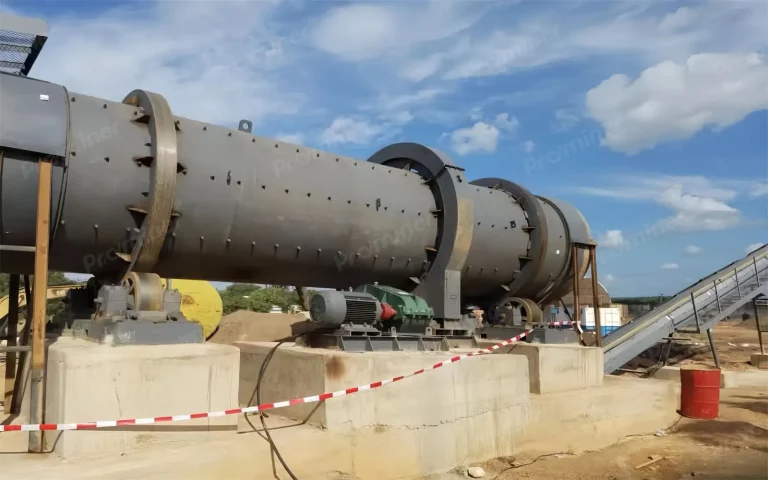
Project Objective: To determine the optimal processing flowsheet and provide scale-up data for a full-scale plant.
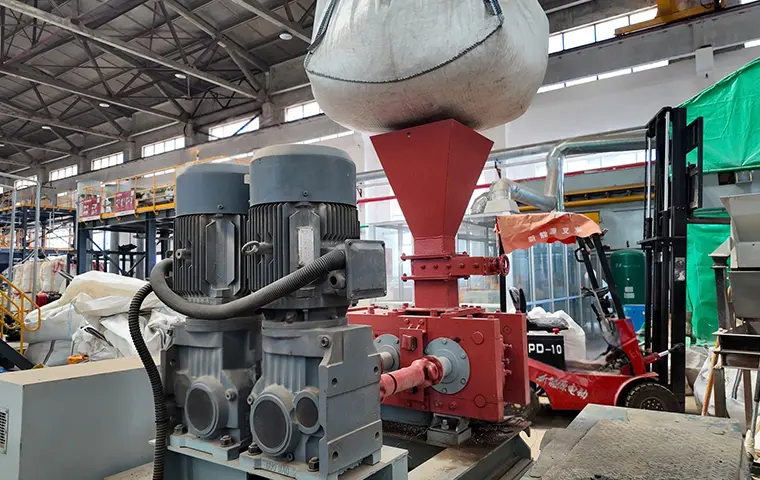
Raw Ore: Sulfide Type Gold Ore with Pyrite Gold Grade: 3.8 g/t Concentrate Grade: 42 g/t Au
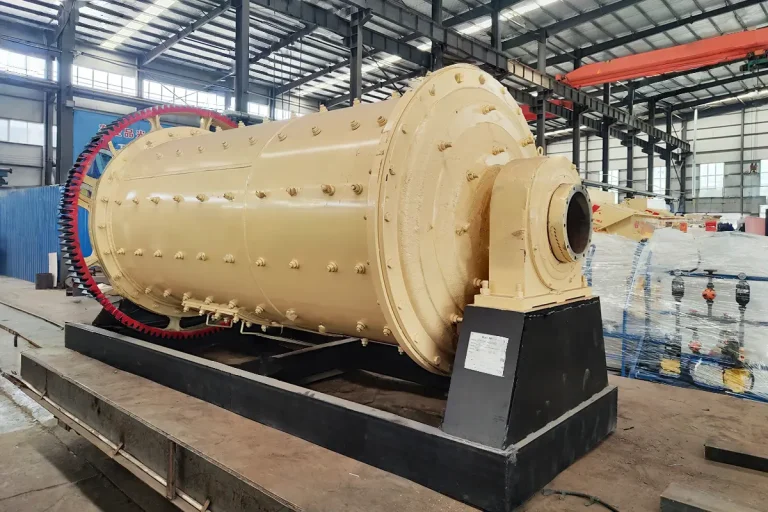
Raw Ore: Copper Ore (Chalcopyrite) Copper Grade: 0.85% Final Products: Grinded ore slurry for flotation
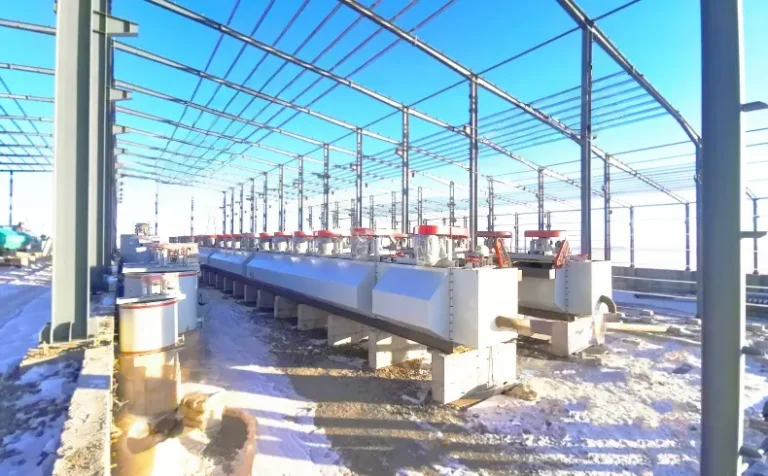
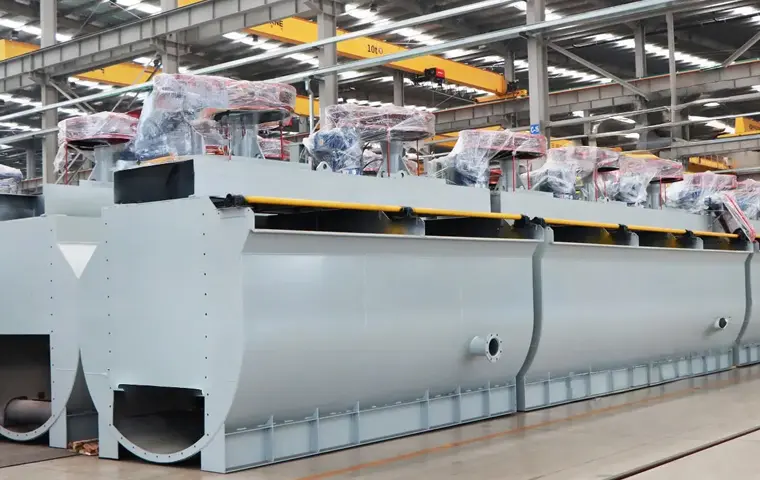
Raw Ore: Copper Sulfide Ore Copper Grade: 0.85% Final Product: Copper Concentrate
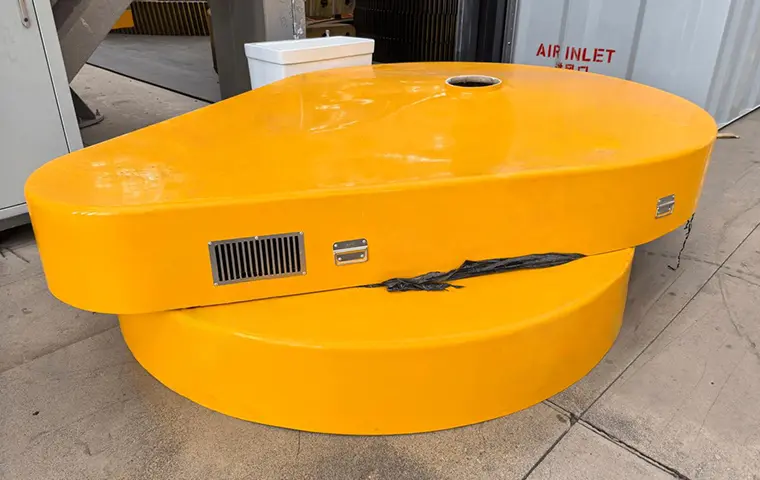
Raw Ore: Suitable for sulfide/oxide gold, copper, lithium, zinc, lead, and other non-ferrous metals
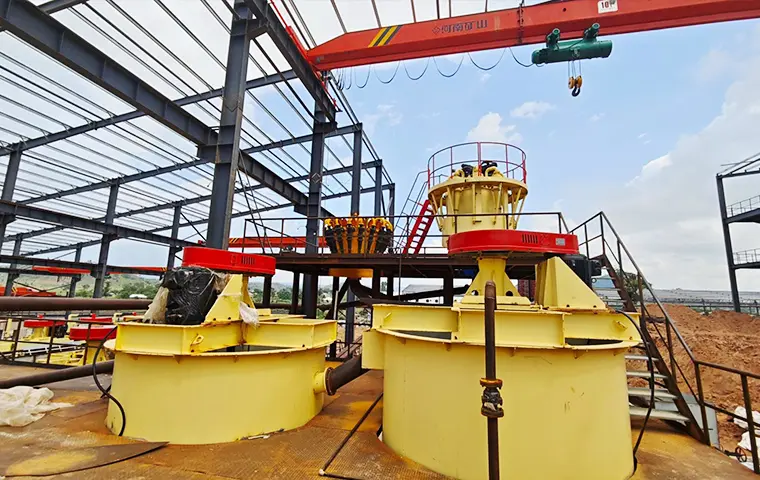
Raw Ore: Lithium-bearing pegmatite ore (spodumene) Li₂O Grade: 1.0–1.5% Target Concentrate Grade: ≥5.5% Li₂O
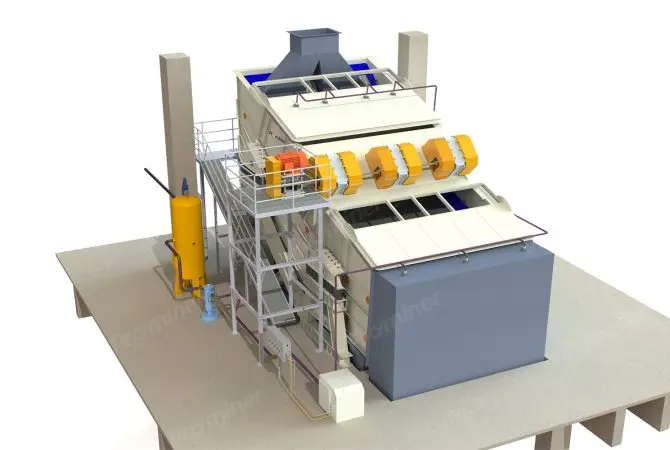
Flip-flow screen panel continues expanding and contracting so achieve a high acceleration rates
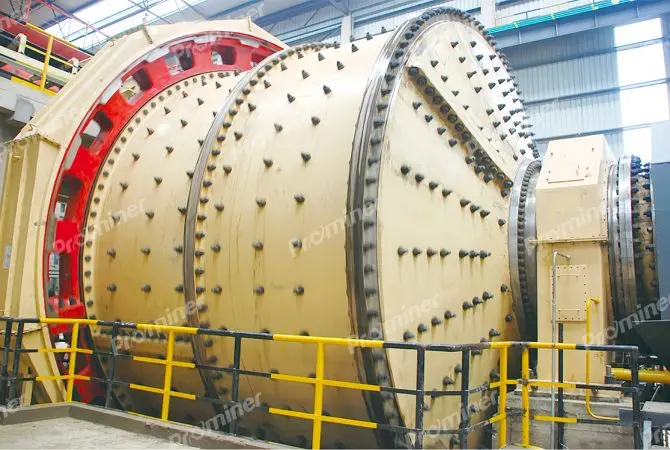
AG/SAG is short for autogenous mill and semi-autogenous mill, it combines with two functions of crushing
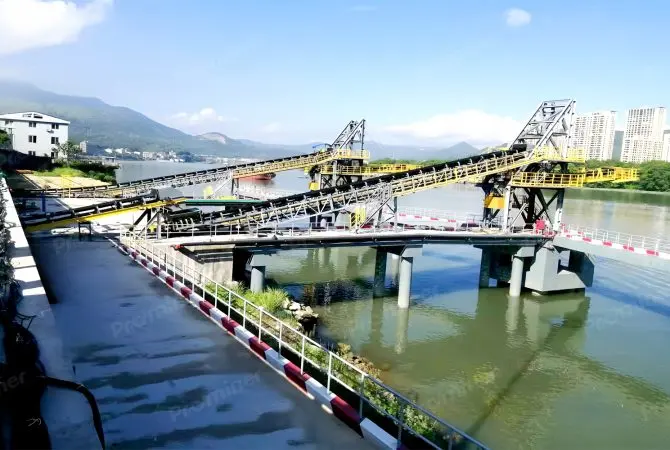
We can provide the solution of belt conveyors for different purposes include steeply inclined belt conveyor
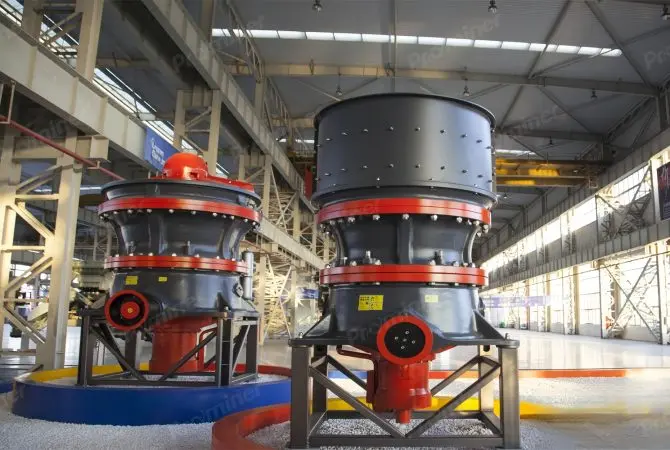
Single-cylinder hydraulic cone crusher have two series based on different cavity, S-cavity is designed
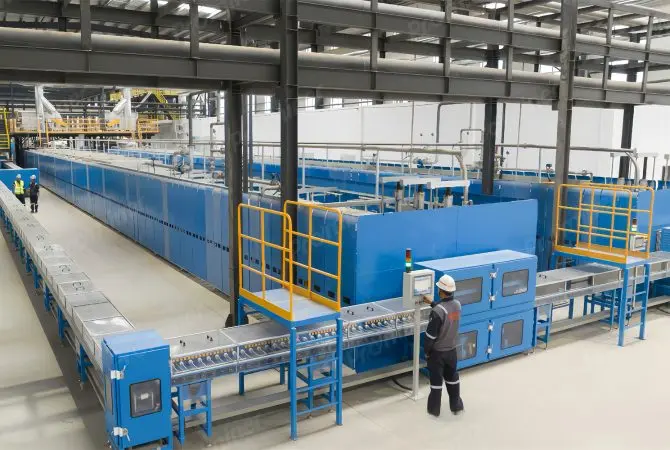
We can provide the complete solution for high temperature carbonization treatment system
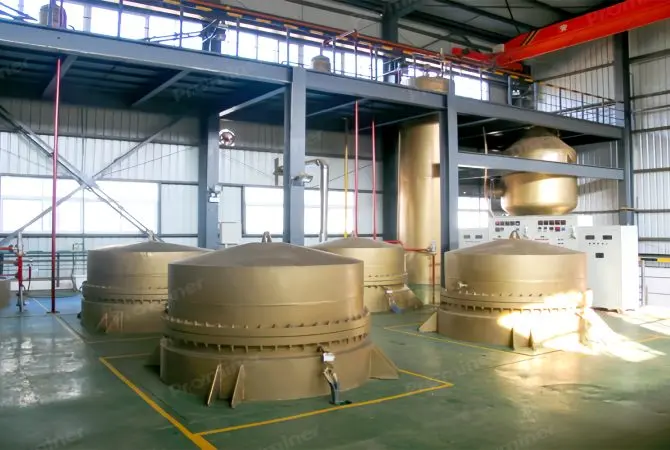
Prominer can design and provide the complete refinery and smelting system for gold CIL project
To find out more about our products and solutions, please fll out the form below and one of our experts will get back to you shortly
3000 TPD Gold Flotation Project in Shandong Province
2500TPD Lithium Ore Flotation in Sichuan
Fax: (+86) 021-60870195
Address: No.2555,Xiupu Road, Pudong, Shanghai
Copyright © 2023. Prominer (Shanghai) Mining Technology Co.,Ltd.