

Spodumene and lepidolite are very important lithium bearing minerals and they are very easy to recover




Copper-molybdenum ores are often processed together because both minerals can float well under similar conditions. The challenge is to recover copper and molybdenum efficiently while producing a clean molybdenum concentrate. Flotation is the main method used for this separation.
Copper and molybdenum commonly occur in the same sulfide ore, especially in porphyry deposits. During initial flotation, they may both report to the same bulk concentrate. Since molybdenum is usually sold as a higher-value separate product, it must be separated from copper afterward.
The process usually begins with grinding the ore to liberate the valuable minerals. Then the ore pulp is conditioned with reagents and subjected to bulk flotation, where both copper and molybdenum are collected together.
After that, the concentrate undergoes separation flotation. In this stage, molybdenum is floated while copper is depressed, or sometimes the reverse is done depending on the plant design.
To separate molybdenum from copper, copper minerals are usually depressed using reagents such as sodium hydrosulfide, sodium sulfide, or lime. These reagents reduce the floatability of copper sulfides, allowing molybdenite (MoS₂) to float more selectively.
In many circuits, modifiers and pH control are also used to improve selectivity.
Molybdenite has natural hydrophobicity, which makes it easy to float. Once copper is depressed, collectors like hydrocarbon oils may be added to enhance molybdenum recovery. Frothers help form a stable froth layer so the molybdenum-rich particles can be collected.
There are two main approaches:
The bulk flotation method is more common because it is more flexible and usually gives better recovery.
Several factors influence the success of flotation separation:
Even small changes in these factors can affect concentrate grade and recovery.
The result is usually two products:
Proper flotation separation improves both product value and overall plant efficiency.
Copper-molybdenum ore separation by flotation relies on selective reagent use, careful pH control, and the natural floatability of molybdenite. By depressing copper and floating molybdenum, plants can produce high-quality separate concentrates with good recovery.
A: The right process depends on your ore’s mineralogy, grade, particle size, and liberation characteristics — not on guesswork. The reliable way is to run laboratory and pilot tests first. These tests define whether flotation, gravity separation, magnetic separation, or leaching (or a combination) will deliver the best recovery and grade. We start every project with ore characterization and bench-scale tests, then scale up to pilot validation before committing to plant design — a testing-first approach that avoids costly process mistakes later.
A: Reagent selection depends on the mineral’s surface chemistry and the ore’s gangue composition. Collectors, frothers, depressants, and modifiers are chosen — and their dosages fine-tuned — through laboratory flotation tests on your actual ore sample, not from generic recipes. Over- or under-dosing both hurt recovery. Our metallurgical lab tests reagents on your ore to lock in the right combination and dosage before plant-scale operation, then re-optimizes during commissioning.
A: Heap leaching suits low-grade, high-tonnage ores — crushed ore is stacked and irrigated with a leaching solution, giving low capital and operating cost but slower, weather-dependent recovery. CIL (carbon-in-leach) and CIP (carbon-in-pulp) both use cyanide solution and activated carbon, but differ in where adsorption happens: CIL adds carbon during leaching, which suits clayey or high-fines ores; CIP adds carbon after leaching, which suits clean, free-filtering pulps. The choice comes down to ore type, grade, and throughput — we evaluate all three against your ore to recommend the most economical route.
A: Start by diagnosing where the loss occurs — usually in grinding, classification, or the separation stage itself. Common levers include: optimizing grind size for better liberation, upgrading to more efficient separation equipment (flotation cells, magnetic separators, spirals), automating control for steadier operation, and re-running metallurgical tests when the ore type changes. A structured audit plus targeted equipment or process upgrades typically recovers 2–5% more metal. We provide exactly this — process audits, equipment upgrades, and full EPC retrofits — to lift both recovery and grade.
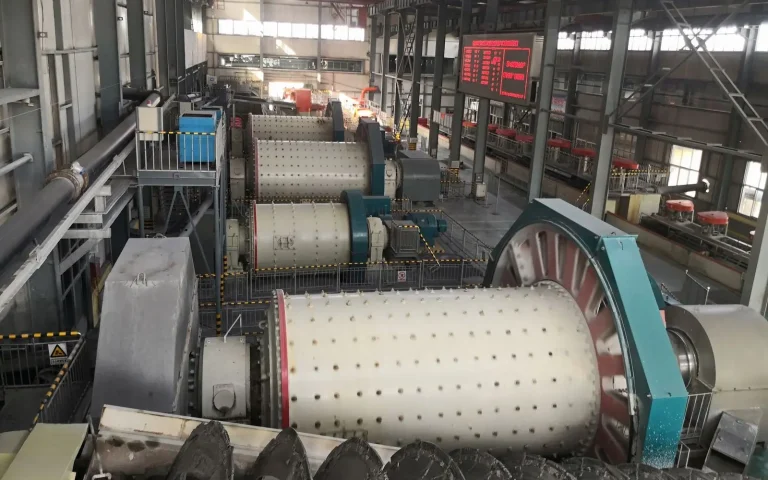
Spodumene and lepidolite are very important lithium bearing minerals and they are very easy to recover
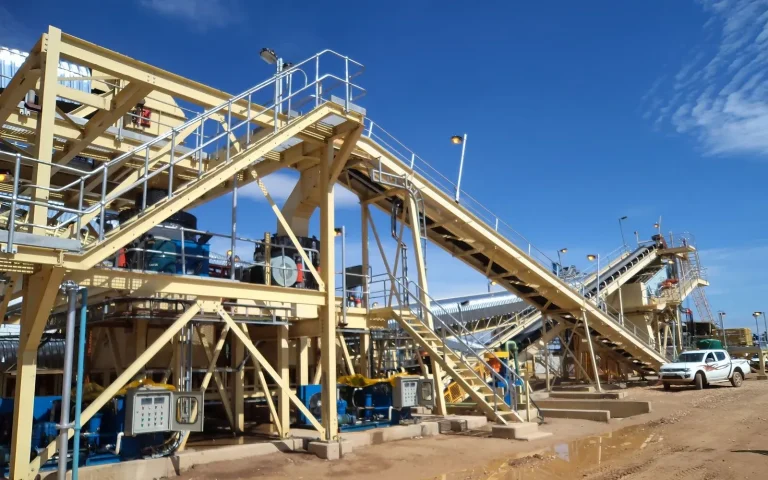
Vat leaching is a good option for the project owner to start at initial stage to save investment
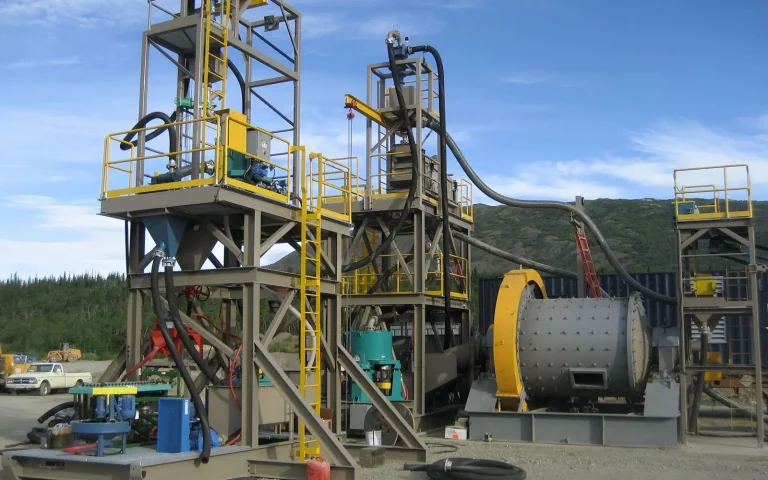
The best-known of the exogenetic ores is alluvial gold which also called placer gold. Alluvial gold refers

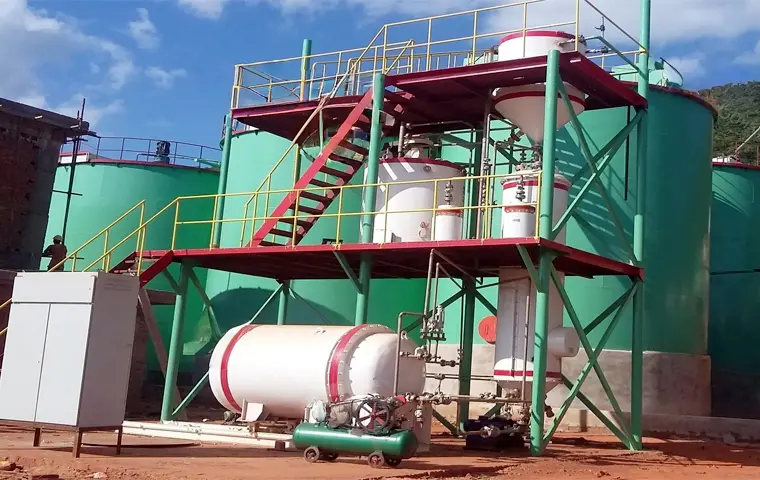
Raw Ore: Alluvial Gold with Magnetite & Hematite (Typical Sierra Madre Deposit)
Raw Ore: Sulfide Type Gold Ore Gold Grade: 3 g/t
Raw Ore: Mixed Oxide-Sulfide Copper Ore (Chalcocite/Malachite) Copper Grade: 1.2% | Silver: 15g/t
Raw Ore: Copper Sulfide Ore Copper Grade: 0.85% Final Product: Copper Concentrate
Raw Ore: Weathered Oxide Gold Ore Gold Grade: 1.8 g/t Gold Recovery Rate: 90.5%
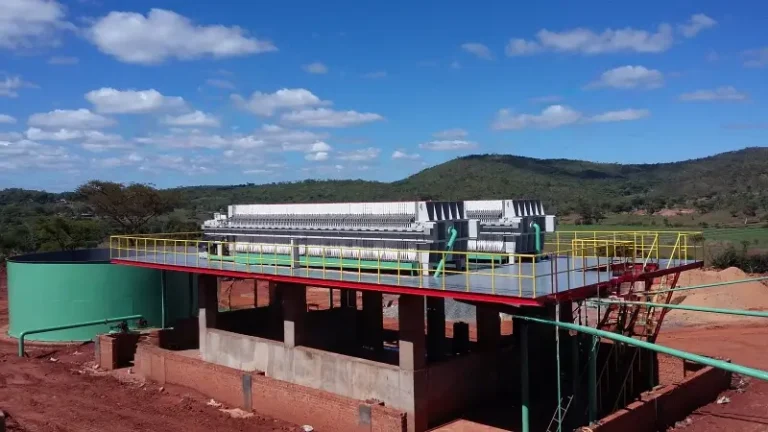
Raw Ore: Sulfide-Bearing Gold Ore (30% Sulfide) Gold Grade: 3.2 g/t Final Product: 98.99% Gold Ingot
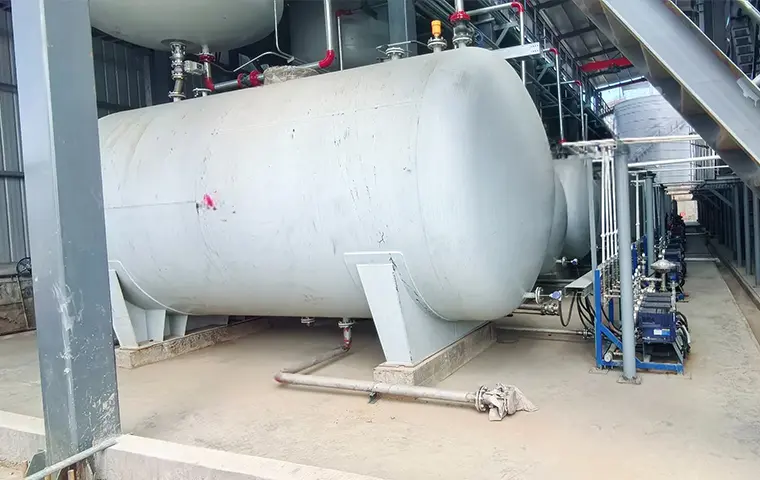
Raw Ore: Spodumene Lithium Ore Li2O Grade: 1.5% Concentrate Grade: 6.0%
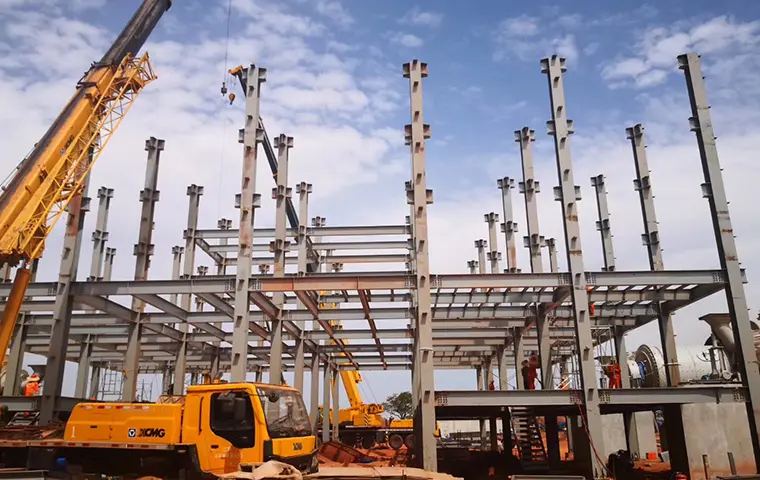
Located in Guinea, this large-scale project features a processing capacity of 15,000 TPD (Tons Per Day).
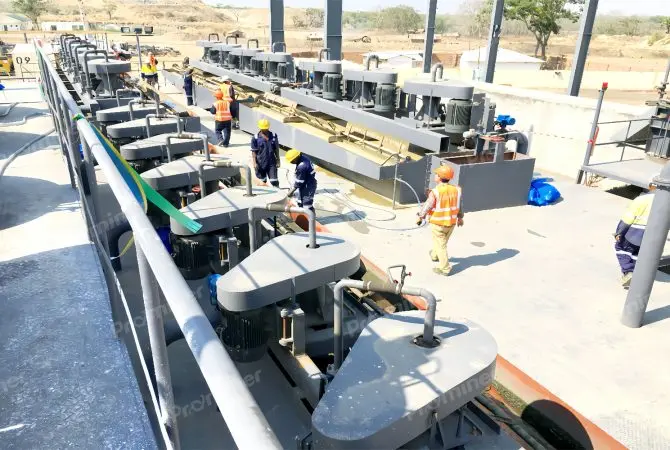
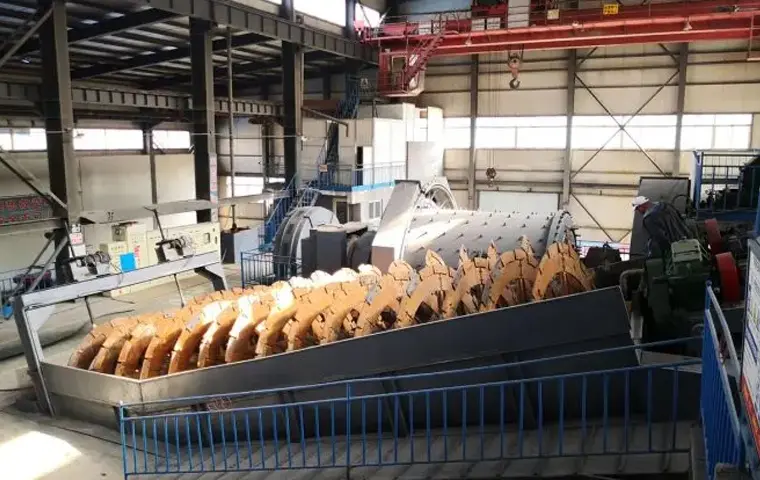
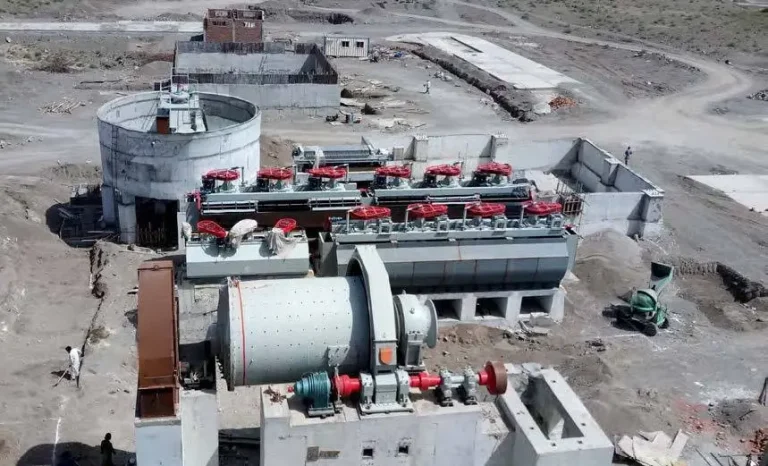
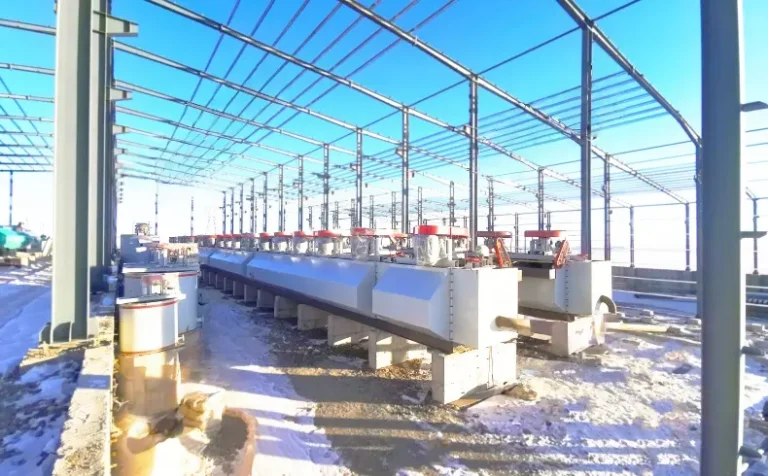
Prominer can provide SF series self-priming flotation machine and XCF/KYF series pneumatic flotation cell
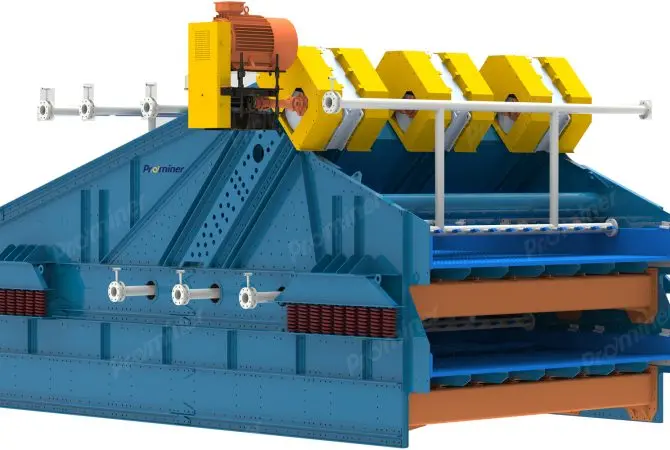
Prominer can provide all kinds of linear screen for mineral grading, material sizing, dewatering
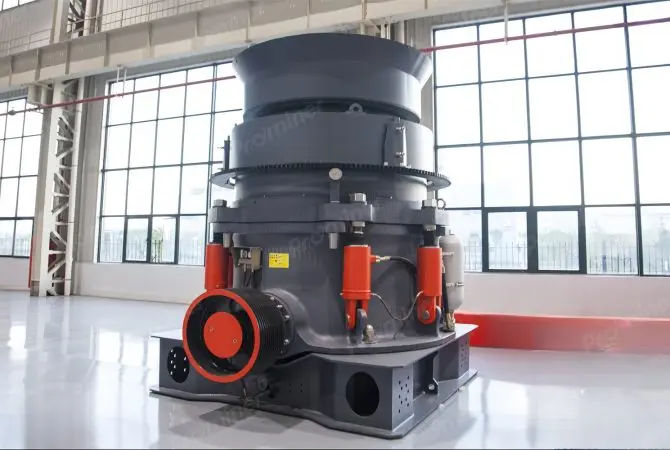
Multi-cylinder hydraulic cone crusher combines crusher speed, eccentricity and cavity profile
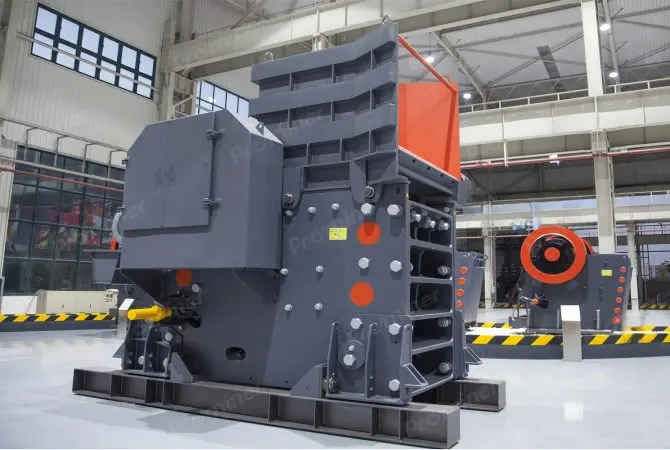
Jaw Crusher, its opening size determines its max feeding size. The crushing chamber of a jaw crusher
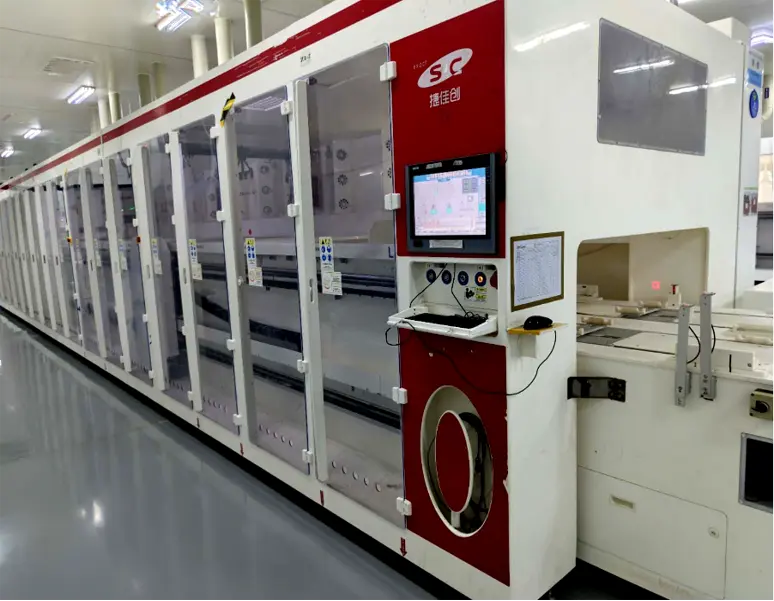
Such as: Boron diffusion furnace, BSG removal, Alkali polishing machine, PE-POLY…
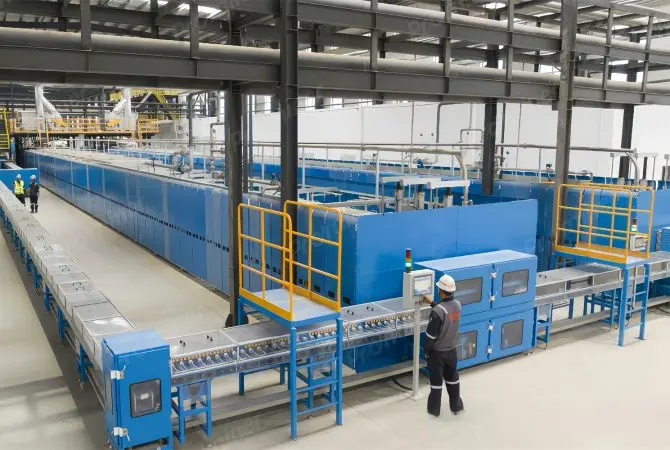
We can provide the complete solution for high temperature carbonization treatment system
To find out more about our products and solutions, please fll out the form below and one of our experts will get back to you shortly
3000 TPD Gold Flotation Project in Shandong Province
2500TPD Lithium Ore Flotation in Sichuan
Fax: (+86) 021-58779592
Address: Room 606, Building D3, Phase II, Chuansha Business Center, 777 Long, Miaochuan Road, Pudong New Area, Shanghai,China
Copyright © 2023. Prominer (Shanghai) Mining Technology Co.,Ltd.


