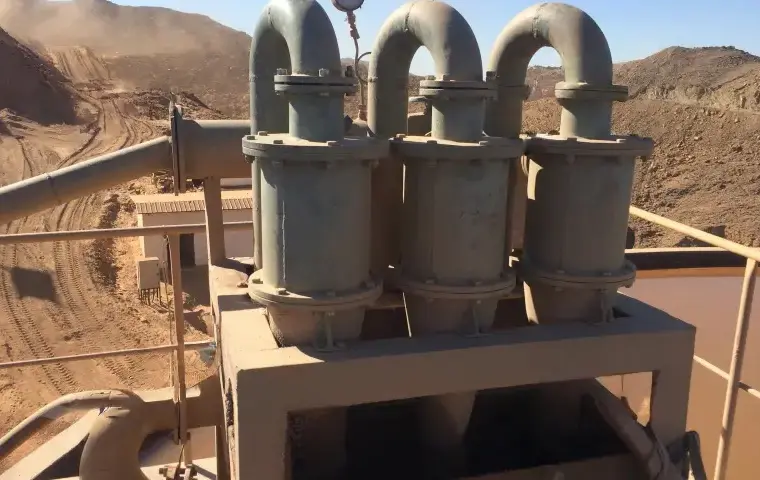
Spodumene and lepidolite are very important lithium bearing minerals and they are very easy to recover




Ore testing plays a crucial role in preventing multi-million-dollar failures in the design and operation of iron plants. Without proper ore testing, significant issues can arise that compromise plant efficiency, sustainability, and profitability. Here’s how ore testing can prevent costly design failures and safeguard investments:
Iron ores vary widely in their mineral composition, chemical properties, moisture content, hardness, and other parameters. Proper ore testing ensures that the plant design accounts for the specific characteristics of the ore to be processed. Without testing, assumptions about ore behavior during concentration, crushing, grinding, or beneficiation may lead to miscalculations and serious inefficiencies in plant design.
Ore testing informs the selection of the appropriate processing techniques, such as magnetic separation, flotation, or direct reduction. It ensures the most cost-effective and efficient methods are chosen for the ore in question. Failure to choose the right processing flow due to insufficient data can lead to massive operational inefficiencies and repeated redesigns, costing millions.
Ore testing helps engineers optimize equipment selection and sizing to handle the ore’s hardness, abrasiveness, and size distribution. For instance, oversizing or undersizing grinding mills, crushers, or separators can lead to energy wastage, wear and tear, and overall equipment failure. This mismatch can result in costly repairs, downtime, and suboptimal throughput.
Without comprehensive ore testing, plant designers may overestimate or underestimate the capacity requirements of key components like furnaces, grinding mills, and concentrate filters. Proper testing ensures that the plant operates at an ideal throughput, avoiding underutilization or overloading of machinery.
Iron plant failures resulting from improper design can also lead to environmental risks, including waste mismanagement (tailings disposal), pollution, or inefficient resource utilization. Conducting ore testing allows for better waste characterization and planning, mitigating risks of legal penalties, cleanup costs, and long-term environmental liabilities.
Failures in plant design or operation cost far more at the later stages than during testing. Equipment redesign, production halts, or even plant shutdowns due to underperformance require capital far exceeding the initial testing costs. By providing early insight into ore behavior, testing prevents unforeseen risks and unnecessary expenditures.
Ore testing ensures that the iron concentrate or other final products meet the specifications required for end users or markets. Poor ore characterization may lead to production of off-spec materials, reducing profitability and customer trust.
Investing in detailed ore testing, such as metallurgical, chemical, mineralogical, and physical analyses, acts as a safeguard against unforeseen issues and costly failures. By understanding the ore and tailoring the plant design to its specific properties, companies can ensure their multi-million-dollar iron processing plants deliver optimal performance, minimizing risks and maximizing returns.
A: Mineral characteristics vary significantly even within the same ore body. A professional test (such as chemical analysis, XRD, and SEM) ensures the flowchart is optimized for your specific ore grade and liberation size. This prevents costly equipment mismatches and guarantees the highest possible recovery rates for your project.
A: We maintain a permanent stock of core wear parts (such as crusher liners, screen meshes, and grinding media). For international clients, we provide a recommended “2-year spare parts list” with the initial purchase. Technical support is available 24/7 via remote video, and site visits can be arranged for complex maintenance needs.
A: Yes. We send a team of senior mechanical and electrical engineers to the site to oversee the installation, commissioning, and load testing of the equipment. We also provide comprehensive on-site training for your local operators to ensure smooth long-term operation.
A: Absolutely. We specialize in providing EPCM (Engineering, Procurement, Construction Management) services. This includes everything from initial ore testing and mine design to equipment manufacturing, logistics, and full-scale plant integration, ensuring a seamless transition from greenfield to production.
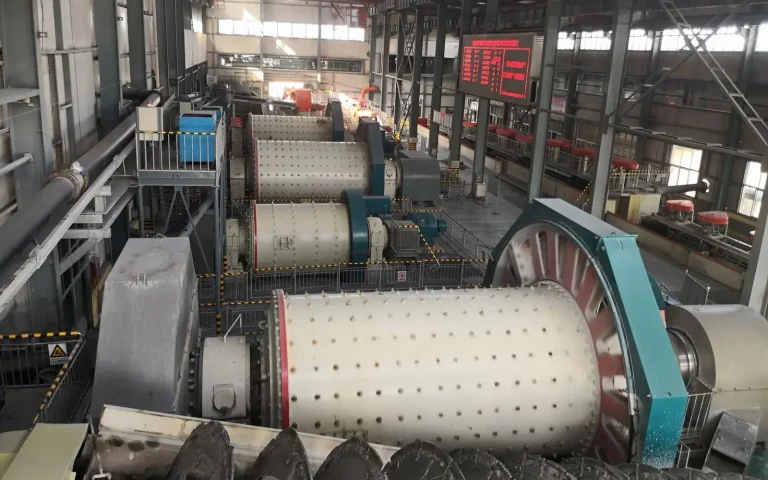
Spodumene and lepidolite are very important lithium bearing minerals and they are very easy to recover
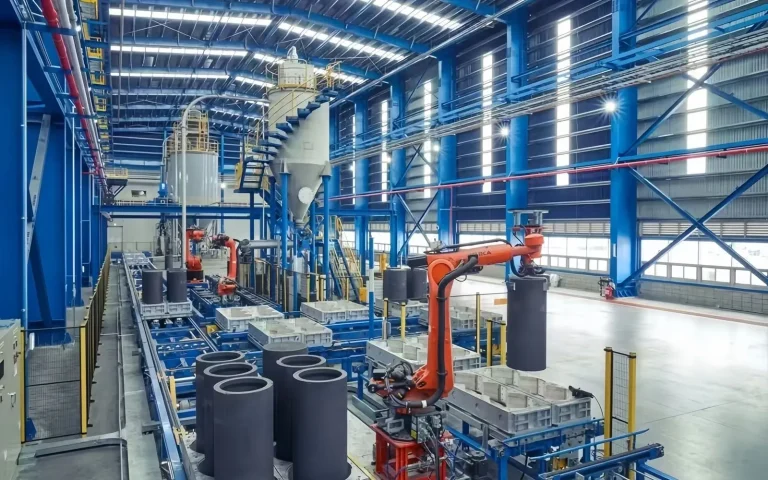
Provide the complete solution for making graphite anode materials include grinding, shaping, purification…
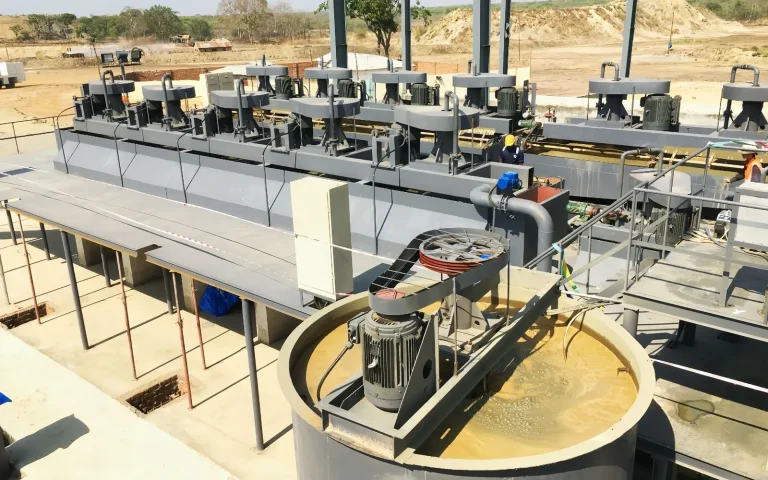
There are two types natural graphite ore include crystalline graphite and amorphous graphite

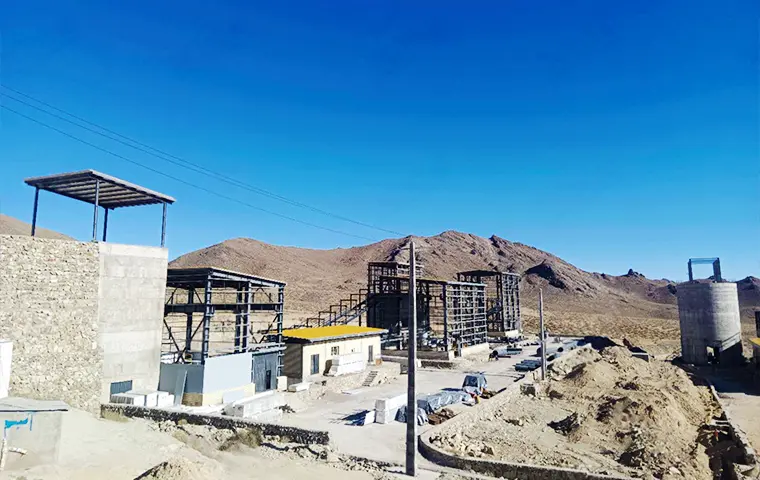
Raw Ore: Sulfide Type Copper Ore Copper Grade: 0.8% Final Product: Copper Concentrate
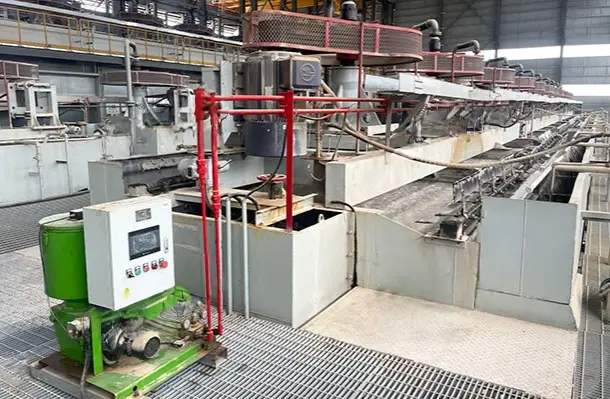
Raw Ore: Porphyry Gold-Copper Ore Gold Grade: 0.8-1.5 g/t Copper Grade: 0.6-0.9%
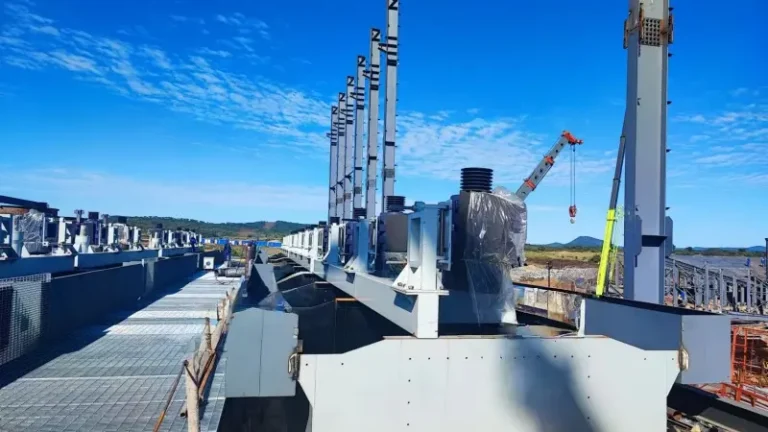
Raw Material: Lithium Brine (from Lithium Triangle: Chile/Argentina/Bolivia); Spodumene Ore (from Australia and China)
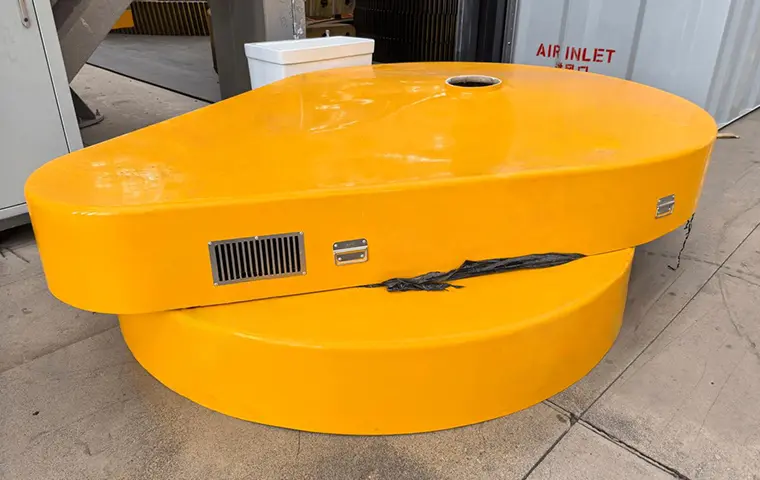
Raw Ore: Suitable for sulfide/oxide gold, copper, lithium, zinc, lead, and other non-ferrous metals
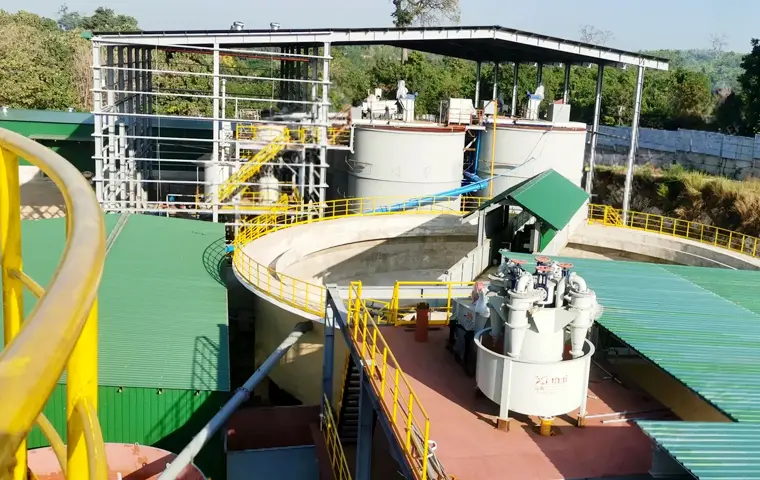
Raw Ore: Dual Oxide & Sulfide Gold Ore (Refractory in parts) Gold Grade: 3.5-4.2 g/t Final Product: Gold Doré (Au ≥96.5%)
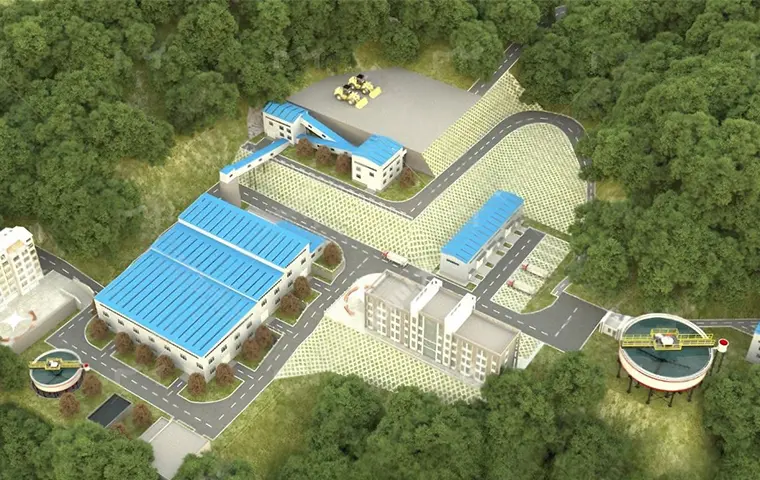
Raw Material: Fluorite Ore (CaF₂) Fluorspar Grade: 35% CaF₂ Concentrate Grade: 97% CaF₂
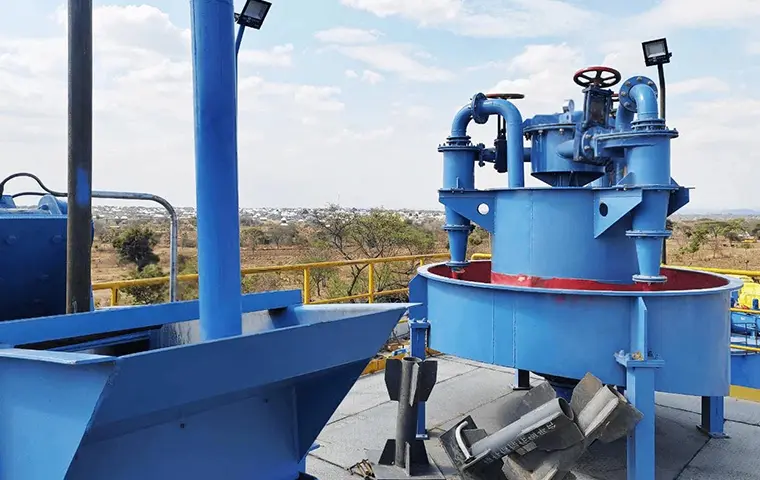
Capacity Target: Increase processing capacity from 500 TPD to 850 TPD in phases without halting production.
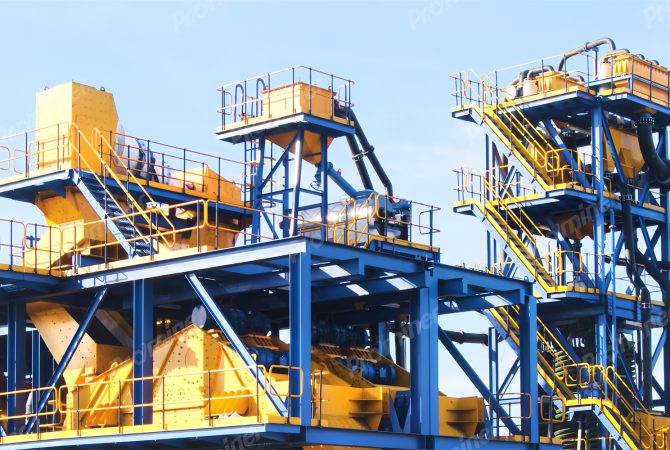
Prominer can provide different LIMS (Low Intensity Magnetic separator) magnetic separators
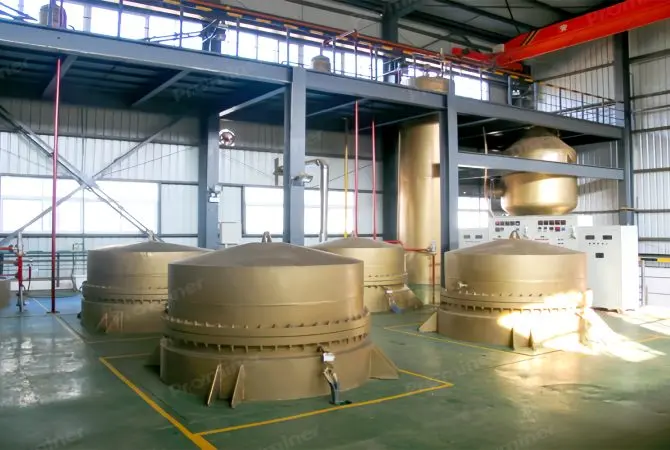
Prominer can design and provide the complete refinery and smelting system for gold CIL project
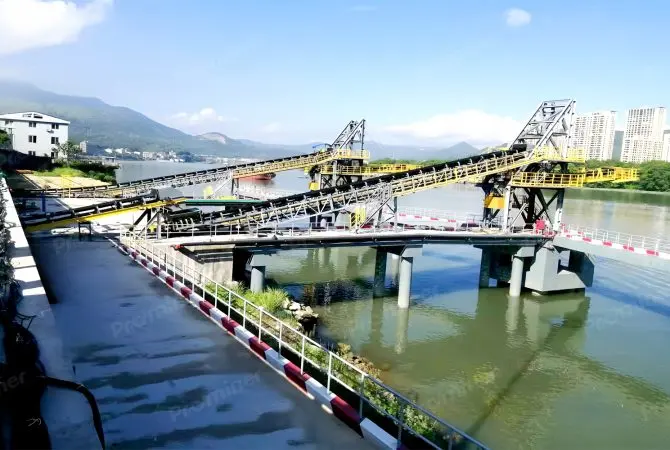
We can provide the solution of belt conveyors for different purposes include steeply inclined belt conveyor
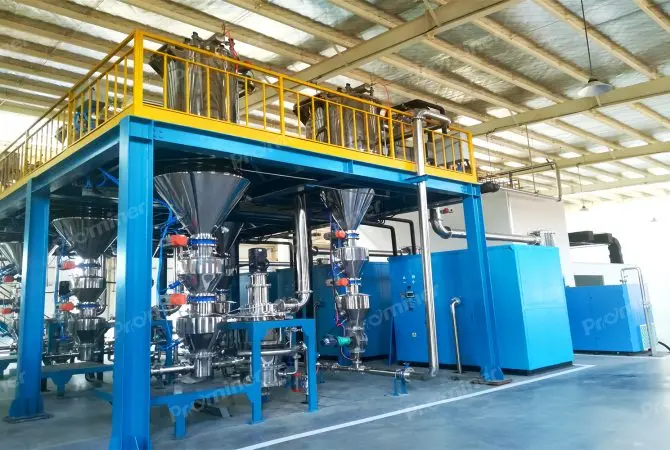
Jet mill is also called fluidized bed jet mill by using multiple nozzles to form sonic speed air flow
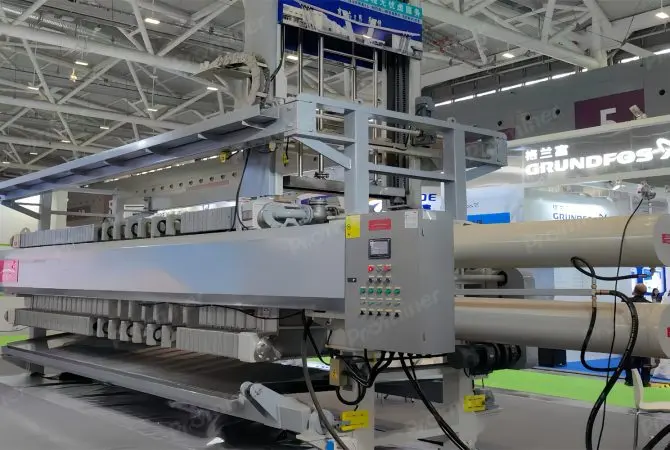
Prominer can provide press filter, belt vacuum filter, disk vacuum filter and ceramic filter
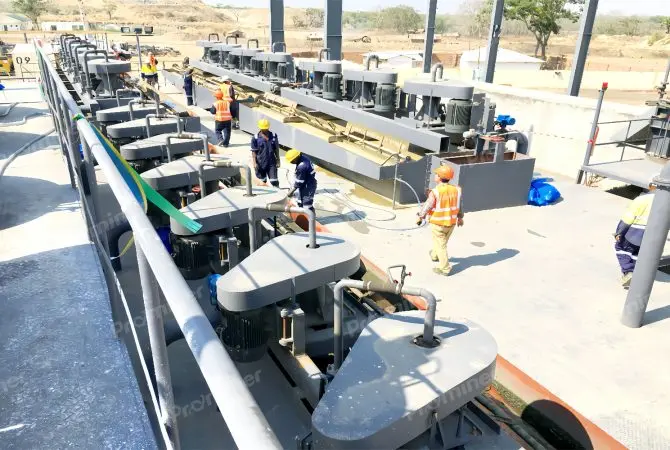
Prominer can provide SF series self-priming flotation machine and XCF/KYF series pneumatic flotation cell
To find out more about our products and solutions, please fll out the form below and one of our experts will get back to you shortly
3000 TPD Gold Flotation Project in Shandong Province
2500TPD Lithium Ore Flotation in Sichuan
Fax: (+86) 021-60870195
Address: No.2555,Xiupu Road, Pudong, Shanghai
Copyright © 2023. Prominer (Shanghai) Mining Technology Co.,Ltd.