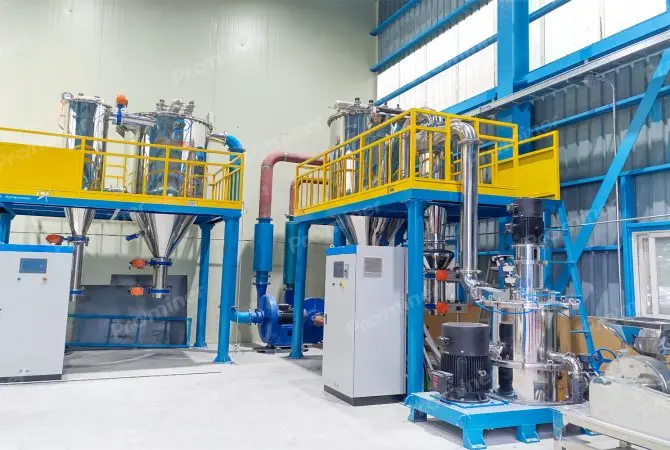
We can provide direct lithium extraction (DLE) solution to recover the lithium from salt lake brine




Achieving API-grade barite (4.2 SG) with minimal silica contamination requires careful attention to mineral processing and refining techniques to ensure the desired purity and density specifications are met. API-grade barite is primarily used in the drilling industry, and its quality is defined by standards issued by the American Petroleum Institute (API). Below are approaches to obtaining API-grade barite with minimal silica contamination:
By integrating these methods systematically, you can achieve API-grade barite with a specific gravity of 4.2 and minimal silica contamination, meeting industry requirements for drilling mud applications.
A: Mineral characteristics vary significantly even within the same ore body. A professional test (such as chemical analysis, XRD, and SEM) ensures the flowchart is optimized for your specific ore grade and liberation size. This prevents costly equipment mismatches and guarantees the highest possible recovery rates for your project.
A: We maintain a permanent stock of core wear parts (such as crusher liners, screen meshes, and grinding media). For international clients, we provide a recommended “2-year spare parts list” with the initial purchase. Technical support is available 24/7 via remote video, and site visits can be arranged for complex maintenance needs.
A: Yes. We send a team of senior mechanical and electrical engineers to the site to oversee the installation, commissioning, and load testing of the equipment. We also provide comprehensive on-site training for your local operators to ensure smooth long-term operation.
A: Absolutely. We specialize in providing EPCM (Engineering, Procurement, Construction Management) services. This includes everything from initial ore testing and mine design to equipment manufacturing, logistics, and full-scale plant integration, ensuring a seamless transition from greenfield to production.
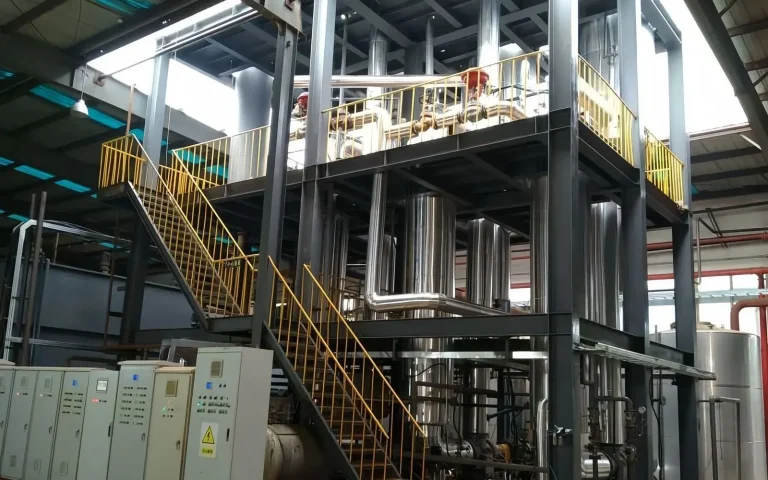
We can provide direct lithium extraction (DLE) solution to recover the lithium from salt lake brine
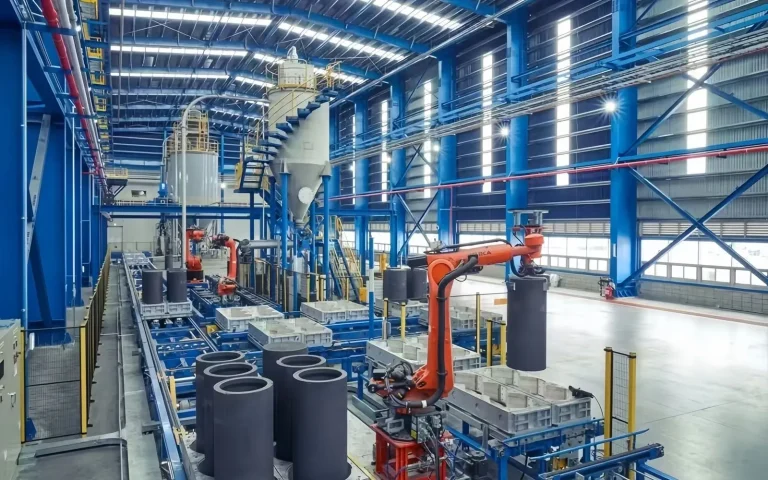
Provide the complete solution for making graphite anode materials include grinding, shaping, purification…
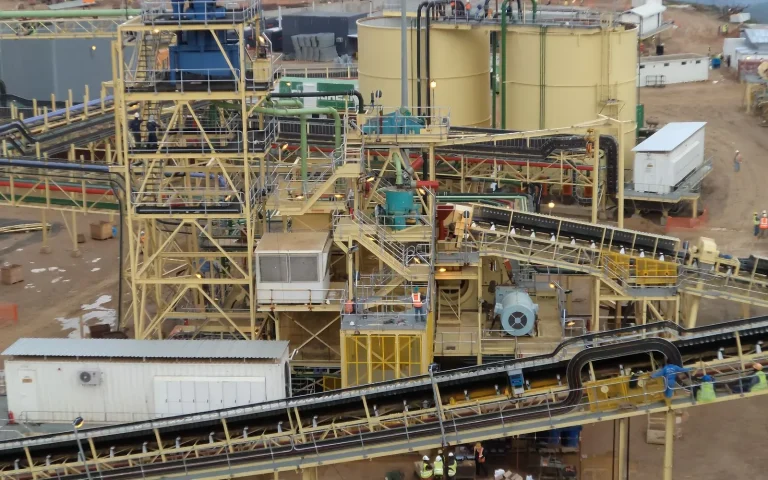
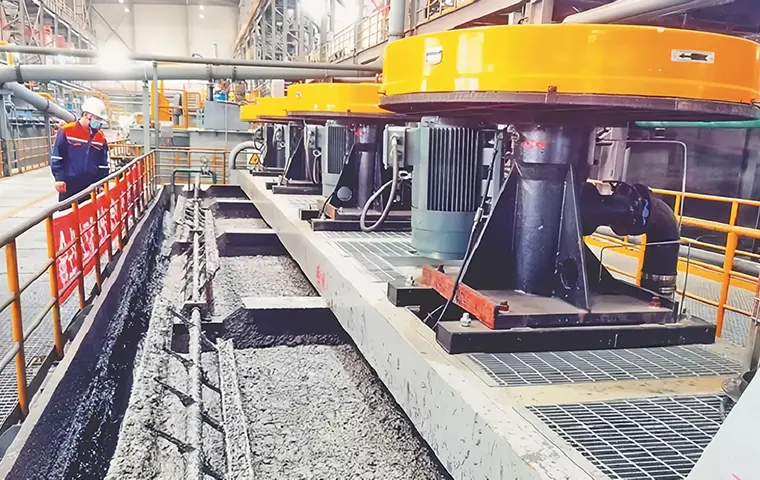
Provide important equipment in the gold ore processing process, such as CIL/CIP System, Flotation Cell…

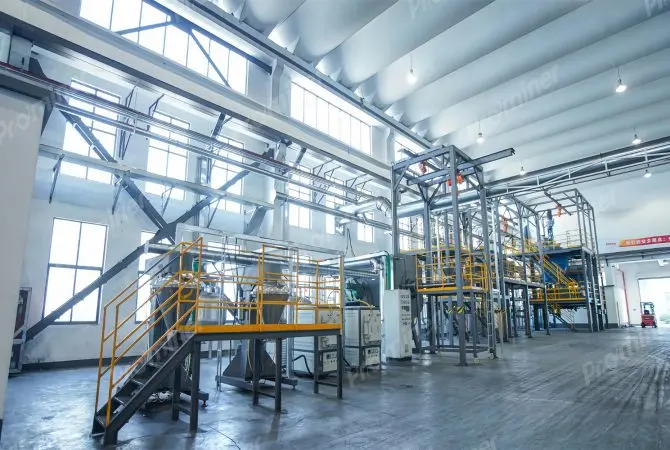
Raw Material: Needle coke and petroleum coke Project Capacity: 50 kgs per hour
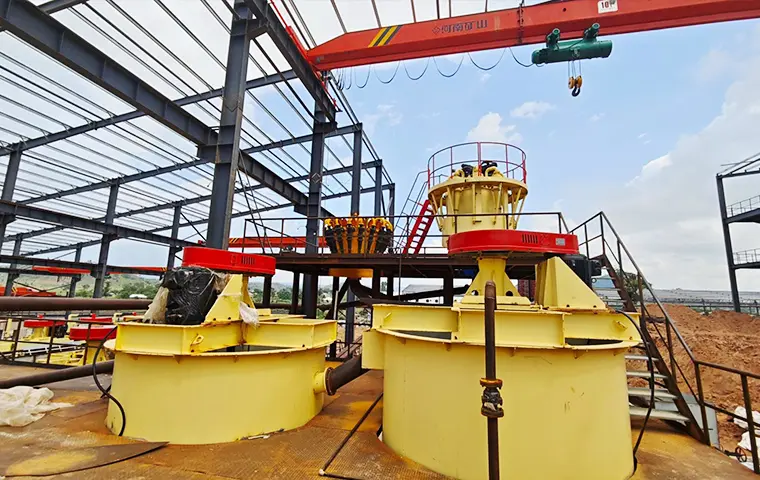
Raw Ore: Lithium-bearing pegmatite ore (spodumene) Li₂O Grade: 1.0–1.5% Target Concentrate Grade: ≥5.5% Li₂O
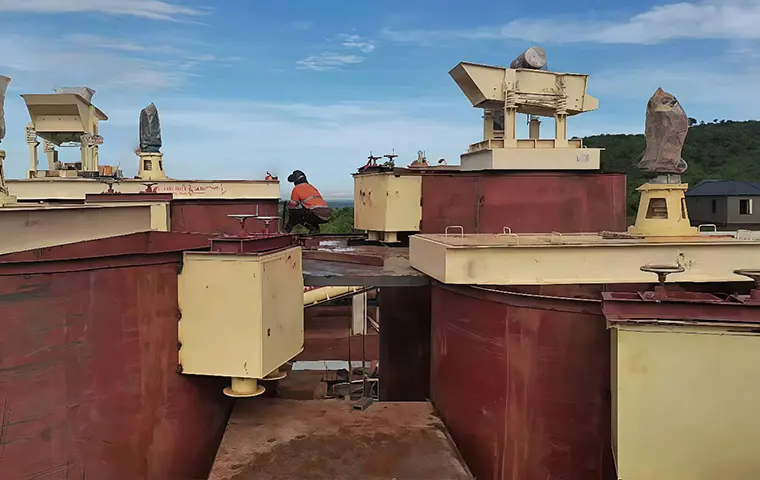
Raw Ore: Oxide Type Gold Ore Gold Grade: 3.5 g/t Gold Ingot Purity: 99.5%
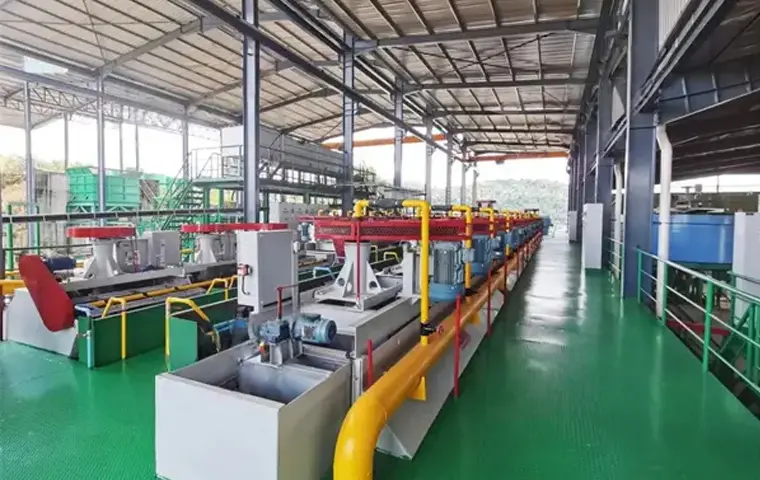
Raw Ore: Alluvial Coltan (Tantalite-Columbite) with Cassiterite Ore Grade: Ta₂O₅: 0.025-0.04%; Nb₂O₅: 0.02-0.035%; SnO₂: 0.1-0.3%
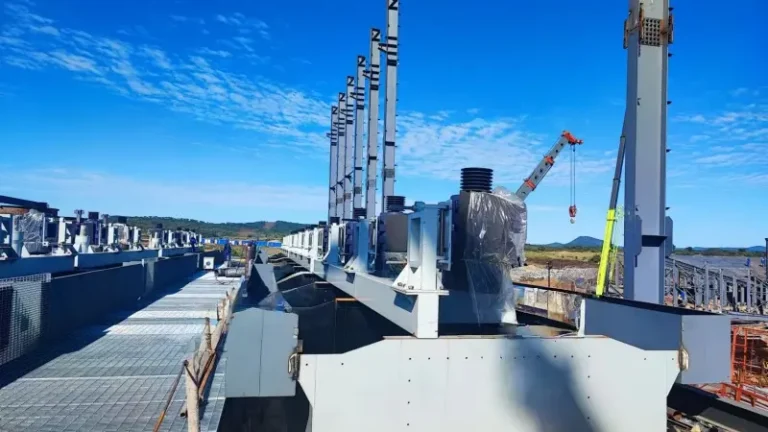
Project Type: World-Class Integrated Graphite Mining & Advanced Materials Industrial Park Raw Material: Natural Flake Graphite Ore Resource
Raw Material: Lithium Brine (from Lithium Triangle: Chile/Argentina/Bolivia); Spodumene Ore (from Australia and China)

Raw Ore: Sulfide Type Copper Ore (with associated gold) Gold Grade: 0.6 g/t Copper Grade: 1.2%
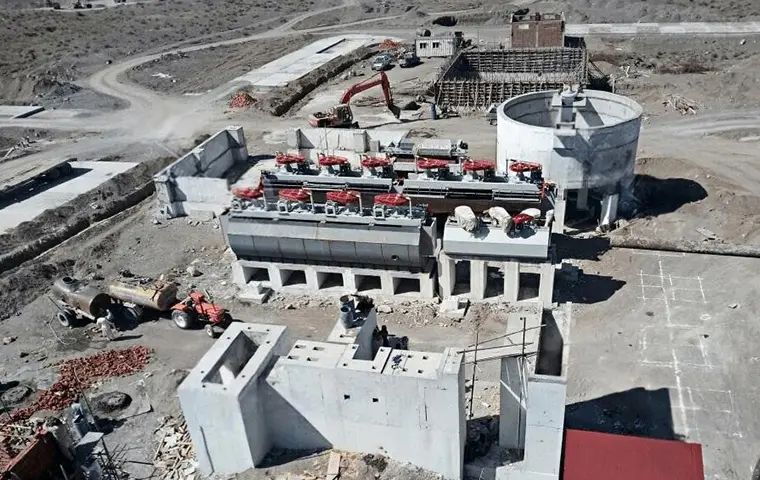
Raw Ore: Nickel-Cobalt Laterite Ore (Limonite & Saprolite Layers) Average Feed Grade: Ni: 1.2%, Co: 0.15%
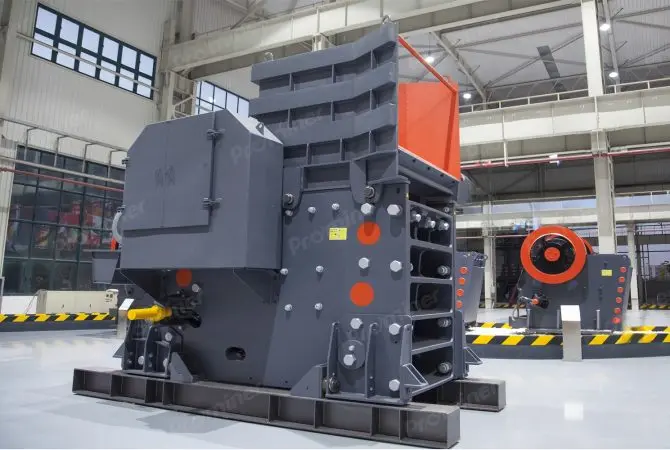
Jaw Crusher, its opening size determines its max feeding size. The crushing chamber of a jaw crusher
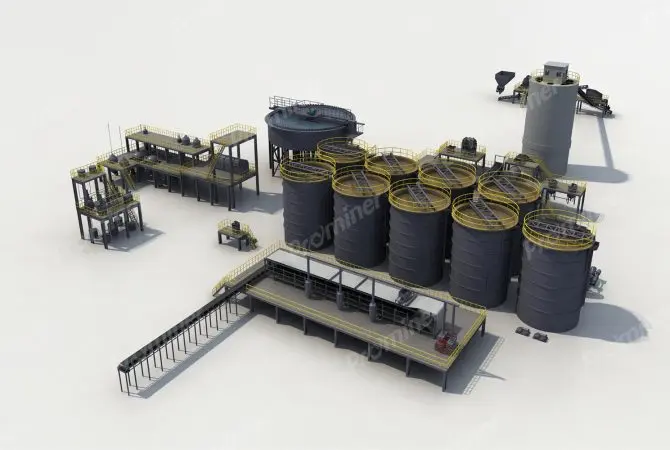
Prominer can provide the complete solution for CIL (carbon in leaching) system
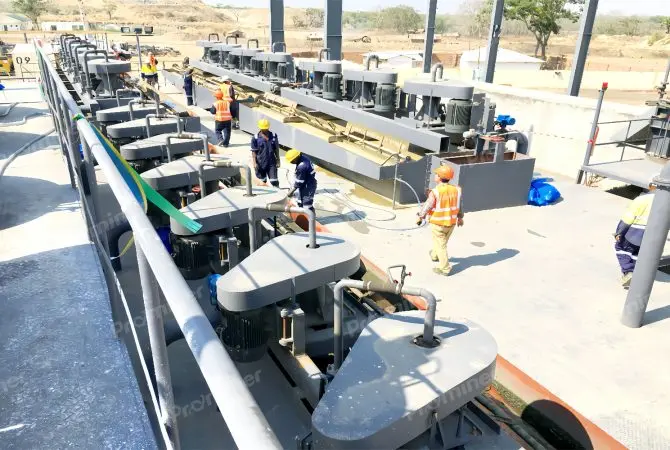
Prominer can provide SF series self-priming flotation machine and XCF/KYF series pneumatic flotation cell
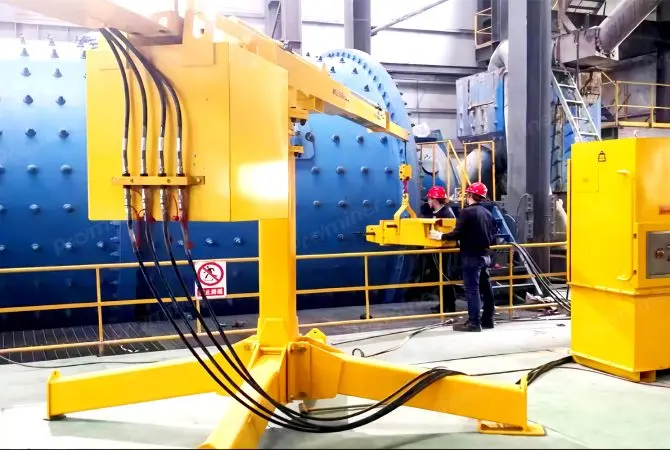
We can manufacture the highly automated and powerful recoilless Bolt Hammer to remove
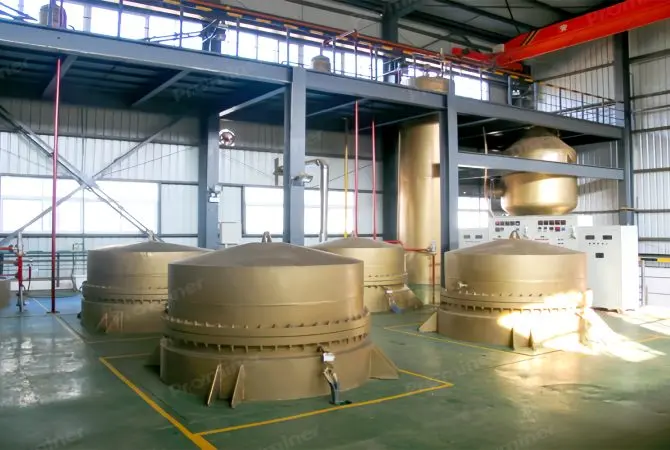
Prominer can design and provide the complete refinery and smelting system for gold CIL project
To find out more about our products and solutions, please fll out the form below and one of our experts will get back to you shortly
3000 TPD Gold Flotation Project in Shandong Province
2500TPD Lithium Ore Flotation in Sichuan
Fax: (+86) 021-60870195
Address: No.2555,Xiupu Road, Pudong, Shanghai
Copyright © 2023. Prominer (Shanghai) Mining Technology Co.,Ltd.