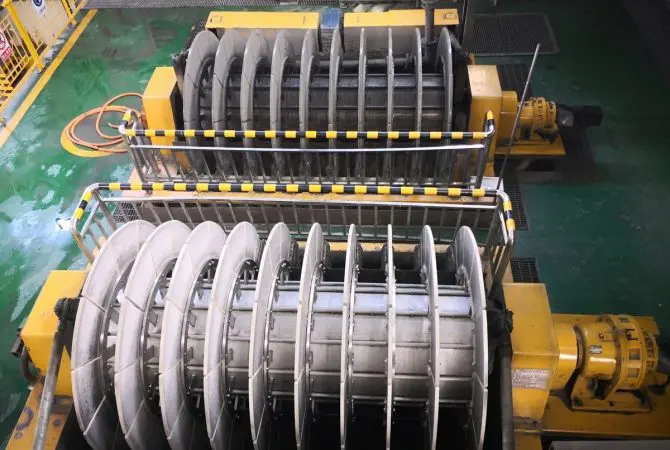
Flake graphite can be used to produce high carbon graphite, high purity graphite, expandable graphite



Designing an integrated iron ore processing circuit for maximum yield involves a systematic and strategic approach tailored to the specific characteristics of the ore and the desired product quality. The main goal is to create an efficient and cost-effective circuit that optimizes recovery, minimizes wastage, and complies with environmental requirements. Below are the steps and considerations for designing such a circuit:
Given the ore type and product specifications, choose technologies that maximize recovery and minimize costs. Common steps in an iron ore processing circuit include:
In summary, the key to designing an integrated iron ore processing circuit for maximum yield lies in deeply understanding the ore characteristics, aligning with market needs, integrating efficient beneficiation technologies, and ensuring economic and environmental viability. Each step of the process should involve iterative testing and optimization to achieve the best possible outcome.
Prominer (Shanghai) Mining Technology Co., Ltd. specializes in providing complete mineral processing and advanced materials solutions globally. Our core focus includes: gold processing, lithium ore beneficiation, industrial minerals. Specializing in anode material production and graphite processing.
Products include: Grinding & Classification, Separation & Dewatering, Gold Refining, Carbon/Graphite Processing and Leaching Systems.
We offer end-to-end services including engineering design, equipment manufacturing, installation, and operational support, backed by 24/7 expert consultation.
Our Website Url: https://www.prominetech.com/
Our Email: [email protected]
Our Sales: +8613918045927(Richard), +8617887940518(Jessica), +8613402000314(Bruno)
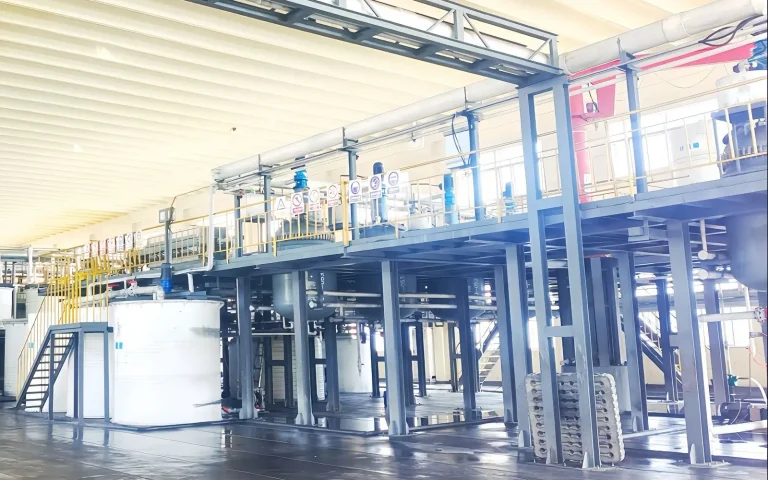
Flake graphite can be used to produce high carbon graphite, high purity graphite, expandable graphite
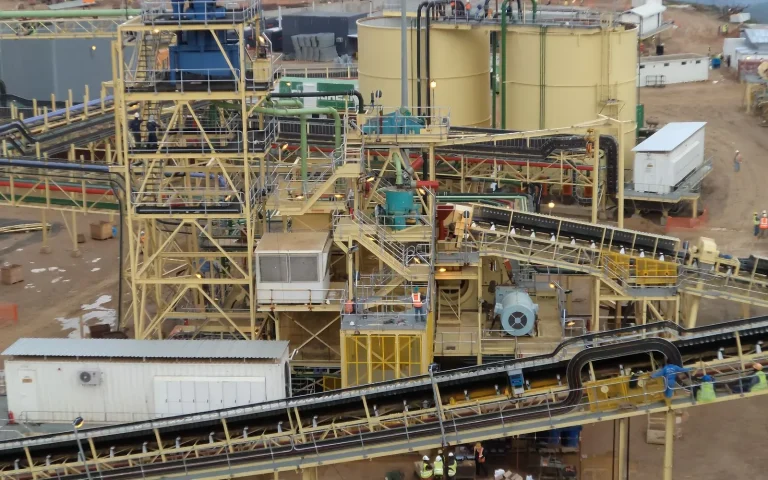
Flotation is the most popular processing way in gold ore processing project. Because the flotation process
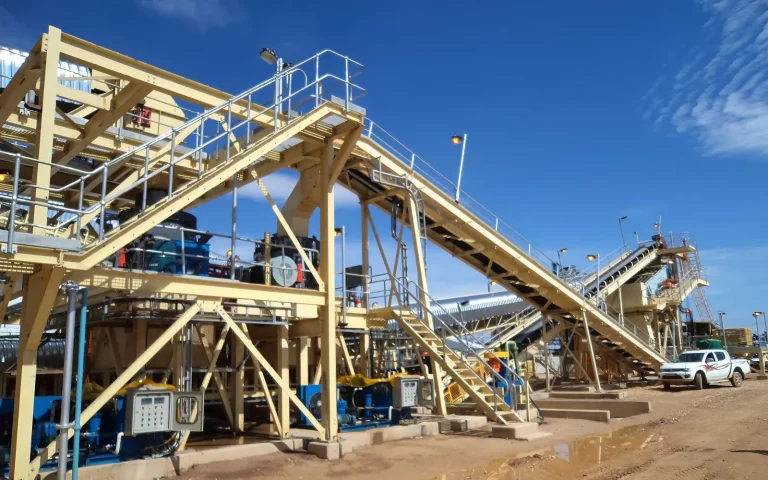
Vat leaching is a good option for the project owner to start at initial stage to save investment

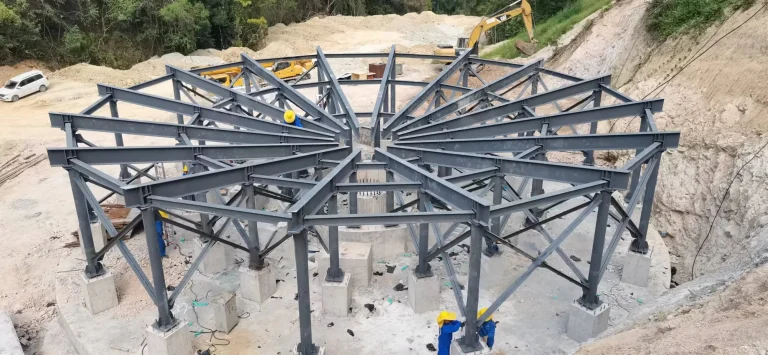
Raw Material: Fluorite Ore (CaF₂) Fluorite Grade: 35-40% Concentrate Grade: ≥97% CaF₂
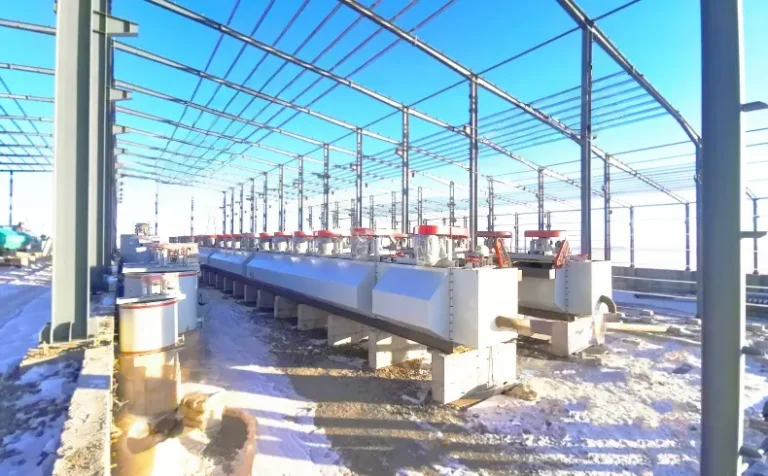
Raw Ore: Copper Sulfide Ore Copper Grade: 0.85% Final Product: Copper Concentrate
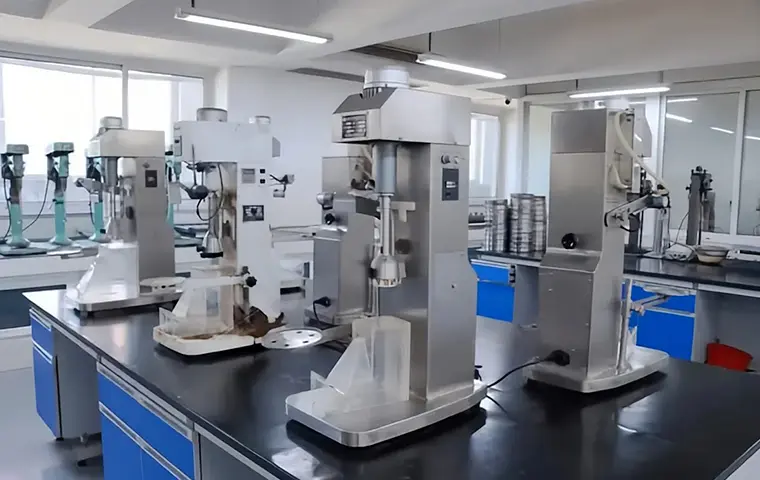
Raw Material: Various types of ore samples (gold, lithium, graphite, etc.) Lab Capacity: 50–100 samples per day
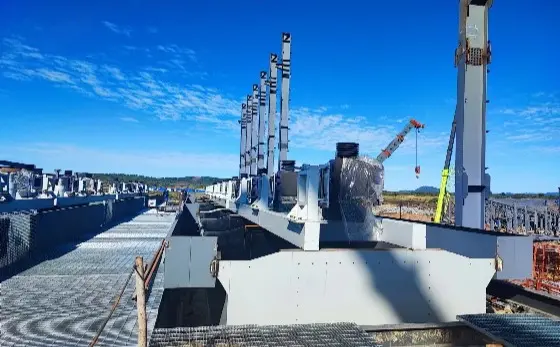
Raw Feed: Lithium Pegmatite Ore (Spodumene Dominant) Li₂O Grade: 1.2% Final Product: Battery-Grade Lithium
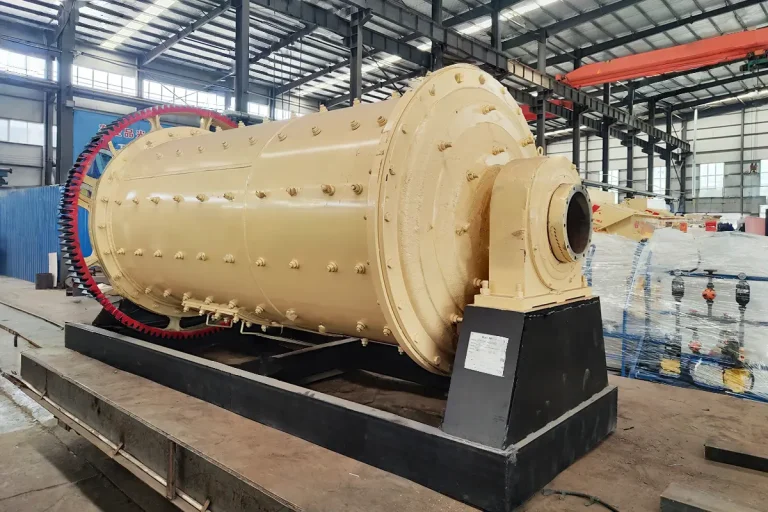
Raw Ore: Copper Ore (Chalcopyrite) Copper Grade: 0.85% Final Products: Grinded ore slurry for flotation
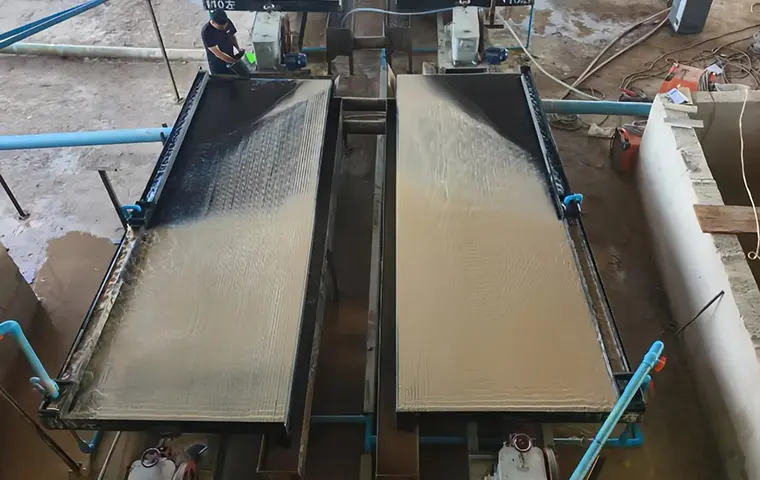
Raw Ore: Antimony sulfide ore with quartz vein Sb Grade: 3.5% Concentrate Grade: 55%
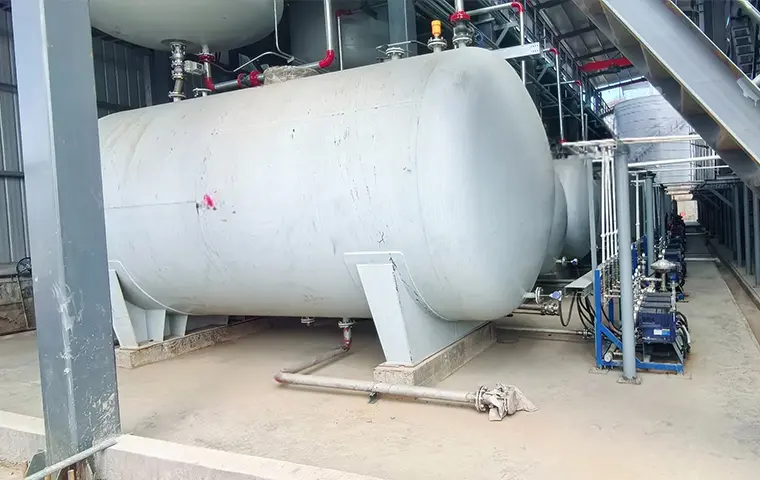
Raw Ore: Spodumene Lithium Ore Li2O Grade: 1.5% Concentrate Grade: 6.0%
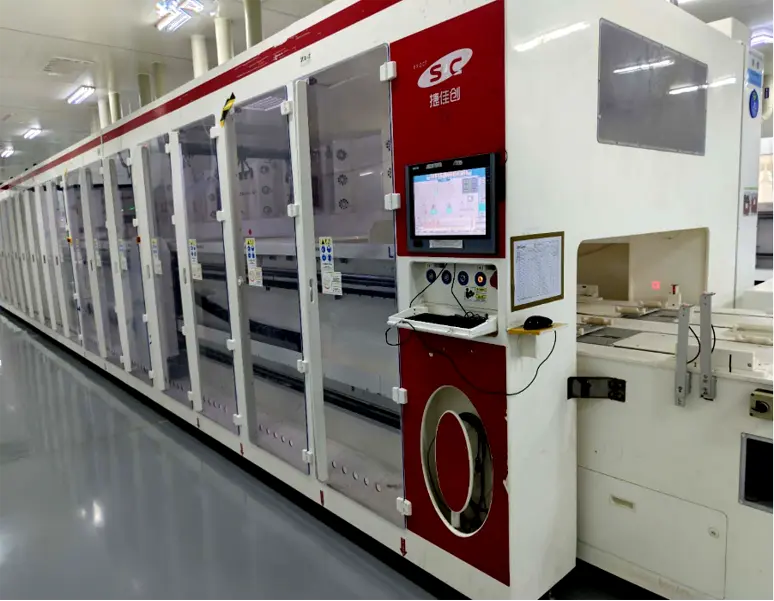
Such as: Boron diffusion furnace, BSG removal, Alkali polishing machine, PE-POLY…
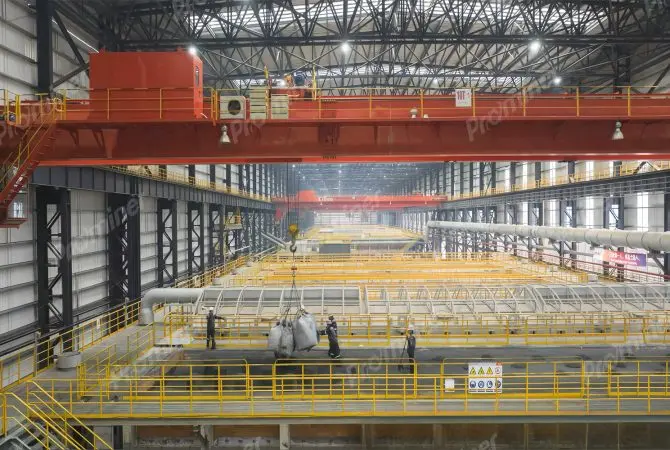
We can provide different type graphitization furnace for changing carbon material
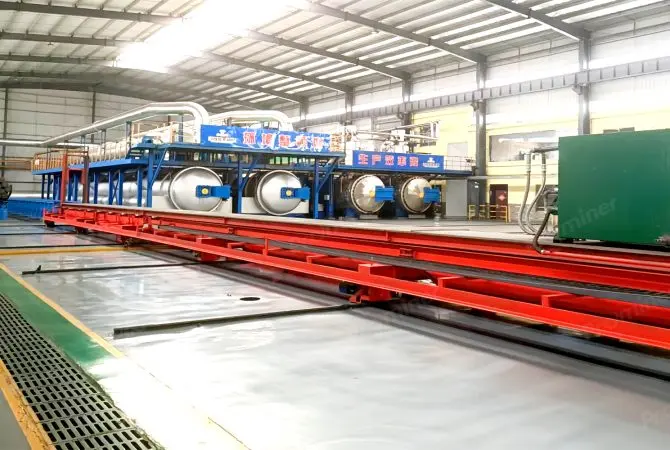
We can provide hot-in and cold-out type high-pressure impregnation of once-baked graphite
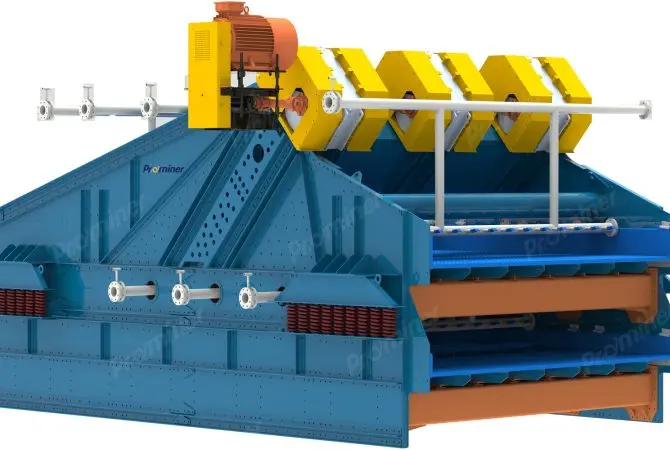
Prominer can provide all kinds of linear screen for mineral grading, material sizing, dewatering
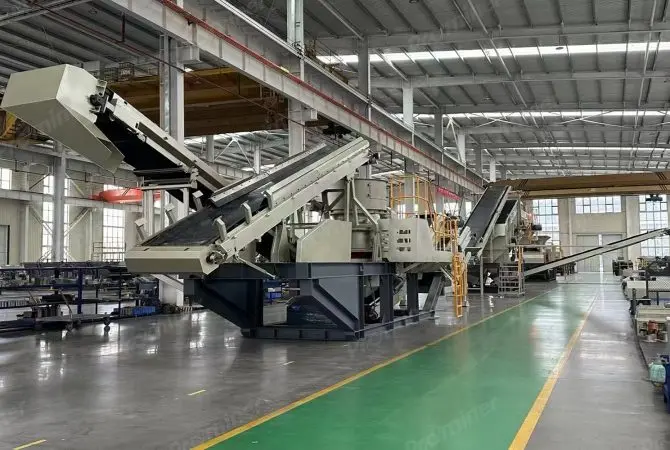
Skid mounted Portable Crusher, based on market requirements of easier moving from one site
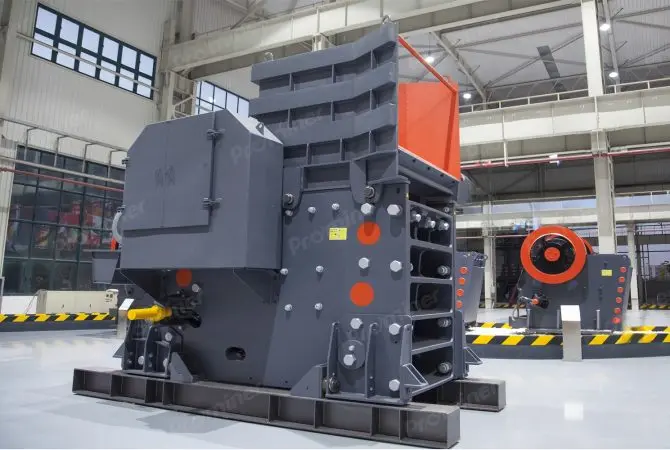
Jaw Crusher, its opening size determines its max feeding size. The crushing chamber of a jaw crusher
To find out more about our products and solutions, please fll out the form below and one of our experts will get back to you shortly
3000 TPD Gold Flotation Project in Shandong Province
2500TPD Lithium Ore Flotation in Sichuan
Fax: (+86) 021-60870195
Address: No.2555,Xiupu Road, Pudong, Shanghai
Copyright © 2023. Prominer (Shanghai) Mining Technology Co.,Ltd.