

We can provide direct lithium extraction (DLE) solution to recover the lithium from salt lake brine



Extracting 25MTPY (Million Tons Per Year) of saleable iron from tailings dams is a complex engineering and metallurgical endeavor, requiring precise planning, specialized processes, and significant investment in infrastructure. Tailings dams typically contain lower-grade iron ore deposits, as these are residues from mining activities. However, with advancements in technology, economic recovery of iron from tailings is increasingly feasible. Here is a step-by-step outline:
By following the steps above and adopting best practices in engineering, metallurgy, and environmental stewardship, it is possible to extract and produce 25MTPY of saleable iron from tailings dams efficiently and economically.
A: Mineral characteristics vary significantly even within the same ore body. A professional test (such as chemical analysis, XRD, and SEM) ensures the flowchart is optimized for your specific ore grade and liberation size. This prevents costly equipment mismatches and guarantees the highest possible recovery rates for your project.
A: We maintain a permanent stock of core wear parts (such as crusher liners, screen meshes, and grinding media). For international clients, we provide a recommended “2-year spare parts list” with the initial purchase. Technical support is available 24/7 via remote video, and site visits can be arranged for complex maintenance needs.
A: Yes. We send a team of senior mechanical and electrical engineers to the site to oversee the installation, commissioning, and load testing of the equipment. We also provide comprehensive on-site training for your local operators to ensure smooth long-term operation.
A: Absolutely. We specialize in providing EPCM (Engineering, Procurement, Construction Management) services. This includes everything from initial ore testing and mine design to equipment manufacturing, logistics, and full-scale plant integration, ensuring a seamless transition from greenfield to production.
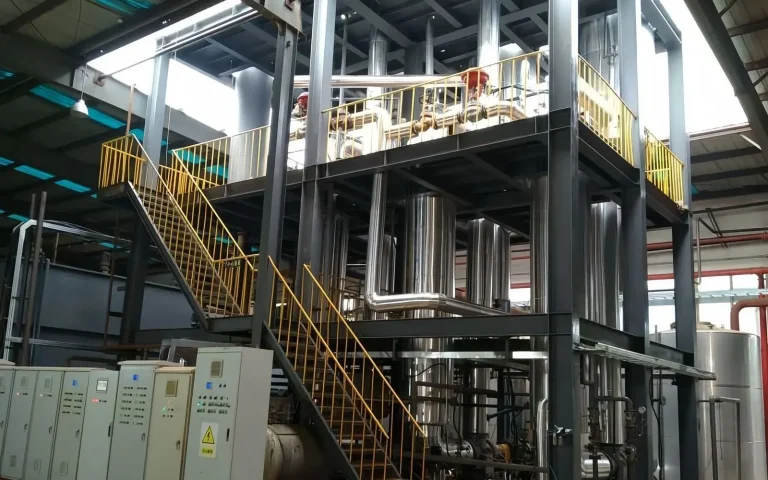
We can provide direct lithium extraction (DLE) solution to recover the lithium from salt lake brine
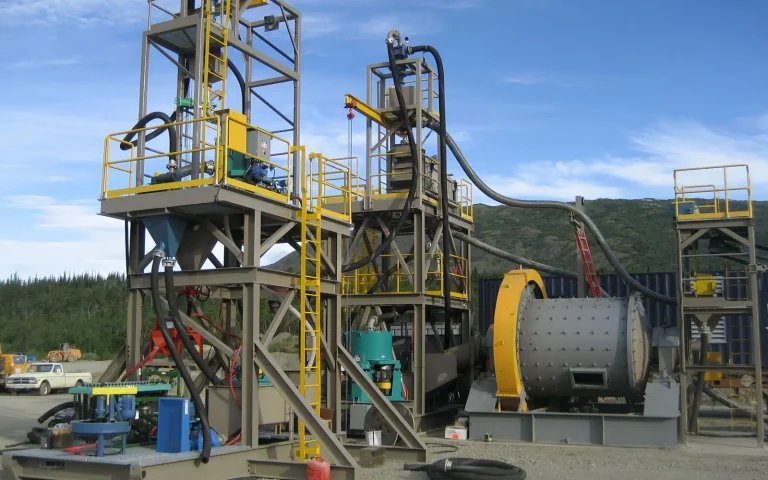
The best-known of the exogenetic ores is alluvial gold which also called placer gold. Alluvial gold refers
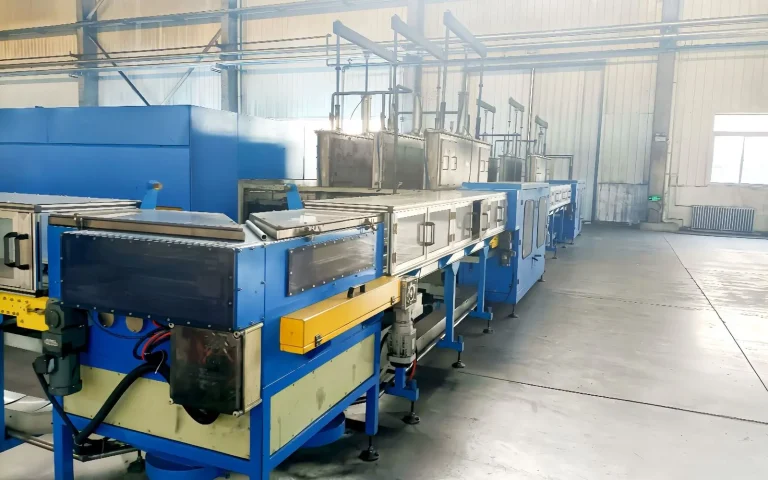
Hard carbon anode material is the most preferred materials for commercialization of sodium-ion battery

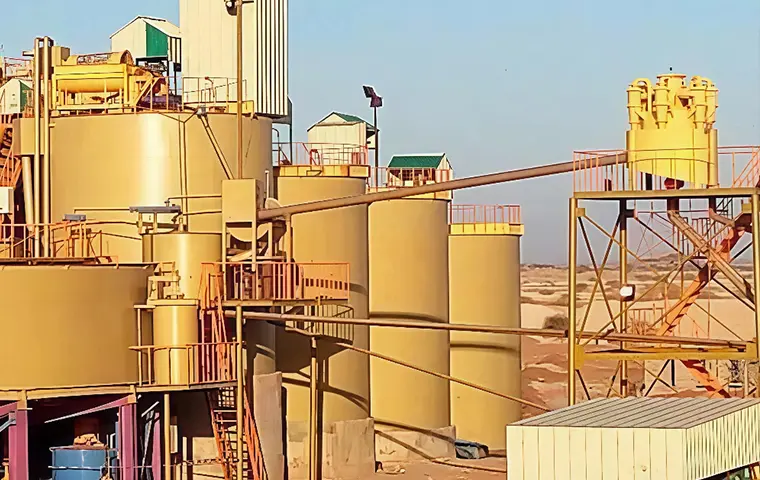
Raw Material: Spent gold leaching solution (cyanide-based) Gold Concentration in Solution 2-5 ppm
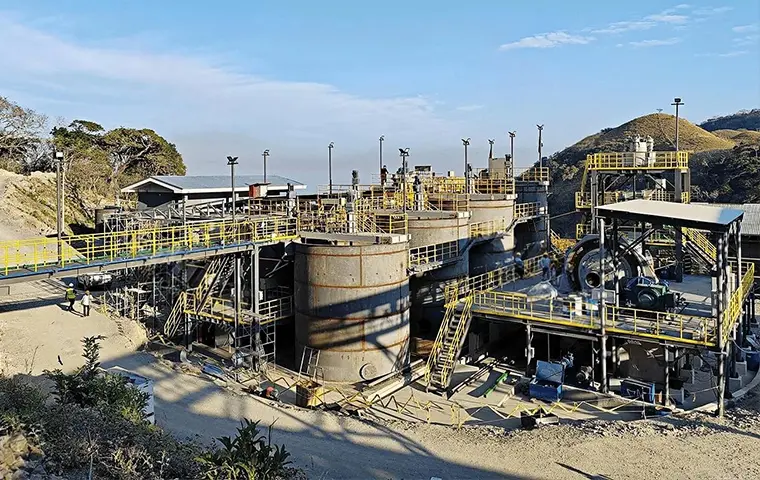
Raw Ore: Alluvial / Hard Rock Oxide Gold Ore (with free milling gold) Gold Grade: 2.5 g/t Gold Recovery Rate: > 88%
Raw Ore: Sulfide Type Copper Ore (Low-grade, heterogeneous) Feed Copper Grade: 0.45% Concentrate Copper Grade: 25%
Boosting copper recovery and reducing energy consumption through cutting-edge pre-concentration and Prominer’s 15+ years of EPC expertise
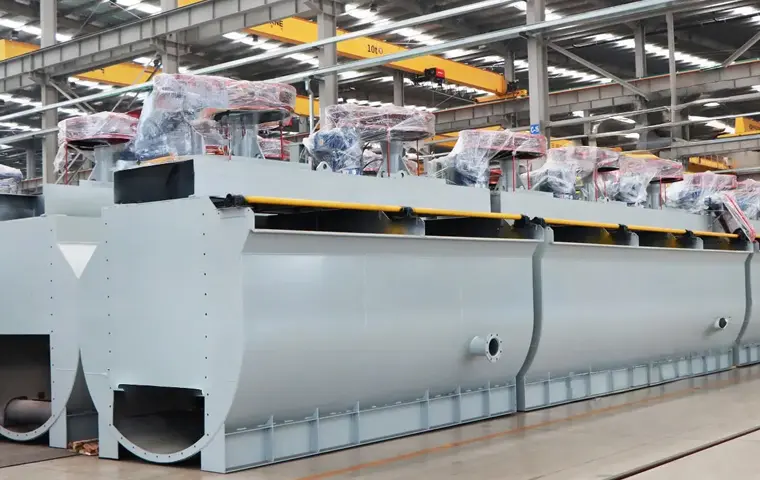
Raw Ore: Sulfide Type Gold Ore with Pyrite Gold Grade: 3.8 g/t Concentrate Grade: 42 g/t Au

Raw Ore: Sulfide Type Copper Ore (with associated gold) Gold Grade: 0.6 g/t Copper Grade: 1.2%
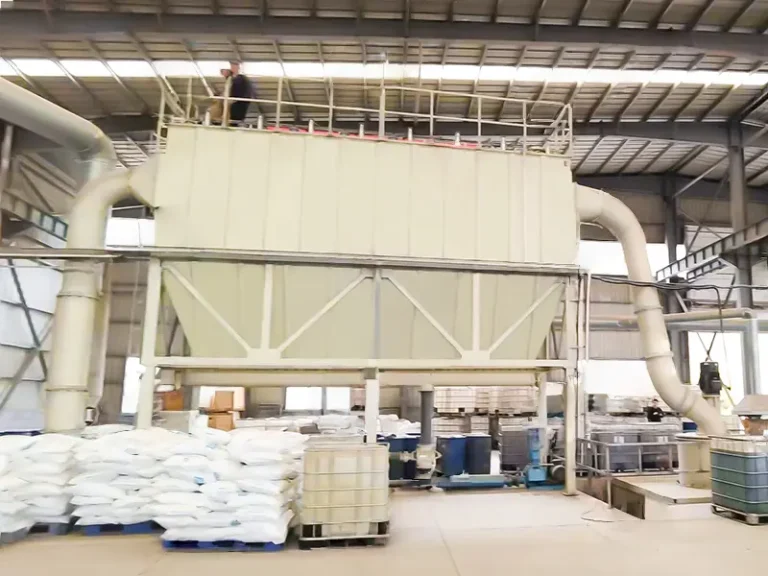
Raw Ore: Dolomite Rock (CaMg(CO₃)₂) Feed Size: ≤10 mm Final Product: Ultra Fine Dolomite Powder
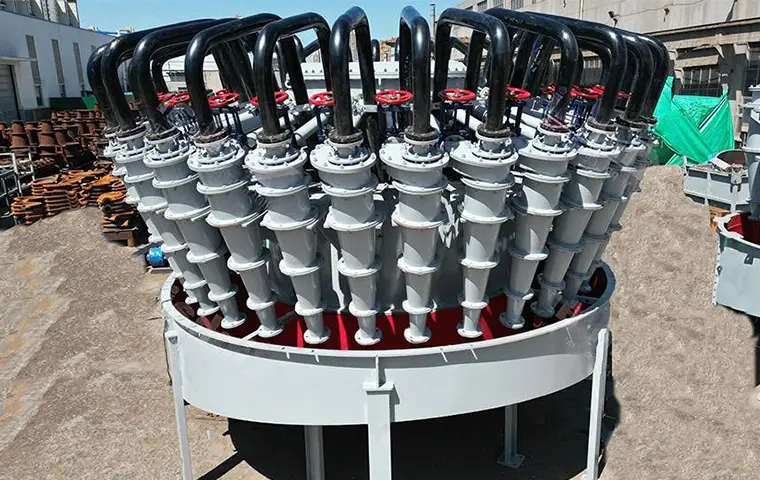
Raw Ore: Lithium Spodumene Ore Li₂O Grade: 1.45% Concentrate Grade: 6.20%
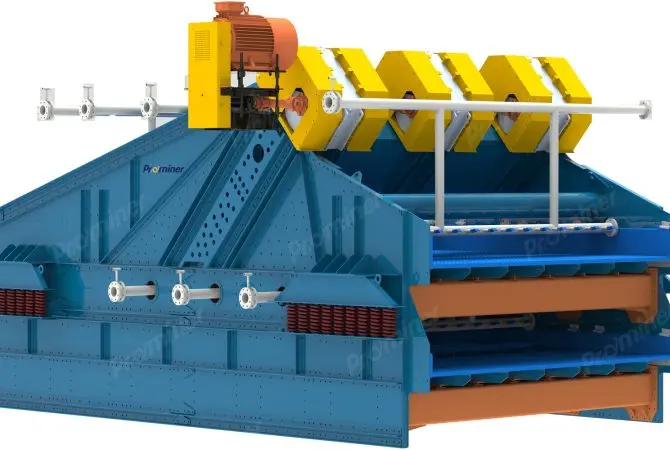
Prominer can provide all kinds of linear screen for mineral grading, material sizing, dewatering
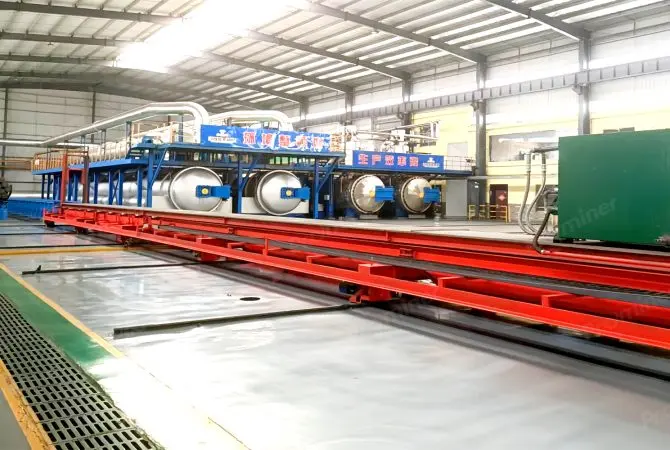
We can provide hot-in and cold-out type high-pressure impregnation of once-baked graphite
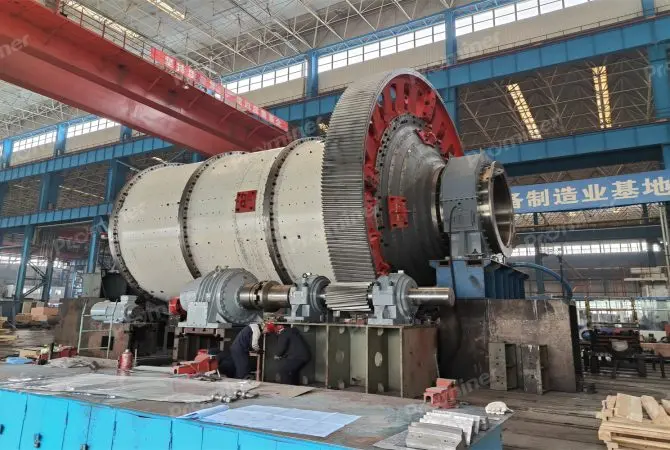
We can design and manufacture grate type ball mill for mineral primary grinding
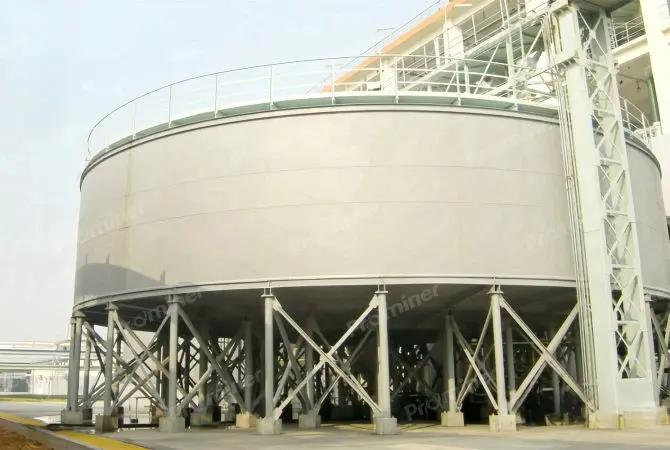
Prominer can provide different kinds of thickeners include center driving thickener, peripheral traction thickener
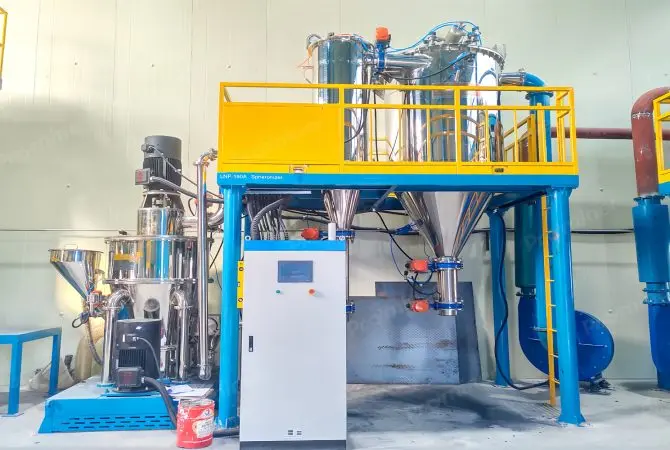
Besides strict PSD requirements, Anode Graphite also requires a spherical shape in order
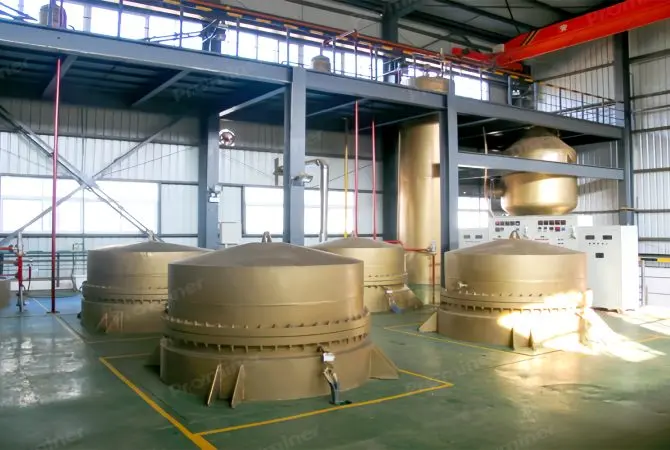
Prominer can design and provide the complete refinery and smelting system for gold CIL project
To find out more about our products and solutions, please fll out the form below and one of our experts will get back to you shortly
3000 TPD Gold Flotation Project in Shandong Province
2500TPD Lithium Ore Flotation in Sichuan
Fax: (+86) 021-60870195
Address: No.2555,Xiupu Road, Pudong, Shanghai
Copyright © 2023. Prominer (Shanghai) Mining Technology Co.,Ltd.


