

Flake graphite can be used to produce high carbon graphite, high purity graphite, expandable graphite



Optimizing sphalerite recovery from iron-rich ores can be challenging due to the complex interactions between sphalerite (ZnS) and iron-containing minerals, like pyrite (FeS(_2)) or magnetite (Fe(_3)O(_4)). However, numerous strategies can be employed to enhance sphalerite recovery, particularly in flotation processes, as they are the most commonly used method for recovering it. Below are some key approaches to optimize sphalerite recovery from iron-rich ores:
To maximize sphalerite recovery, flotation conditions must selectively separate sphalerite from iron-rich minerals.
Efficient sphalerite recovery from iron-rich ores depends on a thorough understanding of the ore composition, comprehensive process optimization, and tailored reagent schemes that selectively separate sphalerite from iron minerals. It’s essential to conduct laboratory-scale tests to determine the best parameters and flowsheet for the specific ore type being processed.
Prominer (Shanghai) Mining Technology Co., Ltd. specializes in providing complete mineral processing and advanced materials solutions globally. Our core focus includes: gold processing, lithium ore beneficiation, industrial minerals. Specializing in anode material production and graphite processing.
Products include: Grinding & Classification, Separation & Dewatering, Gold Refining, Carbon/Graphite Processing and Leaching Systems.
We offer end-to-end services including engineering design, equipment manufacturing, installation, and operational support, backed by 24/7 expert consultation.
Our Website Url: https://www.prominetech.com/
Our Email: [email protected]
Our Sales: +8613918045927(Richard), +8617887940518(Jessica), +8613402000314(Bruno)
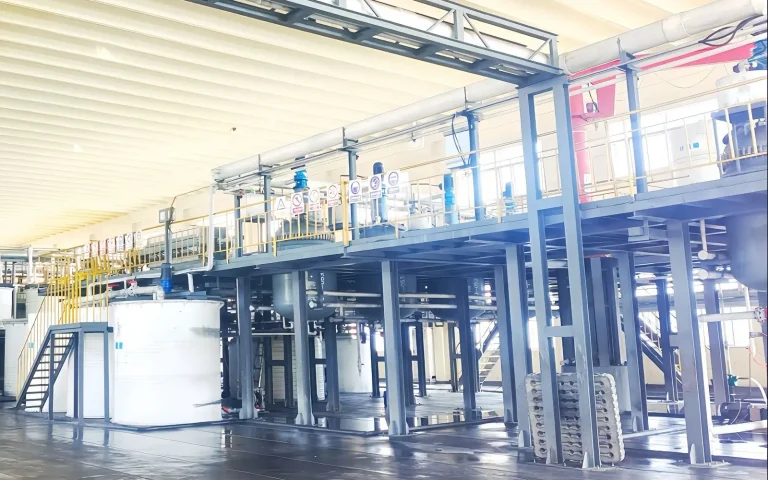
Flake graphite can be used to produce high carbon graphite, high purity graphite, expandable graphite
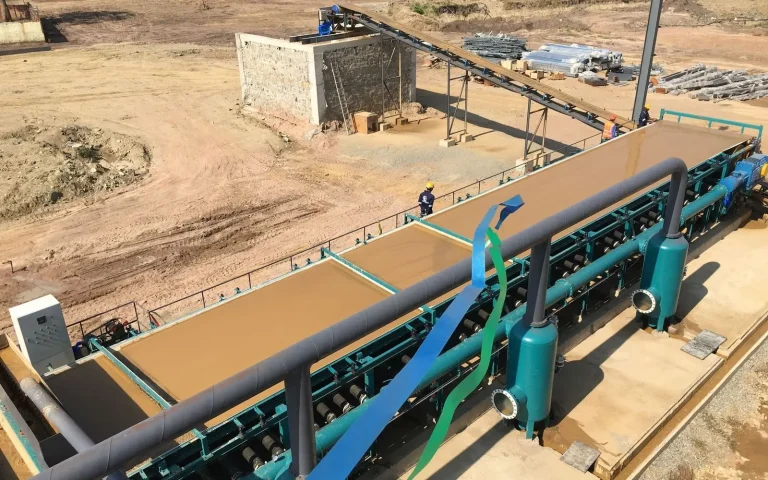
Gold CIL process (carbon in leaching) is very popular way to process the high grade oxide type gold ore
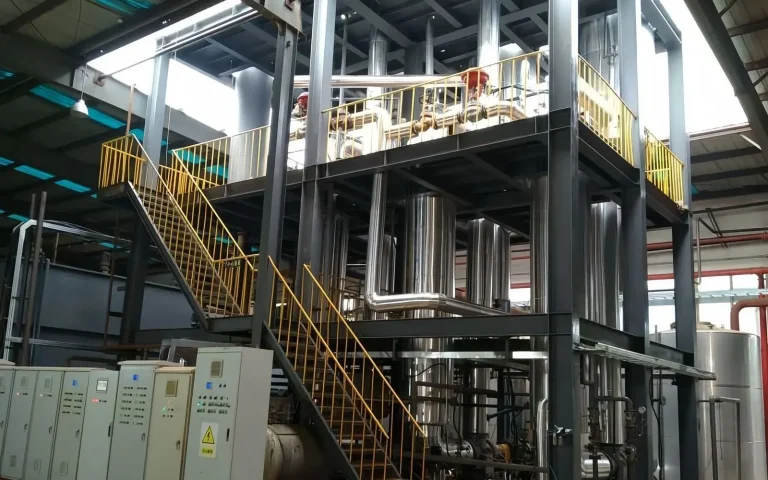
We can provide direct lithium extraction (DLE) solution to recover the lithium from salt lake brine

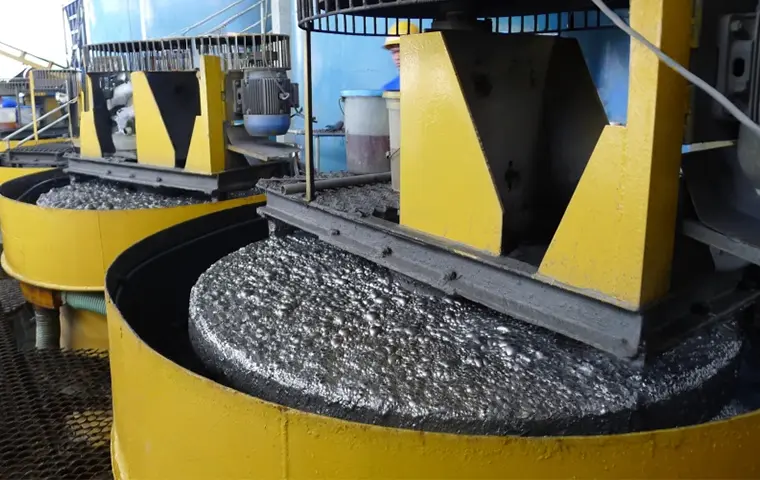
Raw Ore: Mixed Oxide Type Gold-Copper Ore Gold Grade: 1.5 g/t Copper Grade: 0.8%
Raw Material: Spent gold leaching solution (cyanide-based) Gold Concentration in Solution 2-5 ppm
Raw Ore: Limonite Type Laterite Nickel Ore Ni Grade: 1.2% Co Grade: 0.12%
Raw Ore: Sulfide Type Gold Ore (with associated Pyrite and Arsenopyrite) Gold Grade: 4.2 g/t
Boosting copper recovery and reducing energy consumption through cutting-edge pre-concentration and Prominer’s 15+ years of EPC expertise
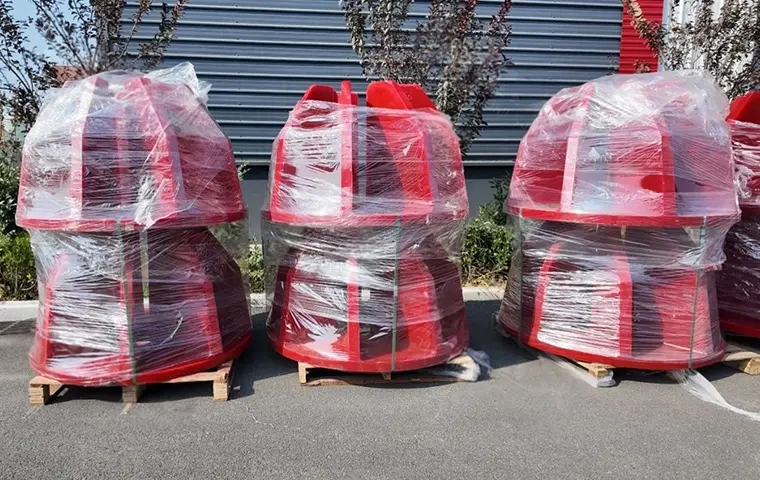
Raw Ore: Sulfide Copper Ore Copper Grade: 1.2% Target Flotation Recovery Rate: 92%
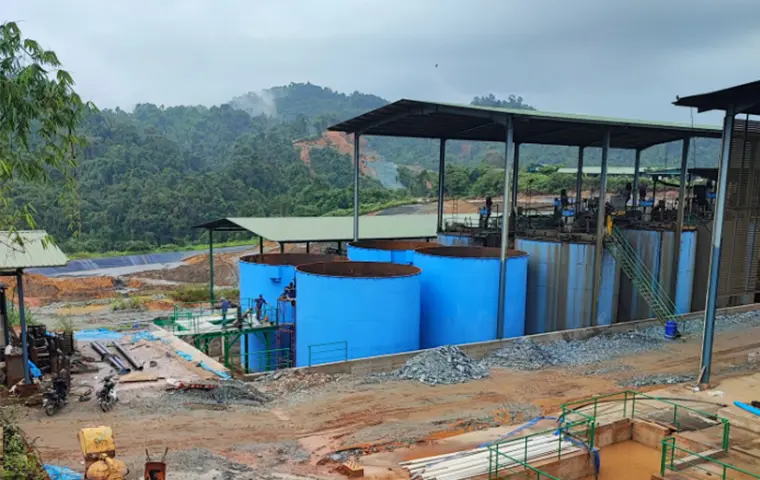
Raw Ore: Refractory and Semi-Refractory Sulfide Gold Ore Gold Grade: 2.65 g/t Gold Ingot Purity: ≥95.5%
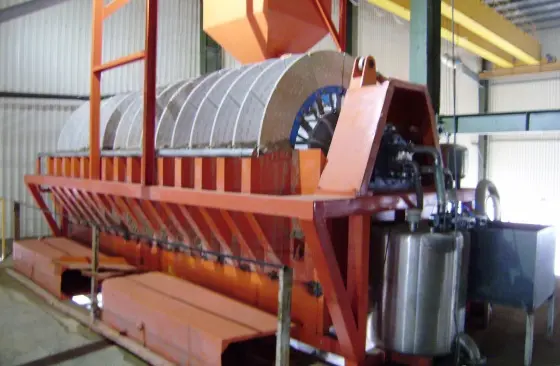
Client: Heavy Mineral Sands Producer Feedstock: Ilmenite Concentrate (TiO₂ 52-55%) Final Product: Rutile-Grade TiO₂ (≥94% purity)
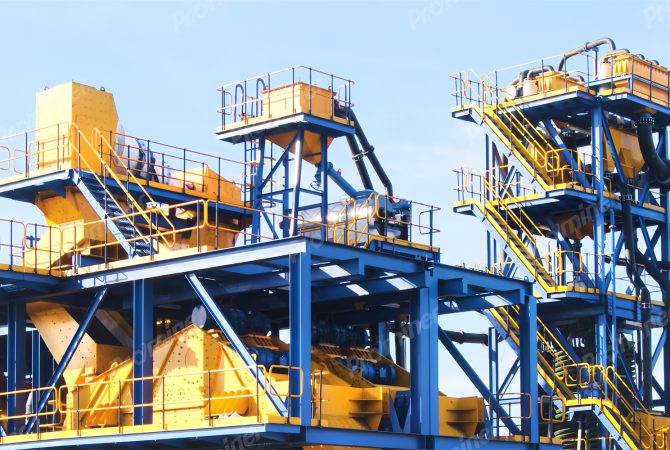
Prominer can provide different LIMS (Low Intensity Magnetic separator) magnetic separators
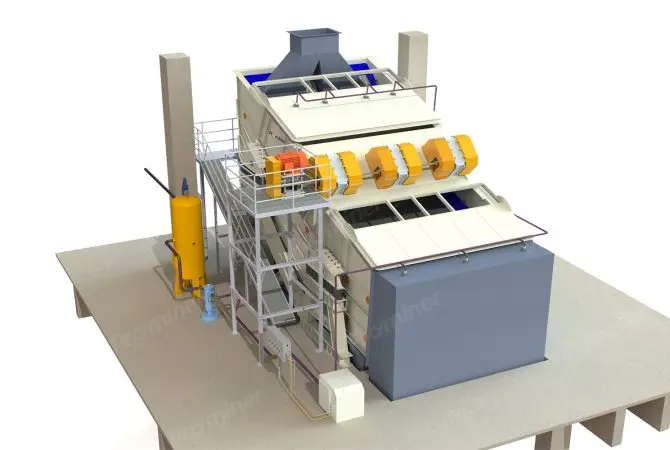
Flip-flow screen panel continues expanding and contracting so achieve a high acceleration rates
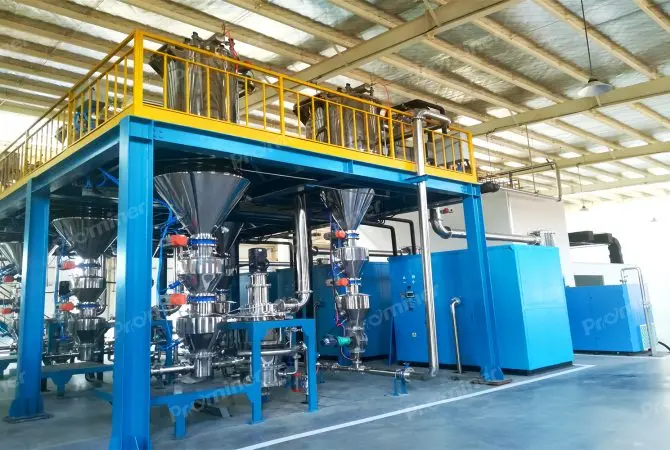
Jet mill is also called fluidized bed jet mill by using multiple nozzles to form sonic speed air flow
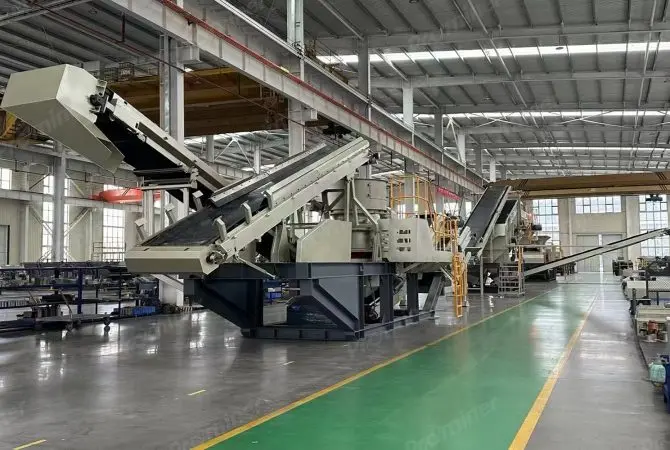
Skid mounted Portable Crusher, based on market requirements of easier moving from one site
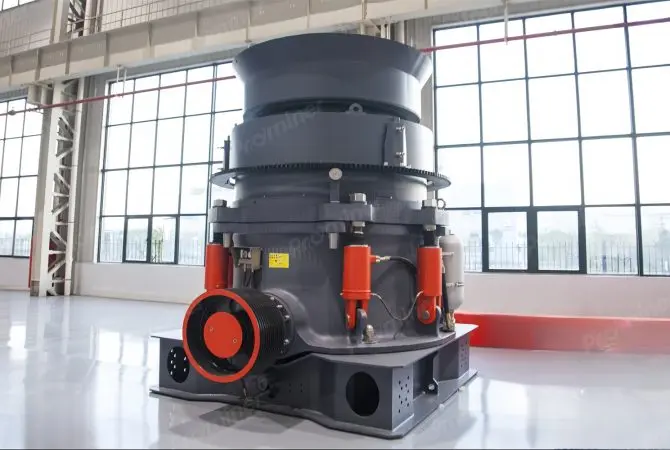
Multi-cylinder hydraulic cone crusher combines crusher speed, eccentricity and cavity profile
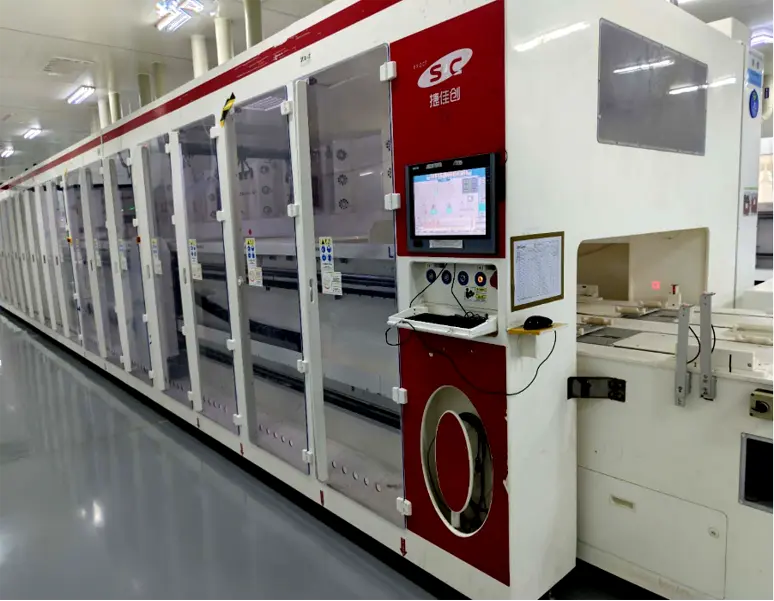
Such as: Boron diffusion furnace, BSG removal, Alkali polishing machine, PE-POLY…
To find out more about our products and solutions, please fll out the form below and one of our experts will get back to you shortly
3000 TPD Gold Flotation Project in Shandong Province
2500TPD Lithium Ore Flotation in Sichuan
Fax: (+86) 021-60870195
Address: No.2555,Xiupu Road, Pudong, Shanghai
Copyright © 2023. Prominer (Shanghai) Mining Technology Co.,Ltd.


