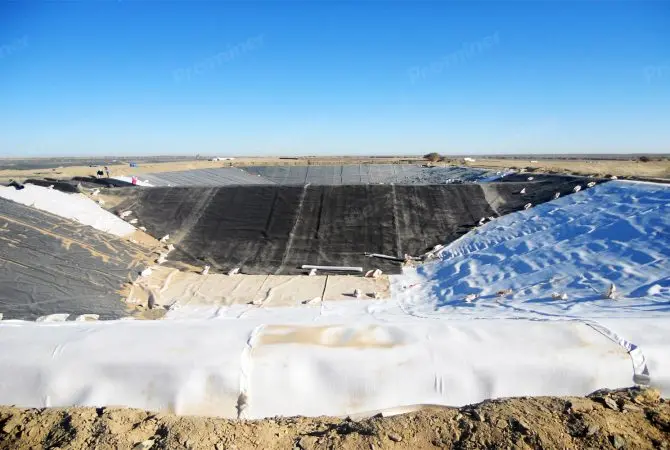
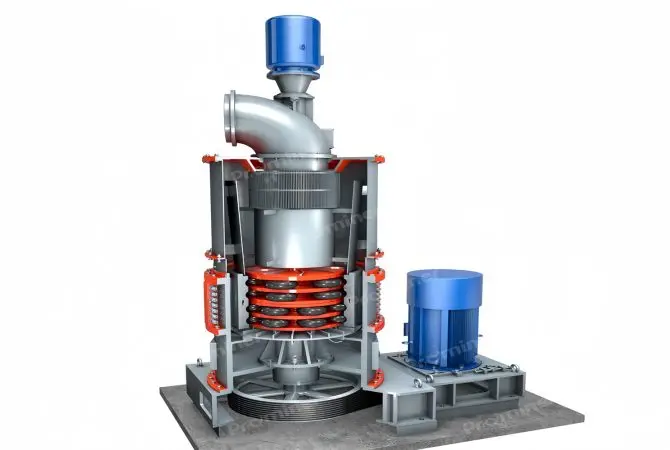
Spodumene and lepidolite are very important lithium bearing minerals and they are very easy to recover



Selecting flotation agents for phosphate ore upgrading is a crucial step that requires a thorough understanding of the ore’s mineralogical characteristics and processing requirements. Below are key considerations and steps when selecting flotation agents:
Flotation agents include collectors, depressants, activators, frothers, and pH modifiers. Choosing the right combination depends on the ore properties and separation goals.
Fine-tune the concentration of flotation agents to achieve the best recovery while minimizing costs and reagent consumption. Conduct laboratory tests or modeling simulations to establish optimal dosages.
With proper testing and optimization, flotation agents can be effectively selected to achieve high-quality phosphate concentrates.
Prominer (Shanghai) Mining Technology Co., Ltd. specializes in providing complete mineral processing and advanced materials solutions globally. Our core focus includes: gold processing, lithium ore beneficiation, industrial minerals. Specializing in anode material production and graphite processing.
Products include: Grinding & Classification, Separation & Dewatering, Gold Refining, Carbon/Graphite Processing and Leaching Systems.
We offer end-to-end services including engineering design, equipment manufacturing, installation, and operational support, backed by 24/7 expert consultation.
Our Website Url: https://www.prominetech.com/
Our Email: [email protected]
Our Sales: +8613918045927(Richard), +8617887940518(Jessica), +8613402000314(Bruno)
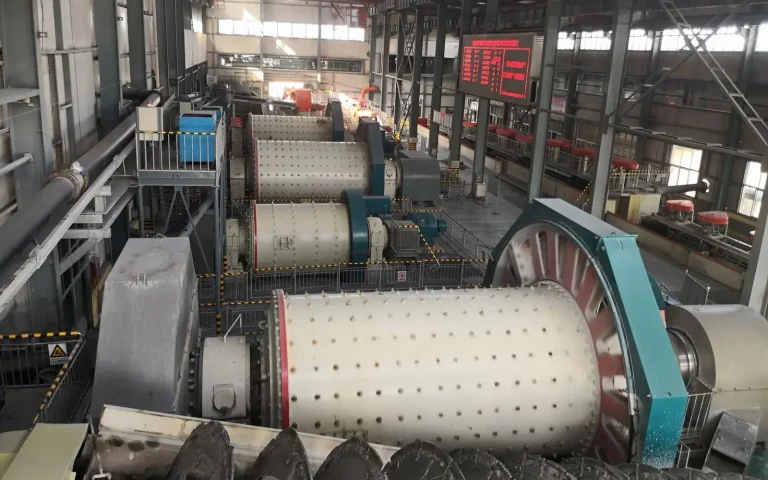
Spodumene and lepidolite are very important lithium bearing minerals and they are very easy to recover
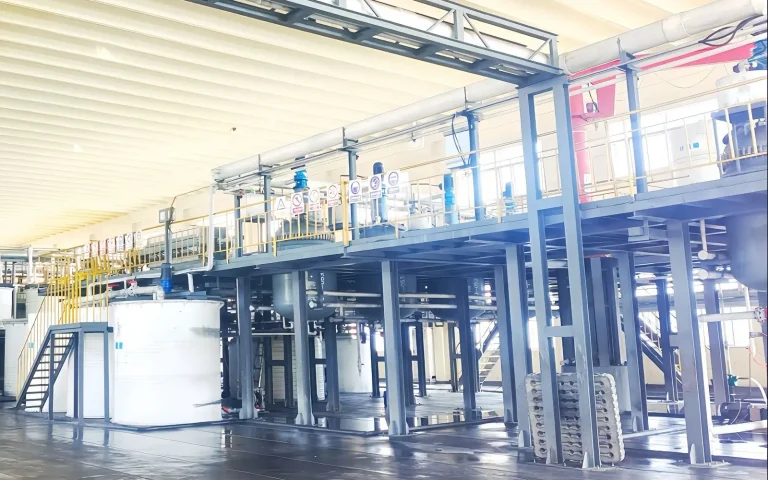
Flake graphite can be used to produce high carbon graphite, high purity graphite, expandable graphite
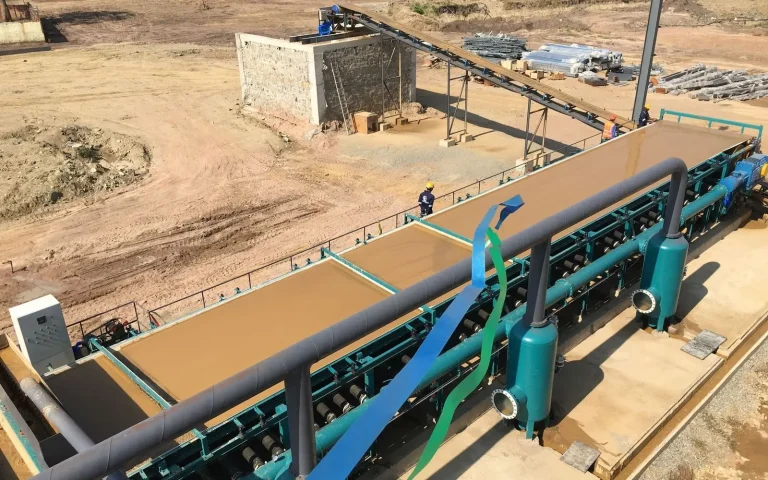
Gold CIL process (carbon in leaching) is very popular way to process the high grade oxide type gold ore

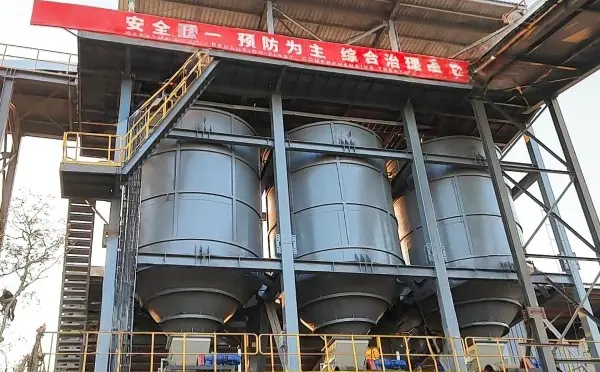
Raw Ore: Lepidolite, Spodumene, Gangue minerals: Quartz, Feldspar, Mica Li₂O Grade: 0.8%
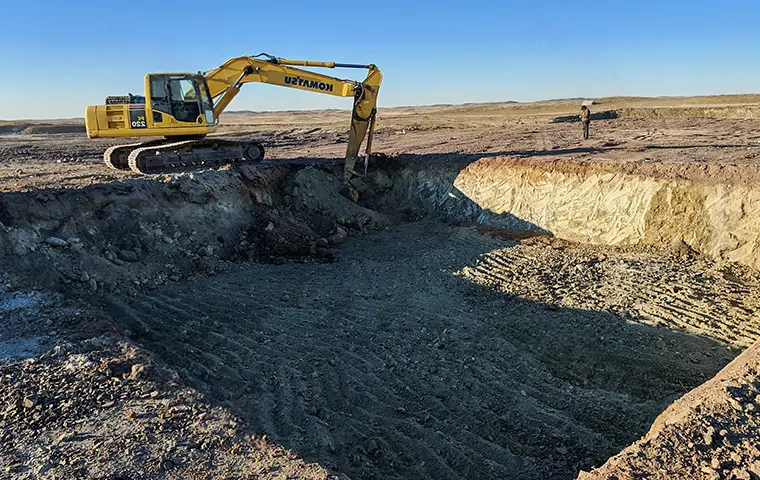
Raw Material: Gold mine tailings slurry from CIL plant Tailings Solids Content: 35-40% Final Stacking Density: 1.6-1.8 t/m³
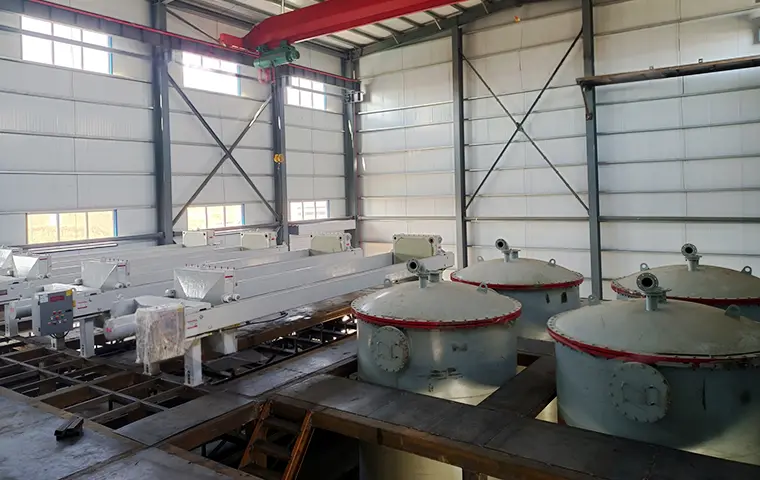
Raw Ore: Silver-Polymetallic Sulfide Ore (containing Ag, Pb, Zn) Silver Grade: 180 g/t Lead Grade: 4.2% Zinc Grade: 5.8%
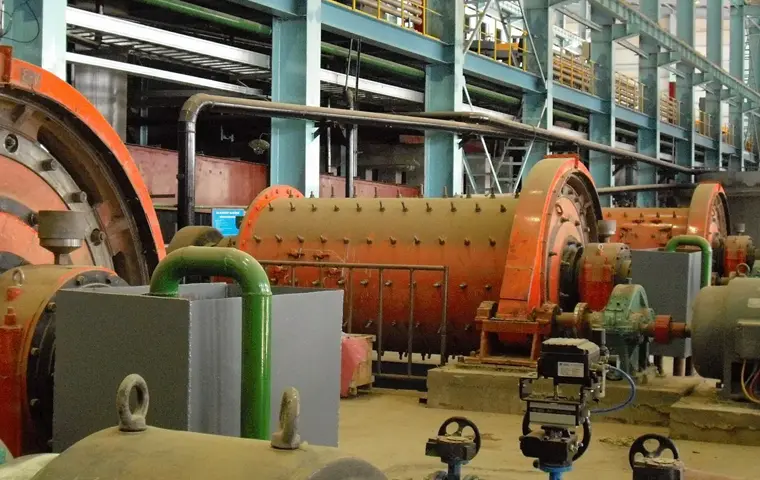
Raw Ore: Sulfide Type Molybdenum Ore (Mainly Molybdenite) Mo Grade: 0.15% Concentrate Grade: 45% Mo
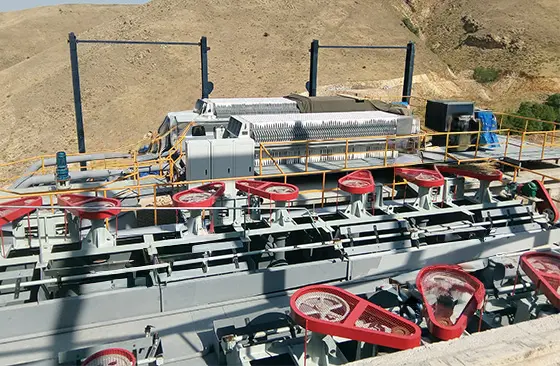
Raw Ore: Siliceous-Phosphate with Magnetite Inclusions Feed Composition: P₂O₅: 19-23%;Fe₂O₃: 8-12%;SiO₂: 25-35%;CaO: 32-38%
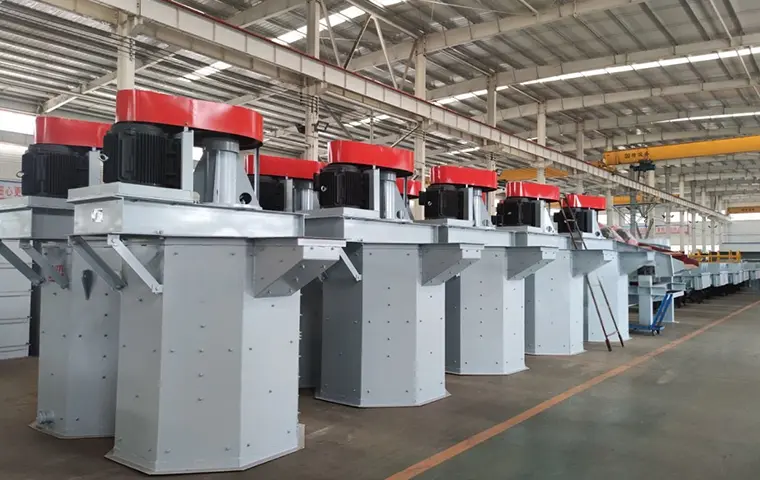
Raw Material: Quartz ore with impurities (Fe, Al, etc.) Quartz Grade: 98.5% SiO₂ Final Product: High-purity quartz sand (99.9% SiO₂)
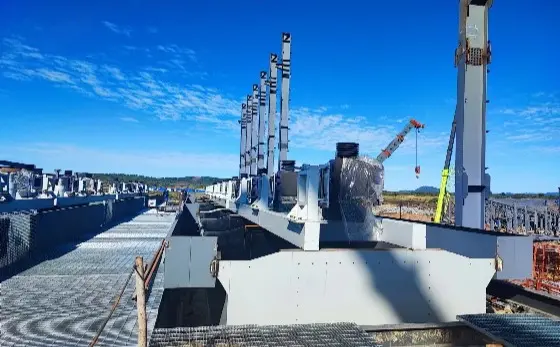
Raw Feed: Lithium Pegmatite Ore (Spodumene Dominant) Li₂O Grade: 1.2% Final Product: Battery-Grade Lithium
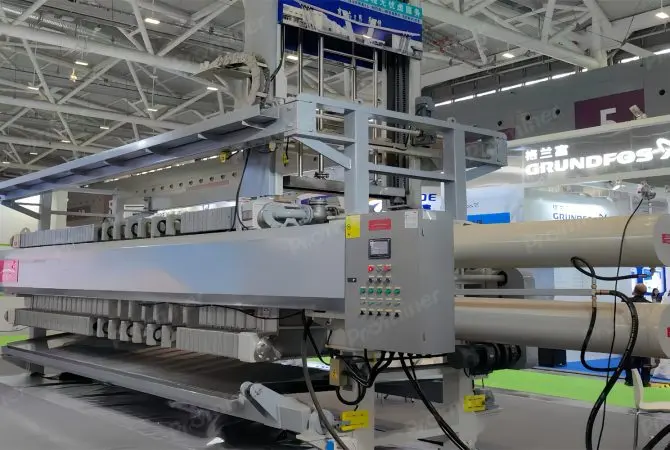
Prominer can provide press filter, belt vacuum filter, disk vacuum filter and ceramic filter
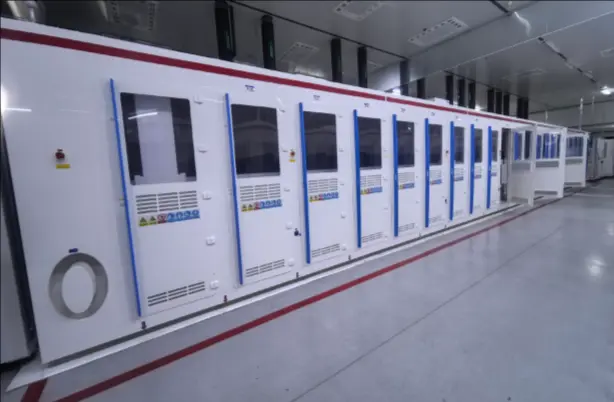
Include: Monocrystalline Batch Texturing Equipment, Batch Texturing Loader/Unloader, Low-Pressure…
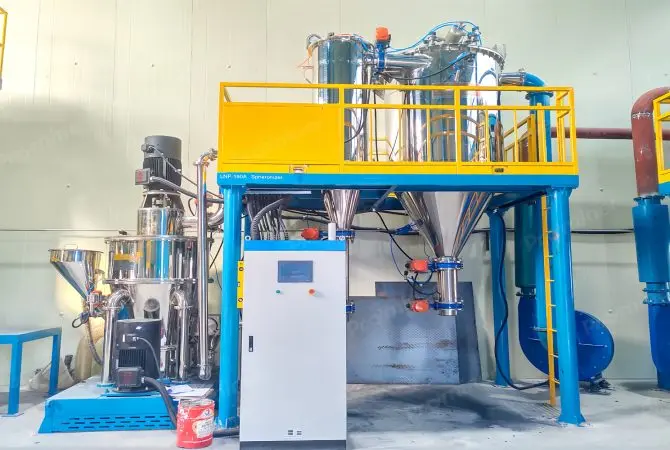
Besides strict PSD requirements, Anode Graphite also requires a spherical shape in order
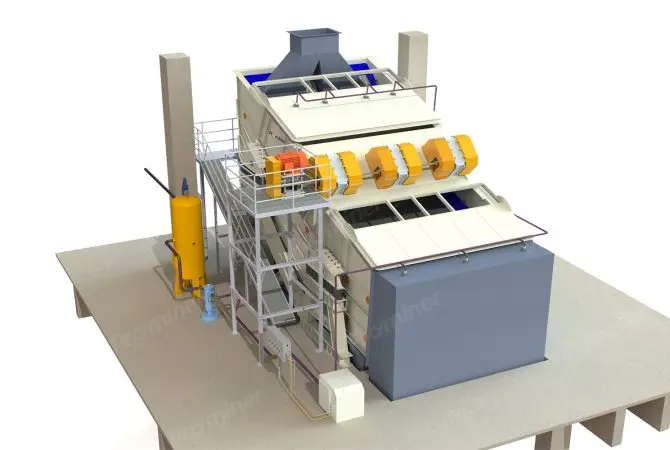
Flip-flow screen panel continues expanding and contracting so achieve a high acceleration rates
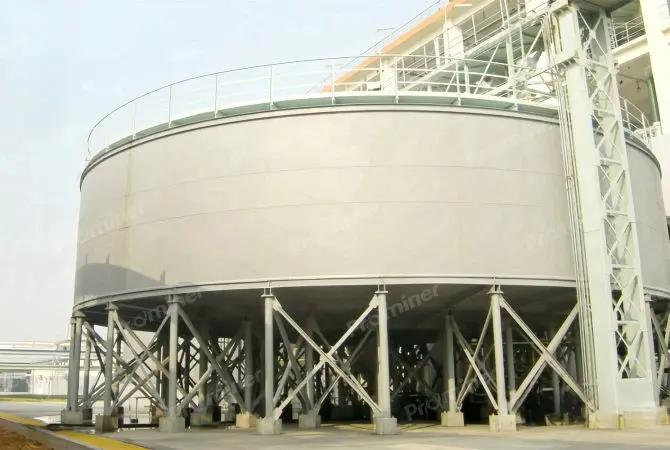
Prominer can provide different kinds of thickeners include center driving thickener, peripheral traction thickener
To find out more about our products and solutions, please fll out the form below and one of our experts will get back to you shortly
3000 TPD Gold Flotation Project in Shandong Province
2500TPD Lithium Ore Flotation in Sichuan
Fax: (+86) 021-60870195
Address: No.2555,Xiupu Road, Pudong, Shanghai
Copyright © 2023. Prominer (Shanghai) Mining Technology Co.,Ltd.