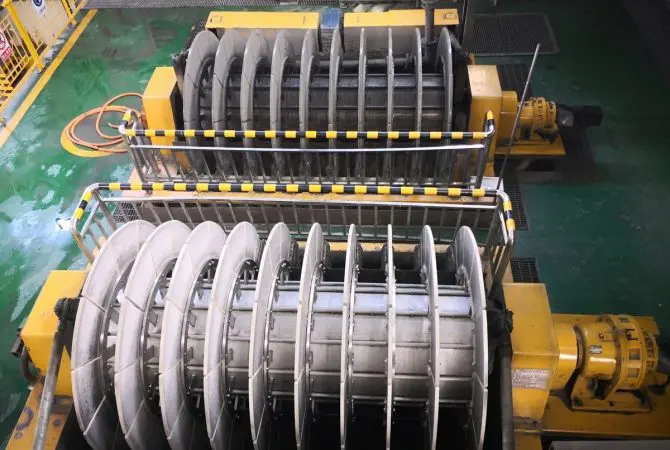
Artificial graphite anode material are mainly made from high quality low sulphur content petroleum coke




Extracting gold from high-arsenic ores presents unique challenges due to environmental concerns and the complex nature of the ore. However, several techniques have been developed and refined to address these difficulties effectively. The best methods include:
Each technique requires assessing the specific composition of the ore, economic feasibility, and environmental regulations. Modern advancements prioritize sustainability and minimizing arsenic-related environmental hazards.
A: Mineral characteristics vary significantly even within the same ore body. A professional test (such as chemical analysis, XRD, and SEM) ensures the flowchart is optimized for your specific ore grade and liberation size. This prevents costly equipment mismatches and guarantees the highest possible recovery rates for your project.
A: We maintain a permanent stock of core wear parts (such as crusher liners, screen meshes, and grinding media). For international clients, we provide a recommended “2-year spare parts list” with the initial purchase. Technical support is available 24/7 via remote video, and site visits can be arranged for complex maintenance needs.
A: Yes. We send a team of senior mechanical and electrical engineers to the site to oversee the installation, commissioning, and load testing of the equipment. We also provide comprehensive on-site training for your local operators to ensure smooth long-term operation.
A: Absolutely. We specialize in providing EPCM (Engineering, Procurement, Construction Management) services. This includes everything from initial ore testing and mine design to equipment manufacturing, logistics, and full-scale plant integration, ensuring a seamless transition from greenfield to production.
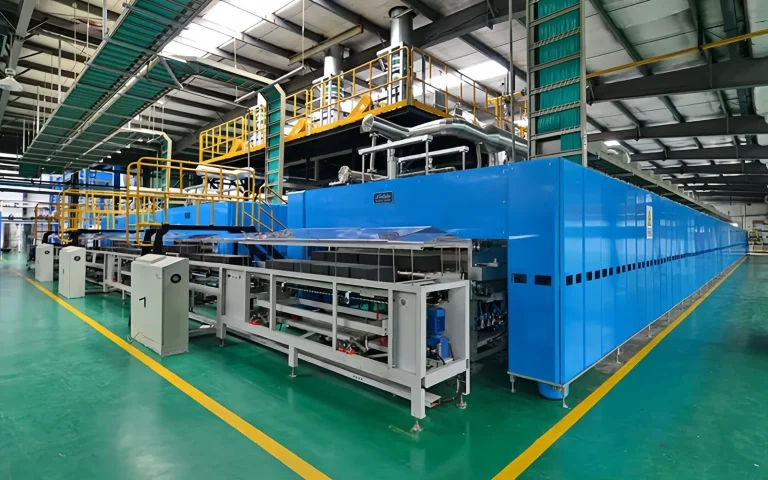
Artificial graphite anode material are mainly made from high quality low sulphur content petroleum coke
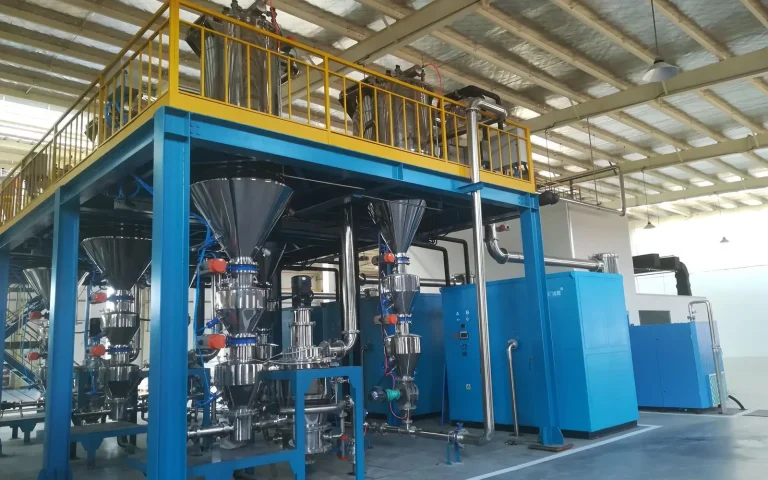
Silicon based anode is one kind of composite anode material by compounding silicon
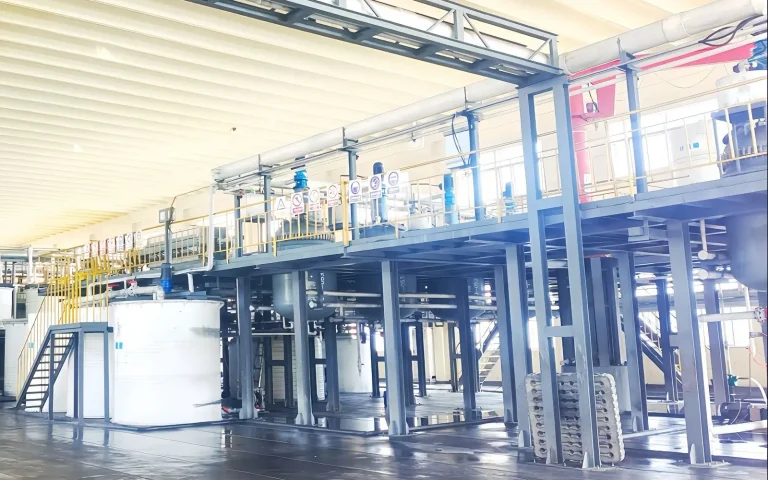
Flake graphite can be used to produce high carbon graphite, high purity graphite, expandable graphite

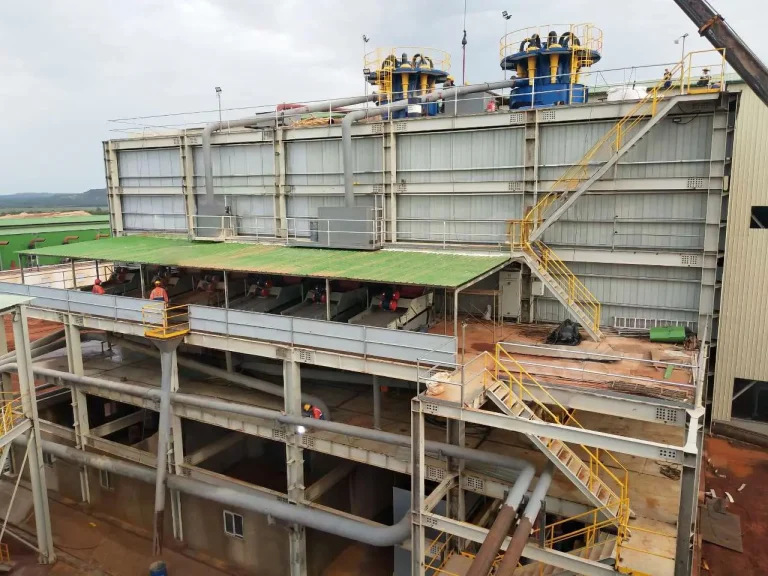
Raw Ore: Alluvial Gold Ore from River Deposits Gold Grade: 0.7 g/t (average) Recovery Rate: 90%
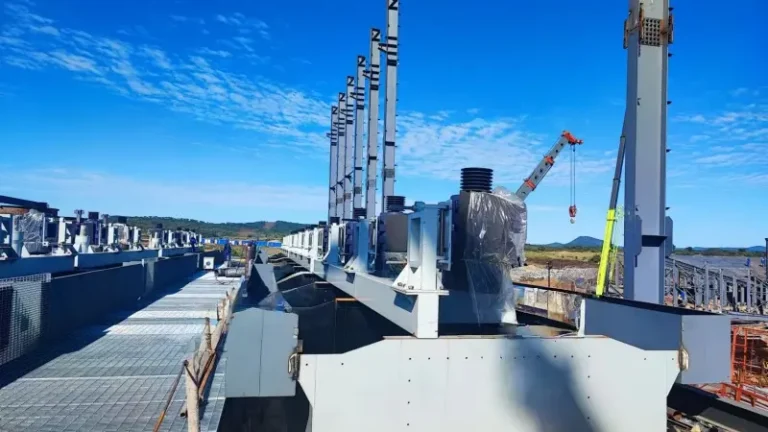
Raw Material: Lithium Brine (from Lithium Triangle: Chile/Argentina/Bolivia); Spodumene Ore (from Australia and China)
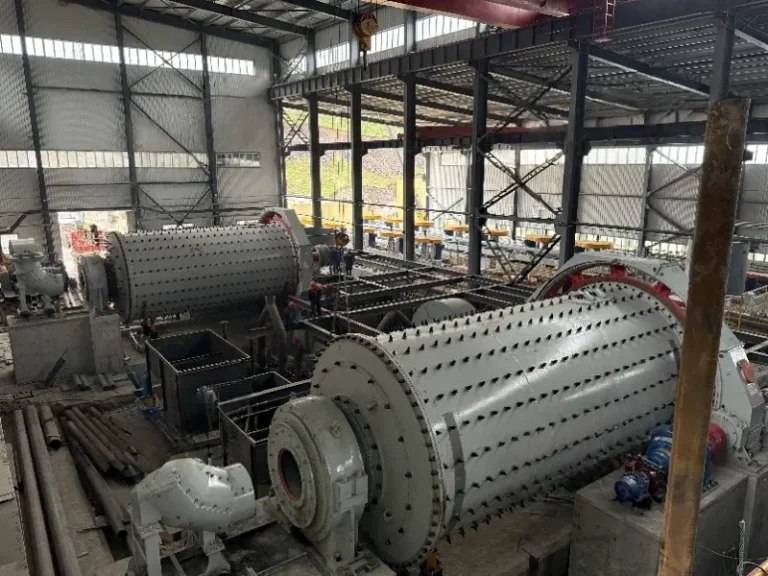
Raw Ore: Limonite Type Laterite Nickel Ore Ni Grade: 1.2% Co Grade: 0.12%
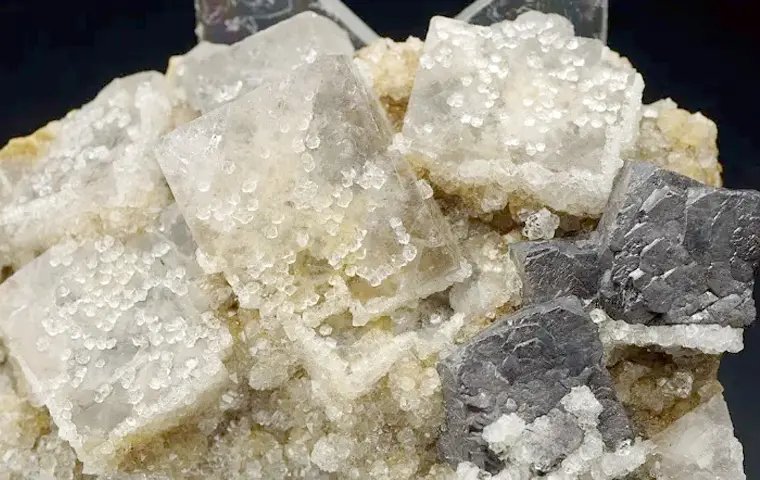
Raw Material: Polymetallic Ore Containing Galena (PbS) and Fluorite (CaF₂) Lead Grade: 3.5% Fluorite Grade: 35%

Raw Material: Existing gold plant tailings (All-slime) Gold Grade in Tailings: 1.2 g/t Final Product: Gold Ingot
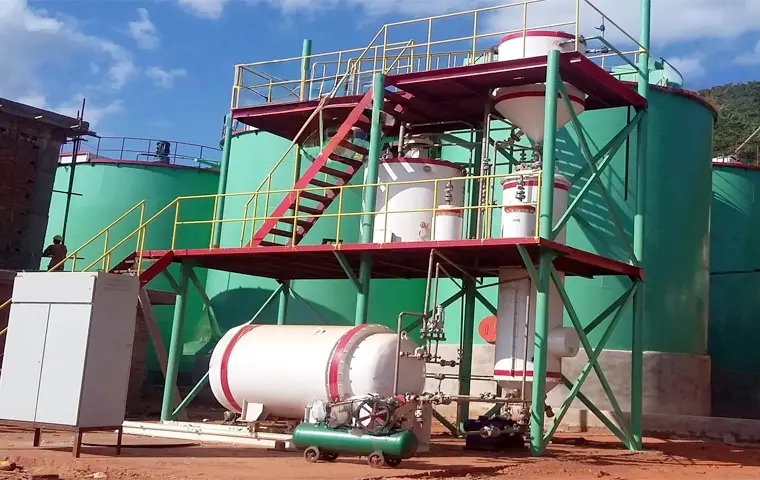
Raw Ore: Alluvial Gold with Magnetite & Hematite (Typical Sierra Madre Deposit)
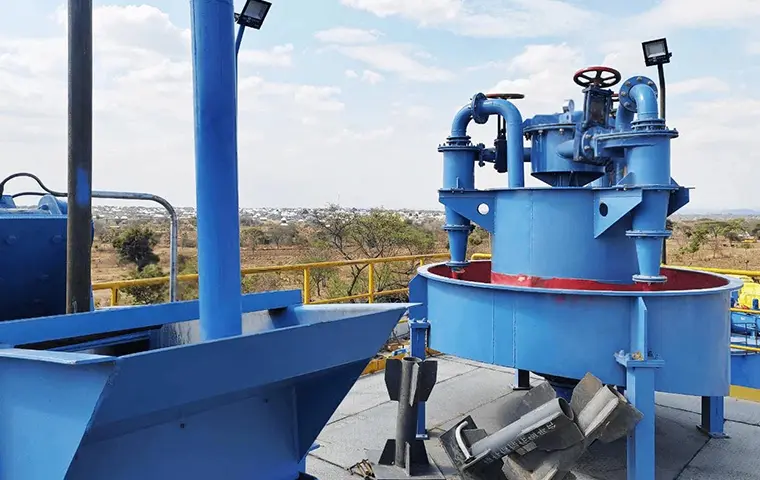
Capacity Target: Increase processing capacity from 500 TPD to 850 TPD in phases without halting production.
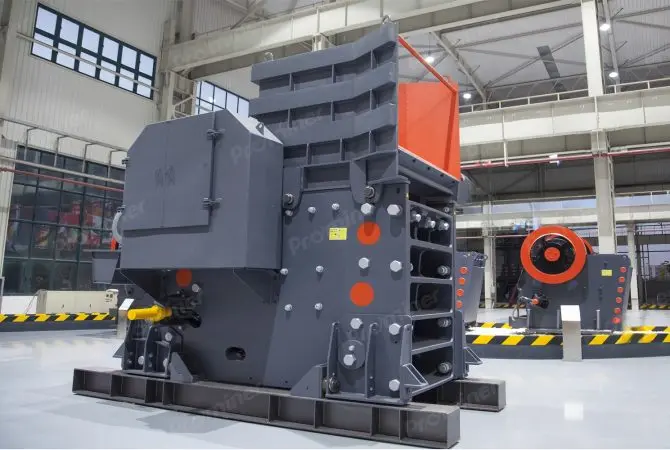
Jaw Crusher, its opening size determines its max feeding size. The crushing chamber of a jaw crusher
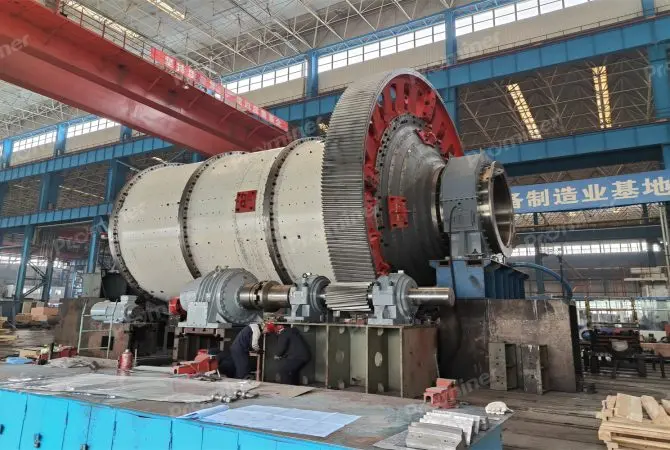
We can design and manufacture grate type ball mill for mineral primary grinding
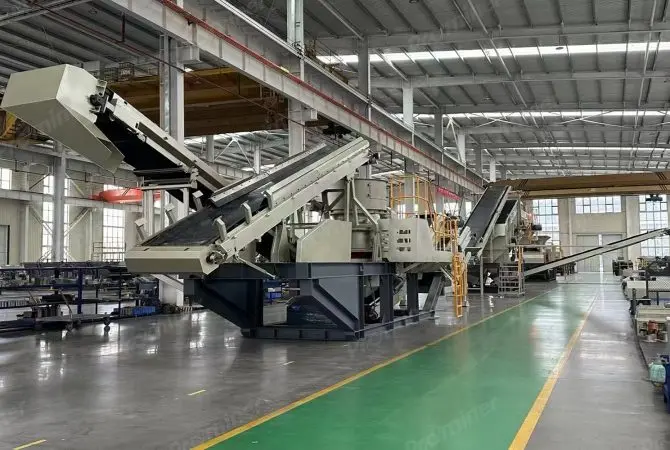
Skid mounted Portable Crusher, based on market requirements of easier moving from one site
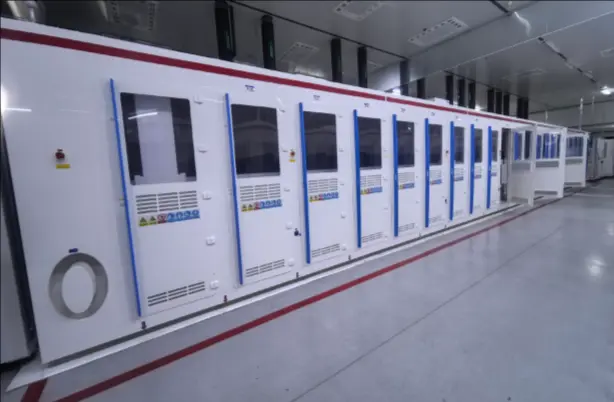
Include: Monocrystalline Batch Texturing Equipment, Batch Texturing Loader/Unloader, Low-Pressure…
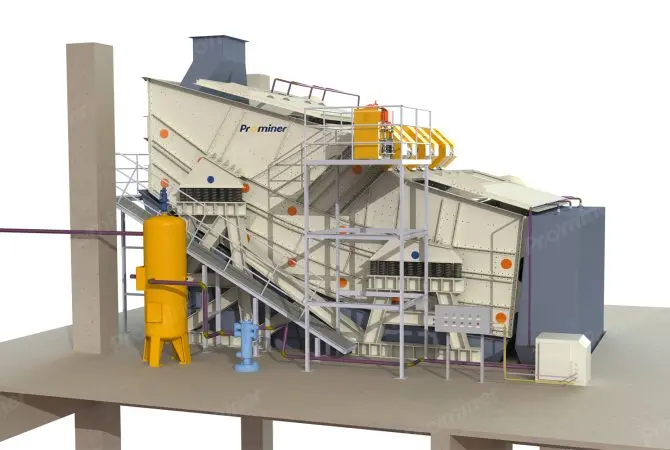
Banana screen is also well known as constant bed thickness screen. Prominer has the ability to supply dry
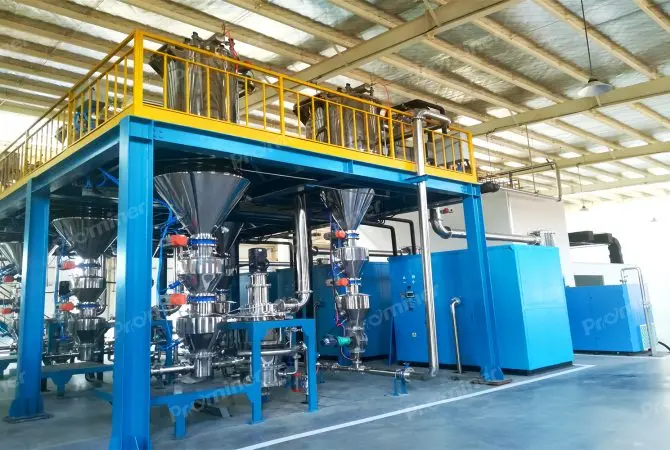
Jet mill is also called fluidized bed jet mill by using multiple nozzles to form sonic speed air flow
To find out more about our products and solutions, please fll out the form below and one of our experts will get back to you shortly
3000 TPD Gold Flotation Project in Shandong Province
2500TPD Lithium Ore Flotation in Sichuan
Fax: (+86) 021-60870195
Address: No.2555,Xiupu Road, Pudong, Shanghai
Copyright © 2023. Prominer (Shanghai) Mining Technology Co.,Ltd.