

Artificial graphite anode material are mainly made from high quality low sulphur content petroleum coke


/
/
What Are the Common Problems and Solutions in the Magnetite Ore Beneficiation Process?


The magnetite ore beneficiation process plays a fundamental role in the mining and metallurgy industry. Magnetite ((Fe_3O_4)) is a valuable iron mineral that requires beneficiation to improve its iron content and remove gangue minerals before it can be used in steelmaking. However, this process is complex and often faces several technical and operational challenges. Below are the most common problems encountered during magnetite ore beneficiation and practical solutions to overcome them.
Explanation:
One of the primary challenges in magnetite beneficiation is inadequate liberation of magnetite grains from gangue minerals. Coarse grinding may result in composite particles where valuable iron minerals remain locked within waste materials, reducing the grade and recovery rate.
Solution:
To improve liberation, an optimized grinding process is essential. The use of stage grinding—crushing followed by fine milling—helps achieve the required particle size while preventing over-grinding. Advanced technologies such as high-pressure grinding rolls (HPGR) or vertical roller mills can also enhance efficiency and reduce energy consumption. Regular mineralogical analysis ensures that the grinding size is appropriately matched to ore characteristics.
Explanation:
Grinding is the most energy-intensive stage in magnetite beneficiation. Similarly, magnetic separation processes also require significant power, contributing to high operational costs.
Solution:
Energy efficiency can be improved by implementing pre-concentration techniques such as dry magnetic separation or gravity separation before fine grinding. Using energy-efficient equipment and optimizing circuit design—such as closed-circuit grinding—also help minimize energy use. Continuous monitoring of mill load and ore hardness assists in adjusting operational parameters in real-time.
Explanation:
Magnetic separation performance can be adversely affected by improper magnetic field strength, particle size distribution, or the presence of slime coating the magnetite particles. This leads to poor concentrate grades or low recovery.
Solution:
Operators can optimize magnetic separation by carefully selecting magnetic separator types (low-intensity magnetic separators for magnetite, high-intensity for fine and weakly magnetic minerals). Proper classification before separation ensures consistent particle size. Regular cleaning of magnetic drums and maintaining appropriate pulp density also prevent losses.
Explanation:
Fine magnetite particles often escape with tailings due to their low settling rates and inefficient capture by traditional separation methods. Slimes can also affect flotation or magnetic separation by increasing slurry viscosity and reducing selectivity.
Solution:
Desliming prior to beneficiation helps reduce slime interference. The adoption of advanced technologies such as high-gradient magnetic separators (HGMS) or flotation of ultrafine particles can recover fine magnetite effectively. The application of flocculants and optimized thickening processes can further improve solid-liquid separation efficiency.
Explanation:
Beneficiation plants consume large amounts of water, and improper handling of tailings can lead to environmental problems such as contamination and high water loss.
Solution:
Recycling process water using thickening and filtration systems reduces freshwater consumption. The installation of tailings dewatering facilities and the design of tailings storage systems with minimal leakage improve environmental performance. Adopting closed-circuit water systems also ensures sustainability and compliance with environmental regulations.
Explanation:
Magnetite ores can vary widely in composition and physical properties, such as hardness and impurity content. This variability can compromise consistent plant performance and product quality.
Solution:
Implementing ore blending strategies and real-time monitoring systems ensures feed consistency. Automated control and adaptive process optimization based on online mineralogical data help adjust operating parameters quickly to maintain stable performance and output quality.
The magnetite ore beneficiation process involves multiple stages and technologies that require close control and optimization. Common operational problems such as poor liberation, energy inefficiency, and fines loss can be addressed through a combination of process design, advanced equipment, and continuous monitoring. By adopting modern beneficiation technologies and sustainable practices, mining operations can significantly enhance iron recovery, product quality, and overall plant efficiency while reducing environmental impact.
A: Mineral characteristics vary significantly even within the same ore body. A professional test (such as chemical analysis, XRD, and SEM) ensures the flowchart is optimized for your specific ore grade and liberation size. This prevents costly equipment mismatches and guarantees the highest possible recovery rates for your project.
A: We maintain a permanent stock of core wear parts (such as crusher liners, screen meshes, and grinding media). For international clients, we provide a recommended “2-year spare parts list” with the initial purchase. Technical support is available 24/7 via remote video, and site visits can be arranged for complex maintenance needs.
A: Yes. We send a team of senior mechanical and electrical engineers to the site to oversee the installation, commissioning, and load testing of the equipment. We also provide comprehensive on-site training for your local operators to ensure smooth long-term operation.
A: Absolutely. We specialize in providing EPCM (Engineering, Procurement, Construction Management) services. This includes everything from initial ore testing and mine design to equipment manufacturing, logistics, and full-scale plant integration, ensuring a seamless transition from greenfield to production.
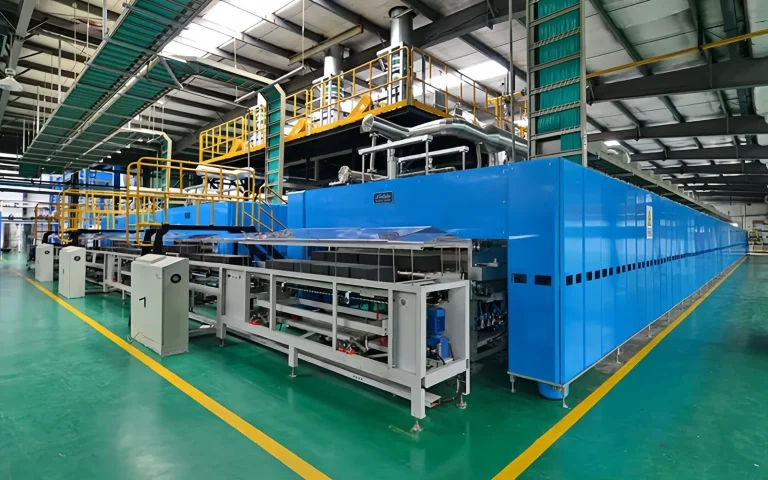
Artificial graphite anode material are mainly made from high quality low sulphur content petroleum coke
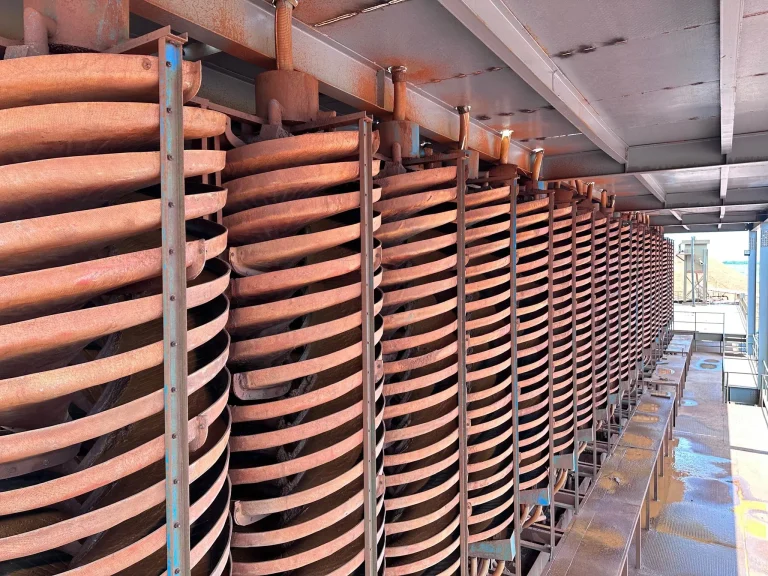
Vat leaching is a good option for the project owner to start at initial stage to save investment
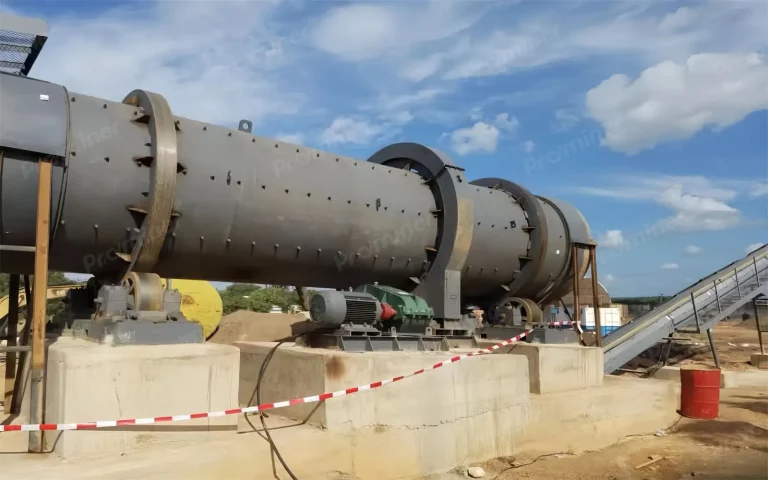
Heap leaching is a traditional cyanide leaching processing way which is flexible and economic to extract gold

Raw Ore: Titanium Zirconium Beach Sand Ore TiO₂ Grade: 4.5% ZrO₂ Grade: 3.2%
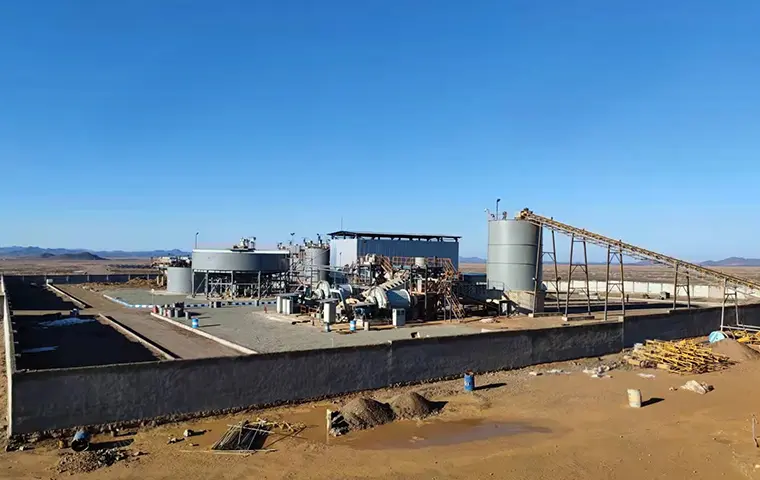
Raw Ore: Oxide & Transitional Gold Ore Gold Grade: 2.5–3.5 g/t Final Product: Gold Concentrate (Gravity + Flotation Combined)
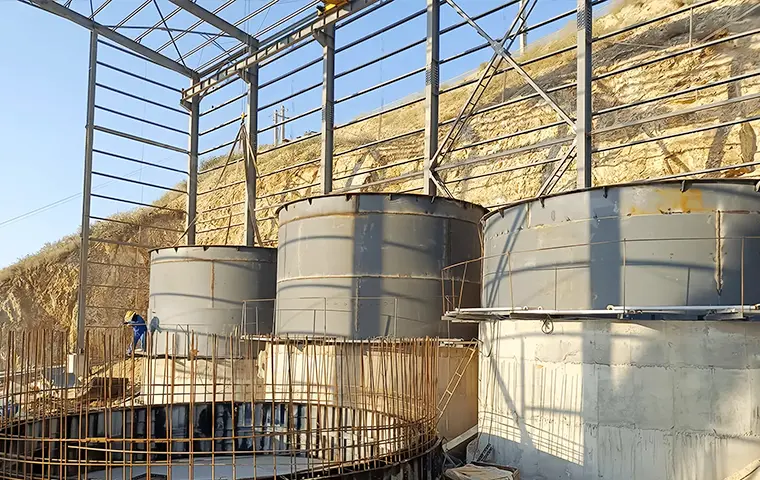
Raw Ore: Weathered Oxide Gold Ore Gold Grade: 1.8 g/t Gold Recovery Rate: 90.5%
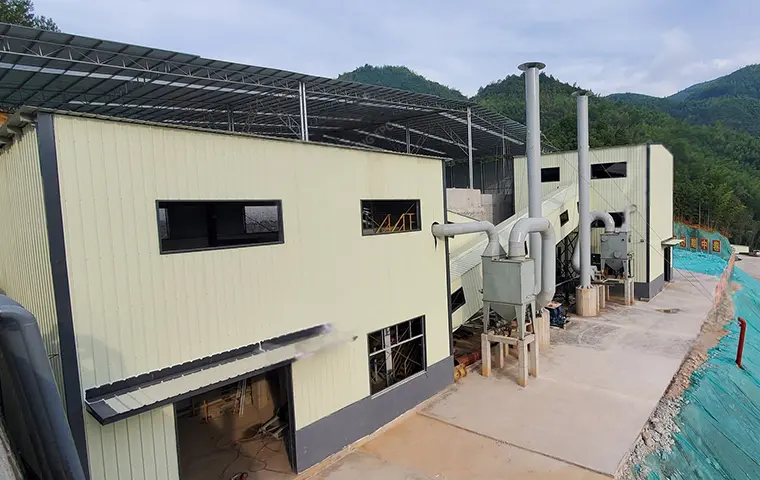
Raw Ore: High-Grade Fluorite Ore from Deep Veins Fluorspar Grade: 38% CaF₂ Concentrate Grade: 97.2% CaF₂
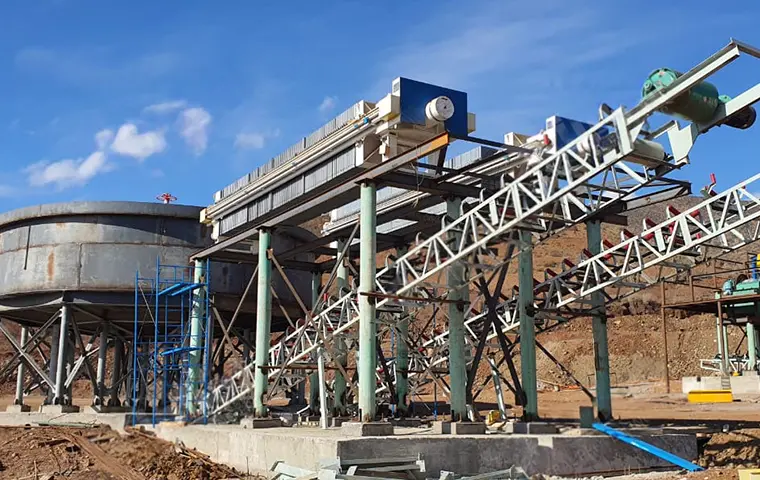
From laboratory testing to final commissioning, Prominer delivered a customized 20 TPH solution
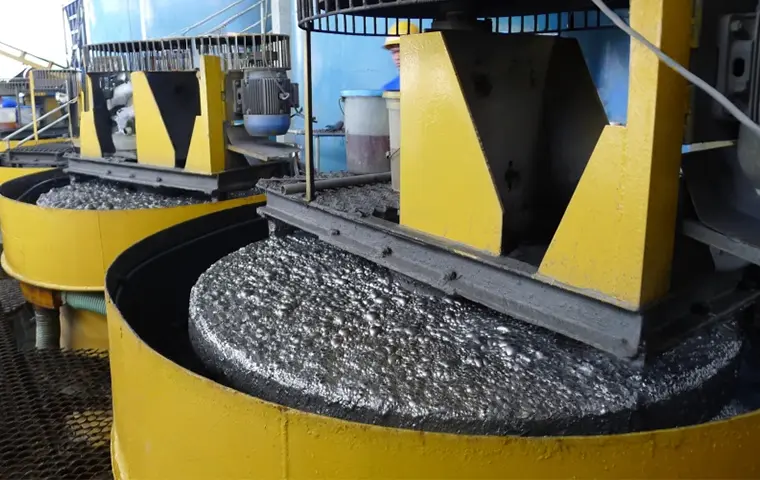
Raw Ore: Mixed Oxide Type Gold-Copper Ore Gold Grade: 1.5 g/t Copper Grade: 0.8%
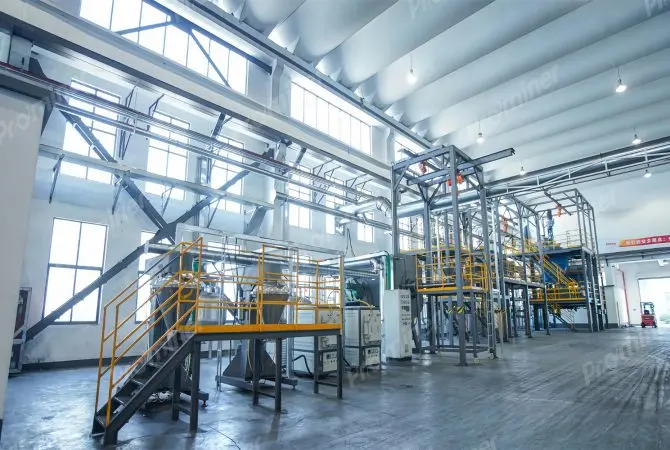
Raw Material: Needle coke and petroleum coke Project Capacity: 50 kgs per hour
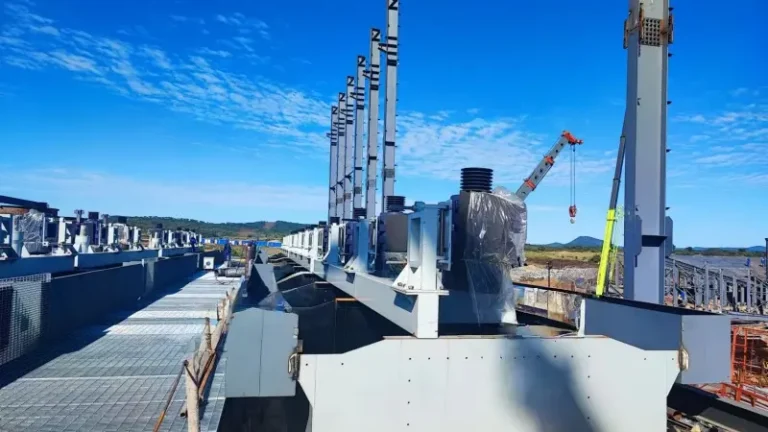
Raw Material: Lithium Brine (from Lithium Triangle: Chile/Argentina/Bolivia); Spodumene Ore (from Australia and China)
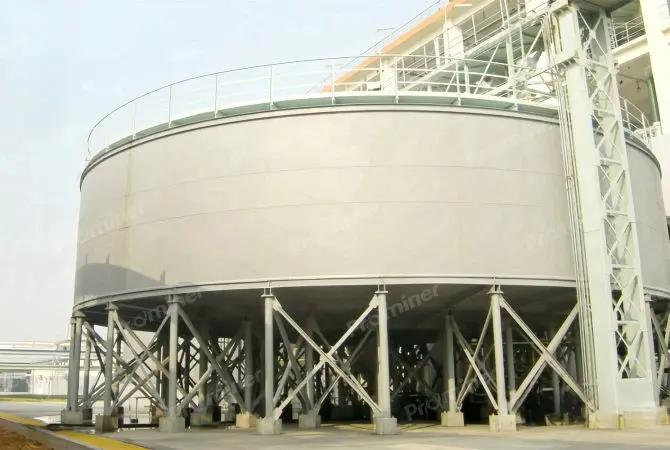
Prominer can provide different kinds of thickeners include center driving thickener, peripheral traction thickener
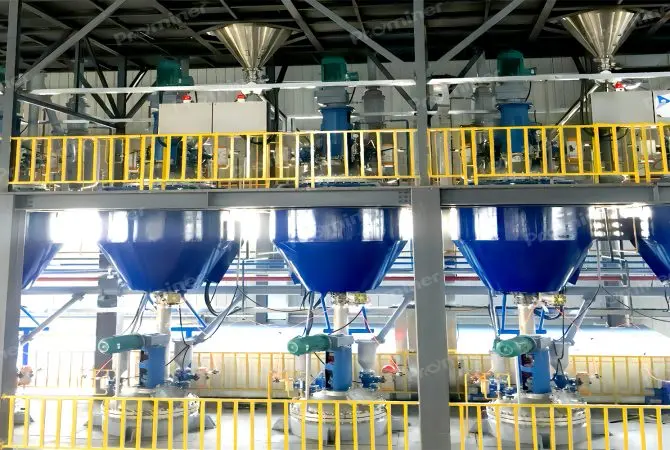
Our granulation reactor combines the coating and granulation processing functions together
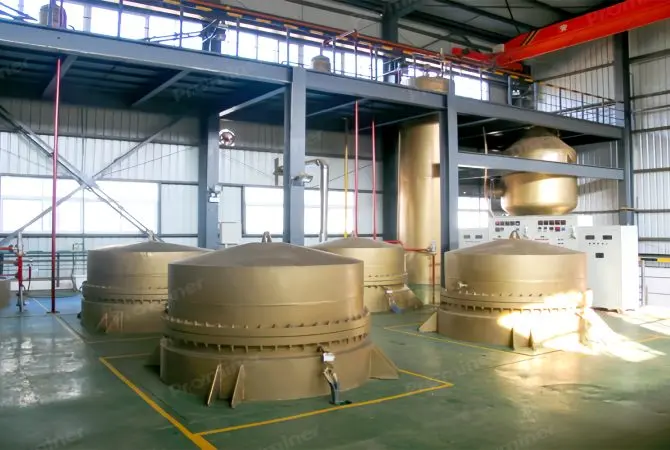
Prominer can design and provide the complete refinery and smelting system for gold CIL project
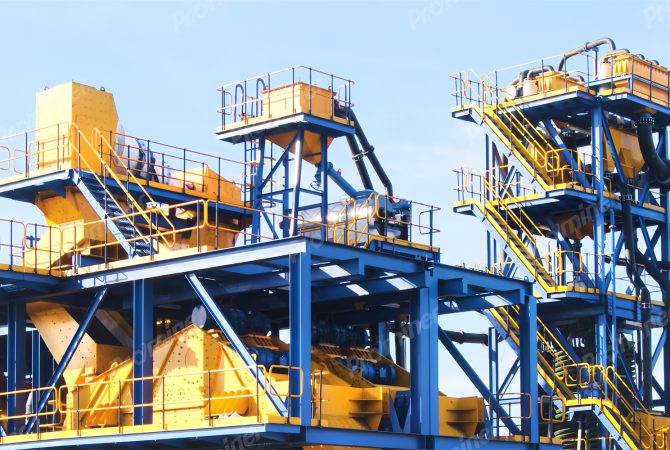
Prominer can provide different LIMS (Low Intensity Magnetic separator) magnetic separators
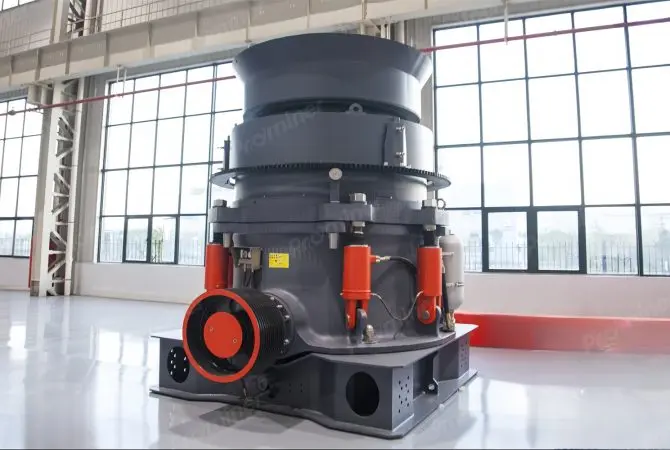
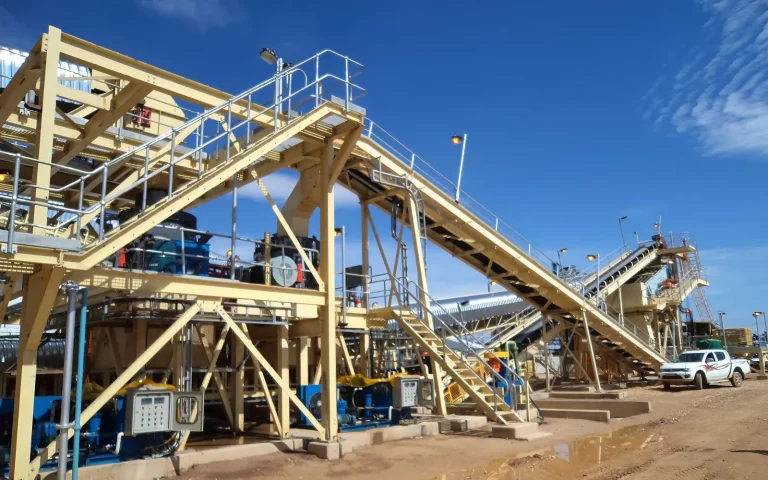
Multi-cylinder hydraulic cone crusher combines crusher speed, eccentricity and cavity profile
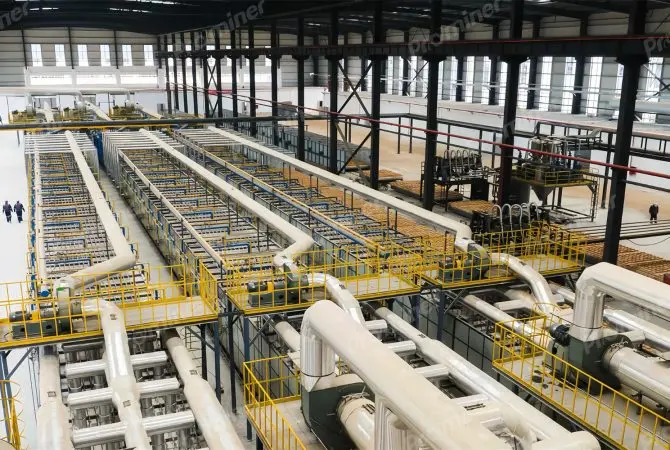
Prominer provides various types of furnaces for primary and secondary baking of carbon
To find out more about our products and solutions, please fll out the form below and one of our experts will get back to you shortly
3000 TPD Gold Flotation Project in Shandong Province
2500TPD Lithium Ore Flotation in Sichuan
Fax: (+86) 021-60870195
Address: No.2555,Xiupu Road, Pudong, Shanghai
Copyright © 2023. Prominer (Shanghai) Mining Technology Co.,Ltd.


