



Gold CIL process (carbon in leaching) is very popular way to process the high grade oxide type gold ore


/
/
What Are the Essential Ore Dressing Technologies for Copper Oxide Ore Applications?
Copper oxide ores are an important resource for copper extraction, especially as high-grade sulfide deposits continue to decline worldwide. Unlike copper sulfide ores, copper oxide ores require different beneficiation and processing methods due to their distinct mineralogical characteristics. Understanding the essential ore dressing technologies for copper oxide ore applications is critical for improving recovery rates, reducing operational costs, and maximizing resource utilization.
Below are the key technologies commonly used in the beneficiation of copper oxide ores.
Crushing and grinding are the first and most fundamental steps in copper oxide ore dressing. The purpose is to reduce the ore to a suitable particle size to achieve adequate mineral liberation.
Typically, the process includes:
Proper control of particle size is essential. Over-grinding can lead to slime generation, which negatively affects flotation performance, while under-grinding can result in poor mineral liberation and low recovery rates.
Copper oxide ores often contain significant amounts of clay and fine particles. These slimes can interfere with subsequent separation processes, particularly flotation.
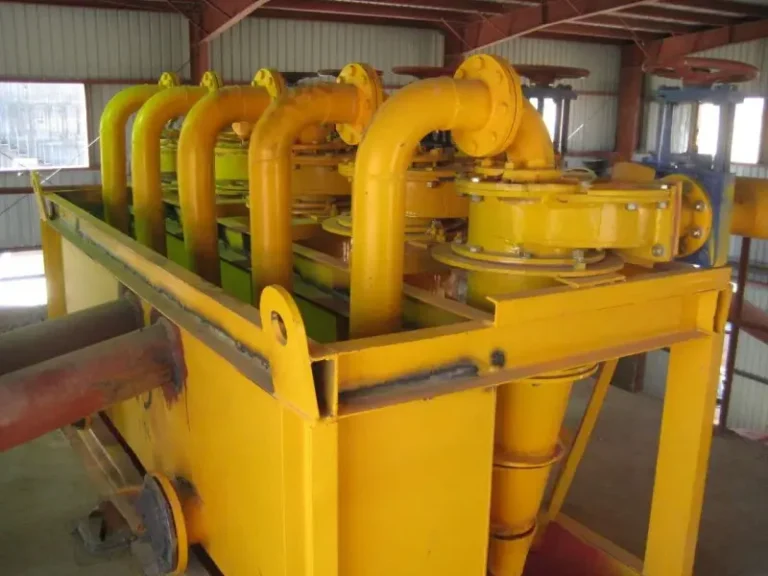
Classification equipment such as:
are used to separate fine particles from coarser fractions. Desliming helps improve reagent effectiveness and enhances the overall efficiency of downstream processes.
Flotation is one of the most widely used methods for processing copper oxide ores. However, oxide minerals are more difficult to float than sulfide minerals because they do not readily respond to conventional sulfide collectors.
Common flotation approaches include:
Key factors affecting flotation performance include pulp pH, reagent dosage, conditioning time, and mineral composition. Sulfidization flotation is particularly effective for minerals such as malachite, azurite, and chrysocolla.
Leaching is a highly effective method for low-grade or complex copper oxide ores. Instead of concentrating the ore through flotation, copper is dissolved directly into a solution.
Common leaching methods include:
Sulfuric acid is typically used as the leaching agent. The copper-bearing solution is then processed through solvent extraction and electrowinning (SX-EW) to produce high-purity cathode copper.
Leaching is particularly suitable for oxide ores because copper oxide minerals dissolve readily in acidic solutions.
In some cases, gravity separation can be applied when there is a significant difference in density between copper minerals and gangue minerals.
Equipment such as:
may be used as pre-concentration methods. Although not as common as flotation or leaching for copper oxide ores, gravity separation can reduce the processing load and improve overall plant efficiency.
Due to the complex nature of many copper oxide deposits, a single method is often insufficient. Combined processes are frequently adopted, such as:
Integrated flowsheets are designed based on ore mineralogy, grade, and economic considerations. A well-optimized combination process can significantly enhance copper recovery while minimizing operational costs.
Efficient reagent selection and precise process control are essential for successful copper oxide ore beneficiation.
Important aspects include:
Advanced process control systems help maintain stable production conditions and improve recovery rates.
The essential ore dressing technologies for copper oxide ore applications include crushing and grinding, classification and desliming, flotation (especially sulfidization flotation), leaching, gravity separation, and combined processing methods. Among these, flotation and acid leaching are the most widely applied techniques.
Selecting the appropriate technology depends on the specific mineral composition, ore grade, and economic objectives of the operation. With proper process design and optimization, copper oxide ores can be efficiently processed to achieve high recovery rates and sustainable production outcomes.
A: Mineral characteristics vary significantly even within the same ore body. A professional test (such as chemical analysis, XRD, and SEM) ensures the flowchart is optimized for your specific ore grade and liberation size. This prevents costly equipment mismatches and guarantees the highest possible recovery rates for your project.
A: We maintain a permanent stock of core wear parts (such as crusher liners, screen meshes, and grinding media). For international clients, we provide a recommended “2-year spare parts list” with the initial purchase. Technical support is available 24/7 via remote video, and site visits can be arranged for complex maintenance needs.
A: Yes. We send a team of senior mechanical and electrical engineers to the site to oversee the installation, commissioning, and load testing of the equipment. We also provide comprehensive on-site training for your local operators to ensure smooth long-term operation.
A: Absolutely. We specialize in providing EPCM (Engineering, Procurement, Construction Management) services. This includes everything from initial ore testing and mine design to equipment manufacturing, logistics, and full-scale plant integration, ensuring a seamless transition from greenfield to production.
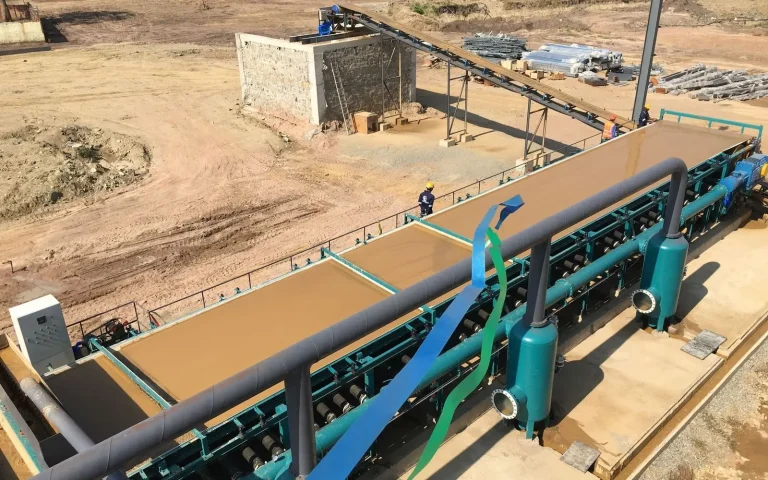
Gold CIL process (carbon in leaching) is very popular way to process the high grade oxide type gold ore
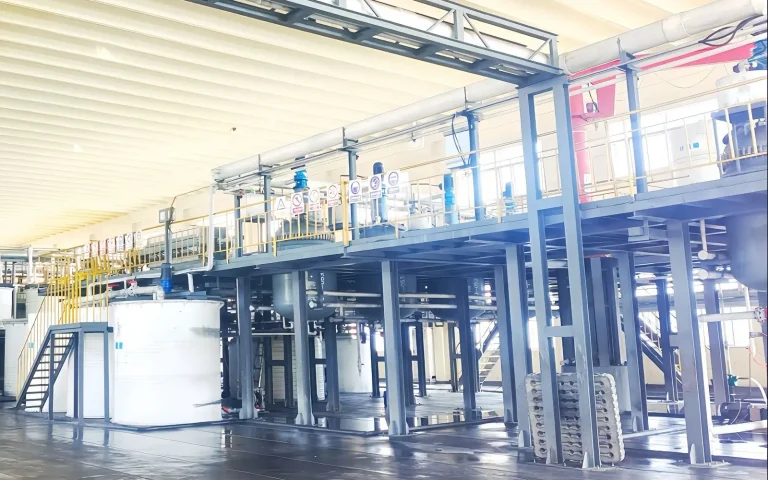
Flake graphite can be used to produce high carbon graphite, high purity graphite, expandable graphite
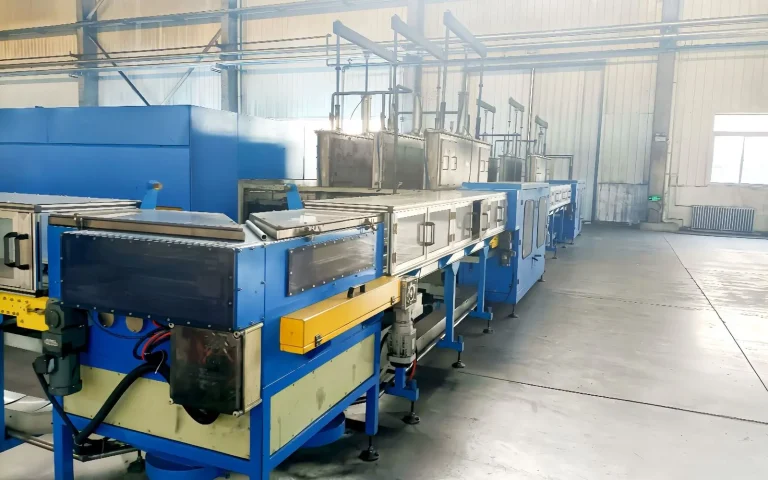
Hard carbon anode material is the most preferred materials for commercialization of sodium-ion battery

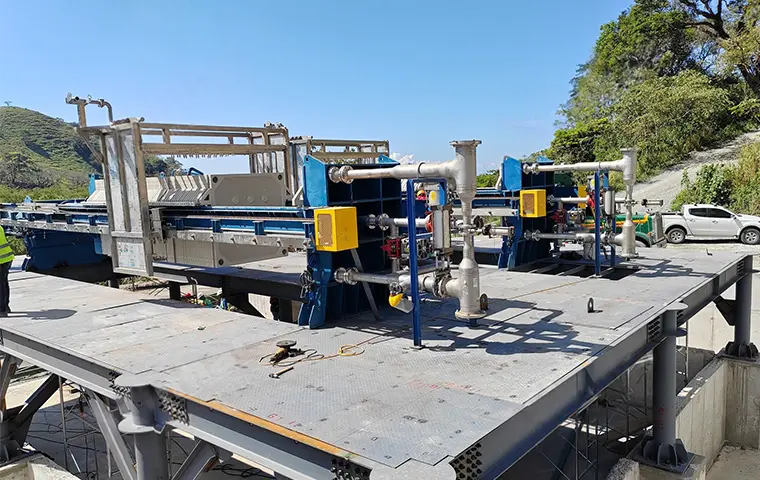
Raw Ore: Oxide and Transition Gold Ore Gold Grade: 3.5 g/t Gold Recovery Rate: 93%
Raw Ore: Alluvial Tin Ore (Cassiterite) Tin Grade: 0.8% Concentrate Grade: 65%
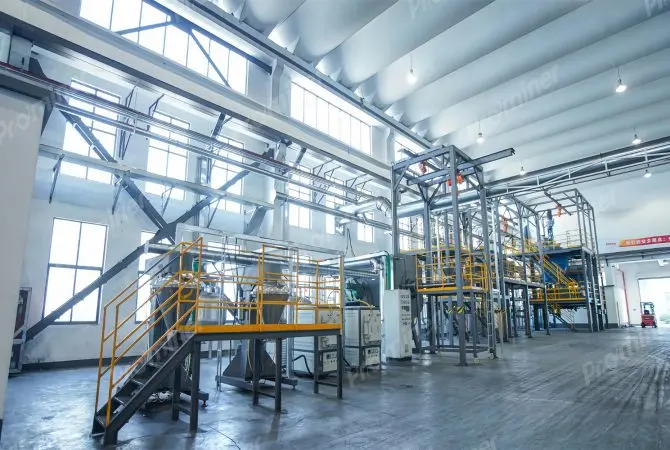
Raw Material: Needle coke and petroleum coke Project Capacity: 50 kgs per hour
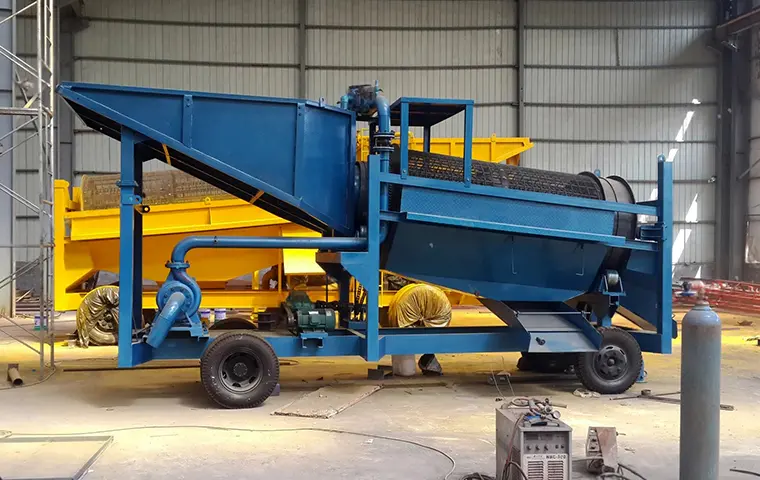
Raw Ore: Alluvial gold ore from riverbed and terrace deposits Gold Grade: 1.5 g/t Gold Recovery Rate: 92%

Raw Ore: Lithium-Rich Hectorite Clay (Li₂O: 0.6-1.0%) Final Product: Battery-Grade Lithium Carbonate
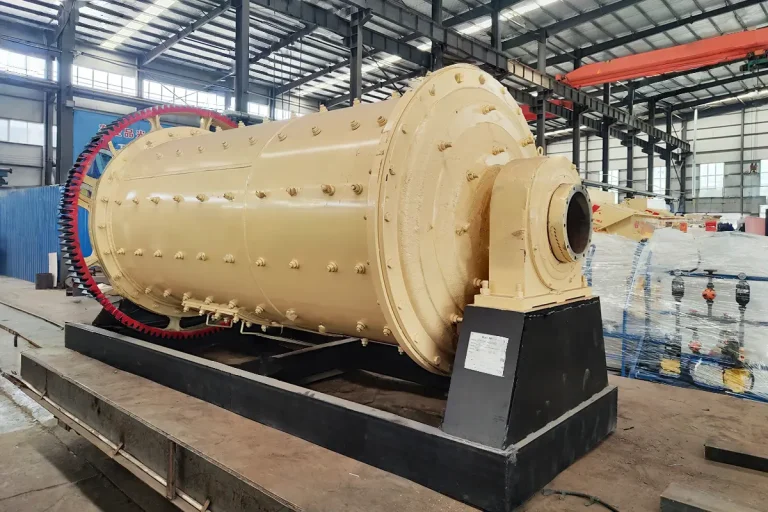
Raw Ore: Copper Ore (Chalcopyrite) Copper Grade: 0.85% Final Products: Grinded ore slurry for flotation
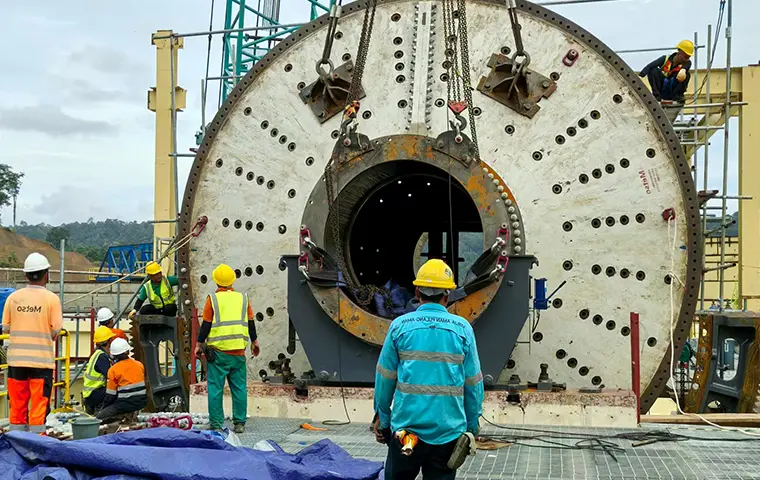
Raw Ore: Alluvial/Sulfide Type Gold Ore (depending on specific deposit) Gold Grade: 3.5 g/t Gold Recovery Rate: 92%
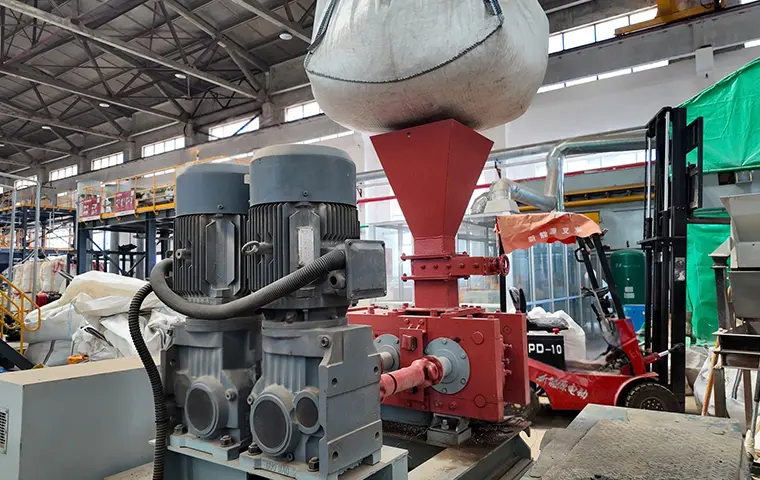
Project Objective: To determine the optimal processing flowsheet and provide scale-up data for a full-scale plant.
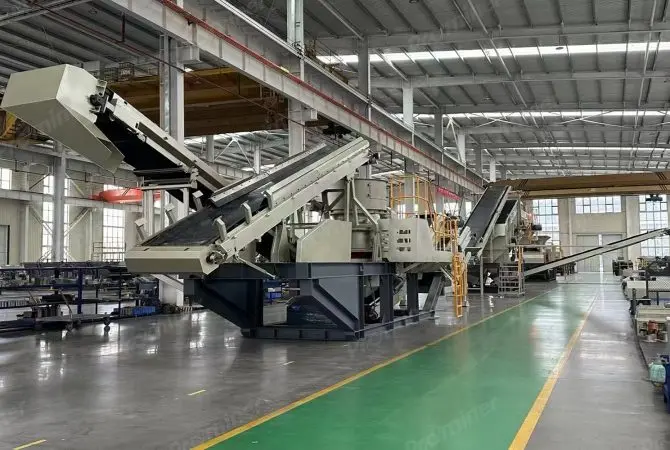
Skid mounted Portable Crusher, based on market requirements of easier moving from one site
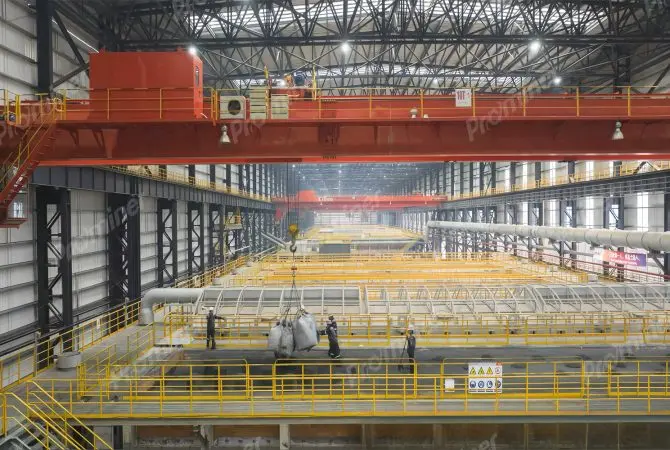
We can provide different type graphitization furnace for changing carbon material
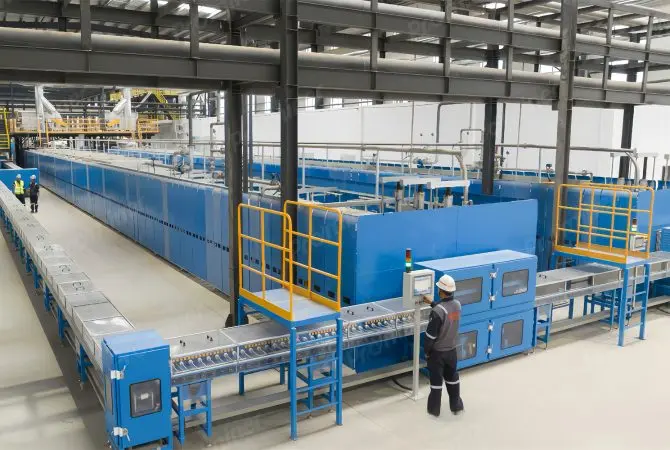
We can provide the complete solution for high temperature carbonization treatment system
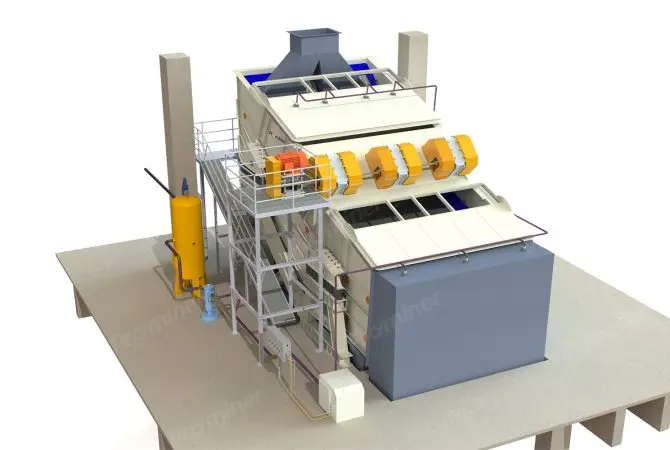
Flip-flow screen panel continues expanding and contracting so achieve a high acceleration rates
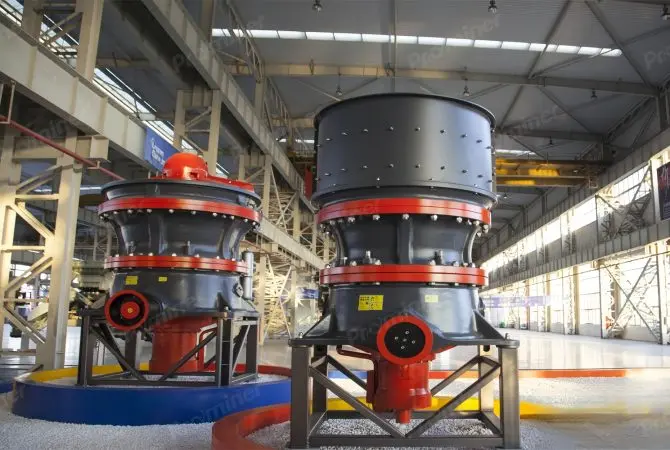
Single-cylinder hydraulic cone crusher have two series based on different cavity, S-cavity is designed
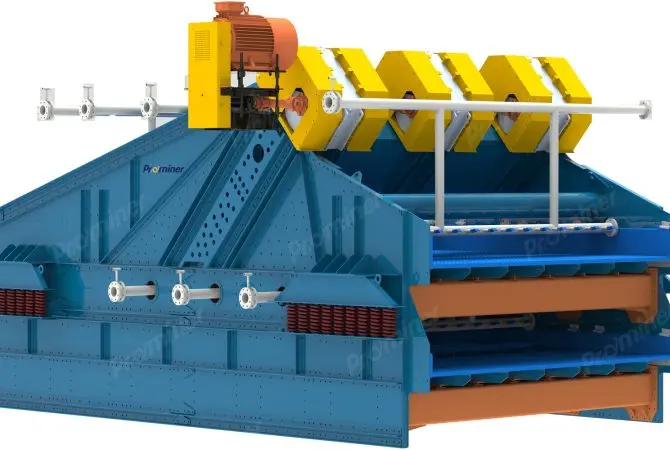
Prominer can provide all kinds of linear screen for mineral grading, material sizing, dewatering
To find out more about our products and solutions, please fll out the form below and one of our experts will get back to you shortly
3000 TPD Gold Flotation Project in Shandong Province
2500TPD Lithium Ore Flotation in Sichuan
Fax: (+86) 021-60870195
Address: No.2555,Xiupu Road, Pudong, Shanghai
Copyright © 2023. Prominer (Shanghai) Mining Technology Co.,Ltd.


