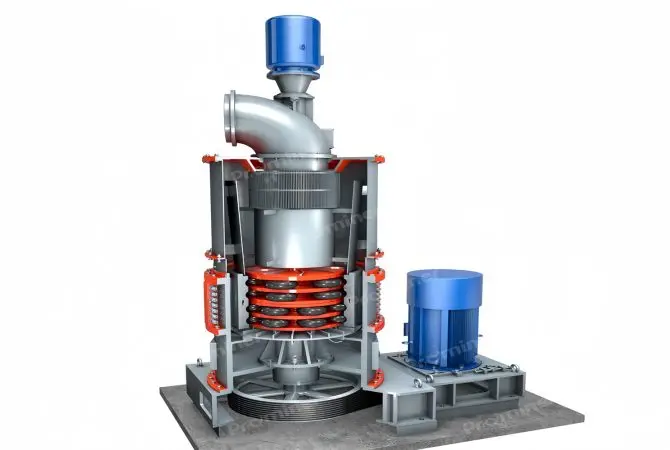
Prominer can provide the complete solution for making natrual graphite anode materials include grinding




Sulfide mineral intergrowth is one of the primary geological factors that complicates the separation of lead (Pb) and zinc (Zn) during mineral processing. In many ore deposits, galena (PbS) and sphalerite (ZnS) occur together in closely associated or finely intergrown textures. This intimate association creates significant challenges during crushing, grinding, and flotation processes. Several key factors contribute to these complications:
1. Fine-Grained Intergrowth
In many lead-zinc deposits, galena and sphalerite are intergrown at a microscopic or even sub-microscopic scale. When mineral grains are extremely fine, conventional grinding may not fully liberate them without overgrinding. Overgrinding can produce excessive slimes, which reduce flotation efficiency and increase reagent consumption.
2. Complex Textural Relationships
Sulfide minerals often exhibit complex textures such as exsolution lamellae, inclusions, replacement textures, or mutual boundary interlocking. For example, sphalerite may contain fine inclusions of galena, or vice versa. These textures make it difficult to achieve clean mineral separation, as particles may contain both minerals even after size reduction.
3. Similar Surface Chemistry
Although galena and sphalerite have different flotation behaviors under controlled conditions, their surface chemistry can become similar under certain processing environments. Activation of sphalerite by copper ions, for example, can alter its floatability and interfere with selective flotation. When intergrown, these chemical similarities further reduce separation selectivity.
4. Incomplete Mineral Liberation
Effective flotation requires adequate liberation of individual mineral particles. When sulfide intergrowth is tight, achieving full liberation demands finer grinding, which increases energy costs and may negatively affect downstream processing. Incomplete liberation results in composite particles that respond unpredictably to flotation reagents.
5. Presence of Secondary Alteration
Hydrothermal alteration or supergene processes may modify the original sulfide minerals, forming secondary minerals or oxidation products along grain boundaries. These alteration products can create additional surface heterogeneity, further complicating selective reagent adsorption and flotation performance.
6. Variable Ore Mineralogy
Lead-zinc ores often contain additional sulfide minerals such as pyrite, marcasite, or chalcopyrite. These minerals may also be intergrown with galena and sphalerite, increasing the complexity of separation circuits and requiring more precise reagent schemes.
In summary, sulfide mineral intergrowth complicates lead-zinc separation due to fine-grained textures, incomplete liberation, similar surface chemistry, and complex mineralogical associations. Addressing these challenges requires detailed mineralogical analysis, optimized grinding strategies, and carefully controlled flotation conditions to achieve efficient and selective recovery.
A: Mineral characteristics vary significantly even within the same ore body. A professional test (such as chemical analysis, XRD, and SEM) ensures the flowchart is optimized for your specific ore grade and liberation size. This prevents costly equipment mismatches and guarantees the highest possible recovery rates for your project.
A: We maintain a permanent stock of core wear parts (such as crusher liners, screen meshes, and grinding media). For international clients, we provide a recommended “2-year spare parts list” with the initial purchase. Technical support is available 24/7 via remote video, and site visits can be arranged for complex maintenance needs.
A: Yes. We send a team of senior mechanical and electrical engineers to the site to oversee the installation, commissioning, and load testing of the equipment. We also provide comprehensive on-site training for your local operators to ensure smooth long-term operation.
A: Absolutely. We specialize in providing EPCM (Engineering, Procurement, Construction Management) services. This includes everything from initial ore testing and mine design to equipment manufacturing, logistics, and full-scale plant integration, ensuring a seamless transition from greenfield to production.
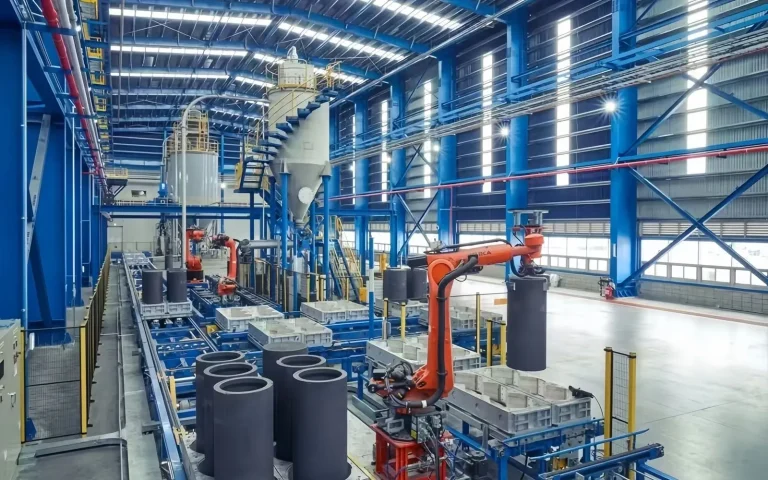
Prominer can provide the complete solution for making natrual graphite anode materials include grinding
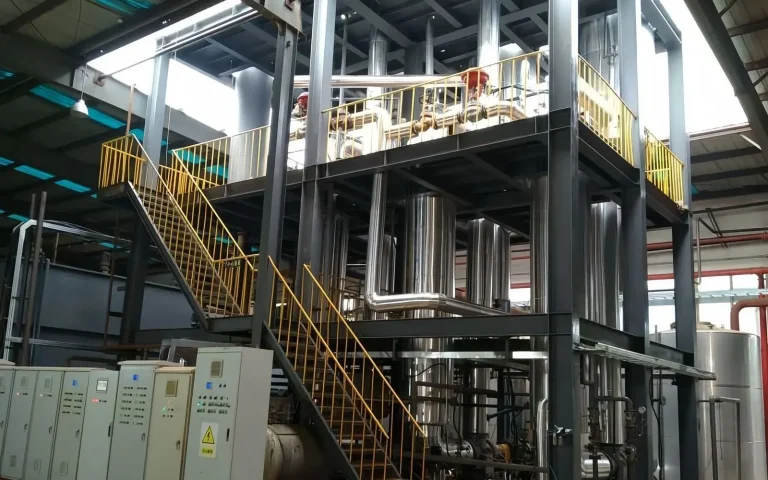
We can provide direct lithium extraction (DLE) solution to recover the lithium from salt lake brine
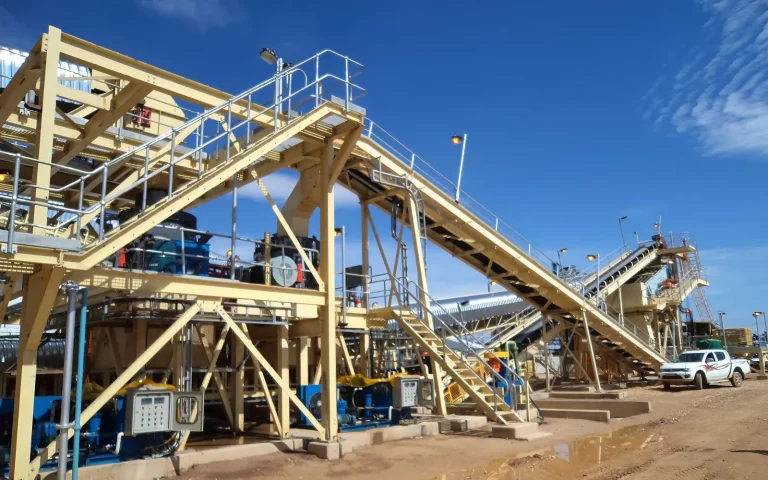
Vat leaching is a good option for the project owner to start at initial stage to save investment

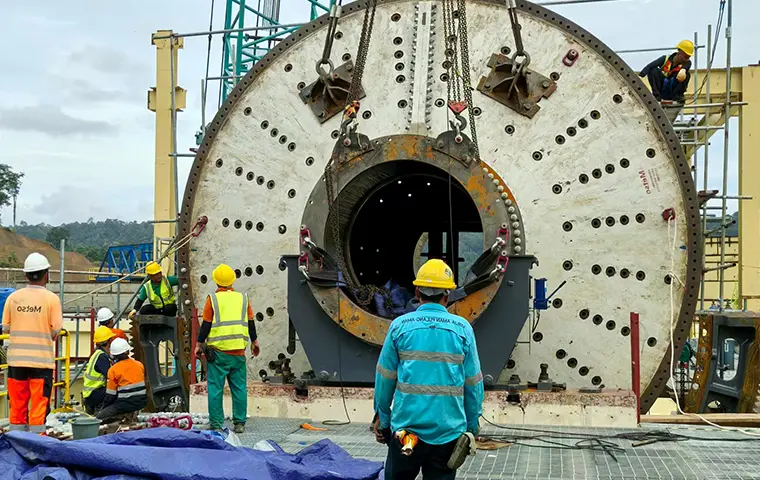
Raw Ore: Alluvial/Sulfide Type Gold Ore (depending on specific deposit) Gold Grade: 3.5 g/t Gold Recovery Rate: 92%
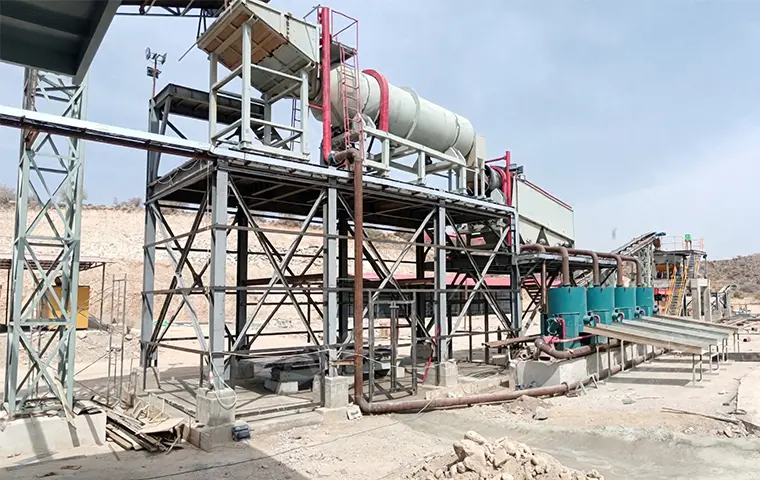
Raw Ore: Alluvial gold ore from dry river bed (Wadi) Gold Grade: 1.2 g/t Gold Recovery Rate: >92%
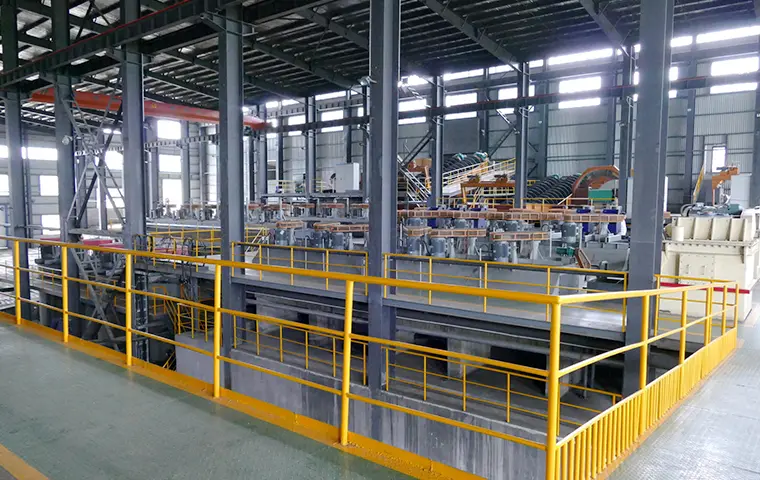
Raw Material: Spherical Graphite, Pitch Binder, Additives Project Capacity: 5,000 tons anode material; 20 tons graphene per annum
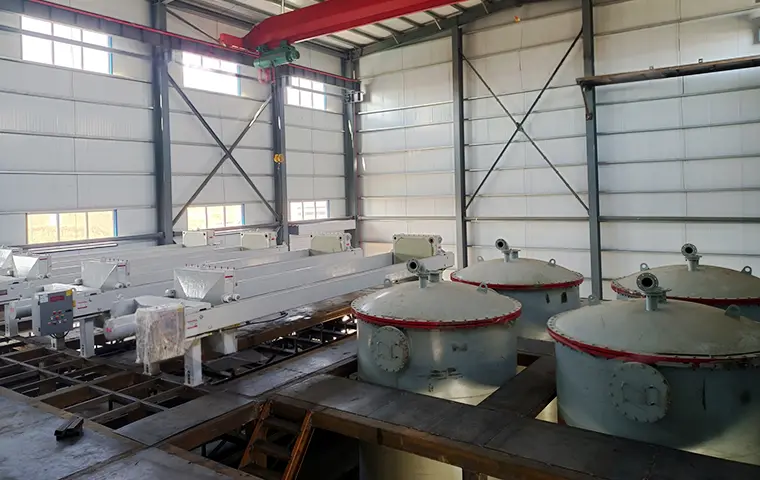
Raw Ore: Silver-Polymetallic Sulfide Ore (containing Ag, Pb, Zn) Silver Grade: 180 g/t Lead Grade: 4.2% Zinc Grade: 5.8%
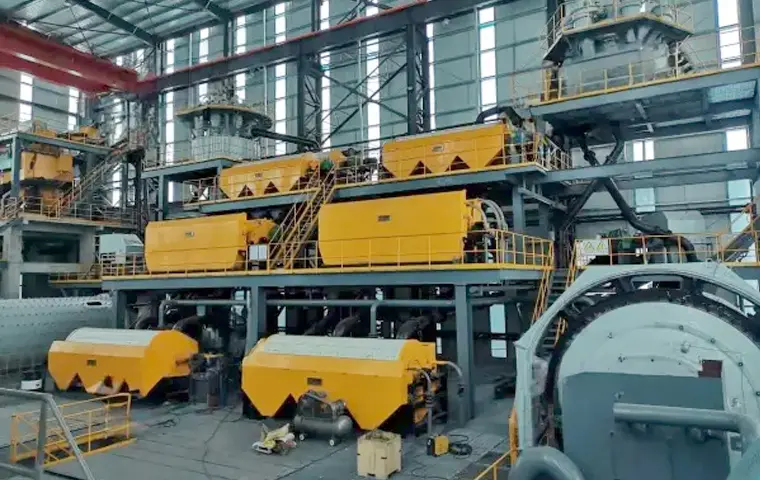
Raw Ore: Magnetite Iron Ore with Hematite Banding Fe Grade: 28-32% Final Product: High-Grade Iron Concentrate
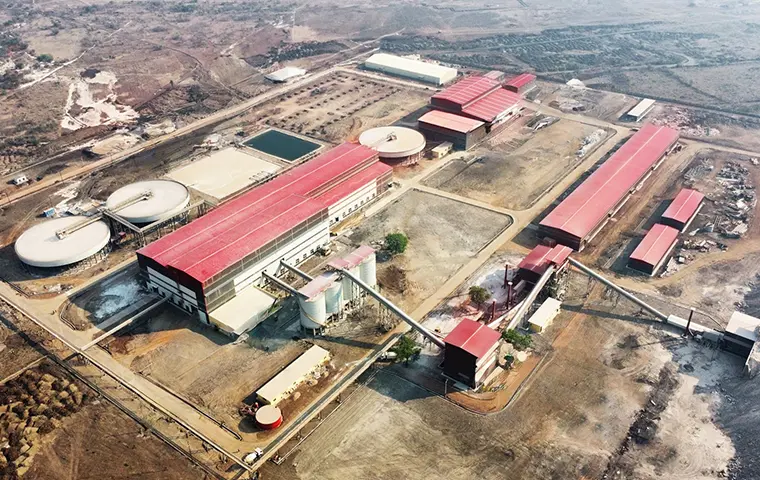
Raw Ore: Multi-metal sulfide ore (Cu, Zn, Au) Ore Grade: Cu 1.2%, Zn 2.5%, Au 1.5 g/t
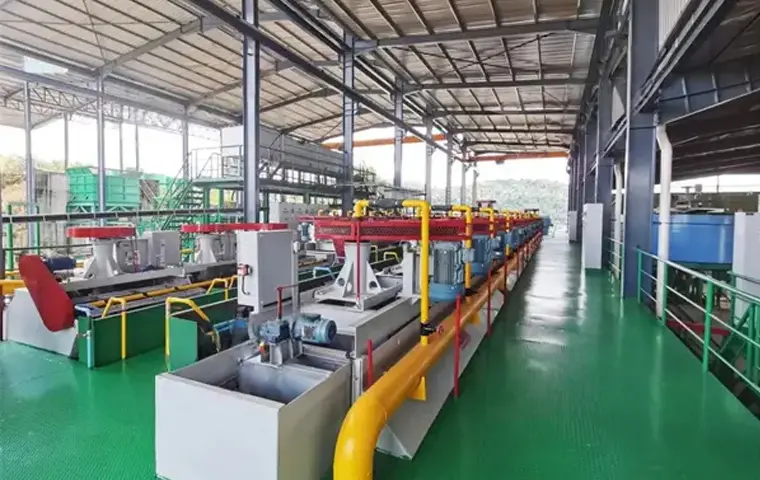
Raw Ore: Alluvial Coltan (Tantalite-Columbite) with Cassiterite Ore Grade: Ta₂O₅: 0.025-0.04%; Nb₂O₅: 0.02-0.035%; SnO₂: 0.1-0.3%
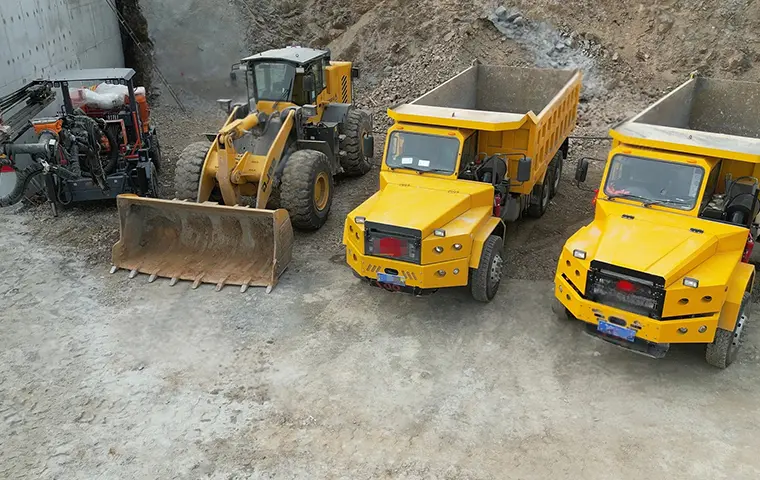
Raw Ore: Sulfide-Type Molybdenum Ore (Molybdenite) Head Grade: 0.15% Mo Concentrate Grade: ≥ 55% Mo
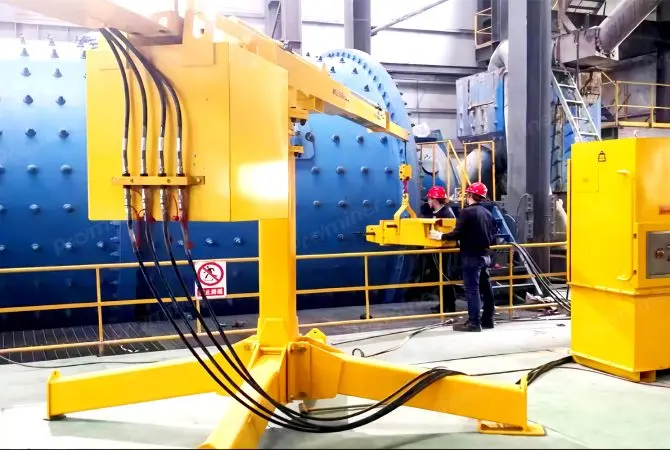
We can manufacture the highly automated and powerful recoilless Bolt Hammer to remove
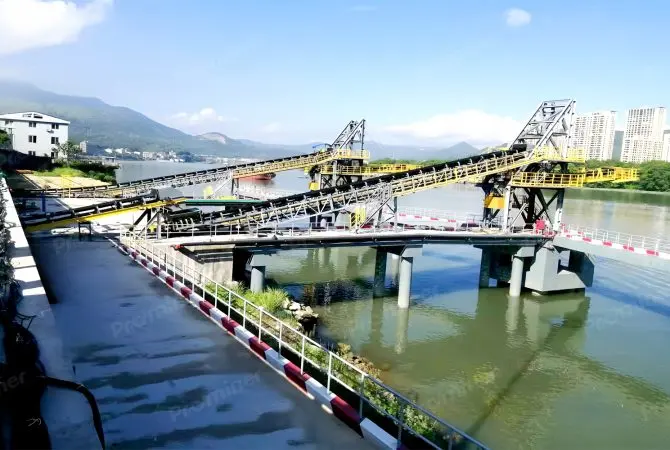
We can provide the solution of belt conveyors for different purposes include steeply inclined belt conveyor
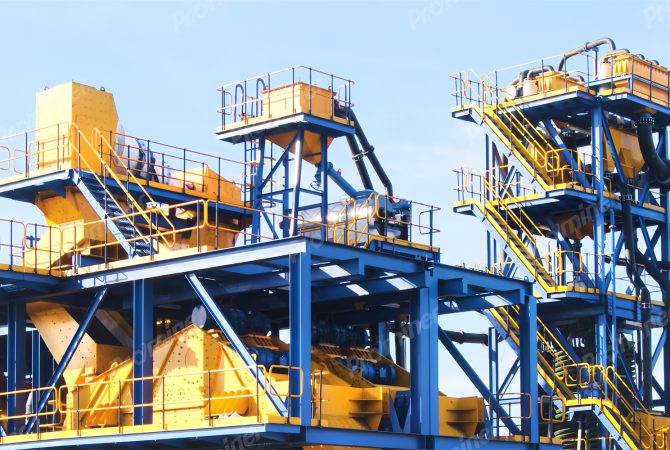
Prominer can provide different LIMS (Low Intensity Magnetic separator) magnetic separators
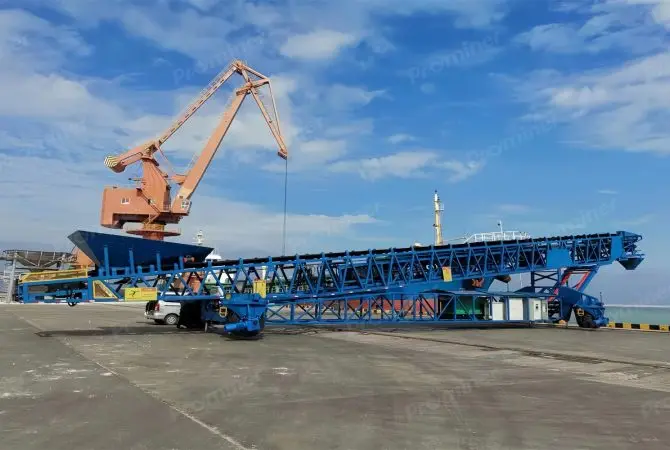
Our engineer team can design and manufacture the mobile type radial stacker, loader
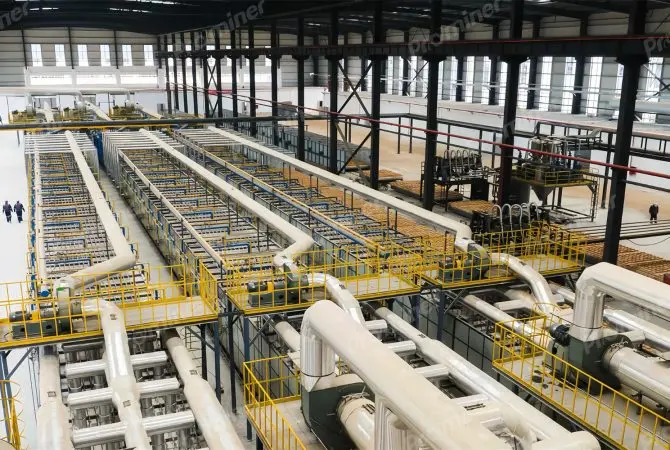
Prominer provides various types of furnaces for primary and secondary baking of carbon
To find out more about our products and solutions, please fll out the form below and one of our experts will get back to you shortly
3000 TPD Gold Flotation Project in Shandong Province
2500TPD Lithium Ore Flotation in Sichuan
Fax: (+86) 021-58779592
Address: Room 606, Building D3, Phase II, Chuansha Business Center, 777 Long, Miaochuan Road, Pudong New Area, Shanghai,China
Copyright © 2023. Prominer (Shanghai) Mining Technology Co.,Ltd.