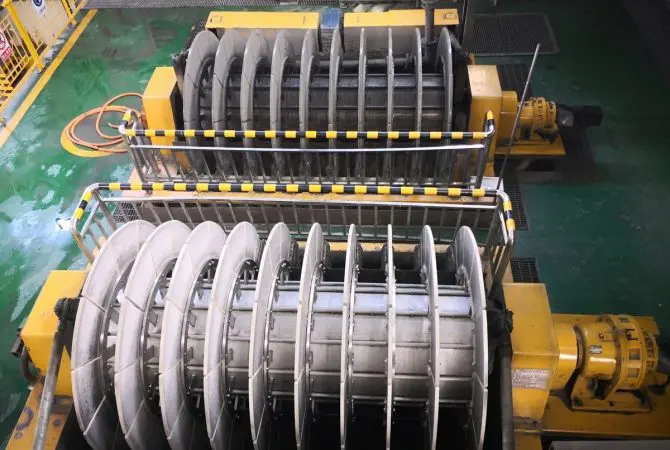
There are two types natural graphite ore include crystalline graphite and amorphous graphite



Gold process selection and flotation performance are guided by various criteria spanning mineralogical, metallurgical, environmental, and financial factors. The key criteria include:
Understanding the characteristics of the gold ore is fundamental for optimizing process selection and flotation performance. Key aspects include:
Certain factors influence how well gold and gold-associated minerals respond to flotation, including:
Gold recovery processes are influenced by:
Selection and dosage of flotation reagents play a critical role in gold recovery:
Refractory gold ores often require pre-treatment before flotation:
Process suitability depends heavily on financial and practical aspects:
Stricter regulations and sustainability goals prioritize eco-friendly processes:
Gold flotation processes are often incorporated with other methods (gravity concentration, cyanidation, and hydrometallurgy) for maximum efficiency:
Gold process selection and flotation performance are guided by the ore type and grade, mineralogical and metallurgical properties, flotation reagent performance, pre-treatment requirements, environmental considerations, and cost-effectiveness. Comprehensive characterization studies, piloting, and continuous optimization are essential for achieving efficient and sustainable gold recovery.
Prominer (Shanghai) Mining Technology Co., Ltd. specializes in providing complete mineral processing and advanced materials solutions globally. Our core focus includes: gold processing, lithium ore beneficiation, industrial minerals. Specializing in anode material production and graphite processing.
Products include: Grinding & Classification, Separation & Dewatering, Gold Refining, Carbon/Graphite Processing and Leaching Systems.
We offer end-to-end services including engineering design, equipment manufacturing, installation, and operational support, backed by 24/7 expert consultation.
Our Website Url: https://www.prominetech.com/
Our Email: [email protected]
Our Sales: +8613918045927(Richard), +8617887940518(Jessica), +8613402000314(Bruno)
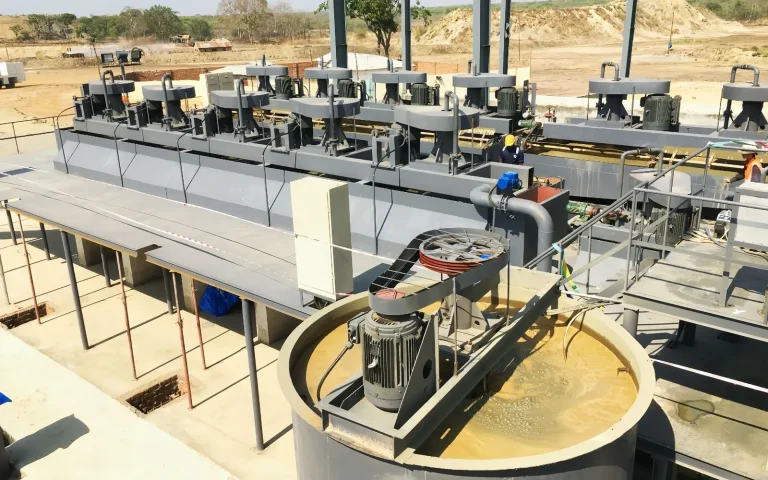
There are two types natural graphite ore include crystalline graphite and amorphous graphite
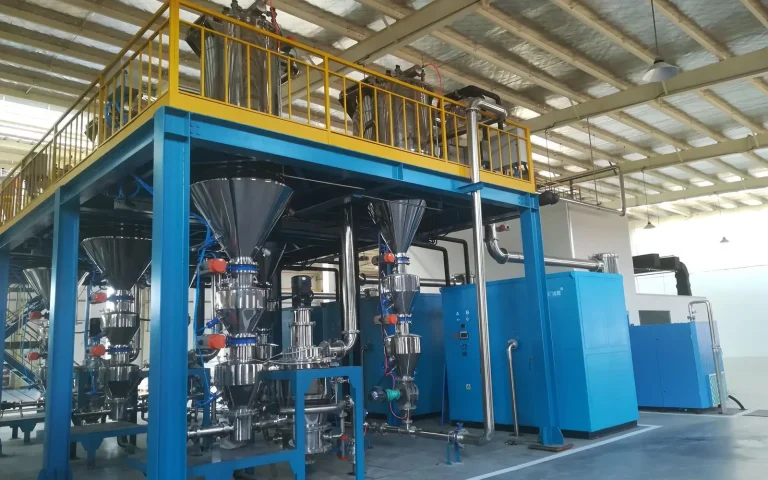
Silicon based anode is one kind of composite anode material by compounding silicon
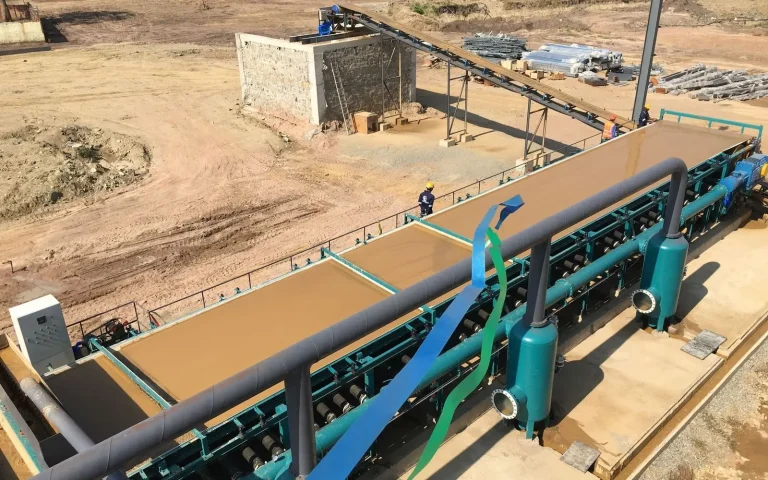
Gold CIL process (carbon in leaching) is very popular way to process the high grade oxide type gold ore

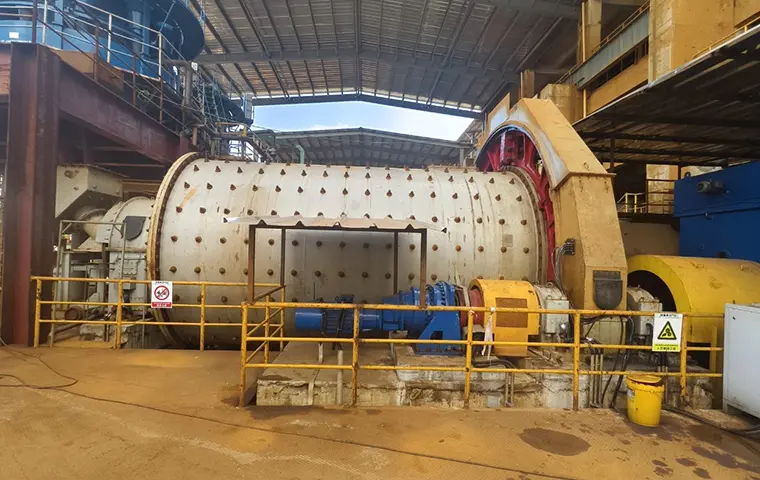
Located in Indonesia, this project focuses on the efficient regrinding of nickel ore to enhance mineral upgrading and deep processing. Prominer (Shanghai) Mining Technology Co., Ltd.
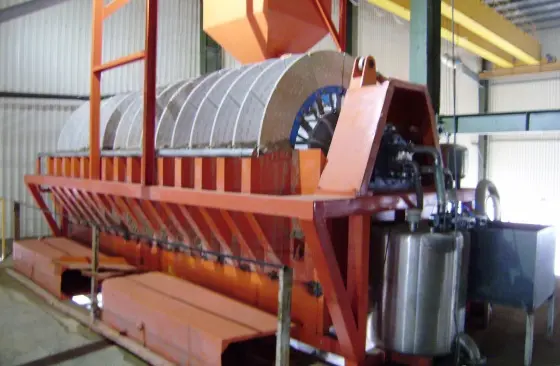
Client: Heavy Mineral Sands Producer Feedstock: Ilmenite Concentrate (TiO₂ 52-55%) Final Product: Rutile-Grade TiO₂ (≥94% purity)
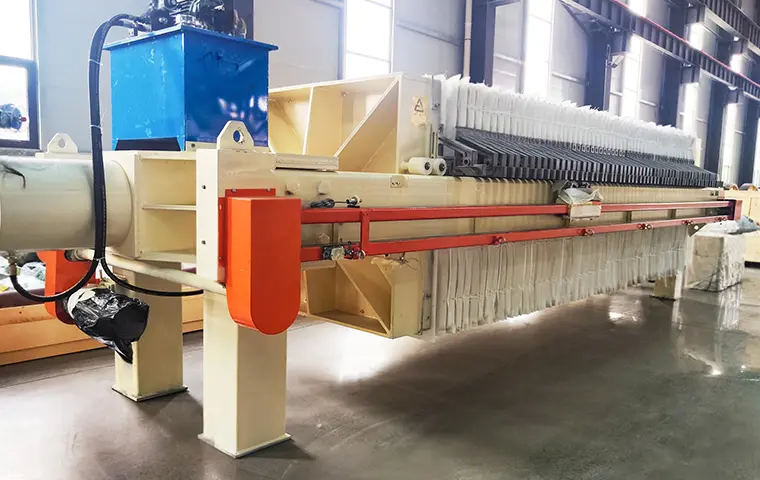
Project Background: Upgrade of dewatering circuit for flotation concentrate and plant tailings to reduce moisture content and enable dry stack disposal.
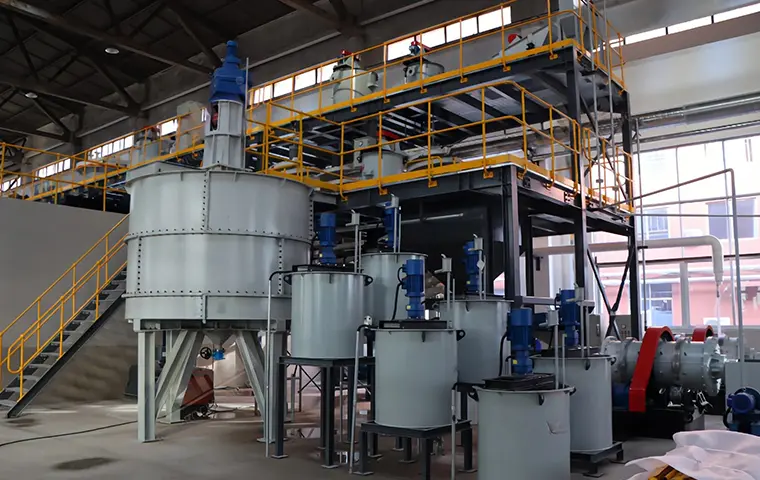
Project Background: Expansion and Technological Upgrade of an Existing Flotation Plant
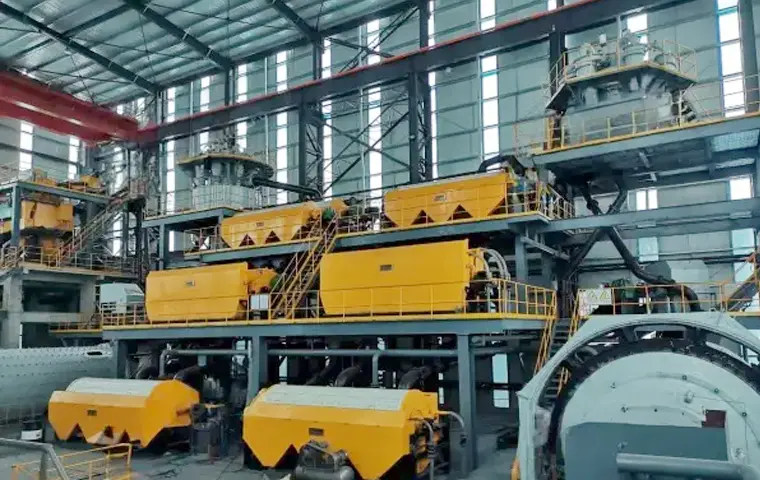
Raw Ore: Magnetite Iron Ore with Hematite Banding Fe Grade: 28-32% Final Product: High-Grade Iron Concentrate
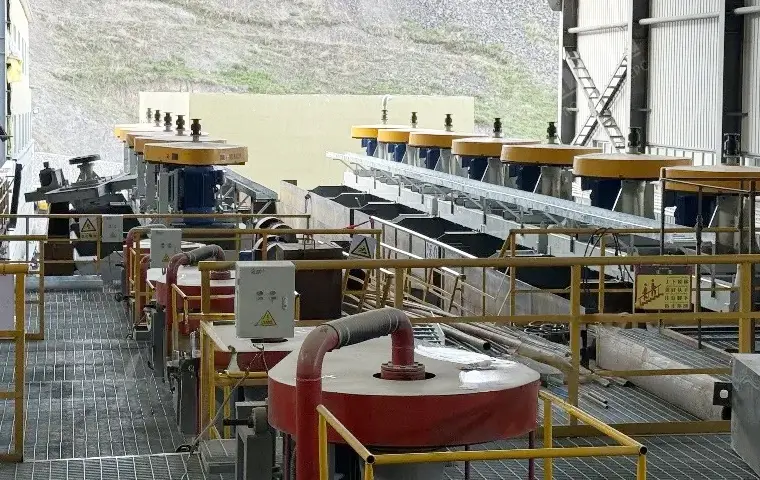
Raw Ore: Sulfide Type Gold Ore (with associated Pyrite and Arsenopyrite) Gold Grade: 4.2 g/t
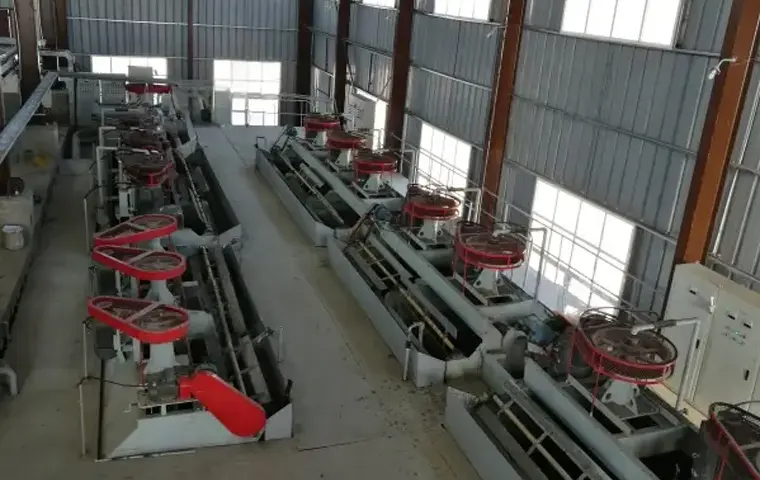
Raw Ore: Sedimentary Phosphate Rock P2O5 Grade: 22-26%
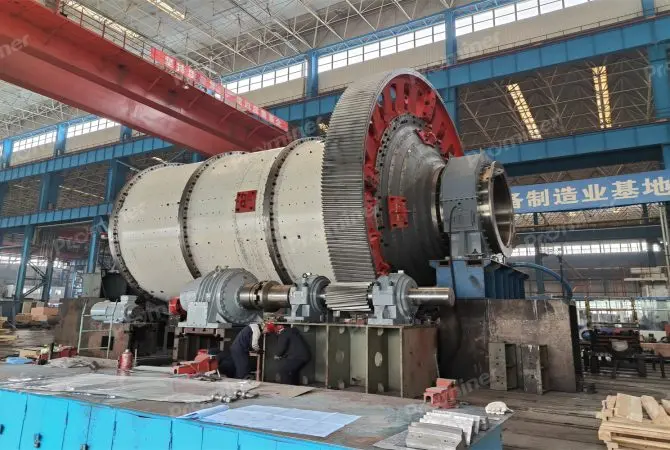
We can design and manufacture grate type ball mill for mineral primary grinding
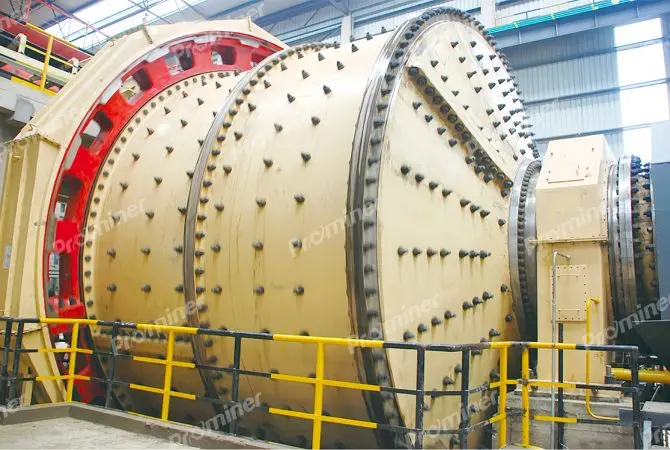
AG/SAG is short for autogenous mill and semi-autogenous mill, it combines with two functions of crushing
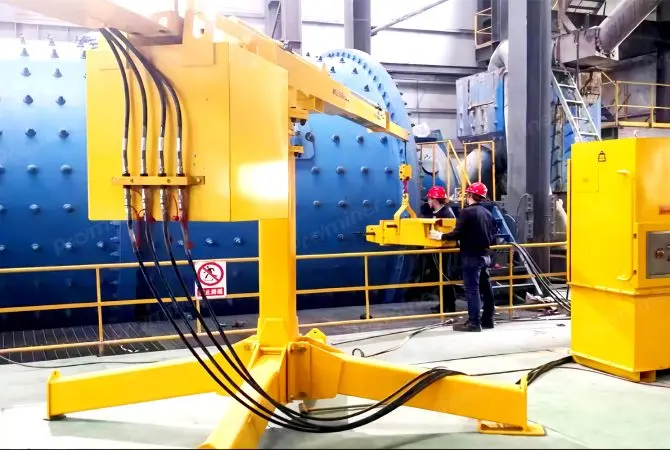
We can manufacture the highly automated and powerful recoilless Bolt Hammer to remove
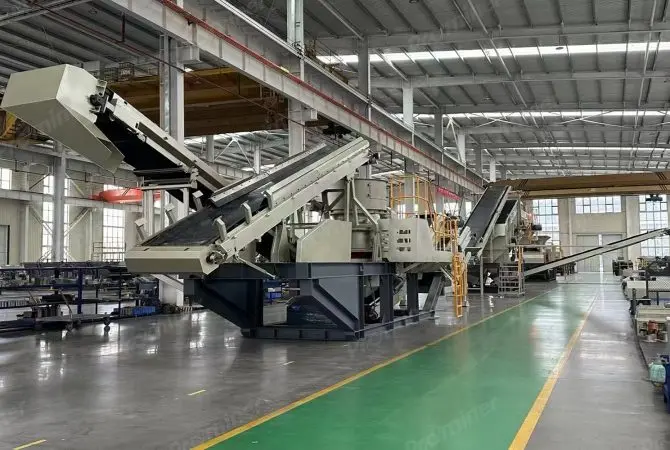
Skid mounted Portable Crusher, based on market requirements of easier moving from one site
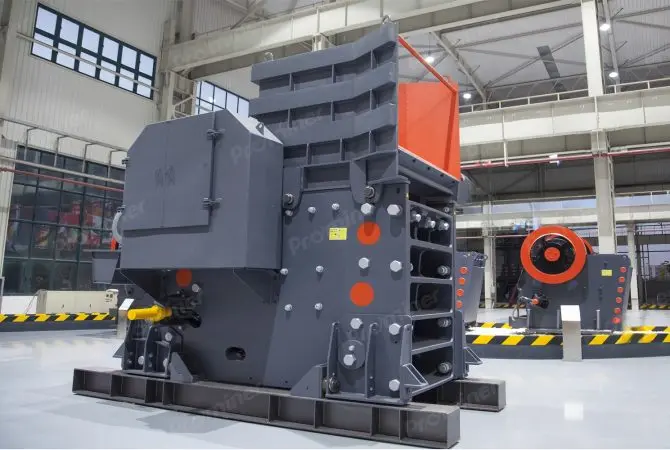
Jaw Crusher, its opening size determines its max feeding size. The crushing chamber of a jaw crusher
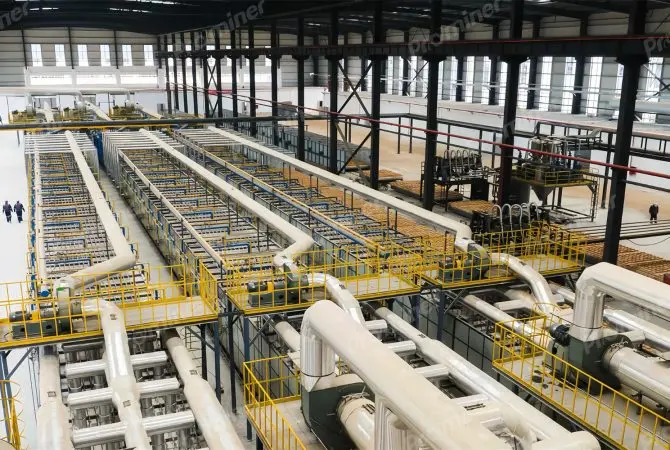
Prominer provides various types of furnaces for primary and secondary baking of carbon
To find out more about our products and solutions, please fll out the form below and one of our experts will get back to you shortly
3000 TPD Gold Flotation Project in Shandong Province
2500TPD Lithium Ore Flotation in Sichuan
Fax: (+86) 021-60870195
Address: No.2555,Xiupu Road, Pudong, Shanghai
Copyright © 2023. Prominer (Shanghai) Mining Technology Co.,Ltd.